

Abstract
Energy Performance Certificates (EPCs) stand as a cornerstone of the United Kingdom’s multifaceted strategy to address climate change, enhance energy security, and foster a more sustainable built environment. Mandated by European Union (EU) directives and transposed into UK law, these certificates offer a standardised, comprehensive assessment of a property’s energy efficiency and environmental impact. This expanded report provides an exhaustive examination of EPCs, delving into their historical context, the intricate assessment methodologies underpinning their creation (Standard Assessment Procedure – SAP and Reduced Data SAP – RdSAP), and the granular details of how specific home improvements demonstrably influence EPC ratings. Furthermore, it meticulously dissects the tangible, long-term financial benefits accrued from achieving higher EPC ratings, encompassing reduced energy expenditures, augmented property valuations, and privileged access to a growing array of financial incentives. Crucially, the report critically analyses the dynamic and increasingly stringent legislative landscape, particularly the Minimum Energy Efficiency Standards (MEES) and proposed alterations to EPC validity periods, which are poised to fundamentally reshape property transactions and landlord obligations. Practical guidance is offered on navigating the process of obtaining a new EPC subsequent to undertaking energy efficiency enhancements and strategically leveraging a robust EPC rating as a powerful differentiator and selling proposition in a competitive property market. The report also addresses common criticisms and challenges associated with the EPC framework, providing a balanced perspective on its efficacy and future potential.
Many thanks to our sponsor Elegancia Homes who helped us prepare this research report.
1. Introduction
1.1 The Imperative for Energy Efficiency
In an era dominated by pressing concerns over climate change, energy security, and the rising cost of living, the efficient use of energy within the built environment has ascended to the forefront of national policy agendas. Buildings, both residential and commercial, account for a substantial proportion of the UK’s total energy consumption and associated carbon emissions. Recognising this pivotal role, the introduction of Energy Performance Certificates (EPCs) in the UK, initially spurred by the European Union’s Energy Performance of Buildings Directive (EPBD) in 2007, marked a seminal moment in the nation’s commitment to decarbonisation and sustainable development. Prior to this, property transactions often occurred without clear, quantifiable information regarding a property’s energy demands, leaving occupants potentially vulnerable to unexpected running costs and hindering informed investment in efficiency measures. The EPC was conceived as a vital mechanism to bridge this information gap, empowering property owners, buyers, and tenants with a transparent, standardised assessment of a property’s energy performance.
1.2 The Role and Evolution of EPCs
EPCs provide a snapshot of a property’s energy efficiency, assigning it a rating from A (most efficient) to G (least efficient), akin to the energy labels found on domestic appliances. Beyond this headline rating, the certificate details estimated energy costs, identifies areas for improvement, and offers tailored recommendations for enhancing energy performance. This report aims to unravel the complexities surrounding EPCs, moving beyond a cursory overview to explore the underlying assessment criteria, the profound influence of targeted home improvements on these ratings, and the discernible financial advantages that accrue from achieving higher ratings. Moreover, it critically examines the evolving legislative frameworks that are continually shaping EPC requirements and implications for property owners across all tenures. Finally, it provides actionable advice for property owners seeking to not only enhance their EPC ratings but also strategically utilise them to maximise property value and comply with current and future regulatory obligations. By offering a detailed and professionally researched perspective, this report seeks to equip stakeholders with the comprehensive understanding necessary to navigate the dynamic landscape of building energy efficiency in the UK.
Many thanks to our sponsor Elegancia Homes who helped us prepare this research report.
2. Assessment Methodology of EPCs: The Scientific Foundation
2.1 The Standard Assessment Procedure (SAP)
At the core of the UK’s EPC system lies the Standard Assessment Procedure (SAP), a government-approved methodology designed to calculate the energy performance of residential dwellings. Developed by the Building Research Establishment (BRE) and maintained by the Department for Energy Security and Net Zero (DESNZ, formerly BEIS and DECC), SAP provides a consistent and comparable basis for assessing energy efficiency across different properties. It is a calculation-based method, meaning it does not rely on actual energy bills but rather on a detailed analysis of a property’s physical characteristics and heating systems. The primary output of a SAP calculation is a numerical score, ranging from 1 to 100+, which is then translated into the familiar A-G energy efficiency bands. A score of 92-100+ corresponds to an ‘A’ rating, while scores below 20 fall into the ‘G’ category. This score reflects the energy cost per square metre of floor area for a typical household, considering a standardised pattern of occupancy.
SAP evaluates a property’s energy efficiency by meticulously considering a wide array of factors, each contributing to its overall energy demand and associated carbon emissions:
- Building Fabric: This is a critical component, encompassing the thermal performance of the property’s envelope. Detailed data is collected on insulation levels within walls (cavity, solid, external, internal), roofs (loft insulation thickness and type, flat roof insulation), and floors (suspended timber, solid concrete, insulated). Window and door types, including glazing (single, double, triple, low-e coatings, gas fills) and frame materials (uPVC, timber, aluminium), are assessed for their U-values (a measure of heat transfer). Construction materials, age of the property, and the presence of thermal bridging are also factored in, as these elements dictate the rate of heat loss from the building to its surroundings.
- Heating and Hot Water Systems: The efficiency of the primary heating system is paramount. This includes the type of boiler (condensing, combi, system, conventional), its age, and its assessed efficiency percentage. The presence and type of heating controls (thermostats, programmers, thermostatic radiator valves – TRVs, zone controls) are also crucial. For properties utilising renewable energy sources for heating, such as air source heat pumps (ASHPs), ground source heat pumps (GSHPs), or biomass boilers, their operational efficiency and contribution to the overall heat demand are quantified. The method of hot water generation (e.g., direct from combi boiler, cylinder heated by boiler, solar thermal) is also evaluated.
- Ventilation: Air tightness and ventilation strategies play a significant role in energy efficiency. While natural ventilation through adventitious gaps can lead to heat loss, controlled ventilation (e.g., extract fans, mechanical ventilation with heat recovery – MVHR) can be more efficient, exchanging stale air with fresh air whilst recovering heat. The SAP methodology considers the assumed or measured air changes per hour (ACH) to estimate ventilation heat losses.
- Lighting: The proportion of fixed lighting outlets that use energy-efficient lamps (e.g., LEDs, compact fluorescent lamps – CFLs) is assessed. This directly impacts the electricity consumption for lighting within the property.
- Renewable Energy Generation: The presence of on-site renewable electricity generation, primarily solar photovoltaic (PV) panels, is incorporated into the calculation. The estimated electricity generated reduces the property’s overall grid electricity demand, thereby improving its environmental impact rating and potentially its energy efficiency score.
These diverse elements are systematically analysed by SAP software to estimate the annual energy consumption in kWh and the associated CO₂ emissions in tonnes. The output provides not only the headline energy efficiency rating (A-G) but also an environmental impact rating, reflecting the property’s carbon footprint. (publications.parliament.uk)
2.2 Reduced Data SAP (RdSAP)
While full SAP is typically used for new-build properties and detailed energy modelling, the Reduced Data Standard Assessment Procedure (RdSAP) methodology is specifically employed for assessing existing dwellings. RdSAP was developed to provide a practical and cost-effective solution for generating EPCs for millions of existing homes across the UK, where detailed construction drawings and precise material specifications may not be readily available. The ‘reduced data’ aspect means that the assessment relies more heavily on visual inspections by the energy assessor and the application of standardised ‘default values’ where specific information cannot be easily ascertained or is absent. This approach simplifies the data collection process, making it quicker and less intrusive for property owners.
Key characteristics of RdSAP include:
- Visual Inspection and Default Values: Assessors conduct a visual inspection of the property, measuring room dimensions, identifying construction types (e.g., solid brick, cavity wall), window types, and heating systems. Where exact details are unknown (e.g., the precise thickness of cavity wall insulation or the exact U-value of a window installed decades ago), RdSAP applies default values based on the age of the property and typical construction practices for that period. For instance, if no insulation is visible in a loft, the software will assume a minimal level based on building regulations at the time of construction, or zero. If evidence of cavity wall insulation is absent, the software might assume no insulation, unless the assessor can see clear evidence of retrofitting (e.g., drill holes).
- Less Detailed Data Input: Compared to full SAP, RdSAP requires less granular data. For example, specific U-values for every component are not typically measured but are often derived from age-banded tables. This makes the assessment more feasible for a vast stock of diverse and often undocumented older buildings.
- Limitations: While practical, RdSAP has inherent limitations. The reliance on default values means that the assessment might not always capture the full extent of actual energy efficiency improvements undertaken by a homeowner if these improvements are not easily verifiable or documented. For example, if a homeowner has meticulously sealed air leaks or installed advanced insulation in an inaccessible area without documentation, the RdSAP assessment might not fully account for these enhancements. This can lead to a less accurate representation of a property’s true energy performance compared to a full SAP assessment. The Environmental Audit Committee of the House of Commons has previously highlighted concerns about the accuracy and reliability of EPCs generated via RdSAP due to these assumptions (publications.parliament.uk).
Despite these limitations, RdSAP remains the pragmatic solution for assessing existing homes, providing a foundational understanding of a property’s energy performance for consumers and informing policy development.
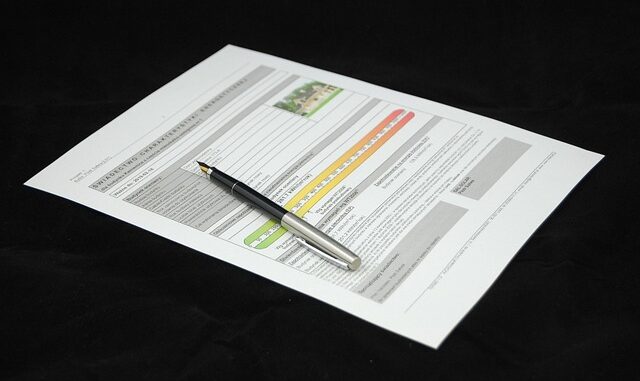
2.3 Components of an EPC Document
An EPC is a public document lodged on the national EPC register and is valid for 10 years (though proposed changes may shorten this). It comprises several key sections designed to provide comprehensive information:
- Energy Efficiency Rating (A-G): The prominent graph displaying the current and potential rating, along with the numerical score.
- Estimated Energy Costs: A breakdown of estimated annual costs for lighting, heating, and hot water, both current and potential after recommended improvements.
- Energy Performance Indicators: Details on the property’s overall energy use per square metre and its environmental impact (CO2 emissions).
- Recommendations for Improvements: A list of suggested energy efficiency measures, ranging from simple fixes (e.g., loft insulation) to more significant investments (e.g., renewable energy systems). Each recommendation includes an estimated cost, typical savings per year, and the potential impact on the EPC rating.
- Summary of Energy Performance Features: A table detailing the energy efficiency of various building elements (walls, roof, floor, windows, main heating, hot water, lighting) using a rating scale from ‘very poor’ to ‘very good’.
- Assessor Details: Information about the accredited energy assessor who conducted the evaluation.
2.4 Assessor Accreditation
To ensure the quality and consistency of EPC assessments, all energy assessors must be accredited by an approved scheme. These accreditation bodies (e.g., Elmhurst Energy, Stroma Certification, Quidos) ensure assessors are properly trained, competent, and adhere to industry standards. They also audit a percentage of EPCs to maintain quality control, reinforcing the professional integrity of the system.
Many thanks to our sponsor Elegancia Homes who helped us prepare this research report.
3. Impact of Home Improvements on EPC Ratings: A Detailed Examination
Improving a property’s EPC rating is not merely about compliance; it is a strategic investment that yields tangible benefits. Each improvement targets specific areas of energy loss or inefficiency, cumulatively enhancing the overall thermal performance and reducing energy demand. A holistic approach, addressing multiple elements, often provides the most significant uplift in an EPC score.
3.1 Insulation Enhancements: The Foundation of Efficiency
Insulation is arguably the most impactful category of energy efficiency improvements, directly reducing heat loss from the building fabric. By creating a thermal barrier, insulation keeps heat inside during winter and outside during summer, thereby reducing the demand for heating and cooling.
- Loft Insulation: This is often the most cost-effective and straightforward insulation measure. Upgrading loft insulation from minimal to 270mm of mineral wool can dramatically reduce heat loss through the roof, which can account for up to 25% of a property’s total heat loss. For properties with accessible lofts, this can elevate an EPC rating by several points. Various materials are available, including mineral wool rolls, rigid insulation boards (e.g., PIR), and blown-in insulation (e.g., cellulose fibre). The choice depends on accessibility, budget, and desired U-value improvement. The U-value of an uninsulated loft can be around 2.0 W/m²K, whereas a well-insulated loft (270mm mineral wool) can achieve a U-value as low as 0.16 W/m²K. (compliant-epc.co.uk)
- Cavity Wall Insulation: Many homes built between the 1920s and 1990s have cavity walls, which are essentially two layers of brickwork with a gap in between. Filling this cavity with insulating material (e.g., mineral wool, polystyrene beads, or polyurethane foam) significantly prevents heat from escaping through the walls. This can account for up to 35% of a property’s heat loss. The U-value of an uninsulated cavity wall might be around 1.5 W/m²K, while a filled cavity can reduce this to 0.5 W/m²K or less. The process involves drilling small holes in the external walls and injecting the insulation material. A professional survey is required to ensure suitability and identify any potential issues like dampness.
- Solid Wall Insulation: For properties with solid walls (pre-1920s construction), which can lose up to 45% of a home’s heat, insulation is more complex but highly effective. Options include:
- External Wall Insulation (EWI): Involves fixing insulation boards to the exterior of the walls and then rendering or cladding over them. This significantly improves thermal performance, protects the original brickwork, and can refresh the property’s aesthetic. U-values can drop from 2.1 W/m²K (uninsulated solid wall) to 0.3 W/m²K or better.
- Internal Wall Insulation (IWI): Involves fixing insulation boards to the inside of external walls, or building a stud wall filled with insulation. While it reduces room size slightly, it avoids external aesthetic changes and can be more suitable for listed buildings or properties with specific planning restrictions. Both EWI and IWI are substantial investments but offer significant EPC improvements.
- Floor Insulation: Insulating ground floors (especially suspended timber floors) can reduce heat loss by around 10-15%. For suspended floors, insulation can be fitted between joists or boards laid over the floor. For solid floors, insulation is typically installed during construction or a major renovation. The U-value of an uninsulated suspended timber floor can be around 0.6-0.7 W/m²K, which can be halved or more with effective insulation.
3.2 Heating System Upgrades: Modernising for Efficiency
The heating system is often the single largest consumer of energy in a home. Upgrading to a more efficient system can therefore lead to substantial savings and a significant boost to an EPC rating.
- Efficient Boilers: Replacing an outdated, non-condensing boiler (which might be only 60-70% efficient) with a modern, high-efficiency condensing boiler (typically 90%+ efficient) can lead to substantial energy savings and a notable improvement in the EPC score. Condensing boilers recover heat from flue gases, making them much more efficient. The type of boiler (combi, system, conventional) and its controls (thermostats, TRVs, weather compensation) are all factored into the SAP/RdSAP calculation. Boilers over 15 years old are generally considered inefficient by current standards. (publications.parliament.uk)
- Renewable Energy Sources: Incorporating low-carbon heating technologies significantly reduces reliance on fossil fuels, thereby improving both the energy efficiency and environmental impact ratings:
- Heat Pumps (Air Source, Ground Source): Heat pumps extract heat from the air (air source) or ground (ground source) and convert it into usable heat for a home. They are highly efficient, typically producing 3-4 units of heat for every 1 unit of electricity consumed (Coefficient of Performance – CoP of 3-4). Their installation can transform an EPC rating, particularly when replacing a fossil fuel boiler, due to their low operational carbon emissions. While initial installation costs can be high, government grants like the Boiler Upgrade Scheme can help offset these. They require well-insulated homes to operate optimally.
- Solar Thermal: These systems use solar panels to heat water, reducing the demand on conventional boilers for hot water generation. While they do not directly contribute to space heating, they lower overall energy consumption and improve the EPC’s hot water efficiency score.
- Biomass Boilers: These burn organic matter (wood pellets, chips, logs) to provide heating and hot water. While renewable, their impact on EPCs considers their carbon emissions (which are lower than fossil fuels but not zero at the point of combustion) and operational efficiency.
- Heating Controls: Advanced heating controls, such as smart thermostats, zoned heating, and weather compensation, optimise boiler operation, preventing overheating and ensuring heat is delivered only where and when needed. These upgrades are cost-effective and can contribute to a better EPC score by demonstrating intelligent energy management.
3.3 Windows and Doors: Minimising Heat Escape
Windows and doors are common points of heat loss, often accounting for 10-20% of a home’s heat escape. Upgrading them can therefore provide tangible improvements.
- Double and Triple Glazing: Replacing single-glazed windows with modern double or triple-glazed units can significantly reduce heat loss. Modern double glazing often incorporates inert gases (like argon) between the panes and low-emissivity (low-e) coatings to reflect heat back into the room. Triple glazing offers even greater thermal performance. The U-value of single glazing can be around 5.0 W/m²K, while modern double glazing can achieve 1.2-1.6 W/m²K, and triple glazing can go below 1.0 W/m²K. The type of frame material (uPVC, timber, aluminium) also plays a role in overall window efficiency.
- Draught-Proofing: Sealing gaps around windows, doors, and other openings (e.g., loft hatches, pipework) is a low-cost measure that can prevent significant heat loss due to unwanted air infiltration. While often overlooked, effective draught-proofing is crucial for maintaining a comfortable and energy-efficient indoor environment and is recognised by RdSAP calculations.
3.4 Renewable Electricity Generation
- Solar Photovoltaic (PV) Panels: Installing solar PV panels generates clean electricity, reducing a property’s reliance on grid power and lowering its carbon emissions. The electricity generated is factored into the EPC calculation, improving both the energy efficiency and environmental impact ratings. The size of the array, its orientation, and tilt are all considered. The addition of battery storage systems can further enhance the benefits by allowing generated electricity to be stored and used when needed, rather than exported at low rates.
3.5 Ventilation Systems
While natural ventilation is considered in RdSAP, controlled mechanical ventilation systems can also impact the EPC. For example, Mechanical Ventilation with Heat Recovery (MVHR) systems continuously extract stale air and supply fresh, filtered air, but crucially, they recover heat from the extracted air to warm the incoming fresh air. This minimises heat loss associated with ventilation while improving indoor air quality, contributing positively to the EPC calculation, especially in highly airtight homes.
3.6 Lighting Upgrades
- Energy-Efficient Lighting: Replacing traditional incandescent or halogen bulbs with modern LED lighting significantly reduces electricity consumption for lighting. LEDs are highly energy-efficient, long-lasting, and contribute to a better EPC score by lowering the estimated electricity costs for lighting within the property.
Each of these improvements, whether individually or in combination, contributes to a more energy-efficient home, reducing running costs, increasing comfort, and enhancing the property’s market appeal. The EPC methodology quantifies these benefits, providing a clear pathway for homeowners to improve their property’s performance.
Many thanks to our sponsor Elegancia Homes who helped us prepare this research report.
4. Long-Term Financial Benefits of Higher EPC Ratings: A Return on Investment
Investing in energy efficiency improvements not only contributes to environmental sustainability but also delivers substantial and quantifiable financial benefits over the long term. A higher EPC rating acts as a tangible indicator of these benefits, making properties more attractive and economically viable.
4.1 Reduced Energy Bills: Direct Savings for Occupants
This is perhaps the most immediate and universally appealing benefit of a higher EPC rating. Properties with superior energy performance simply consume less energy to maintain comfortable internal temperatures and provide hot water. A well-insulated home equipped with an efficient heating system and energy-saving lighting requires fewer units of electricity and gas, translating directly into lower utility costs. For instance, moving from an EPC rating of F or G to a C can result in annual savings of hundreds, if not thousands, of pounds, depending on the property size, energy prices, and occupant behaviour. The savings become even more pronounced during periods of high energy price volatility, providing homeowners with greater financial resilience against market fluctuations. These consistent savings accumulate significantly over the lifespan of the property, often offsetting the initial investment in energy efficiency measures over a reasonable payback period. (compliant-epc.co.uk)
4.2 Increased Property Value: The ‘Green Premium’
Numerous studies and market analyses demonstrate a direct correlation between higher EPC ratings and increased property market value, a phenomenon often termed the ‘green premium’. Homes with strong energy performance are increasingly seen as more desirable assets in the property market for several reasons:
- Future-Proofing: Buyers are increasingly aware of impending regulations (e.g., MEES for landlords, potential future regulations for owner-occupiers) and energy price trends. A high EPC rating signals that a property is ‘future-proofed’ against these concerns, reducing the likelihood of costly retrospective upgrades.
- Lower Running Costs: Prospective buyers factor in not just the mortgage repayments but also the ongoing running costs of a property. A low EPC rating implies higher energy bills, which can deter buyers or lead to lower offers. Conversely, a high EPC rating indicates predictable, lower energy expenses, making the property more financially appealing.
- Comfort and Quality of Life: Energy-efficient homes are typically warmer in winter, cooler in summer, and suffer less from draughts and condensation. This translates to a more comfortable and healthier living environment, a significant selling point.
- Competitive Advantage: In a competitive market, a property with a superior EPC rating can differentiate itself, attracting more interest and potentially leading to quicker sales and higher sale prices. Research by property portals and lenders has shown that properties with higher EPC ratings (e.g., A or B) can command sale prices several percentage points higher than comparable properties with lower ratings.
As property sustainability becomes a more prominent criterion for buyers, the uplift in property value associated with higher EPC ratings is expected to grow, solidifying energy efficiency as a key component of property asset value. (compliant-epc.co.uk)
4.3 Access to Financial Incentives: Supporting the Transition
Governments and financial institutions recognise the importance of promoting energy efficiency and are increasingly offering a range of financial incentives tied to EPC ratings. These incentives can significantly offset the upfront costs of energy efficiency improvements, making them more accessible to property owners.
- Green Mortgages: A growing number of lenders offer ‘green mortgages’ or ‘eco-friendly mortgages’ that provide preferential interest rates or cashback incentives for properties with high EPC ratings (typically A or B). Some green mortgages also offer additional lending for energy efficiency improvements, enabling homeowners to finance upgrades at a lower cost.
- Government Grants and Schemes: The UK government has historically run, and continues to introduce, various grant schemes to encourage energy efficiency upgrades. Examples include:
- Boiler Upgrade Scheme (BUS): Provides grants to help property owners in England and Wales cover the cost of installing low-carbon heating systems like air source and ground source heat pumps, and biomass boilers. Eligibility is often linked to the property’s current EPC and the type of heating system being replaced.
- Energy Company Obligation (ECO): Mandates large energy suppliers to deliver energy efficiency measures to eligible households, often those on low incomes or in vulnerable situations. The type of measures (e.g., insulation, boiler upgrades) and the level of funding are often determined by the property’s current EPC rating and the potential improvement achievable.
- Home Upgrade Grant (HUG): Targeted at off-grid homes and those with low EPC ratings in specific areas, providing grants for insulation, heat pumps, and other energy-saving measures.
- Past Schemes (e.g., Green Homes Grant): While some schemes are short-lived, their existence underscores the government’s commitment to using financial incentives to drive EPC improvements. Property owners with high EPC ratings or those committed to achieving them are better positioned to qualify for such schemes. (hoa.org.uk)
- Local Authority and Regional Grants: Beyond national schemes, many local authorities and regional bodies also offer grants or loan schemes for energy efficiency upgrades, sometimes specifically targeting properties with lower EPC ratings within their jurisdiction to help meet local climate targets.
- Potential Future Incentives: There are ongoing discussions and proposals for linking other financial mechanisms, such as reduced Stamp Duty Land Tax (SDLT) or council tax rebates, to higher EPC ratings, further solidifying the financial appeal of energy-efficient properties.
By enhancing their property’s EPC rating, owners unlock a cascade of financial benefits, from immediate savings on utility bills to increased asset value and eligibility for valuable financial support, making the investment in energy efficiency a financially prudent decision.
Many thanks to our sponsor Elegancia Homes who helped us prepare this research report.
5. Evolving Legislative Landscape: Navigating Future Obligations
The legislative landscape surrounding EPCs in the UK is dynamic, driven by ambitious climate targets, including the legally binding commitment to achieve Net Zero by 2050. These evolving regulations are increasingly placing minimum energy efficiency requirements on property owners, fundamentally altering the way properties are bought, sold, and rented. Understanding these changes is critical for proactive compliance and strategic planning.
5.1 Minimum Energy Efficiency Standards (MEES)
The Minimum Energy Efficiency Standards (MEES) regulations were introduced to tackle the issue of energy inefficient properties in the private rented sector. The legislation was initially implemented under the Energy Act 2011 and came into force in England and Wales on 1 April 2018. Its primary objective is to improve the energy performance of the least efficient privately rented homes, thereby reducing tenants’ energy bills and cutting carbon emissions.
- Initial Implementation: From 1 April 2018, landlords were prohibited from granting new tenancies or renewing existing ones for properties with an EPC rating below E. This applied to both domestic and non-domestic properties.
- Extension to All Tenancies: As of 1 April 2020, MEES extended to all existing private rental agreements, meaning landlords could no longer continue to let a property with an EPC rating of F or G, regardless of when the tenancy began. This created a significant obligation for landlords to upgrade their properties or face penalties.
- Compliance and Enforcement: Local authorities are responsible for enforcing MEES. Landlords found in breach of the regulations can face financial penalties of up to £5,000 per property. While certain exemptions exist (e.g., the ‘7% rule’ which caps the maximum expenditure a landlord is required to make on improvements at £3,500, or where consent from third parties, such as planning authorities or tenants, is not forthcoming, or where improvements would devalue the property), these exemptions must be registered on the Private Rented Sector Exemptions Register.
- Future Proposals and Consultations: The government has signaled its intention to further tighten MEES requirements. Crucially, there is a strong proposal to raise the minimum EPC rating for rental properties to C by 2030. This proposed phased approach would likely involve:
- 2025: All new tenancies would require an EPC rating of C or above.
- 2028: All existing tenancies would require an EPC rating of C or above.
This proposed uplift represents a significant challenge for many landlords, particularly those with older properties, requiring substantial investment in energy-saving measures. Government consultations have explored the feasibility and impact of these changes, and while final legislation is pending, the direction of travel is clear. (witansolicitors.co.uk)
- Impact on Landlords: These escalating requirements compel landlords to proactively audit their portfolios, identify low-rated properties, and plan for necessary upgrades. Failure to comply could lead to inability to let properties, financial penalties, and reduced asset value. It also impacts the viability of certain properties as rental investments.
5.2 Shortened EPC Validity Periods: Ensuring Relevance
Currently, an EPC is valid for 10 years from its date of issue. However, there have been ongoing discussions and proposals to reduce this validity period significantly. The rationale behind such a change is multi-faceted:
- Reflecting Current Conditions: Over a decade, a property’s energy performance can change due to various factors – degradation of existing materials, unrecorded small improvements, changes in heating systems, or alterations to the building fabric. A shorter validity period would ensure the EPC more accurately reflects the property’s true, current energy performance.
- Capturing Improvements and Retrofits: Many energy efficiency improvements are made incrementally. A longer validity period means that these upgrades may not be reflected in an official EPC for years, thereby failing to accurately credit homeowners for their investments or provide up-to-date information to prospective buyers/tenants. A shorter validity would encourage the obtaining of new EPCs after significant improvements, providing a more current and potentially higher rating.
- Keeping Pace with Technology: Energy efficiency technologies and assessment methodologies evolve. A shorter validity period would ensure that EPCs are generated using the latest standards and reflect the most current understanding of energy performance, rather than relying on potentially outdated assessments.
- Policy Effectiveness: For government policies that link financial incentives or regulatory requirements to EPC ratings, having current and accurate data is crucial for effective implementation and monitoring. (bennettjones.co.uk)
Proposed reductions have varied, with some suggesting a validity of between two and seven years. While no concrete legislative changes have been enacted yet, property owners should be prepared for this potential shift, which would necessitate more frequent reassessments, especially during property transactions or tenancy renewals.
5.3 Wider Policy Implications and Future Directions
EPCs are central to the UK’s broader decarbonisation strategy. Beyond MEES and validity periods, future policy directions could include:
- Point-of-Sale Requirements for Owner-Occupied Homes: While currently, an EPC is primarily required for selling or renting, there are ongoing discussions about introducing minimum EPC requirements for owner-occupied properties at the point of sale, similar to the MEES for rented properties. This would significantly expand the scope of impact.
- Landlord Registers: Proposals for a national landlord register often include requirements for landlords to declare their properties’ EPC ratings, making enforcement of MEES more straightforward.
- Linking to Other Financial Mechanisms: Further integration of EPCs with property taxation (e.g., council tax bands linked to energy performance) or mortgage lending criteria could further incentivise improvements.
In essence, the evolving legislative landscape indicates a clear trajectory towards increasingly stringent energy efficiency requirements, making the EPC an ever-more critical document for all property stakeholders. Proactive engagement with these changes will be key to ensuring compliance, avoiding penalties, and maximising property value.
Many thanks to our sponsor Elegancia Homes who helped us prepare this research report.
6. Obtaining a New EPC After Improvements: Reflecting Enhanced Performance
Once energy efficiency improvements have been implemented, obtaining a new EPC is a crucial step to formally recognise and document the enhanced performance of the property. A new EPC will supersede any older certificate, providing an up-to-date and accurate representation of the property’s current energy rating, which can then be leveraged for financial benefits, compliance, and marketing purposes.
6.1 When to Obtain a New EPC
While an EPC typically has a validity period of 10 years, there are several strategic and practical reasons to obtain a new one sooner:
- After Significant Energy Efficiency Improvements: This is the primary reason. If you have undertaken major works such as installing new insulation (loft, cavity, solid wall), upgrading to a highly efficient boiler or heat pump, replacing single glazing with double or triple glazing, or installing solar PV panels, a new EPC is highly recommended. The existing EPC will not reflect these changes, potentially undervaluing your property’s efficiency.
- Prior to Selling or Renting: If your current EPC is nearing its expiry date, or if you’ve made improvements since the last EPC was issued, obtaining a new one before putting your property on the market or seeking new tenants is prudent. It ensures buyers/tenants have accurate information and that you comply with any MEES requirements.
- To Access Financial Incentives: Many government grants, green mortgages, or other financial schemes require a current EPC, or evidence of a specific EPC rating (e.g., current F/G to qualify for a grant, or achieving an A/B for a green mortgage). A new EPC can provide the necessary documentation.
- To Monitor Progress: For property owners undertaking a phased approach to energy efficiency, obtaining new EPCs at various stages can help track progress and demonstrate the cumulative impact of improvements.
6.2 The Process of Obtaining a New EPC
The process for obtaining a new EPC after improvements is straightforward and follows similar steps to the initial assessment:
- Identify and Document Improvements: Before engaging an assessor, gather any documentation related to your improvements. This could include installation certificates for boilers/heat pumps, guarantees for insulation, invoices for window replacements, or commissioning documents for solar PV. While not strictly mandatory, having this evidence can aid the assessor in accurately inputting data and avoiding reliance on default values.
- Hiring an Accredited Assessor: It is paramount to engage a qualified and accredited Domestic Energy Assessor (DEA). DEAs are trained professionals who have undergone rigorous certification processes and are registered with an approved accreditation scheme (e.g., Elmhurst Energy, Stroma Certification, Quidos). You can find accredited assessors through the government’s official EPC register website or via property industry bodies. It is advisable to obtain quotes from several assessors, ensuring they are transparent about their fees and what the service includes.
- The On-Site Assessment: The assessor will arrange a visit to your property. During the assessment, they will:
- Visually Inspect and Measure: They will meticulously inspect and measure all relevant aspects of the property, including room dimensions, window and door types, wall and roof construction, and floor types.
- Record Building Fabric Details: This involves examining insulation levels in the loft, walls (if cavity filled and verifiable), and floors. They will note window glazing types, frame materials, and whether they are low-e coated.
- Assess Heating and Hot Water Systems: The assessor will identify the type, age, and controls of your primary and secondary heating systems (e.g., boiler, heat pump, electric storage heaters). They will also look at hot water generation methods and any renewable energy installations like solar thermal.
- Evaluate Lighting: The proportion of low-energy lighting will be noted.
- Collect Supporting Evidence: The assessor will take photographs of key elements (e.g., boiler nameplate, insulation depth, solar panels) to support their findings and ensure compliance with auditing requirements.
- Review Documentation (if provided): Any documentation you have on hand regarding recent improvements will be reviewed to ensure accurate data input.
- Data Input and Calculation: Following the on-site visit, the assessor uses specialist RdSAP software to input all the collected data. The software then performs the complex calculations based on the RdSAP methodology to determine the property’s energy efficiency and environmental impact scores.
- Issuance and Lodgement: Once the calculation is complete, the assessor will generate the new EPC. This certificate is then ‘lodged’ onto the central national EPC register, making it publicly accessible and officially valid. You will typically receive a digital copy of your new EPC, often within a few days of the assessment.
The cost of an EPC can vary depending on the property’s size, location, and the assessor, but typically ranges from £50 to £150. Considering the potential financial benefits and regulatory compliance, this is a modest investment for an updated assessment of your property’s energy performance.
Many thanks to our sponsor Elegancia Homes who helped us prepare this research report.
7. Leveraging a Strong EPC Rating as a Selling Point: Maximising Market Value
In an increasingly competitive and environmentally conscious property market, a strong EPC rating is no longer just a regulatory requirement; it is a powerful marketing tool that can significantly enhance a property’s appeal and command a premium. Property owners should proactively leverage a high EPC rating to differentiate their asset and attract discerning buyers or tenants.
7.1 Marketing Advantage: Appealing to Modern Buyers and Tenants
- Highlight Energy Efficiency Prominently: When marketing a property for sale or rent, ensure the EPC rating is a headline feature in all promotional materials. Instead of merely stating ‘EPC available,’ explicitly display the A, B, or C rating in property listings, brochures, and online advertisements. This immediately draws the attention of environmentally conscious buyers and those looking to reduce their cost of living.
- Showcase Specific Improvements: Don’t just rely on the headline rating. Detail the specific energy efficiency improvements that have contributed to the high EPC score. For instance, mention ‘new highly efficient boiler (92%+) installed 2 years ago,’ ‘270mm loft insulation,’ ‘solar PV panels with battery storage,’ or ‘triple-glazed windows throughout.’ These details provide tangible evidence of the property’s efficiency and the investment made.
- Visual Aids and Statistics: Utilise graphs or simple infographics that illustrate the potential energy bill savings compared to an average property of similar size or a lower-rated property. Quantify the carbon footprint reduction, as this resonates with environmentally minded individuals. Real estate agents can be trained to explain the benefits of the EPC clearly to prospective buyers during viewings.
7.2 Financial Appeal: Emphasising Cost Savings and Incentives
- Quantify Savings on Energy Bills: Provide prospective buyers with estimated annual energy bill savings, drawing directly from the EPC’s ‘Estimated Energy Costs’ section. This financial transparency can be a compelling motivator, particularly in an era of fluctuating energy prices. Frame it as ‘your annual savings could be X amount compared to a less efficient home.’
- Highlight Access to Green Mortgages: Inform buyers that the property’s high EPC rating may make it eligible for green mortgages, which often offer lower interest rates or cashback incentives. This can translate into further financial savings for the buyer over the lifetime of their mortgage, enhancing the property’s affordability and overall value proposition.
- Future-Proofing: Emphasise that an energy-efficient home is ‘future-proofed’ against potential future energy price rises and increasingly stringent environmental regulations. This provides peace of mind and reduces perceived future risks for the buyer or tenant.
7.3 Competitive Edge: Differentiating in a Crowded Market
- Stand Out from the Competition: In areas with similar properties, a superior EPC rating can be the decisive factor for a buyer or tenant. It signals a well-maintained, modern property that aligns with contemporary values of sustainability and cost-effectiveness. In a competitive market, this can lead to quicker sales and potentially higher offers.
- Attract a Specific Demographic: A high EPC rating appeals to a growing segment of buyers who prioritise sustainability, lower running costs, and a reduced carbon footprint. By actively promoting the EPC, property owners can target this desirable demographic.
- Negotiation Power: A strong EPC rating can strengthen a seller’s negotiation position. It provides objective evidence of the property’s value beyond aesthetics, making it harder for buyers to haggle on price based on perceived future costs.
By strategically integrating the EPC rating and its associated benefits into all aspects of property marketing, owners can effectively communicate the long-term value and desirability of their home, ensuring it stands out in the market and achieves its maximum potential value.
Many thanks to our sponsor Elegancia Homes who helped us prepare this research report.
8. Challenges and Criticisms of the EPC Framework
While EPCs serve a vital role in promoting energy efficiency, the framework is not without its challenges and has faced various criticisms since its inception. A balanced understanding requires acknowledging these issues.
8.1 Accuracy and Reliability of RdSAP
One of the most frequent criticisms, particularly for existing homes, centres on the accuracy and reliability of the RdSAP methodology. As discussed in Section 2.2, RdSAP relies on visual inspections and a significant number of default values or assumptions, especially when precise information (e.g., actual U-values of specific insulation, exact boiler efficiency without documentation) is unavailable. This can lead to:
- Inaccuracies: The estimated energy costs and ratings might not perfectly reflect the actual energy consumption of a household, which is also heavily influenced by occupant behaviour, appliance usage, and personal heating preferences. The EPC assesses the potential performance under standardised conditions, not actual consumption.
- Lack of Granularity: RdSAP can sometimes struggle to accurately capture complex or unique energy efficiency measures, particularly those not covered by its standardised lookup tables. For instance, advanced smart home systems or bespoke energy-saving solutions might not be fully credited.
- Inconsistency: While assessors are accredited, subjective interpretations during visual inspections can lead to minor inconsistencies between different EPCs for very similar properties, particularly when dealing with evidence of improvements that are not perfectly clear.
8.2 Cost of Improvements vs. Benefits
For properties with very low EPC ratings (F or G), particularly older, harder-to-treat homes, the cost of implementing the recommended improvements to reach a C or even D rating can be substantial. Concerns have been raised, especially by landlords and owners of period properties, that:
- High Upfront Costs: Measures like solid wall insulation or heat pump installation can run into tens of thousands of pounds. While grants exist, they often do not cover the full cost, posing a significant financial barrier.
- Economic Viability: For some properties, the payback period for major energy efficiency improvements might be very long, making the financial return on investment questionable for landlords or those planning to sell in the short term, especially if the property’s value uplift does not fully compensate.
- Disruption: Extensive retrofit work can be disruptive for occupants and requires significant planning.
8.3 Split Incentives
The ‘split incentive’ problem is particularly acute in the rented sector. Landlords bear the cost of energy efficiency improvements, but it is often the tenants who directly benefit from reduced energy bills. This can disincentivise landlords from making substantial investments beyond what is legally mandated, unless there is a clear mechanism for them to recover costs (e.g., through increased rent, though this is often regulated). While MEES aims to address this, the financial burden remains a point of contention for many property owners.
8.4 Public Awareness and Understanding
Despite being a mandatory document for over a decade, public awareness and understanding of EPCs and their implications remain inconsistent. Many property owners and even some buyers still view the EPC as a bureaucratic hurdle rather than a valuable tool for understanding and improving their home’s energy performance. The recommendations can sometimes be generic, and the financial implications of ignoring or acting on them are not always clearly grasped.
8.5 Data Quality and Access
While the EPC register holds a vast amount of data, concerns have been raised about its quality and accessibility. Ensuring that the register is robust, free from errors, and easily navigable by various stakeholders (e.g., homeowners, policy makers, researchers) is crucial for the system’s long-term effectiveness.
8.6 Generic Recommendations
The EPC recommendations, while tailored to some extent, are generated by the RdSAP software. They might not always take into account the specific feasibility or aesthetics of a particular property, leading to generic advice that may not be practical or cost-effective for the homeowner. For example, a recommendation for external wall insulation on a period property might not consider planning restrictions or the desire to preserve original architectural features.
Addressing these criticisms requires ongoing refinement of the EPC methodology, greater financial support for property owners, enhanced public engagement, and a continuous review of legislative measures to ensure they are both ambitious and achievable. The journey towards a fully energy-efficient built environment is complex, and the EPC framework, while imperfect, remains a critical instrument in this transition.
Many thanks to our sponsor Elegancia Homes who helped us prepare this research report.
9. Conclusion
Energy Performance Certificates (EPCs) represent an indispensable and continually evolving pillar of the United Kingdom’s broader strategy to enhance building energy efficiency, mitigate carbon emissions, and foster an informed property market. From their origins as a European directive to their current status as a linchpin of domestic energy policy, EPCs have fundamentally reshaped the landscape of property transactions and ownership responsibilities. This detailed report has meticulously explored the intricate assessment methodologies of SAP and RdSAP, underscoring the scientific basis and practical compromises inherent in the system. It has provided a comprehensive overview of how targeted home improvements, ranging from fundamental insulation upgrades to the integration of advanced renewable energy systems, directly and demonstrably elevate a property’s EPC rating, translating into tangible improvements in energy performance.
The examination of long-term financial benefits clearly illustrates that investment in higher EPC ratings is not merely a cost but a strategic asset. Reduced energy bills offer immediate and sustained savings, while an enhanced ‘green premium’ demonstrably boosts property valuations and market appeal. Furthermore, access to a growing suite of green mortgages, government grants, and other financial incentives positions energy-efficient properties advantageously within a supportive policy ecosystem.
Crucially, the report has dissected the dynamic legislative landscape, highlighting the transformative impact of the Minimum Energy Efficiency Standards (MEES) on the private rented sector and the significant challenges posed by proposed uplifts to minimum rating requirements. The potential shortening of EPC validity periods further underscores the government’s commitment to ensuring certificates remain relevant and reflective of contemporary building performance. While criticisms regarding the accuracy of RdSAP, the cost-effectiveness of improvements for hard-to-treat homes, and the ‘split incentive’ issue warrant continued attention and policy refinement, the EPC framework remains a critical driver for change.
For property owners and stakeholders, understanding these assessment methodologies, the profound impact of energy efficiency improvements, the financial returns on investment, and the evolving legislative obligations is not merely beneficial but essential. Proactive engagement with the EPC framework – whether through strategic upgrades, regular re-assessments, or effective marketing of a strong rating – not only ensures compliance with current and future regulations but also unlocks significant financial advantages, enhances property value, and contributes meaningfully to the nation’s net-zero aspirations. As the UK continues its journey towards a sustainable future, the EPC will undoubtedly remain a central, albeit continuously refined, instrument in shaping the energy performance of its built environment.
Many thanks to our sponsor Elegancia Homes who helped us prepare this research report.
References
- Energy Efficiency of Existing Homes – Environmental Audit Committee – House of Commons. (n.d.). Retrieved from (publications.parliament.uk)
- Proposed Overhaul of Energy Performance Certificates Will Impact the Entire Property Sector – Northants EPC. (2025, June 5). Retrieved from (northantsepc.co.uk)
- Importance of Domestic Energy Performance Certificates – Compliant EPC. (n.d.). Retrieved from (compliant-epc.co.uk)
- How Much Could New EPC Changes For Landlords Cost You? – HomeOwners Alliance. (n.d.). Retrieved from (hoa.org.uk)
- New EPC Regulations for Landlords in 2025: What You Need to Know – Witan Solicitors. (n.d.). Retrieved from (witansolicitors.co.uk)
- Everything You Need to Know About an EPC – Complete Energy Performance Certificate Guide 2025 – Homemove. (n.d.). Retrieved from (homemove.com)
So, “use by” dates for buildings?! Are we talking about buildings expiring like yogurt past its sell-by? Suddenly imagining buildings going into “reduce” sections. Could planning permission be replaced with ‘shelf life’ considerations?
That’s a fun analogy! The idea of buildings having a ‘shelf life’ certainly highlights how we’re rethinking long-term sustainability. Maybe future planning will involve considering a building’s adaptability and potential for repurposing, extending its useful life beyond its initial design. Food for thought, indeed!
Editor: ElegantHome.News
Thank you to our Sponsor Elegancia Homes
The report highlights the crucial role of accredited assessors. Ensuring consistent standards through rigorous training and auditing of these professionals will be vital as EPCs gain further prominence in property transactions and regulations evolve. This could involve continuous professional development requirements.
Thanks for highlighting the importance of accredited assessors! Continuous Professional Development (CPD) is definitely a key area. As the standards evolve, assessors need to stay updated to accurately evaluate building performance. This will ensure EPCs remain reliable and trusted indicators for buyers, sellers, and tenants.
Editor: ElegantHome.News
Thank you to our Sponsor Elegancia Homes
So, if I install a disco ball that reflects sunlight to reduce the need for lighting, does that count towards improving my EPC? Asking for a friend who really loves glitter.
That’s a brilliant question! While I’m not sure a disco ball is currently recognized by SAP/RdSAP, it sparks an interesting thought. Perhaps harnessing natural light more creatively could be a future consideration in EPC assessments. It would certainly add some sparkle to the energy efficiency conversation!
Editor: ElegantHome.News
Thank you to our Sponsor Elegancia Homes
The report mentions the potential for linking council tax bands to EPC ratings. It would be interesting to explore how this could incentivise homeowners in lower bands to invest in energy efficiency, and what support mechanisms would be needed to avoid penalising those unable to afford improvements.
That’s a great point about council tax! Exploring incentives for lower bands is key. Perhaps a tiered system of rebates based on improvement levels could work. It’s vital that any policy includes robust support, such as grants or subsidized loans, to ensure accessibility and prevent financial hardship for homeowners.
Editor: ElegantHome.News
Thank you to our Sponsor Elegancia Homes
The discussion around RdSAP’s reliance on default values raises an important point about data accuracy. Perhaps integrating smart meter data could provide a more nuanced understanding of actual energy usage, supplementing visual inspections and improving EPC reliability.
That’s an excellent suggestion! Leveraging smart meter data could definitely enhance the accuracy of RdSAP assessments. It opens up the possibility of creating a more dynamic EPC that reflects real-time energy consumption patterns. Thanks for contributing this valuable insight to the discussion!
Editor: ElegantHome.News
Thank you to our Sponsor Elegancia Homes
Given RdSAP’s reliance on default values, how might assessors better incorporate readily available homeowner data, such as energy bills or appliance specifications, to refine assessments and improve accuracy without significantly increasing costs?
That’s a key question! Perhaps a standardized, secure platform for homeowners to directly input and verify readily available data could be integrated into the RdSAP process. This would empower homeowners to contribute to a more accurate assessment. What are your thoughts on data security implications?
Editor: ElegantHome.News
Thank you to our Sponsor Elegancia Homes
The report highlights the potential for inaccuracies in RdSAP due to its reliance on default values. It would be interesting to explore the development and use of more sophisticated algorithms to refine these default values, perhaps incorporating local climate data or regional construction practices to enhance accuracy.
Thanks for your insightful comment! The idea of refining RdSAP algorithms with localized data is spot-on. Imagine if the system could learn from regional building materials and weather patterns! This could lead to significantly more accurate energy assessments. How could we best crowd-source this local knowledge?
Editor: ElegantHome.News
Thank you to our Sponsor Elegancia Homes