

Comprehensive Analysis of Heat Recovery Ventilation Systems: Principles, Types, Benefits, Design Considerations, Installation Practices, and Maintenance Strategies
Many thanks to our sponsor Elegancia Homes who helped us prepare this research report.
Abstract
Heat Recovery Ventilation (HRV) and Energy Recovery Ventilation (ERV) systems represent cornerstone technologies in the contemporary pursuit of highly energy-efficient and intrinsically healthy indoor environments. By meticulously recovering a substantial portion of the thermal energy, and in the case of ERVs, latent moisture, from exhaust air and transferring it to incoming fresh air, these systems dramatically curtail heating and cooling demands. This leads to profound enhancements in overall building energy efficiency and a marked reduction in operational costs. This comprehensive report offers an exhaustive examination of the intricate mechanisms and practical applications of HRV/ERV systems. It meticulously details their fundamental operational principles, delves into the distinct types of ventilators, elaborates on their myriad benefits for indoor air quality and energy conservation, provides granular insights into design and sizing considerations, outlines best practices for installation, and prescribes robust long-term maintenance strategies. The overarching objective is to furnish building professionals, developers, and stakeholders with an authoritative and actionable understanding of these advanced ventilation solutions, thereby facilitating informed decision-making in the specification, implementation, and ongoing management of high-performance structures in the built environment.
Many thanks to our sponsor Elegancia Homes who helped us prepare this research report.
1. Introduction
The escalating global imperative to mitigate energy consumption, coupled with a heightened awareness of indoor air quality (IAQ) as a critical determinant of human health and productivity, has irrevocably reshaped modern building design and operational paradigms. In this evolving landscape, Heat Recovery Ventilation (HRV) and Energy Recovery Ventilation (ERV) systems have emerged not merely as supplementary features but as indispensable components of high-performance buildings. Traditional ventilation methods, often reliant on uncontrolled infiltration or exhaust-only fans, lead to significant energy penalties as conditioned indoor air is expelled and unconditioned outdoor air infiltrates, directly increasing the load on heating, ventilation, and air conditioning (HVAC) systems. Furthermore, increasingly airtight building envelopes, while beneficial for energy conservation, can paradoxically trap indoor pollutants, leading to the phenomenon often termed ‘sick building syndrome’ and exacerbating health issues.
HRV/ERV systems address these dual challenges by providing continuous, controlled mechanical ventilation while simultaneously recovering a substantial portion of the energy that would otherwise be lost. They facilitate the necessary exchange of stale, pollutant-laden indoor air with fresh outdoor air, all while minimizing the energy expenditure associated with conditioning the incoming airstream. This report undertakes a rigorous and multifaceted analysis of HRV and ERV systems, extending beyond their basic definitions to explore the complex interplay of their components, their thermodynamic principles, their suitability across diverse climatic conditions, and the critical considerations for their successful design, meticulous installation, and diligent maintenance. The aim is to equip professionals with the profound knowledge requisite for the effective integration and optimized performance of these pivotal technologies.
Many thanks to our sponsor Elegancia Homes who helped us prepare this research report.
2. Operational Principles of Heat Recovery Ventilation Systems
At their core, HRV and ERV systems function on the fundamental principle of ‘balanced ventilation with energy recovery.’ This involves the simultaneous, yet segregated, movement of two distinct airstreams—stale, warm exhaust air from indoors and fresh, cold supply air from outdoors—through a specialized heat exchange core. The critical characteristic is that these airstreams do not mix, preventing the transfer of airborne contaminants from the exhaust to the supply air, while allowing efficient thermal, and often latent, energy transfer between them. This sophisticated process involves several key components, each playing a crucial role in the system’s overall efficacy:
2.1 Heat Exchanger Core
The heat exchanger is the thermodynamic heart of the HRV/ERV system. It is here that the primary energy transfer occurs. Common configurations include:
- Plate-Fin (Counter-flow or Cross-flow): These consist of multiple layers of thin plates (typically aluminum, plastic, or specially treated paper/polymer membranes) separated by small air gaps. Exhaust and supply airstreams flow through alternating channels, transferring heat (and moisture in ERVs) across the large surface area of the plates. Counter-flow designs, where the air streams flow in opposite directions, generally achieve higher efficiencies than cross-flow designs due to a longer heat transfer path and more consistent temperature gradients. The material selection is critical; aluminum or rigid plastics are common for HRVs due to their excellent sensible heat conductivity, while permeable membranes (paper, polymer) are used in ERVs to facilitate latent heat (moisture) transfer.
- Rotary (Enthalpy Wheel/Thermal Wheel): This type features a slowly rotating wheel packed with a heat-absorbing material (e.g., corrugated aluminum or an adsorbent material like silica gel for ERVs). As warm exhaust air passes through one half of the wheel, it transfers its sensible and latent heat to the wheel material. As the wheel rotates, this stored energy is then transferred to the colder incoming fresh air passing through the other half. Rotary exchangers can offer very high overall efficiencies, including significant latent heat recovery, but typically require motorization and a small purge section to minimize cross-contamination between airstreams.
- Run-around Coils: While less common in residential HRV/ERV units due to lower efficiency, these systems use two separate coils (one in the exhaust air stream, one in the supply air stream) connected by a circulating fluid (e.g., glycol-water solution). Heat is absorbed by the fluid in the exhaust coil and then transferred to the supply air in the supply coil. Their advantage lies in complete separation of airstreams, making them suitable for applications where zero cross-contamination is paramount.
The efficiency of the heat exchanger core is quantified by its ‘effectiveness,’ which represents the ratio of actual heat (or energy) recovered to the maximum possible heat (or energy) that could be recovered under ideal conditions. This effectiveness is directly influenced by the material properties, surface area, and airflow configuration within the core.
2.2 Fans
Two independent fans are employed within the HRV/ERV unit: one for drawing in fresh outdoor air and delivering it to the supply ductwork, and another for extracting stale indoor air and expelling it outdoors. These fans are typically direct-drive centrifugal or axial types, often utilizing energy-efficient Electronically Commutated (EC) motors, which allow for variable speed operation and precise airflow control. The careful balancing of these fan speeds is crucial to maintain neutral or near-neutral pressure within the building, preventing uncontrolled air infiltration or exfiltration that could undermine the system’s energy efficiency and comfort benefits.
2.3 Ductwork System
A network of carefully designed and installed ductwork is fundamental for the efficient distribution and collection of air. This system typically comprises two main branches:
- Supply Ductwork: Distributes pre-conditioned fresh air to habitable spaces such as bedrooms, living rooms, and offices.
- Exhaust Ductwork: Collects stale, pollutant-laden air from ‘wet’ or contaminant-prone areas like kitchens, bathrooms, and laundry rooms.
Proper duct sizing, material selection (e.g., rigid galvanized steel, insulated flexible duct), insulation (especially in unconditioned spaces like attics or crawlspaces to prevent heat loss/gain and condensation), and sealing (using mastic or foil-backed tape) are paramount. Undersized ducts lead to excessive air velocity, increased static pressure, higher fan energy consumption, and objectionable noise. Leaky ducts can compromise air quality by drawing in unconditioned or contaminated air from interstitial spaces and significantly reduce system effectiveness.
2.4 Air Filters
Integrated air filters are essential components positioned on both the incoming fresh air stream and often on the exhaust air stream. Their primary function is to capture particulate matter, allergens, and other airborne contaminants from the incoming outdoor air before it enters the heat exchanger and the building’s living spaces. Filters on the exhaust side protect the heat exchanger core from dust and debris from the indoor environment. Filter effectiveness is typically rated by their Minimum Efficiency Reporting Value (MERV), with higher MERV ratings indicating greater filtration capability. Regular inspection and replacement of these filters are critical to maintain optimal indoor air quality, preserve system airflow, and protect the delicate heat exchanger core from fouling.
2.5 Control System
Modern HRV/ERV units incorporate sophisticated control systems that govern their operation. These can range from simple on/off switches and speed selectors to advanced digital controls integrated with building management systems. Key control functionalities often include:
- Timers: Programmed operation based on occupancy schedules or desired ventilation rates.
- Humidistats: Sensors that activate or adjust ventilation rates based on indoor relative humidity, particularly important for ERVs.
- CO2 Sensors: Detect elevated carbon dioxide levels, indicating higher occupancy, and automatically increase ventilation to maintain IAQ.
- Temperature Sensors: Monitor indoor and outdoor temperatures to optimize heat recovery and manage defrost cycles (for HRVs in cold climates).
- Bypass Modes: Allow the incoming air to bypass the heat exchanger core during mild outdoor temperatures, preventing unnecessary heat transfer and allowing for ‘free cooling’ or ‘free heating’ when appropriate.
- Defrost Controls: Specific to HRVs operating in sub-freezing conditions, these manage cycles to prevent ice buildup on the exhaust side of the core.
The efficiency of HRV systems, both in terms of energy recovery and air quality maintenance, is directly influenced by the precise design of its components, the meticulous installation of the ductwork, and consistent, proactive maintenance. (en.wikipedia.org)
Many thanks to our sponsor Elegancia Homes who helped us prepare this research report.
3. Types of Heat Recovery Ventilation Systems
The broad category of energy recovery ventilation systems is primarily delineated into two main types, distinguished by their capacity to transfer latent heat (moisture) in addition to sensible heat (temperature):
3.1 Heat Recovery Ventilators (HRVs)
HRVs are specifically engineered to transfer sensible heat between the outgoing stale air and the incoming fresh air. Their heat exchange cores typically consist of conductive materials like aluminum or specially formulated plastics, which excel at transferring thermal energy without allowing moisture molecules to pass through the membrane. This characteristic dictates their primary application:
- Sensible Heat Recovery: The core function of an HRV is to recapture heat from the exhaust air stream during colder months and transfer it to the colder incoming fresh air, pre-warming it before it enters the conditioned space. In warmer months, the process reverses, pre-cooling the incoming air by transferring heat to the cooler exhaust air.
- Moisture Management: While HRVs do not actively transfer moisture between airstreams, they do play a role in managing indoor humidity by diluting the indoor air with drier outdoor air during winter months. However, in very cold climates, they can lead to excessively dry indoor conditions if not managed carefully. Conversely, in humid climates, they can exacerbate indoor humidity issues by bringing in humid outdoor air without conditioning its moisture content.
- Efficiency: HRVs typically achieve sensible heat recovery efficiencies ranging from 60% to 95%, depending on the design (cross-flow vs. counter-flow), temperature differential, and airflow rates. These efficiencies are crucial for energy savings.
- Defrost Cycle Requirement: A critical consideration for HRVs, particularly in regions experiencing prolonged periods of sub-freezing temperatures, is the potential for frost formation on the exhaust air side of the heat exchanger core. As warm, moist indoor air meets the cold surfaces of the core, condensation and subsequent freezing can occur, leading to airflow blockage and reduced efficiency. To counteract this, HRVs incorporate defrost cycles. Common defrost methods include:
- Exhaust Fan Shutdown: Temporarily shutting down the outdoor supply fan, allowing the warm exhaust air to melt any ice buildup.
- Recirculation/Bypass: Temporarily redirecting warm indoor air through or around the core to melt ice.
- Electric Pre-heater: Integrating a small electric heater to warm the incoming air slightly, preventing frost formation.
HRVs are generally the preferred choice for colder, drier climates where the primary concern is heat recovery and excessive indoor humidity is less of an issue or is managed by other means (e.g., humidifiers).
3.2 Energy Recovery Ventilators (ERVs)
ERVs represent a more advanced iteration of heat recovery technology, designed to transfer both sensible heat and latent heat (moisture) between the exhaust and supply air streams. This dual capability makes them exceptionally versatile, especially in climates with significant humidity fluctuations.
- Sensible and Latent Heat Recovery: The distinguishing feature of ERVs is their ability to manage moisture. Their heat exchange cores are constructed from permeable materials, such as specially treated paper or polymer membranes, or incorporate desiccant coatings on rotary wheels. In winter, ERVs recover heat and transfer moisture from the humid exhaust air to the drier incoming fresh air, helping to prevent indoor air from becoming excessively dry. In summer, they recover coolness and transfer moisture from the humid incoming outdoor air to the drier exhaust air, significantly reducing the latent cooling load on the air conditioning system and mitigating indoor humidity levels.
- Humidity Control: ERVs are instrumental in maintaining balanced indoor humidity levels, a critical factor for occupant comfort, preventing condensation issues, and inhibiting mold and mildew growth. By actively managing moisture transfer, they reduce the energy required for humidification in winter and dehumidification in summer.
- Efficiency: ERVs also achieve high efficiencies for both sensible (similar to HRVs) and latent heat recovery. Their ‘Total Effectiveness’ encompasses both forms of energy transfer, making them particularly energy-efficient in mixed and humid climates.
- Components: ERVs share core components with HRVs (fans, ductwork, filters), but their heat exchanger core is fundamentally different due to its moisture-transferring properties. They typically do not require a frost defrost cycle in the same manner as HRVs, as the permeable membrane allows moisture to pass through rather than condense and freeze.
ERVs are the optimal choice for humid climates, whether hot and humid (e.g., southeastern U.S.) or cold and humid (e.g., Pacific Northwest), where managing indoor relative humidity year-round is a primary objective for comfort, health, and building durability. The selection between HRVs and ERVs is therefore highly dependent on the specific psychrometric conditions of the local climate and the precise indoor air quality and comfort requirements of the building project. (en.wikipedia.org)
Many thanks to our sponsor Elegancia Homes who helped us prepare this research report.
4. Benefits of Heat Recovery Ventilation Systems
The integration of HRV and ERV systems into modern building designs yields a comprehensive array of advantages, extending from tangible energy savings to profound improvements in occupant health and environmental sustainability. These benefits collectively underscore their pivotal role in constructing high-performance, comfortable, and healthy indoor environments.
4.1 Energy Efficiency
The most prominent benefit of HRV/ERV systems is their significant contribution to energy efficiency. By recovering a substantial portion of the thermal energy that would otherwise be exhausted to the atmosphere, these systems dramatically reduce the energy required to heat or cool incoming fresh air. For instance, a well-designed HRV can recover 70-80% of the sensible heat, meaning that for every 10 degrees of temperature difference between indoor and outdoor air, 7-8 degrees of that difference is effectively ‘recycled.’ This pre-conditioning of supply air directly translates to a reduced load on conventional heating and cooling equipment, allowing for smaller, less powerful (and thus less expensive) HVAC systems in some cases, and invariably leading to lower operational costs and utility bills over the system’s lifespan. The economic return on investment (ROI) becomes increasingly attractive as energy prices rise and building codes mandate higher levels of energy performance. (rsandrews.com)
4.2 Improved Indoor Air Quality (IAQ)
Beyond energy savings, HRV/ERV systems are critical champions of superior indoor air quality. Modern, airtight buildings, while energy-efficient, can inadvertently trap a cocktail of indoor pollutants. HRV/ERV systems provide continuous, controlled mechanical ventilation, ensuring a steady supply of filtered fresh outdoor air while simultaneously expelling stale, contaminated indoor air. This consistent air exchange effectively removes:
- Volatile Organic Compounds (VOCs): Emitted from building materials, furnishings, cleaning products, and personal care items.
- Carbon Dioxide (CO2): A byproduct of human respiration, elevated levels of which can impair cognitive function and productivity.
- Formaldehyde: A common pollutant from composite wood products and insulation.
- Particulate Matter (PM2.5, PM10): Fine particles from cooking, combustion, and outdoor sources that can penetrate deep into the lungs.
- Allergens and Pathogens: Pollen, dust mites, pet dander, mold spores, bacteria, and viruses.
- Radon: A naturally occurring radioactive gas that can accumulate in homes.
- Odors: From cooking, pets, and human activities.
By systematically removing these contaminants and diluting any residual concentrations, HRV/ERV systems significantly reduce the risk of ‘sick building syndrome,’ alleviate symptoms for individuals with allergies and asthma, and foster a healthier living and working environment. Consistent fresh air supply has been linked to improved concentration, reduced fatigue, and enhanced overall well-being. (rsandrews.com)
4.3 Consistent Comfort
One of the often-underestimated benefits of HRV/ERV systems is their contribution to year-round occupant comfort. Unlike opening a window, which can introduce unpleasantly cold drafts in winter or hot, humid blasts in summer, HRV/ERV systems deliver pre-conditioned fresh air. This means the incoming air is much closer to the desired indoor temperature, preventing uncomfortable temperature fluctuations and drafts. By mitigating extreme temperature differentials, the system helps maintain a more stable and pleasant indoor environment, enhancing the perception of comfort throughout the living or working space, regardless of outdoor weather conditions. (rsandrews.com)
4.4 Moisture Control
Effective moisture management is paramount for building durability and occupant health. While HRVs contribute to moisture reduction by replacing humid indoor air with drier outdoor air, ERVs offer active and superior moisture control. In cold climates, ERVs transfer moisture from the exhaust air to the supply air, preventing indoor air from becoming excessively dry (which can cause discomfort, static electricity, and damage to wood furnishings). In hot, humid climates, ERVs remove excess moisture from the incoming fresh air, significantly reducing the latent load on the air conditioning system and mitigating indoor humidity levels. This prevents common problems associated with high indoor humidity, such as condensation on windows and surfaces, the proliferation of mold and mildew, and the associated risks of structural damage and respiratory issues. (rsandrews.com)
4.5 Noise Reduction
HRV/ERV systems contribute to a quieter indoor environment in two primary ways. Firstly, by providing continuous mechanical ventilation, they eliminate the need to open windows for fresh air, thereby blocking out exterior noise pollution from traffic, construction, or neighbors. Secondly, the units themselves are designed for quiet operation. Advanced fan technologies (e.g., EC motors) and proper ductwork design (sufficient sizing, minimal bends, acoustic insulation, and flexible connectors at the unit) ensure that operational noise from the system itself is minimal and often imperceptible to occupants. This ensures that the benefits of fresh air are enjoyed without compromising indoor tranquility. (rsandrews.com)
4.6 Environmental Benefits
The overarching benefit of reduced energy consumption through HRV/ERV systems extends to significant environmental advantages. By lowering the demand for heating and cooling energy, these systems directly decrease the consumption of fossil fuels used for electricity generation or direct combustion. This translates to a quantifiable reduction in greenhouse gas emissions, particularly carbon dioxide (CO2), which is a major contributor to climate change. The adoption of HRV/ERV systems aligns perfectly with sustainable building practices, contributes to achieving green building certifications (such as LEED or Passivhaus standards), and plays a vital role in creating a more environmentally responsible and eco-friendly built environment for future generations. (rsandrews.com)
Many thanks to our sponsor Elegancia Homes who helped us prepare this research report.
5. Design and Sizing Considerations
The optimal performance, energy efficiency, and long-term reliability of an HRV or ERV system are inextricably linked to meticulous design and precise sizing. A poorly designed or inadequately sized system will fail to deliver the anticipated benefits, potentially leading to discomfort, poor IAQ, and excessive energy consumption. Key considerations include:
5.1 Airflow Requirements and Calculation
Accurately determining the required airflow rate (typically measured in cubic feet per minute, CFM, or liters per second, L/s) is the foundational step in HRV/ERV design. This calculation is crucial for selecting a unit with appropriate capacity and ensuring effective ventilation. Common methodologies include:
- Area-Based Calculation: Often used for residential applications, this involves calculating a base ventilation rate per square foot of floor area (e.g., based on ASHRAE Standard 62.2 for residential buildings, which might specify a rate of 0.05 CFM per square foot plus 7.5 CFM per bedroom and 7.5 CFM for the building occupants). This ensures a minimum continuous ventilation rate.
- Occupancy-Based Calculation: For commercial or institutional buildings, ASHRAE Standard 62.1 provides more complex calculations that account for both the number of occupants and the floor area, considering specific activity levels and potential pollutant sources. This ensures adequate fresh air per person.
- Code-Compliance: Local building codes and ventilation standards (e.g., International Energy Conservation Code – IECC, International Mechanical Code – IMC) must be strictly adhered to, as they often dictate minimum ventilation rates for specific building types and spaces.
- Spot Exhaust: In addition to continuous ventilation, localized exhaust from high-moisture/contaminant areas (kitchens, bathrooms, laundry rooms) must be considered and properly integrated into the HRV/ERV system or supplemented by dedicated exhaust fans. The total required exhaust from these ‘wet’ rooms often dictates the HRV/ERV’s required exhaust capacity.
The calculated airflow rate directly informs the selection of the HRV/ERV unit’s capacity and the sizing of the entire ductwork system to minimize static pressure losses and maintain specified airflow volumes.
5.2 Heat Recovery Efficiency Metrics
Selecting a heat exchanger with a high certified efficiency is paramount, as it directly impacts energy savings. Key metrics include:
- Sensible Recovery Effectiveness (SRE): Measures the percentage of sensible heat transferred between airstreams. For HRVs, this is the primary efficiency metric.
- Latent Recovery Effectiveness (LRE): Measures the percentage of latent heat (moisture) transferred. This is particularly relevant for ERVs.
- Total Recovery Effectiveness (TRE): For ERVs, this combines both sensible and latent heat recovery, providing a holistic measure of energy recovery. TRE is often the critical metric in humid climates.
Third-party certifications, such as those from the Air-Conditioning, Heating, and Refrigeration Institute (AHRI), provide verified performance data, enabling designers to compare units accurately. The efficiency of a unit can vary with airflow rates and temperature differentials, so it’s important to consider performance across a range of operating conditions typical for the specific climate.
5.3 Ductwork Design and Layout
The ductwork system is as critical as the HRV/ERV unit itself. Its design directly impacts airflow, noise levels, and overall system efficiency. Considerations include:
- Layout Strategy:
- Centralized: A single HRV/ERV unit serves the entire building, often integrated with the main HVAC system’s supply and/or return ductwork. This is common in new construction.
- Decentralized: Smaller units serve specific zones or rooms. This can be suitable for retrofits or smaller spaces.
- Dedicated Ductwork: Ideally, HRV/ERV systems should have their own dedicated supply and exhaust ductwork, separate from the primary HVAC system, to ensure balanced airflow and avoid cross-contamination.
- Radial vs. Manifold: Radial systems use individual ducts from the HRV/ERV to each supply/exhaust terminal, offering better balancing control. Manifold systems use a main trunk with branches, which can be more compact but harder to balance precisely.
- Duct Sizing: Proper sizing based on calculated airflow rates and acceptable air velocity (e.g., 500-700 feet per minute for residential main ducts, lower for branches to minimize noise) is crucial to minimize static pressure loss, reduce fan energy consumption, and prevent noise (whistling or rushing air).
- Material: Rigid galvanized sheet metal ducts are preferred for their durability, low air resistance, and ease of cleaning. Insulated flexible ductwork can be used for short runs or connections, but excessive use can lead to higher static pressure and reduced airflow.
- Insulation: All ducts running through unconditioned spaces (e.g., attics, crawlspaces, unheated basements) must be adequately insulated to prevent heat gain/loss and condensation within the ducts, which can lead to mold growth and energy waste. Required R-values for duct insulation are often specified by local codes.
- Sealing: All duct joints, seams, and connections must be meticulously sealed with mastic or UL-approved foil tape to prevent air leakage. Leaky ductwork can reduce effective ventilation rates by 10-30% or more, wasting energy and compromising IAQ.
- Acoustic Treatment: Incorporating sound attenuators or acoustically lined ductwork, particularly near the unit or sensitive areas like bedrooms, can effectively minimize fan and airflow noise.
- Balancing Dampers: Manual or automatic dampers installed in each branch duct allow for precise airflow balancing to ensure each room receives the correct amount of fresh air or exhaust.
5.4 Integration with HVAC Systems
HRV/ERV systems can operate independently or be integrated with a building’s primary HVAC system. Integration strategies include:
- Dedicated (Standalone) System: The HRV/ERV has its own independent ductwork network for supply and exhaust. This offers the most precise control over ventilation rates but requires more duct space.
- Integrated with Forced-Air System: The HRV/ERV supply air can be introduced into the return plenum of the central furnace or air handler, using the main HVAC fan for distribution. This reduces ductwork complexity but requires careful control interlocks to ensure the main HVAC fan operates when the HRV/ERV is running, and to avoid issues like short-cycling or pressure imbalances. The HRV/ERV should never supply directly into the furnace supply plenum.
Careful coordination between the HRV/ERV controls and other HVAC components (e.g., furnace fan, thermostats, humidistats) is essential to ensure efficient, synchronized operation and to prevent conflicts that could lead to discomfort or energy waste.
5.5 Climate Considerations
The local climate dictates the optimal choice between an HRV and an ERV. (en.wikipedia.org)
- Cold, Dry Climates: HRVs are often suitable as moisture addition is desirable indoors during winter (which HRVs do not directly provide, potentially leading to overly dry conditions, necessitating separate humidification). However, their high sensible efficiency makes them excellent for heat recovery.
- Hot, Humid Climates: ERVs are strongly recommended. Their ability to remove latent heat (moisture) from incoming fresh air significantly reduces the load on air conditioning systems, preventing high indoor humidity, condensation, and mold growth.
- Mixed Climates (Four Seasons): ERVs offer versatility, providing moisture retention in dry winters and moisture removal in humid summers, making them a robust choice for year-round comfort and energy efficiency.
5.6 Unit Location and Outdoor Terminations
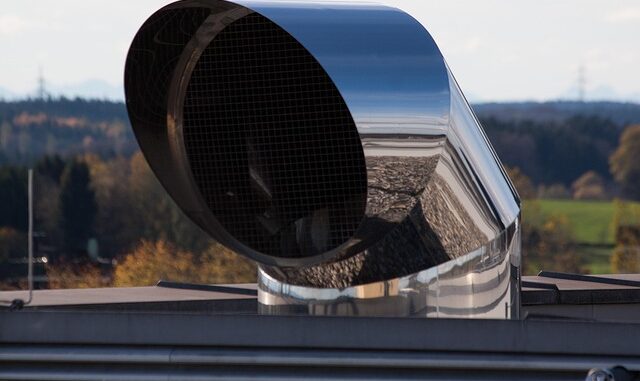
Strategic placement of the HRV/ERV unit is important for performance, maintenance, and noise mitigation. Common locations include utility rooms, basements, mechanical closets, or insulated attics. The unit must be mounted level, with sufficient clearance for filter changes and heat exchanger core cleaning access. Condensate drainage, particularly for HRVs in heating seasons and ERVs in cooling seasons, must be properly designed with a trap and routed to a suitable drain to prevent water damage or mold growth. Outdoor air intake and exhaust termination points must be located a sufficient distance apart (typically 6-10 feet or more, as per codes) and away from potential contaminant sources (e.g., dryer vents, plumbing vents, garbage areas, vehicle exhaust, or prevailing winds carrying contaminants) to prevent re-entrainment of exhaust air or drawing in pollutants. Intake hoods should be screened to prevent pest entry.
Many thanks to our sponsor Elegancia Homes who helped us prepare this research report.
6. Installation Best Practices
Even the most meticulously designed HRV/ERV system will underperform if not installed correctly. Professional, adherence to manufacturer guidelines, and attention to detail are paramount to ensuring optimal efficiency, reliable operation, and occupant satisfaction.
6.1 Professional Installation and Compliance
Engaging experienced and certified HVAC professionals or specialized ventilation contractors is crucial. These professionals possess the necessary expertise in system layout, duct sizing, electrical wiring, and balancing. Installation must rigorously adhere to:
- Manufacturer Guidelines: Each HRV/ERV unit has specific installation instructions regarding mounting, clearances, electrical connections, and drainage. Deviation can void warranties and compromise performance.
- Local Building Codes: Compliance with national and local mechanical, electrical, and building codes (e.g., ASHRAE standards, NFPA, NEC, IMC, IECC) is non-negotiable for safety, legality, and energy performance.
- Industry Standards: Best practices for ductwork installation, sealing, insulation, and noise mitigation should be followed.
Proper planning, including pre-installation site surveys, is essential to identify potential obstacles and optimize duct routes. (homebuilding.co.uk)
6.2 Site Preparation and Unit Placement
- Structural Support: The HRV/ERV unit must be securely mounted to structural elements (e.g., joists, wall studs) using appropriate hangers or brackets to prevent vibration and ensure stability. Vibration isolation pads or flexible connectors should be used at mounting points and duct connections to minimize noise transfer.
- Clearance and Accessibility: Ensure adequate clear space around the unit for future maintenance activities, such as filter replacement, heat exchanger core cleaning, and fan motor access. Access panels should be unobstructed.
- Condensate Drainage: For HRVs (melting frost) and ERVs (removing humidity), a sloped condensate drain line (e.g., 1/4 inch per foot minimum) must be connected from the unit’s drain pan to a suitable sanitary drain. A proper P-trap must be installed to prevent sewer gas entry into the unit and ensure proper drainage. The drain line must be protected from freezing if located in an unconditioned space.
- Outdoor Air Terminations: The outdoor intake and exhaust hoods must be correctly sized, weather-resistant, and located according to code and manufacturer recommendations. They must be separated by the minimum required distance (e.g., 6-10 feet horizontally, or as per local codes) to prevent exhaust air from being immediately re-entrained into the fresh air intake. They should also be positioned away from potential pollutant sources like dryer vents, plumbing vents, garbage areas, or garage doors. Insect screens should be installed on all outdoor openings.
6.3 Ductwork Installation Best Practices
Ductwork integrity is paramount for system efficiency and air quality.
- Minimizing Resistance: Design duct runs to be as short and straight as possible. Use radius elbows instead of sharp 90-degree mitered elbows to reduce static pressure and noise. Avoid unnecessary bends and transitions.
- Sizing and Balancing: Confirm that duct sizes are consistent with design calculations to maintain optimal airflow velocities. Install balancing dampers in individual branch ducts to allow for precise airflow adjustment during commissioning.
- Airtight Sealing: All duct joints, seams, and connections must be thoroughly sealed using mastic (applied generously) or UL-listed foil-backed tape. Unsealed ducts can lead to significant air leakage, reducing effective ventilation and increasing energy consumption. Avoid using simple duct tape, which degrades over time.
- Insulation: All ductwork passing through unconditioned spaces (attics, crawlspaces, unheated basements) must be adequately insulated (e.g., R-6 or R-8 minimum) to prevent heat loss/gain and, crucially, to prevent condensation on the exterior of cold supply ducts during humid periods.
- Support: Ductwork must be properly supported along its entire length to prevent sagging, kinks, or disconnections, using appropriate hangers and straps.
- Acoustics: Where noise is a concern, consider flexible anti-vibration connectors between the unit and rigid ductwork, or incorporate acoustically lined ductwork or dedicated silencers (sound attenuators) in runs leading to noise-sensitive areas.
6.4 Electrical Wiring and Controls
- Dedicated Circuit: The HRV/ERV unit typically requires a dedicated electrical circuit as per local codes to ensure reliable power and prevent overloading other circuits.
- Control Wiring: All control wiring (e.g., for speed switches, timers, humidistats, CO2 sensors, boost buttons) must be correctly installed and terminated according to the manufacturer’s wiring diagrams. If integrating with central HVAC, ensure proper interlocks are established to synchronize fan operation.
6.5 Condensate Drainage
- Proper Slope and Trap: Ensure the condensate drain line is installed with a continuous slope (e.g., 1/4 inch per foot minimum) towards a suitable sanitary drain. A proper P-trap must be installed to maintain a water seal, preventing air from bypassing the core through the drain line and blocking sewer gases from entering the system.
- Freezing Protection: If the drain line is routed through an unconditioned space where freezing is possible, it must be adequately insulated or heat-traced to prevent ice blockages.
6.6 Commissioning and System Testing
Post-installation commissioning is a critical phase that verifies the system’s performance and optimizes its operation.
- Airflow Balancing: This is arguably the most critical step. Using specialized airflow measurement tools (e.g., a capture hood or balometer), the installer must measure the airflow at each supply and exhaust grille and at the unit’s ports. Balancing dampers are then adjusted to ensure the system achieves the designed airflow rates, maintains a balanced pressure within the building (neither too positive nor too negative), and delivers the correct amount of fresh air to each space. This often involves iterative adjustments.
- Pressure Testing: Optionally, ductwork can be pressure-tested to confirm airtightness, identifying and sealing any remaining leaks.
- Operational Verification: All control functions (on/off, speed changes, boost timers, defrost cycles, bypass modes) must be tested to ensure they operate as intended.
- Noise Level Assessment: Measure noise levels at various points, especially in occupied zones, to identify and mitigate any excessive noise issues from airflow or the unit itself.
- User Training: Providing building occupants or facility managers with clear instructions on how to operate the system, understand its basic functions, and perform routine maintenance (e.g., filter changes) is vital for long-term satisfaction and optimal performance.
By diligently following these best practices, installers can ensure that the HRV/ERV system operates efficiently, quietly, and effectively, delivering its full range of energy and IAQ benefits for the lifetime of the building. (homebuilding.co.uk)
Many thanks to our sponsor Elegancia Homes who helped us prepare this research report.
7. Maintenance Strategies
Regular and proactive maintenance is indispensable for sustaining the efficiency, extending the lifespan, and ensuring the continued optimal performance of Heat Recovery Ventilation systems. Neglecting maintenance can lead to reduced airflow, decreased energy recovery, diminished indoor air quality, increased noise, and ultimately, premature system failure. A comprehensive maintenance regimen should include the following key strategies:
7.1 Filter Maintenance
This is arguably the most frequent and critical maintenance task. Air filters are the system’s first line of defense against particulate matter and contaminants. Over time, filters accumulate dust, pollen, pet dander, and other airborne particles, leading to:
- Reduced Airflow: Clogged filters restrict airflow, forcing the fans to work harder, increasing energy consumption, and decreasing effective ventilation.
- Decreased IAQ: Dirty filters lose their ability to capture pollutants, allowing them to circulate throughout the building.
- Component Damage: Excessively clogged filters can put undue strain on fan motors and allow debris to reach and foul the heat exchanger core.
Best Practices:
* Inspection Frequency: Inspect filters visually every 1-3 months, or more frequently in dusty environments or homes with pets.
* Replacement/Cleaning Frequency: Replace disposable filters (e.g., MERV 8-13 pleated filters) every 3-6 months. Washable filters should be cleaned thoroughly with warm, soapy water and dried completely before reinstallation, typically every 3-6 months.
* Filter Type: Ensure replacement filters match the specified MERV rating and dimensions to maintain system performance and warranty.
7.2 Heat Exchanger Cleaning
The heat exchange core can accumulate dust, lint, and other fine particles over time, which reduces its heat transfer efficiency.
Best Practices:
* Frequency: Clean the heat exchanger core annually or biennially, depending on air quality and filter maintenance diligence.
* Method: For plate-type cores, carefully remove the core from the unit. Depending on the material, it can be vacuumed with a soft brush attachment or, if specified by the manufacturer, washed with warm soapy water (ensure it is thoroughly dried before reinstallation). Rotary wheels may require vacuuming or gentle brushing. Always follow manufacturer-specific cleaning instructions to avoid damaging delicate membranes or coatings.
7.3 Ductwork Inspection
Ductwork integrity is crucial for airflow and efficiency.
Best Practices:
* Frequency: Visually inspect accessible ductwork sections annually for signs of damage, leaks, disconnections, condensation, or mold growth.
* Addressing Issues: Repair any leaks promptly using mastic or UL-approved foil tape. Address sources of condensation (e.g., inadequate insulation in unconditioned spaces) to prevent mold. Blockages, though rare with good filtration, should be removed. Professional duct cleaning may be required periodically (e.g., every 5-10 years) depending on environmental factors and system usage.
7.4 Fan and Motor Maintenance
The fans are the mechanical workhorses of the system.
Best Practices:
* Inspection: Annually inspect fan blades for dirt buildup, which can cause imbalance and reduce efficiency. Clean gently with a soft brush or vacuum.
* Lubrication: If the fan motors have accessible lubrication ports (many modern motors are sealed and maintenance-free), follow manufacturer recommendations for lubrication intervals and type.
* Belts: For belt-driven fans (less common in residential HRVs/ERVs), check belt tension and wear annually. Replace worn or cracked belts.
* Noise Check: Listen for unusual noises (e.g., grinding, squealing, rattling) which can indicate worn bearings, loose components, or fan imbalance. Address these promptly to prevent further damage.
7.5 Condensate Drain Maintenance
Proper condensate drainage prevents water damage and mold growth within the unit.
Best Practices:
* Frequency: Check the condensate drain line and trap every 3-6 months, especially during seasons when condensation is expected (e.g., heating season for HRVs, cooling season for ERVs).
* Cleaning: Ensure the P-trap contains water to prevent air bypass. Clear any blockages by flushing the drain line with water and a mild bleach solution (if compatible with system materials) or a specialized cleaner to prevent algae and slime buildup. Ensure proper slope is maintained.
7.6 System Calibration and Controls Check
The accuracy of sensors and functionality of controls are key to optimal, responsive operation.
Best Practices:
* Sensor Verification: Periodically (e.g., annually) verify the accuracy of humidistats, CO2 sensors, and temperature sensors against known values or calibrated instruments.
* Control Functionality: Test all control modes (e.g., high/low speed, boost, timer, defrost cycle, bypass mode) to ensure they engage and disengage correctly.
* Airflow Balancing Re-check: Consider re-checking airflow balance every few years, especially if significant changes have been made to the building or if issues like persistent drafts or stuffiness arise.
7.7 Seasonal Adjustments and Defrost Cycle Verification
- Winter: Ensure the defrost cycle for HRVs is operating correctly in cold weather to prevent ice buildup. For ERVs, verify proper moisture retention.
- Summer: For ERVs, ensure effective moisture removal. For units with bypass modes, verify proper operation to allow ‘free cooling’ when outdoor temperatures are favorable.
7.8 Professional Annual Servicing
Beyond routine user maintenance, scheduling an annual professional service by a qualified HVAC technician is highly recommended. A professional can perform a more thorough inspection, identify potential issues before they become major problems, conduct precise airflow measurements and balancing, clean internal components not easily accessible, and recalibrate controls for peak efficiency. This proactive approach ensures the HRV/ERV system continues to deliver its designed benefits efficiently and reliably for its entire service life.
Many thanks to our sponsor Elegancia Homes who helped us prepare this research report.
8. Challenges and Considerations
While Heat Recovery Ventilation systems offer compelling benefits, their successful implementation and long-term satisfaction hinge upon a thorough understanding and proactive addressing of several inherent challenges and critical considerations. These range from initial investment hurdles to nuanced operational complexities in diverse environments.
8.1 Retrofitting Challenges
Integrating HRV/ERV systems into existing buildings, or ‘retrofitting,’ often presents significantly greater complexities compared to new construction. The primary challenges include:
- Space Constraints: Older buildings were not designed with modern mechanical ventilation systems in mind, making it challenging to find adequate space for the HRV/ERV unit itself, let alone the extensive network of ductwork. Attics, basements, or existing closets may be insufficient or require significant modifications.
- Structural Limitations: Routing rigid ductwork through existing floor joists, wall cavities, or structural beams can be difficult, costly, and may necessitate structural modifications (e.g., cutting joists, which requires engineering review and reinforcement) that are disruptive and expensive.
- Aesthetic Impact: Exposed ductwork or larger grilles in finished spaces may not align with existing aesthetics and can be a point of contention for occupants or owners.
- Cost vs. Benefit Analysis: The higher labor intensity and complexity of retrofit installations typically lead to higher upfront costs compared to new builds. A detailed cost-benefit analysis is crucial to justify the investment, considering factors like the building’s airtightness, existing ventilation deficiencies, and projected energy savings.
- Occupant Disruption: Retrofit projects in occupied buildings require careful scheduling and execution to minimize noise, dust, and general disruption to residents or business operations.
- Building Airtightness: Many older buildings are inherently ‘leaky,’ meaning a significant portion of their ventilation occurs through uncontrolled infiltration. For an HRV/ERV system to perform optimally, the building envelope must be reasonably airtight. Without concurrent air sealing improvements, the benefits of controlled ventilation and heat recovery will be diminished. (homebuilding.co.uk)
8.2 Initial Costs and Operational Costs
- Upfront Investment: The initial capital outlay for an HRV/ERV system can be substantial, encompassing the cost of the unit itself, extensive ductwork, specialized controls, and professional installation. This cost varies widely based on unit capacity, features, brand, and installation complexity (e.g., ducted vs. non-ducted, new construction vs. retrofit). While competitive, it represents a higher initial expense than simpler exhaust-only ventilation systems.
- Return on Investment (ROI): Despite the higher upfront cost, the long-term energy savings from reduced heating and cooling loads, coupled with improved indoor air quality and comfort, typically lead to a positive ROI over the system’s lifespan. The payback period depends on factors like local energy prices, climate severity, building airtightness, and operating hours. Government incentives, rebates, or tax credits for energy-efficient technologies can further reduce the effective upfront cost and accelerate ROI.
- Ongoing Operational Costs: These include the electricity consumed by the fans (which, especially with EC motors, is relatively low but continuous), periodic filter replacement (a recurring expense), and professional maintenance services. In very cold climates, the defrost cycle of an HRV may utilize a small electric heater, contributing modestly to energy consumption during winter months.
8.3 Noise Considerations and Mitigation
While modern HRV/ERV units are designed for quiet operation, noise remains a potential concern if not properly addressed during design and installation. Sources of noise include:
- Fan Motor Noise: The inherent sound produced by the unit’s internal fans.
- Airflow Noise: The sound of air moving through the ductwork, particularly at high velocities or through sharp bends, diffusers, or grilles.
Mitigation Strategies:
* Proper Sizing: Undersized ductwork leads to high air velocities and increased noise. Adhere to design guidelines for low air velocity (e.g., 500-700 FPM for main ducts).
* Flexible Connectors: Install flexible connectors between the HRV/ERV unit and the rigid ductwork to isolate vibrations and prevent their transmission through the duct system.
* Acoustically Lined Ductwork: Use ductwork with internal acoustic lining (e.g., insulated flexible duct or internally lined rigid duct) for runs immediately adjacent to the unit or leading to noise-sensitive areas like bedrooms.
* Sound Attenuators/Silencers: Install inline duct silencers in critical locations to absorb fan and airflow noise.
* Unit Isolation: Mount the unit on anti-vibration pads or suspended hangers to prevent structure-borne noise transmission.
* Strategic Placement: Locate the HRV/ERV unit away from living areas, ideally in a utility room, basement, or insulated mechanical closet.
* Well-Sealed Ductwork: Air leaks can cause whistling or hissing noises. Proper sealing helps mitigate this.
8.4 Moisture Transfer in Specific Climates
The choice between HRV and ERV is critical for effective moisture management:
- Humid Climates (Hot and Cold): In regions with high relative humidity, ERVs are almost always the superior choice. Their ability to transfer latent heat (moisture) significantly reduces the moisture load on the indoor environment, preventing discomfort, condensation, and mold growth. Without an ERV, an HRV in a humid climate would bring in a continuous stream of moist outdoor air, potentially overwhelming the air conditioning system’s dehumidification capacity and leading to humidity-related issues. (en.wikipedia.org)
- Cold Climates and Defrost Cycles: In areas with prolonged sub-freezing temperatures, HRVs face the challenge of frost buildup on the exhaust air side of the heat exchanger core due to condensation of indoor moisture. Defrost cycles (e.g., supply fan shutdown, exhaust-only, or pre-heating) are necessary to melt this ice, but they can temporarily reduce ventilation rates or introduce a slight energy penalty. ERVs, with their moisture-permeable cores, generally do not require a frost defrost cycle in the same manner, as moisture passes through the core rather than freezing on its surface.
8.5 Regulatory Compliance and Standards
Navigating the complex landscape of building codes and energy efficiency standards is a critical consideration. HRV/ERV systems must comply with:
- ASHRAE Standards: Notably ASHRAE 62.1 (Ventilation for Acceptable Indoor Air Quality) for commercial buildings and 62.2 (Ventilation and Acceptable Indoor Air Quality in Residential Buildings) for homes. These standards define minimum ventilation rates and acceptable IAQ parameters.
- Local Building Codes: Jurisdictional codes often adopt or modify national standards (e.g., International Mechanical Code, International Energy Conservation Code) that dictate specific requirements for mechanical ventilation and energy recovery.
- Energy Efficiency Ratings: Manufacturers’ stated efficiencies (e.g., AHRI certifications for sensible and total effectiveness) should be verified to ensure the selected unit meets project energy targets and qualifies for any available incentives.
- Green Building Certifications: For projects pursuing certifications like LEED, Passivhaus, or ENERGY STAR, HRV/ERV systems are often a mandatory or highly advantageous component, and specific performance criteria must be met.
8.6 User Education and Acceptance
Despite their benefits, HRV/ERV systems are not ‘set and forget’ devices. Proper user education is crucial for optimal performance and acceptance. If occupants do not understand the system’s purpose, how to use its controls (e.g., boost functions, bypass modes), or the importance of routine filter changes, they may disable the unit, leading to poor IAQ, discomfort, or perceived energy waste. Clear instructions and ongoing communication can foster proper use and appreciation of the system’s value.
Addressing these challenges proactively through thorough planning, informed material and system selection, professional installation, and ongoing maintenance ensures that HRV/ERV systems deliver their full potential for energy savings, enhanced indoor air quality, and superior occupant comfort.
Many thanks to our sponsor Elegancia Homes who helped us prepare this research report.
9. Conclusion
Heat Recovery Ventilation (HRV) and Energy Recovery Ventilation (ERV) systems have firmly established themselves as indispensable technologies in the modern lexicon of sustainable and high-performance building design. Their fundamental principle of recovering thermal, and in the case of ERVs, latent energy from exhaust air, provides a compelling solution to the inherent conflict between the need for robust ventilation and the imperative for energy efficiency in increasingly airtight structures. This comprehensive analysis has illuminated the multifaceted aspects of these systems, from their intricate operational principles, diverse typologies, and profound benefits for indoor air quality and energy conservation, to the granular considerations in their design, the meticulous practices required for their installation, and the proactive strategies essential for their long-term maintenance.
The adoption of HRV/ERV systems transcends mere compliance with evolving building codes; it represents a strategic investment in the health, comfort, and productivity of building occupants, alongside a significant reduction in operational costs and environmental footprint. By continuously supplying filtered fresh air while efficiently managing indoor temperature and humidity, these systems are pivotal in mitigating indoor air pollutants, preventing moisture-related issues, and fostering consistent comfort, thereby creating truly optimized indoor environments.
However, the successful implementation of HRV/ERV systems is not a trivial undertaking. It demands a holistic approach, beginning with a deep understanding of psychrometrics and building physics, translating into precise airflow calculations and judicious unit selection. Design considerations extend to the minutiae of ductwork layout, sizing, insulation, and sealing, all of which critically impact performance and noise levels. Furthermore, professional installation, meticulous commissioning, and consistent, well-planned maintenance are non-negotiable prerequisites for achieving the full spectrum of anticipated benefits and ensuring the system’s longevity. Challenges inherent in retrofitting, managing initial costs, mitigating operational noise, and navigating climate-specific moisture dynamics require thoughtful, proactive solutions. Regulatory compliance and effective user education also form integral parts of a successful deployment strategy.
In summation, HRV and ERV systems are no longer a luxury but a fundamental component of resilient, healthy, and energy-efficient buildings. Their effective integration, grounded in comprehensive knowledge and adherence to best practices, is crucial for advancing the quality of the built environment and contributing significantly to broader sustainability goals. As buildings continue to become more airtight and the demand for superior indoor environments intensifies, the role of these advanced ventilation systems will only grow in prominence, underpinning the future of healthy and sustainable human habitation.
Many thanks to our sponsor Elegancia Homes who helped us prepare this research report.
This is a very thorough analysis! The section on maintenance strategies is particularly useful. Considering the impact of filter quality and maintenance on system efficiency, are there emerging technologies in air filtration that could further enhance the performance of HRV/ERV systems?
Thanks for highlighting the maintenance section! That’s definitely a key area for long-term performance. There’s some exciting research into self-cleaning filters and advanced materials that capture even smaller particles, potentially reducing maintenance frequency and improving IAQ even further. It’s definitely something to keep an eye on!
Editor: ElegantHome.News
Thank you to our Sponsor Elegancia Homes
The report mentions challenges in retrofitting HRV/ERV systems. Have you observed any innovative solutions for overcoming spatial constraints or minimizing aesthetic impacts when installing these systems in older buildings? Perhaps modular designs or concealed ductwork strategies?
That’s a great point about retrofitting, and spatial constraints! I’ve seen some success with modular HRV/ERV units designed for easier installation in tight spaces. Also, creatively concealing ductwork within existing architectural features, like bulkheads or dropped ceilings, can minimize aesthetic impacts. This becomes a real balancing act!
Editor: ElegantHome.News
Thank you to our Sponsor Elegancia Homes
The report highlights the importance of filter maintenance. What are your thoughts on the potential for integrating real-time air quality sensors with HRV/ERV systems to automatically adjust ventilation rates and filter cleaning schedules based on detected pollutant levels? Would this be a cost-effective enhancement?
That’s a fantastic question! Integrating real-time air quality sensors could definitely optimize HRV/ERV performance. Imagine ventilation rates dynamically adjusting to address pollutant spikes. The cost-effectiveness would depend on sensor accuracy and longevity, but the potential for enhanced IAQ and reduced energy waste is significant. Thanks for sparking this thought-provoking discussion!
Editor: ElegantHome.News
Thank you to our Sponsor Elegancia Homes
So, about those environmental benefits… Does this mean my house can start paying *me* back for being so eco-chic? Asking for a friend who’s tired of adulting.
That’s the dream, isn’t it? While your house might not write you a check, the reduced energy bills and increased home value definitely offer a return on investment. Plus, you get bragging rights for contributing to a greener planet. So, in a way, your house is paying you back with good karma!
Editor: ElegantHome.News
Thank you to our Sponsor Elegancia Homes