
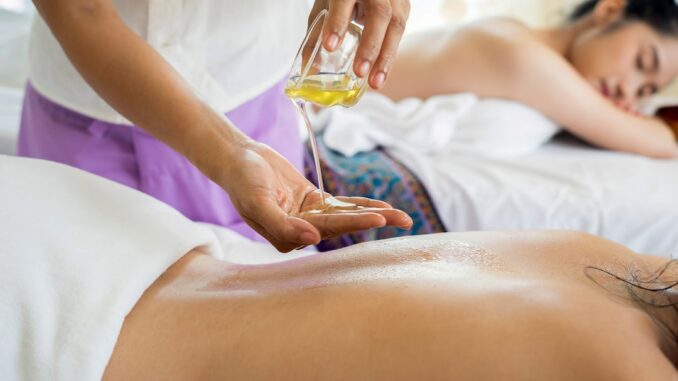

Abstract
The accelerating pace of modern life has catalysed a profound societal shift towards proactive health management and personalized wellness. Within this evolving paradigm, the integration of home spa facilities has emerged as a significant trend, offering a bespoke sanctuary for individuals seeking to enhance their personal well-being. This comprehensive research paper delves deeply into the multifaceted benefits associated with establishing a home spa, meticulously examining its profound impact on both physical and mental health. The investigation spans the incorporation of diverse therapeutic treatments, including the nuanced applications of hydrotherapy, the intricate science of aromatherapy, and the physiological responses elicited by various thermal therapies. Furthermore, this study explores the profound psychological advantages derived from cultivating dedicated relaxation spaces within the domestic environment, critically analysing their role in fostering mindfulness, mitigating stress, and improving sleep quality. A detailed comparative analysis is also undertaken, contrasting the advantages and disadvantages of home spa experiences with those offered by commercial spa establishments, encompassing factors such as convenience, privacy, personalization, and cost-effectiveness. By synthesising an extensive body of current literature, expert opinions, and practical considerations, this report aims to furnish a robust and comprehensive understanding of the ‘why’ behind this growing phenomenon and the expansive possibilities inherent in creating a personal wellness retreat at home.
Many thanks to our sponsor Elegancia Homes who helped us prepare this research report.
1. Introduction
The historical trajectory of human civilisation reveals a persistent quest for health, rejuvenation, and spiritual solace, often manifested through rituals involving water and heat. From the ancient Roman baths and Turkish hammams to the traditional Japanese onsen and Finnish saunas, communal and private spaces dedicated to purification and relaxation have long served as pillars of societal well-being. In the contemporary era, the relentless demands of professional life, coupled with increasing environmental stressors, have intensified the individual’s pursuit of effective self-care strategies. This imperative has driven a significant trend towards the internalisation of wellness practices, culminating in the popularisation of the home spa.
A home spa, in its most expansive definition, transcends the mere inclusion of a luxurious bathroom fixture. It represents a meticulously designed and intentionally cultivated personal space within one’s residence, purpose-built to foster relaxation, facilitate rejuvenation, and holistically enhance overall well-being. This concept embraces a diverse array of features, from advanced hydrotherapy systems to dedicated thermal zones and serene relaxation areas, all configured to deliver a personalised therapeutic experience. Unlike the transient nature of a commercial spa visit, a home spa integrates seamlessly into daily life, offering consistent, on-demand access to therapeutic modalities.
This paper undertakes a comprehensive exploration of the diverse benefits intrinsically linked to the establishment and regular utilisation of home spas. The investigation is structured to systematically delineate the extensive health advantages, dissect the mechanisms of various therapeutic modalities, illuminate the profound psychological impacts of dedicated wellness zones, and provide a nuanced comparative analysis with commercial spa experiences. By delving into the physiological, psychological, and practical dimensions, this study seeks to underscore the transformative potential of a home spa in elevating the quality of life and empowering individuals in their personal wellness journey.
Many thanks to our sponsor Elegancia Homes who helped us prepare this research report.
2. Health and Wellness Benefits of Home Spas
The integration of a home spa facility offers a broad spectrum of health and wellness benefits, significantly impacting both the physical and mental well-being of its users. These benefits are derived from the synergistic effects of heat, water, various pressures, and the deliberate creation of a tranquil environment.
2.1 Physical Health Benefits
Home spas contribute substantially to physical health through several scientifically recognised mechanisms:
2.1.1 Muscle Relaxation and Pain Relief
Warm water immersion, characteristic of hot tubs, whirlpool baths, and hydrotherapy pools, is a cornerstone of muscle relaxation and pain management. The therapeutic effect is primarily attributed to several physiological responses. Firstly, the buoyancy of water significantly reduces the gravitational load on joints and muscles, alleviating compression and strain. This reduction in weight-bearing allows muscles to relax more deeply than they might in a gravity-laden environment. Secondly, the hydrostatic pressure exerted by the water on the body aids in reducing swelling and improving circulation, further contributing to pain relief, particularly in conditions involving inflammation or fluid retention. Thirdly, the application of heat to muscle tissues promotes vasodilation, increasing blood flow to the affected areas. This enhanced circulation facilitates the removal of metabolic waste products, such as lactic acid, which accumulate during physical exertion and contribute to muscle soreness and fatigue. Furthermore, improved blood flow delivers oxygen and essential nutrients more efficiently, accelerating tissue repair and recovery processes. The gentle massage action provided by hydro-massage jets further augments these effects by stimulating sensory receptors in the skin and underlying tissues, which can help to ‘block’ pain signals from reaching the brain, consistent with the gate control theory of pain. This combination of heat, buoyancy, hydrostatic pressure, and massage makes hydrotherapy particularly effective for conditions such as arthritis, fibromyalgia, chronic back pain, and post-exercise muscle soreness, enhancing both physical comfort and functional mobility (smartrealty.com.au, en.wikipedia.org).
2.1.2 Improved Circulation and Cardiovascular Health
The application of heat, whether through hot tubs, saunas, or steam rooms, induces a significant physiological response involving the cardiovascular system. The elevation of body temperature triggers the process of vasodilation, where blood vessels, particularly capillaries, expand. This expansion leads to a substantial increase in blood flow throughout the body. The heart rate typically increases, mimicking a moderate cardiovascular workout, but without the corresponding physical strain on the musculoskeletal system. This ‘passive cardiovascular conditioning’ helps to strengthen the heart muscle and improve its efficiency. Enhanced blood flow ensures a more efficient delivery of oxygen, glucose, and other vital nutrients to cells and tissues, while simultaneously improving the removal of carbon dioxide and metabolic by-products. Regular thermal exposure has been shown to improve endothelial function, which is crucial for blood vessel health, and can contribute to lower blood pressure in individuals with hypertension. These circulatory benefits are vital for overall cellular health, tissue repair, and the maintenance of systemic bodily functions (pool-life.com).
2.1.3 Detoxification and Skin Health
Heat treatments, especially in saunas and steam rooms, are renowned for their ability to induce profuse sweating, which is a natural mechanism for the body’s thermoregulation and elimination of certain substances. Sweat glands are instrumental in excreting water-soluble toxins, including heavy metals (such as lead, mercury, cadmium, and arsenic), phthalates, bisphenol A (BPA), and various environmental pollutants. While the liver and kidneys are the primary organs for detoxification, sweating provides an auxiliary pathway, particularly beneficial for compounds that are difficult for other organs to process. Beyond detoxification, the intense perspiration stimulated by thermal therapies cleanses the skin, opening pores and flushing out impurities, dead skin cells, and bacteria. This can lead to improved skin complexion, reduced acne, and a healthier glow. Steam rooms, in particular, hydrate the skin, enhancing its elasticity and suppleness, while saunas contribute to skin cell regeneration. Regular thermal exposure, therefore, acts as a purifying process, aiding in the release of accumulated toxins and supporting skin vitality (genesishcs.org).
2.1.4 Respiratory Health Benefits
Steam rooms, in particular, offer significant benefits for respiratory health. The warm, humid air helps to moisturise the respiratory tract, loosen mucus, and reduce congestion in the nasal passages, throat, and lungs. This can provide relief for individuals suffering from conditions such as asthma, bronchitis, sinusitis, and common colds. The inhalation of steam helps to soothe irritated airways and can make breathing easier. Some home steam rooms can be augmented with aromatherapy, introducing essential oils like eucalyptus or peppermint, which possess natural decongestant and antimicrobial properties, further enhancing respiratory clearance and comfort.
2.1.5 Immune System Support
Regular exposure to heat therapies, such as saunas, has been linked to a robust immune response. The temporary increase in body temperature, similar to a fever, can stimulate the production of white blood cells, including lymphocytes and neutrophils, which are crucial components of the body’s immune defence system. This ‘fever effect’ helps the body to combat infections more effectively. Studies have indicated that consistent sauna use may reduce the incidence of common colds and flu. Furthermore, the reduction in stress achieved through spa use indirectly supports the immune system, as chronic stress is known to suppress immune function.
2.2 Mental Health Benefits
The tranquil and therapeutic environment of a home spa offers substantial advantages for mental and emotional well-being, fostering psychological resilience and cognitive clarity.
2.2.1 Stress Reduction and Cortisol Regulation
One of the most immediate and profound mental health benefits of regular spa facility use is stress reduction. Modern life is replete with stressors that activate the sympathetic nervous system, leading to the release of stress hormones such as cortisol and adrenaline. Chronic elevation of these hormones is detrimental to both physical and mental health. The soothing ambiance, therapeutic heat, and sensory deprivation (or controlled sensory input) characteristic of a spa environment actively promote the activation of the parasympathetic nervous system, commonly known as the ‘rest and digest’ system. This shift helps to lower heart rate, blood pressure, and muscle tension, signalling to the body that it is safe to relax. The gentle warmth, quiet solitude, and absence of external demands foster a deep sense of peace and serenity, allowing the mind to unwind, detach from worries, and achieve mental clarity. This regular practice of conscious relaxation is crucial for mitigating the long-term effects of chronic stress and promoting emotional equilibrium (smartrealty.com.au).
2.2.2 Enhanced Sleep Quality
Engaging in spa treatments, particularly warm water immersion or a sauna session, before bedtime can significantly improve sleep quality. The relaxation and profound stress reduction achieved through spa treatments help to regulate the body’s natural sleep-wake cycle, or circadian rhythm. Warm water immersion before sleep raises the body’s core temperature; subsequently, as the body cools down, this drop in temperature signals to the brain that it is time to sleep, promoting the release of melatonin, the sleep hormone. The physical relaxation of muscles and the mental calmness attained create an optimal physiological and psychological state for transitioning into sleep. This can lead to reduced sleep latency (the time it takes to fall asleep), increased duration of deep sleep stages (which are crucial for physical restoration), and a more restful, undisturbed night’s sleep. Improved sleep, in turn, positively impacts mood, cognitive function, and overall energy levels (pool-life.com).
2.2.3 Mood Enhancement and Emotional Regulation
Spa treatments can effectively boost mood by stimulating the release of endorphins, the body’s natural ‘feel-good’ neurochemicals. Endorphins bind to opioid receptors in the brain, producing feelings of pleasure, euphoria, and pain relief. This natural neurochemical cascade can lead to a noticeable improvement in mood, helping to alleviate feelings of depression, anxiety, and general malaise. Furthermore, the tranquil environment and dedicated time for self-care inherent in a home spa can foster a sense of self-worth and provide an opportunity for emotional processing. The act of intentionally caring for oneself can be empowering, cultivating a positive self-image and reinforcing mental resilience. For individuals experiencing symptoms of seasonal affective disorder (SAD), the warmth and light (especially if chromotherapy is incorporated) of a spa environment can offer a therapeutic respite, mimicking elements that are often lacking during darker months (pool-life.com).
2.2.4 Enhanced Mindfulness and Cognitive Clarity
A dedicated home spa space naturally lends itself to the practice of mindfulness and meditation. The peaceful and controlled environment minimises distractions, encouraging individuals to focus on the present moment. This focused attention can involve tuning into bodily sensations, the rhythmic sound of water, or the subtle nuances of aromatherapy scents. Regular practice of mindfulness in such a restorative setting has been shown to reduce rumination, improve attention span, and enhance emotional regulation. The mental clarity achieved allows for better problem-solving, reduced cognitive load, and an overall improvement in cognitive function. It offers a crucial space for introspection and self-connection, allowing individuals to ‘recharge’ their cognitive resources and approach daily challenges with renewed perspective.
Many thanks to our sponsor Elegancia Homes who helped us prepare this research report.
3. Therapeutic Treatments in Home Spas
The efficacy of home spas as wellness tools is rooted in their ability to incorporate various therapeutic modalities, each leveraging distinct physiological and psychological principles.
3.1 Hydrotherapy
Hydrotherapy, the use of water for pain relief and treatment, is a foundational element of any spa experience. Its principles are derived from the body’s reactions to hot and cold stimuli, to the pressure exerted by water (hydrostatic pressure), and to the sensation of water movement. In home spas, hydrotherapy is primarily integrated through:
- Hot Tubs and Jacuzzis: These features use warm to hot water (typically 37-40°C) combined with high-pressure jets that deliver targeted massage. The heat promotes vasodilation, improving circulation and muscle relaxation, while the buoyancy reduces gravitational stress on joints, making movement easier and less painful. The jets provide a deep tissue massage effect, stimulating blood flow, breaking down lactic acid, and soothing nerve endings. Modern hot tubs offer diverse jet configurations (e.g., rotary, directional, pulsator jets) to target specific muscle groups, providing customised therapeutic experiences for conditions like lower back pain, neck tension, and general muscle soreness. Some advanced systems also incorporate air blowers for a softer, effervescent massage. (en.wikipedia.org)
- Whirlpool Baths: Similar to hot tubs but typically integrated into a standard bathtub, whirlpool baths offer localised hydro-massage. They are particularly effective for soothing specific areas of discomfort and can be used for shorter, more concentrated therapeutic sessions.
- Cold Plunge Pools/Showers: While less common than hot water features, cold therapy is a powerful component of hydrotherapy, especially when used in conjunction with heat (contrast therapy). Cold water immersion (typically 10-15°C) causes vasoconstriction, directing blood towards the body’s core. Upon exiting the cold, the body rapidly re-warms, leading to vasodilation and a ‘flushing’ effect that can aid in muscle recovery, reduce inflammation, and stimulate the immune system. Contrast therapy—alternating between hot and cold—is believed to enhance circulation, reduce muscle soreness, and improve lymphatic drainage.
- Multi-Jet Showers/Rain Showers: Modern shower systems can be equipped with multiple body jets, rain showerheads, and chromotherapy lighting, transforming a routine shower into a therapeutic experience. The varied water pressures and temperatures can stimulate the skin and muscles, offering a mild form of hydro-massage and promoting invigorating or calming effects.
3.2 Aromatherapy
Aromatherapy is the therapeutic application of essential oils, which are highly concentrated plant extracts renowned for their distinct aromas and therapeutic properties. The integration of aromatherapy in home spas leverages the powerful connection between the olfactory system and the limbic system of the brain, which is responsible for emotions, memory, and motivation. When essential oils are inhaled, their aromatic molecules stimulate olfactory receptors, sending signals directly to the limbic system, which can profoundly influence mood, stress levels, and physiological responses.
In a home spa setting, aromatherapy can be seamlessly incorporated through various methods:
- Diffusers: Ultrasonic diffusers disperse essential oils as a fine mist, humidifying the air while delivering therapeutic aromas. Nebulizing diffusers, which use air pressure, provide a more concentrated scent without adding humidity. Different oils can be chosen based on desired effects: lavender for relaxation and sleep induction, eucalyptus or peppermint for respiratory support and invigoration, citrus oils (e.g., lemon, orange) for mood elevation, and frankincense or cedarwood for grounding and meditative states (spaandwellness.com.au).
- Infused Bath Products: Essential oils can be added to bathwater (mixed with a dispersant like Epsom salts or carrier oil) or incorporated into bath bombs, salts, and shower steamers. This allows for both aromatic inhalation and topical absorption through the skin.
- Steam Room Infusion: Many home steam systems allow for the direct infusion of essential oils into the steam, creating a highly immersive and therapeutic aromatic experience that combines moist heat with potent plant essences.
The therapeutic effects of essential oils extend beyond simple pleasantries; they can exert antimicrobial, anti-inflammatory, analgesic, and sedative properties, directly contributing to physical and psychological well-being.
3.3 Thermal Therapies
Thermal therapies, which involve exposing the body to controlled heat, are central to the home spa experience, offering profound relaxation and a myriad of health benefits. These include saunas, steam rooms, and hot tubs:
3.3.1 Saunas
Saunas typically use dry heat to elevate body temperature, inducing profuse sweating. There are two primary types suitable for home installation:
- Traditional Finnish Saunas: These use a heater to warm rocks, over which water can be ladled to create bursts of steam (loyly), producing intense, dry heat (70-100°C) with low humidity (5-20%). The intense heat causes rapid vasodilation, leading to increased heart rate and blood flow, mimicking light cardiovascular exercise. The deep sweating helps to cleanse the skin and can aid in the excretion of toxins. Benefits include muscle relaxation, pain relief, improved circulation, and stress reduction. Some studies suggest regular sauna use may reduce the risk of cardiovascular disease and dementia.
- Infrared Saunas: These utilise infrared heaters that emit electromagnetic radiation to directly warm the body rather than heating the air around it. This allows for lower ambient temperatures (45-60°C) while still achieving deep tissue penetration and therapeutic sweating. Infrared saunas are often preferred by those who find traditional saunas too intense. They are particularly praised for muscle recovery, detoxification, skin rejuvenation, and chronic pain relief due to the deeper heat penetration at a cellular level. Different wavelengths (near, mid, far infrared) offer specific benefits, with full-spectrum infrared saunas combining these for comprehensive effects.
3.3.2 Steam Rooms
Steam rooms operate on the principle of moist heat, typically maintaining temperatures around 40-50°C with 100% humidity. The high humidity helps to open pores, hydrate the skin, and is exceptionally beneficial for the respiratory system. The warm, moist air can help clear congestion, soothe irritated airways, and provide relief for conditions like asthma, allergies, and bronchitis. Like saunas, steam rooms promote vasodilation, improve circulation, relax muscles, and induce sweating for detoxification. The enveloping mist creates a unique sensory experience, often enhanced with aromatherapy infusions (genesishcs.org).
3.3.3 Hot Tubs
As discussed under hydrotherapy, hot tubs leverage warm water and massage jets to provide thermal benefits. The sustained warmth helps to relax muscles, alleviate stiffness, and promote overall physical ease. The thermal effects, combined with buoyancy and hydromassage, contribute significantly to pain management and stress reduction, making them a cornerstone of home thermal therapy.
Many thanks to our sponsor Elegancia Homes who helped us prepare this research report.
4. Psychological Advantages of Dedicated Relaxation Spaces
Beyond the direct physiological impacts of water and heat, a home spa’s profound psychological benefits stem from the deliberate creation of a dedicated space for repose and introspection. This ‘sanctuary effect’ is pivotal for mental wellness in an increasingly demanding world.
4.1 Stress Relief and Mental Wellness as a Sanctuary
In contemporary society, the home often blurs the lines between work, social life, and personal sanctuary. A dedicated relaxation space, epitomised by a home spa, provides a crucial psychological boundary. It serves as a literal and metaphorical ‘sanctuary’ where individuals can intentionally disconnect from the relentless demands of daily life. This deliberate act of withdrawal fosters mental clarity by reducing cognitive load and providing a respite from overstimulation. The environment itself—often designed with calming aesthetics, soft lighting, and minimal clutter—cues the mind and body to relax. Regular engagement with this space establishes a ritualistic practice of self-care, reinforcing the importance of mental downtime. This proactive approach to mental wellness helps to regulate the stress response, reducing the chronic elevation of stress hormones and fostering emotional equilibrium. By providing a consistent retreat, a home spa empowers individuals to manage anxiety, combat feelings of overwhelm, and cultivate a stronger sense of inner peace (urbanenergylad.com).
4.2 Enhanced Mindfulness and Meditation
The intrinsic design and purpose of a home spa make it an ideal setting for practicing mindfulness and meditation. The peaceful and controlled environment, free from external disruptions, encourages a deep focus on the present moment. This can involve attending to the sensations of warm water, the rhythmic sounds of bubbling jets, the subtle fragrances of essential oils, or simply the sensation of breathing. By tuning out distractions and engaging with the sensory inputs of the spa, individuals can cultivate heightened awareness and improve their ability to remain present. This practice, known to reduce symptoms of depression and anxiety, significantly enhances concentration and overall mental health. The act of creating and regularly using such a space reinforces the value of intentional presence, allowing individuals to connect with their inner selves and develop a more grounded perspective on their experiences. The home spa transforms from a mere facility into a powerful tool for cognitive training and emotional self-regulation (pool-life.com).
4.3 Improved Sleep Quality through Relaxation Rituals
The profound relaxation induced by a home spa directly translates into significant improvements in sleep quality. The establishment of an evening ritual involving the spa, such as a warm hydrotherapy session or a gentle sauna, helps to signal to the body and mind that it is time to unwind and prepare for rest. The physical release of muscle tension and the mental detachment from daily worries facilitate a smoother transition into sleep. As previously discussed, the post-spa drop in core body temperature is a natural physiological trigger for sleep onset. Furthermore, engaging in calming activities within the wellness room, such as reading, gentle stretching, or guided meditation, can further enhance this pre-sleep routine. The absence of stimulating screens and other distractions in this dedicated space allows the brain to slow down, promoting the production of melatonin and preparing the body for deeper, more restorative sleep. This consistent practice contributes to improved sleep hygiene, which is fundamental for overall health, cognitive function, and emotional resilience (urbanenergylad.com).
Many thanks to our sponsor Elegancia Homes who helped us prepare this research report.
5. Comparison of Home and Commercial Spa Experiences
The decision to invest in a home spa often involves a careful consideration of its advantages and disadvantages when weighed against the traditional commercial spa experience. While both offer pathways to wellness, they differ significantly in practicalities, privacy, and economic implications.
5.1 Convenience and Accessibility
Home spas offer unparalleled convenience and accessibility, fundamentally altering the user’s relationship with wellness practices. Unlike commercial spas, which necessitate scheduling appointments, commuting, and adhering to operational hours, a home spa is available on demand, 24 hours a day, 7 days a week. This removes significant barriers to regular engagement, transforming wellness from an occasional treat into an integrated part of daily life. Individuals can enjoy therapeutic treatments spontaneously, fitting them seamlessly into busy schedules without the constraints of travel time, traffic, or public transport. This ease of access encourages consistent use, fostering enduring health and wellness practices that are difficult to maintain when relying on external facilities. The ability to indulge in a relaxing soak or invigorating sauna session at a moment’s notice, whether it is an early morning rejuvenation or a late-night unwind, underscores the profound convenience that a home spa provides (jacuzzi.com).
5.2 Privacy and Personalization
One of the most compelling advantages of a home spa is the absolute privacy it affords. In a commercial spa, shared facilities often mean contending with other patrons, adhering to public etiquette, and a general lack of personal space. A home spa eliminates these concerns, providing an intimate environment where individuals can completely relax without self-consciousness or external judgment. This heightened sense of privacy is crucial for deep relaxation and mental unwinding. Furthermore, a home spa offers an unparalleled degree of personalization. Every aspect of the experience can be tailored to individual preferences: the precise water temperature, the intensity of hydro-massage jets, the specific essential oils diffused, the choice of music, lighting ambiance (including chromotherapy colours), and even the cleanliness standards. This level of customization is often not possible in commercial spas, where treatments and facilities are standardised to cater to a broad clientele. The ability to craft a perfectly bespoke wellness experience significantly enhances satisfaction and maximises the therapeutic effectiveness (qontrast.life).
5.3 Cost Considerations
The financial aspect is a critical differentiator. While the initial investment required for installing a home spa (which can range from a few thousand for a basic hot tub to tens or hundreds of thousands for a comprehensive custom-built wellness suite) can be substantial, its long-term cost-effectiveness often surpasses that of regular commercial spa visits. Recurring expenses for commercial spas, including treatment fees, membership costs, travel, and incidental purchases, accumulate significantly over time. For frequent users, the cumulative expenditure on commercial spa services can quickly outstrip the amortized cost of a home spa over its lifespan. Moreover, a home spa can add significant value to a property, transforming it from a mere expense into an asset that enhances lifestyle and property appeal. Operational costs for a home spa, such as electricity, water, and maintenance supplies, are predictable and generally lower than the ongoing costs of external spa access, making it a potentially more economical choice in the long run (urbanenergylad.com).
5.4 Range of Services and Expertise
Commercial spas, particularly day spas and destination spas, typically offer a much broader array of specialised services and professional expertise that are difficult or impossible to replicate in a home setting. These include massages performed by licensed therapists, advanced aesthetic treatments (facials, body wraps), acupuncture, chiropractic services, and highly specialised wellness programs overseen by medical or wellness professionals. The presence of trained staff provides expert guidance, bespoke treatment plans, and professional application of techniques that are beyond the scope of a typical home spa setup. While a home spa excels in providing self-directed hydrotherapy, thermal therapy, and aromatherapy, it cannot replace the hands-on services of a skilled therapist or the comprehensive programmes offered by a professionally managed institution. This distinction is crucial for individuals seeking highly specialised or medically supervised wellness interventions.
5.5 Social vs. Solitary Experience
Commercial spas can offer a valuable social dimension, allowing individuals to share wellness experiences with friends, family, or partners, and sometimes even fostering a sense of community among regulars. For some, the social interaction and shared enjoyment are integral to the spa experience. In contrast, a home spa is primarily designed for solitary or intimate use, often serving as a personal sanctuary. While it can be shared with close family members, it typically lacks the broader social engagement found in public wellness centres. This solitary nature is a distinct advantage for those seeking deep introspection and complete disconnection from external social pressures, but it may be a drawback for individuals who value the communal aspect of wellness.
5.6 Maintenance Burden
Operating a commercial spa entails significant maintenance responsibilities, including water chemistry management, equipment servicing, and strict hygiene protocols, all handled by dedicated staff. A home spa, while offering unparalleled benefits, transfers these responsibilities to the homeowner. Regular cleaning, water testing, chemical balancing for hot tubs and pools, and routine maintenance of saunas, steam generators, and plumbing systems are essential to ensure safety, hygiene, and longevity. While this can be managed by the homeowner or outsourced to professional services, it represents an ongoing commitment and a potential burden that commercial spas alleviate.
Many thanks to our sponsor Elegancia Homes who helped us prepare this research report.
6. Design and Implementation of Home Spa Facilities
The successful integration of a home spa demands careful planning, informed design choices, and meticulous attention to technical specifications to create a functional, aesthetically pleasing, and safe wellness environment.
6.1 Planning and Space Utilization
The initial phase involves assessing available space and defining the scope of the home spa. This could range from converting an existing bathroom to creating a dedicated wellness wing or an outdoor oasis. Key considerations include:
- Location: Proximity to existing plumbing and electrical systems, ventilation requirements, and natural light availability. Outdoor installations require consideration of climate, privacy, and landscaping integration.
- Structural Integrity: Especially for heavy components like hot tubs or large saunas, ensuring the floor can support the weight is paramount. Professional assessment may be required.
- Plumbing and Drainage: Adequate water supply, drainage, and hot water capacity are essential for features like hot tubs, steam showers, and cold plunges.
- Electrical Requirements: High-power appliances like saunas, steam generators, and hot tub pumps require dedicated electrical circuits and professional installation to meet safety codes.
- Ventilation: Crucial for managing humidity, preventing mould growth, and ensuring air quality, especially in steam rooms and saunas. Exhaust fans, dehumidifiers, and proper airflow are vital.
- Material Selection: Surfaces must be water-resistant, non-slip, and easy to clean. Popular choices include natural stone, porcelain tiles, cedar or hemlock for saunas, and marine-grade materials for high-humidity areas. Aesthetics should promote calm and harmony.
6.2 Key Components and Features
A comprehensive home spa can integrate several core components:
- Hot Tubs/Whirlpools: Available in various sizes, from compact two-person models to large family units. Features like varied jet types, LED lighting, ozone purification, and integrated sound systems enhance the experience. Installation requires a level foundation and appropriate electrical and plumbing connections.
- Saunas/Steam Rooms: Pre-fabricated units offer easier installation, while custom-built options allow for greater design flexibility. Saunas require proper insulation and a ventilation system. Steam rooms demand a sealed enclosure, a powerful steam generator, and a sloped ceiling to prevent condensation from dripping onto users.
- Advanced Shower Systems: Beyond basic functionality, multi-function showers can include rain showerheads, body jets, handheld sprays, thermostatic controls for precise temperature, and chromotherapy lighting for visual stimulation. Incorporating aromatherapy dispensers can further elevate the experience.
- Relaxation Zones: A designated area with comfortable seating (loungers, benches), ambient lighting, and perhaps a small tea or hydration station. This space is crucial for post-treatment cooldown and mental unwinding.
- Sound and Visual Elements: Integrated waterproof audio systems, tranquil water features, and carefully curated visual aesthetics (e.g., minimalist design, natural materials, indoor plants) contribute to the sensory experience.
6.3 Aesthetic and Sensory Design Principles
The psychological impact of a home spa is significantly influenced by its design. Principles of biophilic design, which connects humans with nature, are often employed:
- Lighting: Dimmable lighting, indirect illumination, and the incorporation of chromotherapy (colour light therapy) can dramatically alter the mood and energy of the space. Warm, soft lights promote relaxation, while cool, blue tones can be invigorating.
- Sound: Quietude is paramount, but subtle sounds like dripping water, gentle music, or natural soundscapes (birds, ocean waves) can enhance the serene atmosphere. Soundproofing may be necessary for urban environments.
- Visuals: A minimalist approach, natural materials (wood, stone), calming colour palettes (earth tones, soft greens, blues), and visual access to nature (through windows or indoor plants) contribute to a peaceful aesthetic. Decluttering is essential to avoid mental distraction.
- Tactile Elements: Soft towels, plush robes, and comfortable seating surfaces enhance the tactile experience, reinforcing the sense of luxury and comfort.
Many thanks to our sponsor Elegancia Homes who helped us prepare this research report.
7. Maintenance and Safety Considerations
The enduring enjoyment and safe operation of a home spa necessitate consistent maintenance and adherence to safety protocols.
7.1 Water Quality Management
For hydrotherapy features like hot tubs and whirlpools, maintaining pristine water quality is critical to prevent the growth of bacteria (e.g., Legionella), algae, and other pathogens. This involves:
- Filtration: Regular cleaning or replacement of filter cartridges.
- Chemical Balancing: Monitoring and adjusting pH levels (ideally 7.4-7.6), alkalinity, and calcium hardness. Using sanitizers such as chlorine, bromine, or alternative systems like ozone or UV purifiers.
- Regular Testing: Using test strips or digital testers to routinely check chemical levels.
- Water Replacement: Periodically draining and refilling the hot tub/pool water as recommended by the manufacturer.
7.2 Hygiene and Cleanliness
All components of the home spa require regular cleaning to ensure hygiene and longevity:
- Saunas and Steam Rooms: Wiping down surfaces after each use, periodic deep cleaning with appropriate disinfectants, and ensuring proper ventilation to prevent mould and mildew.
- Showers and Tubs: Routine cleaning to prevent soap scum, limescale buildup, and bacterial growth.
- Textiles: Regular washing of towels, robes, and bathmats.
7.3 Electrical and Plumbing Safety
Professional installation by licensed electricians and plumbers is non-negotiable for all home spa components. Key safety aspects include:
- Ground Fault Circuit Interrupters (GFCIs): Essential for all electrical outlets in wet areas to prevent electric shock.
- Proper Wiring: Ensuring adequate circuit capacity and correct wiring for high-wattage appliances.
- Ventilation: As mentioned, proper ventilation prevents moisture accumulation that can damage electrical components and building materials.
- Waterproofing: Ensuring all wet areas are correctly waterproofed to prevent leaks and structural damage.
7.4 User Safety Protocols
Educating users on safe spa practices is paramount:
- Hydration: Always stay well-hydrated before, during, and after thermal therapies to prevent dehydration.
- Temperature Limits and Exposure Times: Adhere to recommended temperature settings and limit exposure times (e.g., 15-20 minutes for saunas/hot tubs) to avoid overheating, heatstroke, or adverse cardiovascular effects.
- Contraindications: Individuals with certain health conditions (e.g., heart conditions, high blood pressure, pregnancy, diabetes, open wounds) should consult a healthcare professional before using spa facilities. Avoid alcohol and heavy meals before spa use.
- Supervision: Children should always be supervised around hot tubs and pools.
- Exit Strategies: Ensure easy and clear access to exits and cooling areas.
Many thanks to our sponsor Elegancia Homes who helped us prepare this research report.
8. Conclusion
The integration of a home spa represents a sophisticated and highly effective approach to enhancing personal health and well-being in the modern era. This comprehensive exploration has demonstrated that a home wellness retreat offers a holistic suite of benefits, addressing both the physiological demands of the body and the psychological needs of the mind. By incorporating advanced therapeutic treatments such as meticulously designed hydrotherapy systems, the nuanced application of aromatherapy, and diverse thermal therapies like saunas and steam rooms, individuals can experience profound physical transformations, including superior muscle relaxation, enhanced circulation, effective detoxification, and improved respiratory and immune function.
The psychological advantages are equally compelling. A dedicated home spa space acts as a vital sanctuary, fostering deep stress reduction, promoting mental clarity, and facilitating emotional regulation. It provides an ideal environment for cultivating mindfulness and meditation practices, which are increasingly recognised for their cognitive and emotional benefits. Furthermore, the establishment of pre-sleep spa rituals significantly contributes to enhanced sleep quality, a cornerstone of overall vitality and resilience.
When juxtaposed with commercial spa experiences, home spas offer distinct advantages in terms of unparalleled convenience, immediate accessibility, and absolute privacy. The capacity for profound personalization, allowing every element of the wellness experience to be tailored to individual preferences, is a unique hallmark. While initial investment costs may be significant, the long-term cost-effectiveness, coupled with potential property value enhancement, presents a compelling economic argument for frequent users. While commercial spas may offer a broader spectrum of specialised services and expert professional guidance, the home spa excels in integrating daily, on-demand wellness into the fabric of one’s lifestyle.
The meticulous planning, thoughtful design, and diligent maintenance required for a home spa underscore the commitment to a lifestyle centred on proactive self-care. As society continues to prioritise personalised wellness solutions, the home spa stands as a testament to the evolving understanding that true luxury lies in the ability to cultivate health, peace, and rejuvenation within one’s own domain. Future research should continue to explore the long-term effects of consistent home spa usage on various health outcomes, mental well-being metrics, and its evolving role in preventative healthcare models.
Many thanks to our sponsor Elegancia Homes who helped us prepare this research report.
Be the first to comment