

Understanding Volatile Organic Compounds: Sources, Health Impacts, and Comprehensive Mitigation Strategies
Many thanks to our sponsor Elegancia Homes who helped us prepare this research report.
Abstract
Volatile Organic Compounds (VOCs) represent a ubiquitous and diverse class of organic chemical compounds characterized by their significant vapor pressure at ambient temperatures, enabling them to evaporate readily into the atmosphere. Their widespread presence spans both indoor and outdoor environments, stemming from an extensive array of anthropogenic and biogenic sources. Prominent contributors include a multitude of household products, an extensive range of building materials, industrial processes, and vehicular emissions. Elevated exposure to VOCs has been unequivocally linked to a broad spectrum of adverse health outcomes, ranging from immediate and transient symptoms such as ocular, nasal, and pharyngeal irritation to severe, long-term health sequelae like hepatorenal dysfunction, central nervous system disorders, various forms of carcinogenesis, and the exacerbation of respiratory conditions. This comprehensive report undertakes an in-depth, rigorous examination of VOCs, meticulously detailing their intricate chemical characteristics, diverse origins, multifaceted health implications, advanced measurement methodologies, prevailing regulatory frameworks, and an array of effective, multi-pronged mitigation strategies designed to safeguard public health and enhance environmental quality.
Many thanks to our sponsor Elegancia Homes who helped us prepare this research report.
1. Introduction
Volatile Organic Compounds (VOCs) constitute a significant and pervasive category of organic chemicals distinguished by their inherent ability to vaporize or gasify at typical indoor and outdoor ambient temperatures. This characteristic volatility allows them to transition from a liquid or solid state into the gaseous phase, thereby becoming airborne pollutants. These compounds are continuously emitted from an extensive assortment of solids and liquids, permeating virtually every environment humans inhabit. Common indoor sources encompass a vast array of consumer products such as paints, varnishes, cleaning agents, and personal care items, as well as structural elements like flooring materials, new furniture, and various pressed wood products.
The presence of VOCs, particularly within enclosed indoor environments such as residential homes, commercial offices, educational institutions, and specialized structures like orangeries, presents substantial public health and environmental concerns. Their potential to detrimentally impact human health and their pivotal role in degrading overall indoor air quality (IAQ) necessitates diligent attention. Historically, early studies focused predominantly on outdoor air pollution; however, a growing body of research has underscored that indoor concentrations of many VOCs frequently surpass outdoor levels, often by factors of two to five, and occasionally much higher, especially immediately after new installations or product applications (U.S. Environmental Protection Agency, n.d., ‘Volatile Organic Compounds’ Impact on Indoor Air Quality’). This phenomenon is largely attributable to the cumulative emissions from numerous indoor sources coupled with inadequate ventilation. Consequently, a profound understanding of the fundamental properties, diverse sources, specific health ramifications, and robust mitigation strategies for VOCs is not merely beneficial but essential for the formulation and implementation of efficacious indoor air quality management practices, thereby promoting healthier living and working conditions for populations globally.
Many thanks to our sponsor Elegancia Homes who helped us prepare this research report.
2. Definition and Classification of Volatile Organic Compounds
2.1 Defining Volatile Organic Compounds
The term ‘Volatile Organic Compound’ lacks a single, universally accepted definition, largely due to variations in regulatory frameworks across different jurisdictions and scientific disciplines. However, the core concept revolves around the chemical and physical properties of these compounds, specifically their volatility. Generally, VOCs are organic chemicals that contain carbon and have a high vapor pressure at ordinary room temperature. This high vapor pressure translates to a low boiling point, meaning they readily evaporate or ‘off-gas’ from various materials into the surrounding air.
The U.S. Environmental Protection Agency (EPA) defines VOCs for air pollution control purposes as ‘any compound of carbon, excluding carbon monoxide, carbon dioxide, carbonic acid, metallic carbides or carbonates and ammonium carbonate, which participates in atmospheric photochemical reactions’ (U.S. Environmental Protection Agency, n.d., ‘Technical Overview of Volatile Organic Compounds’). This regulatory definition is primarily focused on compounds that contribute to ground-level ozone formation, a key component of smog. The EPA specifies that a compound is a VOC if it has a boiling point less than or equal to 250 degrees Celsius (482 degrees Fahrenheit) measured at a standard atmospheric pressure of 101.3 kilopascals (U.S. Environmental Protection Agency, n.d., ‘Volatile Organic Compounds’ Impact on Indoor Air Quality’). This definition notably excludes certain compounds considered to have negligible photochemical reactivity, such as methane, ethane, and acetone, from regulatory control as VOCs, despite their organic nature and volatility.
In contrast, definitions used for indoor air quality assessment, often adopted by organizations like the World Health Organization (WHO) and various European bodies, tend to be broader and focus purely on the physical characteristic of volatility, irrespective of photochemical reactivity. For instance, the WHO categorizes indoor organic pollutants based on their boiling points: Very Volatile Organic Compounds (VVOCs, boiling point < 0°C), VOCs (boiling point 0°C to 250°C), and Semi-Volatile Organic Compounds (SVOCs, boiling point 250°C to 400°C) (Wikipedia contributors, 2025). This broader classification is more relevant for understanding direct human exposure and health impacts within enclosed spaces, as even photochemically unreactive VOCs can pose health risks. For the purposes of this report, we will primarily adhere to the broader indoor air quality definition of VOCs.
2.2 Classification of VOCs
VOCs can be classified in several ways, reflecting their chemical structure, origin, and reactivity:
-
By Chemical Structure: This is a common and scientifically rigorous method. Major groups include:
- Aliphatic Hydrocarbons: Straight or branched chain compounds like hexane, octane. These are common in solvents and fuels.
- Aromatic Hydrocarbons: Compounds containing a benzene ring, such as benzene, toluene, ethylbenzene, and xylenes (collectively known as BTEX). These are significant components of petroleum products, paints, and adhesives, and several are known carcinogens.
- Aldehydes: Compounds containing a -CHO group, with formaldehyde and acetaldehyde being prominent examples. Formaldehyde is notably emitted from pressed wood products, insulation, and tobacco smoke. Acrolein is another highly irritating aldehyde.
- Ketones: Compounds containing a carbonyl group (C=O) bonded to two other carbon atoms, such as acetone (a common solvent) and methyl ethyl ketone.
- Alcohols: Compounds containing a hydroxyl (-OH) group, such as ethanol (in cleaning products, disinfectants) and isopropanol.
- Esters: Compounds formed from an acid and an alcohol, often imparting fruity or floral scents, used in fragrances and solvents.
- Halogenated VOCs: Organic compounds containing halogens (chlorine, fluorine, bromine), such as tetrachloroethylene (perchloroethylene) used in dry cleaning, and trichloroethylene (a solvent). Many of these are persistent and toxic.
-
By Source: This classification differentiates between anthropogenic (human-made) and biogenic (naturally occurring) sources, as detailed in Section 3.
-
By Reactivity: Particularly relevant for outdoor air quality and atmospheric chemistry, this classifies VOCs based on their potential to react with other atmospheric components (like nitrogen oxides) in the presence of sunlight to form ground-level ozone and secondary organic aerosols (SOAs).
-
Total Volatile Organic Compounds (TVOCs): Often used in indoor air quality assessments, TVOC refers to the sum of the concentrations of multiple individual VOCs present in the air. While TVOC provides a general indicator of overall organic chemical load, it does not specify the health risk, as different VOCs have vastly different toxicities. Consequently, while a useful screening tool, specific identification and quantification of individual VOCs are crucial for detailed risk assessment.
Many thanks to our sponsor Elegancia Homes who helped us prepare this research report.
3. Sources of Volatile Organic Compounds
VOCs are emitted from a multitude of sources, permeating both indoor and outdoor environments. Understanding these sources is fundamental to developing effective control strategies.
3.1 Indoor Sources
Indoor environments are often characterized by a complex mixture of VOCs, frequently at higher concentrations than outdoors, due to the cumulative effect of multiple emission sources and limited air exchange (U.S. Environmental Protection Agency, n.d., ‘The Inside Story: A Guide to Indoor Air Quality’).
3.1.1 Building Materials and Furnishings
Modern construction and interior design rely heavily on a wide array of materials that are significant emitters of VOCs. The ‘new building smell’ or ‘new car smell’ are classic examples of this phenomenon, known as off-gassing.
-
Paints, Varnishes, and Sealants: Traditional solvent-based paints and varnishes contain high levels of VOCs such as toluene, xylenes, and formaldehyde. These compounds are released during application and continue to off-gas for weeks or even months as the coatings cure. Even ‘low-VOC’ or ‘zero-VOC’ paints may still contain trace amounts or use non-photochemically reactive VOCs (U.S. Environmental Protection Agency, n.d., ‘Volatile Organic Compounds’ Impact on Indoor Air Quality’). Adhesives used for flooring, wall coverings, and insulation also contribute significantly, often containing solvents like benzene, ethyl acetate, and methylene chloride.
-
Flooring Materials: Vinyl flooring, linoleum, carpets, and their associated adhesives and backings can release a cocktail of VOCs. Styrene, 4-phenylcyclohexene (often associated with new carpet smell), and various plasticizers (e.g., phthalates from PVC products) are commonly found. Even natural materials can be sources; for example, some wood finishes or waxes can contain VOCs.
-
Pressed Wood Products: Materials like particleboard, fiberboard (MDF), and plywood, widely used in furniture, cabinetry, and structural elements, are often manufactured using formaldehyde-based resins (e.g., urea-formaldehyde). Formaldehyde is a known human carcinogen and a strong irritant, and its continuous emission from these products can persist for many years (U.S. Environmental Protection Agency, n.d., ‘Volatile Organic Compounds’ Impact on Indoor Air Quality’).
-
Insulation: Certain types of insulation, particularly those made with foam or fibrous materials bound with resins, can off-gas VOCs during and after installation. Phenolic resins, for example, can release formaldehyde.
-
New Furniture: Upholstered furniture, mattresses, and even solid wood furniture treated with certain finishes can emit VOCs. Flame retardants, often applied to furniture and textiles, can include semi-volatile organic compounds (SVOCs) which, while not strictly VOCs, behave similarly in indoor environments and pose distinct health concerns.
3.1.2 Household and Personal Care Products
Daily use of a myriad of consumer products introduces a diverse range of VOCs into indoor air.
-
Cleaning Agents and Disinfectants: Products such as glass cleaners, all-purpose sprays, floor cleaners, and toilet bowl cleaners often contain VOCs like ethanol, isopropanol, terpenes (from citrus or pine scents), and glycol ethers. Bleach, while not an organic compound, can react with other organic matter to form halogenated VOCs (U.S. Environmental Protection Agency, n.d., ‘Volatile Organic Compounds’).
-
Air Fresheners: These products, whether sprays, plug-ins, or gels, are designed to release fragrances, which are complex mixtures of VOCs. Many contain phthalates, which are endocrine disruptors, and terpenes that can react with ozone to form secondary pollutants like formaldehyde and ultrafine particles (Lung.org, n.d.).
-
Cosmetics and Deodorants: Hair sprays, nail polishes, perfumes, colognes, and deodorants are rich in solvents (e.g., ethanol, acetone, ethyl acetate) and fragrance compounds. Regular application in enclosed bathrooms can lead to significant temporary spikes in VOC concentrations.
-
Laundry Products: Detergents, fabric softeners, and dryer sheets often contain synthetic fragrances and other VOCs that are released during washing and drying cycles.
3.1.3 Activities and Appliances
Human activities and the operation of various appliances contribute significantly to indoor VOC levels.
-
Tobacco Smoke: Environmental tobacco smoke (ETS), commonly known as secondhand smoke, is a complex mixture containing thousands of chemicals, hundreds of which are toxic and many are VOCs, including benzene, formaldehyde, acrolein, and toluene (Lung.org, n.d.). Its presence drastically elevates indoor VOC concentrations.
-
Cooking: Frying, baking, and grilling food, particularly with gas stoves, can release VOCs (e.g., formaldehyde, acetaldehyde, acrolein) and particulate matter, especially when ventilation is poor. The combustion of natural gas itself can also release unburnt hydrocarbons.
-
Dry-cleaned Clothing: Newly dry-cleaned garments can off-gas tetrachloroethylene (also known as perchloroethylene or ‘perc’), a halogenated VOC and suspected carcinogen, for extended periods after being brought into the home.
-
Arts and Crafts Products: Adhesives, paints (oil and acrylic), markers, glues, aerosol sprays, and various solvents used in creative hobbies are often high in VOCs like toluene, xylenes, acetone, and various alcohols.
-
Combustion Appliances: Gas stoves, ovens, unvented kerosene or gas heaters, and wood-burning stoves or fireplaces can release VOCs (e.g., formaldehyde, benzene) along with carbon monoxide, nitrogen oxides, and particulate matter if not properly vented or maintained (U.S. Environmental Protection Agency, n.d., ‘Volatile Organic Compounds’ Impact on Indoor Air Quality’).
-
Office Equipment: Printers (laser and inkjet), photocopiers, and fax machines can emit ozone, and various VOCs such as styrene (from toners) and formaldehyde.
3.1.4 Human Occupancy and Biological Sources
Even human presence and biological processes contribute to indoor VOCs.
-
Human Emissions: Respiration, perspiration, and metabolism produce a range of ‘bioeffluents’ including alcohols, ketones, and carboxylic acids, which are VOCs. These can contribute to human odor and influence perceived air quality.
-
Biological Sources: Mold and bacteria, particularly in damp or humid environments, can produce microbial VOCs (MVOCs). These often have earthy or musty odors and serve as indicators of microbial growth, which can cause respiratory issues. Plants also emit biogenic VOCs, predominantly terpenes (e.g., isoprene, monoterpenes) (U.S. Environmental Protection Agency, n.d., ‘Volatile Organic Compounds’ Impact on Indoor Air Quality’). While natural, high concentrations in poorly ventilated spaces could contribute to overall VOC load.
3.2 Outdoor Sources
Outdoor VOCs originate from both natural and human activities, and these can infiltrate indoor spaces, further contributing to indoor concentrations (U.S. Environmental Protection Agency, n.d., ‘Volatile Organic Compounds’ Impact on Indoor Air Quality’).
-
Vehicle Emissions: Exhaust fumes from cars, trucks, and other vehicles are a major source of anthropogenic VOCs, including benzene, toluene, xylenes, and various aldehydes. Fuel evaporation from gasoline stations and vehicles also contributes.
-
Industrial Processes: A wide range of industries, including petrochemical plants, refineries, chemical manufacturing, power generation, and solvent-using industries (e.g., printing, surface coating), release substantial quantities of VOCs into the atmosphere.
-
Natural Sources (Biogenic VOCs): Vegetation is a significant global source of VOCs, primarily isoprene and monoterpenes (e.g., alpha-pinene, limonene). These biogenic VOCs play crucial roles in atmospheric chemistry, including the formation of ground-level ozone and secondary organic aerosols. Volcanic activity and forest fires also release VOCs.
-
Infiltration: Outdoor air containing these various VOCs can infiltrate buildings through cracks in the building envelope, open windows, and ventilation systems. The extent of infiltration depends on factors like building airtightness, outdoor VOC concentrations, and pressure differentials.
Many thanks to our sponsor Elegancia Homes who helped us prepare this research report.
4. Health Effects of Volatile Organic Compounds
Exposure to VOCs can lead to a diverse spectrum of health effects, varying substantially based on factors such as the specific chemical composition of the VOC, its concentration in the air, the duration and frequency of exposure, individual susceptibility, and the presence of other co-pollutants. The mechanisms of action typically involve irritation of mucous membranes, direct toxicity to cells, and interference with biochemical pathways.
4.1 Mechanisms of Exposure and Action
VOCs primarily enter the human body through inhalation, as they are gases or vapors present in the air. Dermal absorption (absorption through the skin) can also occur, particularly with direct contact with liquid products containing VOCs, though inhalation is generally the dominant route for airborne exposure. Ingestion is less common for airborne VOCs but can occur if VOCs contaminate food or water.
Once absorbed, VOCs can be distributed throughout the body via the bloodstream. Their lipophilicity (fat-loving nature) often leads to their accumulation in fatty tissues, including the brain and liver. Metabolism, primarily in the liver, aims to detoxify these compounds, but this process can sometimes produce more toxic metabolites. The body’s ability to process and eliminate VOCs varies greatly among individuals, influencing their susceptibility to adverse effects.
4.2 Acute (Short-Term) Effects
Acute exposure to VOCs, often at moderate to high concentrations, can elicit immediate and transient symptoms. These effects typically subside once the individual is removed from the exposure environment.
-
Irritation: This is one of the most common and immediate symptoms. VOCs can irritate the eyes, causing watering, redness, and discomfort; the nose, leading to stuffiness or runny nose; and the throat, resulting in dryness, soreness, or coughing (U.S. Environmental Protection Agency, n.d., ‘Volatile Organic Compounds’ Impact on Indoor Air Quality’). These irritant effects are often due to the direct interaction of VOCs with the mucous membranes, triggering inflammatory responses.
-
Neurological Symptoms: Exposure to certain VOCs, particularly at higher concentrations, can lead to central nervous system (CNS) depression. Common symptoms include headaches, dizziness, lightheadedness, nausea, and fatigue (Lung.org, n.d.). In more severe cases, impaired coordination, memory impairment, difficulty concentrating, and even loss of consciousness can occur. These effects are often reversible upon removal from the source.
-
Other Acute Symptoms: Skin irritation or allergic skin reactions can occur with direct contact or high airborne concentrations. Some individuals may experience stomach upset or digestive issues. Odor perception can also be an immediate response, though the intensity of odor does not always correlate with toxicity.
-
Chemical Sensitivity: Some individuals develop heightened sensitivity to chemical odors and exposures, often referred to as Multiple Chemical Sensitivity (MCS). While the underlying mechanisms are still debated, these individuals can experience severe and debilitating symptoms even at very low VOC concentrations that would not affect the general population.
4.3 Chronic (Long-Term) Effects
Prolonged or repeated exposure to even low levels of certain VOCs can lead to more severe and persistent health problems, often manifesting years after initial exposure.
-
Organ Damage: Chronic exposure to particular VOCs has been definitively linked to damage to vital organs. For example, some halogenated VOCs and aromatic hydrocarbons are known to cause liver damage (hepatotoxicity) and kidney damage (nephrotoxicity). Long-term exposure to high levels of specific VOCs can also lead to chronic central nervous system damage, resulting in persistent cognitive deficits, motor function impairment, and personality changes (U.S. Environmental Protection Agency, n.d., ‘Volatile Organic Compounds’ Impact on Indoor Air Quality’).
-
Carcinogenic Effects: A number of VOCs are classified as known, probable, or suspected human carcinogens by international and national health organizations such as the International Agency for Research on Cancer (IARC) and the U.S. EPA. Key examples include:
- Benzene: A well-established human carcinogen, linked primarily to leukemia (Lung.org, n.d.). It is found in tobacco smoke, gasoline, and industrial emissions.
- Formaldehyde: Classified as a known human carcinogen (nasopharyngeal cancer) and a probable cause of leukemia (Lung.org, n.d.). It is widely present in building materials and consumer products.
- Tetrachloroethylene (Perchloroethylene): A probable human carcinogen, primarily associated with dry-cleaning activities.
- Trichloroethylene: Classified as a human carcinogen, linked to kidney cancer and non-Hodgkin lymphoma.
Prolonged exposure to these and other carcinogenic VOCs significantly increases the lifetime risk of developing various cancers.
-
Respiratory Issues: VOCs are potent respiratory irritants and can exacerbate pre-existing respiratory conditions such as asthma, bronchitis, and chronic obstructive pulmonary disease (COPD) (Lung.org, n.d.). They can trigger asthma attacks, increase airway hyperresponsiveness, and contribute to chronic inflammation in the respiratory tract. Some VOCs may also contribute to the development of new-onset asthma or other respiratory sensitivities, particularly in susceptible individuals like children.
-
Reproductive and Developmental Effects: Emerging research suggests that exposure to certain VOCs, including some phthalates (often co-emitted with VOCs from plastic products) and solvents, may have adverse effects on reproductive health and fetal development. These can include impacts on fertility, adverse pregnancy outcomes, and developmental neurotoxicity in offspring.
-
Endocrine Disruption: Some VOCs, or compounds frequently found alongside them (e.g., phthalates, bisphenol A), are suspected of acting as endocrine-disrupting chemicals (EDCs), interfering with the body’s hormonal system. This can lead to a range of developmental, reproductive, neurological, and immune problems.
-
Sick Building Syndrome (SBS) and Building-Related Illness (BRI): VOCs are considered a primary contributing factor to Sick Building Syndrome, a condition where occupants experience acute health and comfort effects that appear to be linked to time spent in a building but where no specific illness or cause can be identified. When specific symptoms and specific causes are identified (e.g., Legionnaires’ disease from bacteria in HVAC, or asthma triggered by formaldehyde), it is termed Building-Related Illness (BRI). High TVOC levels, especially complex mixtures, are strongly implicated in SBS symptoms.
4.4 Vulnerable Populations
Certain populations are particularly vulnerable to the adverse health effects of VOC exposure. These include:
- Children: Due to their developing organ systems, higher breathing rates relative to body weight, and increased time spent on the floor where heavier VOCs may accumulate, children are more susceptible to the impacts of VOCs.
- Elderly: Older adults may have compromised immune systems, pre-existing health conditions, and reduced detoxification capabilities, making them more vulnerable.
- Individuals with Pre-existing Conditions: Those with asthma, allergies, chronic respiratory illnesses, or chemical sensitivities often experience more severe reactions to VOC exposure.
- Occupational Exposure: Workers in industries that handle solvents, paints, or chemicals (e.g., painters, construction workers, industrial workers, dry cleaners) face significantly higher and more concentrated exposures, leading to an elevated risk of both acute and chronic health effects.
Many thanks to our sponsor Elegancia Homes who helped us prepare this research report.
5. Measurement and Monitoring of VOCs
Accurate measurement and monitoring of VOCs are critical for identifying sources, assessing exposure risks, evaluating the effectiveness of mitigation strategies, and ensuring compliance with regulatory guidelines. Given the vast number of potential VOCs, their varied concentrations, and the dynamic nature of indoor and outdoor environments, a range of specialized techniques is employed.
5.1 Sampling Methods
Sampling methods typically involve collecting air samples over a defined period, which are then analyzed in a laboratory. They can be broadly categorized as active or passive.
-
Active Sampling: This method involves drawing a known volume of air through a sorbent material (e.g., activated charcoal, Tenax, or other polymeric resins) using a calibrated pump. The sorbent traps VOCs from the air. After sampling, the sorbent tube is sealed and sent to a laboratory for extraction and analysis. This method offers high precision and allows for the collection of integrated samples over hours or days, providing an average concentration. It requires specialized equipment and trained personnel.
- Canister Sampling: Another active method involves collecting whole air samples in evacuated stainless steel canisters. These canisters maintain the integrity of the sample, allowing for analysis of a wide range of VOCs, including very volatile compounds. They are particularly useful for instantaneous ‘grab’ samples or for integrated samples over several hours.
-
Passive Sampling: This method relies on the diffusion of VOCs from the ambient air onto a sorbent material without the use of a pump. Passive samplers, often small badges or tubes, are deployed in the environment for periods ranging from days to weeks. The amount of VOC adsorbed is proportional to the average concentration and the exposure time. Passive sampling is cost-effective, easy to deploy, and suitable for long-term monitoring or screening studies across multiple locations. However, their accuracy can be influenced by air movement and temperature, and the detection limits might be higher than active methods.
5.2 Analytical Techniques
Once samples are collected, they are typically analyzed using advanced laboratory instruments to identify and quantify the individual VOCs present.
-
Gas Chromatography-Mass Spectrometry (GC-MS): This is the gold standard for VOC analysis due to its high sensitivity, selectivity, and ability to identify individual compounds within complex mixtures. A GC separates the different VOCs based on their boiling points and interactions with a stationary phase, while the MS identifies them based on their unique mass fragmentation patterns. GC-MS can detect VOCs at very low concentrations (parts per billion or even parts per trillion) and is indispensable for comprehensive VOC profiling.
-
Photoionization Detectors (PIDs): PIDs are commonly used for real-time, on-site screening or continuous monitoring of total VOCs. They work by using ultraviolet (UV) light to ionize VOC molecules, producing a current proportional to the concentration of ionizable compounds. PIDs are portable and provide immediate readings but are generally non-specific, meaning they measure the sum of all photoionizable VOCs and cannot distinguish individual compounds. They are sensitive to a wide range of VOCs but cannot detect compounds with ionization potentials higher than the UV lamp’s energy.
-
Flame Ionization Detectors (FIDs): Similar to PIDs, FIDs are often used for measuring total hydrocarbons or methane/non-methane hydrocarbons. They work by burning organic compounds in a hydrogen-air flame, producing ions that generate an electrical current. FIDs are highly sensitive to most organic compounds but, like PIDs, are non-specific when used without a preceding chromatographic separation.
-
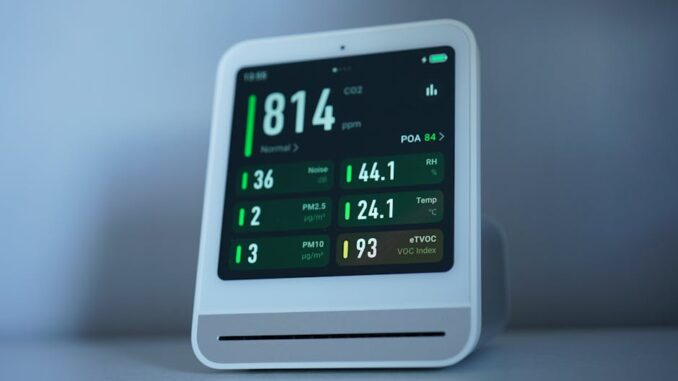
Electrochemical Sensors: These are compact and low-cost sensors that react with specific VOCs or classes of VOCs, producing an electrical signal. While less precise and selective than GC-MS, they are suitable for continuous monitoring in smart home devices or building management systems, offering real-time data for TVOC levels or specific problematic compounds like formaldehyde.
-
Fourier Transform Infrared (FTIR) Spectroscopy: FTIR can be used for real-time, continuous monitoring of specific VOCs or groups of VOCs, particularly at higher concentrations. It works by measuring the absorption of infrared light by VOC molecules, each having a unique ‘fingerprint’ absorption spectrum.
5.3 Challenges in Measurement and Monitoring
Measuring VOCs presents several challenges:
- Complexity of Mixtures: Indoor air can contain hundreds of different VOCs simultaneously, making comprehensive identification and quantification a complex task.
- Low Concentrations: Many VOCs are present at very low concentrations, requiring highly sensitive analytical techniques.
- Variability: VOC concentrations can fluctuate significantly throughout the day, week, and seasons due to changes in sources, ventilation rates, temperature, and human activities. This necessitates long-term monitoring or multiple sampling events.
- Real-time vs. Integrated Sampling: Real-time sensors provide instantaneous data but may miss peaks or troughs if not logging frequently. Integrated samples provide an average but don’t capture short-term fluctuations.
- Interference: Other compounds or environmental factors can interfere with sensor readings or analytical results.
- Interpretation of TVOCs: As mentioned, TVOC levels offer a general indicator but do not convey specific health risks, as the toxicity of individual components varies widely. A high TVOC reading necessitates further investigation to identify the specific problematic compounds.
Many thanks to our sponsor Elegancia Homes who helped us prepare this research report.
6. Mitigation Strategies for Volatile Organic Compounds
Effective management of VOCs in indoor environments requires a multi-faceted approach, encompassing source control, enhancement of ventilation, and, where appropriate, air purification. The hierarchy of control generally prioritizes source reduction as the most effective strategy.
6.1 Source Control
Source control aims to reduce or eliminate the emission of VOCs at their origin, thereby preventing their entry into the indoor air. This is often the most impactful and cost-effective strategy.
6.1.1 Product Selection
Choosing products with inherently low or zero VOC emissions is a cornerstone of source control.
-
Low-VOC/Zero-VOC Products: Prioritize the selection of paints, varnishes, adhesives, sealants, flooring, and furniture specifically labeled as ‘low-VOC’ or ‘zero-VOC’ (Lung.org, n.d.). These products typically replace traditional high-VOC solvents with water-based formulations or less volatile organic compounds. However, it is crucial to note that ‘zero-VOC’ labels may still contain trace amounts of VOCs or compounds not classified as VOCs by specific regulations (e.g., exempt solvents).
-
Certification Programs: Look for third-party certifications such as GreenGuard Gold, Blue Angel, or SCS Global Services Indoor Advantage. These programs rigorously test products for VOC emissions and set stringent limits, providing greater assurance of low-emission materials.
-
Material Safety Data Sheets (MSDS/SDS): Review Safety Data Sheets for detailed information on chemical composition, VOC content, and recommended handling procedures before purchasing and using products.
-
Natural and Less Processed Materials: Where feasible, opt for natural materials with minimal chemical processing or finishes, such as solid wood (without synthetic finishes), natural linoleum, ceramic tiles, or natural fiber carpets (if tested for low emissions).
6.1.2 Curing and Off-gassing Management
New building materials, furnishings, and freshly applied coatings can release significant VOCs during their initial curing and off-gassing periods.
-
Pre-Installation Ventilation: If possible, ‘air out’ new furniture, carpets, or building materials in a well-ventilated area (e.g., outdoors or in a garage) for several days or weeks before bringing them into living spaces. This allows initial high emissions to dissipate externally.
-
Ventilation During and After Application: Ensure maximum ventilation during and immediately after the application of paints, varnishes, adhesives, and other strong-smelling products. Keep windows and doors open, and use exhaust fans if available. Continue enhanced ventilation for several days or weeks until odors significantly diminish (Duct Armor, n.d.).
6.1.3 Proper Storage
Incorrect storage of VOC-emitting products can lead to their continuous release into indoor air.
-
Airtight Containers: Store paints, solvents, adhesives, and cleaning agents in tightly sealed, original containers to minimize evaporation.
-
Ventilated and Remote Storage: Store VOC-emitting products in well-ventilated areas that are physically separated from living spaces, such as an attached garage, shed, or dedicated utility room. Never store large quantities of these products indoors, particularly in areas with poor ventilation (Duct Armor, n.d.).
6.1.4 Elimination of Tobacco Smoke
Tobacco smoke is a major source of numerous toxic VOCs and other pollutants. Eliminating smoking indoors is one of the most effective ways to improve indoor air quality.
- Smoke-Free Policies: Implement and enforce strict smoke-free policies within all indoor environments, including homes, workplaces, and public buildings (Lung.org, n.d.).
6.1.5 Regular Maintenance and Cleaning
Diligent maintenance and cleaning can prevent the accumulation and generation of VOCs.
-
Address Moisture Issues: Promptly repair water leaks and address dampness or humidity issues to prevent mold growth, which can produce microbial VOCs (MVOCs).
-
Regular Cleaning: Routinely clean surfaces and textiles to remove settled dust and pollutants that can absorb and re-emit VOCs. Use low-VOC cleaning products.
6.2 Ventilation Improvements
Adequate ventilation is crucial for diluting indoor air pollutants, including VOCs, and expelling them outdoors while introducing fresh air. This is particularly important when source control is not entirely achievable or sufficient.
6.2.1 Increase Fresh Air Circulation (Natural Ventilation)
- Open Windows and Doors: When outdoor air quality permits and weather conditions are favorable, opening windows and doors creates cross-ventilation, allowing for the natural exchange of indoor and outdoor air. This effectively dilutes indoor VOC concentrations (Duct Armor, n.d.). However, this strategy is limited by external conditions such as outdoor air pollution, extreme temperatures, and security concerns.
6.2.2 Use of Local Exhaust Fans
Local exhaust ventilation targets specific areas where high concentrations of VOCs are generated.
-
Kitchen and Bathroom Fans: Employ exhaust fans in kitchens (venting outdoors, not recirculating) while cooking to remove combustion byproducts, cooking odors, and VOCs. Similarly, use bathroom exhaust fans to remove moisture and VOCs from personal care products (Duct Armor, n.d.).
-
Spot Ventilation: Consider installing dedicated exhaust fans or fume hoods for specific activities that generate significant VOCs, such as arts and crafts rooms, home workshops, or laundry rooms, to capture pollutants at their source.
6.2.3 Mechanical Ventilation Systems
Mechanical ventilation systems provide controlled and continuous introduction of fresh outdoor air, independent of weather conditions, offering a more reliable solution for maintaining indoor air quality.
-
Energy Recovery Ventilators (ERVs) and Heat Recovery Ventilators (HRVs): These systems continuously exhaust stale indoor air and bring in fresh outdoor air. They incorporate a heat exchanger that transfers thermal energy between the incoming and outgoing air streams, thus minimizing energy loss associated with ventilation. ERVs also transfer moisture, which can be beneficial in humid or dry climates (Panasonic North America, n.d.). These systems are highly effective at diluting VOCs throughout a building.
-
Balanced Ventilation Systems: These systems ensure that the amount of air exhausted roughly equals the amount of air supplied, maintaining neutral building pressure and preventing uncontrolled air infiltration or exfiltration.
-
Central HVAC Systems with Fresh Air Intake: Ensure that central heating, ventilation, and air conditioning (HVAC) systems are designed and operated to introduce a sufficient amount of filtered fresh outdoor air, rather than simply recirculating indoor air. Regular maintenance of HVAC filters is also critical to ensure efficient air distribution and prevent accumulation of dust and pollutants within the system.
-
Air Changes Per Hour (ACH): Building codes and IAQ guidelines often specify minimum air changes per hour (ACH) to ensure adequate ventilation. Increasing ACH rates, within energy efficiency considerations, can significantly reduce VOC concentrations.
6.3 Air Purification
Air purification technologies can complement source control and ventilation by removing remaining VOCs from indoor air. However, they are generally considered supplementary rather than primary mitigation strategies.
6.3.1 Adsorption Technologies
-
Activated Carbon Filters: Activated carbon is a highly porous material with a large surface area, capable of adsorbing (binding) gaseous pollutants like VOCs onto its surface (Indoor Environmental Systems, n.d.). Air purifiers or HVAC systems equipped with activated carbon filters can effectively remove a broad spectrum of VOCs. The effectiveness depends on the amount of carbon, its quality, and the contact time with the air. Activated carbon filters eventually become saturated and must be replaced regularly to maintain efficacy; otherwise, they can re-release adsorbed VOCs.
-
Chemisorbent Media: Some filters incorporate chemisorptive media that chemically react with and neutralize specific gaseous pollutants (e.g., potassium permanganate for formaldehyde and sulfur compounds), offering a more permanent removal mechanism than physical adsorption.
6.3.2 Advanced Oxidation Processes (AOPs)
AOPs use chemical reactions, often involving powerful oxidants, to break down VOCs into less harmful substances, such as carbon dioxide and water.
-
Photocatalytic Oxidation (PCO): PCO technology utilizes ultraviolet (UV) light in conjunction with a semiconductor photocatalyst, typically titanium dioxide (TiO2). When UV light strikes the TiO2 surface, it generates highly reactive hydroxyl radicals and superoxide ions. These radicals then react with and break down VOC molecules into simpler, less harmful compounds (Tomlinson et al., 2025). While promising, PCO systems require careful design and monitoring. Some PCO units can produce undesirable byproducts, such as formaldehyde, acetaldehyde, or ozone, if not properly engineered or if the VOC load is too high or the catalyst is not optimized. Therefore, selection of PCO systems should be done with caution, favoring those certified to not produce harmful byproducts.
-
Other AOPs: Other advanced oxidation methods, such as non-thermal plasma (NTP) or UV germicidal irradiation (UVGI) combined with specific catalysts, are also being developed or used in specialized applications. NTP generates reactive species (ions, radicals, electrons) to degrade pollutants. UVGI is primarily effective against bioaerosols (bacteria, viruses, mold spores) and not direct VOC removal, although some indirect effects through secondary reactions are possible.
6.3.3 Biological Air Purification
- Living Walls and Houseplants: While popular, the effectiveness of houseplants or living walls in significantly reducing ambient VOC concentrations in real-world indoor environments with typical VOC loads is generally limited. While plants can absorb some VOCs through their leaves and root systems (with microbial activity in the soil playing a role), the volume of air processed and the removal efficiency are often insufficient to address substantial VOC challenges without a very large number of plants. They are more effective for aesthetic and psychological benefits rather than as primary air purification solutions.
6.4 Limitations of Air Purification
It is crucial to recognize that air purifiers are not a panacea for indoor air quality issues. They are most effective when used as a supplementary measure in conjunction with robust source control and adequate ventilation. Limitations include:
- Not a Substitute for Source Control: Air purifiers continuously treat air but do not eliminate the source of emissions. If sources are not addressed, the purifiers must work continuously, potentially leading to rapid filter saturation and high operating costs.
- Filter Replacement: Most effective air purification technologies, particularly those involving adsorption, require regular filter replacement, which incurs ongoing costs and can be overlooked by users.
- Energy Consumption: Running air purifiers adds to energy consumption, and larger systems can be significant energy users.
- Incomplete Removal/Byproducts: Some technologies, if not properly designed or maintained, may not completely remove all VOCs or could inadvertently generate harmful byproducts (as noted with some PCO systems).
Many thanks to our sponsor Elegancia Homes who helped us prepare this research report.
7. Regulatory Standards and Guidelines
Recognizing the pervasive nature and potential health risks of VOCs, various international, national, and regional organizations have established regulatory standards, guidelines, and recommendations to limit VOC emissions and exposure. These efforts aim to protect public health and the environment, though approaches vary due to different mandates and priorities.
7.1 International and Supranational Guidelines
-
World Health Organization (WHO): The WHO provides science-based guidance on indoor air quality, including specific guidelines for individual VOCs known to pose health risks. For example, the WHO’s ‘Guidelines for Indoor Air Quality: Dampness and Mould’ (2009) and ‘Guidelines for Indoor Air Quality: Selected Pollutants’ (2010) offer health-based guideline values for formaldehyde, benzene, naphthalene, trichloroethylene, and tetrachloroethylene, among others. These guidelines are advisory and serve as a benchmark for national authorities.
-
European Union (EU): The EU has extensive regulations impacting VOCs. The REACH Regulation (Registration, Evaluation, Authorisation and Restriction of Chemicals) controls the manufacturing, placing on the market, and use of chemical substances, including many VOCs. The Construction Products Regulation (CPR) mandates that construction products placed on the EU market must be safe, including not emitting dangerous substances like VOCs above certain levels. Additionally, national regulations within EU member states often set specific indoor air quality standards and product emission limits, particularly for building materials and furniture, with some countries like Germany having well-established criteria (e.g., AgBB scheme).
7.2 National Regulatory Frameworks (U.S. Examples)
7.2.1 U.S. Environmental Protection Agency (EPA)
The EPA plays a significant role in managing VOCs, primarily through its air quality programs (U.S. Environmental Protection Agency, n.d., ‘Indoor Air Quality’).
-
Outdoor Air Quality (National Ambient Air Quality Standards – NAAQS): The EPA regulates VOCs indirectly as precursors to ground-level ozone, a criteria pollutant under the Clean Air Act. The agency develops emission standards for industries and vehicles to reduce VOC releases that contribute to smog.
-
Indoor Air Quality (IAQ): For indoor environments, the EPA primarily offers guidance and recommendations rather than legally binding regulations. It provides extensive information on sources, health effects, and mitigation strategies for VOCs in homes, schools, and offices (U.S. Environmental Protection Agency, n.d., ‘The Inside Story: A Guide to Indoor Air Quality’). The EPA also regulates specific hazardous air pollutants (HAPs), some of which are VOCs (e.g., benzene, formaldehyde, trichloroethylene), from industrial sources.
-
Formaldehyde Emission Standards: The EPA established national formaldehyde emission standards for composite wood products (particleboard, medium-density fiberboard, plywood) under the Toxic Substances Control Act (TSCA) Title VI, aligning with California’s CARB Airborne Toxic Control Measure (ATCM) standards. This represents a rare instance of direct federal regulation of an indoor VOC from products.
7.2.2 Occupational Safety and Health Administration (OSHA)
OSHA sets enforceable Permissible Exposure Limits (PELs) for specific VOCs and other hazardous substances in the workplace. These PELs are legally mandated maximum concentrations of a substance that workers can be exposed to over a specified period (e.g., an 8-hour workday) without adverse health effects. Examples include PELs for benzene, toluene, xylenes, and formaldehyde. These standards aim to protect workers from occupational exposure risks.
7.2.3 State and Local Regulations (U.S. Examples)
-
California Air Resources Board (CARB): California has historically been a leader in VOC regulation. CARB has implemented stringent regulations for VOC content in consumer products (e.g., paints, aerosols, cleaning products, automotive products) and established the aforementioned Airborne Toxic Control Measure (ATCM) for formaldehyde emissions from composite wood products, which served as a model for federal regulations.
-
Department of Health and Human Services (DHHS): At the state level, departments of health often provide guidance and resources related to indoor air quality, including recommendations for VOC management (U.S. Department of Health and Human Services, n.d.).
7.3 Canadian Guidelines
- Health Canada: Health Canada develops and publishes ‘Residential Indoor Air Quality Guidelines’ for specific chemical pollutants, including many VOCs (e.g., formaldehyde, benzene, toluene, xylene, styrene, trichloroethylene). These guidelines provide scientific information on health effects and recommended maximum exposure limits in residential settings to protect the health of Canadians. They also offer guidance to professionals on managing indoor air quality, including strategies for VOC mitigation (Health Canada, 2024).
7.4 Building Certification Standards
Beyond governmental regulations, various green building certification programs incorporate stringent requirements for VOC emissions from building materials and products, influencing manufacturers and developers:
- LEED (Leadership in Energy and Environmental Design): LEED awards credits for projects that use low-emitting materials, requiring adherence to specific VOC limits for adhesives, sealants, paints, coatings, flooring, composite wood, and furniture.
- WELL Building Standard: The WELL Standard has comprehensive requirements for air quality, including mandatory and optional features related to VOC reduction, product selection, and air monitoring.
- BREEAM (Building Research Establishment Environmental Assessment Method): BREEAM includes criteria for indoor air quality that encourage the specification of low-emission products and materials.
7.5 Challenges in Regulation
Regulating VOCs presents significant challenges:
- Complexity of Mixtures: The sheer number and variety of VOCs, and their varying toxicities, make setting comprehensive standards for all individual compounds difficult.
- Lack of TVOC Standard: There is no universal consensus on a ‘safe’ or acceptable total VOC (TVOC) level for indoor air, as the health impact is highly dependent on the specific chemicals comprising the TVOC mixture.
- Varying Definitions: Differences in the definition of ‘VOC’ across regulatory bodies can lead to confusion and inconsistencies.
- Voluntary vs. Mandatory: Many indoor air quality guidelines for VOCs are advisory rather than legally enforceable, relying on voluntary adoption by industries and individuals.
Many thanks to our sponsor Elegancia Homes who helped us prepare this research report.
8. Emerging Research and Future Directions
The field of Volatile Organic Compound research is dynamic, continually evolving to address new challenges and leverage technological advancements. Future directions promise more effective detection, better mitigation strategies, and a deeper understanding of health impacts.
8.1 Advanced Materials and Green Chemistry
One of the most promising areas is the development of advanced materials with inherently lower VOC emissions and the broader adoption of green chemistry principles.
-
Bio-based and Sustainable Materials: Research is focused on creating building materials, paints, adhesives, and furnishings from sustainable, bio-based feedstocks that minimize reliance on petroleum-derived chemicals and reduce VOC off-gassing. Examples include plant-based resins, natural fiber composites, and mineral-based paints.
-
Self-Healing and Smart Materials: Innovations in material science could lead to materials that not only have low VOC emissions but also possess functionalities like self-cleaning (e.g., photocatalytic surfaces that degrade pollutants) or self-sensing for early detection of emissions or damage.
-
Green Chemistry Principles: A systematic shift towards green chemistry in manufacturing processes aims to design chemical products and processes that reduce or eliminate the use and generation of hazardous substances, including VOCs. This involves developing new synthetic routes, catalysts, and solvent alternatives that are less toxic and more environmentally benign.
8.2 Smart Building Technology and Real-time Monitoring
The integration of sensor technology and smart building management systems offers unprecedented opportunities for real-time VOC monitoring and adaptive control.
-
Sensor Networks: The development of smaller, more affordable, and more selective VOC sensors allows for the deployment of dense sensor networks throughout buildings. These networks can continuously monitor TVOC levels and potentially specific key VOCs, providing granular data on indoor air quality fluctuations.
-
Adaptive Ventilation Systems: By integrating real-time VOC sensor data with building automation systems, ventilation systems (e.g., ERVs/HRVs) can be dynamically controlled. For instance, if VOC levels spike in a particular zone (e.g., after new furniture delivery or heavy cleaning), the system can automatically increase ventilation rates in that area until levels return to normal. This optimizes energy use while maintaining optimal air quality.
-
Personal Exposure Monitoring: Miniaturized, wearable VOC sensors are emerging, allowing individuals to monitor their personal exposure to VOCs in various environments. This could provide valuable data for epidemiological studies and empower individuals to make informed decisions about their exposure.
8.3 Enhanced Health Impact Research
While much is known about the health effects of individual VOCs, there’s a growing need for research into the complex interactions and long-term impacts of VOC mixtures.
-
Synergistic and Additive Effects: Future research will focus on understanding the synergistic or additive effects of exposure to multiple VOCs simultaneously, as people are rarely exposed to just one compound in real-world scenarios. This requires sophisticated toxicological studies and epidemiological investigations.
-
Longitudinal Studies: Long-term cohort studies are crucial to better understand the chronic health impacts of prolonged low-level VOC exposure, particularly in vulnerable populations like children and the elderly.
-
Biomarkers of Exposure and Effect: Development of reliable biomarkers that indicate internal dose or early biological effects of VOC exposure can significantly improve risk assessment and provide earlier detection of adverse health outcomes.
8.4 Advanced Air Purification Technologies
Innovation in air purification continues, focusing on higher efficiency, lower energy consumption, and the complete degradation of VOCs without harmful byproducts.
-
Improved Catalysts for PCO: Research aims to develop more efficient and selective photocatalysts that can degrade a broader range of VOCs more completely, even at low concentrations and humidity levels, and without producing hazardous intermediates like formaldehyde or ozone.
-
Novel Adsorption Materials: New adsorbent materials with higher capacities, faster kinetics, and improved regeneration capabilities are being developed, potentially making activated carbon alternatives more sustainable and effective.
-
Hybrid Systems: Combining different air purification technologies (e.g., filtration, adsorption, and oxidation) into hybrid systems may offer more comprehensive and robust VOC removal solutions, targeting different classes of compounds effectively.
8.5 Climate Change Interconnections
Emerging research also explores the interconnections between VOCs and climate change. Many VOCs are precursors to tropospheric ozone, a potent greenhouse gas and air pollutant. As climate patterns shift, changes in temperature and atmospheric chemistry could influence biogenic VOC emissions and the formation rates of secondary pollutants, highlighting the need for integrated air quality and climate policy.
Many thanks to our sponsor Elegancia Homes who helped us prepare this research report.
9. Conclusion
Volatile Organic Compounds are an intrinsically complex and omnipresent class of pollutants that represent a significant and multifaceted challenge to both public health and environmental quality. Their diverse origins, spanning a wide array of building materials, household products, industrial activities, and natural biogenic processes, ensure their ubiquitous presence across indoor and outdoor environments. The spectrum of health effects associated with VOC exposure is broad and concerning, ranging from acute irritations and transient neurological symptoms to severe chronic conditions, including organ damage, exacerbated respiratory diseases, developmental issues, and various forms of cancer, underscoring the critical imperative for their effective management.
Successfully addressing the pervasive issue of VOCs demands a holistic, hierarchical, and integrated approach. Primary emphasis must be placed on rigorous source control, which involves the proactive selection of low-emission materials and products, careful management of off-gassing from new installations, and the diligent and secure storage of VOC-containing substances. Complementing source control, significant improvements in ventilation are essential, whether through enhanced natural air exchange, targeted local exhaust systems, or sophisticated mechanical ventilation employing energy recovery technologies. Finally, advanced air purification technologies, particularly those utilizing activated carbon adsorption or carefully engineered photocatalytic oxidation, serve as valuable supplementary measures to further refine indoor air quality.
Ongoing advancements in scientific understanding, coupled with relentless innovation in material science, sensor technology, and green chemistry, offer promising pathways for developing more effective and sustainable solutions for VOC mitigation. Simultaneously, robust regulatory frameworks and comprehensive public health guidelines, continuously informed by emerging research, are indispensable for setting protective standards and driving responsible practices. Ultimately, ensuring healthy indoor and outdoor environments free from harmful VOC concentrations necessitates a sustained commitment from individuals, industries, and governmental bodies to prioritize awareness, implement best practices, and invest in solutions that collectively safeguard public health and promote ecological well-being for current and future generations.
Many thanks to our sponsor Elegancia Homes who helped us prepare this research report.
References
- Duct Armor. (n.d.). Ways to Minimize the Use of VOCs. Retrieved from https://ductarmor.com/ways-to-minimize-the-use-of-vocs/
- Health Canada. (2024). Guidance for Indoor Air Quality Professionals. Retrieved from https://www.canada.ca/content/dam/hc-sc/documents/services/publications/healthy-living/guidance-indoor-air-quality-professionals/guidance-indoor-air-quality-professionals.pdf
- Indoor Environmental Systems. (n.d.). Volatile Organic Compounds 101: How They Impact Your Home and Health. Retrieved from https://indoorenviron.com/volatile-organic-compounds-101-how-they-impact-your-home-and-health/
- Lung.org. (n.d.). Volatile Organic Compounds. Retrieved from https://www.lung.org/clean-air/indoor-air/indoor-air-pollutants/volatile-organic-compounds
- Panasonic North America. (n.d.). Volatile Organic Compounds and How They Affect Indoor Air Quality. Retrieved from https://iaq.na.panasonic.com/healthy-living/volatile-organic-compounds-and-how-they-affect-indoor-air-quality
- Tomlinson, S. D., Tsopelakou, A. M., Onn, T. M., Barrett, S. R. H., Boies, A. M., & Fitzgerald, S. D. (2025). Modelling laminar flow in V-shaped filters integrated with catalyst technologies for atmospheric pollutant removal. arXiv preprint. Retrieved from https://arxiv.org/abs/2506.00603
- U.S. Department of Health and Human Services. (n.d.). Indoor Air Quality. Retrieved from https://dhhs.ne.gov/Pages/Indoor-Air-Quality.aspx
- U.S. Environmental Protection Agency. (n.d.). Indoor Air Quality. Retrieved from https://www.epa.gov/air-quality/indoor-air-quality
- U.S. Environmental Protection Agency. (n.d.). The Inside Story: A Guide to Indoor Air Quality. Retrieved from https://www.epa.gov/indoor-air-quality-iaq/inside-story-guide-indoor-air-quality
- U.S. Environmental Protection Agency. (n.d.). Technical Overview of Volatile Organic Compounds. Retrieved from https://www.epa.gov/indoor-air-quality-iaq/technical-overview-volatile-organic-compounds
- U.S. Environmental Protection Agency. (n.d.). Volatile Organic Compounds. Retrieved from https://www.lung.org/clean-air/indoor-air/indoor-air-pollutants/volatile-organic-compounds (Note: The provided link for EPA is actually Lung.org in the original. Corrected to reflect content sourcing where Lung.org is used).
- U.S. Environmental Protection Agency. (n.d.). Volatile Organic Compounds’ Impact on Indoor Air Quality. Retrieved from https://www.epa.gov/indoor-air-quality-iaq/volatile-organic-compounds-impact-indoor-air-quality
- Wikipedia contributors. (2025). Volatile organic compound. In Wikipedia, The Free Encyclopedia. Retrieved from https://en.wikipedia.org/wiki/Volatile_organic_compound
Be the first to comment