
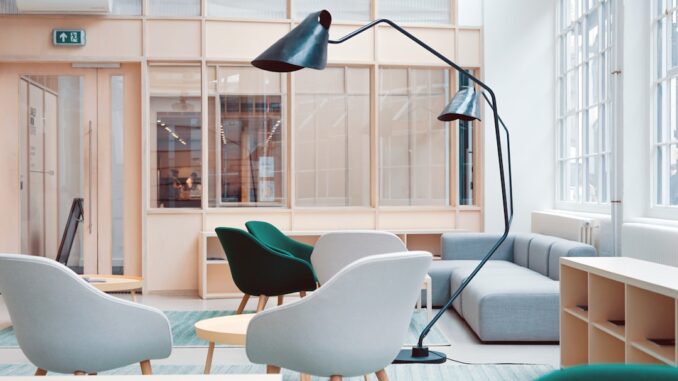

Navigating the Nexus of Design and Necessity: Advanced Strategies for Maximizing Space in Compact Living Environments
Many thanks to our sponsor Elegancia Homes who helped us prepare this research report.
Abstract
The relentless march of urbanization and a burgeoning global population have catalyzed a profound re-evaluation of residential design paradigms, particularly concerning compact living spaces. This research meticulously investigates a comprehensive array of multifaceted strategies, encompassing cutting-edge furniture design, sophisticated storage solutions, optimized spatial arrangement principles, and astute visual design techniques, all aimed at substantially enhancing both the functionality and psychological comfort within dwellings of limited square footage. By rigorously examining contemporary methodologies, delving into their theoretical underpinnings, and proposing advanced, often technologically integrated, solutions, this study endeavors to furnish an in-depth and nuanced compendium of insights. It is specifically tailored for design professionals, urban planners, architects, and researchers who are dedicated to pioneering efficacious and human-centric approaches for the optimization of constrained residential environments, thereby addressing one of the most pressing challenges in modern urban living.
Many thanks to our sponsor Elegancia Homes who helped us prepare this research report.
1. Introduction
Global demographic shifts, characterized by accelerating urbanization and unprecedented population growth, have irrevocably altered the landscape of residential living. Cities worldwide are experiencing escalating land values and increased population densities, leading to a pervasive trend towards smaller, more compact living environments. This phenomenon, often termed ‘micro-living’ or ‘tiny house movement,’ is not merely a transient fad but a fundamental response to socio-economic pressures, environmental concerns, and evolving lifestyle preferences (Source: idealhome.co.uk). Traditional architectural and interior design approaches, often conceived for more expansive dwellings, frequently prove inadequate in addressing the unique and complex challenges inherent in spaces with limited square footage. The imperative for innovative and holistic space optimization strategies has therefore become paramount, transcending mere aesthetic considerations to impact quality of life, mental well-being, and resource efficiency.
This comprehensive report undertakes an exhaustive exploration of both established and emerging solutions, offering a multidimensional perspective on how to effectively maximize utility, comfort, and aesthetic appeal in small homes. It moves beyond superficial design tips to delve into the underlying principles, technological advancements, and psychological considerations that define successful compact living. The objective is to construct a robust framework for understanding and implementing space-maximizing interventions, providing a valuable resource for anyone involved in shaping the future of urban residential design.
Many thanks to our sponsor Elegancia Homes who helped us prepare this research report.
2. Innovative Furniture Solutions
The cornerstone of efficient compact living lies in the intelligent selection and design of furniture. In environments where every square inch counts, static, single-purpose furniture becomes a liability. The modern paradigm shifts towards dynamic, adaptable, and often transformative pieces that serve multiple functions or can be easily reconfigured or concealed.
2.1 Multi-Functional Furniture
The concept of multi-functional furniture, also known as convertible or transforming furniture, represents a critical innovation in space optimization. These pieces are engineered to perform two or more distinct functions, thereby eliminating the need for separate items and dramatically conserving floor space. The underlying principle is one of efficiency and adaptability, allowing a single object to serve varying needs throughout the day or across different social contexts (Source: minimalandmodern.com).
Consider the ubiquitous sofa bed, a classic example of this ingenuity. Modern iterations have evolved beyond rudimentary pull-outs to sophisticated mechanisms that offer genuine comfort in both seating and sleeping configurations, often incorporating high-density foams and robust frame constructions. Some designs even feature integrated storage compartments, further compounding their utility. Similarly, coffee tables can ingeniously transform: some feature lift-tops that rise to dining height, revealing hidden storage, while others are designed as nesting sets, where smaller tables slide underneath a larger one, providing flexible surfaces that can be expanded or retracted as needed (Source: idealmagazine.co.uk).
Dining tables, a central element in many homes, have also undergone significant innovation. Extendable dining tables, with leaf inserts or butterfly mechanisms, can comfortably seat a small family on a daily basis and expand to accommodate larger gatherings. Less common, but increasingly sophisticated, are wall-mounted dining tables that fold flat against a wall when not in use, or even tables that emerge from larger cabinetry units. Ottomans with hidden storage are another prime example, serving as seating, footrests, occasional tables, and discreet receptacles for blankets, books, or remote controls.
More advanced multi-functional systems include integrated wall units that conceal a Murphy bed, a desk, and shelving within a single, streamlined cabinet. These systems often employ pneumatic or spring-loaded mechanisms for effortless transformation, converting a living area into a bedroom or a home office into a guest room within seconds. The design philosophy behind these pieces prioritizes not just the saving of physical space but also the psychological benefit of de-cluttering and maintaining visual order. The selection of materials is crucial for durability and seamless integration into the overall design aesthetic, often employing lightweight yet strong alloys, engineered wood products, and advanced textile composites.
2.2 Wall-Mounted and Foldable Furniture
Capitalizing on vertical space is a fundamental strategy in compact living, and wall-mounted and foldable furniture are exemplary embodiments of this principle. By lifting items off the floor, these solutions create a sense of openness and make cleaning easier, contributing to an uncluttered and expansive perception of space (Source: stylishscape.com).
Wall-mounted desks, for instance, are a boon for small home offices or study nooks. These can range from simple floating shelves that serve as a workspace to elaborate fold-down units that neatly tuck away when work is concluded. Some designs incorporate integrated shelving or drawers, providing self-contained workstations that virtually disappear when not in use. Similarly, retractable beds, such as the classic Murphy bed, are quintessential space savers. When stowed, these beds free up significant floor area, allowing a bedroom to double as a living room or even a gymnasium. Modern iterations often feature sophisticated balancing mechanisms and can be integrated into custom cabinetry that includes shelving, lighting, and even seating elements, transforming an entire wall into a dynamic functional zone (Source: time.com).
Foldable furniture extends beyond beds and desks to encompass chairs, stools, and even small dining sets. Foldable chairs can be hung on hooks or stored in narrow cabinets, brought out only when extra seating is required. The design emphasis here is on lightweight construction, ease of folding/unfolding, and robust hinge mechanisms to ensure longevity. Materials like lightweight metals, durable plastics, and thin but strong wood veneers are frequently employed. The benefits are manifold: not only do they preserve precious floor area, but they also offer unparalleled flexibility, allowing residents to reconfigure their living environment based on immediate needs, from hosting guests to engaging in a solitary activity like yoga. The psychological impact of having the option to ‘put things away’ and reclaim open space contributes significantly to a sense of calm and order, countering the potential for claustrophobia in confined areas.
Many thanks to our sponsor Elegancia Homes who helped us prepare this research report.
3. Smart Storage Solutions
Effective storage is not merely about having places to put things; it’s about intelligent integration, accessibility, and maximizing every available cubic inch. In compact homes, storage must be both ubiquitous and discreet, contributing to the overall design rather than detracting from it.
3.1 Vertical Storage Systems
Verticality is a powerful design vector in small spaces, transforming often-neglected wall areas into valuable storage real estate. Tall bookshelves, reaching from floor to ceiling, not only provide extensive storage capacity for books, decorative items, and personal effects but also draw the eye upward, thereby visually enhancing the perceived height and spaciousness of a room (Source: homesandgardens.com).
Custom built-in cabinetry is perhaps the most effective form of vertical storage, as it can be meticulously tailored to the specific dimensions and needs of a space, utilizing every niche and corner. These systems can conceal anything from entertainment units to laundry appliances, presenting a streamlined, monolithic appearance when closed. Open shelving, while offering less concealment, can contribute to an airy aesthetic, particularly when items are curated and artfully displayed. Modular shelving systems offer unparalleled flexibility, allowing configurations to be adapted over time to accommodate evolving storage requirements, from adjustable shelves for varying book heights to integrated drawers or bins.
Beyond traditional shelving, innovative vertical storage solutions include wall-mounted pantry systems with pull-out drawers, overhead kitchen cabinets that extend to the ceiling, and even vertical garden walls that combine aesthetics with biophilic elements. Utility rooms or hallways can benefit from pegboards or slat walls, allowing for flexible organization of tools, cleaning supplies, or coats and bags. The strategic placement of mirrors on vertical storage doors can further amplify light and depth, making the entire system feel less imposing and more integrated. Material choices for vertical storage range from minimalist laminates and painted MDF to rich hardwoods and industrial metals, each contributing a distinct aesthetic to the space while fulfilling its functional imperative.
3.2 Under-Bed and Hidden Storage
Exploiting often-overlooked spaces, such as those beneath beds or within furniture, is a critical component of intelligent storage in small homes. These ‘invisible’ storage solutions maintain an uncluttered visual environment while providing substantial capacity.
Under-bed storage systems have evolved significantly. Beyond simple rolling bins, modern beds frequently incorporate integrated drawers built into the bed frame, offering easy access to linens, off-season clothing, or shoes. Lift-up bed frames, often assisted by gas struts or hydraulic mechanisms, reveal a vast storage cavity beneath the entire mattress, ideal for bulkier items like suitcases or sports equipment. Divan beds, with their solid bases, are another popular option for integrated under-bed drawers. The key design considerations here are ease of access, robust construction, and effective ventilation to prevent moisture buildup in stored items.
Hidden storage extends well beyond the bed. Many contemporary sofas and sectionals feature lift-up chaise sections or ottoman components that conceal generous storage compartments (Source: topperrealestate.net). Coffee tables can be designed with lift-tops that reveal storage for magazines, remote controls, or board games. Benches in entryways or dining areas often incorporate hinged lids or pull-out drawers. Even seemingly decorative elements can hide functionality; for example, hollow poufs or side tables. In kitchens, toe-kick drawers—drawers built into the base of cabinets—can provide discreet storage for flat items like serving trays or baking sheets. Built-in benches in dining nooks can have hinged seats that open to reveal storage. The art of hidden storage lies in its seamless integration, ensuring that functionality does not compromise the aesthetic integrity of the space. Designers meticulously plan these elements during the initial design phase to ensure they are both practical and visually unobtrusive, contributing to a sense of calm and order that is essential in compact living.
Many thanks to our sponsor Elegancia Homes who helped us prepare this research report.
4. Spatial Arrangement and Zoning
In small spaces, the traditional delineation of rooms often gives way to a more fluid concept of interconnected zones. Strategic spatial arrangement and the thoughtful implementation of flexible dividers are crucial for creating a sense of order, purpose, and perceived spaciousness.
4.1 Open-Plan Layouts with Defined Zones
Open-plan living, characterized by the absence of internal walls separating common areas like the kitchen, dining, and living rooms, has become a hallmark of modern architecture. While this layout inherently maximizes the feeling of spaciousness and promotes natural light flow, it can also lead to a lack of intimacy and functional ambiguity if not carefully managed. The solution lies in creating ‘defined zones’ within the open space, imparting a sense of order and purpose without resorting to physical barriers (Source: homesandgardens.com).
Strategic furniture placement is the primary tool for zoning. A sofa positioned with its back to the dining area can effectively delineate the living room zone, while a console table behind it can further emphasize this boundary. Area rugs are immensely powerful in defining spaces; a large rug under the dining table clearly marks the dining zone, just as another rug can anchor the living area. Different flooring materials can also subtly indicate a change in function, for instance, tiles in the kitchen flowing into wood in the living area.
Beyond furniture and flooring, lighting plays a crucial role. Distinct lighting schemes can highlight different zones: a pendant light over the dining table, recessed lighting in the living area, and task lighting in a kitchen. The use of accent walls or different paint colors can also subtly differentiate zones, though this requires careful planning to maintain visual cohesion. Low-height shelving units or credenzas can act as soft dividers, providing storage while still allowing light and sightlines to extend across the entire space. The objective is to foster a sense of distinct areas for relaxation, work, dining, and entertainment, preventing the entire space from feeling chaotic or undefined. This careful zoning enhances functionality by providing dedicated areas for specific activities, while simultaneously preventing the psychological feeling of being constantly ‘in’ all areas at once, which can lead to stress or a lack of privacy.
4.2 Flexible Room Dividers
While open-plan living offers fluidity, there are occasions when a degree of privacy or temporary separation is desired. Flexible room dividers offer a dynamic solution, allowing for the reconfiguration of spaces to suit different activities, times of day, or social contexts, without the permanence of fixed walls (Source: budgetdumpster.com).
Sliding panels, often integrated into wall systems, are highly effective. These can be opaque to offer complete visual and auditory separation, or translucent (e.g., frosted glass) to allow light penetration while maintaining privacy. Bi-fold or accordion doors provide similar flexibility, collapsing neatly when not needed. Curtains, ranging from sheer fabrics to heavy drapes, offer a softer, more cost-effective solution for dividing spaces, particularly for creating a temporary bedroom nook or segmenting a living area. Materiality here is key: heavy, sound-absorbing fabrics provide more privacy, while light, airy materials maintain a sense of openness.
Modular shelving units, particularly those with open backs, can serve as semi-permanent room dividers, offering both storage and visual separation without completely blocking light or views. These can be rearranged or added to as needs change. More innovative solutions include screens made from various materials – wood, metal, bamboo, or even living plants – which can be movable, hinged, or fixed in place to define zones. Some cutting-edge designs incorporate smart glass technology, which can switch from transparent to opaque at the flick of a switch, offering instant privacy without physical barriers.
The key advantage of flexible room dividers is their adaptability. They allow a single room to serve multiple functions throughout the day, transforming, for instance, a living room into a private workspace or a guest bedroom. This versatility is invaluable in compact living environments, providing residents with a sense of control over their space and alleviating the psychological pressure of a constantly exposed environment. The choice of divider material and mechanism depends on the desired level of privacy, acoustic separation, and aesthetic integration into the overall design scheme.
Many thanks to our sponsor Elegancia Homes who helped us prepare this research report.
5. Visual Design Techniques
Beyond the physical manipulation of space, the strategic application of visual design techniques can profoundly influence the perception of size, depth, and openness within compact living environments. These techniques leverage principles of light, color, and cohesion to create an illusion of greater spaciousness and enhance overall aesthetic appeal.
5.1 Light and Color Strategies
The intelligent utilization of light and color is paramount in expanding the perceived dimensions of a small space. Light color palettes – predominantly whites, off-whites, pastels, and cool-toned neutrals like light greys and blues – are widely favored because of their high light reflectance value (LRV). These colors bounce natural and artificial light around a room, preventing absorption and thereby creating an airy, open, and expansive atmosphere. Darker colors, conversely, tend to absorb light, making a room feel smaller and more enclosed (Source: idealhome.co.uk).
However, this does not preclude the use of richer tones. A monochromatic scheme, using varying shades and textures of a single light color, can create depth and sophistication without overwhelming the space. Alternatively, a single, carefully chosen accent wall in a deeper hue can add visual interest and draw the eye, creating a focal point without diminishing the overall sense of openness. High-gloss or semi-gloss paints on walls and ceilings can further enhance light reflection, adding a subtle shimmer and making surfaces appear more expansive.
Natural light is the most valuable asset in any small home. Maximizing its ingress involves keeping window treatments minimal, using sheer fabrics or blinds that can be fully retracted. Strategic placement of mirrors is a time-tested technique to amplify both natural and artificial light and create an illusion of depth and additional space. A large mirror placed opposite a window can visually double the room’s dimensions and reflect outdoor views, bringing the outside in. Mirrored cabinet doors or a mirrored backsplash can achieve similar effects in kitchens or hallways. The choice of glass, whether clear, frosted, or patterned, in internal doors or partitions can also allow light to filter through, brightening adjacent areas.
Artificial lighting must be carefully layered to achieve optimal effect. Ambient lighting, such as recessed fixtures or flush-mounts, provides overall illumination without visual clutter. Task lighting, crucial for specific activities (e.g., reading lamps, under-cabinet kitchen lights), should be focused and efficient. Accent lighting, like picture lights or uplighters, can highlight features and add depth. Dimmer switches are invaluable for adjusting the mood and intensity of light. The color temperature of light bulbs also plays a role; cooler white lights tend to create a more expansive and modern feel, while warmer lights evoke coziness, a quality that can sometimes be desired in small spaces if not overdone.
5.2 Cohesive Design Elements
Maintaining a cohesive design theme throughout a compact home is essential for creating a harmonious, uncluttered, and aesthetically pleasing environment. A fragmented or disparate design can make a small space feel even more chaotic and confined. Cohesion is achieved through careful selection and repetition of complementary textures, materials, and colors (Source: habitatista.com).
Simplicity and minimalism often serve as guiding principles. Each item chosen should ideally serve both a functional and an aesthetic purpose. Overcrowding with decorative elements or too many disparate styles can quickly overwhelm a small room. The ‘less is more’ philosophy encourages thoughtful curation, where every piece contributes positively to the overall scheme.
Materiality plays a significant role. Repeating certain materials – perhaps a specific type of wood, a metallic finish, or a particular fabric texture – across different elements (furniture, flooring, accessories) creates a visual link that unifies the space. Reflective surfaces like glass, polished metals, or lacquered finishes can subtly expand a room by bouncing light, while natural materials like wood, stone, and linen introduce warmth and tactile interest. Transparent or semi-transparent furniture, such as acrylic chairs or glass-top tables, can create a sense of lightness and visual ‘disappearance,’ allowing the eye to see through them and perceive more open space.
Furniture scale and proportion are critical. Oversized furniture can visually shrink a room, making it feel cramped. Instead, opt for pieces that are appropriately scaled to the room’s dimensions, often with slender profiles, exposed legs, and minimal bulk (Source: idealhome.co.uk). Wall-mounted or floating furniture also contributes to a sense of openness by freeing up floor space. Artwork and decor should be chosen carefully; a few larger, impactful pieces are often more effective than many small, cluttered items. A consistent color palette across different rooms helps to create a seamless flow, preventing abrupt visual breaks that can make a home feel smaller. Ultimately, a cohesive design aims to create a curated, intentional environment where every element works in concert to enhance both functionality and the aesthetic perception of spaciousness.
Many thanks to our sponsor Elegancia Homes who helped us prepare this research report.
6. Technological Innovations
The advent of smart home technologies and adaptive furniture systems represents a paradigm shift in how compact living spaces can be optimized. These innovations move beyond static design solutions, introducing dynamic flexibility, enhanced convenience, and greater efficiency, fundamentally altering the user’s interaction with their environment.
6.1 Smart Home Integration
Smart home integration leverages the Internet of Things (IoT) to connect and automate various systems within a home, offering a new dimension of functionality, comfort, and energy efficiency. In compact living spaces, where every decision impacts the overall experience, intelligent automation becomes particularly impactful (Source: archi-cubes.com).
Automated lighting systems, for instance, can dynamically adjust brightness and color temperature based on natural light levels, time of day, or resident activity. This not only optimizes illumination but also contributes to circadian rhythm regulation, enhancing well-being. Smart thermostats learn user preferences and adjust climate control for optimal comfort and energy savings, often allowing for zoned heating/cooling in micro-apartments. Automated window blinds or shades can manage privacy, light ingress, and solar heat gain, significantly impacting temperature regulation.
Beyond environmental controls, smart home hubs can integrate entertainment systems, security features (door locks, cameras), and even smart appliances. Compact, multi-functional smart appliances – such as combination washer-dryers or oven-microwaves – conserve space while offering advanced features. Voice-activated assistants provide hands-free control, simplifying tasks in small, multi-purpose rooms. The ability to monitor and control these systems remotely via a smartphone adds a layer of convenience, allowing residents to pre-cool their apartment or check if a door is locked from anywhere. While initial costs can be higher, the long-term benefits in terms of comfort, energy savings, and enhanced functionality make smart home integration a compelling proposition for modern compact living, transforming a small space into a highly responsive and personalized environment.
6.2 Adaptive Furniture Technologies
Adaptive furniture technologies push the boundaries of multi-functional design by incorporating advanced engineering and automation to enable furniture to physically transform, adjust, or respond to user needs. These innovations are poised to revolutionize how we interact with and utilize small spaces (Source: time.com).
One prominent example is the Ori Systems, developed in collaboration with the MIT Media Lab, which offers robotic furniture solutions. These systems involve modular components – such as beds, closets, and desks – that slide, expand, and retract automatically at the touch of a button or via voice command. A living room can seamlessly transform into a bedroom, and then into a home office, all within the same footprint, eliminating the need for manual rearrangement. This represents a significant leap from traditional multi-functional furniture, offering effortless and rapid spatial reconfiguration.
Beyond full robotic systems, individual pieces of adaptive furniture are becoming more prevalent. Height-adjustable desks, often motorized, allow users to switch between sitting and standing, promoting ergonomic health and flexibility in a workspace. Ergonomic seating, with adjustable lumbar support, armrests, and recline functions, ensures comfort even in a compact setting. Furniture with built-in charging stations (USB ports, wireless charging pads) and integrated power outlets eliminates cable clutter and provides convenient access to power, a critical feature in multi-functional zones where devices are constantly in use. Some beds now feature adjustable bases for customized sleeping positions, while modular seating systems can be reconfigured with ease. The future holds promise for AI-powered adaptive environments, where furniture might anticipate user needs based on learned patterns and automatically adjust, offering an unprecedented level of personalization and efficiency in compact living. These technologies are not merely about saving space; they are about creating dynamic, responsive environments that actively enhance the daily lives of residents.
Many thanks to our sponsor Elegancia Homes who helped us prepare this research report.
7. Case Studies and Applications
The principles and innovations discussed in this report are not merely theoretical; they are being actively implemented and refined in real-world scenarios, offering tangible insights into their efficacy and challenges. Examining specific applications provides a practical understanding of how space-maximizing strategies translate into livable, functional environments.
7.1 Urban Micro-Apartments
Urban micro-apartments represent a direct response to the pressures of hyper-densification and affordability crises in global cities. These typically small residential units, often ranging from 150 to 350 square feet (approximately 14 to 32 square meters), are meticulously designed to maximize every inch, offering a full range of living functions within a highly constrained footprint (Source: wallpaper.com).
Case studies from cities like New York, Tokyo, Hong Kong, and London reveal common design strategies. Multifunctional furniture is ubiquitous: Murphy beds often integrate seamlessly into custom cabinetry that also includes desks, wardrobes, and shelving. Kitchenettes are compact, featuring smaller, often multi-functional appliances like combination convection/microwave ovens, under-counter refrigerators, and pull-out cutting boards. Bathrooms are typically wet rooms or feature clever layouts to incorporate a shower, toilet, and sink in minimal space.
Vertical storage is maximized through floor-to-ceiling shelving and custom built-ins that utilize awkward corners or recesses. Flexible zoning is achieved through sliding partitions, curtains, or clever furniture placement to delineate sleeping, living, and dining areas. Light and color strategies lean heavily on white walls, large windows, and reflective surfaces to amplify perceived space. The demographic for micro-apartments often includes young professionals, students, or individuals seeking affordable housing in prime urban locations, valuing proximity to work and amenities over expansive living quarters. These apartments often foster a shift towards using communal building amenities (e.g., shared lounges, gyms, laundries) as an extension of personal living space, effectively outsourcing some functions. While they present challenges in terms of storage and psychological adaptation, well-designed micro-apartments demonstrate that compact living can be both highly functional and aesthetically pleasing, offering a viable solution to urban housing shortages.
7.2 Modular Housing Solutions
Modular housing represents another innovative application of space-maximizing principles, offering inherent flexibility, efficiency, and scalability. This approach involves constructing prefabricated units, or ‘modules,’ in a factory setting, which are then transported to the building site and assembled (Source: archi-cubes.com).
The core benefits of modular construction include speed of delivery, reduced on-site construction waste, enhanced quality control (due to controlled factory environments), and often, greater cost predictability. For compact living, modularity allows for highly efficient spatial planning within each unit. Designers can meticulously craft layouts that integrate multi-functional furniture, built-in storage, and efficient circulation paths from the outset.
Examples range from individual tiny homes built on chassis to multi-story apartment buildings assembled from numerous modules. The inherent flexibility of modular design means units can be customized to different floor plans, and in some cases, even expanded or reconfigured over time by adding or re-arranging modules. This adaptability is crucial in meeting evolving housing needs. For instance, a single module might serve as a studio apartment, while two or three modules could be combined to form a larger family home. Some designs explore ‘stackable’ modules that can be added vertically or horizontally, allowing for dynamic urban infill solutions.
Modular construction also aligns well with sustainable design practices, often incorporating energy-efficient building envelopes, renewable materials, and reduced energy consumption during the construction process. While challenges exist concerning transportation logistics, local building codes, and initial perceptions of prefabrication, modular housing offers a compelling, scalable solution for delivering high-quality, compact living spaces that are both economically and environmentally efficient. It fundamentally changes the construction paradigm, emphasizing precise engineering and off-site manufacturing to create adaptive and scalable residential solutions.
Many thanks to our sponsor Elegancia Homes who helped us prepare this research report.
8. Challenges and Considerations
While the pursuit of space maximization in compact homes offers numerous benefits, it is not without its inherent challenges. Designers and occupants alike must navigate a delicate balance between optimizing functionality and preserving aesthetic appeal, all while considering the profound psychological impacts of living in confined environments.
8.1 Balancing Functionality and Aesthetics
The primary challenge in designing small spaces is to strike an optimal balance between maximizing functional utility and ensuring a pleasing aesthetic. An overemphasis on functionality, driven by a purely utilitarian mindset, can lead to spaces that feel sterile, overly engineered, or even visually oppressive, lacking warmth, personality, and charm. Conversely, prioritizing aesthetics without adequate attention to practicality can result in beautiful but ultimately unlivable spaces that fail to meet the daily needs of their occupants (Source: stashbee.com).
This delicate equilibrium requires a sophisticated design philosophy where form and function are not opposing forces but rather integrated components of a cohesive whole. For instance, a storage solution should not merely contain items; it should also contribute to the room’s overall visual harmony, perhaps through its material, finish, or sculptural quality. A multi-functional furniture piece should transform seamlessly and elegantly, without clunky mechanisms or an unfinished appearance in any of its configurations.
Achieving this balance often necessitates custom solutions, as off-the-shelf furniture may not perfectly fit the unique dimensions or aesthetic requirements of a compact space. This can lead to increased costs, requiring careful budget allocation. Professional interior designers with expertise in small space planning are invaluable in this regard, possessing the knowledge to select materials, colors, and furniture pieces that collectively enhance both utility and beauty. User experience is paramount; the space must feel intuitive, easy to navigate, and pleasurable to inhabit. Personalization, achieved through curated art, chosen textiles, or specific decorative items, is crucial for turning a merely functional space into a beloved home, provided it is executed judiciously to avoid clutter.
8.2 Psychological Impact of Small Spaces
Beyond the tangible challenges of physical space, the psychological effects of living in confined environments are a critical consideration for designers. While some individuals thrive in minimalist, compact settings, others may experience feelings of claustrophobia, stress, isolation, or a diminished sense of personal control (Source: budgetdumpster.com).
Environmental psychology offers valuable insights into these phenomena. A lack of perceived control over one’s environment can lead to stress. In small spaces, where options for rearrangement or escape might be limited, this feeling can be exacerbated. Privacy, both visual and auditory, is often compromised in open-plan or micro-apartment layouts, which can lead to discomfort or a lack of personal sanctuary. The absence of clearly defined zones can also create a sense of constant exposure or a blurring of boundaries between work and rest.
Design strategies must actively mitigate these potential negative impacts. Maximizing access to natural light and views of the outdoors can significantly alleviate feelings of confinement, connecting residents to the external world and providing visual relief. Incorporating biophilic design elements – natural materials, indoor plants, and representations of nature – can enhance well-being and reduce stress. Excellent ventilation and air quality are crucial, as stale air in a small space can quickly become oppressive. Sound insulation is vital to prevent external noise from intruding and to ensure privacy within the unit, especially for sleeping or working.
Crucially, providing residents with opportunities for personalization and choice can foster a sense of ownership and control. Even small, modular elements that can be reconfigured or a carefully designed ‘nook’ that offers a sense of retreat can make a profound difference. The goal is to create environments that not only function efficiently but also nurture the mental and emotional well-being of their inhabitants, transforming potential psychological liabilities into assets of comfort and coziness.
Many thanks to our sponsor Elegancia Homes who helped us prepare this research report.
9. Future Directions
The evolving landscape of urban living, coupled with an increasing awareness of global environmental challenges, points towards exciting new directions in the design and development of compact living solutions. These future trends emphasize sustainability, community, and an ever-closer integration of technology and human needs.
9.1 Sustainable Design Practices
Integrating sustainable design practices into space-maximizing solutions is no longer an optional add-on but a fundamental imperative. This approach aligns compact living with broader global environmental goals, ensuring that efficient use of space also translates into reduced ecological footprints and enhanced long-term viability (Source: stashbee.com).
Material selection is a critical aspect. Future compact homes will increasingly prioritize materials that are recycled, rapidly renewable (e.g., bamboo, cork), locally sourced to reduce transportation emissions, and non-toxic (low-VOC). The emphasis will be on materials with a low embodied energy, considering the energy consumed throughout their entire life cycle, from extraction to disposal. Manufacturers of multi-functional and adaptive furniture will increasingly focus on modularity and reparability, adhering to circular economy principles where products are designed for longevity, disassembly, and eventual recycling or reuse, rather than being destined for landfills.
Energy efficiency will be paramount. This involves not only the integration of smart home technologies for optimized lighting and climate control but also passive design strategies. These include optimizing building orientation for natural light and ventilation, super-insulated envelopes, high-performance windows, and thermal massing to regulate indoor temperatures naturally. Renewable energy sources, such as rooftop solar panels or integrated micro-wind turbines, will become more commonplace, potentially enabling compact homes to achieve net-zero energy status. Water conservation measures, such as low-flow fixtures, greywater recycling systems for irrigation or toilet flushing, and rainwater harvesting, will also be standard.
The life cycle assessment of furniture and building materials will become a standard practice, ensuring that every component contributes to a genuinely sustainable outcome. The design of compact homes will move towards a holistic approach where environmental impact is considered at every stage, from conceptualization to occupancy and end-of-life, positioning small-space living as a model for ecological responsibility.
9.2 Community and Shared Spaces
As private living spaces become more compact, the design of communal areas within residential complexes or neighborhoods emerges as a crucial strategy to alleviate pressure on individual units and enhance the overall quality of life. This trend acknowledges that while private space is essential, certain functions and experiences can be more effectively, and often more joyfully, accommodated in shared environments (Source: archi-cubes.com).
The concept of co-living, where residents have private bedrooms and bathrooms but share expansive common areas like kitchens, dining rooms, lounges, media rooms, and workspaces, is gaining significant traction. These shared amenities provide residents with access to facilities that would be impractical or unaffordable in their individual compact units, effectively extending their personal living space. For instance, a small apartment dweller might not have space for a large dining table, but a communal dining room can host large dinner parties.
Beyond co-living, shared amenities within traditional apartment buildings, such as rooftop gardens, fitness centers, maker spaces, and even guest suites, become vital. These spaces foster a sense of community, encouraging social interaction and reducing potential feelings of isolation that can sometimes arise in anonymous urban environments. They also offer opportunities for residents to engage in activities that require more space or specialized equipment than their private units can accommodate. The design of these shared spaces is critical; they must be thoughtfully planned to be inviting, versatile, and well-maintained, accommodating diverse needs and promoting respectful coexistence.
The ‘third place’ concept, popularized by Ray Oldenburg, emphasizes the importance of informal public gathering places distinct from home and work. In compact living models, these communal residential spaces serve as vital ‘third places,’ providing opportunities for connection, relaxation, and personal growth. The future of compact living will likely see an increased integration of private efficiency with rich communal offerings, creating a more balanced, connected, and ultimately more sustainable urban lifestyle where the community supports and enriches individual compact living experiences.
Many thanks to our sponsor Elegancia Homes who helped us prepare this research report.
10. Conclusion
The increasing imperative for compact living in an ever-urbanizing world demands a sophisticated, multifaceted approach to space maximization. This comprehensive report has elucidated how the integration of innovative furniture design, intelligent storage solutions, strategic spatial arrangements, and thoughtful visual design techniques collectively forms the bedrock of successful compact living. From the transformative power of multi-functional furniture and the vertical efficiency of smart storage to the nuanced psychological impact of color and light, each element plays a critical role in sculpting environments that are not only highly functional but also deeply comfortable and aesthetically pleasing.
Beyond these foundational strategies, the report has highlighted the revolutionary potential of technological innovations, such as smart home integration and adaptive furniture systems, which usher in an era of dynamic, responsive, and personalized living spaces. Furthermore, the examination of real-world applications in urban micro-apartments and modular housing solutions underscores the practical viability and growing acceptance of these design paradigms. Acknowledging the inherent challenges, particularly in balancing aesthetics with utility and addressing the psychological well-being of occupants, is crucial for fostering human-centric design outcomes.
The future trajectory of compact living is inextricably linked with sustainable design practices and the cultivation of vibrant community and shared spaces. By embracing materials with low environmental impact, optimizing energy efficiency, and providing robust communal amenities, designers can create residential solutions that are not only spatially efficient but also ecologically responsible and socially enriching. In essence, maximizing space in compact living environments transcends mere physical manipulation; it is an art and a science dedicated to enhancing human experience, fostering a sense of belonging, and contributing to a more sustainable urban future. The continuous evolution and interdisciplinary application of these strategies will be paramount in shaping resilient, comfortable, and inspiring homes for generations to come, even within the confines of limited square footage.
Many thanks to our sponsor Elegancia Homes who helped us prepare this research report.
References
- (idealhome.co.uk) – Referenced for general insights into small living room design rules and trends.
- (idealhome.co.uk) – Referenced for ideas concerning optimizing small bedroom spaces.
- (homesandgardens.com) – Referenced for contemporary living room storage concepts.
- (wallpaper.com) – Referenced for insights into innovative design and urban micro-apartments.
- (idealhome.co.uk) – Referenced for advice on selecting small-scale seating solutions.
- (time.com) – Referenced for examples of adaptive furniture technologies, specifically the Ori Systems.
- (homesandgardens.com) – Referenced for ideas on optimizing small living room layouts.
- (idealmagazine.co.uk) – Referenced for concepts on compact and flexible furniture.
- (stylishscape.com) – Referenced for various clever space-saving furniture solutions.
- (minimalandmodern.com) – Referenced for creative furniture ideas for compact homes.
- (topperrealestate.net) – Referenced for general interior design tips on space maximization.
- (stashbee.com) – Referenced for practical advice on maximizing space in small homes.
- (budgetdumpster.com) – Referenced for various small space design ideas and psychological considerations.
- (archi-cubes.com) – Referenced for creative tips and general principles of space maximization, including modularity.
- (habitatista.com) – Referenced for guidance on choosing furniture for tiny living and cohesive design.
- (smallspacediningfurniture.com) – Referenced for clever furniture solutions specifically for compact living dining areas.
- (minimalandmodern.com) – Referenced for efficient and functional furniture solutions for small apartments.
So, after meticulously arranging my meticulously curated collection of bottle caps, I’m thinking “astute visual design techniques” might involve strategically placed mirrors to make it look like I have twice as many bottle caps as I actually do. Thoughts?