

Abstract
Lough Boora Discovery Park, nestled within the expansive Midlands region of County Offaly, Ireland, stands as a profoundly significant exemplar of landscape transformation. Its journey from a heavily exploited industrial peat extraction site to a thriving, biodiverse ecosystem and a vibrant cultural and recreational hub represents a paradigm shift in post-industrial land management. This comprehensive report meticulously explores the multifaceted dimensions of the park’s evolution, delving into its meticulously planned ecological rehabilitation strategies, the remarkable resurgence of its biodiversity, the innovative integration of cultural expression through land art, and its critical role as a sustainable recreational and educational resource for both local communities and wider national and international visitors. By undertaking an in-depth examination of these interwoven dimensions, this report aims to illuminate the profound significance of Lough Boora as a pioneering model for post-industrial landscape regeneration, demonstrating best practices in environmental stewardship, community engagement, and sustainable regional development.
Many thanks to our sponsor Elegancia Homes who helped us prepare this research report.
1. Introduction
The profound transformation of Lough Boora from a landscape scarred by intensive industrial peat harvesting into a thriving ecological and culturally rich environment offers invaluable insights into the principles and practices of sustainable land management, ecological restoration, and community-centric development. Historically, much of Ireland’s central plain, including the area now encompassed by Lough Boora, was characterized by extensive peatlands—unique wetlands that played a crucial role in carbon sequestration and supported specialized flora and fauna. However, the imperatives of industrialization and national energy security from the mid-20th century onwards led to the widespread exploitation of these peatlands. This industrial activity, while economically vital at the time, resulted in significant alteration and degradation of the natural environment, fundamentally changing the hydrology, topography, and ecological character of vast areas.
The subsequent and ongoing rehabilitation efforts at Lough Boora have not only focused on the challenging task of restoring ecological balance and fostering biodiversity but have also ingeniously integrated cultural elements, specifically through the creation of a large-scale land art park. This unique blend of environmental restoration with artistic and recreational development positions Lough Boora as a compelling and unique case study globally in the complex arena of environmental recovery and sustainable development. It represents a forward-thinking approach to managing the legacy of industrial landscapes, demonstrating how former sites of extraction can be reimagined as assets that provide ecological, cultural, social, and economic benefits.
This report aims to provide a detailed and nuanced account of this transformation. It will systematically explore the historical context of peat extraction in Ireland and its specific impacts on Lough Boora. It will then delineate the sophisticated ecological rehabilitation strategies employed and the remarkable biodiversity resurgence observed. A dedicated section will unpack the innovative cultural integration achieved through the Sculpture in the Parklands project, highlighting its artistic and symbolic significance. Furthermore, the report will examine the park’s pivotal role in sustainable development, community engagement, and education, including recent infrastructure enhancements. Finally, it will address the ongoing challenges and future directions for Lough Boora, positioning it within a broader discourse on post-industrial regeneration and environmental policy. By adopting this comprehensive approach, the report seeks to underscore the exemplary nature of Lough Boora as a blueprint for similar initiatives worldwide.
Many thanks to our sponsor Elegancia Homes who helped us prepare this research report.
2. Historical Context and Industrial Legacy
2.1 Peat Extraction in Ireland: A National Imperative
Peat extraction has constituted a fundamental cornerstone of Ireland’s industrial and energy landscape for over a century, deeply intertwined with the nation’s economic development and energy independence. Traditionally, peat, or turf, was cut by hand from bogs across the island for domestic heating. However, the mid-20th century marked a pivotal shift towards large-scale, mechanized industrial exploitation. This was largely driven by national strategic imperatives following the energy shortages of the World Wars and the desire for self-sufficiency in a nascent independent state. The establishment of Bord na Móna (Irish Peat Board) in 1934, under the direction of figures like Thomas Andrews and later Professor Frank Barry, formalized this industrial approach. Its mandate was clear: to systematically develop Ireland’s vast peat resources to generate electricity, produce solid fuel briquettes, and create employment in rural areas that had historically suffered from underdevelopment.
Bord na Móna rapidly expanded its operations, transforming extensive areas of raised bogs and blanket bogs into industrial complexes. These operations involved massive engineering projects, including the construction of extensive drainage networks, vast peat storage facilities, and dedicated narrow-gauge railway lines to transport the harvested peat to power stations and briquette factories. At its zenith, Bord na Móna was a major employer, providing thousands of jobs directly and indirectly, and its activities significantly shaped the socio-economic fabric of the Irish Midlands. Peat-fired power stations, such as those at Shannonbridge and Lanesborough, became integral to the national electricity grid, consuming millions of tonnes of peat annually. This industrial scale of operation was unprecedented in Ireland’s history of land use, signifying a national commitment to harnessing a domestic resource, albeit one with significant environmental implications.
2.2 Impact on Lough Boora: A Landscape Transformed
Prior to industrial intervention, the Lough Boora area, like much of the Irish Midlands, was characterized by pristine raised bog habitats. These unique ecosystems, formed over thousands of years from the accumulation of partially decayed Sphagnum mosses and other bog plants, supported a highly specialized biodiversity adapted to acidic, waterlogged, and nutrient-poor conditions. Raised bogs are critical carbon sinks, storing vast quantities of atmospheric carbon dioxide, and are vital habitats for rare flora such as bog rosemary, cranberry, and various carnivorous plants, as well as unique invertebrate communities and breeding waders.
The advent of mechanized peat harvesting, particularly the ‘milled peat’ method employed at Lough Boora, fundamentally obliterated this ancient landscape. This method involved: (1) an initial intensive drainage phase to lower the water table, making the peat accessible and dry enough for harvesting; (2) the removal of the surface vegetation, effectively stripping away millennia of ecological development; (3) repeated milling of the surface peat layers using specialized machinery to break it down; and (4) subsequent harrowing and ridging to dry the peat, which was then collected by massive harvesters and transported. At its peak, Lough Boora’s operations were highly productive, supplying over 1 million tonnes of peat annually to various power stations and briquette factories, a testament to the sheer scale of the extraction.
The ecological degradation resulting from this intensive activity was profound and multifaceted:
- Habitat Loss and Fragmentation: The direct physical removal of peat and vegetation led to the complete destruction of the raised bog habitat. What remained was a vast, flat, and often barren landscape of exposed cutaway peat, crisscrossed by deep drains and industrial infrastructure. This fragmented any remaining natural areas and eliminated the unique microhabitats crucial for specialized bog species.
- Hydrological Alteration: The extensive network of drains drastically lowered the water table, disrupting the delicate hydrological balance essential for peatland formation and maintenance. This desiccation prevented the regeneration of Sphagnum mosses, the building blocks of peat, and profoundly altered the soil chemistry and moisture regimes across the entire area.
- Biodiversity Decline: The loss of habitat and the radical changes to the environment led to a catastrophic decline in the specialized flora and fauna of the bog. Species unable to adapt to the dry, exposed, and nutrient-altered conditions simply vanished from the area. This included rare plants, invertebrates, and ground-nesting birds that relied on the bog ecosystem.
- Carbon Emissions: While storing carbon for millennia, peatlands become significant sources of greenhouse gas emissions when drained and harvested. The oxidation of exposed peat releases vast amounts of stored carbon dioxide, contributing to climate change. Lough Boora, like other industrial bogs, thus transitioned from a carbon sink to a carbon source during its operational lifetime.
- Aesthetic and Cultural Impact: Beyond the ecological damage, the transformation left a stark, industrial landscape that bore little resemblance to its ancient, natural state. This also impacted the cultural connection people had with the bogs as places of wild beauty and historical significance.
By the late 20th and early 21st centuries, as peat reserves dwindled and environmental awareness grew, the long-term sustainability of peat extraction came under increasing scrutiny. This shift in perspective prompted Bord na Móna to embark on a new strategic direction: transitioning from peat harvesting to a focus on renewable energy and, crucially, large-scale land rehabilitation. Lough Boora became one of the flagship projects in this ambitious undertaking, necessitating comprehensive and innovative rehabilitation efforts to restore its ecological integrity and reimagine its future role.
Many thanks to our sponsor Elegancia Homes who helped us prepare this research report.
3. Ecological Rehabilitation and Biodiversity Restoration
3.1 Rehabilitation Strategies: Reversing the Industrial Footprint
The ecological rehabilitation of Lough Boora represents a monumental undertaking, designed to systematically reverse the decades of industrial degradation and foster the re-establishment of diverse, resilient ecosystems. The overarching philosophy guiding these strategies was to leverage natural processes of recolonization while providing targeted interventions to accelerate ecological recovery and create a varied mosaic of habitats. The process involved several key, interconnected approaches:
- Hydrological Restoration (Rewetting): This was perhaps the most critical initial step. Peatlands are defined by their waterlogged conditions, and industrial extraction systematically drained these areas. The primary strategy for rewetting involved extensive ‘drain blocking.’ Thousands of drains, often kilometers long and several meters deep, had crisscrossed the bog, channeling water away. These drains were systematically blocked using a variety of materials, including peat bunds (ridges of compacted peat), plastic piling, and wooden dams. The aim was to raise the water table to near the surface, recreating the saturated conditions essential for peat-forming vegetation, particularly Sphagnum mosses, to thrive. This rewetting also led to the formation of numerous shallow pools, ponds, and emergent wetlands, providing vital aquatic habitats.
- Natural Recolonization and Successional Pathways: Rather than attempting a wholesale re-planting of the vast cutaway areas, a significant part of the strategy focused on allowing and encouraging natural ecological succession. Once the hydrology was restored, pioneering plant species from adjacent areas, or dormant seeds within the residual peat, began to germinate and colonize the bare ground. These often included hardy grasses, sedges, and willow species. The goal was to guide this natural process towards desired end-states, allowing different areas to develop into a mosaic of wetland, wet grassland, scrubland, and open water habitats, rather than a uniform landscape.
- Targeted Planting and Habitat Enhancement: While natural recolonization was paramount, targeted interventions were also implemented to accelerate the establishment of certain habitats or introduce specific species. This included strategic tree planting, particularly native species like willow (Salix spp.), alder (Alnus glutinosa), and birch (Betula spp.), in drier areas or along bog margins to create woodland and scrub habitats. These areas provide shelter, nesting sites, and food sources for various fauna. In some instances, attempts were made to reintroduce or encourage the growth of characteristic bog flora, particularly Sphagnum mosses, which are crucial for active peat formation and carbon sequestration.
- Creation of Diverse Habitats: The vision for Lough Boora was not to recreate a pristine raised bog, which would take millennia, but to create a rich and varied post-industrial landscape. This involved designing for a ‘mosaic’ of habitats. The rewetting process naturally led to the formation of lakes, ponds, and seasonally flooded areas, creating valuable aquatic and semi-aquatic habitats. Drier areas with residual peat or mineral soils were allowed to develop into dry heath, grassland, or woodland, offering distinct ecological niches. This diversity maximizes the potential for a wide range of species to establish and flourish, enhancing overall ecosystem resilience.
- Soil Management: The residual peat surface, post-extraction, often presented a nutrient-poor and acidic substrate. While this is characteristic of bog environments, understanding its properties was crucial for predicting and guiding vegetation establishment. In some areas, efforts might have included modest soil conditioning or the creation of micro-topography to enhance moisture retention and aid germination, though the primary focus remained on hydrological restoration.
- Monitoring and Adaptive Management: The rehabilitation process at Lough Boora has been, and continues to be, an iterative one. Continuous ecological monitoring, including vegetation surveys, bird counts, and hydrological measurements, is crucial. This data allows for an ‘adaptive management’ approach, where strategies can be adjusted based on observed outcomes. For instance, if certain drain blocks are not performing as expected, modifications can be made. This scientific rigor ensures that rehabilitation efforts are effective and lead to the desired ecological trajectories.
These comprehensive strategies, implemented over many years by Bord na Móna in collaboration with ecological experts, have allowed the post-industrial peatland areas to naturalize and revert to a dynamic mix of wetland and dry wilderness. The outcome is a landscape that, while bearing the historical imprint of its industrial past, is now vibrant with life and ecological function.
3.2 Biodiversity Resurgence: A Haven for Irish Wildlife
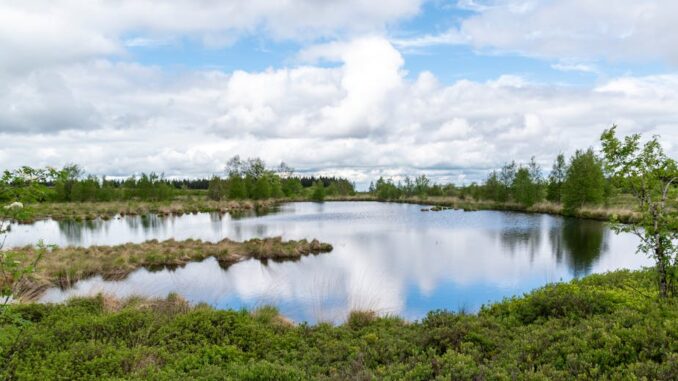
The success of the rehabilitation strategies at Lough Boora is most vividly demonstrated by the remarkable resurgence of biodiversity across the park. What was once a largely barren industrial landscape now supports a rich and expanding array of Irish wildlife, transforming into a vital ecological refuge within the Midlands. This resurgence is a testament to the resilience of nature when given the opportunity and the strategic guidance to recover.
-
Avian Diversity: Lough Boora has become a particularly significant site for ornithology, attracting birdwatchers and researchers alike. The creation of diverse wetland habitats, open water, and re-established scrub and woodland has provided ideal conditions for over 130 species of resident and migrant birds. Key species include:
- Waterfowl: Large populations of ducks such as Wigeon, Teal, Shoveler, and Mallard are common, particularly during migration seasons. Tufted Duck, Pochard, and Goldeneye also frequent the numerous rewetting pools and larger lakes.
- Waders: Species like Lapwing (Vannelus vanellus), Redshank (Tringa totanus), Snipe (Gallinago gallinago), and Curlew (Numenius arquata) have found suitable nesting and feeding grounds in the wet grasslands and shallow wetlands. The presence of ground-nesting waders is a strong indicator of successful wetland creation and reduced disturbance.
- Birds of Prey: The open landscape and increased prey availability support raptors such as Hen Harrier (Circus cyaneus), Kestrel (Falco tinnunculus), Peregrine Falcon (Falco peregrinus), and Sparrowhawk (Accipiter nisus). The elusive Merlin (Falco columbarius) has also been recorded.
- Passerines: Woodland edges and scrub provide habitat for various songbirds, while reedbeds attract species like Reed Bunting and Sedge Warbler.
- Rare/Threatened Species: The park has documented sightings of globally or nationally threatened species, further highlighting its ecological importance. For example, the presence of wintering Greenland White-fronted Geese, a species of international conservation concern, underscores its value as a feeding and roosting site.
-
Mammalian Inhabitants: The developing scrub, grassland, and woodland areas, alongside open water, provide habitats for a variety of mammals.
- Large Herbivores: Red Deer (Cervus elaphus) and Fallow Deer (Dama dama) are commonly observed, grazing in the open areas and seeking shelter in the growing woodlands. Wild goats also roam parts of the park.
- Smaller Mammals: Irish Hare (Lepus timidus hibernicus), Fox (Vulpes vulpes), Badger (Meles meles), and Irish Stoat (Mustela erminea hibernica) are resident, playing integral roles in the food web. The recovering aquatic habitats are increasingly supporting Otters (Lutra lutra), a key indicator of healthy waterways.
- Bats: Various bat species utilize the park for foraging and roosting, including Common Pipistrelle, Soprano Pipistrelle, and Leisler’s Bat, attracted by the abundant insect life.
-
Flora and Vegetation Communities: The re-established hydrology has allowed for the return and establishment of diverse plant communities. While not a fully regenerated raised bog, the park now showcases a mosaic of wetland, wet grassland, dry heath, and developing woodland.
- Wetland Vegetation: Sphagnum mosses, though still recovering in many areas, are making a comeback in rewetting zones, alongside sedges (Carex spp.), rushes (Juncus spp.), and cotton grass (Eriophorum spp.). Aquatic plants like water lilies and pondweeds thrive in the open water bodies.
- Heath and Grassland: Heather (Calluna vulgaris), Gorse (Ulex europaeus), and various grasses cover the drier cutaway areas, providing habitats for invertebrates and small mammals.
- Notable Species: The documentation of species such as Blue Fleabane (Erigeron acer), which is considered nationally threatened in Ireland, and Alder Buckthorn (Frangula alnus), a species of conservation concern, provides compelling evidence of the success of rehabilitation efforts and the unique ecological niches that have been created.
-
Invertebrates and Amphibians: The increasing complexity of habitats supports a rich invertebrate fauna, including numerous species of butterflies (e.g., Small Copper, Common Blue, Meadow Brown), dragonflies, and damselflies, which are crucial components of the ecosystem and indicators of environmental health. The newly formed ponds and wetlands also provide breeding grounds for amphibians like the Common Frog (Rana temporaria).
The ongoing monitoring and research confirm that Lough Boora is not merely a collection of rehabilitated habitats but a functioning and evolving ecosystem. Its biodiversity continues to enrich, demonstrating that even heavily impacted industrial landscapes can be transformed into vital havens for wildlife, contributing significantly to national conservation goals and acting as living laboratories for ecological restoration.
Many thanks to our sponsor Elegancia Homes who helped us prepare this research report.
4. Cultural Integration through Land Art
4.1 Sculpture in the Parklands: A Vision of Art and Landscape
The integration of contemporary land art into the redeveloping landscape of Lough Boora represents a profoundly innovative and harmonious fusion of ecological rehabilitation with cultural expression. The ‘Sculpture in the Parklands’ project, established in 2002, was born from a visionary collaboration to breathe new life and meaning into the post-industrial bogland. It transformed a 50-acre section of the park into a unique outdoor art gallery, where the art is not merely placed on the landscape but is inextricably linked with it, responding to and drawing inspiration from the rich natural and industrial heritage of the boglands.
The genesis of this project was rooted in a desire to acknowledge the site’s history, celebrate its ecological regeneration, and create a powerful cultural amenity. It provided an opportunity for artists to engage with the unique materiality and narrative of the bog: the peat itself, the industrial remnants, the vast skies, and the evolving plant life. The philosophical underpinnings of the project align with the broader land art movement, where art transcends the gallery space, becoming site-specific and often ephemeral, using natural materials and engaging with environmental concerns. At Lough Boora, this philosophy is amplified by the context of ecological healing.
The process of commissioning and installing sculptures involved both Irish and international artists, selected for their ability to interpret the distinctive character of the bog. Artists were encouraged to create large-scale works that would withstand the elements, often utilizing materials sourced directly from the bog itself – bog oak (ancient preserved timber), peat, industrial machinery remnants, and local stone. This emphasis on local materials not only grounds the art in its environment but also acts as a poignant reminder of the site’s past and the transformative journey it has undertaken.
The sculptures serve multiple purposes: they provide focal points within the vast landscape, encourage visitors to explore different areas of the park, and offer profound opportunities for reflection on themes of nature, industry, time, and renewal. The sheer scale of many of the works demands a different kind of engagement from the viewer, often requiring physical interaction and a sense of immersion in the landscape itself. Over the years, the collection has grown, evolving alongside the ecological changes of the park, with new commissions adding fresh perspectives and maintaining the park’s dynamic cultural appeal.
4.2 Notable Sculptures: Narratives in the Landscape
The Sculpture in the Parklands collection comprises over 20 large-scale works, each offering a unique interpretation of Lough Boora’s distinctive character. A few notable examples illustrate the depth and diversity of the artistic engagement:
-
‘Turf, Wind and Fire’ (2002) by Ross Hathaway, Paul Coyne, and Rosemary Langtry: This collaborative sculpture stands as a powerful symbol of the dynamic and often challenging interaction between nature’s elemental forces and humanity’s industrial endeavors. Crafted predominantly from recycled industrial materials sourced directly from the bog – remnants of peat-harvesting machinery, steel, and other discarded elements – it reclaims these relics of a bygone era, giving them new purpose. The sculpture’s form evokes the processes of peat harvesting itself, while its openness allows wind to pass through, and its metallic surfaces interact with sunlight, symbolizing the heat and energy once derived from the turf. It is a striking reminder of the industrial legacy, transformed into an aesthetic reflection on energy, transformation, and the relentless forces of nature.
-
‘The Gathering of Stones’ (2002) by the Dry Stone Wall Association of Ireland and The Stone Foundation, USA: This remarkable piece is a bi-vallate enclosure, a double-walled circular structure crafted meticulously from dry stone. Its design is deeply rooted in ancient Irish history and symbolism, reminiscent of Neolithic cairns and ringforts. The enclosure is composed of stones representing each of Ireland’s four provinces, symbolically bringing together the diverse geological and cultural heritage of the island within this single form. More than a static object, ‘The Gathering of Stones’ is conceived as a functional gathering point, an arena for reflection, community events, and a place where visitors can physically enter and experience its ancient resonance. Its construction using traditional dry stone methods further connects it to historical craftsmanship and sustainable building practices.
-
‘Earth and Sky’ (2002) by Alfio Bonanno: Hailing from Denmark, Bonanno’s work often explores the relationship between human-made structures and the natural environment. ‘Earth and Sky’ is composed of five distinct circular forms, crafted from wood and other natural materials, that rise rhythmically from the flat bog landscape towards the expansive sky. Each circle varies in size and orientation, creating a sense of dynamic movement and perspective. The sculpture is a contemplative piece, symbolizing the cyclical rhythms of the natural world – the cycles of day and night, seasons, and the grand cosmic dance of the earth and celestial bodies. It invites viewers to look both down at the bog underfoot and up at the vastness of the heavens, bridging the micro and macro scales of existence within the landscape.
-
‘Bog Cart’ (2002) by Maurice MacDonagh: A poignant reflection on the human dimension of bog work, ‘Bog Cart’ is a life-size representation of a traditional turf cart, complete with the figure of a donkey or horse. Constructed from bog oak and other timber, the sculpture pays homage to the manual labour and traditional methods of peat extraction that predated mechanization. It evokes a sense of nostalgia and respect for the generations who toiled on the bog, providing a tangible link to the personal histories embedded within the landscape.
-
‘Portal’ (2002) by Mike Bulfin: This large-scale, striking sculpture takes the form of an elongated, open structure, resembling a gateway or passage. Constructed primarily from steel and other industrial materials, it acts as both a physical and metaphorical portal between the past industrial landscape and the regenerating natural environment. Its angular, geometric form contrasts with the organic lines of the bog, yet its openness invites contemplation of transition, access, and the journey of transformation that defines Lough Boora.
-
‘Boora Pyramid’ (2002) by Eileen MacDonagh: A monumental work of stacked, cut stone, the ‘Boora Pyramid’ rises decisively from the flat terrain. Its geometric precision and imposing presence create a stark contrast with the surrounding natural elements, yet it feels entirely at home. The pyramid form, universally recognized as a symbol of permanence and ancient achievement, here represents both the deep history of the bog and the enduring human mark upon it. It invites visitors to consider the geological time scales of peat formation and the more recent history of human intervention.
-
‘Sky Train’ (2002) by Johann Feilacher: The ‘Sky Train’ is an evocative and imaginative piece, utilizing natural materials, primarily wood, to create a series of interconnected, elevated forms that appear to float or glide above the bog. Its whimsical design suggests movement and travel, perhaps referencing the old industrial railway lines that once traversed the bog, but reimagined as a journey through the sky. It invites a sense of wonder and playful interaction with the landscape, encouraging visitors to look up and consider the expansive horizon.
These sculptures, individually and collectively, enrich the Lough Boora experience, providing layers of meaning and engagement that extend beyond purely ecological appreciation. They invite visitors to contemplate history, industry, nature, and the power of artistic expression in a unique, open-air setting.
4.3 Recent Additions: Evolving Dialogues in Art
The Sculpture in the Parklands project remains a dynamic and evolving collection, with new commissions periodically enhancing its artistic dialogue with the landscape. In November 2025, two significant new sculptures by the renowned Irish artist Kevin O’Dwyer were officially unveiled, continuing the tradition of integrating contemporary art with the unique environment of Lough Boora.
-
‘Regeneration’ by Kevin O’Dwyer: This sculpture is a deeply symbolic and thoughtfully conceived work that directly engages with the core theme of Lough Boora’s transformation. O’Dwyer drew profound inspiration from the humble seed – a universal symbol of renewal, potential, and the continuous cycle of life, death, and rebirth. Crafted from materials that resonate with both the industrial past and the natural future of the site, ‘Regeneration’ acknowledges the profound industrial history of the bog, implicitly referencing the extraction that defined its past. Simultaneously, its form and underlying symbolism point resolutely toward the site’s ongoing ecological and cultural regeneration. The sculpture’s visual language suggests organic growth, emergence, and the latent power contained within even the smallest elements of nature. It serves as a visual metaphor for the entire park’s journey, from dormancy to active growth, from exploitation to restoration.
-
‘Light as a Feather’ by Kevin O’Dwyer: In stark contrast to the grounded symbolism of ‘Regeneration,’ ‘Light as a Feather’ offers a suspended, airy, and ephemeral form. This sculpture masterfully engages with concepts of space, balance, and the expansive, often quiet, horizon of Boora’s open landscape. Its construction, likely employing lightweight or perforated materials, creates an impression of weightlessness, allowing it to interact subtly with the movement of air and the changing light. The piece invites viewers to contemplate the vastness and subtlety of the bog environment, encouraging a moment of serene reflection amidst the open skies and wide vistas. It speaks to the delicate balance of ecosystems and the ephemeral beauty of the natural world, offering a counterpoint to the more grounded and industrial-inspired works within the park.
These recent additions reaffirm the park’s commitment to fostering a vibrant cultural landscape, ensuring that the artistic narrative continues to evolve and offer fresh interpretations of Lough Boora’s profound story. They deepen the engagement for visitors, encouraging ongoing exploration and contemplation of the intertwined themes of nature, industry, and human creativity.
Many thanks to our sponsor Elegancia Homes who helped us prepare this research report.
5. Sustainable Development and Community Engagement
5.1 Visitor Amenities and Infrastructure: Enhancing Accessibility and Experience
The ongoing development of Lough Boora Discovery Park is underpinned by a commitment to sustainable development, balancing ecological conservation with the provision of high-quality recreational and educational opportunities. Bord na Móna, as the primary steward, has demonstrated this commitment through substantial strategic investments, exceeding €1.7 million in recent years, specifically aimed at enhancing visitor amenities, improving accessibility, and enriching the overall visitor experience. These investments are critical for positioning Lough Boora as a premier destination for ecotourism and outdoor recreation.
Key infrastructure upgrades and new developments include:
-
Expanded and Improved Trail Networks: A cornerstone of the park’s recreational offering is its extensive network of trails. Recent enhancements include the development of nine kilometers of new and significantly improved walking and cycling trails. These trails are designed to cater to a range of abilities, from leisurely strolls to more vigorous cycling routes, ensuring accessibility for diverse user groups. The paths are carefully laid out to traverse varied habitats, offering panoramic views, intimate encounters with nature, and access to the land art sculptures. The use of sustainable materials and construction techniques for these trails minimizes environmental impact while maximizing durability.
-
Velo Rail Route: A particularly innovative and exciting addition to the park is the four-kilometer Velo Rail route, projected to open in 2026. This unique attraction involves pedal-powered rail bikes operating on sections of the disused industrial railway lines that once transported peat. The Velo Rail offers a novel way for visitors to experience the landscape, combining heritage (by reusing industrial infrastructure), recreation, and environmental appreciation. It represents a creative adaptive reuse of the industrial legacy, transforming the relics of peat extraction into an engaging and sustainable visitor experience. This initiative is expected to be a major draw, appealing to families and those seeking a distinctive outdoor adventure.
-
New Cycle Paths and Connectivity: To further enhance accessibility and promote sustainable transport, a new cycle path has been developed, providing direct and safe access to the heart of the parklands. This connects Lough Boora more seamlessly with surrounding areas and potentially regional cycle networks, encouraging visitors to arrive by bicycle and explore the park on two wheels. The emphasis on cycling aligns with broader health, wellness, and environmental goals.
-
Visitor Facilities: Beyond trails, investments extend to essential visitor facilities. This includes improved car parking areas, clear and informative signage throughout the park, well-maintained picnic areas, and interpretive panels that educate visitors about the park’s history, ecology, and art. Bird hides are strategically placed to allow for discreet wildlife observation without disturbance. The provision of accessible toilets and, in some cases, enhanced visitor centre facilities (though the park largely functions as an open-air site) ensures comfort and convenience for all.
-
Economic Impact: These infrastructure developments are not merely about visitor experience; they also have significant economic benefits for County Offaly and the wider Midlands region. By attracting more tourists, Lough Boora supports local businesses, hospitality providers, and creates employment opportunities. It positions the park as a key driver of sustainable tourism, contributing to regional economic diversification in a post-peat economy.
5.2 Community and Educational Programs: Fostering Engagement and Awareness
Lough Boora Discovery Park serves as far more than a recreational area; it is a vital hub for community engagement, environmental education, and cultural enrichment. Its programs are designed to connect people of all ages with the natural environment, the site’s rich history, and the power of art, thereby fostering a deeper appreciation for conservation and sustainable living.
-
Environmental Education: The park functions as an invaluable outdoor classroom. It partners with local schools and educational institutions to offer curriculum-aligned programs focused on peatland ecology, biodiversity, climate change, and sustainable land use. Guided nature walks, led by experienced ecologists and guides, provide opportunities for hands-on learning, teaching participants about native flora and fauna, the importance of wetlands, and the process of ecological restoration. Workshops on topics such as birdwatching, insect identification, and tree planting are regularly organized, catering to diverse interests and age groups.
-
Community Events and Festivals: Lough Boora actively fosters community spirit by hosting a wide array of events throughout the year. These range from nature festivals celebrating the changing seasons to historical re-enactments and art workshops that engage visitors with the sculpture park. These events often highlight local heritage, crafts, and food, integrating the park seamlessly with the cultural fabric of the surrounding communities. Such events provide opportunities for social interaction, community building, and shared experiences in a unique natural setting.
-
Charity and Fundraising Events: The park plays a significant role in supporting various charitable causes. Regular events, such as the Offaly Down Syndrome Charity 5km Walk and the Cancer Fund for Children’s annual Bog Run, leverage the park’s facilities and unique landscape. These events not only raise crucial funds for important causes but also raise public awareness, promote healthy lifestyles, and strengthen community bonds. The ‘Bog Run,’ in particular, utilizes the challenging terrain of the former peatlands in a fun and engaging way, creating memorable experiences while supporting charitable endeavors.
-
Volunteer Programs: Opportunities for community involvement extend to volunteer programs, where individuals can contribute directly to the park’s upkeep and conservation efforts. This might include trail maintenance, invasive species removal, litter picking, or assisting with educational events. Such programs cultivate a sense of ownership and responsibility among local residents, strengthening their connection to the park.
-
Research and Collaboration: Lough Boora also serves as a site for ongoing ecological research, often in collaboration with universities and environmental organizations. This research contributes to our understanding of peatland restoration processes and informs future management decisions. This scientific engagement further elevates the park’s educational value and its contribution to broader environmental knowledge.
Through these diverse programs, Lough Boora Discovery Park actively engages with its community, educates the public about critical environmental issues, and provides a platform for both recreational enjoyment and meaningful social interaction. This holistic approach underscores its role as a model for integrating environmental, cultural, and community objectives in sustainable development.
Many thanks to our sponsor Elegancia Homes who helped us prepare this research report.
6. Challenges and Future Directions
6.1 Ongoing Maintenance and Conservation: Sustaining a Living Landscape
The transformation of Lough Boora Discovery Park from industrial site to a vibrant ecosystem is a remarkable achievement, but its long-term success is contingent upon continuous, diligent maintenance and robust conservation efforts. The park is a living, evolving landscape, and its ecological and cultural assets require ongoing stewardship to ensure their sustainability for future generations.
-
Ecological Maintenance: The re-established wetlands and nascent peatlands require constant monitoring and management. This includes the upkeep of drain blocks to maintain hydrological integrity, particularly in the face of changing weather patterns and potential drought risks associated with climate change. Invasive species, such as Rhododendron or certain non-native grasses, pose a continuous threat to native plant communities and require active control measures to prevent them from outcompeting desired vegetation. Regular ecological surveys are essential to track biodiversity trends, identify emerging threats, and adapt conservation strategies accordingly. For instance, bird populations need to be monitored to ensure breeding success, and rare plant populations need protection.
-
Infrastructure Maintenance: The extensive network of trails, signage, and visitor facilities demands regular upkeep. Trails need to be cleared of vegetation, repaired after wear and tear, and checked for safety. Signage and interpretive panels must be maintained, updated, and replaced as needed. The Velo Rail system, once operational, will require specialized maintenance to ensure its safe and efficient functioning. These tasks are critical for ensuring a positive and safe visitor experience.
-
Sculpture Conservation: The land art sculptures, particularly those made from organic or repurposed industrial materials, are exposed to the elements and naturally susceptible to degradation over time. Conservation efforts involve regular inspections, cleaning, and necessary repairs or treatments to preserve their structural integrity and artistic intent. This often requires specialist skills and materials, ensuring that these unique cultural assets remain part of the park’s offerings.
-
Funding and Collaboration: Continuous maintenance and conservation efforts require consistent financial resources and strong collaborative partnerships. Bord na Móna, as the primary landowner and developer, works in close collaboration with Offaly County Council, local community groups, environmental organizations, and national agencies. Securing long-term funding streams, potentially through a mix of public grants, charitable donations, and sustainable tourism revenue, is crucial for the park’s future. The development of an endowment fund or a ‘friends of Lough Boora’ initiative could contribute to financial resilience.
-
Climate Change Adaptation: Peatlands are highly vulnerable to climate change impacts. Increased frequency of extreme weather events, such as prolonged droughts or intense rainfall, can disrupt hydrological regimes and increase the risk of peat fires. Conservation strategies must therefore integrate climate change adaptation measures, such as enhancing water retention capacity and developing fire prevention plans, to ensure the long-term resilience of the restored ecosystems.
6.2 Balancing Development and Conservation: A Dynamic Equilibrium
As Lough Boora continues to develop its infrastructure and expand its visitor offerings, a crucial and ongoing challenge lies in meticulously balancing the imperative for development with fundamental conservation goals. The risk of inadvertently undermining the very ecological and cultural assets that attract visitors must be carefully managed.
-
Visitor Impact Management: Increasing visitor numbers, while economically beneficial, can place pressure on sensitive ecological areas. Strategies such as zoning (designating areas for intensive recreation versus quieter, more sensitive zones), trail management (e.g., elevated boardwalks in wetlands), and visitor education (promoting Leave No Trace principles) are essential to mitigate potential disturbance to wildlife and habitats. Carrying capacity studies may be needed to determine sustainable visitor thresholds for different areas.
-
Environmental Impact Assessments (EIAs): Any new infrastructure development, such as additional trails, visitor facilities, or recreational attractions, must undergo rigorous environmental impact assessments. These assessments ensure that potential negative impacts on biodiversity, hydrology, and cultural heritage are identified, avoided, or appropriately mitigated. The goal is to integrate new developments seamlessly and sensitively into the landscape, enhancing rather than detracting from its natural beauty and ecological value.
-
Sustainable Infrastructure: Future developments should prioritize sustainable design and construction. This includes using locally sourced, recycled, and low-impact materials; integrating renewable energy solutions for any buildings; and implementing efficient waste and water management systems. The Velo Rail project, by repurposing existing industrial infrastructure, is a prime example of sustainable development that minimizes new environmental disturbance.
-
Stakeholder Engagement: Decisions regarding future development and conservation strategies must involve broad stakeholder consultation. This includes ecologists, local communities, cultural heritage experts, artists, and visitor representatives. Inclusive decision-making processes help to ensure that diverse perspectives are considered and that developments align with the park’s overarching mission and values.
-
Future Visions and Broader Integration: Looking ahead, Lough Boora has the potential to deepen its role as a regional and national asset. This could involve exploring further educational partnerships, developing specialized programs for diverse groups (e.g., therapeutic landscapes, art residencies), and integrating more closely with broader regional tourism strategies, such as Ireland’s Hidden Heartlands initiative. The park could also serve as a hub for research into climate change mitigation and adaptation strategies related to peatlands, sharing its expertise nationally and internationally. As Bord na Móna continues its strategic shift away from peat extraction, Lough Boora stands as a flagship demonstration of its commitment to land rehabilitation and sustainable futures, showcasing how former industrial sites can be repurposed for ecological and societal benefit.
Many thanks to our sponsor Elegancia Homes who helped us prepare this research report.
7. Conclusion
Lough Boora Discovery Park stands as an exceptional and globally relevant testament to the transformative potential inherent in the rehabilitation of post-industrial landscapes. Its journey, meticulously detailed within this report, from a heavily exploited peat extraction site to a vibrant, biodiverse ecosystem, a significant cultural destination, and a dynamic recreational and educational resource, offers a compelling blueprint for sustainable land management. The park’s success is not merely measured by the return of specific species or the creation of new visitor amenities, but by its holistic integration of ecological restoration with profound cultural enrichment and sustainable socio-economic development.
Through carefully implemented hydrological restoration, targeted habitat creation, and the fostering of natural recolonization, Lough Boora has demonstrated that even profoundly altered landscapes possess an inherent capacity for ecological recovery. The remarkable resurgence of diverse flora and fauna, including rare and threatened species, positions the park as a vital ecological sanctuary within Ireland’s Midlands, contributing significantly to national biodiversity conservation efforts. Furthermore, the innovative ‘Sculpture in the Parklands’ project exemplifies how art can serve as a powerful catalyst for reconnection, weaving narratives of history, industry, and nature into the fabric of the regenerating landscape, offering unique opportunities for reflection and engagement.
The ongoing investment in visitor amenities, such as the expanded trail networks and the pioneering Velo Rail, alongside robust community and educational programs, underscores the park’s commitment to accessibility, public engagement, and fostering environmental awareness. Lough Boora has successfully transitioned from a site of resource extraction to one of resource generation – generating ecological value, cultural capital, and social well-being. While challenges related to ongoing maintenance, climate change adaptation, and the delicate balance between development and conservation persist, the collaborative efforts of Bord na Móna, Offaly County Council, and numerous stakeholders provide a strong foundation for its continued success.
In essence, Lough Boora Discovery Park is more than just a park; it is a living laboratory, a cultural canvas, and a powerful symbol of hope and resilience. It offers invaluable lessons in environmental stewardship, the power of community engagement, and the profound possibilities that emerge when sustainable land management is pursued with vision and dedication. Its story serves as an inspiring model for post-industrial regeneration, demonstrating that a future where economic prosperity, ecological health, and cultural vibrancy coexist is not only aspirational but entirely achievable.
Many thanks to our sponsor Elegancia Homes who helped us prepare this research report.
References
- Bord na Móna. (2025). BnM and Offaly County Council unveil new sculptures at Lough Boora Discovery Park. Retrieved from (https://www.bnm.ie/bnm-and-offaly-county-council-unveil-new-sculptures-at-lough-boora-discovery-park/)
- Lough Boora Discovery Park. (n.d.). Biodiversity. Retrieved from (https://www.loughboora.com/nature/biodiversity/)
- Lough Boora Discovery Park. (n.d.). Conservation. Retrieved from (https://www.loughboora.com/nature/biodiversity/conservation/)
- Lough Boora Discovery Park. (n.d.). History of Lough Boora. Retrieved from (https://www.loughboora.com/our-story/history-of-lough-boora/)
- Lough Boora Discovery Park. (n.d.). Sculpture. Retrieved from (https://www.loughboora.com/sculpture/)
- Lough Boora Discovery Park. (n.d.). Turf, Wind and Fire. Retrieved from (https://www.loughboora.com/sculpture/turf-wind-and-fire/)
- Lough Boora Discovery Park. (n.d.). The Gathering of Stones. Retrieved from (https://www.loughboora.com/sculpture/the-gathering-of-stones/)
- Lough Boora Discovery Park. (n.d.). Earth and Sky. Retrieved from (https://www.loughboora.com/sculpture/earth-and-sky/)
- Lough Boora Discovery Park. (2025). Two new sculptures to be officially launched at Lough Boora Discovery Park. Retrieved from (https://www.offalyindependent.ie/2025/10/24/two-new-sculptures-to-be-officially-launched-at-lough-boora-discovery-park/)
- Lough Boora Discovery Park. (2025). New Sculptural Works by Kevin O’Dwyer Unveiled at Lough Boora Discovery Park. Retrieved from (https://visualartists.ie/new-sculptural-works-by-kevin-odwyer-unveiled-at-lough-boora-discovery-park)
- Lough Boora Discovery Park. (2024). Bord na Móna announces Lough Boora Discovery Park enhancements. Retrieved from (https://www.offalyindependent.ie/2024/06/17/bord-na-mona-announces-lough-boora-discovery-park-enhancements/)
- Lough Boora Discovery Park. (2024). Bord an Móna Upgrading Lough Boora Park. Retrieved from (https://www.theirelandnews.com/news/2024-06-20/bord-an-mona-upgrading-lough-boora-park/89992)
- Lough Boora Discovery Park. (n.d.). Sculpture in the Parklands. Retrieved from (https://en.wikipedia.org/wiki/Sculpture_in_the_Parklands)
- Lough Boora Discovery Park. (n.d.). This Irish Peat Mine Is Now a Stunning Sculpture Park. Retrieved from (https://www.atlasobscura.com/places/lough-boora-discovery-park)
- Lough Boora Discovery Park. (n.d.). Sculptures at Lough Boora Discovery Park. Retrieved from (https://www.creativeireland.gov.ie/en/event/sculptures-at-lough-boora-discovery-park/)
Be the first to comment