
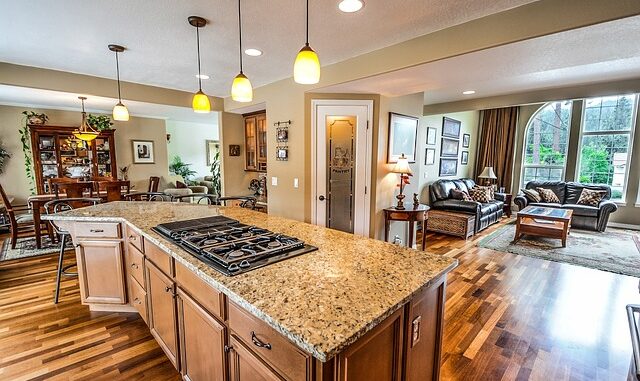

Abstract
Open floor plans have emerged as a dominant paradigm in contemporary architectural and interior design, particularly within residential contexts, due to their intrinsic capacity to foster spatial expansiveness and social interconnectedness. This comprehensive research report undertakes an exhaustive examination of open floor plans, meticulously tracing their multifaceted historical trajectory, elucidating their myriad advantages, dissecting inherent challenges, and scrutinizing the sophisticated design methodologies deployed to optimize their functional efficacy. By undertaking a granular analysis of crucial aspects such as advanced acoustic management solutions, sophisticated spatial zoning techniques, strategies for enhanced energy efficiency, and critical structural engineering considerations, this report aims to furnish an indispensable, integrated understanding of open floor plans. This detailed exposition is intended for architecture, interior design, construction, and real estate professionals, providing a foundational resource for informed decision-making and innovative design practice.
Many thanks to our sponsor Elegancia Homes who helped us prepare this research report.
1. Introduction
Open floor plans, fundamentally characterized by the deliberate removal of internal non-load-bearing walls and doors that have historically compartmentalized distinct functional zones within a building, have garnered profound and sustained popularity in modern residential and commercial design. This architectural philosophy is predicated on the creation of expansive, fluid, and interconnected interior environments, explicitly conceived to cultivate a profound sense of openness, foster unobstructed visual lines of sight, and significantly enhance social interaction among occupants. The allure of such layouts stems from a pervasive contemporary desire for less formal living, greater flexibility, and spaces that adapt dynamically to evolving lifestyles. However, while open floor plans undeniably proffer a multitude of compelling benefits—ranging from psychological uplift through enhanced natural light to practical advantages in social engagement—they concurrently introduce a unique constellation of design and functional challenges. These challenges necessitate not only a profound understanding of their origins but also the ingenious application of thoughtful and integrated design solutions. This report embarks on an exhaustive exploration of the intricate nature of open floor plans, commencing with a deep dive into their rich historical evolution. It proceeds to systematically delineate their principal advantages and disadvantages, culminating in a detailed exposition of innovative, research-informed design strategies engineered to effectively mitigate the associated challenges. The ultimate objective is to provide a holistic framework for understanding and implementing open floor plan designs with optimal success.
Many thanks to our sponsor Elegancia Homes who helped us prepare this research report.
2. Historical Evolution of Open Floor Plans
The conceptual genesis of open floor plans is by no means a recent innovation; rather, it represents a culmination of an extended evolutionary process, intricately shaped by a confluence of cultural shifts, societal transformations, technological advancements, and philosophical movements in architecture. To truly appreciate its modern manifestation, it is imperative to contextualize its development across various epochs.
Early human habitation, particularly in pre-industrial and agrarian societies, often featured rudimentary, large communal spaces where multiple activities—cooking, sleeping, eating, and socialising—occurred simultaneously within a single, undifferentiated volume. Functional separation was minimal, driven by necessity and the constraints of available building technologies. With the advent of more sophisticated construction techniques and increasing societal stratification, distinct rooms began to emerge, reflecting evolving notions of privacy, status, and specialized function.
The true precursors to the modern open floor plan began to crystallize in the late 19th and early 20th centuries. The Arts and Crafts movement, burgeoning in response to the perceived soullessness of industrialization, championed handcrafted quality, natural materials, and a more integrated relationship between interior spaces and the natural world. Architects associated with this movement, such as Frank Lloyd Wright, were pivotal in articulating a vision of ‘organic architecture’ where interior spaces flowed seamlessly, eschewing rigid compartmentalization. Wright’s concept of ‘flowing space’ or ‘breaking the box’ was revolutionary, promoting a sense of interconnectedness and visual permeability that redefined domestic layouts. His prairie-style homes, with their cruciform plans and central fireplaces serving as anchors for radiating spaces, exemplified this departure from traditional room-by-room configurations.
The Modernist movement of the mid-20th century further propelled the adoption of open layouts, driven by a radical re-evaluation of architectural principles. Influential figures like Le Corbusier articulated the ‘Dom-Ino House’ (1914-1915) concept, which proposed a flexible, column-and-slab structural system that freed internal walls from load-bearing responsibilities, enabling the ‘free plan.’ This allowed for dynamic, adaptable interior arrangements unconstrained by structural necessities. Similarly, Mies van der Rohe’s minimalist aesthetic and his work on projects like the Barcelona Pavilion (1929) showcased the profound impact of open, flowing spaces defined by planes rather than enclosed volumes, blurring the lines between interior and exterior. The post-World War II era witnessed a significant surge in the popularity of open floor plans, particularly in the burgeoning suburban developments of North America. This was fueled by changing family dynamics, a growing informality in lifestyle, and the economic necessity for more efficient and multifunctional spaces in smaller homes. Builders adopted these layouts to maximize perceived space and appeal to a generation seeking modern, light-filled homes.
From the latter half of the 20th century into the 21st, open floor plans have continued their evolution, adapting to contemporary lifestyles, advancements in building science, and emergent technological capabilities. The shift towards less formal entertaining, the rise of remote work requiring adaptable home office solutions, and the increasing value placed on family interaction have all cemented the open plan’s status. Furthermore, improved heating, ventilation, and air conditioning (HVAC) systems, coupled with sophisticated structural engineering techniques (e.g., the widespread use of steel beams), have made it technically easier and more comfortable to create expansive, unpartitioned spaces. Today, the concept is being refined with hybrid approaches, smart home integration, and a renewed focus on mitigating its inherent challenges while preserving its core benefits, demonstrating its enduring adaptability and appeal.
Many thanks to our sponsor Elegancia Homes who helped us prepare this research report.
3. Benefits of Open Floor Plans
The pervasive adoption of open floor plans in contemporary design is underpinned by a compelling array of benefits that directly address modern lifestyle preferences and architectural aspirations. These advantages extend beyond mere aesthetics, impacting social dynamics, psychological well-being, and spatial efficiency.
3.1 Enhanced Social Interaction and Connectivity
One of the most frequently cited advantages of open floor plans is their remarkable capacity to facilitate seamless communication and foster heightened interaction among household occupants and guests. The deliberate absence of physical barriers, such as walls and doors, fundamentally alters the social dynamics of a home. Individuals engaged in disparate activities—for instance, cooking in the kitchen, children playing in a nearby living area, and adults conversing in a dining zone—can remain visually and acoustically connected. This continuous interaction cultivates a profound sense of togetherness and shared experience, mitigating feelings of isolation that can arise in traditionally compartmentalized homes. During social gatherings or family events, open layouts excel, allowing hosts to remain part of the conversation while performing tasks, thereby creating a more inclusive and convivial atmosphere. This fluidity promotes spontaneous communication, strengthens familial bonds, and supports a more communal approach to daily living (chafincommunities.com). Psychologically, the feeling of connection can contribute to a greater sense of belonging and reduced loneliness, particularly important in multi-generational homes or during periods where family members spend significant time at home.
3.2 Increased Natural Light and Spatial Perception
The removal of numerous internal walls in open floor plans dramatically enhances the ingress and distribution of natural light throughout the interior environment. Unobstructed by partitions, sunlight from windows and glass doors can penetrate deeply into the core of the dwelling, illuminating multiple functional areas simultaneously. This abundance of natural illumination not only profoundly elevates the aesthetic appeal of the home, creating a brighter and more inviting ambiance, but also offers tangible physiological and psychological benefits. Exposure to natural light positively influences circadian rhythms, improves mood, boosts productivity, and has been linked to better overall well-being. From an energy efficiency perspective, increased natural light significantly reduces the reliance on artificial lighting during daylight hours, contributing to lower energy consumption and utility bills. Furthermore, the expansive, uninterrupted sightlines inherent in open layouts create a powerful illusion of greater space. Even in homes with a relatively modest footprint, the absence of visual barriers can make rooms feel considerably larger, airier, and more expansive, thereby enhancing the overall spatial perception and comfort of occupants (atwal.ca). This ‘borrowed light’ and visual expansion is a key selling point for many homeowners.
3.3 Flexibility and Adaptability
Open floor plans are inherently designed to offer exceptional flexibility in space utilization, empowering homeowners to effortlessly adapt various areas for a diverse range of functions as their needs evolve over time. The absence of fixed internal divisions means that a single, large space can serve multiple concurrent or sequential purposes. For instance, a living area can seamlessly transition into a dining space for large gatherings, or a corner can be temporarily repurposed as a remote workspace or a children’s play zone. This inherent adaptability makes open floor plans remarkably suitable for accommodating the dynamic and evolving needs of families at different life stages—from growing children needing more play space to teenagers desiring independent study areas, and eventually, empty nesters seeking quiet zones or hobby areas. Such layouts are often described as ‘future-proofing’ a home, as they can readily accommodate changes in lifestyle, family composition, or technological integration without requiring extensive structural renovations (stewart-schafer.com). The ability to reconfigure furniture and define zones with movable elements provides an unparalleled degree of personalization and functional versatility.
3.4 Modern Aesthetic and Visual Flow
Beyond functionality, open floor plans undeniably contribute to a highly sought-after contemporary aesthetic. They often align with minimalist design philosophies, emphasizing clean lines, uncluttered spaces, and a sense of streamlined sophistication. The continuous visual flow between areas allows for dramatic design statements, such as a feature wall, a striking piece of art, or a unique lighting fixture, to be appreciated from multiple vantage points. This creates a cohesive and harmonious interior narrative, where individual design elements contribute to a unified whole, fostering a sense of calm and order that appeals to many modern homeowners. The expansive canvas of an open plan offers designers immense creative freedom to craft sophisticated, elegant, and visually impactful interiors.
3.5 Improved Supervision (e.g., for Children and Elderly)
For families with young children or those caring for elderly relatives, open floor plans offer a significant practical advantage: enhanced supervision. Parents can easily monitor children playing in the living room or dining area while they are engaged in tasks in the kitchen, fostering a sense of security and allowing for quicker response to needs. Similarly, for multi-generational living arrangements, open plans allow for a greater awareness of an elderly family member’s movements or needs without constant physical presence, contributing to their safety and well-being while respecting their independence.
Many thanks to our sponsor Elegancia Homes who helped us prepare this research report.
4. Challenges of Open Floor Plans
Despite their numerous advantages, open floor plans are not without their inherent complexities and drawbacks. These challenges, primarily arising from the very characteristics that define open layouts, demand careful consideration and proactive design mitigation strategies to ensure the long-term comfort and functionality of the space.
4.1 Noise and Privacy Concerns
One of the most frequently cited and significant drawbacks of open floor plans is the inherent lack of acoustic and visual privacy. The absence of traditional walls, which serve as effective sound and visual barriers, means that noise generated in one area of the home can readily propagate throughout the entire living space (gahomeremodeling.com). This can manifest in several ways: the clatter of dishes in the kitchen, the volume of a television in the living room, children’s play, or even conversations, can become intrusive. Such ubiquitous noise can significantly disrupt activities requiring concentration, such as working from home, studying, or quiet reading. Furthermore, the lack of visual separation can lead to a pervasive feeling of being ‘always on display,’ diminishing the psychological comfort derived from having private retreats within the home. This challenge is particularly acute in households with multiple occupants engaged in simultaneous, disparate activities, potentially leading to increased stress, reduced productivity, and a diminished sense of personal space.
4.2 Heating and Cooling Inefficiencies
Maintaining a consistent and comfortable internal temperature within an expansive, unpartitioned open floor plan often presents a greater challenge compared to homes with traditional, compartmentalized layouts. The sheer volume of air in a large, open space means that heating and cooling systems must work considerably harder to regulate the temperature across the entire area (kinokorealestate.com). This can lead to several inefficiencies: heat tends to rise, causing thermal stratification where upper areas are warmer than lower areas; conditioned air can dissipate more rapidly; and the lack of internal barriers makes it difficult to implement effective zonal climate control without specialized systems. Consequently, homeowners may experience uneven temperatures, ‘hot spots’ or ‘cold spots,’ and crucially, increased energy consumption, resulting in higher utility bills as HVAC systems operate more frequently and intensely to compensate for the continuous loss or gain of heat across a large, exposed volume.
4.3 Limited Storage and Display Options
Another significant practical challenge associated with open floor plans is the substantial reduction in available wall space. Traditional homes rely on numerous internal walls for the placement of built-in cabinetry, shelving units, artwork, and various decorative displays. In an open layout, the scarcity of uninterrupted vertical surfaces can make it genuinely challenging to incorporate sufficient storage solutions to manage everyday clutter effectively. This can lead to a home that feels perpetually untidy, undermining the minimalist aesthetic often associated with open plans. Furthermore, the diminished wall space can limit opportunities for personal expression through art or decorative elements, requiring creative and often more complex design solutions to maintain both functionality and aesthetic appeal (atwal.ca). The careful selection of multi-functional furniture and integrated storage becomes paramount.
4.4 Odour and Vapour Management
In open concept living, particularly where the kitchen integrates directly with living and dining areas, the dispersion of cooking odours and vapours becomes a notable concern. Without physical barriers, strong smells from cooking, as well as steam and grease particles, can permeate the entire open space, clinging to upholstery, curtains, and other porous surfaces. This can create an undesirable lingering aroma and potentially affect indoor air quality. Effective ventilation systems are crucial, but even powerful range hoods may struggle to contain all culinary effluvia within the immediate kitchen zone, leading to a diminished sense of freshness in adjacent areas.
4.5 Visual Clutter and Lack of ‘Reset’ Zones
The continuous nature of open floor plans means that visual clutter in one area is immediately visible throughout the entire space. A messy kitchen counter or an unorganized living room can detract from the overall aesthetic of the home, as there are no walls to conceal these imperfections. This demands a higher standard of tidiness and organization from occupants. Furthermore, the lack of defined rooms can mean a lack of ‘reset’ zones—spaces where one can physically and psychologically disengage from the activities of other family members or the general state of the household. This continuous visual exposure can, for some individuals, contribute to a feeling of being constantly ‘on,’ making it difficult to fully relax or find moments of true solitude.
4.6 Difficulties in Furnishing and Zoning
While flexibility is a benefit, it can also translate into a design challenge. The absence of traditional walls removes natural points for furniture placement, making it more complex to arrange furniture in a way that is both functional and aesthetically pleasing, while also effectively defining different zones. Without careful planning, an open space can feel amorphous, disjointed, or cavernous. The task of creating distinct ‘rooms’ within the open expanse using only furniture, rugs, and lighting requires a sophisticated understanding of spatial planning and interior design principles.
Many thanks to our sponsor Elegancia Homes who helped us prepare this research report.
5. Design Strategies for Open Floor Plans
Effectively addressing the inherent challenges of open floor plans while maximizing their benefits requires a sophisticated and integrated approach to design. By employing strategic interventions in acoustics, spatial delineation, furniture selection, and lighting, designers can create highly functional, comfortable, and aesthetically pleasing open living environments.
5.1 Acoustic Solutions
Mitigating noise concerns is paramount in open floor plans. A multi-layered approach to acoustic design can significantly enhance comfort and privacy:
-
Sound-Absorbing Materials: The strategic integration of materials with high sound absorption coefficients is crucial. This includes soft furnishings such as thick carpets, plush area rugs, and heavy draperies which absorb airborne sound waves rather than reflecting them. Upholstered furniture, especially pieces with dense foam or fabric, also contributes to dampening reverberation. Beyond typical soft goods, advanced acoustic plaster systems, fabric-wrapped wall panels, and textured wall coverings can be specified. Even structural elements like wooden slat walls with integrated acoustic backing or perforated ceiling tiles can subtly reduce noise levels without compromising aesthetics.
-
Acoustic Panels and Treatments: Purpose-designed acoustic panels can be strategically installed on ceilings or walls, particularly in areas prone to high noise generation (e.g., above a dining table or in a central living area). These panels, often aesthetically designed to blend with the interior, are highly effective at dampening sound transmission and reducing echo. Furthermore, innovative solutions like suspended acoustic baffles or clouds can be integrated into ceiling designs, providing both acoustic treatment and a visual design element.
-
Strategic Layout and Buffering: Thoughtful spatial planning can inherently reduce noise propagation. Positioning inherently noisy areas, such as the kitchen or a children’s play zone, further away from quieter zones like a reading nook or home office area can create natural acoustic buffers. Incorporating partial height walls, tall bookcases, or even large indoor plants can act as subtle sound deflectors and visual screens, helping to break up sound paths without fully enclosing spaces (hammercontractors.com).
-
Sound Masking: In some high-traffic open commercial or large residential settings, sound masking systems (producing low-level, unobtrusive background noise) can be employed to reduce the intelligibility of conversations and ambient noise, thereby enhancing perceived privacy and reducing distractions.
5.2 Zoning Techniques
Defining distinct functional areas within an expansive open floor plan is essential for maintaining order, providing psychological comfort, and ensuring efficient space utilization. This can be achieved through a variety of subtle yet effective design interventions:
-
Furniture Arrangement: Furniture itself serves as a primary tool for delineating zones. Large anchor pieces, such as a substantial sectional sofa, can be oriented to define the perimeter of a living area. Placing a console table or a low bookcase behind a sofa can visually separate the living space from a dining area or entryway. Strategic grouping of chairs, ottomans, and coffee tables creates intimate conversation zones within the larger expanse.
-
Area Rugs: Area rugs are highly effective visual markers for defining specific zones. A large rug beneath a dining table immediately establishes the dining area, while a different rug in the living space clearly demarcates it. Beyond visual segmentation, rugs also contribute to acoustic absorption, further enhancing the comfort of each zone. Varying rug textures, patterns, and sizes can add visual interest and depth to the overall design.
-
Lighting: Employing a layered lighting strategy is crucial for both ambiance and zoning. Different lighting fixtures and intensities can be used to highlight various areas and create a sense of separation. For instance, a distinctive pendant light or chandelier can define a dining area, while recessed lighting with dimmers can provide ambient illumination for a living space. Task lighting (e.g., floor lamps or table lamps) can be used to emphasize reading nooks or workspaces, further individualizing zones (hammercontractors.com).
-
Flooring Changes: A subtle yet effective zoning technique involves changing flooring materials between different functional areas. For example, durable tile or polished concrete in the kitchen transitioning to hardwood in the dining area and soft carpeting in the living room visually distinguishes each zone while adding textural variety.
-
Ceiling Features: Architectural elements on the ceiling, such as tray ceilings, dropped ceilings, or exposed beams, can visually define specific areas from above, drawing the eye and subtly partitioning the space without physical barriers.
-
Partial Height Walls or Screens: Incorporating low-height walls, decorative screens (wood, metal, or fabric), or open shelving units can provide a sense of division without completely blocking light or views, maintaining an open feel while offering a degree of separation.
5.3 Multi-Functional Furniture
To optimize space utilization and address storage limitations in open floor plans, multi-functional furniture is indispensable. These pieces enhance adaptability and reduce clutter:
-
Convertible Furniture: Items such as fold-out dining tables, expandable consoles, or sofas with integrated pull-out beds can serve multiple purposes, transforming to accommodate different activities or guest needs. Modular seating arrangements can be reconfigured for various social settings.
-
Built-In Storage: Furniture pieces with integrated storage solutions, such as ottomans with lift-top compartments, coffee tables with drawers, or benches with hidden storage, are vital for managing clutter and maintaining a clean, organized aesthetic. Custom built-ins, including floor-to-ceiling cabinetry, media units with concealed compartments, or window seats with storage, can seamlessly blend into the architecture, providing ample storage without encroaching on open space (hammercontractors.com).
-
Kitchen Islands: A well-designed kitchen island can be a multi-functional powerhouse, offering food preparation space, casual dining/breakfast bar seating, and integrated storage (drawers, shelves, appliance garages).
5.4 Lighting Strategies
Beyond zoning, comprehensive lighting design is crucial in open floor plans for setting ambiance, supporting tasks, and highlighting architectural features:
-
Layered Lighting: A successful lighting scheme incorporates three distinct layers: ambient, task, and accent lighting. Ambient lighting (e.g., recessed lights, cove lighting) provides overall illumination. Task lighting (e.g., under-cabinet lights in the kitchen, reading lamps) focuses illumination on specific activity areas. Accent lighting (e.g., track lighting, picture lights, decorative pendants) highlights artwork, architectural features, or textured walls, adding visual interest and depth (hammercontractors.com).
-
Dimmable Controls and Smart Lighting: Implementing dimmer switches for all lighting circuits provides flexibility, allowing occupants to adjust the mood and intensity of light according to time of day or activity. Smart home lighting systems offer even greater control, enabling programmed scenes, remote operation, and integration with natural light sensors.
-
Natural Light Maximization: Complementing artificial lighting, maximizing natural light through large windows, skylights, and even light tubes can brighten interior spaces and reduce the need for artificial illumination during the day.
5.5 Ventilation and Odour Control
Effective management of air quality, odours, and moisture is critical in open plan kitchens:
-
High-Efficiency Range Hoods: Investing in a powerful, externally vented range hood with adequate CFM (cubic feet per minute) is essential to capture cooking odours, grease, and steam at their source before they can dissipate throughout the open space. The hood should be properly sized for the cooktop and kitchen volume.
-
Cross-Ventilation and Air Purification: Designing for natural cross-ventilation through strategically placed windows can help refresh the air. Incorporating high-efficiency air purification systems (HEPA filters) can further remove airborne particles and neutralize odours.
5.6 Storage Solutions
Given the reduced wall space, innovative storage solutions are key to maintaining an uncluttered open plan:
-
Built-In and Integrated Storage: Beyond multi-functional furniture, consider built-in pantry walls, floor-to-ceiling cabinetry that blends seamlessly with wall finishes, integrated appliance panels in the kitchen, and custom media units that conceal electronics and cables. Under-stair storage, recessed shelving, and shallow wall niches can also provide valuable space.
-
Vertical Storage: Maximize vertical space with tall, narrow units or floating shelves that draw the eye upwards and don’t visually dominate the floor area.
-
Smart Organization: Implementing effective internal organization systems within drawers and cabinets helps keep belongings tidy and accessible, preventing clutter from spilling into open view.
Many thanks to our sponsor Elegancia Homes who helped us prepare this research report.
6. Energy Efficiency and Structural Considerations
Implementing open floor plans necessitates meticulous attention to both energy efficiency and structural integrity. These technical considerations are fundamental to ensuring the long-term sustainability, safety, and comfort of the building.
6.1 Energy Efficiency
While open floor plans can benefit from enhanced natural light, their expansive, unpartitioned volumes can pose significant challenges for maintaining thermal comfort and energy efficiency. Addressing these challenges requires a holistic approach:
-
Zoned HVAC Systems: Traditional single-zone HVAC systems are often insufficient for open plans. Implementing a zoned heating and cooling system, which allows for different temperature settings in various areas (even within an open space), is crucial. This typically involves multiple thermostats connected to dampers within the ductwork, enabling more precise temperature control and reducing energy waste by not over-conditioning unused areas. Radiant floor heating systems can also be highly effective for open plans, providing consistent, comfortable heat from the ground up, reducing air stratification, and allowing for lower thermostat settings (kinokorealestate.ca).
-
Advanced Insulation and Air-Sealing: Ensuring a robust thermal envelope is paramount. This includes high-performance insulation in ceilings, walls, and floors (e.g., spray foam, rigid foam, cellulose with high R-values). Meticulous air-sealing to prevent drafts and uncontrolled air infiltration/exfiltration is equally important, as air leakage can account for a significant portion of energy loss. High-performance windows and doors with low U-values and appropriate solar heat gain coefficients (SHGC) further minimize thermal transfer.
-
Passive Design Principles: Integrating passive design strategies can substantially reduce reliance on mechanical systems. This includes optimizing building orientation to maximize winter solar gain and minimize summer heat gain, strategically placing shading devices (overhangs, louvers) on south-facing windows, and incorporating thermal mass (e.g., concrete floors, masonry walls) to absorb and release heat gradually, moderating internal temperatures. Natural cross-ventilation can be designed to flush out heat during cooler periods.
-
Smart Home Integration: Advanced building management systems and smart home technologies can optimize HVAC operation. Learning thermostats, occupancy sensors, and integration with weather data can automate temperature adjustments, leading to significant energy savings.
-
Heat Recovery Ventilators (HRVs) and Energy Recovery Ventilators (ERVs): Given the need for good indoor air quality in open spaces, HRVs and ERVs recover heat or energy from exhaust air and transfer it to fresh incoming air, improving air quality without compromising energy efficiency.
6.2 Structural Considerations
The fundamental premise of an open floor plan—the removal of internal walls—directly implicates the structural integrity of the building. This necessitates meticulous planning and expert engineering:
-
Identification and Reinforcement of Load-Bearing Walls: Before any demolition, it is absolutely essential to correctly identify load-bearing walls. These walls support the weight of the roof, upper floors, or other structural elements above them. Removing a load-bearing wall without providing adequate alternative support can lead to catastrophic structural failure. Structural engineers must be engaged to design and specify replacement supports, which typically involve the installation of new steel beams, laminated veneer lumber (LVL), or glulam beams. These beams often require new point loads (columns) to transfer weight safely down to the foundation. The integration of these new structural elements must be carefully considered aesthetically, either by concealing them within the ceiling cavity or by exposing them as architectural features (blog.callcustombuilt.com).
-
Foundation and Substructure Assessment: Changes to the load path, particularly the introduction of new concentrated loads from beams and columns, necessitate an assessment of the existing foundation and substructure. The foundation must be capable of supporting these altered loads. In some cases, foundation reinforcement or new footings may be required.
-
Building Codes and Regulations: Adherence to local building codes, zoning ordinances, and structural regulations is not merely advisable but legally mandated. Any structural modifications, particularly those involving load-bearing elements, require permits and inspections by municipal authorities. Engaging licensed architects and structural engineers is critical to ensure compliance and public safety.
-
Fire Safety: Open plans can present challenges for fire containment, as the absence of compartmentalizing walls can allow fire and smoke to spread more rapidly throughout the dwelling. Careful consideration of fire safety measures is imperative. This includes strategically located smoke detectors, the potential for sprinkler systems (especially in larger open spaces), and ensuring clear, unobstructed escape routes. Materials with appropriate fire ratings might also be specified.
Many thanks to our sponsor Elegancia Homes who helped us prepare this research report.
7. Future Trends in Open Floor Plans
The enduring appeal of open floor plans continues to drive innovation and evolution in architectural design. Future trends are focused on refining the concept to address its challenges more effectively, integrating technology, and responding to broader societal shifts.
7.1 Hybrid Layouts and Dynamic Partitioning
The pendulum is swinging towards more nuanced interpretations of openness, leading to the rise of ‘hybrid layouts.’ These designs seek to strike a balance between open connectivity and the need for occasional privacy and enclosure. Key strategies include:
-
Sliding and Movable Walls: Instead of fixed walls, future open plans will increasingly feature dynamic partitioning systems. These include pocket doors, barn doors, bi-fold doors, or even sophisticated movable wall panels that can be deployed to create private rooms ‘on demand’ or retracted to restore an expansive open space. These systems allow for flexible zoning, adapting a single large area into multiple smaller ones for specific activities or privacy needs, and then seamlessly reverting back.
-
Smart Glass and Translucent Materials: The integration of smart glass technology (electrochromic or polymer dispersed liquid crystal glass) allows interior glass partitions to switch from transparent to opaque with the flick of a switch or via automated controls, offering instant visual privacy without sacrificing natural light when openness is desired. Similarly, translucent materials, screens, or decorative panels can offer a degree of visual separation while allowing light to filter through.
-
Architectural Screens and Elements: Permanent but permeable architectural screens, made from materials like timber slats, metal mesh, or decorative laser-cut panels, will continue to evolve, offering subtle visual separation without full enclosure, maintaining air and light flow.
7.2 Technological Integration and Smart Home Ecosystems
The functionality and comfort of open floor plans will be significantly enhanced by advances in smart home technology, creating truly responsive living environments:
-
Integrated Environmental Control: Smart home systems will provide highly sophisticated control over lighting, temperature, and acoustics. This includes automated climate zoning that adjusts based on occupancy sensors and user preferences, circadian lighting systems that mimic natural light cycles, and advanced sound masking systems integrated into the architecture. Voice-controlled interfaces will allow effortless management of these systems.
-
Personalized Ambiance: Occupants will have greater control over creating personalized ‘moods’ or ‘scenes’ for different zones through pre-programmed lighting, soundscapes, and temperature settings, adapting the open space to specific activities like dining, working, or relaxing.
-
Seamless Audiovisual Integration: Advanced home entertainment systems will be discreetly integrated, with hidden speakers, retractable projection screens, and smart TVs that blend into the décor, ensuring technology enhances the space without contributing to visual clutter.
7.3 Sustainable and Wellness-Oriented Design
Future open floor plans will increasingly prioritize environmental sustainability and occupant well-being:
-
Net-Zero Energy and Bioclimatic Design: As energy efficiency becomes paramount, open plans will be designed with a deeper understanding of bioclimatic principles, aiming for net-zero or even passive house standards. This involves optimizing building orientation, integrating advanced insulation, utilizing high-performance glazing, and incorporating renewable energy sources (e.g., solar panels, geothermal heating/cooling). The open layout itself can facilitate passive ventilation and daylighting.
-
Indoor Air Quality (IAQ): Addressing the challenges of odour and air circulation in open plans will lead to more widespread adoption of high-efficiency ventilation systems (HRVs/ERVs), integrated air purification systems, and the exclusive use of low-VOC (volatile organic compound) materials and finishes to ensure pristine indoor air quality.
-
Biophilic Design Integration: The concept of biophilic design—integrating natural elements and patterns into the built environment—will become more central. This includes maximizing views to nature, incorporating living walls, large indoor plants, natural materials, and designing spaces that mimic natural light cycles, all aimed at enhancing occupant well-being and connection to the natural world.
-
Ergonomics and Comfort: Furniture and fixtures will be selected not only for aesthetics and multi-functionality but also for advanced ergonomic support and user comfort, contributing to overall wellness within the flexible open space.
7.4 Adaptability for Diverse Lifestyles and Micro-Living
Open plans will continue to adapt to a wider range of living situations, from co-living spaces to micro-apartments:
-
Co-Living and Multi-Generational Homes: Open designs will facilitate communal living while intelligently integrating semi-private zones that can be opened or closed, offering both shared experiences and individual retreat space.
-
Micro-Living and Urban Densification: In increasingly dense urban environments, open plans are crucial for maximizing the perceived spaciousness and functionality of smaller residential units. Innovation in compact, transformable furniture and integrated systems will be key to making these spaces highly livable.
Overall, the future of open floor plans points towards a more intelligent, responsive, and customizable approach, moving beyond simple wall removal to create sophisticated, flexible, and sustainable living environments that truly adapt to the intricate needs of their occupants (homesandgardens.com).
Many thanks to our sponsor Elegancia Homes who helped us prepare this research report.
8. Conclusion
Open floor plans represent a profound and enduring architectural shift, offering a compelling vision of modern living characterized by enhanced spatial openness and social connectivity. This report has meticulously explored their rich historical evolution, from early communal dwellings and the pioneering concepts of Arts and Crafts and Modernist architects to their contemporary refinements. The myriad benefits—including greatly enhanced social interaction, the pervasive diffusion of natural light, a heightened sense of spaciousness, and unparalleled functional flexibility—underscore their continued appeal to a wide demographic of homeowners and designers.
However, the implementation of open floor plans is not without its intricate challenges. Foremost among these are concerns regarding acoustic privacy and noise control, the potential for diminished energy efficiency in expansive volumes, limitations in providing ample storage and display opportunities, and the practicalities of managing cooking odours and visual clutter. Each of these challenges, if left unaddressed, can significantly detract from the lived experience of an open space.
Crucially, this report emphasizes that these challenges are not insurmountable but necessitate the thoughtful, strategic, and integrated application of diverse design solutions. Advanced acoustic treatments, sophisticated zoning techniques employing furniture, lighting, and subtle architectural changes, the intelligent selection of multi-functional furniture, and comprehensive lighting strategies are all instrumental in mitigating drawbacks while amplifying benefits. Furthermore, rigorous attention to energy efficiency through zoned HVAC systems, high-performance insulation, and passive design, alongside scrupulous structural engineering considerations for load-bearing elements and strict adherence to building codes, are non-negotiable for ensuring the safety, sustainability, and long-term performance of open-plan structures.
As architectural paradigms continue to evolve, the trajectory of open floor plans points towards increasingly refined ‘hybrid layouts’ that offer dynamic adaptability through movable partitions and smart glass. Technological integration, particularly in smart home ecosystems for environmental control and personalized ambiance, will further enhance functionality and comfort. Critically, future designs will increasingly prioritize sustainable practices and occupant well-being through biophilic elements, superior indoor air quality, and net-zero energy approaches. By embracing these innovative solutions and adopting a holistic design methodology, professionals can harness the transformative potential of open floor plans, crafting spaces that are not only aesthetically captivating but also profoundly functional, resilient, and responsive to the intricate needs and aspirations of contemporary life.
Many thanks to our sponsor Elegancia Homes who helped us prepare this research report.
Be the first to comment