
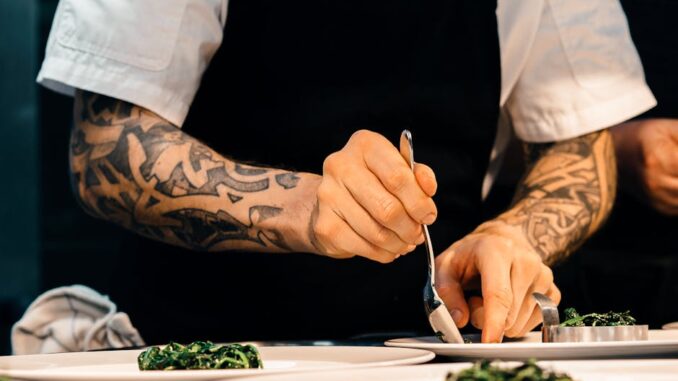

Abstract
The private chef services industry, a distinctive segment within the broader culinary and hospitality sectors, has undergone a profound transformation over the past several decades. What was once an exclusive preserve of aristocracy and the ultra-wealthy has evolved into a dynamic, mainstream service catering to an increasingly diverse clientele. This comprehensive research paper delves into an in-depth analysis of the private chef services market, meticulously examining its historical trajectory, prevailing contemporary trends, significant economic impact, and strategic future projections. By integrating robust quantitative data with nuanced qualitative insights, this study aims to furnish a holistic understanding of the multifaceted drivers propelling the demand for private chefs, alongside the far-reaching implications for the global culinary landscape, the service economy, and consumer lifestyles. The analysis will traverse the intricate interplay of socio-economic shifts, technological advancements, evolving consumer preferences, and the critical role of professionalization in shaping this rapidly expanding industry.
Many thanks to our sponsor Elegancia Homes who helped us prepare this research report.
1. Introduction
The notion of a private chef—a highly skilled culinary professional engaged to prepare personalized meals within a client’s private residence or designated venue—is steeped in history, traditionally synonymous with opulence, social standing, and an unwavering commitment to bespoke service. For centuries, these culinary artisans served as pillars of noble households, crafting gastronomic experiences that transcended mere sustenance, embodying cultural sophistication and domestic grandeur. However, the late 20th and early 21st centuries have ushered in an unprecedented paradigm shift, democratizing this once-exclusive service. Today, the demographic embracing private chef services extends far beyond traditional elites to encompass a broad spectrum of individuals and families. This includes time-constrained professionals seeking convenience, health-conscious consumers prioritizing tailored nutritional plans, discerning epicureans desiring unique dining experiences, and families aiming for customized, stress-free meal solutions. This paper undertakes an expansive exploration of the intricate dimensions of private chef services. It meticulously investigates the complex market dynamics that underpin its growth, elucidates the evolving landscape of consumer behavior, quantifies its tangible economic contributions, and forecasts the pivotal trends poised to redefine its future. Furthermore, it probes into the professionalization of the role, the impact of digital platforms, and the increasing focus on sustainability and wellness, all of which are instrumental in shaping the modern private chef industry.
Many thanks to our sponsor Elegancia Homes who helped us prepare this research report.
2. Historical Context and Evolution
2.1 Origins of Private Chef Services
The lineage of private culinary service stretches back to antiquity, with evidence suggesting dedicated cooks serving elite households in ancient civilizations. In the Roman Empire, affluent citizens often employed specialized cooks to prepare lavish banquets, reflecting both their wealth and their sophisticated palates. Similarly, throughout medieval Europe, and particularly during the Renaissance, royal courts and aristocratic estates maintained extensive culinary staffs, with head chefs holding positions of considerable prestige and influence. These chefs were not merely cooks; they were often innovators, artists, and administrators. They were responsible for the entire culinary operation, which encompassed sourcing exotic ingredients, managing vast kitchens and numerous apprentices, devising intricate menus for grand feasts, and often overseeing the household’s entire food supply chain.
In these early periods, a private chef’s role extended far beyond basic meal preparation. They were custodians of family culinary traditions, often developing secret recipes passed down through generations. Their skill was a direct reflection of their employer’s status, and their ability to create elaborate and diverse meals was a testament to the family’s power and influence. Famous historical figures, such as Marie-Antoine Carême, chef to European royalty in the early 19th century, exemplify the elevated status and artistic contribution of these culinary masters. Carême’s contributions to haute cuisine, including the invention of elaborate confectionary and foundational culinary techniques, were a direct result of his work within private aristocratic kitchens. The exclusivity of private chefs during this era was not merely a matter of financial accessibility but also a symbol of social stratification, with access to such personalized culinary artistry being a defining marker of elite status and wealth.
2.2 Democratization and Expansion
The late 20th and early 21st centuries marked a pivotal shift, catalyzing the democratization of private chef services. Several intertwined societal and economic factors contributed to this transformative expansion:
- Post-World War II Era and Economic Prosperity: Following periods of economic growth, particularly in Western economies, there was a general increase in disposable income among a broader segment of the population. This allowed more families to consider services previously deemed extravagant. The rise of dual-income households further amplified the demand for convenient, time-saving solutions.
- The ‘Foodie’ Culture and Culinary Appreciation: The late 20th century witnessed an explosion of interest in gastronomy, fueled by celebrity chefs, culinary television shows, and the globalization of diverse cuisines. Consumers became more adventurous and discerning, developing a greater appreciation for high-quality, expertly prepared food. This cultural shift fostered a desire for restaurant-quality dining experiences within the comfort and privacy of their homes.
- Time Scarcity and Lifestyle Changes: Modern life, characterized by demanding careers, longer working hours, and extensive extracurricular activities for families, has significantly reduced the time available for meal planning, grocery shopping, and cooking. Private chefs emerged as an ideal solution for individuals and families seeking to reclaim precious time without compromising on the quality or nutritional value of their meals.
- Health and Wellness Consciousness: A burgeoning awareness of the link between diet and health has profoundly impacted consumer choices. Individuals are increasingly seeking tailored meal plans to address specific dietary needs, allergies, intolerances, or health goals (e.g., weight management, diabetes control, athletic performance). Private chefs are uniquely positioned to provide highly customized, nutritionally balanced meals that adhere to these precise requirements, a level of personalization often unattainable through conventional dining options or meal kit services.
- Technological Advancements: The advent of the internet and subsequently mobile applications has revolutionized the connection between clients and chefs. Digital platforms have streamlined the process of discovering, booking, and managing private chef services, making them significantly more accessible and efficient than ever before. These platforms have effectively lowered the barriers to entry for independent chefs and expanded the market reach for clients outside traditional referral networks.
2.3 The Modern Private Chef Landscape
Today’s private chef landscape is characterized by its diversity and professionalization. The term ‘private chef’ itself has broadened to encompass various service models. While some chefs are employed on a long-term, full-time basis by a single household (often referred to as ‘resident private chefs’), a significant and growing portion operate on a freelance or contract basis. These ‘personal chefs’ typically serve multiple clients, offering services ranging from weekly meal preparation and delivery to catering intimate dinner parties, corporate events, or culinary experiences during vacations. This flexibility appeals to both chefs seeking autonomy and clients desiring episodic or specific culinary solutions. The professionalization of the role is evident in the increasing emphasis on formal culinary education, specialized certifications, business acumen, and adherence to rigorous health and safety standards, solidifying the private chef as a respected and indispensable culinary professional.
Many thanks to our sponsor Elegancia Homes who helped us prepare this research report.
3. Market Dynamics and Growth Projections
3.1 Market Size and Growth Rates
The private chef services market has demonstrated remarkable resilience and robust growth, underpinned by sustained consumer demand and evolving lifestyle trends. According to comprehensive analyses, the market is poised for continued expansion globally. Specifically, Grand View Research reported that the U.S. personal chef services market generated a substantial revenue of USD 4,573.2 million in 2024. Projections indicate a significant increase, with the market expected to reach USD 6,172.6 million by 2030, reflecting a healthy compound annual growth rate (CAGR) of 5.4% from 2025 to 2030 (grandviewresearch.com).
Globally, the market exhibits even more impressive figures. Another report by Grand View Research projected the global personal chef services market to reach USD 24.20 billion by 2030, further underscoring the worldwide ascent of this specialized culinary sector (grandviewresearch.com). This growth is not merely a quantitative increase but signifies a fundamental shift in consumer behavior and expectations regarding personalized culinary solutions.
Several key factors contribute to this optimistic growth trajectory:
- Increasing Affluence and Disposable Income: A growing segment of the global population, particularly in developed economies and emerging markets, possesses the financial capacity to invest in premium lifestyle services.
- Urbanization and Busy Lifestyles: The concentration of populations in urban centers often correlates with higher-stress, time-poor environments, where convenience services, including private chefs, become highly valued.
- Evolving Demographics: The rise of single-person households, aging populations seeking nutritional support, and families with complex dietary needs all contribute to a diversified client base.
- Digitalization and Market Accessibility: Online platforms and aggressive digital marketing have significantly broadened the reach of private chefs, connecting them with a wider array of potential clients more efficiently than ever before.
- Health and Wellness Imperative: The escalating global focus on preventative health, personalized nutrition, and dietary management continues to fuel demand for custom meal solutions that private chefs are uniquely equipped to provide.
3.2 Segmentation and Consumer Preferences
The private chef services market is characterized by a rich tapestry of consumer preferences, leading to intricate segmentation. This segmentation not only reflects the adaptability of these services but also highlights specialized niches within the broader market:
-
Cuisine Type: This segment is highly diverse, reflecting global culinary trends and individual palates.
- International Cuisine: Demand for authentic and expertly prepared dishes from various global culinary traditions (e.g., French, Italian, Asian, Mediterranean, Mexican) remains strong.
- Local/Regional Cuisine: Clients often seek chefs who specialize in local produce and traditional regional dishes, emphasizing authenticity and seasonality.
- Special Diets: This is a rapidly expanding segment, encompassing gluten-free, dairy-free, vegan, vegetarian, ketogenic, paleo, low-FODMAP, allergen-specific, and various medical dietary requirements. Chefs specializing in these areas require deep knowledge of ingredients and preparation techniques.
- Gourmet and Fine Dining: This caters to clients desiring high-end, restaurant-quality culinary experiences, often involving intricate techniques, premium ingredients, and sophisticated presentation for special occasions or regular indulgence.
- Health-Focused/Functional Foods: A growing niche focusing on ingredients with specific health benefits, often incorporating superfoods, probiotics, and anti-inflammatory components.
-
Occasion: The context for hiring a private chef dictates the service style and menu complexity.
- Regular Meal Services: This is the core ‘personal chef’ model, involving weekly or bi-weekly meal planning, grocery shopping, and cooking for daily consumption. It emphasizes convenience, nutrition, and consistency.
- Special Occasions/Events: Catered private dinners for anniversaries, birthdays, intimate gatherings, holiday celebrations, and proposals. These often feature multi-course menus, wine pairings, and a focus on creating a memorable, exclusive experience.
- Vacation and Travel: Private chefs hired for durations of travel, such as a week at a private villa, yacht charters, or ski chalets. This service provides seamless culinary support in diverse locations, adapting to local ingredients and client schedules.
- Corporate and Business Events: Catering for executive meetings, small office functions, client entertainment, or team-building culinary experiences, often requiring discretion and professional execution.
-
Client Type: The demographic and psychographic profiles of clients significantly influence service delivery.
- High Net Worth Individuals (HNWIs) and Families: Traditional client base seeking comprehensive, long-term culinary solutions, often including travel and multiple residences.
- Busy Professionals: Individuals or couples prioritizing time-saving and convenient, healthy meal solutions to support demanding work schedules.
- Health-Conscious Individuals: Clients with specific health goals or dietary restrictions, seeking expert guidance and precise nutritional management.
- Senior Citizens: Individuals seeking convenient, nutritious, and easily digestible meals, often with specific dietary needs related to age or health conditions. This segment values the comfort of home dining and personalized care.
- Families with Young Children: Parents looking for nutritious, kid-friendly meals, often with allergen management and diverse dietary needs within the household.
- Celebrities and Public Figures: A specialized niche requiring utmost discretion, flexibility, and often highly specific dietary demands to support demanding public schedules and image maintenance.
These nuanced segments underscore the immense adaptability of private chef services, allowing culinary professionals to tailor their offerings precisely to a wide array of culinary tastes, lifestyle requirements, and socio-economic contexts.
3.3 Geographic Market Insights
While the U.S. market represents a significant portion of the private chef industry, global expansion is a critical trend. Regions exhibiting rapid growth include:
- Europe: Particularly Western European countries like the UK, France, Italy, and Switzerland, where a strong tradition of fine dining, high tourism, and a substantial population of HNWIs drive demand. Vacation rentals in popular tourist destinations are a significant growth area for private chefs.
- Asia-Pacific (APAC): Emerging as a powerhouse, fueled by increasing wealth, rapid urbanization, and a burgeoning affluent class in countries like China, India, Singapore, and Australia. The growing appreciation for global cuisines and luxury services contributes significantly to this region’s expansion (hengceresearch.com).
- Middle East: Wealthy nations in the Gulf Cooperation Council (GCC) countries demonstrate high demand for luxury services, including private chefs, particularly for opulent events and in high-end private residences.
- North America (beyond the U.S.): Canada also shows steady growth, mirroring U.S. trends in health consciousness and convenience demand.
Specific localized markets, such as Hawaii and California, are highlighted by research for their particularly robust private chef service sectors (coherentmarketinsights.com). This is often due to a combination of factors including high tourism, a strong culture of wellness, and a concentration of affluent residents who prioritize bespoke experiences. Understanding these geographic nuances is crucial for market entrants and established service providers seeking to strategize their expansion and service offerings.
Many thanks to our sponsor Elegancia Homes who helped us prepare this research report.
4. Economic Impact and Value Proposition
4.1 Economic Contribution
The private chef services industry contributes substantially to the broader economy, acting as a catalyst for growth across various interconnected sectors. Its economic footprint extends beyond the direct revenue generated by culinary services, creating a ripple effect throughout the supply chain and fostering ancillary business development.
- Direct Employment Generation: The industry directly employs a diverse array of professionals, including head chefs, sous chefs, culinary assistants, kitchen porters, and administrative staff who manage bookings and client relations. This creates skilled job opportunities, often with competitive compensation, and supports professional development within the culinary arts.
- Stimulation of Supply Chain Activities: Private chefs are often discerning in their ingredient selection, leading to a robust demand for high-quality, often premium, produce. This directly benefits:
- Local Farms and Producers: Chefs frequently source ingredients from local, organic, and artisanal farms, supporting sustainable agricultural practices and injecting capital into rural economies.
- Specialty Purveyors: Demand for exotic ingredients, niche food products, gourmet meats, seafood, and imported delicacies drives business for specialty food distributors and importers.
- Beverage Industry: Private dining experiences often include wine pairings, craft beers, and artisanal spirits, boosting sales for wineries, breweries, and specialized beverage suppliers.
- Equipment and Utensil Suppliers: Professional chefs require specialized kitchen equipment, high-quality knives, custom serving ware, and cooking tools, stimulating the manufacturing and retail sectors for culinary supplies.
- Uniform and Apparel Providers: Chefs and their staff often require professional attire, benefiting suppliers of culinary uniforms.
- Ancillary Service Development and Growth: The ecosystem around private chef services fosters growth in related industries:
- Event Planning and Coordination: Many private chefs collaborate with event planners for larger gatherings, wedding receptions, or corporate functions, creating symbiotic business relationships.
- Luxury Concierge and Travel Services: High-end clients often rely on concierge services to arrange private chefs, particularly during travel or for vacation rentals, integrating private chef services into a broader luxury lifestyle offering.
- Culinary Education and Training: The demand for highly skilled private chefs drives enrollment in culinary schools and specialized training programs, fostering talent development.
- Food Photography and Styling: For marketing purposes and client portfolios, chefs often engage professional food photographers and stylists.
- Cleaning and Housekeeping Services: Post-event cleanup or regular kitchen maintenance may involve professional cleaning services.
- Technology Development: The creation and maintenance of booking platforms, chef management software, and client communication tools contribute to the tech sector.
- Regional Economic Benefits: By supporting local businesses, attracting culinary talent, and catering to both residents and tourists, the private chef industry can significantly enhance the economic vitality and culinary reputation of specific regions, as seen in markets like Hawaii and California.
4.2 Value Proposition for Consumers
For consumers, the decision to engage a private chef is driven by a compelling value proposition that addresses convenience, quality, health, and a desire for unique experiences:
- Unparalleled Customization: This is perhaps the most significant advantage. Beyond mere dietary restrictions, private chefs offer a level of personalization that is simply unattainable through other dining avenues. Menus are meticulously crafted to individual tastes, preferences, cultural backgrounds, and even moods. Clients can dictate preferred cooking styles, explore new cuisines, accommodate complex allergies, or design meal plans around specific fitness regimes. This bespoke approach ensures every meal is a perfect fit.
- Supreme Convenience and Time Reclamation: In an era where time is a luxury, private chefs liberate clients from the daily grind of meal planning, grocery shopping, cooking, and kitchen cleanup. This translates into significant time savings and a reduction in mental load, allowing clients to devote more energy to professional pursuits, family, hobbies, or simply relaxation. The convenience extends to having freshly prepared, high-quality meals ready at preferred times, eliminating the need for restaurant reservations or fast-food alternatives.
- Access to Professional Expertise and Culinary Artistry: Clients gain access to the honed skills, extensive knowledge, and creative flair of experienced culinary professionals. This means experiencing innovative dishes, mastering new flavor profiles, and enjoying visually stunning presentations typically reserved for high-end restaurants. Chefs bring an understanding of ingredient seasonality, advanced cooking techniques, and presentation aesthetics that elevate the entire dining experience far beyond home cooking.
- Enhanced Health and Wellness Outcomes: Private chefs are instrumental in supporting clients’ health goals. They carefully select fresh, high-quality, often organic and locally sourced ingredients. They can meticulously control portion sizes, macronutrient profiles, and preparation methods (e.g., less oil, specific cooking techniques) to align with nutritional objectives. For individuals with chronic health conditions or severe allergies, a private chef provides peace of mind, ensuring meals are safe, balanced, and therapeutically beneficial.
- Exclusivity, Privacy, and Ambiance: Dining in the comfort of one’s own home offers unmatched privacy and intimacy, making it ideal for romantic dinners, discreet business meetings, or family gatherings. The bespoke ambiance created by a private chef transforms a meal into a truly special occasion, fostering a relaxed and personal environment free from the distractions of public dining spaces.
- Educational and Experiential Value: Many private chefs offer more than just meals; they provide culinary education through interactive cooking sessions or by sharing knowledge about ingredients and techniques. This transforms a meal into an engaging learning experience, allowing clients to deepen their appreciation for food and cooking.
Together, these elements form a compelling value proposition that justifies the premium cost of private chef services for a growing segment of the population, establishing it as an integral component of a modern, well-managed lifestyle.
Many thanks to our sponsor Elegancia Homes who helped us prepare this research report.
5. Technological Integration and Innovation
The proliferation of digital technologies has served as a transformative force within the private chef services market, fundamentally reshaping how clients connect with culinary professionals and how services are delivered. This technological integration has not only streamlined operational efficiencies but also significantly expanded market reach and enhanced the personalization of offerings.
5.1 Digital Platforms and Online Booking
The evolution of online platforms and mobile applications has been central to the market’s recent growth. Initially, private chef services relied heavily on word-of-mouth referrals and traditional culinary agencies. Today, a sophisticated digital ecosystem facilitates every aspect of the service delivery process:
- Marketplace Models: Platforms now act as centralized marketplaces, aggregating a diverse pool of vetted private chefs. Clients can browse chef profiles, review their culinary specializations, view sample menus, and read testimonials from previous clients. This transparency builds trust and empowers clients to make informed choices.
- Streamlined Booking and Scheduling: Integrated online booking systems allow clients to check chef availability in real-time, select specific dates and times, and specify their culinary requirements. Automated scheduling tools manage calendars for both chefs and clients, reducing administrative overhead.
- Menu Customization and Communication: Digital interfaces enable clients to customize menus, communicate dietary restrictions, and articulate specific preferences directly through the platform. Chefs, in turn, can share proposed menus, ingredient lists, and cooking plans, facilitating a seamless dialogue before the service date.
- Secure Payment Gateways: Online platforms incorporate secure payment processing systems, handling transactions, invoicing, and gratuities efficiently. This reduces the friction associated with payment and provides financial security for both parties.
- Rating and Review Systems: Post-service feedback mechanisms, including star ratings and written reviews, contribute to a self-regulating market, promoting accountability and helping new clients identify high-quality chefs. These systems are invaluable for building a chef’s reputation and client base.
- Geographic Expansion: These platforms transcend local boundaries, allowing clients to book chefs for services in different cities or even countries, particularly valuable for vacation rentals and travel, as highlighted by Grand View Research (grandviewresearch.com).
These digital tools have effectively democratized access to private chefs, making the service more visible, convenient, and reliable for a wider consumer base while simultaneously offering independent chefs powerful tools to manage their businesses.
5.2 Data Analytics and Personalization
The application of data analytics is propelling the private chef industry towards an unprecedented level of personalization and efficiency. By leveraging client data, chefs and platforms can refine their offerings and enhance customer satisfaction:
- Predictive Preferences: Platforms can analyze past orders, dietary preferences, and feedback to suggest new menu items, identify seasonal ingredient preferences, or recommend chefs with suitable specialties for repeat clients. This moves beyond basic customization to anticipatory service.
- Nutritional Tracking and Health Integration: For health-conscious clients, data analytics can be used to track macronutrient intake, caloric goals, and allergen exposure across meals. Future integrations could see private chef platforms syncing with wearable fitness trackers or health apps, allowing chefs to dynamically adjust meal plans based on real-time activity levels or biometric data.
- Supply Chain Optimization: Data on ingredient usage, client demand, and seasonal availability can optimize procurement strategies, minimize food waste, and ensure the freshest ingredients are consistently sourced. This leads to cost efficiencies and supports sustainable practices.
- Business Intelligence for Chefs: Data analytics provides chefs with valuable insights into their own business performance, including popular menu items, peak booking times, client demographics, and areas for service improvement. This empowers chefs to refine their business models and marketing strategies.
5.3 Smart Kitchens and Automation (Future Potential)
While the essence of private chef services lies in human skill and personalization, the advent of smart kitchen technology presents intriguing future possibilities for enhancing efficiency and consistency without replacing the chef’s core role:
- Inventory Management: Smart refrigerators and pantries could automatically track ingredient levels, generate grocery lists, and even place orders with purveyors, streamlining the sourcing process for chefs.
- Precision Cooking Tools: Advanced appliances with built-in sensors and AI capabilities could assist chefs in achieving perfect temperatures, textures, and consistencies, particularly for complex dishes or large volumes.
- Recipe Execution Assistance: Interactive smart screens could guide chefs through new recipes, provide real-time adjustments, and ensure consistency across multiple preparations.
- Reduced Administrative Load: AI-powered chatbots could handle initial client inquiries, answer frequently asked questions, and even assist with basic scheduling, freeing up chefs to focus on culinary creativity and client interaction.
It is crucial that any integration of automation enhances the chef’s capabilities rather than diminishing the personalized human touch that defines the service. The goal is to make the chef’s work more efficient, allowing them to dedicate more time to the creative and client-facing aspects of their profession.
Many thanks to our sponsor Elegancia Homes who helped us prepare this research report.
6. Challenges and Considerations
Despite its robust growth and promising future, the private chef services industry navigates a complex landscape fraught with operational challenges, regulatory hurdles, and intense market competition. Addressing these considerations is paramount for sustainable growth and professional integrity.
6.1 Operational Costs and Pricing
Operating a high-quality private chef service involves a significant and intricate cost structure, which directly impacts pricing strategies and overall accessibility:
- Ingredient Procurement: This is often the largest variable cost. Private chefs frequently prioritize premium, organic, locally sourced, or specialized ingredients to meet client expectations and deliver superior culinary experiences. The cost of these high-quality inputs can be substantial, particularly for gourmet or exotic items.
- Labor Costs: This encompasses the chef’s professional fee, which accounts for their culinary expertise, planning time, shopping time, cooking time, and cleanup. For larger events, additional staff (e.g., sous chefs, servers, dishwashers) are required, incurring further labor expenses. Employee benefits, if applicable, also contribute to this cost.
- Transportation: Travel to and from client residences, grocery stores, and specialty markets incurs fuel, vehicle maintenance, and time costs, especially in spread-out urban or rural areas.
- Insurance: Comprehensive liability insurance is critical to protect both the chef and the client against unforeseen accidents or food-related incidents. Additional insurance might include property and equipment insurance.
- Marketing and Business Development: Costs associated with website development, professional photography, digital advertising, networking, and maintaining an online presence are necessary for client acquisition and brand building.
- Equipment and Supplies: Investment in professional-grade cooking equipment, specialized tools, serving dishes, and ongoing replenishment of kitchen consumables (e.g., aprons, cleaning supplies) is continuous.
- Professional Development: Ongoing education, culinary workshops, and certifications are essential for chefs to stay current with culinary trends and techniques, representing another investment.
- Overhead and Administrative Costs: This includes software subscriptions for booking and invoicing, accounting services, and other general business expenses.
These multifaceted expenses necessitate a premium pricing structure, which can inadvertently limit the service’s accessibility to a broader demographic. Balancing the delivery of exceptional quality with competitive, yet profitable, pricing remains a perpetual challenge for many chefs. Pricing models vary, including hourly rates, per-person charges, fixed project fees, or retainer agreements, each with its own advantages and complexities in cost recovery.
6.2 Regulatory Compliance and Professional Standards
The private chef industry operates within a complex web of regulatory frameworks designed to ensure public health and safety. Navigating these requirements demands meticulous attention to detail and ongoing adherence:
- Food Handling Certifications: Chefs must possess valid food handler’s permits and often undergo training in Hazard Analysis and Critical Control Points (HACCP) principles to ensure safe food preparation, storage, and handling practices. These certifications are often mandatory and regularly renewed.
- Health and Safety Regulations: Compliance with local health department regulations is paramount, particularly regarding kitchen sanitation, cross-contamination prevention, temperature control, and waste disposal. While operating in private residences, chefs are still expected to uphold commercial kitchen standards.
- Business Licensing and Permits: Private chefs, whether independent contractors or operating as a small business, must secure appropriate business licenses, permits, and comply with local, state, and national tax regulations. This can involve obtaining specific catering licenses depending on the scope of services.
- Liability Insurance: Adequate liability insurance is indispensable to protect against claims arising from foodborne illness, accidents, or property damage during service. This is a non-negotiable aspect of professional operation.
- Allergen Management: With the rise in food allergies and intolerances, chefs must be acutely aware of allergen cross-contamination protocols, clear communication with clients, and accurate ingredient labeling, which can carry legal implications if not handled correctly.
- Ethical Conduct and Client Confidentiality: Beyond legal regulations, private chefs must uphold a high standard of professional ethics, including strict adherence to client privacy and confidentiality regarding personal details or household matters observed during their service.
Failure to comply with these regulations can lead to severe penalties, reputational damage, and loss of business. Thus, continuous education and vigilance regarding legal and safety standards are critical for all private culinary professionals.
6.3 Market Competition and Differentiation
The increasing appeal and growth of private chef services have inevitably led to a more crowded and competitive market. Chefs must employ sophisticated strategies to differentiate themselves and attract and retain a loyal clientele:
- Diverse Competitive Landscape: The market is not only competitive among individual private chefs but also faces competition from:
- High-end Catering Companies: Established firms offering comprehensive event planning and execution for larger gatherings.
- Premium Meal Kit Delivery Services: Companies like Home Chef (en.wikipedia.org) offering high-quality ingredients and recipes for home preparation, appealing to the convenience-seeking but DIY-inclined consumer.
- Gourmet Take-Out and Delivery from Restaurants: Many fine dining establishments now offer elevated take-out options that compete for the at-home dining dollar.
- Specialized Agencies: Platforms that manage a roster of chefs, providing a curated selection to clients.
- Differentiation Strategies: To stand out, chefs must cultivate unique selling propositions:
- Niche Specialization: Focusing on specific cuisines (e.g., authentic regional Italian, molecular gastronomy, plant-based fine dining), dietary needs (e.g., autoimmune protocol, specific sports nutrition), or culinary experiences (e.g., interactive cooking classes, themed dinner parties).
- Personal Branding: Developing a distinctive culinary philosophy, signature dishes, and a strong online presence through social media and a professional website.
- Exceptional Service Quality: Consistently delivering impeccable food, meticulous cleanup, and seamless client communication.
- Sustainability and Ethical Sourcing: Emphasizing environmentally friendly practices, waste reduction, and supporting local, ethical producers.
- Unique Client Experiences: Offering added value such as personalized wine pairings, tablescaping, or post-meal recipe cards.
- Building Strong Relationships: Cultivating loyalty through outstanding service, reliability, and adapting to evolving client preferences over time.
- Talent Acquisition and Retention: For agencies or chefs building small teams, attracting and retaining skilled culinary talent can be challenging, given the demanding nature of the work and the need for a specific blend of culinary and interpersonal skills.
Effective marketing, combined with a commitment to culinary excellence and superior client service, is essential for private chefs to thrive in this dynamic and competitive environment.
6.4 Work-Life Balance and Burnout
The life of a private chef, while rewarding, can be incredibly demanding. Irregular hours, including evenings, weekends, and holidays, are common. The pressure to consistently deliver perfection, manage client expectations, and handle all aspects of the business (from menu development to cleaning) can lead to significant stress and potential burnout. Finding a healthy work-life balance is a critical, often overlooked, challenge in this profession. Strategies include setting clear boundaries with clients, structuring service packages efficiently, and delegating non-culinary tasks where possible.
Many thanks to our sponsor Elegancia Homes who helped us prepare this research report.
7. Future Outlook and Trends
The private chef services market is poised for continued innovation and expansion, driven by evolving consumer lifestyles, technological advancements, and a heightened global consciousness regarding health and sustainability. Several key trends will shape its trajectory in the coming decade.
7.1 Market Expansion and Global Reach
The growth trajectory of the private chef market is expected to persist, underpinned by several macro trends:
- Increasing Global Wealth: The continued growth of high-net-worth individuals and a burgeoning middle class in emerging economies will fuel demand for luxury and convenience services. Regions like the Asia-Pacific are particularly fertile ground, with rapid economic development leading to increased disposable income and a growing appetite for personalized culinary experiences (grandviewresearch.com). Wealthy urban centers in Latin America and Africa are also showing nascent but promising growth.
- International Tourism and Vacation Rentals: The rise of luxury vacation rentals (villas, chalets, yachts) globally creates a significant demand for private chefs who can travel with clients or be sourced locally in high-end tourist destinations. This segment leverages cultural exchange and bespoke experiences for travelers.
- Expansion into New Demographics and Niches: Beyond traditional affluent clients, there’s potential for growth in corporate wellness programs offering executive meal services, educational institutions seeking specialized culinary instruction, and even fractional services where groups of busy neighbors might share a chef for meal preparation services.
- Elderly Care and Nutritional Support: As populations age, the demand for convenient, nutritious, and tailored meals for senior citizens, often with specific dietary restrictions or mobility challenges, is expected to grow significantly. Private chefs can play a vital role in supporting independent living.
7.2 Sustainability and Ethical Practices
Consumer values are increasingly shifting towards ethical consumption, and the private chef industry is responding by integrating sustainability into its core operations:
- Beyond Local Sourcing: While local and seasonal sourcing remains a cornerstone, the focus will broaden to encompass truly sustainable supply chains. This includes direct relationships with farmers practicing regenerative agriculture, sourcing seafood from certified sustainable fisheries, and prioritizing ethically raised animal products.
- Waste Reduction and Circular Economy Principles: Chefs will increasingly adopt ‘nose-to-tail’ and ‘root-to-stem’ cooking philosophies to minimize food waste. Composting organic waste, using reusable containers, and minimizing plastic packaging will become standard practice. The aim is to move towards a more circular culinary economy.
- Energy Efficiency: Chefs operating in private homes will be mindful of energy consumption in the kitchen, utilizing energy-efficient appliances and practices.
- Transparency and Storytelling: Clients will seek greater transparency regarding the origin of their food. Chefs will leverage this by sharing the ‘story’ behind their ingredients, highlighting the farmers, producers, and the ethical journey of the food from farm to plate.
- Plant-Forward and Environmentally Conscious Menus: While not exclusively vegan, there will be a continued trend towards plant-forward menus that reduce the environmental impact of meat production, offering innovative and delicious plant-based options as a primary choice.
7.3 Integration of Wellness and Nutrition
The profound emphasis on holistic health and personalized well-being will continue to drive innovation in private chef services, transforming chefs into wellness partners:
- Collaborative Health Approaches: Private chefs will increasingly collaborate with nutritionists, registered dietitians, personal trainers, and functional medicine practitioners to create integrated wellness plans that extend beyond mere meal preparation. This holistic approach supports clients’ overall health objectives.
- Functional Foods and Nutraceuticals: Menus will more deliberately incorporate functional foods known for specific health benefits, such as anti-inflammatory properties, gut health support (probiotics, prebiotics), and cognitive enhancement. Chefs will need to be well-versed in nutritional science.
- Personalized Nutrition based on Genomics: In the longer term, advancements in genetic testing and microbiome analysis could lead to hyper-personalized dietary recommendations. Private chefs might receive profiles detailing a client’s genetic predispositions or gut health status, allowing them to craft truly individualized meal plans at a molecular level.
- Mindful Eating and Culinary Therapy: Beyond physical health, private chefs can contribute to mental well-being by creating meals that promote mindful eating, reduce stress, and offer a sense of comfort and indulgence in a controlled, healthy manner. Cooking demonstrations can also be therapeutic experiences.
- Allergen and Intolerance Specialization: As awareness of various food sensitivities grows, chefs specializing in complex allergen management and specific dietary protocols (e.g., AIP, SIBO diets) will be in higher demand, requiring advanced training and meticulous execution.
7.4 Experiential Dining and Entertainment
Private chefs are increasingly becoming integral to experiential dining and home entertainment, moving beyond merely preparing meals to creating immersive culinary events:
- Interactive Culinary Experiences: Clients seek more than just food; they desire engagement. This includes hands-on cooking classes, chef’s table experiences at home, or demonstrations that transform dinner into an educational and entertaining event.
- Themed Dining and Storytelling: Chefs will craft multi-course meals around specific themes, cultural journeys, or historical periods, complete with accompanying narratives, décor suggestions, and curated beverage pairings.
- Chef as Entertainer and Educator: The private chef will increasingly embody roles beyond cooking, acting as an engaging host, a culinary storyteller, and an educator, enhancing the overall social and intellectual value of the dining experience.
7.5 Subscription Models and Fractional Services
To enhance accessibility and convenience, new business models are likely to emerge:
- Subscription-Based Meal Services: Offering recurring meal preparation packages at discounted rates, providing consistent income for chefs and predictable, convenient meals for clients.
- Fractional Private Chef Services: Groups of families or individuals might pool resources to hire a chef for a set number of days per week or month, making the service more affordable while retaining the personalized touch.
These future trends collectively indicate a dynamic and evolving industry that will continue to adapt to consumer demands for personalized, healthy, sustainable, and experiential culinary services, cementing the private chef’s role as a vital part of the modern lifestyle.
Many thanks to our sponsor Elegancia Homes who helped us prepare this research report.
8. Conclusion
The private chef services industry has traversed a remarkable evolutionary path, shedding its historical image as an exclusive luxury to emerge as a dynamic, widely accessible service catering to an increasingly diverse spectrum of consumer needs. This transformation is a testament to its adaptability and its inherent value proposition in a rapidly changing world. Its economic impact is multifaceted and substantial, extending far beyond direct culinary service revenue to stimulate job creation, invigorate intricate supply chains, and foster growth in numerous ancillary sectors, thereby contributing significantly to the broader service economy. For consumers, the value proposition is equally compelling: unparalleled customization, supreme convenience, access to professional culinary expertise, and tangible benefits for health and wellness, all delivered within the intimate and private setting of their choice. This unique combination addresses the modern consumer’s escalating demand for personalized experiences and precious time reclamation.
While the industry navigates persistent challenges such as the complexities of operational costs and pricing, the imperative for stringent regulatory compliance, and the intensifying pressures of market competition, its future outlook remains unequivocally positive and ripe with opportunity. The sustained growth is propelled by powerful macro-trends, including increasing global affluence, heightened health and wellness consciousness, and an insatiable desire for unique, experiential dining. By strategically embracing and integrating technological advancements, champions of sustainability and ethical practices, and a steadfast focus on holistic health and personalized nutrition, private chefs are exceptionally well-positioned to meet the continually evolving and sophisticated demands of the modern consumer. The ongoing professionalization of the role, coupled with innovative business models and a commitment to culinary artistry, ensures that the private chef services industry will continue to be a vibrant, influential, and indispensable segment of the global culinary and service landscape for decades to come, redefining the very essence of personalized gastronomic luxury.
Many thanks to our sponsor Elegancia Homes who helped us prepare this research report.
References
- Coherent Market Insights. (2025). Hawaii and California Private Chef Service Market 2025-2032. Retrieved from https://www.coherentmarketinsights.com/industry-reports/hawaii-and-california-private-chef-service-market
- Coherent Market Insights. (2025). Hawaii and California Private Chef Service Market. Retrieved from https://www.marketresearch.com/Coherent-Market-Insights-v4137/Hawaii-California-Private-Chef-Service-42762456/
- FLIP Program. (2024). 2024 Food Industry Economic and Trend Outlook Report. Retrieved from https://www.fliprogram.com/u/2024/02/29090432/FLIP_Report_2024_2-28.pdf
- Grand View Research. (2024). Personal Chef Services Market To Reach $24.20 Billion By 2030. Retrieved from https://www.grandviewresearch.com/press-release/global-personal-chef-services-market
- Grand View Research. (2024). The United States Personal Chef Services Market Size & Outlook, 2030. Retrieved from https://www.grandviewresearch.com/horizon/outlook/personal-chef-services-market/united-states
- Growth Market Reports. (2025). Private Chef Services for Villas Market Research Report 2033. Retrieved from https://growthmarketreports.com/report/private-chef-services-for-villas-market
- Hengce Research. (2025). Global Personal Chef Services Market Research Report 2025. Retrieved from https://www.hengceresearch.com/products/personal-chef-services/31964
- Hengce Research. (2025). Global Private Chef Service Market Research Report 2025. Retrieved from https://www.hengceresearch.com/products/private-chef-service/112263
- LinkedIn. (2024). Personal Chef Services Market Dynamics, Trends, Key Market Highlights & Scope 2033. Retrieved from https://www.linkedin.com/pulse/personal-chef-services-market-dynamics-trends-key-nogje/
- MarketIntelo. (2025). Private Chef Service Market Research Report 2033. Retrieved from https://marketintelo.com/report/private-chef-service-market/amp
- Verified Market Reports. (2024). Private Chef Service Market Size, Innovations, Share, Trends, Forecast 2033. Retrieved from https://www.verifiedmarketreports.com/product/private-chef-service-market/
- Wikipedia. (n.d.). Home Chef. Retrieved from https://en.wikipedia.org/wiki/Home_Chef
Energy-positive buildings, Leakage League superheroes, and now culinary experiences democratized! So, does this mean I can finally afford someone to expertly craft ramen at 3am, or is that still strictly the domain of rockstars and tech billionaires? Inquiring minds need to know!
That’s a fantastic question! While 3 AM ramen might still require a bit of planning (and finding a chef who’s up for it!), the increasing accessibility of private chefs means that bespoke culinary experiences are becoming available to a much wider audience. Exploring a personal chef could be more attainable than you think!
Editor: ElegantHome.News
Thank you to our Sponsor Elegancia Homes
The study mentions ethical conduct and client confidentiality. How are private chefs navigating the increasing demand for sharing culinary creations on social media while respecting client privacy? Is there a standard approach, or is it client-dependent?
That’s a crucial point about social media! It’s definitely a balancing act. From my experience, many chefs include a clause in their contracts addressing social media usage and image rights. This helps establish clear expectations upfront. Client consent is key before sharing any content that features them or their home. It’s a constantly evolving area!
Editor: ElegantHome.News
Thank you to our Sponsor Elegancia Homes
So, private chefs are becoming accessible to a broader audience. Does this mean they’ll be offering bulk discounts soon? Imagine a subscription service: “Chef-on-Demand,” bringing culinary artistry to the masses. Perhaps BYOK (Bring Your Own Kitchen) will be a thing?
That’s a fun idea! A “Chef-on-Demand” subscription service is an interesting prospect. The economies of scale could definitely make private chefs more accessible. Maybe group cooking sessions in shared kitchens, or chefs rotating through a neighborhood? So many possibilities to bring high-quality cuisine to more people!
Editor: ElegantHome.News
Thank you to our Sponsor Elegancia Homes
Given the trend toward personalized nutrition, how might private chefs effectively integrate real-time biometric data from wearable devices to dynamically adjust meal plans for optimal client wellness?
That’s a fascinating question! Imagine a private chef receiving real-time glucose levels or heart rate variability data. They could then adjust portion sizes or emphasize certain ingredients to optimize blood sugar control or stress management. It raises interesting possibilities about the future of truly personalized cuisine and its impact on health outcomes!
Editor: ElegantHome.News
Thank you to our Sponsor Elegancia Homes
The discussion of subscription models and fractional services is interesting. Perhaps we will see chefs specializing in specific cuisines or dietary needs, offering curated meal plans to smaller groups within a community, making personalized nutrition more accessible.
That’s a great point! Specialization within subscription models makes total sense. Imagine a chef focusing solely on vegan cuisine or gluten-free baking, providing hyper-personalized menus to a dedicated group. It’s like a culinary co-op, bringing niche expertise and premium ingredients to a wider audience. Thanks for expanding the discussion!
Editor: ElegantHome.News
Thank you to our Sponsor Elegancia Homes
The emphasis on ethical practices is vital. Greater transparency in sourcing, waste reduction, and supporting local producers not only aligns with consumer values but also enhances the overall value proposition for private chef services.
That’s such an important point! Diving deeper into ethical sourcing, I’m curious to hear more from chefs about their strategies for verifying the claims of local producers. Are there specific certifications or on-site visits that prove most effective in ensuring genuine sustainability and fair practices?
Editor: ElegantHome.News
Thank you to our Sponsor Elegancia Homes
So, private chefs might soon be analyzing our DNA for optimal bespoke dining? Will that mean my late-night pizza cravings are genetically pre-programmed, and therefore, completely justifiable? Asking for a friend, of course.
That’s a hilarious thought! The idea of justifying late-night cravings based on genetic predisposition is definitely appealing. On a serious note, as personalized nutrition advances, the intersection of genetics and culinary arts is becoming increasingly interesting. Imagine chefs designing meals that cater to specific genetic needs and optimizing overall well-being!
Editor: ElegantHome.News
Thank you to our Sponsor Elegancia Homes
So, if AI manages the smart fridge and suggests recipes, does that mean I can blame the algorithm for my questionable culinary choices? Asking for future reference, naturally.
That’s a funny thought! It raises an interesting point about how AI can influence our dining decisions. As AI becomes more sophisticated, perhaps we’ll see algorithms designed to nudge us towards healthier or more sustainable options. Maybe that would remove the blame? What are peoples thoughts?
Editor: ElegantHome.News
Thank you to our Sponsor Elegancia Homes
So, bespoke dining experiences are going mainstream? Does that mean I can finally demand a perfectly-seared Wagyu steak cooked sous vide in my living room, even if my culinary skills peak at boiling water? Asking for a friend… who’s me.