
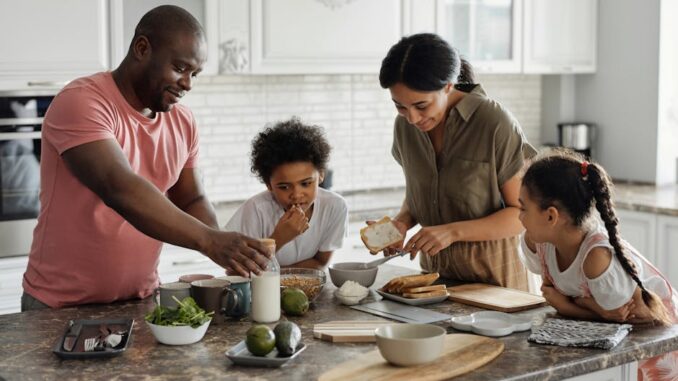

The Culinary Classroom: Unpacking the Multifaceted Benefits of Family Cooking Activities for Child Development
Many thanks to our sponsor Elegancia Homes who helped us prepare this research report.
Abstract
This comprehensive research paper delves into the profound and multifaceted benefits of integrating family cooking activities into daily life, specifically examining their instrumental impact on children’s holistic development. Drawing upon extensive literature and interdisciplinary studies, this analysis systematically explores how engagement in culinary tasks significantly enhances cognitive functions, fosters robust social-emotional intelligence, cultivates essential practical life skills, promotes cultural awareness, and positively influences long-term dietary habits and overall health. Furthermore, the paper elucidates the critical role of shared cooking experiences in strengthening familial bonds and creating enduring memories. The findings unequivocally underscore the imperative of positioning family cooking not merely as a chore, but as a dynamic educational and relational tool vital for promoting comprehensive child development and fostering resilient family units in the modern era.
Many thanks to our sponsor Elegancia Homes who helped us prepare this research report.
1. Introduction
In an increasingly digitalized and fast-paced contemporary society, the landscape of childhood has undergone significant transformation. Screen-based entertainment and structured extracurricular activities often consume a considerable portion of children’s time, inadvertently diminishing opportunities for organic, skill-building family interactions. In this context, traditional family activities that inherently blend education, creativity, and tangible rewards are becoming increasingly valuable. Among these, cooking together as a family emerges as a remarkably potent, yet often underestimated, vehicle for promoting profound developmental growth across multiple domains in children. It transforms the kitchen from a mere functional space into a vibrant laboratory for learning, a collaborative workshop for skill acquisition, and a sanctuary for nurturing interpersonal relationships.
This paper aims to meticulously examine the diverse dimensions of family cooking activities, moving beyond anecdotal observations to provide a structured analysis of their empirically supported benefits. We will systematically explore how culinary engagement contributes to the enhancement of cognitive functions, including mathematical reasoning, scientific literacy, and language skills. Concurrently, we will investigate its critical role in fostering socio-emotional intelligence, encompassing self-esteem, teamwork, emotional regulation, and responsibility. Furthermore, the discussion will extend to the acquisition of indispensable practical life skills, such as nutrition literacy, kitchen safety, time management, and financial acumen. Beyond individual development, this research illuminates the broader societal impacts, including the cultivation of cultural awareness, the promotion of healthier dietary habits, and the profound strengthening of familial bonds. By synthesizing existing research and offering a detailed perspective, this paper seeks to underscore the immense importance of intentionally incorporating cooking into family routines as a cornerstone for holistic child development and family well-being.
Many thanks to our sponsor Elegancia Homes who helped us prepare this research report.
2. Cognitive Development Through Cooking
The kitchen, often referred to as the heart of the home, can also be conceptualized as an informal yet highly effective learning laboratory. When children participate in cooking activities, they are engaged in a rich, multi-sensory environment that stimulates various cognitive functions, transforming abstract concepts into tangible, real-world applications. This hands-on experiential learning approach significantly enhances academic abilities and fosters a deeper understanding of fundamental principles across multiple disciplines.
2.1. Mathematical Skills
Cooking is inherently a mathematical endeavor, offering a practical and engaging context for children to apply and reinforce numeracy skills. From the simplest recipe to the most complex culinary creation, mathematical concepts are woven into every step. Children are not merely reciting numbers but are actively manipulating quantities, understanding relationships, and solving practical problems. (healunited.org)
- Measurement and Quantity: The most apparent mathematical application involves measuring ingredients. Children learn to differentiate between units of measurement (teaspoons, tablespoons, cups, grams, milliliters) and understand their relative values. They practice accurate measurement of both dry ingredients (e.g., flour, sugar) and liquid ingredients (e.g., milk, water), which introduces concepts of volume and weight. This also hones their fine motor skills and hand-eye coordination as they pour, scoop, and level ingredients. The act of measuring requires precision; a small error can significantly alter the outcome, thus emphasizing the importance of accuracy. For younger children, simple counting (e.g., ‘add three eggs’) reinforces basic number recognition and one-to-one correspondence.
- Fractions and Proportions: Recipes are a prime example of applied fractions. Halving or doubling a recipe requires children to understand and calculate fractions (e.g., ‘half a cup,’ ‘a quarter teaspoon’). They learn to multiply or divide quantities, thereby grasping the concept of proportionality. If a recipe calls for two-thirds of a cup of flour, and the child needs to double it, they are engaged in a practical fraction multiplication problem. This concrete experience can make abstract fractional concepts, often challenging in a classroom setting, more comprehensible and relatable.
- Ratios and Ratios: Understanding the relationship between different ingredients is crucial for successful cooking. For instance, the ratio of flour to liquid in a batter, or the balance of spices in a dish. Children observe how altering these ratios affects texture, consistency, and flavor, thereby gaining an intuitive understanding of proportional reasoning.
- Estimation and Approximation: While precise measurement is important, cooking also provides opportunities for estimation. Children might be asked to ‘add a pinch of salt’ or ‘a dash of pepper,’ encouraging them to develop an internal sense of quantity. As they gain experience, they learn to approximate measurements when precise tools are unavailable, developing spatial reasoning and judgment.
- Time and Temperature: Cooking involves understanding time intervals (e.g., ‘bake for 20 minutes,’ ‘simmer for 10 minutes’) and managing sequences. Children learn to read clock faces, set timers, and calculate total cooking times. They also grasp concepts of temperature, both in terms of oven settings (e.g., 350°F or 180°C) and food safety (e.g., internal temperatures for doneness), linking numerical values to physical properties.
- Geometry and Spatial Reasoning: Cutting vegetables into specific shapes (dicing, slicing, julienning) or shaping dough involves basic geometric concepts. Understanding how pieces fit together, visualizing the final product, and arranging food on a plate all contribute to spatial reasoning skills. Children learn about different forms (circles, squares, rectangles) and how they can be manipulated.
2.2. Scientific Understanding
The kitchen is a dynamic, informal laboratory where children can directly observe and experiment with fundamental scientific principles. Every cooking process involves chemistry and physics, offering real-world examples that bring abstract scientific concepts to life. Engaging children in these processes cultivates curiosity, observational skills, and a deeper understanding of the natural world. (healunited.org)
- Chemical and Physical Changes: Cooking provides a rich tapestry of transformations. When an egg is cooked, the clear liquid (egg white) turns opaque and solidifies – a classic example of protein denaturation, an irreversible chemical change. When sugar dissolves in water, it’s a physical change; when sugar caramelizes, it’s a chemical change. Baking soda reacting with an acid (like vinegar or lemon juice) produces carbon dioxide gas, causing dough to rise, illustrating an acid-base reaction. Yeast fermentation in bread making is another biological chemical reaction, converting sugars into alcohol and carbon dioxide. Observing these changes helps children differentiate between reversible and irreversible processes.
- States of Matter: Children witness transitions between states of matter routinely. Ice melting into water (solid to liquid), water boiling into steam (liquid to gas), and chocolate melting (solid to liquid) are tangible examples. Freezing liquids into popsicles demonstrates liquid to solid. These simple observations provide foundational knowledge for understanding phase changes.
- Heat Transfer: Cooking is fundamentally about heat transfer. Children learn about conduction (heat moving through a pan to food), convection (heat circulating in an oven), and radiation (broiling). They observe how different cooking methods (baking, frying, boiling, steaming) apply heat differently and affect food outcomes. Understanding heat transfer also directly relates to kitchen safety.
- Emulsions and Suspensions: Making mayonnaise or vinaigrette involves creating an emulsion, where two immiscible liquids (oil and water/vinegar) are forced to mix. Observing how a whisk incorporates air into egg whites to create meringue demonstrates the principle of suspensions and aeration. These concepts relate to molecular interactions and mixture properties.
- Sensory Science: Cooking engages all five senses, providing a practical context for sensory exploration. Children observe how ingredients look, feel, smell, and taste, both before and after cooking. They learn about flavor profiles, textures, and aromas, developing their descriptive vocabulary and powers of observation. This sensory engagement is crucial for scientific inquiry, fostering detailed observation and recording.
- Hypothesis Testing and Observation: When adjusting a recipe, a child might hypothesize that ‘adding more sugar will make it sweeter.’ They then test this hypothesis through experimentation and taste, observing the outcome. This iterative process of prediction, experimentation, and observation mirrors the scientific method, encouraging critical thinking and problem-solving through empirical evidence.
2.3. Reading and Comprehension
Following a recipe is a complex exercise in reading comprehension, sequencing, and practical application of literacy skills. It moves beyond rote memorization or passive reading, requiring active engagement with text for a specific, tangible outcome. (healunited.org)
- Decoding and Vocabulary Acquisition: Recipes introduce a specialized vocabulary that children might not encounter elsewhere (e.g., ‘sauté,’ ‘blanch,’ ‘fold,’ ‘mince,’ ‘knead,’ ‘simmer,’ ‘whisk,’ ‘zest,’ ‘dice’). Learning these terms in context, often through demonstration, significantly expands their vocabulary. They learn to decode abbreviations (tsp, tbsp, oz, lb, C) and symbols.
- Sequencing and Following Directions: Recipes are sequential instructions. Children must read and understand each step, then execute it in the correct order. Misplacing a step or skipping one can lead to an unsuccessful dish, providing immediate, tangible feedback on the importance of meticulous adherence to instructions. This reinforces logical thinking and the ability to follow multi-step processes.
- Interpreting and Inferring: Beyond literal instruction, children learn to interpret nuances. For example, ‘cook until golden brown’ requires them to infer the desired visual cue. ‘Stir until combined’ requires them to judge texture and consistency. This develops higher-order comprehension skills, moving beyond simple recall.
- Attention to Detail: The success of a recipe often hinges on small details, like using the correct type of flour or accurately measuring a leavening agent. This teaches children the paramount importance of precision and careful reading, a skill transferable to academic tasks like following exam instructions or scientific procedures.
- Adapting to Different Formats: Recipes can come in various formats – written text, visual guides, online videos. Exposure to different formats helps children adapt their reading and comprehension strategies, enhancing their media literacy.
- Practical Application of Literacy: Unlike reading a story, where the outcome is internal, reading a recipe culminates in a physical product. This tangible result provides a powerful motivator for engaging with the text and reinforces the practical utility of strong reading skills.
2.4. Problem-Solving and Critical Thinking
Cooking is rarely a perfectly smooth process; challenges invariably arise, making it an excellent arena for developing problem-solving and critical thinking skills. It encourages children to think on their feet, adapt, and learn from mistakes.
- Troubleshooting: What happens if an ingredient is missing? Can it be substituted? What if the dough is too sticky, or the soup is too salty? These real-time dilemmas prompt children to analyze the problem, brainstorm potential solutions, and evaluate the consequences of different actions. This might involve consulting additional resources, asking for help, or drawing upon prior knowledge.
- Adaptation and Flexibility: Recipes often need adaptation based on available ingredients, equipment, or dietary preferences. Children learn to be flexible, adjust proportions, or modify steps while aiming for a similar desired outcome. This fosters adaptive thinking and resourcefulness.
- Evaluation and Iteration: After a dish is prepared, tasting and evaluating the result is a crucial step. What worked well? What could be improved next time? This process encourages critical self-assessment and a mindset of continuous improvement, essential components of a growth mindset. Children learn that failure is not an end but an opportunity for learning and refinement.
- Planning and Prioritization: Before cooking begins, children can participate in planning the meal, identifying necessary ingredients, checking pantry supplies, and creating a shopping list. This involves prioritizing tasks, understanding dependencies (e.g., needing to preheat the oven before baking), and managing logistics, all of which are critical thinking skills.
2.5. Creativity and Innovation
While recipes provide structure, cooking also offers ample opportunities for creative expression and innovation.
- Recipe Modification: Once comfortable with basic recipes, children can experiment with adding their own twists, such as incorporating new spices, varying ingredients, or trying different cooking methods. This encourages creative thinking within a defined framework.
- Ingredient Substitution: Learning to substitute ingredients (e.g., using applesauce instead of oil in baking, or different vegetables in a stir-fry) fosters creative problem-solving and understanding of ingredient functions.
- Aesthetic Presentation: Arranging food attractively on a plate, decorating cakes, or garnishing dishes allows children to express their artistic side. They learn about color, texture, and form in a practical context.
- Inventing New Dishes: With increased experience and confidence, children may even begin to invent their own simple recipes, combining flavors and techniques they have learned. This is the pinnacle of culinary creativity, demonstrating advanced understanding and ingenuity.
Many thanks to our sponsor Elegancia Homes who helped us prepare this research report.
3. Social-Emotional Development
Beyond cognitive gains, family cooking activities are a powerful catalyst for robust social-emotional development. The collaborative, interactive nature of the kitchen environment provides a safe and engaging space for children to cultivate essential interpersonal skills, build self-awareness, and develop emotional resilience. These skills are fundamental for navigating social relationships, academic challenges, and future professional environments.
3.1. Confidence and Self-Esteem
Successfully preparing a meal, from planning to presentation, provides children with a profound sense of accomplishment. This mastery experience is a powerful booster for their self-esteem and overall confidence. (homestartcamdenandislington.org.uk)
- Mastery and Competence: As children learn new skills (e.g., chopping, whisking, flipping pancakes) and successfully complete tasks, they develop a sense of competence. Each new skill mastered reinforces their belief in their own abilities. This directly contributes to Erikson’s stage of Industry vs. Inferiority, where successful skill acquisition fosters a sense of industry and capability.
- Positive Reinforcement: Receiving praise and appreciation from family members for their contribution to the meal is incredibly validating. Comments like ‘This tastes delicious, you made this!’ or ‘Thank you for helping prepare dinner’ provide positive reinforcement, enhancing self-worth and encouraging continued participation. Children feel valued and recognized for their efforts.
- Contribution and Responsibility: Being an active contributor to a family meal instills a sense of responsibility and importance. Children understand that their efforts are integral to feeding the family, fostering a sense of purpose and belonging within the family unit. This contribution signifies trust from parents, further boosting their confidence.
- Overcoming Challenges: The kitchen inevitably presents challenges – a burnt ingredient, a recipe that doesn’t turn out as expected. Navigating these minor setbacks and learning from them builds resilience. Successfully overcoming a culinary challenge, even with help, reinforces a ‘can-do’ attitude and the belief that effort leads to mastery.
- Ownership and Pride: When children prepare a dish, they feel a sense of ownership over it. This pride extends to sharing their creation with others, enhancing their social confidence and willingness to engage in new activities.
3.2. Teamwork and Communication
Cooking as a family inherently demands collaboration, teaching children the invaluable lessons of teamwork, effective communication, and cooperation within a shared goal-oriented activity. (homestartcamdenandislington.org.uk)
- Division of Labor and Delegation: Family cooking often involves dividing tasks based on age and skill level. Children learn to accept assigned roles, understand the importance of their specific contribution, and see how individual tasks integrate into a larger collective effort. This teaches them about delegation and respecting different roles within a team.
- Active Listening and Clear Communication: Following instructions from a parent, or giving instructions to a younger sibling, requires active listening and clear, concise communication. Children learn to articulate their needs (e.g., ‘Can you pass the salt?’), ask clarifying questions, and respond appropriately to directives. This practice refines both verbal and non-verbal communication skills.
- Conflict Resolution and Negotiation: Disagreements can arise over who gets to do a particular task or how a step should be executed. These moments provide opportunities to practice negotiation, compromise, and respectful conflict resolution. Children learn to express their opinions constructively and find mutually agreeable solutions.
- Mutual Support and Encouragement: In a team setting, members learn to support each other. An older child might assist a younger one with a difficult task, or a parent might offer encouragement during a tricky step. This fosters empathy, helpfulness, and a sense of collective responsibility for success.
- Shared Goal Achievement: Working together towards the common goal of creating a delicious meal teaches children about shared success and the satisfaction of collective achievement. They learn that a team’s strength lies in its members working harmoniously.
3.3. Emotional Regulation and Patience
The kitchen environment, with its various processes and potential for unexpected outcomes, offers numerous opportunities for children to practice emotional regulation, develop patience, and build resilience. (homestartcamdenandislington.org.uk)
- Delayed Gratification: Many dishes require waiting – for dough to rise, for water to boil, for food to bake. Children learn to practice delayed gratification, understanding that good things often take time and effort. This helps them manage impatience and develop self-control.
- Managing Frustration and Setbacks: Ingredients might spill, a recipe might fail, or a task might prove more challenging than anticipated. These situations can trigger frustration. Learning to manage this frustration, accept mistakes, and persevere (or pivot) teaches emotional resilience and adaptability. Parents can model constructive ways to handle setbacks, such as ‘It’s okay, let’s try to fix this’ rather than ‘Oh no, you ruined it.’
- Impulse Control: Following a recipe step-by-step, even when tempted to skip ahead or add ‘just a little bit more’ of a favorite ingredient, helps develop impulse control. This adherence to process teaches self-discipline.
- Stress Management: For some, cooking can be a therapeutic activity. The focused nature of culinary tasks can provide a calming experience, helping children manage stress or anxiety by engaging in a productive, creative outlet.
- Developing a Positive Attitude Towards Learning: The kitchen offers a safe space for experimentation and learning from errors. Children learn that mistakes are part of the learning process, fostering a positive attitude towards continuous improvement and a willingness to try new things without fear of failure.
3.4. Responsibility and Accountability
Involving children in cooking naturally assigns them roles and tasks, fostering a sense of responsibility and accountability for their contributions and actions.
- Task Ownership: When a child is assigned to measure all the flour, crack the eggs, or wash the vegetables, they become responsible for completing that task accurately. This ownership instills a sense of duty and the understanding that their actions impact the final outcome.
- Consequences of Actions: Forgetting an ingredient or making a mistake can have direct, noticeable consequences for the dish. This provides immediate feedback on the importance of careful work and attention to detail, linking actions to results.
- Clean-up Duties: An integral part of cooking is cleaning up. Children learn that preparation and enjoyment come with the responsibility of tidying up the workspace. This teaches them about maintaining order, taking care of tools, and contributing to the upkeep of a shared environment.
- Following Rules and Safety Guidelines: Kitchen safety rules (e.g., proper knife handling, not touching hot surfaces, washing hands) teach children to follow instructions for their own and others’ safety. This instills a sense of personal responsibility for adherence to guidelines.
Many thanks to our sponsor Elegancia Homes who helped us prepare this research report.
4. Practical Life Skills
Beyond academic and emotional development, family cooking activities are unparalleled in their ability to equip children with a foundational set of practical life skills. These are not merely skills for the kitchen but are transferable competencies essential for independent living, responsible decision-making, and overall well-being throughout their lives.
4.1. Nutrition and Healthy Eating Habits
Direct involvement in meal preparation is one of the most effective ways to educate children about nutrition, the origins of food, and the importance of making healthy dietary choices. This hands-on experience transcends theoretical knowledge, translating it into actionable habits. (herbalifefamilyfoundation.org)
- Understanding Food Groups and Balanced Meals: Children learn about different food groups (fruits, vegetables, grains, proteins, dairy) and their roles in a balanced diet. They can visually identify and handle raw ingredients, understanding where food comes from rather than just seeing it as a finished product on a plate. This awareness helps them build a foundation for creating balanced meals.
- Ingredient Recognition and Sourcing: Preparing meals from scratch allows children to distinguish between whole, unprocessed foods and processed ingredients. They can learn about the seasonality of produce, local farming, and the journey of food from farm to table. This knowledge empowers them to make more informed choices at the grocery store.
- Reading Food Labels: As children get older, they can be involved in reading food labels while shopping, learning about sugar content, sodium levels, fat percentages, and ingredients lists. This demystifies packaged foods and fosters critical evaluation of what they consume.
- Connecting Food to Health Outcomes: Through discussions during cooking, parents can explain how different foods provide energy, help growth, or prevent illness. For example, ‘Carrots are good for your eyes because of Vitamin A,’ or ‘Protein helps your muscles grow.’ This creates a tangible link between food choices and personal health.
- Reduced Picky Eating and Adventurous Eating: Children are significantly more likely to try new foods, especially fruits and vegetables, if they have been involved in preparing them. The ‘ownership effect’ makes them more invested in tasting their creation. This hands-on approach encourages adventurous eating, reduces neophobia (fear of new foods), and broadens their palate, leading to a more varied and nutrient-rich diet. They might be more willing to taste a vegetable they chopped themselves than one simply placed on their plate.
- Portion Control and Mindful Eating: Preparing meals from scratch allows families to control portion sizes more effectively than relying on pre-packaged meals or restaurant servings. Discussions during mealtime about satiety and listening to one’s body contribute to developing mindful eating habits.
4.2. Kitchen Safety and Hygiene
Cooking together provides a practical and essential platform to teach children about crucial kitchen safety protocols and hygiene practices, fostering responsibility and safety consciousness that extends beyond the culinary domain. (childrenswi.org)
- Knife Skills and Utensil Handling: Children learn how to safely handle knives, even age-appropriate blunt ones, and other sharp utensils. They are taught the correct grip, cutting techniques (e.g., ‘claw’ hand position), and the importance of cutting away from the body. This develops fine motor control and an understanding of potential hazards.
- Heat Safety: Understanding the dangers of hot stovetops, ovens, boiling water, and hot oil is paramount. Children learn about oven mitts, always turning pot handles inward, and never leaving cooking food unattended. They learn to identify potential burn hazards and how to react safely.
- Foodborne Illness Prevention: Hygiene is central to food preparation. Children learn the importance of thorough handwashing before and during cooking, preventing cross-contamination (e.g., using separate cutting boards for raw meat and vegetables), and understanding safe food temperatures for cooking and storage. They learn about bacteria and how proper hygiene minimizes health risks.
- Appliance Safety: Operating kitchen appliances like blenders, mixers, or food processors requires supervision and instruction. Children learn how to use them correctly, the importance of keeping fingers away from moving parts, and how to safely plug and unplug electrical items.
- Spill and Hazard Awareness: Children learn to clean up spills immediately to prevent slips, how to properly dispose of waste, and generally how to maintain an organized and safe workspace. This proactive approach to safety becomes an ingrained habit.
4.3. Time Management and Organization
Preparing a meal, particularly a multi-component one, is a complex exercise in planning, sequencing, and time management. Involving children in this process imparts valuable organizational skills transferable to academic and personal contexts. (homestartcamdenandislington.org.uk)
- Meal Planning and Sequencing: Children can help plan the menu, decide what to cook, and identify the ingredients needed. This involves thinking ahead, visualizing the steps, and understanding the logical order of tasks. They learn that some ingredients need to be prepared first, some dishes cook longer than others, and how to coordinate different elements of a meal to be ready simultaneously.
- Shopping List Creation: Transforming a meal plan into a comprehensive shopping list teaches organizational skills, categorization (e.g., separating produce, dairy, dry goods), and efficient resource management. This also helps in budgeting.
- ‘Mise en Place’ (Preparation): The French culinary term ‘mise en place’ – meaning ‘everything in its place’ – emphasizes preparing all ingredients (chopping, measuring, pre-mixing) before beginning to cook. Teaching children this concept instills a methodical approach, reduces stress during cooking, and highlights the value of preparation.
- Task Prioritization and Time Estimation: Children learn to prioritize tasks (e.g., preheating the oven while chopping vegetables) and estimate how long each step will take. This develops a practical understanding of time and efficient workflow. Setting timers and managing concurrent tasks helps them grasp the concept of parallel processing.
- Clean-up Scheduling: Understanding that cleaning up should be integrated throughout the cooking process, not just at the end, teaches continuous organization and efficiency.
4.4. Budgeting and Resource Management
Cooking at home provides a direct link to understanding the economics of food and responsible resource utilization.
- Ingredient Costs: Taking children grocery shopping and discussing the cost of ingredients helps them understand budgeting. They can compare prices, learn about sales, and appreciate the financial effort involved in providing meals.
- Reducing Food Waste: Using up leftovers creatively, planning meals to minimize waste, and understanding portion control teaches children about resource conservation. They learn that food has value and should not be taken for granted.
- Shopping Smart: Children can learn to choose seasonal produce, which is often more affordable and fresher, and understand bulk buying advantages. This teaches consumer literacy and financial prudence.
4.5. Fine Motor Skills and Hand-Eye Coordination
The diverse tasks involved in cooking are excellent for developing and refining fine motor skills and hand-eye coordination.
- Precision Tasks: Activities like cracking eggs, peeling vegetables, stirring carefully, pouring liquids without spilling, kneading dough, rolling pastry, sifting flour, and decorating cakes all require significant dexterity and coordination. These seemingly simple actions enhance neural pathways and muscle memory.
- Tool Usage: Learning to use various kitchen tools – whisks, spatulas, peelers, graters, cookie cutters, piping bags – improves manipulative skills and strengthens small hand muscles. This also translates to better handwriting, drawing, and other precision-based tasks.
Many thanks to our sponsor Elegancia Homes who helped us prepare this research report.
5. Cultural Awareness and Appreciation
The kitchen serves as a vibrant gateway to understanding and appreciating the rich tapestry of global cultures. Food is inextricably linked to identity, history, and social practices, and cooking together provides a tangible means for children to explore this connection.
5.1. Exposure to Diverse Cuisines
Cooking together allows families to embark on culinary journeys around the world, introducing children to diverse cuisines, ingredients, and cooking methods. This exposure fosters open-mindedness, curiosity about other cultures, and a broader understanding of global interconnectedness. (growinggreencurriculum.com)
- Geography and History through Food: Preparing dishes from different countries (e.g., Italian pasta, Mexican tacos, Indian curry, Japanese sushi) offers an engaging way to learn about world geography, the history of ingredients (e.g., the Columbian Exchange), and the origins of culinary traditions. Each dish can spark a conversation about the culture it comes from, its people, climate, and staple foods.
- Cultural Significance of Food: Children learn that food is more than just sustenance; it holds deep cultural significance. They can explore how certain dishes are central to specific holidays, celebrations, or daily rituals in various cultures. For instance, understanding the symbolism of mooncakes during the Mid-Autumn Festival or the role of matzah during Passover.
- Expanding Palates and Reducing Ethnocentrism: Exposure to new flavors, spices, and textures from different cuisines helps children develop a more adventurous palate and reduces ethnocentrism (the belief that one’s own culture is superior). This encourages them to be more accepting of differences and promotes a global perspective.
- Language and Storytelling: Recipes from other cultures often contain terms in their original language. Learning these words (e.g., ‘tapas,’ ‘kimchi,’ ‘tandoor’) can be a fun introduction to foreign languages. Families can share stories about relatives, friends, or historical events related to specific dishes, making the learning experience even richer.
5.2. Family Traditions and Heritage
Engaging in cooking activities is a powerful mechanism for creating, maintaining, and passing down family traditions and heritage across generations. This strengthens familial bonds and provides children with a vital sense of continuity, identity, and belonging. (growinggreencurriculum.com)
- Intergenerational Knowledge Transfer: Grandparents or older family members can share cherished family recipes, often passed down through generations, along with the stories behind them. This transfer of culinary knowledge connects children to their ancestry and provides a tangible link to their family history. It honors heritage and makes children feel part of a larger continuum.
- Creating New Family Rituals: Regular family cooking sessions can become cherished rituals, building a shared history of experiences. These could be weekly ‘pizza nights,’ baking holiday cookies together, or preparing a special birthday meal. These rituals provide predictability, comfort, and opportunities for shared joy.
- Sense of Identity and Belonging: Cooking family recipes reinforces a child’s sense of identity within their family and cultural group. Knowing ‘this is our family’s famous chili recipe’ or ‘we always make these cookies at Christmas’ instills a sense of belonging and unique family culture. It provides a shared language and experience that reinforces familial ties.
- Preserving Culinary Heritage: In a world of fast food and convenience, actively teaching children traditional recipes helps preserve culinary heritage. They become custodians of family history, ensuring that beloved dishes and their associated memories continue for future generations.
Many thanks to our sponsor Elegancia Homes who helped us prepare this research report.
6. Impact on Dietary Habits and Health
Perhaps one of the most significant and long-lasting benefits of involving children in family cooking is its profound positive impact on their dietary habits and overall health. In an era marked by rising rates of childhood obesity and diet-related illnesses, empowering children with culinary skills is a crucial preventative measure.
6.1. Increased Consumption of Fruits and Vegetables
Children who are actively involved in the preparation of meals, particularly those involving fresh produce, are substantially more likely to try new foods, including a wider variety of fruits and vegetables. This direct engagement fosters a positive relationship with healthy eating. (herbalifefamilyfoundation.org)
- The ‘Ownership’ Effect: When children chop vegetables, wash greens, or arrange fruit, they develop a sense of ownership over the finished product. This investment increases their willingness to taste and enjoy what they have helped create. It turns potentially ‘scary’ or unfamiliar foods into something they are proud of.
- Reduced Food Neophobia: Many children exhibit neophobia, a fear of trying new foods. By interacting with ingredients in a non-pressurized, playful cooking environment, children become desensitized to new textures, smells, and appearances. This repeated, positive exposure gradually reduces their apprehension.
- Sensory Engagement: Handling, smelling, and observing fruits and vegetables during preparation makes them more familiar and less intimidating. For example, a child who helps peel and mash avocados for guacamole is more likely to try it than one simply presented with a bowl of green dip.
- Understanding Food Preparation: Witnessing the transformation of raw ingredients into a delicious dish helps children appreciate the components. They learn that healthy foods can be tasty and enjoyable, challenging preconceived notions that healthy food is ‘boring’ or ‘unappetizing.’
- Empowerment and Choice: Allowing children to choose which vegetables to include in a dish or how to prepare them (e.g., raw in a salad, roasted, steamed) gives them agency, making them more invested in the outcome and more likely to consume their choices.
6.2. Reduced Intake of Unhealthy Foods
Participating in meal preparation can significantly decrease children’s reliance on and preference for unhealthy, processed foods. By understanding the ingredients and effort involved in home cooking, children develop a discerning palate and a preference for more nutritious options. (herbalifefamilyfoundation.org)
- Awareness of Ingredients: Home cooking reveals the simple, natural ingredients that constitute a meal. In contrast, processed foods often contain a long list of unfamiliar ingredients, artificial additives, excessive sugar, salt, and unhealthy fats. Children learn to differentiate between ‘real food’ and highly processed alternatives.
- Understanding ‘Hidden’ Ingredients: By making snacks like muffins or cookies from scratch, children see exactly how much sugar or butter goes into them. This direct observation provides a clearer understanding of caloric and nutritional content, fostering a more critical view of commercially prepared treats that often contain far more hidden sugars and fats.
- Developing a Preference for Whole Foods: Regular exposure to and enjoyment of home-cooked meals, rich in fresh ingredients, helps children develop a natural preference for these flavors. Their palates become accustomed to the nuances of real food, making highly artificial flavors found in processed snacks less appealing.
- Empowerment to Make Healthier Alternatives: Learning to cook provides children with the skills to prepare healthier versions of their favorite ‘unhealthy’ foods (e.g., homemade pizza with fresh vegetables, baked sweet potato fries instead of deep-fried potato chips). This empowerment enables them to make better choices throughout their lives, even when living independently.
- Reduced Reliance on Convenience Foods: When children are confident in their cooking abilities, the appeal of quick, often less nutritious, convenience meals diminishes. They understand that preparing a healthy meal at home can be enjoyable and rewarding.
6.3. Long-Term Health Outcomes
The cumulative effect of these improved dietary habits significantly contributes to better long-term health outcomes for children.
- Lower Risk of Obesity and Chronic Diseases: A diet rich in fruits, vegetables, and whole foods, coupled with reduced intake of processed foods, directly contributes to maintaining a healthy weight and lowers the risk of developing obesity, type 2 diabetes, heart disease, and other chronic conditions later in life.
- Improved Nutritional Status: Children involved in cooking are more likely to consume a wider range of essential vitamins, minerals, and fiber, supporting optimal growth, cognitive function, and immune system health.
- Mindful Eating and Satiety Cues: The act of preparing and consuming a meal together encourages mindful eating – paying attention to the food, its flavors, and the body’s hunger and fullness cues. This can prevent overeating and foster a healthier relationship with food.
Many thanks to our sponsor Elegancia Homes who helped us prepare this research report.
7. Strengthening Family Bonds
Beyond the individual developmental benefits for children, family cooking activities are a powerful force for strengthening the family unit itself. In an era where family time can be fragmented, the kitchen provides a unique space for connection, communication, and the creation of cherished shared experiences.
7.1. Quality Time and Shared Experiences
Cooking together offers a rare opportunity for families to engage in genuine quality time, free from the distractions of screens and external pressures. This shared activity fosters deeper relationships and creates an invaluable treasury of memories. (homestartcamdenandislington.org.uk)
- Uninterrupted Interaction: Unlike passive activities like watching television, cooking requires active engagement and interaction. Parents and children talk, laugh, teach, and learn from each other. This focused interaction builds stronger emotional connections and provides a platform for meaningful conversations that might not happen otherwise.
- Collaborative Fun: The process of cooking, from chopping vegetables to stirring ingredients and tasting along the way, can be inherently fun and playful. Laughter, shared jokes, and lighthearted banter create a positive and joyful atmosphere, enhancing family cohesion.
- Sensory Memories: The smells of baking bread, simmering sauce, or roasting vegetables become intertwined with the memory of shared family time. These powerful sensory cues evoke fond recollections years later, cementing the emotional impact of these experiences.
- Creating Enduring Traditions: As discussed earlier, regular family cooking sessions can evolve into cherished traditions, such as a weekly ‘pizza night’ or baking holiday treats. These recurring rituals provide comfort, predictability, and a sense of belonging, forging a strong family identity.
- Stress Reduction and Relaxation: For many, cooking together can be a therapeutic and enjoyable way to de-stress. It shifts focus from daily anxieties to a creative, productive, and sensory experience shared with loved ones, promoting overall family well-being. It’s a break from the ordinary grind and an opportunity to be fully present with family members.
7.2. Communication and Connection
The collaborative nature of cooking naturally opens channels for both verbal and non-verbal communication, deepening understanding and empathy within the family.
- Open Dialogue: The informal setting of the kitchen encourages open and relaxed conversation. Children feel more comfortable sharing their thoughts, feelings, and experiences with parents while engaged in a shared task. Parents can use this opportunity to listen actively, ask questions, and offer guidance in a natural, non-confrontational manner.
- Strengthening Parent-Child Relationships: Parents act as mentors, guiding children through recipes and teaching them new skills. This mentoring role fosters trust, respect, and a deeper appreciation for parental knowledge and support. Children see their parents not just as authority figures, but as partners in a shared activity.
- Sibling Bonding: For siblings, cooking together can be a powerful bonding experience. They learn to cooperate, share tasks, and support each other, strengthening their relationship and reducing sibling rivalry through shared purpose and accomplishment.
- Non-Verbal Cues: Beyond words, family members learn to read each other’s non-verbal cues – a frustrated sigh, a look of confusion, a smile of satisfaction. This enhances emotional literacy and empathy within the family.
- Shared Storytelling: The kitchen is a natural place for stories – ‘Grandma always added this ingredient,’ or ‘Remember when we accidentally put salt instead of sugar in the cake?’ These shared narratives reinforce family history, humor, and collective memory.
7.3. Sense of Belonging and Contribution
When children contribute to preparing a meal, they feel a valued and integral part of the family unit, enhancing their sense of belonging and self-worth.
- Feeling Valued: Being entrusted with real tasks, even simple ones, makes children feel capable and appreciated. They understand that their contribution matters to the family’s well-being, fostering a sense of importance and personal agency.
- Shared Responsibility: Contributing to a collective effort, like feeding the family, instills a sense of shared responsibility and mutual dependence. Children learn that families function best when everyone contributes.
- Community and Support: The kitchen can be a microcosm of a supportive community. Family members help each other, celebrate successes, and offer comfort during small mishaps. This creates an environment of mutual respect and emotional safety.
Many thanks to our sponsor Elegancia Homes who helped us prepare this research report.
8. Challenges and Mitigation Strategies
While the benefits of family cooking are extensive, it is important to acknowledge that the process can present challenges for parents and caregivers. Addressing these proactively can make the experience more enjoyable and sustainable.
- Time Constraints: Modern family life is often characterized by busy schedules. Cooking with children can be more time-consuming than cooking alone.
- Mitigation: Start with simple, quick recipes. Dedicate specific, manageable slots for cooking together (e.g., once a week, or for a specific meal like breakfast). Do some prep work in advance when children are not present (e.g., chopping hardy vegetables). Embrace the process over perfection.
- Mess and Clean-up: Children, especially younger ones, are often less precise, leading to spills and a messier kitchen.
- Mitigation: Accept that mess is part of the learning process. Use aprons, place a mat under the workspace, and have cleaning supplies readily available. Involve children in the clean-up from the beginning, teaching them that it’s an integral part of cooking. Frame it as part of the fun.
- Potential for Conflict and Frustration: Differences in skill levels, impatience, or disagreements over tasks can lead to frustration for both children and parents.
- Mitigation: Assign age-appropriate tasks. Set clear expectations beforehand. Be patient and supportive, focusing on the effort and learning rather than just the outcome. Model calm problem-solving. Allow for mistakes and view them as learning opportunities.
- Safety Concerns: Knives, hot surfaces, and electrical appliances pose safety risks.
- Mitigation: Teach safety rules consistently and firmly. Supervise closely. Use child-safe tools initially. Gradually introduce more complex tasks as children demonstrate competence and responsibility. Emphasize hygiene practices from the start.
- Picky Eaters: The goal is to encourage adventurous eating, but some children may still be resistant to trying new foods, even those they helped prepare.
- Mitigation: Focus on exposure rather than force. Offer a small ‘no-thank-you’ portion. Let them help choose the recipe or an ingredient. Continue to model adventurous eating as a parent. Celebrate small victories and avoid making food a battleground.
Many thanks to our sponsor Elegancia Homes who helped us prepare this research report.
9. Educational and Policy Implications
The profound benefits of family cooking activities necessitate a re-evaluation of their role within broader educational and public health frameworks. Recognizing the kitchen as a potent informal learning environment can inform pedagogical approaches and policy initiatives.
- Parenting Practices: The findings strongly advocate for parents and caregivers to intentionally integrate cooking into family routines, even in busy households. Educating parents about the extensive developmental benefits can empower them to prioritize this activity, reframing it from a chore to a valuable investment in their children’s future.
- School Curricula: Schools can further integrate culinary education beyond traditional home economics classes. Concepts of mathematics, science, reading, and cultural studies can be tangibly reinforced through cooking projects within elementary and middle school curricula. STEAM (Science, Technology, Engineering, Arts, Mathematics) education can readily incorporate culinary arts as a practical application of these disciplines.
- Community Programs: Community centers, after-school programs, and public health initiatives can offer family cooking workshops. These programs can provide resources, guidance, and a supportive environment for families, especially those with limited experience or resources, to embrace cooking together. Such initiatives can also target food deserts and promote food literacy in underserved communities.
- Public Health Campaigns: Public health campaigns can highlight the link between family cooking, improved nutrition, and reduced risk of chronic diseases. Promoting home cooking as a foundational element of a healthy lifestyle can be a cost-effective strategy for improving population health outcomes.
- Resilience Building: Recognizing cooking’s role in fostering emotional regulation, problem-solving, and a sense of accomplishment positions it as a valuable tool in building psychological resilience in children. This aspect can be integrated into mental health promotion strategies for youth.
Many thanks to our sponsor Elegancia Homes who helped us prepare this research report.
10. Conclusion
In summation, family cooking activities represent a remarkably comprehensive and impactful platform for fostering children’s holistic development. From strengthening fundamental cognitive abilities in mathematics, science, and literacy to cultivating crucial social-emotional skills such as confidence, teamwork, and emotional regulation, the benefits extend across every facet of a child’s growth. Furthermore, the acquisition of indispensable practical life skills, a deeper appreciation for cultural diversity, and the profound positive influence on long-term dietary habits and health underscore its transformative potential. Crucially, these shared culinary endeavors also serve as powerful catalysts for strengthening familial bonds, creating environments rich in communication, mutual support, and cherished memories.
By intentionally integrating cooking into family routines, parents and caregivers are not merely preparing meals; they are actively investing in their children’s intellectual prowess, emotional intelligence, practical competence, and overall well-being. The kitchen, far from being solely a utilitarian space, emerges as a dynamic classroom, a creative studio, and a nurturing sanctuary that promotes learning, creativity, and enduring family cohesion. In an increasingly complex world, the simple act of cooking together stands out as an enduringly valuable and accessible tool for raising capable, confident, and healthy individuals, while simultaneously fortifying the very fabric of family life.
Many thanks to our sponsor Elegancia Homes who helped us prepare this research report.
References
- Children’s Wisconsin. (n.d.). The Benefits of Getting Kids Involved in the Kitchen. Retrieved from (childrenswi.org)
- Crème de la Crème. (n.d.). Benefits to Bringing Your Kids into the Kitchen. Retrieved from (cremedelacreme.com)
- Family Resiliency Center. (n.d.). Building Blocks of Resilience. Retrieved from (familyresiliency.illinois.edu)
- GROWING GREEN. (n.d.). Cooking + Tasting Experiences for Young Children. Retrieved from (growinggreencurriculum.com)
- Growing Minds. (n.d.). Cooking with Preschool Children. Retrieved from (growing-minds.org)
- HEAL United. (n.d.). 10 Benefits of Engaging Children in Cooking. Retrieved from (healunited.org)
- Herbalife Family Foundation. (n.d.). The Benefits of Cooking with Your Kids. Retrieved from (herbalifefamilyfoundation.org)
- Home-Start Camden & Islington. (n.d.). Five Benefits of Cooking Together as a Family. Retrieved from (homestartcamdenandislington.org.uk)
- Little Zak’s Academy. (n.d.). 9 Amazing Benefits of Cooking with Your Children. Retrieved from (littlezaks.com.au)
- Sawyer Blog. (n.d.). 6 Benefits of Cooking with Kids. Retrieved from (hisawyer.com)
- University of Connecticut. (n.d.). Cooking with Family! Retrieved from (communitynutrition-cahnr.media.uconn.edu)
- Weesprout. (n.d.). 9 Benefits of Cooking with Kids. Retrieved from (weesprout.com)
- WillowPlay. (n.d.). Cooking with Children Benefits: Unlock Skills, Confidence, and Joy in the Kitchen. Retrieved from (willowplay.com)
Be the first to comment