
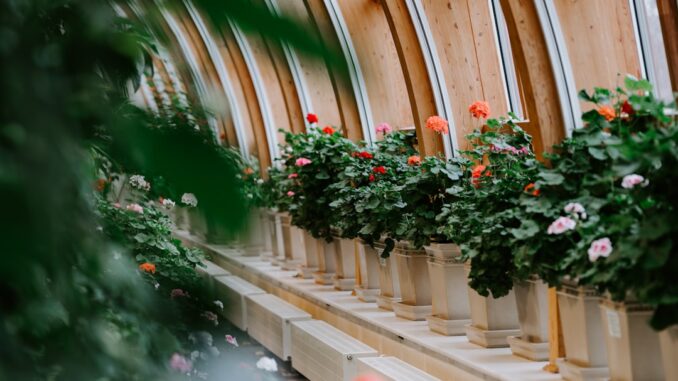

The Enduring Allure of the Orangery: Crafting Your Perfect Indoor-Outdoor Sanctuary
There’s just something about an orangery, isn’t there? These architectural gems have captivated homeowners for centuries, offering a truly unique blend of indoor comfort and outdoor serenity. Originally, way back in the 17th century, they were quite literally for oranges—grand structures built to shelter delicate citrus trees from Europe’s harsh winters. But fast forward to today, and these elegant extensions have blossomed into incredibly versatile spaces, providing a seamless, light-filled connection to our gardens and a stylish spot for everything from quiet contemplation to lively gatherings.
It’s not just about adding square footage; it’s about enriching your lifestyle. An orangery doesn’t just expand your home’s footprint; it expands your living possibilities, bringing the outside in, and inviting sunshine and nature into your daily routine. Think about it: a space bathed in natural light, a gentle hum of the garden just beyond the glass. It’s a pretty compelling vision, I’d say.
Unlocking Your Vision: Inspiring Orangery Design Ideas
When you start dreaming up your own orangery, the possibilities really open up. It’s not a one-size-fits-all situation; quite the opposite. Here’s a closer look at some of the most popular and inspiring design ideas, each with its own distinct charm and practical advantages. We’re going to dive deep, exploring how these concepts can truly transform your home and how you live in it.
1. The Classic Garden Room Orangery: Your Personal Retreat
Imagine stepping into a space where the world outside seems to melt away, leaving you enveloped in a gentle, sunlit embrace. That’s the magic of a garden room orangery. This design prioritises creating a relaxed, almost ethereal living area, focusing on comfort and connection to your immediate landscape. We’re talking about graceful tall French doors that swing open to invite the breeze, beautifully crafted timber-framed windows letting in swathes of light, and the quintessential central roof lantern, acting like a crown, flooding the room with overhead brightness.
This isn’t merely a room; it’s an atmosphere. It’s perfect for those lazy weekend mornings with a cup of coffee and a good book, or for intimate evening chats with friends as dusk settles over the garden. You can furnish it with plush sofas, perhaps a chaise lounge, and some well-chosen textiles that echo the natural tones outside. Picture soft greens, muted blues, and warm creams. The roof lantern isn’t just a design statement, it’s a brilliant way to ensure light penetrates deep into the room, even on a cloudier day, making the space feel perpetually open and airy. It’s a little slice of heaven, truly, right there in your own backyard.
2. The Culinary Heart: Kitchen Extension Orangery
For many, the kitchen is the true heart of the home, a bustling hub of activity, creativity, and connection. So, why not extend it with an orangery and really lean into that open-plan living trend? This approach seamlessly merges your cooking and dining areas into one grand, bright space that feels infinitely more expansive. Think about the joy of preparing meals while looking out over your garden, or hosting dinner parties where guests can naturally spill from the kitchen to a sun-drenched dining area.
Integrating a large central island becomes almost a necessity here, offering ample prep space, a casual breakfast bar, and a focal point for socialising. Installing bi-fold doors that retract completely will truly blur the lines between inside and out, making al fresco dining a breeze the moment the sun peeks out. And because nobody likes chilly feet, underfloor heating is an absolute must-have for year-round comfort, keeping the space wonderfully warm even when the rain lashes against the windows. You’ll also want to consider smart ventilation systems, because a kitchen extension needs to handle steam and cooking smells effectively, of course. This design isn’t just practical; it’s a game-changer for family life and entertaining.
3. Maximising Every Inch: Side Return Orangery
City living, or just homes with tighter plots, often means finding clever ways to make the most of every available square foot. That’s where the side return orangery really shines. It ingeniously transforms those often-unused narrow strips of garden space into a charming, functional extension. You might think, ‘How much can you really do with a narrow space?’, but you’d be surprised.
These designs, while modest in width, are incredibly effective at drawing natural light into the typically darker middle sections of terraced or semi-detached homes. Imagine a cosy dining nook, perfect for intimate meals, tucked into this bright sliver. Or perhaps a compact, serene garden snug, a spot for quiet reflection. Many people are even converting these into small, inspiring home offices, a dedicated zone away from the main hustle and bustle, but still connected to the garden. Privacy is often a concern in side returns, so smart glazing choices—perhaps frosted panels on one side or strategically placed planting—can ensure you maximise light without compromising your peace and quiet.
4. The Grand Statement: Twin Roof Lantern Orangery
Sometimes, one just isn’t enough. For larger homes, or properties with wide rear elevations that can accommodate a more expansive structure, incorporating two roof lanterns introduces a level of symmetry and grandeur that truly elevates the design. It’s an architectural flourish that brings in an incredible amount of daylight, but it does more than just brighten; it creates visual balance and allows for distinct zones within a single, open-plan room.
Think about a spacious living area divided into a comfortable lounge on one side, and perhaps a casual dining or reading area on the other, each bathed in its own pool of light from above. The twin lanterns become striking features, drawing the eye upwards and enhancing the feeling of space and light. This design speaks to a desire for luxury and expansive living, offering a sophisticated framework for versatile interior design. It definitely makes a statement, showing off that elegant, refined touch.
5. Dining Under the Stars (or Sun): Orangery Dining Room
There’s something truly special about sharing a meal, isn’t there? An orangery designed specifically as a dining room transforms this everyday ritual into an experience. It becomes the special place for family dinners, festive celebrations, or simply enjoying a meal bathed in sunlight.
Picture this: a grand oak-framed orangery, the warm timber contrasting beautifully with the natural light pouring in. A large dining table, perhaps seating eight or ten, positioned perfectly beneath the central roof lantern, becoming the undisputed focal point. Windows that open wide onto garden terraces during warmer months blur the lines, allowing your dining experience to extend effortlessly outdoors. During the day, the space feels bright and energising, full of life. But as evening draws in, with carefully chosen lighting – maybe some dimmable pendant lights over the table and subtle uplighting in the corners – the room transforms into a cosy, intimate setting. It’s the perfect balance of grandeur and warmth, making every meal feel like an occasion.
6. Embracing Nature: Garden Oasis Orangery
This design is all about dissolving the boundary between your home and your garden. It’s an exercise in seamless connection, turning your orangery into a true extension of your outdoor living area. The key here is the use of wide-opening bi-fold doors, or even sliding glass panels, that can literally fold back or disappear to create an uninterrupted flow between your interior living space and your exterior patio or decking.
Imagine hosting a summer barbecue, and your indoor lounge area simply extends directly onto the patio. Guests can mingle freely, food and drinks can be moved with ease, and the gentle sounds and scents of your garden become part of the indoor ambiance. This is al fresco living at its very best, allowing you to fully immerse yourself in the natural world without ever truly leaving the comfort of your home. You might consider matching your interior flooring to your exterior patio material to further enhance this visual continuity. It’s a wonderful way to maximise enjoyment of your outdoor space, no matter the season.
7. Escape to the Tropics: Tropical Paradise Orangery
If you dream of exotic getaways but can’t always hop on a plane, why not bring the tropics to your doorstep? A tropical paradise orangery is an utterly joyful and vibrant way to transform your extension into a lush, living haven. The choice of plants is crucial here: think bold, leafy specimens like towering palms, delicate ferns, and perhaps some vibrant orchids or bromeliads, creating an almost jungle-like feel. These plants thrive in the warm, bright conditions an orangery provides.
Complement the greenery with natural textures. Bamboo or rattan furniture adds to that relaxed, island vibe. Inject pops of colour with vivid cushions in fuchsia, turquoise, or tangerine, and choose tropical print fabrics for throws or accent pieces. The atmosphere will be one of invigorating energy and serene calm all at once. Just be mindful of humidity levels; some tropical plants love it, but you’ll want to ensure good ventilation to prevent issues. It’s a fantastic way to create a truly unique, sensory experience right in your own home, a mini-vacation without ever packing a suitcase.
8. Rustic Retreat: Rustic Country Charm Orangery
For those who prefer a more grounded, earthy aesthetic, a rustic country charm orangery offers a wonderfully cosy and inviting retreat. This style embraces natural materials, comfort, and a sense of timeless elegance. Start with the foundations: wooden floorboards, perhaps reclaimed for added character, or natural stone tiles that bring a tactile, enduring quality to the space. These materials ground the room and provide a beautiful backdrop.
Then, layer in plush, oversized furniture – deep sofas upholstered in linen or natural cottons, perhaps a substantial armchair with a footstool. Think about a chunky oak coffee table and side tables. Quaint accessories like antique lanterns, vintage pottery, and woven baskets can enhance that comfortable, countryside feel, adding layers of history and warmth. A roaring (or perhaps just electric, for convenience) fireplace or wood burner in one corner would complete the picture, making it the perfect spot to curl up on a chilly evening. It’s a design that feels instantly welcoming, lived-in, and full of character, truly a home within a home.
9. Productive Sanctuary: Orangery as a Home Office
The shift to remote and hybrid work has reshaped our homes, and a dedicated, inspiring workspace is now more vital than ever. An orangery makes an exceptional home office. Its primary advantage is the sheer abundance of natural light, which is scientifically proven to boost mood, increase productivity, and reduce eye strain. Who wouldn’t want to work in a bright, airy space rather than a dim spare room?
The connection to the outdoors also works wonders for well-being. Looking up from your screen to see greenery, or hearing the gentle rustle of leaves, can reduce stress and reignite creativity. When designing this space, ensure you have sufficient power outlets strategically placed for your tech. Good quality, ergonomic furniture is a given, of course. You might also want to consider blinds or smart glass for privacy and sun control, especially if your screen catches glare. It’s not just an office; it’s a productivity haven, a place where ideas can genuinely blossom. I’ve heard countless people say their best work happens in spaces like these.
10. Timeless Elegance: Orangery with Classical Detailing
For those who appreciate architectural finesse and a sense of enduring grandeur, an orangery with classical detailing is the ultimate choice. This design harkens back to the orangery’s opulent origins, incorporating elements that speak of history, sophistication, and meticulous craftsmanship. Think about incorporating elegant columns or pilasters, perhaps with fluted shafts or ornate capitals, that frame the views and add structural beauty.
Pediments over doorways or windows, fine glazing bars that create intricate patterns in the glass, and a substantial entablature connecting the top of the columns all contribute to this classical aesthetic. Materials like natural stone, or beautifully painted timber in a muted palette (think heritage greens, creams, or even a sophisticated grey) enhance the architectural appeal. This style is about creating a sense of permanence and understated luxury, ensuring your orangery not only extends your home but also elevates its entire architectural presence. It’s a truly elegant solution, one that stands the test of time.
Beyond the Blueprint: Navigating Costs and Planning for Your Orangery
So, you’ve got the vision, you’ve started to imagine yourself relaxing or working in this incredible new space. But now, it’s time to get down to the practicalities. Like any significant home improvement, an orangery project requires careful consideration of both budget and regulatory requirements. It’s not just about picking a design; it’s about making that dream a tangible reality, and that means understanding the numbers and the paperwork.
The Investment: Understanding Orangery Costs
The question everyone asks first, naturally: ‘How much is this going to set me back?’ The truth is, the cost of building an orangery can vary quite dramatically. It’s really dependent on a number of factors: size, the specific materials you choose, the complexity of the design, and even your geographic location. As a general guide, you might expect to pay somewhere around $40,000 for a standard-sized, good-quality orangery. However, this is just an average.
Prices can truly span a wide spectrum. On the lower end, for smaller, more basic designs, perhaps those using uPVC frames and simpler glazing, you might start from around $10,000 to $15,000. But if you’re dreaming of a larger, bespoke project with high-specification timber frames, advanced glazing technology, complex roof lanterns, and all the luxurious interior fit-out, costs can easily climb upwards of $70,000, and for truly grand, architect-designed structures, well, the sky’s the limit. I’ve seen some incredible projects push well into six figures, frankly.
What drives these cost variations? Let’s break it down:
- Size and Footprint: Bigger is, unsurprisingly, more expensive. More materials, more labour, larger foundations. It’s simple maths, really.
- Materials: This is a big one. uPVC is generally the most budget-friendly. Aluminium offers a sleek, modern look and excellent durability, often at a mid-range price. Timber, especially high-quality hardwoods like oak or engineered timber, is usually at the higher end, offering superior aesthetics and insulation but requiring more maintenance.
- Glazing: Standard double glazing is common, but you might opt for triple glazing, self-cleaning glass, solar control glass, or even smart glass that tints at the flick of a switch. Each upgrade adds to the cost.
- Roof Lantern: The design and size of your roof lantern have a significant impact. A simple, off-the-shelf design will be less than a bespoke, multi-pane, thermally broken system.
- Foundations: The ground conditions and complexity of the foundations required for your orangery can add unforeseen costs. If you need extensive groundwork or piling, prepare for that to be reflected in the quote.
- Interior Fit-out: Don’t forget the finishing touches! This includes flooring (tiles, engineered wood, carpet), heating systems (underfloor heating, radiators), electrical work (sockets, lighting design), and any bespoke joinery or plastering. These can quickly add thousands to your overall budget.
- Professional Fees: Engaging architects, structural engineers, or specialist orangery companies will involve fees, but these are often well worth the investment for peace of mind and a superior outcome.
- Location: Building costs can vary regionally, with urban areas often seeing higher labour rates and material transportation costs.
It’s always, always, always a good idea to get multiple detailed quotes from reputable companies. Don’t just look at the bottom line; compare like-for-like specifications and understand exactly what’s included. A slightly cheaper quote might hide corners being cut, which you definitely don’t want down the line.
The Paperwork: Planning and Regulatory Hurdles
Once you have a handle on the budget, the next big hurdle is navigating the planning and regulatory landscape. This isn’t just bureaucratic red tape; it’s about ensuring your orangery is safe, structurally sound, and compliant with local guidelines. Trust me, you don’t want to be tearing down a beautifully built extension because you skipped a step.
1. Permitted Development Rights (PDR):
In many areas, smaller extensions like orangeries can fall under ‘permitted development’ rights. This means you might not need to apply for full planning permission, which can save time and money. However, big caveat here, there are strict limitations, and it’s critical you understand them. These often include:
- Size Limits: The orangery must not cover more than half the area of land around the ‘original house’. This is crucial and often misunderstood. The ‘original house’ means as it was first built, or as it stood on July 1, 1948, if built before that. Any previous extensions count towards this limit.
- Height Restrictions: The maximum height of the extension must not exceed the highest part of the original roof. For single-storey extensions, the maximum eaves height is often limited to 3 metres if it’s within 2 metres of a boundary.
- Rear Extensions: Single-storey rear extensions are typically limited to 4 metres beyond the original rear wall for detached houses, and 3 metres for semi-detached or terraced houses. There’s also a larger ‘Neighbour Consultation Scheme’ which can allow larger extensions (up to 8m for detached, 6m for others), but this requires notifying neighbours.
- Materials: Materials used for the exterior should be similar in appearance to the existing house.
- No Front Extensions: Generally, you can’t build forward of the principal elevation or side elevation that fronts a highway under PDR.
- Side Extensions: Single-storey side extensions are usually limited to a maximum width of half the width of the original house.
- Designated Areas: If your property is in a Conservation Area, National Park, Area of Outstanding Natural Beauty, or a World Heritage Site, PDR are often significantly restricted or don’t apply at all.
My advice? Always check with your local planning authority before you start. Don’t assume. The rules can be complex, and local nuances exist. A good architect or orangery specialist will be well-versed in these rules, but the ultimate responsibility for compliance lies with you, the homeowner.
Even if your orangery falls under permitted development and doesn’t require planning permission, it will almost certainly need to comply with Building Regulations. These are different from planning permission and focus on the safety and performance of the structure itself. Building Regulations cover things like:
- Foundations: Ensuring the structure is stable and secure.
- Structural Integrity: Making sure it won’t fall down!
- Insulation: Thermal performance of walls, roof, and glazing to prevent heat loss and ensure energy efficiency.
- Electrics: Safe installation of wiring, sockets, and lighting.
- Ventilation: Adequate airflow to prevent condensation and ensure air quality.
- Fire Safety: Means of escape and fire protection.
An approved inspector (either from your local council or a private company) will need to sign off on various stages of the build. This is non-negotiable for ensuring your new space is safe, comfortable, and legal.
3. Design Integration:
While not a ‘regulation’ in the same sense, ensuring your orangery complements your existing home is crucial. This goes beyond aesthetics. A well-integrated design considers:
- Architectural Style: Does the orangery’s design harmonise with your home’s era and style? A sleek, modern aluminium orangery might look jarring on a period Victorian property, for instance, unless very cleverly executed.
- Materials: Matching brickwork, rendering, or timber finishes helps create a cohesive look.
- Proportions: The orangery shouldn’t dwarf your existing home or look like an afterthought. It should feel like it was always meant to be there.
- Thermal Performance: The new structure needs to work with your existing home’s energy efficiency. Badly insulated or poorly integrated extensions can create cold spots or increase heating bills in your main house.
A good design integrates seamlessly, adding value both aesthetically and financially to your property.
4. Functionality First:
Before you get too carried away with finishes, take time to define the primary use of your orangery. Is it a kitchen extension, a dining room, a garden room, or a home office? This initial clarity will guide every subsequent design decision. For instance:
- Kitchen: Requires robust, easy-to-clean flooring, ample power points for appliances, and effective ventilation.
- Dining Room: Needs consideration for table size and placement, and versatile lighting for different moods.
- Garden Room: Focuses on comfortable seating, connection to views, and potentially display space for plants or art.
- Home Office: Requires good light for screens, sound insulation if possible, and specific outlets for tech.
Thinking through furniture layouts and how you’ll actually use the space day-to-day will prevent costly reworks later on. You don’t want to realise your dream sofa won’t fit or there’s no socket for your lamp, right?
5. Budgeting Realistically:
We touched on costs earlier, but it’s worth reiterating the importance of a clear, comprehensive budget from the outset. Be sure to include not just the structural build, but also:
- Professional Fees: Architects, structural engineers, planning consultants.
- Planning Application Fees: If applicable.
- Building Control Fees.
- Groundwork and Landscaping: Any patio, pathways, or garden alterations needed around the orangery.
- Interior Finishes: Flooring, plastering, painting, lighting, heating.
- Furnishings: Furniture, curtains/blinds, decorative items.
- Contingency Fund: This is vital. Always allocate 10-15% of your total budget for unexpected issues. Believe me, they happen. A drain pipe you didn’t know was there, unforeseen ground conditions, a material price increase – better to have the buffer.
6. Professional Consultation: Your A-Team:
Unless you’re a seasoned builder or architect yourself, trying to navigate an orangery project alone is a recipe for stress. Engaging with experienced professionals is not an expense; it’s an investment that pays dividends in quality, compliance, and peace of mind. Your A-team might include:
- Architects: For bespoke designs, navigating complex planning permissions, and ensuring a holistic integration with your existing home.
- Structural Engineers: To ensure the structural integrity of the orangery and its connection to your house, particularly important with large expanses of glass and roof lanterns.
- Specialist Orangery Companies: Many companies specialise exclusively in orangeries and conservatories. They often offer a complete design-and-build service, handling everything from initial concepts and planning applications to construction and even interior finishing. Their expertise in glazing and thermal performance is invaluable.
Vet your professionals carefully, check their portfolios, ask for references, and ensure they are properly insured and accredited. A good team will guide you through every step, anticipate challenges, and deliver a result that exceeds your expectations. This is where I’d say you really can’t skimp. Quality professionals make all the difference, honestly.
Bringing Your Orangery to Life: A Step-by-Step Journey
With all the considerations laid out, how does one actually go about making this dream a reality? It’s a journey, for sure, but a rewarding one. Here’s a brief roadmap:
- Initial Inspiration & Research: Gather ideas, look at images, visit showrooms. What styles do you love? What functions do you need?
- Budget Setting: Be honest with yourself about what you can realistically spend, including that all-important contingency.
- Professional Engagement: Contact architects or specialist orangery companies. Get initial consultations and quotes. Choose your partners wisely.
- Design & Planning Application: Work with your chosen professional to finalise the design. They’ll handle the detailed drawings and, if necessary, submit planning applications and building control notices on your behalf.
- Building & Construction Phase: This is where the magic happens! Foundations are laid, the structure goes up, glazing is installed, and the roof lantern crowns the space. Regular communication with your builder is key here.
- Interior Design & Furnishing: Once the main construction is complete, you can turn your attention to the interior. Flooring, painting, lighting, and bringing in furniture to truly make it your own.
- Enjoying Your New Space: The best part! Settle in, invite friends over, read a book, or simply bask in the glorious natural light. You’ve earned it.
The Final Word: More Than Just an Extension
Incorporating an orangery into your home isn’t just about adding extra rooms; it’s about fundamentally enhancing your living experience. It provides a bright, versatile sanctuary that effortlessly bridges the gap between your indoor life and the natural beauty of the outdoors. By taking the time to carefully consider your design options, thoroughly understanding the costs involved, and diligently navigating the planning requirements, you aren’t just building an extension; you’re crafting a space that will add immense value to your property and, more importantly, immeasurably enrich your daily life for years to come. It’s a smart investment, not just in bricks and mortar, but in your quality of life. What’s not to love about that?
The discussion of integrating an orangery with a home office is particularly interesting. Has anyone explored the impact of specific plant species within the orangery on cognitive function and productivity in a home office setting? Could biophilic design principles be further leveraged here?
That’s a brilliant point! I haven’t specifically looked into particular species, but the potential for biophilic design to boost productivity in an orangery home office is huge. Imagine rosemary for memory or jasmine for calm focus amidst the greenery. Definitely something to explore further for an optimal workspace! Thanks for highlighting this.
Editor: ElegantHome.News
Thank you to our Sponsor Elegancia Homes
The historical context you’ve provided highlights the evolution of the orangery beautifully. Considering today’s focus on sustainability, it would be interesting to explore how modern orangeries can incorporate eco-friendly materials and energy-efficient designs.
Thanks for pointing that out! Sustainability is a huge consideration now, isn’t it? I think incorporating solar panels into the orangery roof design could be a game-changer, not only reducing energy consumption but also blending seamlessly with the structure’s aesthetic. It would be interesting to explore this option further. What are your thoughts?
Editor: ElegantHome.News
Thank you to our Sponsor Elegancia Homes
Orangeries for oranges? How novel! I’m suddenly picturing a renaissance revival with avocado trees instead. Imagine the guacamole possibilities! What other unexpected fruits could we cultivate in these light-filled spaces?
That’s such a fun thought! A dedicated avocado orangery sounds amazing, and the fresh guacamole would be a huge bonus! Perhaps we could also explore growing figs or even dwarf varieties of mango trees. The possibilities are endless when you bring a little creativity to the design. Thanks for the inspiration!
Editor: ElegantHome.News
Thank you to our Sponsor Elegancia Homes