

Crafting the Ultimate Home Entertainment Hub: Your Masterclass Guide to Memorable Gatherings
Ever noticed how some homes just feel right for a get-together? It’s not magic, believe me. It’s the intentional design of an inviting, functional space where conversations flow as freely as the drinks. For anyone who loves hosting, or perhaps wants to start, curating a brilliant entertaining area at home isn’t just about throwing some chairs around. It’s about orchestrating an experience, ensuring every guest feels comfortable, engaged, and truly part of something special. You’re not just decorating; you’re setting the stage for memories.
Think about it: who wants to spend their evening perched awkwardly on the edge of a dining chair or shouting over a bad sound system? Nobody, that’s who. By thoughtfully considering various facets of your space, you can transform it from just a room into a vibrant hub of hospitality. I’ve picked up a few tricks over the years, some through trial and error, some from observing truly gifted hosts, and I’m eager to share them. These aren’t just theoretical musings; they’re practical, actionable steps to perfect your home’s entertaining prowess.
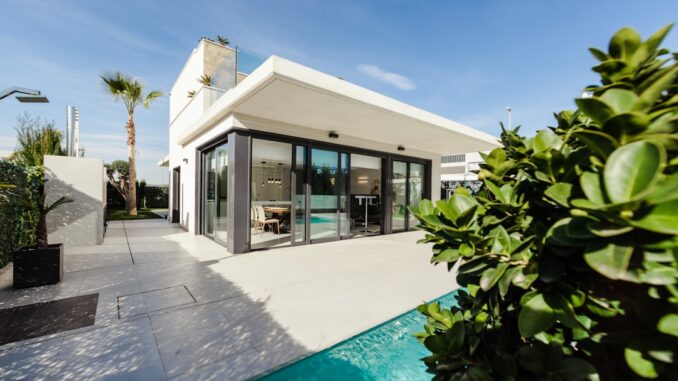
Creating a stunning setting for home entertaining.
Let’s dive into 11 crucial tips that’ll elevate your hosting game, making your place the go-to spot for every memorable gathering.
1. Master the Art of Seating Arrangements
When we talk about comfortable seating, we’re really touching on the absolute cornerstone of any successful gathering. It’s more than just having enough places for everyone to sit; it’s about crafting an environment that actively encourages interaction. Nobody wants to feel like they’re in a doctor’s waiting room, right? You want people to easily turn to one another, catch an eye, and strike up a chat without straining their neck or feeling isolated.
Start by thinking about ‘conversational groupings.’ This means arranging your sofas, armchairs, and even floor cushions in configurations that naturally draw people together. A classic ‘U’ shape or two sofas facing each other with a coffee table in the middle works wonders in larger spaces, fostering a sense of intimacy even with a crowd. For smaller areas, perhaps a chaise lounge paired with a couple of accent chairs, angled just so, creates a cozy nook. Don’t be afraid to pull chairs away from walls; it can feel counter-intuitive for space, but it instantly makes a room feel more open and welcoming, defining a central conversational zone.
The Power of Multi-Use Furniture
Here’s where functionality really shines without compromising style. Multi-use furniture is your secret weapon, especially if you’re working with a more modest footprint. Ottomans, for instance, are pure gold. They’re fantastic for kicking up tired feet, obviously, but they can also serve as extra seating when guests arrive unexpectedly. And if you choose one with internal storage? Even better! Suddenly, you’ve got a stylish piece that hides away blankets, board games, or even those extra coasters until they’re needed.
Similarly, expandable dining tables are absolute lifesavers. Imagine: a cozy dinner for four on a Tuesday, then, with a few simple adjustments, it comfortably seats ten for a Saturday night feast. Bistro tables that fold down, console tables that transform into larger surfaces – these pieces maximize utility without hogging precious floor space permanently. When my cousin moved into her first apartment, she invested in one of those gorgeous wooden console tables that, when fully extended, turned into a full-blown dining table. It saved her from buying a separate, bulky table she’d rarely use, and let me tell you, that table saw some serious action, from casual brunches to epic game nights. It truly showcased how smart choices make a huge difference.
Remember to consider the different heights of your seating too. A mix of standard sofas, perhaps some elegant bar stools at a kitchen island, and even a few plush floor cushions can add dynamic visual interest and cater to various preferences. The key is to make every seat an inviting one. Because when people are comfortable, they linger longer, laugh louder, and contribute more to the vibrant tapestry of your gathering.
2. Establish Clear Zones for Seamless Flow
Creating distinct areas within your entertaining space isn’t about rigid divisions; it’s about enhancing flow, organization, and making your home feel intuitively navigable. Think of it as gently guiding your guests through different experiences without them even realizing it. This approach not only improves functionality, but also adds tremendous visual interest, making your space feel layered and well-considered, rather than just one big, undifferentiated room.
How do you actually do this, you ask? It’s simpler than you might think. Rugs are perhaps the most powerful and underrated tool here. A large area rug can anchor a living room arrangement, immediately defining it as the primary lounging or conversation zone. Conversely, a smaller, perhaps round rug, can delineate a quiet reading nook or a spot for a single armchair. The visual boundary a rug creates is subtle but incredibly effective, signaling ‘this is a distinct area.’
Lighting also plays a huge part in zoning. A pendant light hanging low over a dining table immediately declares ‘this is where we eat.’ Track lighting can be strategically placed to highlight a bar area, while softer, diffused lamps define a relaxed lounging space. You’re painting with light, essentially, creating pools of warmth and focus that draw people to specific activities.
And then there’s furniture placement. Backing a sofa against nothing, or using a console table behind it, effectively creates a ‘wall’ without actually building one. This can segment a large open-plan space into a living area and a dining area. Tall bookshelves can also serve as elegant, semi-transparent dividers, offering both storage and a visual break. I once visited a friend’s loft apartment where they used a gorgeous, open-backed shelving unit filled with plants and art to separate their sleeping area from their living room. It was genius – airy, functional, and beautiful, defining different purposes within one large space.
Think about the different activities you want to accommodate. Do you need a lively dining spot, a cozy corner for intimate chats, and maybe a high-energy zone for games or music? By clearly defining these purposes with deliberate design choices, you ensure that your space works harder for you and, crucially, for your guests. It’s like having several mini-environments within your main one, each with its own vibe, yet all part of a cohesive whole. It allows people to gravitate to what suits their mood, whether they want to be right in the thick of the action or enjoy a quieter moment with a good conversation partner.
3. Seamlessly Incorporate Outdoor Elements
If you’re lucky enough to have any outdoor space – be it a sprawling backyard, a compact patio, or even a cozy balcony – you’re missing a huge opportunity if you’re not extending your entertaining area there. The boundary between indoors and out can, and should, blur when you’re hosting. A well-designed outdoor space isn’t just an ‘extra’; it’s an entirely different room that offers fresh air, a change of scenery, and often, a more relaxed vibe.
Imagine a warm evening where conversations spill out onto a covered patio. The gentle breeze, the scent of night-blooming jasmine, the soft glow of string lights – it’s just magical, isn’t it? A covered space is especially brilliant because it offers protection from unexpected drizzles or intense sun, making it usable in more weather conditions. For a truly seamless transition, consider bi-fold doors or large sliding glass panels that practically disappear, making your living room feel like it extends right into the garden.
Comfortable outdoor furniture is non-negotiable. Forget those stiff plastic chairs; invest in pieces that are just as inviting as your indoor sofa. Think deep-seated cushions, weather-resistant fabrics, and sturdy, stylish frames. Add some strategically placed string lights (they create instant charm, truly!), maybe a few lanterns or even a fire pit for those cooler evenings, and you’ve transformed a simple concrete slab into a captivating outdoor lounge. Plants, of course, are vital; they add life, color, and a sense of lushness. Potted herbs like rosemary or lavender not only look lovely but also add a wonderful fragrance.
Creating a Destination Outside
But why stop at just seating? If space allows, an outdoor kitchen or bar area can be an absolute game-changer. Picture yourself grilling skewers while still chatting with guests who are lounging nearby, or mixing cocktails under the stars. Even a small bar cart on wheels, stocked with essentials, can instantly create a self-serve drink station outside, freeing you up as the host. My sister recently added a small pizza oven to her patio, and I’m telling you, it’s become the epicenter of every summer get-together. The smell of wood-fired pizza wafting through the air, everyone gathered around, taking turns – it’s an experience, not just a meal.
Furthermore, consider the flow. How easily can guests move from inside to out and back again? Keep pathways clear and well-lit. Make sure there’s a consistent aesthetic so the outdoor space feels like a natural extension of your home, not an afterthought. Maybe you carry a similar color palette from your interior textiles to your outdoor cushions, or use similar materials like wood or stone. This thoughtful connection makes your home feel expansive and incredibly welcoming, encouraging guests to mingle freely both inside and out, making the most of all your carefully curated spaces.
4. Layer Lighting for an Irresistible Ambiance
Lighting. Oh, lighting! It’s one of those elements that people often overlook, yet it plays the most crucial, often subconscious, role in setting the entire mood of your entertaining area. It’s not just about turning on a switch; it’s about crafting an atmosphere, painting your space with light, and guiding the eye. You wouldn’t want harsh, unflattering overhead lights blasting down on your guests like they’re under interrogation, would you? Absolutely not. You want warmth, depth, and a subtle glow that makes everyone look and feel their best.
To truly master this, you need to think in layers. Forget the single, central overhead fixture. Instead, embrace a mix of overhead, accent, and task lighting. This trinity works together to create a rich, inviting environment:
-
Ambient (Overhead) Lighting: This is your general wash of light, the foundation. Recessed lights, chandeliers, or flush-mount fixtures provide overall illumination. The trick here is to ensure it’s dimmable. Dimmers are non-negotiable for an entertaining space! They allow you to dial down the brightness as the evening progresses, shifting from a brighter ‘hello’ light to a more intimate, cozy glow.
-
Accent Lighting: This is where you highlight features, adding drama and interest. Think about spotlights aimed at a piece of art, LED strips tucked under shelves to illuminate collectibles, or uplights behind a plant to create intriguing shadows. Accent lighting draws the eye, showcasing your décor and preventing the room from feeling flat and one-dimensional.
-
Task Lighting: While less critical for general entertaining, task lighting is important for specific areas. A reading lamp next to an armchair or a pendant over a bar cart could be considered task lighting, ensuring there’s enough focused light for activities like pouring a drink or looking at a book. You don’t want someone struggling to read the label on a wine bottle in a dimly lit corner.
The Magic of Warmth and Sparkle
Now, let’s talk about the magical elements that truly add that cozy glow. Dimmable lamps, especially those with warm-toned bulbs (around 2700K-3000K), are your best friends. Place table lamps on side tables and floor lamps in corners to create pools of soft light, eliminating harsh shadows and adding a sense of intimacy. These aren’t just light sources; they’re decorative elements in themselves, adding height and texture to your décor.
And for that undeniable charm? String lights (like bistro lights) can instantly transform an indoor space, draped across a ceiling or outlining a doorway. They evoke a festive, relaxed feeling that’s hard to beat. And, of course, there are candles. Oh, the humble candle! Their flickering flames introduce a primal warmth and a beautiful, dancing light that’s incredibly flattering and calming. Use a variety of sizes and heights – pillar candles on a mantel, tealights scattered on a coffee table, elegant taper candles on a dining table. Just always be mindful of safety, naturally. I still remember hosting a New Year’s Eve party where I’d gone a little overboard with the candles, and someone joked, ‘Are we having a séance or a celebration?’ We laughed, but it did create an unforgettable, atmospheric vibe!
Beyond the fixtures themselves, think about the light’s source and direction. Up-lighting can make a room feel taller, while down-lighting creates intimacy. Shadows are not your enemy; they add depth and intrigue. By consciously layering these different types of light, you’re not just illuminating a room; you’re orchestrating a sensory experience, creating an atmosphere that shifts and evolves with the evening, making your guests feel utterly at ease and enveloped in a warm, inviting glow.
5. Personalize with Décor: Your Story, Your Space
Your home should be a reflection of you, and nowhere is this more important than in your entertaining space. This isn’t about following trends blindly; it’s about infusing your personality, your travels, your passions, and your unique style into every corner. When guests walk in, they should get a sense of who you are, what you love, and what stories you have to tell. This personalization is what makes a house truly feel like a home, and makes your guests feel more connected to you and the space.
Start by thinking about a theme that genuinely resonates with you. Perhaps you’re drawn to the clean lines and minimalist aesthetic of modern design, or maybe you prefer the cozy, weathered textures of a rustic farmhouse look. Or perhaps, like me, you lean towards an eclectic mix, collecting pieces from different eras and styles that simply ‘speak’ to you. Whatever your preference, let it guide your choices, but don’t let it box you in too tightly. It’s a guideline, not a rigid rulebook.
Weaving Your Narrative Through Objects
Now, for the fun part: incorporating statement pieces that truly sing. This could be a dramatic piece of artwork that captures attention the moment someone enters the room – something vibrant and bold, or perhaps a calming landscape that transports you. Don’t underestimate the power of a really good area rug; it’s like the artwork for your floor, adding color, pattern, and texture, grounding the whole room. A unique, eye-catching light fixture, like a sculptural chandelier or a vintage-inspired pendant, can also act as a fantastic focal point, drawing the eye upwards and adding an unexpected twist.
But personalization goes deeper than just big statements. It’s in the smaller, more intimate details. Display personal photos – not just stiff portraits, but candid shots from travels, joyful family moments, or adventures with friends. These instantly humanize a space. Showcase travel souvenirs; that intricately carved wooden statue from Bali, the vibrant ceramic plate from Mexico, or the antique teacups from a Parisian flea market aren’t just objects; they’re conversation starters, tangible memories that spark stories. I have a small, slightly chipped porcelain bird from a trip to Portugal sitting on my bookshelf, and almost every time, someone asks about it, leading to a lovely little anecdote. It’s those little touches that create warmth.
Don’t forget textiles. Throw pillows, blankets, and even tablecloths are easy ways to inject color, pattern, and most importantly, texture. A chunky knit throw over a sofa invites a lingering touch and promises comfort. Mixing different textures – the smoothness of silk, the roughness of linen, the softness of velvet – adds depth and richness, preventing a room from feeling flat. Your décor is your personal narrative, unfolding across your walls, shelves, and surfaces. It’s an ongoing story, constantly evolving, and every piece you choose contributes to that vibrant, engaging tale. When your guests see these personal touches, they don’t just admire the décor; they feel like they’re stepping into your unique world, and that’s a truly inviting experience.
6. Prioritize Accessibility and Effortless Flow
An entertaining space isn’t truly successful if your guests are constantly bumping into furniture, navigating obstacle courses, or feeling trapped in a corner. The phrase ‘accessibility and flow’ sounds a bit corporate, I know, but trust me, it’s absolutely critical for comfortable entertaining. Think of your space as a stage and your guests as the performers; you want them to move freely, to dance through the scene effortlessly, without any awkward pauses or bottlenecks. This consideration significantly enhances their overall experience, often in ways they might not even consciously notice, but certainly appreciate.
So, how do you achieve this graceful ‘dance’ of a good party? It all starts with furniture arrangement. You need to create clear, unobstructed pathways. As a general rule of thumb, aim for at least 30-36 inches (75-90 cm) of clear space for main pathways and around 18-24 inches (45-60 cm) between a coffee table and a sofa. This isn’t just about avoiding stubbed toes; it’s about psychological comfort. When people can move freely, they feel less confined, more relaxed, and more inclined to mingle.
Consider the main entry points to the room and how guests will circulate from one zone to another. If your dining area is separate from your main lounge, ensure there’s a straightforward, unblocked path between them. No one wants to squeeze past someone’s chair every time they need a refill or want to switch conversations. This means perhaps pulling a sofa slightly away from a wall to open up a walkway, or opting for a leaner console table instead of a bulky credenza in a high-traffic area. I remember a party where the host had a gorgeous but enormous rug that extended right to the entryway, and everyone tripped on it all night. A small detail, but it totally disrupted the flow and became a running joke. Learn from that, eh?
Thinking Beyond the Obvious: Invisible Obstacles
Beyond just clear pathways, think about line of sight. Can someone sitting on the sofa easily see and interact with someone standing by the beverage station? Are there any tall pieces of furniture or plants blocking eye contact? Open sightlines encourage broader conversations and a greater sense of connection amongst guests. This is particularly important in open-plan living where you want to foster a unified atmosphere despite different activities occurring.
Also, consider where you place your essentials. The food and drink stations, restrooms, and any interactive elements like games should be easily accessible but not directly in the main thoroughfare. You want people to be able to help themselves without causing a traffic jam. And while you might not have guests with mobility challenges at every gathering, a space designed with wider pathways and minimal steps is generally a more comfortable space for everyone. It’s simply good design. An accessible home is a gracious home.
Finally, think about the often-overlooked ‘negative space’ – the empty areas between furniture. These aren’t wasted spaces; they’re vital breathing room that allows the other elements to shine and, crucially, allows people to move and gather comfortably. Regularly ‘test-drive’ your space. Walk through it as if you were a guest, perhaps carrying a plate or a drink. Where do you pause? Where do you feel restricted? These mini-audits are invaluable for making those small, impactful adjustments that truly enhance the flow and ensure a truly comfortable and effortless experience for every single person who steps into your home.
7. Provide Ample, Smart Storage Solutions
Let’s be honest: a cluttered space, no matter how beautifully decorated, never truly feels inviting. It creates a subconscious tension, a sense of disorganization that can detract from the relaxed atmosphere you’re trying to cultivate. This is precisely why adequate storage solutions are absolutely vital for keeping your entertaining area organized, functional, and aesthetically pleasing. It’s not just about hiding things away; it’s about having a place for everything, so everything can be in its place, even amidst the joyful chaos of a party.
Think beyond the obvious. Yes, storage ottomans are fantastic for tucking away extra throw blankets or board games – they’re practical chameleons of furniture. But you can do so much more. Built-in cabinets around a fireplace or along a wall are the gold standard. They offer seamless integration, often looking like part of the architecture, and can house everything from serving platters and glassware to linens and party supplies. They keep visual clutter at bay, maintaining clean lines and a sophisticated look.
Shelves, both floating and within units, offer a chance to display curated décor while also providing functional storage. Use them for your favorite cookbooks, a collection of intriguing objects, or even neatly stacked, colorful napkins. The key is balance: display some items, store others. You don’t want every surface to be a display case, nor do you want it to be completely bare.
The Hidden Heroes: Credenzas and Consoles
Then there are the unsung heroes of entertaining storage: credenzas and consoles. A stylish credenza in your dining area can hold all your serving ware, extra cutlery, special occasion dishes, and even liquor bottles, keeping them easily accessible but out of sight. In a living room, a long console table can cleverly conceal media devices, remote controls, or even children’s toys (shh!). Some even come with drawers or closed cabinets, perfect for stashing away those items you don’t want visible during a gathering.
Consider the vertical space too. Tall, slender cabinets or even a chic bar cabinet can maximize storage without taking up too much floor area. Don’t forget under-the-window-seat storage, if you have one – a perfect spot for seasonal decorations or less frequently used items. My friend once designed a window seat with lift-up tops, and it was brilliant for storing all her picnic blankets and outdoor cushions. It’s those clever, almost invisible solutions that make a space feel effortlessly organized.
The goal is to have dedicated spots for all your entertaining essentials. This means you’re not scrambling to find the wine opener or a clean serving tray when guests arrive. Everything has its home, allowing you to focus on your guests and the good times. A tidy space feels calm and in control, and that sense of calm definitely translates to the atmosphere of your gathering. When your space is organized, you’re organized, and that’s the kind of host everyone loves: prepared, relaxed, and ready to enjoy the company.
8. Engineer an Irresistible Self-Serve Beverage Station
As a host, your job is to make your guests feel pampered and at ease, but also to actually enjoy your own party. One of the quickest ways to achieve both, while simultaneously reducing your own workload, is to create a fantastic, self-serve beverage station. It’s a game-changer, truly. Not only does it empower your guests to help themselves (and often encourages interaction as they gather around), but it also frees you up from constantly playing bartender, allowing you to mingle, relax, and soak in the atmosphere you’ve so carefully crafted.
So, what does a great beverage station look like? It can range from a dedicated, custom-built bar to a simple, charming setup on a counter or a well-appointed bar cart. And honestly, a stylish bar cart is probably one of the best investments you can make for entertaining. It’s mobile, versatile, and instantly elevates the ‘wow’ factor of your drink offerings. Arrange it thoughtfully; it’s a stylish focal point in itself.
Stocking Your Station for Success
Here’s what you’ll want to stock:
-
Variety of Beverages: Don’t just stick to alcohol. Offer a selection of spirits, yes, but also a good range of mixers (soda water, tonic, juices, craft sodas), and definitely some enticing non-alcoholic options. Sparkling water with fresh fruit, homemade lemonade, or a pitcher of iced tea ensures everyone feels catered to. Batch cocktails, pre-mixed in a beautiful pitcher, are also brilliant; they look impressive and guests just need to pour and maybe add ice.
-
Ample Glassware: Have different types of glasses available – wine glasses, tumblers, highballs, perhaps even a few champagne flutes if the occasion calls for it. Make sure they’re sparkling clean and easily accessible. No one wants to hunt for a glass.
-
Essential Accessories: Don’t forget the tools of the trade! A good quality corkscrew, a bottle opener, a jigger for measuring, a cocktail shaker, and a strainer are key. Also, plenty of ice (perhaps in a stylish ice bucket with tongs), fresh garnishes (lemon and lime wedges, orange slices, fresh mint, cherries), and a small waste bin for discarded garnishes and bottle caps.
-
Coasters and Napkins: Protect your surfaces! A stack of coasters and some cocktail napkins are functional necessities that also add a touch of polish.
-
Water: Always have a beautiful carafe of water readily available. Hydration is key, and it’s a simple, thoughtful touch.
I remember one summer evening, I’d prepared a big batch of ‘Spicy Grapefruit Margaritas’ and had them chilling in a beautiful dispenser on a little side table. All guests had to do was grab a glass, fill it, and add a lime wedge. It was effortless for me, and everyone loved being able to serve themselves whenever they pleased. The station itself looked vibrant and inviting, becoming a natural gathering spot as people chatted while topping up their drinks.
Beyond the practicalities, a well-arranged beverage station is visually appealing. Use pretty bottles, attractive glassware, and fresh elements to make it pop. It becomes a small, interactive installation within your home, drawing people in and creating a mini social hub. It’s truly a win-win: your guests feel empowered and looked after, and you get to enjoy your party instead of constantly running back and forth to the kitchen. Cheers to that!
9. Ingeniously Incorporate Interactive Elements
While good food, drink, and conversation are undoubtedly the pillars of any great gathering, subtly weaving in interactive elements can transform a pleasant evening into a truly memorable one. These aren’t just distractions; they’re catalysts for connection, laughter, and shared experiences. The goal is to engage your guests, spark their curiosity, and give them opportunities to interact beyond just polite chat. You want to avoid that awkward lull, don’t you? Exactly.
Beyond just board games, think broader. Music, for instance, is inherently interactive. Instead of just putting on a static playlist, consider creating a collaborative music playlist. Use a service like Spotify and invite guests to add their favorite tracks throughout the evening. It’s a fantastic conversation starter (‘Who put this classic on?!’) and ensures the music evolves with the mood, making everyone feel like a DJ. The subtle ‘Aha!’ moment when someone’s song comes on is truly fun.
Beyond the Board: Games and Giggles
Of course, board games and card games are classics for a reason. Designate a cozy nook or a spacious coffee table with comfortable seating and a selection of games. It doesn’t have to be a full-blown game night; even a simple deck of cards for a quick round of ‘Crazy Eights’ or a beautifully designed chess set can invite spontaneous play. I once had a small side table set up with an antique Jenga set, and by the end of the night, half the party was gathered around, holding their breath with each move. It was unexpected, but incredibly engaging.
But interactive elements can be even more subtle. A curated selection of intriguing coffee table books (art books, travel photography, quirky trivia) can prompt discussions. A fascinating ‘curiosity cabinet’ filled with unique objects from your travels or quirky finds can spark questions and stories. What about a simple, framed question of the evening? Something thought-provoking yet light-hearted, placed prominently, encouraging people to share their thoughts as they mingle. ‘If you could have dinner with any historical figure, who would it be and why?’ Simple, yet effective.
If you have outdoor space, lawn games like cornhole, giant Jenga, or even a casual badminton net can inject a wonderful sense of playful competition and camaraderie. They’re fantastic for breaking the ice, especially for larger groups where not everyone knows each other. The competitive spirit, combined with fresh air, often leads to some of the loudest laughs and most memorable moments. And don’t underestimate the power of a simple photo booth corner with some silly props; it’s an instant laugh generator and a great way to capture memories.
The key is to offer options without forcing participation. These elements are there as gentle invitations, a little nudge towards deeper connection and shared enjoyment. They add dynamism and a touch of lighthearted fun, making your gatherings feel less like formal events and more like genuine, joyful experiences where everyone feels a part of the action. It’s about planting seeds for fun, and letting your guests cultivate the harvest of good times.
10. Maintain a Cohesive Color Scheme: The Unifying Thread
Ever walked into a room and felt an immediate sense of calm and harmony, or conversely, a jarring cacophony of mismatched elements? Often, the unsung hero (or villain!) behind these feelings is the color scheme. A consistent color palette is like the unifying thread that ties your entire entertaining space together, creating a harmonious, polished, and incredibly inviting environment. It’s not about being boring or matchy-matchy; it’s about thoughtful coordination that makes everything feel intentional and sophisticated.
Start by understanding a little about color psychology and color theory. Do you want to evoke warmth and energy (think reds, oranges, yellows)? Or a sense of calm and tranquility (blues, greens, grays)? Maybe sophistication and drama (deep jewel tones, black and white)? Your chosen palette should reflect the mood you want to convey, but importantly, it should also complement the existing elements in your home, especially if your entertaining area is open to other rooms. You don’t want your living room to scream ‘tropical paradise’ while your adjacent kitchen whispers ‘industrial chic,’ unless that clash is a deliberate, artful choice.
Building Your Palette: Base, Accent, and Pop
A good starting point is usually a base of neutrals – think warm grays, soft whites, inviting beiges, or earthy tones. These create a calming backdrop that allows other colors to shine without overwhelming the space. They provide a sophisticated foundation. Then, introduce a couple of dominant colors that will appear more frequently, perhaps in your largest pieces of furniture or your main textiles. Finally, add an accent color or two, used sparingly, to provide pops of visual interest and personality. This could be a vibrant throw pillow, a striking piece of art, or a collection of colorful vases. My own entertaining space, for example, has a base of soft off-white walls with warm grey furniture. My dominant color is a deep, rich teal in my velvet accent chairs and a large rug, and then I sprinkle in pops of ochre yellow through smaller decorative items and artwork. It feels layered, cohesive, but never dull.
Crucially, incorporate these chosen colors into various elements throughout your space: your furniture upholstery, throw pillows and blankets, area rugs, artwork, decorative accessories (vases, sculptures), and even your window treatments. The repetition of color across different textures and materials is what creates that cohesive, well-thought-out feel. It’s not about everything being the exact same shade, but rather using a range of tones within your chosen palette.
Don’t be afraid to introduce patterns too, but ensure they work within your color scheme. A patterned rug can include all your chosen colors, or a patterned cushion can pick up on one of your accent hues. This adds texture and visual intrigue without disrupting the overall harmony. The idea is for your space to feel pulled together, like a beautifully curated ensemble, rather than a collection of disparate pieces. When your colors harmonize, your space feels serene, intentional, and incredibly inviting, making guests feel instantly at ease in a visually pleasing environment.
11. Prioritize Comfort and Functionality: The Golden Rule
Ultimately, after all the design flourishes, the clever zoning, and the perfect lighting, the absolute paramount principles for any successful entertaining area are comfort and functionality. If your guests aren’t comfortable, or if the space doesn’t work for hosting, then all your efforts, no matter how stylish, will fall flat. This is the golden rule, the North Star guiding all your design decisions. You want your guests to feel utterly at ease, like they could sink into a sofa and chat for hours, or easily grab a drink without a fuss. And as a host, you need the space to support you, not hinder you.
Comfort isn’t just about soft cushions, though that’s certainly part of it. It’s multi-faceted. It’s about the ergonomics of your furniture: do chairs provide good back support? Is the coffee table at a comfortable height for drinks and snacks? It’s about the sensory experience: is the room too hot or too cold? Is the music at a pleasant volume, or is it hard to hear conversations? Are there any jarring noises? These subtle elements deeply impact how people feel in your space. A cozy throw blanket draped over an armchair isn’t just décor; it’s an invitation to snuggle in and relax.
Designing for Real Life (and Real Parties!)
Functionality means your space serves its purpose effortlessly. Select furniture and accessories that are not only stylish but also durable and easy to maintain. Who wants to worry about every spilled drink or crumb when you’re trying to enjoy your company? Opt for stain-resistant fabrics, easy-to-wipe surfaces, and materials that can withstand a bit of wear and tear. I once had a pristine white rug in my entertaining space, and while it looked gorgeous, I spent the entire party anxiously watching for spills. It wasn’t functional for real-life hosting, and it certainly didn’t make me comfortable. Lesson learned: beauty must meet practicality.
Regularly assess the layout and elements of your space. Think of it as a living, evolving entity. After a party, do a mental (or even physical) debrief: What worked well? What felt awkward? Were people naturally gravitating to certain areas? Was it easy to replenish drinks or clear plates? Perhaps a side table needs to be moved closer to a sofa, or an accent chair isn’t getting any love where it’s currently placed. Don’t be afraid to make adjustments. Your space should adapt to your needs and your guests’ experiences, not the other way around.
Consider the ‘after party’ clean-up. How easy is it to tidy up? Are there designated spots for waste? Are surfaces easily wiped down? A functional space considers the entire life cycle of a gathering, from setup to clean-up, ensuring that even the less glamorous aspects are as effortless as possible. Because a truly comfortable host is a relaxed host, and a relaxed host creates the best parties. Ultimately, when you prioritize comfort and functionality, you’re not just designing a room; you’re crafting an experience that tells your guests, loud and clear, ‘Welcome, we’re so glad you’re here. Relax, enjoy, and make yourself at home.’ And really, isn’t that the most inviting message of all?
By thoughtfully implementing these comprehensive strategies, you can transform your home into an entertaining area that is both breathtakingly inviting and flawlessly functional. You won’t just be hosting gatherings; you’ll be curating unforgettable experiences, ensuring every moment is enjoyable and memorable for all who have the pleasure of stepping into your beautifully designed world.
Be the first to comment