

Designing Your Orangery for Ultimate Wellness: Blurring the Lines Between Inside and Out
There’s a quiet revolution happening in home design, and at its heart is the orangery. No longer just a beautiful extension for extra space, it’s transforming into a dedicated sanctuary for well-being. Think about it: a place where the harsh lines between your living room and your garden simply melt away, inviting natural light, fresh air, and tranquility right into your daily life. This isn’t just about creating a pretty picture, it’s truly about nurturing your health and spirit. We’re talking about a holistic approach, where every design choice, every material, and every plant plays a part in crafting an environment that supports you.
Imagine starting your day with a cup of coffee, sunlight warming your face, while birdsong drifts in from the garden. Or perhaps unwinding after a long day, surrounded by lush greenery, the scent of jasmine, and the gentle trickle of water. This isn’t some far-off fantasy; it’s entirely within reach. By thoughtfully integrating principles of biophilic design, smart technology, and a deep understanding of how spaces influence mood, you can transform your orangery into a wellness hub that invigorates and calms in equal measure.
Let’s dive into the practical steps and considerations for designing an orangery that doesn’t just look good, but makes you feel fantastic, too.
Maximizing Natural Light and Ventilation: Your Daily Dose of Vitality
When we talk about wellness, natural light and fresh air are absolutely non-negotiable, foundational pillars for a healthy living environment. They’re like nature’s own power-up for your mood and energy levels. You see, exposure to natural light helps regulate our circadian rhythms, which in turn improves sleep quality, boosts alertness, and even lessens symptoms of seasonal affective disorder. Artificial light just doesn’t quite cut it in the same way, does it?
Harnessing the Sun’s Energy
Incorporating expansive glass elements is where you really start. Think floor-to-ceiling bi-fold doors that can completely open up, dissolving the wall between your orangery and garden. Picture large, elegant sliding doors, perhaps even cornerless designs that create an uninterrupted panoramic view. These aren’t just about views; they’re about flooding your space with glorious, mood-boosting sunlight. And speaking of light, don’t overlook the power of the roof. Strategically placing skylights or even entire glass lantern roofs can dramatically enhance brightness, pulling in light from above and distributing it deep into the room. Clerestory windows, positioned high up, are also fantastic for letting in light while maintaining a sense of privacy, or for catching the last rays of a setting sun. When I was designing an orangery for a client in Kent last year, they were initially hesitant about a full glass roof, fearing glare. But once we walked through the benefits – the sheer volume of light, the feeling of space – and discussed options like tinted glass and integrated shading, they were sold. The transformation was just remarkable, frankly.
Now, it’s not simply about more glass; it’s about smart glass. Consider high-performance, low-emissivity (Low-E) glass, which helps to keep heat in during winter and reflect excessive heat out in summer, maintaining a comfortable internal temperature without constantly cranking the heating or air conditioning. You might even look into self-cleaning glass, which has a special coating that breaks down organic dirt when exposed to sunlight and then washes it away with rain. Less cleaning, more living, that’s the motto, isn’t it?
The Breath of Fresh Air
Ventilation goes hand-in-hand with light. Stale, stagnant air contributes to fatigue and can exacerbate allergies. You want a constant, gentle flow of fresh air circulating through your orangery. This is where strategic window and door placement becomes critical. Think about cross-ventilation: positioning windows or vents on opposite sides of the room to allow air to flow in one side and out the other. Automated roof vents or electronically operated windows are brilliant for this, letting you air out the space with a simple touch of a button or even via a timed schedule. Some even have rain sensors, automatically closing if a shower suddenly sweeps in – a brilliant little innovation, I think.
Beyond simply opening things up, consider whole-house ventilation systems or even strategically placed ceiling fans. These can quietly and efficiently move air, preventing hot spots and ensuring a consistently fresh atmosphere. The goal here is to create an environment where you feel invigorated, never stuffy or sluggish. It’s truly amazing what a difference good air quality makes; you probably don’t even notice it until you step into a really well-ventilated space, and then you just feel better.
Weaving a Cohesive Design: The Art of Seamless Transitions
Creating a truly harmonious design between your indoor orangery and the adjacent outdoor spaces isn’t just about aesthetics; it’s about fostering a unified, tranquil environment that feels infinitely larger and more inviting. This continuity acts like a visual balm, soothing the eye and promoting a sense of flow that supports relaxation and well-being. You want the journey from your kitchen or living room, through the orangery, and out into the garden to feel like a natural progression, not a series of distinct, jarring rooms.
Material Mastery
The easiest way to achieve this seamlessness is through consistent material choices. Imagine extending the same gorgeous natural stone flooring from your orangery right out onto your patio or pathway. The eye simply glides across the threshold, effortlessly linking the two areas. Polished concrete, large format porcelain tiles, or even certain types of engineered wood that are suitable for both indoor and outdoor use can work wonders here. It’s all about minimizing visual breaks. Similarly, if you have exposed brick or stone in your orangery’s internal walls, try to echo that material in a garden wall or a planter box just outside. This subtle repetition creates a powerful visual narrative.
Beyond flooring, think about the materials in your furniture. If your orangery features comfortable rattan or woven furniture, perhaps an outdoor lounge set in a similar style or color palette would tie everything together beautifully. The goal is to make the outdoor space feel like an extension of your indoor sanctuary, not a separate entity altogether. It really makes the entire area feel bigger, too, giving you more usable space, which is always a bonus, isn’t it?
Color Palette & Visual Flow
Your color palette is another potent tool. Opt for a consistent, calming scheme that flows effortlessly from inside to out. Earthy tones, soft greens, serene blues, and warm neutrals work particularly well, mimicking the natural world and promoting a sense of calm. You don’t have to be matchy-matchy; rather, select colors that complement each other and evoke the same mood. For example, if your orangery has walls painted in a gentle sage green, perhaps your outdoor cushions could feature patterns with similar green accents, or you could plant foliage with comparable hues.
Consider the lines and shapes in your design too. If your orangery features clean, contemporary lines, try to incorporate similar geometric planters or streamlined patio furniture outdoors. Conversely, if your orangery has a more traditional, ornate feel, complement that with classic garden furniture and curved pathways. The idea is to create visual echoes, subtle hints that connect the spaces, making them feel like parts of a larger, carefully orchestrated whole. It’s like composing a symphony, where each section transitions smoothly into the next, never a sudden stop and start. That seamlessness is key to feeling truly relaxed and at peace in your space.
Incorporating Natural Elements: Bringing the Outside In for Biophilic Bliss
Truly connecting your orangery to the outdoors goes beyond just views and ventilation; it delves into the realm of biophilic design – integrating nature into the built environment to enhance human well-being. It’s about more than just a few potted plants; it’s about engaging all your senses, creating an immersive experience that soothes, inspires, and recharges.
Lush Greenery and Living Walls
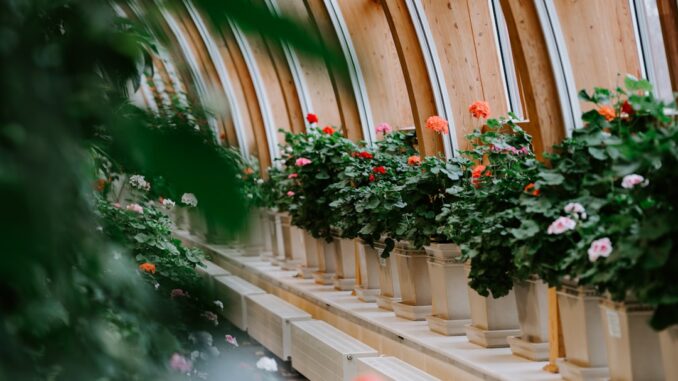
Plants are, of course, the most obvious and arguably most impactful natural element. They do so much more than just look pretty: they purify the air, boost humidity, reduce stress, and can even improve focus. Think big. Instead of just small pots, consider large, statement-making potted trees like an olive tree, a fiddle-leaf fig, or a majestic bird of paradise. These act as living sculptures, drawing the eye upwards and bringing a sense of grandeur to the space. Hanging gardens or vertical living walls are also fantastic options, especially if floor space is at a premium. They transform a blank wall into a vibrant, breathing ecosystem, creating a striking visual feature and a continuous display of nature.
When choosing plants, think about light requirements, humidity needs, and how they contribute to the overall aesthetic. Are you aiming for a tropical jungle vibe, a Mediterranean oasis, or something more minimalist? Mixing textures and shades of green adds depth and interest. Remember, nurturing plants can also be a meditative practice in itself, offering a tangible connection to the natural world and a sense of accomplishment. I find that the act of caring for a plant, watching it grow, is incredibly grounding. There’s a real joy in it.
The Soothing Sound of Water
Beyond greenery, consider the gentle power of water. A small, self-contained indoor fountain can introduce the most wonderfully soothing sounds. The soft trickle or gentle splash of water is naturally calming, masking background noise and creating a serene auditory landscape. It’s a subtle yet incredibly effective way to enhance the tranquil atmosphere. Some fountains are beautifully designed, becoming a sculptural focal point, while others are discreet, letting the sound speak for itself. You can even choose options with integrated lighting to add to the ambiance in the evenings, creating a truly magical effect.
Tactile Textures and Earthy Scents
Don’t forget the tactile and olfactory senses. Incorporate natural materials that beg to be touched: rough-hewn timber, smooth polished stone, soft linen fabrics. These textures connect us to the earth and add depth to the design. For scent, consider not just fragrant plants like jasmine, gardenia, or citrus trees, but also natural diffusers with essential oils like lavender, frankincense, or sandalwood. Even the subtle, earthy aroma of potting soil can evoke a sense of grounding and connection to nature. It’s all about creating an environment that feels rich and multi-sensory, a true feast for your spirit.
Designing Functional Outdoor Spaces: Extending Your Living Horizon
Your orangery is the bridge, but the outdoor space it connects to is where your living truly expands. It’s not just a ‘garden’ anymore; it’s an extension of your home, an additional ‘room’ that invites relaxation, entertainment, and a deeper engagement with nature. Thinking of it this way changes everything, transforming how you approach its design.
The Outdoor Living Room
First up, let’s create that comfortable outdoor seating area. This is your al fresco lounge, a place for morning coffee, evening cocktails, or simply unwinding with a good book. Invest in high-quality, weather-resistant furniture that’s comfortable and stylish. Think deep-seated sofas, plush cushions, and perhaps a stylish fire pit that doubles as a coffee table. The key is to mirror the comfort and style of your indoor living room, making the transition feel natural and inviting. Imagine sinking into those cushions after a long week, a gentle breeze rustling the leaves nearby, perhaps a warm blanket draped over your lap as the stars begin to emerge.
The Al Fresco Dining Experience
If space allows, an outdoor dining area is a must. Few things beat dining under the open sky. Choose a durable table and chairs that can withstand the elements and accommodate your entertaining needs. Even better? An outdoor kitchen! We’re not just talking about a barbecue; think about a proper setup with a sink, prep space, and perhaps even a small refrigerator. This elevates outdoor entertaining to a whole new level, making al fresco dining a breeze and preventing endless trips back and forth to your indoor kitchen. Just last summer, I helped a client design an outdoor kitchen complete with a pizza oven, and let me tell you, their garden became the go-to spot for every family gathering. It wasn’t just practical; it created so many wonderful memories.
Shade, Shelter, and Ambiance
To make your outdoor space truly usable in various weather conditions, incorporating shade and shelter is paramount. A beautifully designed pergola, perhaps adorned with climbing plants like wisteria or grapevines, can offer dappled shade and a lovely natural canopy. Retractable awnings or sail shades provide flexible sun protection, allowing you to enjoy the space even on the hottest days. For cooler evenings, outdoor heaters or a stunning fire pit become invaluable, extending the usability of your outdoor oasis well into the shoulder seasons. Picture yourself gathered around a crackling fire pit, sharing stories and laughter, feeling the warmth against your skin. It’s pure magic.
Finally, don’t underestimate the power of thoughtful outdoor lighting. Well-placed path lights, subtle uplighters highlighting trees or architectural features, and ambient string lights can completely transform the mood of your garden after dusk. It creates depth, interest, and most importantly, makes the space feel safe and inviting long after the sun has set.
Enhancing Privacy and Comfort: Your Personal Retreat
While the goal is to create a beautiful, seamless connection to the outdoors, we can’t forget about the fundamental human needs for privacy and comfort. An orangery designed for wellness should feel like a personal retreat, a sanctuary where you can truly relax without feeling exposed or battling uncomfortable temperatures. It’s about finding that sweet spot between openness and intimacy.
Intelligent Screening Solutions
Privacy is key, especially if your orangery or garden is overlooked. Outdoor curtains made from weather-resistant fabrics can provide instant privacy when needed, softening the look of the space and adding a touch of elegance. They also offer a flexible solution for sun control and can be drawn back to embrace the view. Retractable screens, perhaps integrated into your pergola or decking structure, are another sleek option, disappearing when not in use. For a more permanent solution, strategic planting of mature trees, dense shrubs, or even bespoke slatted screens can create natural barriers that offer privacy without feeling like you’re walled in. And don’t forget the power of ‘smart glass’ or electrochromic glass. It lets you switch from transparent to opaque with the flick of a switch, providing instant privacy and solar control, which is quite futuristic, actually.
Mastering the Climate Inside
Comfort within your orangery hinges significantly on climate control. Despite advances in glazing technology, an all-glass structure can still be prone to temperature fluctuations. A well-designed orangery should have an efficient heating system, whether underfloor heating for luxurious warmth, stylish radiators, or discrete air conditioning units for those sweltering summer days. Better yet, consider an integrated heating and cooling system that maintains a consistent, comfortable temperature year-round, making the space truly enjoyable regardless of the season. No one wants to sit in an oven in July or shiver in February, right? Ensuring optimal thermal comfort means you’ll actually use your orangery as intended, rather than just admiring it from afar.
Sound insulation is another aspect of comfort often overlooked. If your garden is noisy or you want to truly create a tranquil retreat, consider acoustic glazing or sound-absorbing materials in your soft furnishings. This minimizes external disturbances, allowing you to fully immerse yourself in the calm atmosphere you’ve worked so hard to create. Imagine reading a book without the distant hum of traffic or the neighbour’s lawnmower; it’s pure bliss.
Smart Home Integration
Finally, for ultimate comfort and ease, consider integrating your orangery with your smart home system. Imagine controlling the lighting, temperature, automated blinds, and even your outdoor water features from a single app or voice command. This level of control allows you to effortlessly tailor the environment to your precise preferences, enhancing both convenience and the overall sense of well-being. It’s about letting technology serve your comfort, making your sanctuary truly effortless to enjoy, leaving you more time to simply be.
Conclusion: Your Orangery as a Wellness Oasis
Designing your orangery with a deep understanding of the indoor-outdoor connection isn’t just a trend; it’s an investment in your daily happiness and long-term well-being. By thoughtfully integrating elements like abundant natural light, superior ventilation, a truly cohesive design, and the calming presence of natural elements, you can create a sanctuary that continuously nourishes your mind, body, and spirit. It’s about crafting a space that doesn’t just look beautiful but feels beautiful to inhabit.
Blurring the lines between your home and garden transforms your living experience, offering a constant invitation to connect with nature, breathe deeply, and find moments of peace in our often-frenetic world. This seamless integration doesn’t just enhance the aesthetic appeal of your home; it fundamentally contributes to a healthier, more vibrant, and infinitely more enjoyable way of living. So go on, embrace the vision, and create that truly extraordinary space you’ve been dreaming of, you won’t regret it.
Be the first to comment