

Summer Fun Beyond the Screen: Engaging Activities for Your Kids
Ah, summer! The days stretch long and golden, the sun seems to shine just a little brighter, and for many of us, it brings that familiar, joyous (and sometimes slightly daunting) question: ‘How on earth am I going to keep the kids engaged and entertained for the next few months?’ School’s out, the routines have shifted, and while a little screen time is inevitable, perhaps even a welcome respite for everyone, we all know the allure of digital devices can quickly turn into a full-blown takeover. We want our children to create, explore, move their bodies, and connect with the world around them, don’t we? To fill their summer memories with sticky fingers from craft projects, the satisfying crunch of leaves underfoot during an adventure, and the delightful chaos of an outdoor game.
It’s a challenge many parents and caregivers face, figuring out how to strike that balance. You’re looking for activities that aren’t just time-fillers, but genuine opportunities for learning, growth, and good old-fashioned fun. Something that sparks curiosity and creativity, something that gets those little legs moving. Well, you’re in luck! I’ve been there, and I’ve compiled a list of five fantastic, engaging, and wonderfully active ideas that will not only keep your little ones busy but will also create some truly cherished summer memories. Let’s dive in and transform this summer into an unforgettable season of discovery and delight.
1. The Great Backyard Scavenger Hunt: A Quest for Curiosity
There’s something inherently thrilling about a treasure hunt, isn’t there? The anticipation, the challenge, the joy of discovery – it’s a timeless activity that taps into our innate sense of adventure. A backyard scavenger hunt takes this classic concept and adapts it perfectly for those sunny summer days, transforming your ordinary outdoor space into a vibrant landscape of possibility. It’s an absolute winner for getting kids moving, thinking critically, and sharpening those all-important observation skills, often without them even realizing they’re learning.
Planning Your Epic Expedition
Before the kids burst through the door with boundless energy, a little preparation goes a long way. Start by crafting a list of items for them to find. For younger adventurers, think simple: ‘a red leaf,’ ‘a smooth stone,’ ‘something that feels bumpy,’ ‘a feather.’ Using pictures alongside words can be incredibly helpful for pre-readers, too, making the hunt accessible for everyone. For the slightly older, more seasoned explorers, you can elevate the challenge significantly. Try incorporating riddles, cryptic clues, or even a series of mini-puzzles that lead them from one spot to the next, eventually revealing the location of a ‘treasure’ – perhaps a new book, a small toy, or even just an ice pop to cool down with.
Remember, the beauty here is in the simplicity. You don’t need fancy equipment; just your imagination and perhaps a clipboard for that authentic explorer vibe. Think about varying the types of items. It’s not just about visual identification; consider ‘something that smells good,’ or ‘something that makes a sound when you shake it.’ This encourages a multi-sensory engagement with their environment, which is simply brilliant.
Unleash the Themes: Beyond the Basics
Don’t limit yourself to just generic backyard items. This is where you can really let creativity soar! A nature-themed scavenger hunt, as you might guess, is always a hit. Instead of specific objects, ask them to find ‘something that flies’ (a bird, a bee, a dandelion seed), ‘something that grows’ (a tiny sprout, a tall blade of grass), or ‘something left behind by an animal’ (a shed leaf, a tiny feather, a forgotten nut shell). This encourages a deeper interaction with the natural world, fostering an appreciation for biodiversity right in their own garden.
But why stop there? Imagine a color-themed hunt: ‘find five things that are green,’ ‘three things that are yellow.’ Or a texture hunt: ‘something rough,’ ‘something smooth,’ ‘something soft.’ You could even do a letter-based hunt: ‘find something that starts with the letter ‘S’.’ The possibilities are truly endless, and each theme offers a fresh perspective, keeping the activity engaging over multiple sessions.
Creative Variations to Keep it Fresh
To really spice things up and prevent the ‘been there, done that’ feeling, consider these fun twists:
- Photo Scavenger Hunt: Equip older kids with a camera (or a smartphone if you’re comfortable) and challenge them to photograph the items on their list. This adds a fantastic digital literacy component and encourages them to frame their discoveries. Plus, you get a lovely album of their findings!
- Team Challenge: Divide the kids into teams, perhaps pairing an older child with a younger one. This promotes teamwork, communication, and allows for peer mentoring. The friendly competition adds another layer of excitement, though it’s important to emphasize the fun over winning.
- Neighborhood Adventure (with supervision!): If your neighborhood is safe and walkable, and you’re with them, expand the hunt beyond the backyard. ‘Find a blue mailbox,’ ‘a house with flowers on the porch,’ ‘a dog walker.’ This helps kids observe their local community and can turn a routine walk into an adventure.
- Nighttime Glow Hunt: For a truly magical experience, wait until dusk. Hide glow sticks or small battery-operated fairy lights, then give the kids flashlights to find them. Just be sure the area is completely safe and clear of hazards before attempting this one. It’s absolutely enchanting, believe me.
I recall one balmy summer evening, my own two, quite competitive, kids transformed our garden into a quest for ‘magical moon rocks’ – which were just ordinary stones I’d painted with glow-in-the-dark paint. The excited shrieks and the focused beams of their little flashlights piercing the twilight were simply priceless. It’s those simple, unexpected moments that often become the most cherished memories.
Crucially, a scavenger hunt isn’t just about finding things; it’s about the journey, the conversations, the problem-solving, and the sheer joy of exploration. It pulls them away from screens, gets them breathing fresh air, and allows their imaginations to run wild. So, grab a pen, make your list, and send those little adventurers on their way!
2. The Mighty DIY Craft Station: Unleashing Inner Artists and Engineers
What child doesn’t revel in the freedom to create, to make something tangible from their own imagination? A dedicated DIY craft station isn’t just a way to fill time; it’s a vibrant hub for developing fine motor skills, fostering creativity, understanding basic engineering principles, and expressing individuality. Think of it as their personal studio, a place where sticky tape and glitter are celebrated, not just tolerated.
Setting Up Your Creative Corner
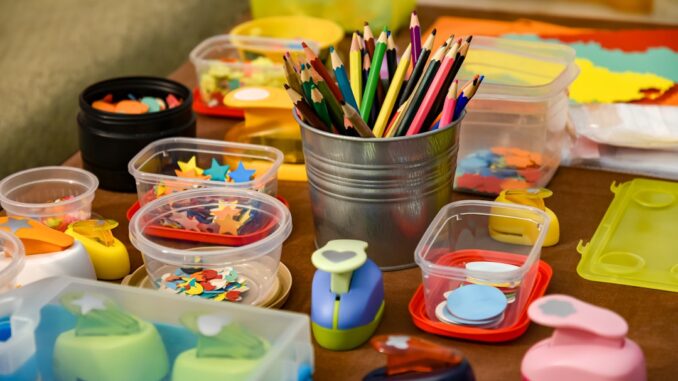
First things first, dedicate a space. This could be a corner of the kitchen table, a spot on the patio, or even a designated table in a playroom. The key is to make it easily accessible and, perhaps more importantly, easy to clean. Lay down a plastic tablecloth or old newspapers to protect surfaces – trust me, it’s a lifesaver when paint is involved.
Now, for the supplies. While construction paper, markers, glue sticks, and kid-safe scissors are your foundational elements, don’t be afraid to expand your arsenal. Consider:
- Paints: Washable tempera or watercolor sets are ideal. Add paintbrushes of various sizes, sponges, and even cotton swabs for different effects.
- Textural elements: Yarn, string, fabric scraps, cotton balls, pipe cleaners, googly eyes, sequins, glitter (use judiciously!). These add dimension and sensory engagement.
- Building blocks: Popsicle sticks, craft foam, cardboard tubes (paper towel, toilet paper rolls) are fantastic for 3D constructions.
- Adhesives: Beyond glue sticks, have a bottle of school glue and perhaps some child-safe tape (washi tape is fun and less intimidating).
- Cutting tools: In addition to scissors, maybe some craft punches for interesting shapes.
Organize these materials in clear bins or small containers. When everything has its place, it’s easier for kids to find what they need and, hopefully, put it back. This also subtly teaches organizational skills, a nice bonus that happens almost by accident.
Theme It Up: Sparking Imagination with Prompts
While freeform creation is wonderful, sometimes a gentle theme can kickstart the imagination, especially if you’re dealing with a moment of ‘I don’t know what to make!’ Expanding on our earlier ideas, consider weekly themes:
- Under the Sea: Think blue and green paper, glitter glue for ‘water,’ pipe cleaner ‘coral,’ paper plate ‘fish,’ and shell collages.
- Outer Space: Silver foil, black paper, glow-in-the-dark paint, cut-out stars, rocket ships from cardboard tubes, and alien puppets.
- Safari Adventure: Paper plate masks of jungle animals, binoculars from toilet paper rolls, leafy collages, and ‘tiger stripe’ paintings.
- Build a City: Cardboard boxes become skyscrapers, toilet paper rolls are pillars, and little painted cars zoom along hand-drawn roads. This theme is particularly good for collaborative play.
- Nature’s Bounty: Collect natural elements from outside – leaves, small twigs, pebbles, flower petals – and incorporate them into collages, paintings, or sculptures. It’s a wonderful way to bring the outside in and appreciate natural textures.
These themes provide a starting point, a launchpad for their ideas. You’ll be amazed at how quickly their unique perspectives will transform a simple suggestion into something truly original.
The Power of Upcycling: Crafting with Recycled Materials
One of my absolute favorite aspects of a craft station is the opportunity to incorporate recycled materials. This isn’t just eco-friendly; it’s an incredible lesson in sustainability and innovative problem-solving. It teaches kids to see potential in everyday ‘junk,’ to transform the discarded into something new and exciting.
Start a ‘recycling bin’ specifically for crafts. Collect:
- Cardboard boxes: Cereal boxes, tissue boxes, delivery boxes – these are the ultimate building blocks for castles, robots, cars, or dollhouses.
- Toilet paper and paper towel rolls: Perfect for binoculars, rockets, puppets, or structural components.
- Plastic bottles and containers: Washed yogurt cups, milk jugs, water bottles can become planters, storage, or parts of a larger sculpture.
- Egg cartons: Excellent for sorting, painting, or creating ‘creature’ segments.
- Old magazines and newspapers: Fantastic for collages, paper mache, or simply drawing practice.
- Fabric scraps: Saved from old clothes, towels, or bedsheets – great for adding texture, making doll clothes, or small textile projects.
My kids once spent an entire rainy afternoon constructing a ‘robot city’ entirely from old cereal boxes, bottle caps, and tin foil. It was wonderfully chaotic, structurally questionable in places, but their pride in what they’d created was palpable. It’s moments like these that reinforce the value of resourcefulness.
Beyond Just ‘Crafts’: Exploring New Skills
If your kids show a particular interest, don’t be afraid to introduce more complex, age-appropriate activities. Think about:
- Basic sewing: Simple stitches with a large needle and yarn on felt can teach hand-eye coordination and patience.
- Weaving: A homemade loom from cardboard or a simple weaving kit can be fascinating.
- Origami: Learning to fold paper into shapes is a quiet, meditative, and skill-building activity.
- Junior woodworking kits: With supervision, these can introduce tool safety and basic construction.
Ultimately, the craft station isn’t about perfection; it’s about the process. It’s about letting children experiment, make mistakes, and discover the joy of bringing an idea to life. And when they’re done, prominently display their masterpieces! A fridge door gallery or a dedicated shelf boosts their confidence and celebrates their hard work. It tells them, ‘Your creativity matters here.’
3. The Ultimate Outdoor Obstacle Course: Active Fun for All Ages
Let’s face it, kids have an abundance of energy, especially during the summer. Harnessing that boundless enthusiasm into something productive and incredibly fun is the name of the game, and an outdoor obstacle course is a fantastic way to do it. It’s not just about burning off steam; it’s a dynamic activity that develops gross motor skills, enhances balance, builds coordination, improves strength, and sharpens problem-solving abilities, all while promoting healthy competition and, most importantly, laughter.
Designing Your Dynamic Course: From Simple to Spectacular
You don’t need a professional gym setup to create an engaging obstacle course. Look around your house and yard; everyday items are your best friends here. The beauty is in transforming the familiar into the challenging. Here’s how to get started:
1. Identify Your Space: A flat, open area in the backyard is ideal. Ensure it’s clear of any hazards like sharp objects, uneven ground, or fragile garden elements.
2. Gather Your ‘Obstacles’: Get creative with what you have. Think about items that can be climbed over, crawled under, weaved through, or jumped on.
- Hurdles/Jumps: Hula hoops laid flat, pool noodles propped up between two chairs, or even just sticks laid across small bricks.
- Crawls: Blankets draped over two chairs create a tunnel. A low-hanging rope or a laundry basket turned on its side works too.
- Balance: A plank of wood laid flat on the grass (ensure stability), a garden hose laid in a wavy line to walk along, or stepping stones.
- Weaving/Agility: Cones, plastic bottles, or even small potted plants can be used to create a slalom course.
- Climbing/Jumping over: Cushions, old tires (if you have them safely stored), or even sturdy cardboard boxes.
- Throwing: A bucket or laundry basket for a target toss, using beanbags or soft balls.
- Running/Sprinting: Designate a clear start and finish line for a quick dash.
3. Chart the Course: Once you’ve gathered your elements, arrange them in a logical sequence. Start with something simple to build confidence, then gradually increase the difficulty. Draw a quick map or simply verbally explain the route. The goal isn’t to make it impossible, but engaging and just a little bit tricky.
Adding Dynamic Elements and Challenges
To keep the excitement high and the kids coming back for more, think about introducing variations:
- Water Obstacles (on a hot day!): A sprinkler to run through, buckets of water to jump over, or even a slip-n-slide segment. Just be sure to create a safe, non-slip transition zone.
- Time Trials: Grab a stopwatch! Time each child as they navigate the course. The goal isn’t necessarily to beat each other (though friendly competition is fine) but to encourage them to beat their own personal best. This teaches self-improvement and setting goals.
- Relay Races: If you have multiple children or a group, divide them into teams. Each team member completes a segment or the entire course before tagging the next person. This fosters teamwork and strategy.
- Blindfolded Challenges (with spotters!): For a truly unique twist, have one child guide a blindfolded partner through a very simple, pre-cleared section of the course using only verbal instructions. This builds trust and communication skills.
- Themed Courses: A ‘ninja warrior’ course, a ‘spy training’ course, or a ‘jungle trek.’ Let their imaginations run wild with the narrative.
I vividly remember constructing a ‘lava pit’ out of red blankets in our living room one particularly rainy summer. The kids had to leap from cushion to cushion, navigating ‘safe zones’ to escape the dreaded lava. It was pure chaos, but the giggles and focused determination were infectious. The outdoor version, of course, means you’re not risking your sofa!
Making it a Family Event: Lead by Example
Here’s a crucial ‘pro tip’: make it a family affair. Children learn so much by watching us, and when you participate, you’re not just a supervisor; you’re a fellow adventurer. Demonstrate how to navigate an obstacle, cheer them on, and even take a turn yourself. It’s a fantastic way to bond, to share some hearty laughs, and to set a healthy, active example. They’ll love seeing you huff and puff through the hula hoops! Plus, it gives you a bit of a workout too, which isn’t a bad deal for a summer afternoon.
Remember, safety is paramount. Before each run, do a quick check of the course for stability and clear any new debris. The beauty of an outdoor obstacle course is its adaptability – you can change it every week, adding new elements or modifying existing ones, ensuring it remains fresh, exciting, and a perennial summer favorite for getting those bodies moving and those brains engaged.
4. Backyard Science Experiments: Unlocking the World of Discovery
Science, to a child, isn’t just a subject; it’s magic. It’s the ‘why’ and ‘how’ behind everything, and summer is the perfect season to tap into that inherent curiosity. Setting up a mini science lab right in your backyard, or even at the kitchen table, can ignite a lifelong love for discovery, critical thinking, and problem-solving. These activities aren’t just ‘fun and educational’ – they’re transformative, turning abstract concepts into tangible, exciting experiences.
The Allure of Simple, Safe Science
Forget needing a fancy laboratory; many of the most captivating experiments can be done with household ingredients. The key is to keep it safe, supervised, and focused on the ‘wow’ factor. Let’s expand on some classics and introduce a few more:
1. The Classic Volcano Eruption: This never gets old! Mix baking soda with a few drops of dish soap (for extra foam) in a small bottle or cup placed inside a larger tray or plastic container. Then, slowly pour in vinegar, perhaps mixed with a little red food coloring for that authentic lava look.
- Variations: Build a ‘mountain’ around your bottle with clay or sand. Experiment with different amounts of baking soda and vinegar. What happens if you add lemon juice instead of vinegar? Discuss the acid-base reaction happening right before their eyes – the release of carbon dioxide gas causing the fizz!
2. Marvellous Slime Creations: The tactile joy of slime is undeniable. There are countless recipes, but a simple borax-free one often involves liquid starch and school glue, or contact lens solution and baking soda.
- Variations: Add food coloring, glitter, small beads, or even miniature plastic insects to your slime. Discuss the concept of polymers and how different ingredients change the consistency – is it a liquid or a solid? It’s a non-Newtonian fluid, meaning its viscosity changes under stress! Cool, right?
3. Rainbow Density Tower: A visually stunning experiment that demonstrates different liquid densities. In a tall, clear glass, carefully layer various liquids that have different densities, such as honey, corn syrup, dish soap, water (colored with food coloring), and oil. Pour slowly over the back of a spoon to prevent mixing.
- The Science: Explain that denser liquids sink below less dense liquids. You can even try dropping small objects into the tower to see where they float or sink.
4. Walking Water: A magical demonstration of capillary action. Line up several clear cups. Fill alternating cups with water and different food colorings. Place folded paper towel strips connecting the water-filled cups to the empty ones. Over time, the colored water will ‘walk’ up and over the paper towel into the empty cups, eventually mixing to create new colors!
- The Science: Discuss how plants draw water up through their roots – it’s the same principle! This shows how water molecules are attracted to paper towel fibers, moving against gravity.
5. Exploding Baggies: A quick and satisfying experiment. In a zip-top sandwich bag, mix about 1/4 cup of warm water with a few drops of food coloring. In a separate small piece of paper towel, wrap 2-3 tablespoons of baking soda. When ready, drop the baking soda packet into the water bag, quickly seal it shut, and place it on the ground (preferably outside!). Watch it expand and pop!
- The Science: Another acid-base reaction creating carbon dioxide gas. The gas builds pressure inside the sealed bag until it can’t hold anymore and bursts. A great visual of gas expansion.
Embracing the Scientific Method (Simplified)
These experiments aren’t just about the ‘oohs’ and ‘aahs.’ They’re prime opportunities to subtly introduce the core principles of the scientific method. You can guide your kids by:
- Observing: ‘What do you notice happening?’
- Asking Questions: ‘Why do you think the volcano bubbled up so much?’ ‘What would happen if…?’
- Hypothesizing: ‘I think if we add more baking soda, it will explode even bigger!’
- Experimenting: ‘Let’s try it and see!’
- Concluding: ‘What did we learn?’ ‘Was our guess correct?’
This simple framework encourages critical thinking and helps them understand the process of scientific inquiry, rather than just passively watching a reaction.
The Mini Science Fair: Share and Shine
To truly cap off their scientific adventures, transform your living room or backyard into a ‘mini science fair.’ Have your kids present their favorite experiment or two, explaining what they did, what happened, and why they think it happened.
- Preparation: Help them create a simple poster board outlining their experiment, materials, steps, and results. Encourage them to use drawings or photos.
- Presentation: Let them ‘teach’ you or other family members about their project. Answer questions. This boosts their confidence, public speaking skills, and solidifies their understanding of the scientific concepts. It’s truly amazing to see how articulating their discoveries helps them cement the knowledge.
Always ensure appropriate adult supervision for all experiments, especially when dealing with any chemicals, even common household ones. Safety goggles aren’t just for show; they reinforce good lab practices. Science is about safe exploration, and what a wonderful gift to give your children: the joy of understanding how the world works, one fascinating reaction at a time.
5. The Enchanted Family Movie Night: Crafting Cozy Traditions
After a day filled with energetic scavenger hunts, sticky craft projects, or bubbling science experiments, there’s nothing quite like winding down together. And what better way to do that than with a classic family movie night? It’s more than just watching a film; it’s an opportunity to create cozy traditions, share laughs, spark conversations, and simply enjoy being present with one another. It’s a wonderful way to recharge and connect.
Elevating the Experience: More Than Just a Movie
Don’t just hit play. Turn your movie night into an ‘event.’ A little effort in the setup can transform a simple evening into a memorable occasion.
1. The Ultimate Cozy Zone: This is crucial. Gather every blanket and pillow in the house. Build a giant fort in the living room – or even better, if you have a projector and a safe outdoor space, set up an outdoor ‘cinema’ with sheets, fairy lights, and plenty of comfortable seating. The more plush and inviting, the better. Think about dimming the lights, maybe even lighting some child-safe LED candles for ambiance.
2. Themed Decor and Dress-Up: If you’re watching a movie about pirates, tie some bandanas around your heads! If it’s a space adventure, create some quick cardboard alien masks. Even simple touches like a ‘movie ticket’ station where kids can draw their own tickets can make it feel special and increase the anticipation.
3. Collaborative Snack Creation: Popcorn is a given, of course. But why stop there? Let the kids help make some fun, themed snacks. ‘Worm and dirt’ cups (gummy worms in crushed Oreos), ‘monster eyes’ (grape skewers with a blueberry pupil), or even just a platter of colorful fruit. Making the snacks together adds another layer of engagement and builds excitement for the main event. It also teaches them a little kitchen safety and following instructions, you know.
I remember one particularly hot summer evening, we set up a ‘drive-in’ movie night in the backyard. The kids decorated cardboard boxes to look like cars, complete with paper plate steering wheels, and sat inside them munching popcorn as a classic animated movie played on a sheet projected against the fence. It was a simple idea, but absolutely magical for them.
Post-Movie Magic: Sparking Conversation and Connection
The movie doesn’t have to be the end of the fun. In fact, the discussion afterwards can be just as enriching as the viewing itself. This is where you can encourage critical thinking, emotional processing, and shared reflection.
-
Guiding Questions: Instead of just ‘Did you like it?’, try prompts like:
- ‘What was your favorite part of the movie, and why?’
- ‘Who was your favorite character? What qualities did you admire about them?’
- ‘Was there anything that surprised you or made you feel sad/happy/scared?’
- ‘What do you think was the main message or lesson of the story?’
- ‘If you could change one thing about the movie, what would it be?’
- ‘How would you have reacted in that situation?’
-
Predicting Sequels: ‘What do you think happened next? How would you write a sequel?’ This is a brilliant way to encourage creative storytelling and imaginative thinking.
These conversations not only help children articulate their thoughts and feelings but also provide valuable insights into their perspectives. It’s a beautiful way to connect on a deeper level and understand what resonates with them.
The Rotation Ritual: Everyone Gets a Turn
To ensure everyone feels included and gets a chance to explore their tastes, rotate who picks the movie each week. This fosters a sense of fairness and autonomy, and it’s a fantastic way to introduce everyone to new films or re-discover old favorites. You might stumble upon a gem you never would have watched otherwise, or revisit a classic that brings back fond memories from your own childhood. It encourages a broader appreciation for different genres and stories, which is something I find quite lovely.
If movies aren’t always the vibe, consider an alternative ‘night in’ from time to time: a family board game night, a storytelling circle (each person adds a sentence to a communal story), or even a ‘talent show’ where everyone gets to perform a short skit or song. The core idea remains the same: dedicated, screen-free (mostly, for the movie part!), intentional time together, fostering connection and creating enduring family traditions. These are the moments, I believe, that truly weave the fabric of family life, creating a tapestry of warmth and shared happiness that lasts far beyond the summer months.
Keeping your kids entertained and engaged this summer truly doesn’t have to be an overwhelming chore, nor does it require a bottomless budget. With a dash of creativity, a pinch of planning, and a generous sprinkle of enthusiasm, you can transform ordinary days into extraordinary adventures. These activities aren’t just about filling hours; they’re about fostering curiosity, building skills, and forging stronger family bonds. Remember, the most cherished moments often spring from the simplest activities, from the shared laughter, the collaborative efforts, and the quiet joy of discovery that brings families closer. So, go ahead, unplug a little, get messy, explore, and make this summer one for the memory books. Your kids – and you! – will be so glad you did.
References:
Be the first to comment