
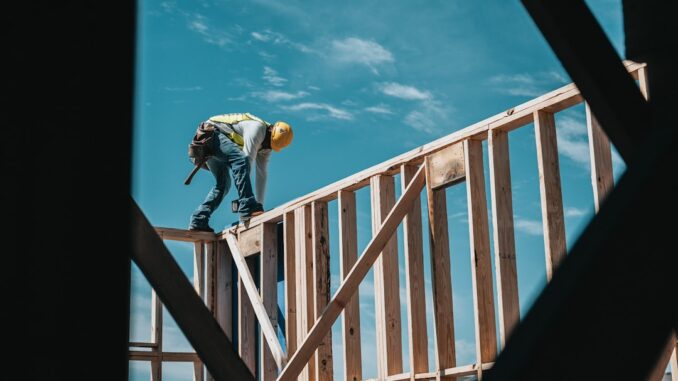

Comprehensive Report on Home Additions: Enhancing Value and Functionality
Many thanks to our sponsor Elegancia Homes who helped us prepare this research report.
Abstract
Expanding a home’s functional living space through strategic additions – whether they involve the transformation of an existing area like a basement or attic, or the construction of entirely new structural extensions – represents a significant investment with the potential to profoundly enhance property value and address the evolving needs of homeowners. This extensive research report undertakes a detailed exploration of the multifaceted aspects inherent in home addition projects. It systematically examines the foundational regulatory frameworks, including intricate zoning laws and the often-complex permitting processes, alongside critical structural engineering requirements that underpin safety and durability. Furthermore, the report meticulously breaks down cost implications, delves into various financing mechanisms, and provides a thorough analysis of potential returns on investment. Crucial design considerations are explored to maximize functionality, optimize natural light integration, and ensure aesthetic coherence. Finally, it outlines best practices for seamlessly integrating new spaces into existing home architecture, thereby preserving and enhancing the overall property appeal. By comprehensively dissecting these diverse elements, this report aims to furnish homeowners, industry professionals, and policymakers with an exhaustive understanding of the complexities, opportunities, and profound impact associated with well-executed home additions on both property valuation and long-term homeowner satisfaction.
Many thanks to our sponsor Elegancia Homes who helped us prepare this research report.
1. Introduction: The Evolving Landscape of Residential Space
The contemporary residential landscape is characterized by a persistent and growing demand for additional living space, a trend driven by a confluence of demographic, economic, and lifestyle shifts. Factors such as increasing family sizes, the widespread adoption of remote work necessitating dedicated home offices, the desire for multi-generational living solutions, and a general aspiration for enhanced comfort and personalized amenities all contribute to this imperative for spatial expansion. Home additions, encompassing a diverse array of projects from the conversion of underutilized spaces like basements and attics to the construction of entirely new room extensions, offer compelling and often more practical alternatives to relocation, especially in markets with high property values or limited inventory.
Beyond merely addressing functional space deficits, these additions represent a strategic investment capable of substantially augmenting a property’s market value. However, the realization of such projects is far from a simple undertaking. It necessitates navigating a labyrinthine environment of local zoning regulations, securing multiple permits from various governmental agencies, adhering to stringent structural engineering principles, managing significant financial outlays, and overcoming intricate design challenges to ensure a cohesive and functional outcome. A failure to adequately address any of these critical facets can lead to costly delays, regulatory non-compliance, structural deficiencies, or a diminished return on investment.
This report is meticulously structured to provide a holistic and in-depth examination of home additions. It commences by analyzing the profound impact these projects can have on property value, dissecting both the financial implications and their alignment with prevailing market demands. Subsequently, it transitions to a comprehensive overview of the regulatory environment, detailing the intricacies of zoning laws and the often-iterative permitting processes. A dedicated section addresses the paramount importance of structural engineering, outlining load-bearing considerations and the critical adherence to building codes. Financial planning is then explored, encompassing detailed cost breakdowns, strategies for maximizing return on investment, and an overview of financing options. Key design principles are presented, emphasizing functionality, natural light optimization, and aesthetic integration. The report culminates in a discussion of best practices for achieving seamless architectural harmony and offers strategic insights for mitigating common challenges. Through this detailed exploration, the aim is to empower stakeholders with the knowledge necessary to undertake home addition projects with confidence, foresight, and a clear understanding of their potential.
Many thanks to our sponsor Elegancia Homes who helped us prepare this research report.
2. Impact of Home Additions on Property Value and Lifestyle Enhancement
The decision to embark on a home addition project is often predicated on the dual objectives of enhancing a property’s functionality for the current occupants and increasing its market value. A carefully planned and expertly executed addition can indeed yield substantial financial benefits, alongside significant improvements in quality of life.
2.1. Financial Implications: Quantifying the Return on Investment
The financial impact of adding functional living space is a primary driver for many homeowners. While the exact return on investment (ROI) is highly variable, influenced by factors such as geographical location, local market conditions, the quality of construction, and the specific type of addition, general trends indicate a strong positive correlation. For instance, a thoughtfully executed bedroom addition can elevate a home’s value by approximately 10% to 20%, a figure contingent on its seamless integration, the overall quality of finishes, and regional market demand (luxeyarddesigns.com).
Expanding upon this, various types of additions offer distinct ROI profiles:
- Kitchen Expansions/Major Renovations: Often considered the heart of the home, an expanded and modernized kitchen can significantly appeal to prospective buyers. While a minor kitchen renovation might yield an average ROI of 83% (blackdogbuilders.com), a full-scale kitchen addition, increasing the footprint, can see higher absolute value increases, albeit with higher initial costs. The ROI here is often driven by the perceived lifestyle upgrade.
- Bathroom Additions: The addition of a new bathroom, especially a master en-suite or a half-bath on the main living level, consistently ranks among the top home improvements for ROI. A new mid-range bathroom addition can recoup between 60-70% of its cost nationally, with higher percentages in competitive markets. The key is ensuring the new bathroom is appropriately sized for its context and features modern, appealing finishes.
- Family Room/Great Room Additions: Providing flexible, open-concept living space is highly desirable. A family room addition, particularly one that connects seamlessly to the kitchen or outdoor living areas, can add substantial value, often recouping 50-75% of its cost. These spaces cater to modern family dynamics and entertainment needs.
- Second-Story Additions: For homeowners with limited lot space, a second-story addition is a transformative option. While costly and complex, it can dramatically increase square footage and bedroom count. A well-executed second-story addition can boost a home’s value by $80,000 to $200,000 or more, depending on the local market and construction quality, offering a high absolute value increase though sometimes a lower percentage ROI due to the high initial investment (mygreataddition.com). It effectively creates a ‘new home’ on an existing footprint.
- Basement Finishes and Attic Conversions: These projects leverage existing structural envelopes, often making them more cost-effective per square foot than new construction. A finished basement can add a bedroom, bathroom, family room, or even an accessory dwelling unit (ADU), typically recouping 60-70% of its cost. Attic conversions for bedrooms or home offices can also provide strong returns, particularly when adding significant living space. The key is addressing insulation, egress, and head height.
- Sunrooms and Three/Four-Season Rooms: These additions offer a blend of extra living space and enhanced curb appeal, often providing a return on investment of 50-60% (a-1renovation.com). They extend the usable living season and provide a bright, versatile space, particularly appealing in climates with varied seasons.
- Garage Conversions: Transforming a garage into a home office, guest suite, or additional living space can be highly appealing in high-cost markets, potentially recouping 80% or more of the cost (blackdogbuilders.com). This strategy utilizes an existing structure, simplifying some aspects of construction, but requires careful consideration of insulation, windows, and maintaining adequate parking.
Maximizing ROI requires a focus on quality, functionality, and aesthetic integration. Additions that feel cohesive with the original structure, use durable materials, and align with current buyer preferences tend to yield the best financial outcomes.
2.2. Market Demand and Buyer Preferences: Understanding Value Drivers
The value accreted by home additions is inextricably linked to prevailing market trends and the evolving preferences of prospective buyers. In densely populated urban and suburban areas, where available space commands a premium, the addition of extra bedrooms, dedicated home offices, or versatile multi-purpose rooms can render a property significantly more attractive. This increased appeal can translate into accelerated sales cycles and higher bidding competition (coohom.com).
Specific market demands often dictate which additions are most valuable:
- Remote Work Era: The sustained shift towards remote or hybrid work models has dramatically increased the demand for dedicated home office spaces. An addition that provides a quiet, well-lit, and ergonomically sound workspace is highly prized.
- Multi-Generational Living: With demographic shifts, many families seek homes that can comfortably accommodate multiple generations. Additions that create a separate suite with its own bathroom and perhaps a kitchenette (an Accessory Dwelling Unit or ADU) are increasingly sought after.
- Outdoor Living Integration: Seamless transitions between indoor and outdoor living spaces are a significant draw. Additions that open onto patios, decks, or incorporate large sliding glass doors enhance this connection, offering extended entertainment and relaxation areas.
- Energy Efficiency: Modern buyers are increasingly conscious of energy costs and environmental impact. Additions designed with superior insulation, energy-efficient windows, and potentially solar integration can command a premium.
- Aging-in-Place Features: For an aging population, additions that incorporate universal design principles (e.g., wider doorways, zero-entry showers, main-floor bedrooms) can add significant value and broaden buyer appeal.
The concept of ‘perceived value’ extends beyond mere square footage; it encompasses the lifestyle enhancement an addition offers. A well-designed sunroom promises year-round enjoyment of natural light, a finished basement offers recreational opportunities, and a master suite addition provides a private sanctuary. Appraisers consider not only the physical attributes of the addition but also its marketability and how it compares to other properties in the immediate vicinity.
2.3. The Appraisal Process: Ensuring Value Recognition
For an addition to translate into tangible property value, it must be recognized and appropriately valued by professional appraisers. Appraisers utilize various methods, primarily the sales comparison approach, where they analyze recent sales of comparable properties (comps) with similar features, including additions. Key factors considered include:
- Quality of Construction: High-quality materials and craftsmanship are crucial. A shoddy addition can detract from value rather than enhance it.
- Functional Utility: The addition must make sense within the overall flow and layout of the home. Disjointed spaces or rooms that don’t serve a clear purpose can be less valuable.
- Aesthetic Integration: As discussed earlier, seamless architectural integration is paramount. An addition that looks like an afterthought can negatively impact curb appeal and perceived value.
- Permitting and Code Compliance: Unpermitted additions can significantly complicate sales and financing, as they may need to be legalized retrospectively or even removed, often impacting value negatively.
- Market Context: The demand for specific features in the local market is critical. An amenity highly valued in one area might be less so in another.
Homeowners should ensure all work is permitted and documented, retaining all plans and receipts. This documentation provides concrete evidence of the addition’s quality and legitimacy to appraisers.
Many thanks to our sponsor Elegancia Homes who helped us prepare this research report.
3. Regulatory Framework: Zoning Laws and Permitting Processes
Before any excavation or construction begins on a home addition, homeowners and their project teams must rigorously engage with the complex regulatory framework governing land use and building construction. This involves a comprehensive understanding of local zoning laws and meticulous navigation of the permitting processes.
3.1. Zoning Regulations: Guiding Land Use and Development
Zoning laws, established and enforced by local governmental authorities (e.g., municipal planning departments), are foundational to urban planning and community development. They dictate how land can be used and what types of structures can be built upon it. For home additions, these regulations are particularly critical, as they govern the allowable size, placement, and nature of any new construction. Key aspects include:
- Allowable Building Height: Specifies the maximum vertical dimension permitted for any structure on a given lot. This is particularly relevant for second-story additions or significant roof alterations.
- Setbacks: These are minimum distances required between a building and property lines (front, side, and rear). Setback requirements prevent structures from being built too close to neighboring properties or public rights-of-way, ensuring light, air, and privacy. For example, a corner lot might have two ‘front’ setbacks, requiring careful planning.
- Lot Coverage (Impervious Surface Ratio): Defines the maximum percentage of a lot that can be covered by impervious surfaces, including buildings, driveways, patios, and other hardscapes. This regulation is crucial for managing stormwater runoff and maintaining green space. An addition might push a property over this limit, necessitating design adjustments or stormwater mitigation solutions.
- Floor Area Ratio (FAR): In some jurisdictions, FAR specifies the ratio of a building’s total floor area to the size of the lot. This limits the overall intensity of development, irrespective of height or footprint.
- Building Envelope: The imaginary three-dimensional space within which a building must be constructed, defined by height, setback, and lot coverage limits.
- Types of Structures Permitted: While most residential zones allow single-family homes, specific zones may restrict the type or number of accessory structures (e.g., detached garages, sheds, ADUs) or prohibit certain uses within an addition (e.g., commercial activity in a residential zone).
- Special Overlay Districts: Properties located in flood zones, historic districts, environmental protection areas, or coastal zones will be subject to additional, often more stringent, regulations. For example, in Sarasota, Florida, structural additions in flood zones must not only comply with the Florida Building Code but also with FEMA flood plain management regulations, often requiring elevated foundations or flood-resistant materials (sarasotalaw.org).
Thorough pre-application research into local zoning ordinances is not merely advisable; it is indispensable. Homeowners should obtain a certified plot plan or survey, review the applicable zoning map, and consult with the local planning department. In cases where a proposed addition does not strictly conform to zoning requirements, it may be possible to apply for a variance – a request to deviate from the zoning code due to unique circumstances – or a special exception or conditional use permit, which allows a specific use that is not permitted by right but may be allowed under certain conditions.
3.2. Permitting Requirements: Navigating the Bureaucracy
Once zoning compatibility is established, the next critical step is securing the necessary building permits. The permitting process is designed to ensure that all construction work complies with building codes, promotes public safety, and adheres to local standards. While procedures vary by jurisdiction, a typical permitting process for a home addition involves several stages:
-
Application Submission: This initial phase requires submitting a comprehensive package of documents to the local building department. This package typically includes:
- Site Plan: An accurate drawing showing the entire property, existing structures, the proposed addition’s location, setbacks, easements, and drainage patterns.
- Architectural Drawings: Detailed floor plans, elevations (exterior views), and sections (cut-away views) of the proposed addition, illustrating dimensions, materials, window/door placements, and how the addition integrates with the existing home.
- Structural Plans: Drawings and calculations prepared by a licensed structural engineer, detailing foundations, framing members, load paths, and connections. This is especially critical for multi-story additions or those involving significant structural alterations.
- Mechanical, Electrical, and Plumbing (MEP) Plans: Schematics illustrating the routing and sizing of new HVAC systems, electrical circuits, and plumbing lines.
- Energy Calculations: Documentation demonstrating compliance with local energy efficiency codes, often involving calculations of insulation R-values, window U-factors, and HVAC efficiency.
- Other Documentation: Depending on the project and location, this might include soil reports, stormwater management plans, hazardous material disclosures, or specific material specifications. For instance, in Canton, Michigan, additions must maintain at least 50% brick or stone veneer on the entire home elevation area, including gable areas, reflecting local aesthetic ordinances (cantonmi.gov).
-
Plan Review: Following submission, department officials (planners, building inspectors, fire marshals, public works engineers) review the plans for compliance with zoning codes, building codes, fire codes, and other relevant ordinances. This stage often involves back-and-forth communication, where reviewers issue comments or requests for revisions (RFIs) that the design team must address. This iterative process ensures that all regulatory requirements are met before construction begins.
-
Permit Issuance: Once all review comments are addressed and plans are approved, the building permit is issued. This document authorizes the commencement of construction, typically for a specified duration.
-
Inspections: Throughout the construction process, various inspections are required by the building department at critical milestones. These typically include:
- Foundation Inspection: Before pouring concrete.
- Framing Inspection: After the structure is framed but before insulation and drywall.
- Rough-in Inspections (MEP): Before walls are closed up, to check electrical wiring, plumbing pipes, and HVAC ducts.
- Insulation Inspection: Before drywall.
- Sheathing Inspection: For exterior walls and roof before exterior finishes.
- Final Inspection: Upon completion of all work, to ensure full code compliance and habitability.
-
Certificate of Occupancy (CO): After all final inspections are passed, a Certificate of Occupancy is issued. This document certifies that the addition is safe, habitable, and complies with all applicable codes. Without a CO, the space may not be legally occupied or included in property value assessments during a sale.
The complexity and duration of the permitting process can vary significantly. Engaging experienced architects and contractors who are familiar with local regulations can streamline this process and prevent costly errors or delays.
Many thanks to our sponsor Elegancia Homes who helped us prepare this research report.
4. Structural Integrity and Engineering Requirements: The Foundation of Safety
At the core of any successful home addition project lies the uncompromised assurance of structural integrity. Adding new spaces to an existing home inherently alters the building’s dynamics, introducing new loads and requiring careful re-evaluation of its foundational and framing systems. This is where the expertise of structural engineering becomes not merely advisable but absolutely paramount.
4.1. Load-Bearing Considerations: Understanding the Forces at Play
Every building is designed to withstand various forces, or ‘loads.’ When an addition is proposed, especially a vertical expansion like a second story or a significant horizontal expansion, these loads dramatically increase. A structural engineer’s primary role is to calculate and ensure the existing and new structures can safely bear these loads. Key load types include:
- Dead Loads: The permanent weight of the building’s components themselves, including framing, roofing materials, walls, floors, and fixed equipment. An addition directly increases the dead load on existing foundations and structural members.
- Live Loads: Variable, non-permanent weights, such as people, furniture, movable equipment, and stored items. Building codes specify minimum live load capacities for different types of spaces (e.g., residential living areas vs. storage areas).
- Snow Loads: In regions with snowfall, the weight of accumulated snow on the roof must be accounted for. An addition with a new roofline or increased roof area will impact this calculation.
- Wind Loads: Lateral forces exerted by wind pressure on the building’s exterior. Larger additions, especially those increasing height or surface area, can significantly alter the wind load distribution and require reinforcement for shear walls and connections.
- Seismic Loads: In earthquake-prone areas, structures must be designed to withstand ground motion. Additions in these regions require specialized design to ensure they move cohesively with the existing structure and do not create weak points.
Engineering assessments involve a detailed analysis of the existing building’s structural capacity. This often includes:
- Foundation Analysis: Examining the existing foundation (slab, crawl space, full basement) for its ability to support additional weight. This may require soil testing to determine bearing capacity and potential for settlement. If the existing foundation is inadequate, underpinning (extending the foundation deeper) or additional footings may be necessary.
- Framing Evaluation: Assessing the condition and load-bearing capacity of existing walls, floor joists, ceiling joists, and roof trusses. Beams may need to be reinforced or replaced with larger, stronger ones (e.g., steel I-beams or engineered lumber like LVLs – Laminated Veneer Lumber). Columns might need to be added or strengthened.
- Lateral Force Resistance: Ensuring the entire structure can resist lateral forces from wind and seismic activity. This often involves designing or reinforcing shear walls and diaphragms (floor and roof systems that act as horizontal braces).
4.2. Compliance with Building Codes: The Mandate for Safety
Adherence to local, state, and national building codes is not merely a bureaucratic hurdle; it is a legal and ethical imperative designed to ensure public safety, health, and welfare. Building codes establish minimum standards for virtually every aspect of construction, from material specifications to fire safety and egress requirements. In the United States, the International Residential Code (IRC) for one- and two-family dwellings and the International Building Code (IBC) for other structures are widely adopted, often with local amendments. For instance, in Denver, Colorado, the zoning code meticulously sets standards for structure size, location, and acceptable property uses, while the building code dictates the construction methods and materials for safety (denvergov.org).
Key areas of code compliance for additions include:
- Structural Elements: Detailed requirements for sizing of lumber, steel, and concrete members; connection details; and proper fastening techniques.
- Fire Safety: Egress windows in bedrooms, smoke and carbon monoxide detectors, fire-rated assemblies for certain walls or ceilings, and maintaining clear exit paths.
- Energy Efficiency: Mandates for insulation R-values in walls, ceilings, and floors; window U-factors; air sealing; and efficient HVAC systems. Additions are typically required to meet the current energy code, which is often more stringent than when the original home was built.
- Ventilation: Requirements for adequate ventilation in bathrooms, kitchens, attics, and crawl spaces to prevent moisture buildup and ensure indoor air quality.
- Plumbing, Electrical, and Mechanical Systems: Specific codes govern the sizing, installation, and safety of all utility systems. For example, GFCI outlets in wet areas, proper grounding, and correct sizing of gas lines and ductwork.
- Accessibility: Depending on the type of addition and local requirements, certain accessibility standards (e.g., ADA guidelines for wider doorways or ramp access) may apply, particularly for multi-family units or ADUs.
The role of a licensed structural engineer is pivotal in translating these code requirements into practical, buildable designs. They perform complex calculations, specify appropriate materials and connections, and often produce sealed drawings that are required for permit approval. Their involvement ensures that the addition is not only aesthetically pleasing and functional but, most importantly, structurally sound and safe for its occupants over the long term.
Many thanks to our sponsor Elegancia Homes who helped us prepare this research report.
5. Financial Planning: Cost Breakdown, Return on Investment, and Financing
Undertaking a home addition is a substantial financial endeavor, necessitating meticulous financial planning. A clear understanding of potential costs, expected returns, and available financing options is crucial for informed decision-making and project success.
5.1. Comprehensive Cost Estimates: Deconstructing the Investment
The overall cost of a home addition is highly variable, influenced by numerous factors including the project’s size, complexity, choice of materials, regional labor rates, and the specific location. A robust cost estimate should encompass all phases of the project, from initial design to final finishes. Typical cost categories include:
-
Design and Engineering Fees (5-15% of total project cost):
- Architectural Fees: For concept design, detailed drawings, and permit submission documents.
- Structural Engineering Fees: For load calculations, foundation design, and framing plans.
- Surveying: To establish accurate property lines and existing conditions.
- Geotechnical Reports: If soil conditions are uncertain, to inform foundation design.
-
Permitting and Inspection Fees (1-3% of total project cost):
- Application fees to the local building department.
- Fees for various inspections throughout construction.
- Potential impact fees or utility connection fees.
-
Site Preparation and Demolition (Variable):
- Excavation for new foundations.
- Tree removal or significant landscaping adjustments.
- Demolition of existing walls, roofs, or foundations if necessary.
- Hazardous material abatement (e.g., asbestos, lead paint) if discovered.
-
Foundation and Framing (15-25% of total project cost):
- Footings and Foundation Walls: Concrete, rebar, waterproofing.
- Slab-on-Grade or Crawl Space: Concrete work, vapor barriers.
- Subfloor: Plywood or OSB sheeting.
- Wall Framing: Lumber, shear walls.
- Roof Framing: Trusses or stick-built rafters.
-
Exterior Shell (10-20% of total project cost):
- Roofing: Shingles, metal, tile, and underlayment.
- Siding: Matching existing (brick, stucco, vinyl, fiber cement) or new aesthetic choice.
- Windows and Doors: Energy-efficient units, custom sizing, quality of materials.
-
Rough-ins (15-20% of total project cost):
- HVAC: Extension of existing system or new unit, ductwork, vents.
- Electrical: Wiring, outlets, switches, light fixtures, panel upgrades.
- Plumbing: Water supply lines, drainage, vents, fixtures.
- Insulation: Walls, ceiling, floor, vapor barriers, air sealing.
-
Interior Finishes (20-30% of total project cost):
- Drywall and Finishing: Installation, taping, mudding, sanding.
- Flooring: Hardwood, tile, carpet, vinyl.
- Paint: Primer and finish coats.
- Trim and Millwork: Baseboards, crown molding, door/window casings.
- Cabinetry and Countertops: For kitchens, bathrooms, or built-ins.
- Lighting Fixtures: Recessed lights, pendants, chandeliers.
- Appliances: If adding a kitchen or laundry area.
-
Contingency (10-20% of total project cost):
- This is a crucial allocation for unforeseen issues, price fluctuations, or desired upgrades during construction. Failing to budget for contingencies is a common cause of project overruns.
Example Cost Ranges (Highly General, 2023-2024, US Average):
* Basement Finish: $30,000 – $100,000+
* Attic Conversion (Bedroom/Bath): $40,000 – $120,000+
* Single-Story Room Addition (200-400 sq ft): $50,000 – $150,000+
* Second-Story Addition (Full level): $150,000 – $400,000+ (as cited by mygreataddition.com)
* Sunroom/Four-Season Room*: $25,000 – $80,000+
These figures can fluctuate wildly based on material selection (e.g., standard laminate vs. high-end marble), complexity (e.g., flat roof vs. intricate gables), and regional differences in labor costs.
5.2. Return on Investment (ROI): Maximizing Financial Gains
While cost is a significant factor, the potential for increased property value often justifies the investment. As detailed in Section 2, the ROI for home additions is influenced by:
- Type of Addition: Certain additions, like kitchen and bathroom remodels/expansions, historically yield strong returns, sometimes approaching 80-90% recoupment. Others, like highly specialized or luxury additions, might have a lower percentage ROI but add significant absolute value.
- Quality of Work: Substandard construction or poor finishes will depress value. High-quality craftsmanship using durable, aesthetically pleasing materials ensures better returns.
- Market Conditions: In a hot seller’s market, almost any well-executed addition will likely see a strong return. In a slower market, buyers are more discerning, and only the most impactful and desirable additions will stand out.
- Architectural Cohesion: An addition that blends seamlessly with the existing home’s style and structural integrity will be perceived as more valuable than one that looks out of place.
- Functional Utility and Desirability: Additions that solve common homeowner problems (e.g., lack of a home office, insufficient bathrooms, cramped living space) or introduce highly desired amenities (e.g., master suite, open-concept kitchen) will appeal to a broader buyer pool.
To maximize ROI, homeowners should prioritize additions that:
1. Address a clear need in the current home or local market.
2. Are designed to integrate flawlessly with the existing architecture and flow.
3. Utilize durable, mid-to-high range materials.
4. Are fully permitted and built to code.
5. Are completed by reputable, experienced professionals.
5.3. Financing Options for Home Additions
Given the substantial costs, most homeowners require financing for additions. Common options include:
- Home Equity Loan: A lump-sum loan secured by the equity in your home. It typically has a fixed interest rate and a fixed repayment term. Ideal for projects with a defined budget and timeline.
- Home Equity Line of Credit (HELOC): A revolving line of credit secured by your home equity. You can draw funds as needed, up to a certain limit, making it flexible for projects with evolving costs or phased construction. Interest rates are often variable.
- Cash-Out Refinance: Refinancing your existing mortgage for a larger amount and receiving the difference in cash. This is suitable if current interest rates are favorable and you want to consolidate debt or get a lower rate on your primary mortgage.
- Construction Loan: Specifically designed for new construction or major renovations. Funds are disbursed in draws as construction milestones are met. These typically convert to a permanent mortgage upon project completion. They require more oversight from lenders.
- Personal Loan/Unsecured Loan: Not secured by collateral, these often have higher interest rates and shorter terms. Suitable for smaller additions or to cover short-term gaps.
- Savings: Using cash savings avoids interest payments but ties up liquid assets.
Each option has its own advantages and disadvantages concerning interest rates, repayment terms, and flexibility. Consulting with a financial advisor and multiple lenders is recommended to determine the best fit for individual circumstances.
Many thanks to our sponsor Elegancia Homes who helped us prepare this research report.
6. Design Principles for Maximizing Functionality, Natural Light, and Livability
Beyond simply adding square footage, the true success of a home addition lies in its thoughtful design. Effective design ensures that the new space is not only functional for its intended purpose but also enhances the overall livability, aesthetic appeal, and energy performance of the entire home.
6.1. Space Planning and Flow: Crafting Cohesive Environments
Effective space planning is paramount to prevent an addition from feeling like a disconnected appendage. The goal is to create a harmonious flow that seamlessly integrates the new with the old, improving the overall spatial experience. Key considerations include:
- Purpose-Driven Design: Clearly define the primary function(s) of the new space. Is it a quiet home office, a vibrant family room, a serene master suite, or a versatile guest room? The intended use will dictate layout, size, and specific features.
- Circulation Paths: Analyze how occupants will move through the home, both within the addition and between the addition and existing rooms. Avoid creating dead ends, bottlenecks, or inconvenient detours. Clear, intuitive pathways contribute significantly to a home’s functionality.
- Zoning of Spaces: Consider how different areas of the home are used – public (living, dining, kitchen), private (bedrooms, bathrooms), and utility (laundry, storage). The addition should respect and enhance this zoning. For instance, a new master suite should ideally be located to offer privacy from public areas, while a family room might naturally extend from the kitchen.
- Ergonomic Considerations: Ensure that the layout supports comfortable daily activities. This includes appropriate clearances for furniture, adequate countertop space in kitchens/bathrooms, and proper height for fixtures and controls.
- Flexibility and Adaptability: Design spaces that can evolve with changing needs. A ‘bonus room’ might serve as a playroom today, a home office tomorrow, and a guest room in the future. Built-ins or movable partitions can enhance this adaptability.
- Connectivity and Views: Consider how the addition connects to the outdoors. Large windows, sliding glass doors, or French doors can establish visual and physical connections to gardens, patios, or scenic views, extending the perceived space.
An experienced architect or designer plays a crucial role in translating these principles into practical, aesthetically pleasing layouts that maximize the potential of the new space without compromising the integrity of the existing structure.
6.2. Natural Light and Ventilation: Harnessing Environmental Benefits
The integration of natural light and effective ventilation significantly enhances the appeal, comfort, and energy efficiency of any living space. These elements are especially critical in additions, which might otherwise feel dark or stuffy if not thoughtfully designed.
- Window Placement and Sizing: Strategically place windows to maximize daylight penetration while also considering privacy and solar heat gain/loss. Larger windows facing north (in the Northern Hemisphere) provide consistent, diffuse light, while south-facing windows offer opportunities for passive solar heating in colder climates (if properly shaded in summer). East and west-facing windows can bring in morning and evening light but require careful shading to prevent glare and overheating.
- Window Types: Different window types serve various purposes. Picture windows offer expansive views and light; casement and awning windows provide excellent ventilation; double-hung windows are versatile; and clerestory windows (high on a wall) can bring in light while maintaining privacy.
- Skylights and Solar Tubes: These are excellent for bringing overhead natural light into the deeper parts of an addition or existing rooms that might become darker after an extension. Skylights provide direct light and can be operable for ventilation, while solar tubes (or tubular daylighting devices) efficiently channel sunlight through reflective tubes into interior spaces with minimal heat gain/loss.
- Open Spaces and Interior Transoms: Designing open-plan living areas or incorporating interior transoms above doorways can allow natural light to penetrate deeper into the home, borrowing light from brightly lit areas. For example, sunrooms are prime examples of structures designed to maximize natural light, offering a blend of extra living space and curb appeal with a solid ROI (a-1renovation.com).
- Cross-Ventilation: Design windows and openings on opposite sides of the room or building to facilitate cross-ventilation, allowing fresh air to circulate and flush out stale air and heat. This reduces reliance on mechanical air conditioning.
- Passive Solar Design: Involves designing the addition to take advantage of the sun’s energy for heating in winter and minimizing heat gain in summer. This can include strategically placed thermal mass (e.g., concrete floors, masonry walls) to absorb and release heat, and appropriate overhangs or shading devices.
By carefully integrating natural light and ventilation, an addition can become a bright, airy, and energy-efficient space that enhances the overall well-being of the occupants.
6.3. Integration of Utilities: Seamless Functionality
Extending or upgrading utility systems is a fundamental aspect of any home addition. This requires careful planning to ensure efficient, safe, and aesthetically unobtrusive integration of HVAC, electrical, and plumbing systems.
- HVAC (Heating, Ventilation, Air Conditioning): The existing HVAC system might not have the capacity to adequately heat and cool the additional square footage. An HVAC professional will assess the existing system and recommend either an upgrade (larger furnace/AC unit, new ductwork) or a separate zone system (e.g., mini-split heat pumps for the new area). Proper sizing and duct routing are critical for comfort and energy efficiency.
- Electrical Systems: New wiring, outlets, switches, and lighting fixtures are required. The existing electrical panel may need an upgrade to accommodate the increased load. Careful planning is needed for circuit layouts, ensuring adequate power for new appliances or electronics, and compliance with modern electrical codes (e.g., GFCI in wet areas, AFCI in bedrooms).
- Plumbing Systems: If the addition includes a new bathroom, kitchen, or laundry area, extending water supply and drainage lines is necessary. This often requires tying into existing stacks and vents, which can be complex depending on the location of the addition relative to the main plumbing lines. Proper pipe sizing and venting are critical to prevent issues like slow drains or sewer gas odors.
Integrating these utilities seamlessly involves concealing them within walls, floors, and ceilings where possible, ensuring accessible cleanouts and service panels, and planning for future maintenance. A coordinated effort between the architect, engineer, and trade specialists is essential.
6.4. Ergonomics and Accessibility: Designing for All Users
Thoughtful design extends to ensuring the new space is comfortable and accessible for all potential users, present and future.
- Universal Design Principles: Incorporating features like wider doorways (36 inches), lever-style door handles, rocker light switches, reinforced bathroom walls for future grab bar installation, and zero-entry showers. These elements benefit everyone and are particularly valuable for aging-in-place strategies or accommodating family members with mobility challenges.
- Traffic Flow and Clearances: Ensure ample space around furniture, in hallways, and within activity zones (e.g., kitchen work triangle, bathroom vanity area) to allow for comfortable movement.
- Storage Solutions: Plan for integrated storage, such as built-in shelving, custom cabinetry, or thoughtfully designed closets, to keep the new space organized and clutter-free.
By considering these design principles comprehensively, an addition transforms from a mere expansion into a carefully crafted, highly functional, and aesthetically pleasing extension of the home, truly enhancing its livability and long-term value.
Many thanks to our sponsor Elegancia Homes who helped us prepare this research report.
7. Achieving Seamless Integration into Existing Architecture
One of the hallmarks of a successful home addition is its ability to blend harmoniously with the existing structure, appearing as if it was always part of the original design rather than an afterthought. This seamless integration requires meticulous attention to architectural consistency, material selection, site integration, and professional collaboration.
7.1. Architectural Consistency: Blending Styles and Forms
Maintaining architectural consistency is crucial for aesthetic harmony and for enhancing the home’s curb appeal. This involves understanding and emulating or thoughtfully complementing the original building’s architectural style. Key elements to consider include:
- Rooflines and Pitches: The roof of the addition should ideally align with or complement the existing rooflines. Matching the pitch, eave depths, and overhangs helps to create a cohesive silhouette. Complex roof intersections require careful design to avoid drainage issues and awkward aesthetics.
- Massing and Scale: The size and volume (massing) of the addition should be proportionate to the existing house. An overly large or disproportionately small addition can disrupt the visual balance. Architects use principles of scale and proportion to ensure the addition feels ‘right’ in relation to the whole.
- Window and Door Styles: Replicate or closely match the style, proportion, and grid patterns of existing windows and doors. Consistency in trim, sills, and headers also contributes to a unified look.
- Exterior Materials: Matching exterior materials—such as brick, stone, siding (vinyl, wood, fiber cement), or stucco—is critical. If exact matches are impossible (e.g., discontinued brick), selecting complementary materials that blend well in color, texture, and pattern is the next best approach. For example, a new addition on a brick home might use a slightly different, but harmonious, brick or a complementary siding material with careful detailing to articulate the transition.
- Architectural Details and Trim: Pay attention to details like cornices, soffits, fascia, window and door trim, and corner boards. Replicating these elements helps to tie the new and old sections together. For specific architectural styles (e.g., Victorian, Craftsman, Colonial, Mid-Century Modern), understanding and reflecting their defining characteristics is essential.
- Color Palette: Maintain a consistent exterior color palette, including body, trim, and accent colors, to ensure visual continuity.
When a perfectly matched aesthetic is not feasible or desirable (e.g., adding a modern extension to a historic home), a ‘respectful contrast’ approach can be employed. This involves clearly distinguishing the new from the old through contemporary materials and forms, but ensuring the scale, quality, and overall design acknowledge and complement the original structure rather than clashing with it.
7.2. Landscaping and Site Integration: Extending the Harmony Outdoors
The integration of a home addition extends beyond the structural envelope to its surrounding landscape and the overall site. Thoughtful site integration enhances curb appeal, functionality, and environmental performance.
- Drainage and Grading: Any new construction must account for proper site drainage to prevent water accumulation near the foundation, which can lead to moisture problems and structural damage. New grading might be required to ensure water flows away from the house.
- Existing Landscaping: Consider how the addition impacts existing trees, shrubs, and gardens. Preserve valuable landscape features where possible, and plan for new landscaping that enhances the addition and integrates it into the overall property design. This might involve new planting beds, pathways, or outdoor living spaces adjacent to the addition.
- Utility Connections: Ensure that new utility lines (water, sewer, gas, electrical) are buried and routed efficiently and unobtrusively.
- Hardscaping: If the addition involves new patios, decks, or walkways, ensure these elements are designed to complement the home’s style and material palette.
7.3. Professional Consultation and Project Management: The Collaborative Advantage
Successfully navigating the complexities of a home addition demands a collaborative effort from a team of experienced professionals. Their expertise is invaluable in ensuring the project aligns with functional needs, aesthetic goals, regulatory requirements, and budgetary constraints.
- Architects: They are the primary designers, translating homeowner needs into buildable plans, ensuring aesthetic integration, maximizing functionality, and often guiding the project through the permitting process. They possess the vision to create cohesive designs.
- Structural Engineers: As discussed in Section 4, their role is critical for ensuring the safety and stability of the entire structure, calculating loads, and specifying appropriate materials and construction methods.
- General Contractors: A reputable general contractor (GC) manages the entire construction process. This includes scheduling subcontractors, overseeing work quality, managing the budget and timeline, procuring materials, and ensuring compliance with plans and codes. Their project management skills are essential for a smooth execution.
- Interior Designers: While not always strictly necessary, an interior designer can be invaluable for selecting finishes, fixtures, and furnishings that create a cohesive interior aesthetic, especially if the addition significantly changes the interior layout or style.
- Specialty Trades: Plumbers, electricians, HVAC technicians, roofers, and other specialists ensure their respective systems are installed correctly and safely.
Effective Project Management: A successful addition relies heavily on clear communication and proactive problem-solving. The general contractor typically serves as the central point of contact, coordinating all trades and keeping the homeowner informed. Regular site meetings, detailed progress reports, and transparent financial tracking are crucial for maintaining control over the project. A contingency budget, typically 10-20% of the total project cost, is vital for absorbing unforeseen challenges (e.g., discovering hidden structural damage, unexpected material price increases, or desired changes during construction) without derailing the project or budget.
By assembling a skilled team and maintaining diligent project oversight, homeowners can significantly enhance the likelihood of achieving a successful, seamlessly integrated home addition that delivers lasting value and satisfaction.
Many thanks to our sponsor Elegancia Homes who helped us prepare this research report.
8. Potential Challenges and Mitigation Strategies
Despite meticulous planning, home addition projects can encounter unforeseen obstacles. Anticipating these challenges and having mitigation strategies in place is crucial for maintaining project momentum, budget, and timeline.
8.1. Unforeseen Conditions: Uncovering Hidden Problems
One of the most common challenges is the discovery of unforeseen conditions once demolition or excavation begins. These can include:
- Hidden Structural Damage: Rot, pest infestations, or compromised framing within existing walls or foundations that were not visible during initial inspections.
- Undocumented Utilities: Finding unexpected electrical conduits, plumbing pipes, or old drain lines not shown on existing plans.
- Hazardous Materials: The presence of asbestos (in older insulation, flooring, or ceiling materials) or lead paint can necessitate specialized, costly abatement procedures.
- Unstable Soil Conditions: Soil that is less stable than anticipated can require more extensive and expensive foundation work.
Mitigation Strategies:
* Thorough Pre-Construction Inspections: Engage specialists (e.g., mold inspectors, asbestos testers) for older homes. Conduct a detailed structural assessment, even if opening up existing walls. Consider ground-penetrating radar for utility mapping.
* Contingency Budget: Allocate 10-20% of the total project cost specifically for unforeseen issues.
* Clear Change Order Process: Establish a clear process with your contractor for documenting and approving any changes to the scope of work and associated costs due to unforeseen conditions.
8.2. Budget Overruns: Managing Financial Scope Creep
Going over budget is a common concern. Reasons range from unforeseen conditions to changes in scope or material price increases.
Mitigation Strategies:
* Detailed Contract and Specifications: Ensure the contract with your general contractor is highly detailed, outlining all materials, finishes, and scope of work to minimize ambiguity.
* Contingency Fund: As mentioned, this is paramount.
* Value Engineering: Work with your architect and contractor to identify areas where costs can be reduced without compromising quality or essential functionality. This might involve selecting alternative materials or simplifying design elements.
* Strict Change Order Management: Avoid ‘scope creep’ by carefully evaluating any desired changes after construction begins. Each change order should be formally documented, priced, and approved.
* Regular Financial Reviews: Hold weekly or bi-weekly meetings with your contractor to review expenses against the budget.
8.3. Timeline Delays: Keeping the Project on Track
Project delays can be frustrating and costly, impacting occupancy plans and increasing interim expenses. Common causes include:
- Permitting Delays: Slower-than-expected review times from the building department or numerous requests for revisions.
- Material Shortages or Delays: Supply chain disruptions or backorders for specific building materials or custom items.
- Subcontractor Scheduling Conflicts: Coordinating multiple trades can be challenging.
- Weather Conditions: Inclement weather can halt outdoor work.
- Unforeseen Conditions: As discussed, these can lead to significant delays.
Mitigation Strategies:
* Early Permitting Application: Submit plans well in advance of the desired start date.
* Pre-Ordering Materials: Order long lead-time items (e.g., custom windows, specialty fixtures) early in the process.
* Detailed Project Schedule: A good contractor will provide a comprehensive schedule with milestones. Monitor progress against this schedule.
* Contract Clauses: Include clauses in the contract regarding liquidated damages for unjustified delays (though these can be complex to enforce).
* Flexibility: Maintain some flexibility in your occupancy timeline to accommodate potential delays.
8.4. Neighbor Relations: Maintaining Community Harmony
Construction can be disruptive to neighbors due to noise, dust, traffic, and inconvenience.
Mitigation Strategies:
* Proactive Communication: Inform neighbors in advance about the project, its duration, and potential impacts (e.g., temporary street parking restrictions, dumpster placement). Provide contact information for questions or concerns.
* Respectful Work Hours: Adhere to local noise ordinances and generally accepted work hours.
* Site Cleanliness: Keep the construction site as tidy as possible, managing debris and dust.
* Protect Neighboring Property: Take steps to prevent damage to adjacent properties, such as protecting landscaping or fencing.
By proactively addressing these potential challenges, homeowners can navigate the complexities of an addition project more effectively, minimizing stress and ensuring a smoother path to completion.
Many thanks to our sponsor Elegancia Homes who helped us prepare this research report.
9. Conclusion
Home additions represent a strategic and often transformative approach to enhancing both the functional utility and intrinsic value of residential properties. In an era of evolving lifestyle needs, demographic shifts, and dynamic real estate markets, a well-conceived and expertly executed addition can offer a compelling alternative to relocation, providing tailored spaces for growing families, remote work, multi-generational living, or simply an improved quality of life.
The journey of a home addition, however, is multifaceted, demanding meticulous attention across a spectrum of critical domains. From the initial imperative of understanding and adhering to stringent local zoning laws and navigating complex permitting processes to ensuring the paramount structural integrity through professional engineering, each stage presents unique challenges and opportunities. Financial prudence, encompassing comprehensive cost estimation, a clear understanding of potential returns on investment, and judicious selection of financing options, forms the bedrock of a sustainable project. Furthermore, successful additions are characterized by thoughtful design, which prioritizes seamless integration of the new space with the existing architecture, optimizes natural light and ventilation, and ensures harmonious flow and functionality. The careful selection of materials, alignment of architectural styles, and integration with the surrounding landscape are indispensable for achieving an aesthetically cohesive and enduring result.
The collaborative expertise of a professional team – including architects, structural engineers, and reputable general contractors – is not merely beneficial but essential for navigating regulatory hurdles, mitigating unforeseen challenges, and translating vision into reality. Through diligent planning, proactive project management, and unwavering commitment to quality and code compliance, homeowners can ensure that their additions not only meet immediate needs but also substantially augment their property’s market appeal and deliver lasting satisfaction for years to come.
Ultimately, a home addition is more than just an expansion of physical space; it is an investment in lifestyle, comfort, and the enduring value of one’s home. With comprehensive foresight and professional execution, these projects stand as powerful catalysts for property enhancement and homeowner well-being.
Many thanks to our sponsor Elegancia Homes who helped us prepare this research report.
References
- A-1 Renovation. (n.d.). Home Additions That Pay Off. Retrieved from https://a-1renovation.com/renovation/home-additions-that-pay-off/
- Blackdog Builders. (n.d.). Do Home Additions Add Value?. Retrieved from https://www.blackdogbuilders.com/blog/do-home-additions-add-value/
- Canton, MI. (n.d.). Residential Addition Submittal Checklist. Retrieved from https://www.cantonmi.gov/DocumentCenter/View/10889/Residential-Addition-Submittal-Checklist-
- Coohom. (n.d.). Why an Extra Room Increases Your Home Value. Retrieved from https://www.coohom.com/article/why-extra-room-increases-your-home-value
- Denvergov.org. (n.d.). New Homes and Additions. Community Planning and Development. Retrieved from https://www.denvergov.org/Government/Agencies-Departments-Offices/Agencies-Departments-Offices-Directory/Community-Planning-and-Development/Plan-Review-Permits-and-Inspections/Single-Family-and-Duplex-Projects/New-Homes-and-Additions?lang_update=638779112869725001&utm_source=openai
- Luxeyard Designs. (n.d.). Impact of Bedroom and Bathroom on Property Value. Retrieved from https://luxeyarddesigns.com/articles/impact-bedroom-bathroom-property-value/
- My Great Addition. (n.d.). Benefits of a Second Floor Addition. Retrieved from https://www.mygreataddition.com/benefits-of-a-second-floor-addition/
- Sarasota Law. (n.d.). Additions and Renovations. Retrieved from https://sarasotalaw.org/real-estate-law/additions-and-renovations/
Be the first to comment