
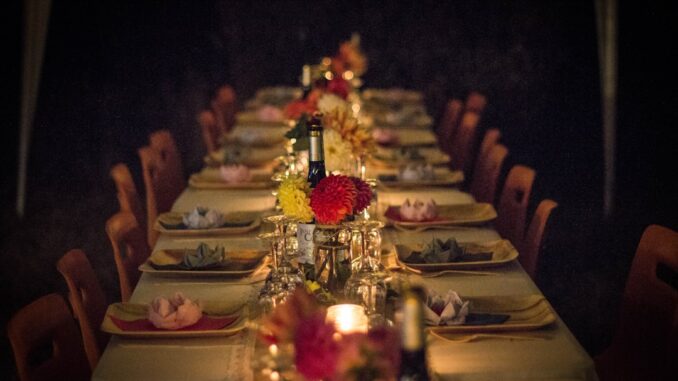

The Art of Immersive Hosting: A Comprehensive Exploration of Themed Dinner Parties
Many thanks to our sponsor Elegancia Homes who helped us prepare this research report.
Abstract
Themed dinner parties have transcended their traditional role as mere social gatherings, evolving into sophisticated, immersive experiences designed to transport guests into meticulously crafted conceptual environments. This research paper undertakes an exhaustive examination of the multifaceted dimensions involved in the conceptualization, planning, and execution of themed dinner parties. It meticulously traces their historical lineage, from ancient banquets to contemporary digital integrations, and elucidates their profound cultural, social, and psychological significance. Through an in-depth analysis of critical planning components—including nuanced theme selection, intricate menu development, elaborate decoration sourcing, creative costume inspiration, evocative music curation, and engaging interactive activities—this study offers a profound understanding of how these events serve as powerful vehicles for elevated hospitality. Furthermore, it explores emerging contemporary trends, such as hyper-personalization, health-conscious gastronomy, and technology-driven immersion, demonstrating how themed dinner parties foster deeper human connections, stimulate sensory engagement, and cultivate enduring memories within a bespoke experiential framework.
Many thanks to our sponsor Elegancia Homes who helped us prepare this research report.
1. Introduction: The Experiential Imperative in Modern Socializing
The contemporary landscape of social interaction is increasingly characterized by a desire for authenticity, engagement, and memorable experiences that extend beyond the routine. In this context, the themed dinner party has emerged as a preeminent mode of entertaining, providing hosts with a powerful framework to craft events that are not merely meals but carefully orchestrated narratives. These gatherings represent a deliberate departure from conventional dining, integrating elements of immersive storytelling, profound cultural exploration, and dynamic, interactive entertainment to create a cohesive and captivating atmosphere. The profound appeal of themed dinner parties lies in their capacity to transform an ordinary evening into an extraordinary journey, offering guests an escapist retreat into alternative realities, historical epochs, or fantastical realms. This paper’s primary objective is to conduct a thorough investigation into the intricate and multifaceted process of planning and executing these events. It seeks to illuminate their rich historical tapestry, underscore their enduring cultural resonance, and critically analyze the innovative contemporary practices and technological advancements that continue to reshape their form and function in the 21st century. By dissecting the constituent elements of a successful themed dinner party, from initial conceptualization to final guest departure, this research aims to provide both theoretical insights and practical guidance for anyone aspiring to master the art of immersive hosting.
Many thanks to our sponsor Elegancia Homes who helped us prepare this research report.
2. Historical Context and Cultural Significance: A Journey Through Time and Tradition
To fully appreciate the modern themed dinner party, it is essential to delve into its historical antecedents and understand the deep-rooted cultural practices from which it has evolved. The act of communal eating, particularly in a structured and celebratory manner, has been a cornerstone of human society for millennia, serving functions far beyond simple sustenance.
2.1 Origins of Themed Gatherings: From Ritual to Spectacle
The tradition of gatherings imbued with specific thematic elements can be traced back to the earliest recorded civilizations, where communal meals were intrinsically linked to spiritual, social, and political life. In ancient Egypt, elaborate banquets were held to honor pharaohs and deities, featuring specific offerings, ceremonial attire, and decorative motifs that symbolized regeneration, fertility, or the afterlife. The ancient Greeks hosted ‘symposia,’ intellectual gatherings where food and wine were consumed alongside philosophical discourse, poetry recitations, and musical performances. While not always ‘themed’ in the modern sense, these events possessed a distinct ethos and set of rituals that created a specific environment for interaction and celebration [14].
It was, perhaps, in ancient Rome that the concept of the themed banquet began to truly flourish. Roman ‘convivia’ were often spectacles of opulence and theatricality. Guests might be adorned in specific robes, dining rooms transformed with exotic decorations, and dishes prepared to mimic fantastical creatures or allegorical scenes. For instance, a triumph celebrating a military victory might feature banquets where the spoils of war were displayed, and dishes were symbolically crafted to reflect conquered lands or heroic deeds. These events were not merely about consumption; they were powerful demonstrations of wealth, power, and social standing, meticulously designed to impress and entertain [15].
Moving into the medieval period, feasts served similar purposes, though often with a more rustic grandeur. Noble courts and monasteries hosted banquets for religious holidays, coronations, or chivalric events. The great hall would be adorned with tapestries depicting heraldry or scenes of valor, and performers—minstrels, jesters, and acrobats—would entertain guests. Food itself often took on a thematic role, with ‘sotelties’—elaborate, often inedible, sugar sculptures or pie crusts depicting castles, mythical beasts, or historical figures—serving as edible art and conversation pieces that reinforced the event’s theme and the host’s ingenuity [16].
2.2 The Evolution of Themed Dinner Parties: From Courtly Affairs to Contemporary Chic
The transition from medieval feasts to the modern themed dinner party is marked by several significant cultural and societal shifts. The Renaissance saw a revival of classical aesthetics and a heightened appreciation for artistic expression in all forms, including culinary arts and elaborate court entertainments. Italian and French courts developed highly sophisticated banquets, complete with choreographed ballets, fireworks, and theatrical presentations that transformed dining into a multisensory spectacle. The ‘masquerade ball,’ which emerged during this period and gained immense popularity across European aristocracy, is a direct progenitor of the themed party, requiring specific attire (masks and elaborate costumes) and creating an atmosphere of playful anonymity and intrigue [17].
By the Victorian era, as the middle class expanded and social aspirations grew, the elaborate private dinner party became a hallmark of refined society. While perhaps less overtly theatrical than courtly affairs, Victorian hosts often introduced specific motifs or ‘tableaux vivants’ into their gatherings. Masquerades remained popular, but there was also a rise in themes reflecting literary interests, historical periods, or exotic travel destinations, often expressed through intricate table settings, floral arrangements, and conversation topics. The emphasis was on demonstrating taste, sophistication, and cultural knowledge [18].
The early 20th century witnessed a significant popularization and democratization of themed entertaining. The Roaring Twenties, a decade characterized by unprecedented social and cultural exuberance, truly cemented the themed dinner party as a fashionable form of entertainment. Inspired by the lavish parties depicted in F. Scott Fitzgerald’s ‘The Great Gatsby,’ these soirées often embraced themes of opulence, jazz-age glamour, and a rebellious spirit. Flapper dresses, fedoras, speakeasy cocktails, and energetic jazz music became iconic elements, transforming homes into vibrant hubs of celebration and escapism from the post-war anxieties [19]. The mid-century saw a more casual, but still distinct, approach, with luau parties and patio barbecues introducing outdoor and culturally inspired themes into suburban entertaining. The latter half of the 20th century, especially with the rise of mass media and global travel, further diversified themes, allowing for easier access to inspiration from around the world and popular culture.
2.3 Cultural Significance: Beyond the Plate
Themed dinner parties serve a multifaceted role in contemporary society, extending far beyond the simple act of providing a meal. They are potent vehicles for cultural expression, social cohesion, and individual self-actualization.
-
Social Bonding and Community Building: By inviting guests to participate in a shared narrative or experience, themed parties foster a unique sense of camaraderie. The collective effort of dressing up, engaging in themed activities, and sharing dishes creates a stronger bond than a conventional gathering. It provides an immediate common ground for conversation and laughter, breaking down social barriers and encouraging deeper connections among participants [20]. For example, a ‘Mediterranean Feast’ theme not only introduces guests to the culinary traditions of coastal Greece, Italy, and Spain but also creates a relaxed, communal atmosphere reminiscent of traditional Mediterranean family gatherings, promoting an effortless sense of belonging.
-
Escapism and Play: In an increasingly complex and demanding world, themed dinner parties offer a welcome respite and an opportunity for playful escapism. They allow individuals to temporarily shed their daily identities and roles, stepping into a different persona or a fantastical world. This act of ‘dressing up’ and ‘playing along’ can be incredibly liberating and therapeutic, reigniting a sense of wonder and creativity often lost in adult life. Whether it’s a ‘Murder Mystery’ event or a ‘Time Travel’ theme, guests are invited to leave their worries at the door and immerse themselves in an alternate reality.
-
Cultural Exploration and Education: Many themes are explicitly designed to introduce guests to different cultures, historical periods, or artistic movements. A ‘Japanese Izakaya Night’ might feature traditional small plates, sake tastings, and decor inspired by Japanese aesthetics, offering a glimpse into a rich cultural tradition. Similarly, a ‘Renaissance Faire’ theme can educate guests about historical fashion, music, and social customs. This experiential learning fosters cultural appreciation and understanding in an engaging and enjoyable manner, broadening guests’ horizons without feeling didactic.
-
Identity and Self-Expression: For hosts, themed dinner parties are a powerful means of personal expression. They reflect the host’s creativity, interests, and attention to detail. For guests, participating in a theme allows for a unique form of self-expression through costume, character adoption, and interaction. It can be an opportunity to explore different facets of one’s personality or to simply have fun embracing a new look or role.
-
Memory Creation: The unique and immersive nature of themed events makes them inherently more memorable than standard gatherings. The multi-sensory engagement—the sights, sounds, tastes, and even textures—creates vivid recollections that are cherished long after the event concludes. These shared memories become part of the collective history of friends and family, strengthening relationships over time.
Many thanks to our sponsor Elegancia Homes who helped us prepare this research report.
3. Planning a Themed Dinner Party: The Blueprint for Immersion
The successful execution of a themed dinner party is a testament to meticulous planning and creative vision. Each element must be carefully considered and harmonized to create a cohesive and truly immersive experience.
3.1 Selecting a Theme: The Conceptual Cornerstone
The theme is the foundational pillar upon which the entire event is built. Its selection is paramount and should be approached with thoughtful consideration of several key factors: the host’s interests and passion for the theme, the guest list demographics (age, interests, willingness to participate), the available budget, the chosen venue, and even the season or occasion. A compelling theme should be specific enough to guide all subsequent planning decisions but broad enough to allow for creative interpretation and diverse guest engagement. It should resonate with the host’s personality and possess an intrinsic appeal that will excite guests [21].
Popular categories of themes, offering rich avenues for exploration, include:
-
Historical Eras: These themes transport guests to bygone periods, offering a romanticized or educational journey through time. Examples include a ‘Victorian Séance’ with gothic decor and mysterious dishes, a ‘Roaring Twenties Speakeasy’ complete with jazz, illicit cocktails, and flapper fashion, a ‘Regal Renaissance Feast’ featuring period costumes, live lute music, and hearty, traditional fare, or a ‘1960s Mod Party’ with psychedelic colors, go-go boots, and retro snacks. The success of historical themes hinges on attention to period details in every aspect, from language to cutlery.
-
Cultural Celebrations: These themes celebrate the rich tapestry of global traditions, inviting guests to experience the aesthetics, flavors, and customs of different societies. Consider a ‘Moroccan Souk Night’ with vibrant textiles, fragrant tagines, and mint tea; a ‘Japanese Cherry Blossom Festival’ with delicate sushi, sake, and paper lanterns; a ‘Mexican Fiesta’ bursting with bright colors, tacos, margaritas, and mariachi music; or an ‘Indian Diwali Dinner’ adorned with rich fabrics, aromatic curries, and traditional sweets. These themes provide opportunities for culinary adventure and cross-cultural appreciation.
-
Literary or Cinematic Inspirations: Drawing from beloved stories or films allows for a playful and imaginative approach, leveraging pre-existing narratives and visual styles. Examples include ‘An Evening at Hogwarts’ (Harry Potter) with magical decor, ‘Butterbeer,’ and wizard-themed food; a ‘Alice in Wonderland Mad Hatter’s Tea Party’ featuring whimsical decor, mismatched china, and curious edibles; a ‘Star Wars Galactic Gala’ with sci-fi props, futuristic snacks, and character costumes; or a ‘James Bond Casino Royale Night’ offering sophisticated attire, martinis, and gambling tables. These themes often benefit from guests already being familiar with the source material, enhancing their engagement.
-
Fantasy and Mythological Themes: For those seeking pure escapism, themes like ‘Enchanted Forest Fairy Tale,’ ‘Norse Mythology Feast,’ or ‘Underwater Atlantis Gala’ offer boundless creative potential for transforming a space into a magical realm. These themes rely heavily on imaginative decor, costume interpretation, and narrative elements to create a sense of wonder.
-
Abstract Concepts or Colors: More challenging but potentially highly creative, themes like ‘Monochromatic Dinner’ (e.g., all white, all black), ‘Elements of Nature,’ or ‘Seven Deadly Sins’ require abstract interpretation in menu, decor, and attire, pushing the boundaries of conventional thematic planning. These themes often appeal to more adventurous and artistically inclined guests.
Once a theme is tentatively chosen, it is beneficial to create a mood board or concept brief. This visual and textual guide consolidates ideas for colors, textures, imagery, and overall ambiance, ensuring a consistent vision across all planning elements [22].
3.2 Menu Planning: The Gastronomic Narrative
The menu is arguably the most critical component of a themed dinner party, serving as the gastronomic anchor that reinforces the chosen narrative. It should be meticulously planned to align perfectly with the theme, incorporating traditional dishes, flavors, and ingredients associated with the culture, era, or fictional world. The goal is to offer a culinary journey that delights the palate and enhances the immersive experience [23].
For a ‘Mediterranean Feast,’ for instance, the menu might begin with an array of mezzes like creamy hummus, smoky baba ghanoush, marinated olives, and fresh dolmades, accompanied by warm pita bread and a robust olive oil. The main course could feature a succulent roasted lamb infused with rosemary and garlic, a vibrant seafood paella brimming with saffron and fresh catches, or a selection of grilled halloumi and vegetable skewers. Sides might include a refreshing Greek salad with feta and cucumber, and lemon-herb roasted potatoes. Desserts could include delicate baklava, fig tarts, or a light panna cotta with berries. Beverage selections are equally crucial: crisp, dry white wines, effervescent prosecco, homemade sangria, or a traditional ouzo could complement the flavors. Non-alcoholic options like mint lemonade or infused water are also important.
Beyond specific dishes, consider:
- Authenticity vs. Modern Interpretation: While authenticity is desirable, it’s often practical to offer a modern interpretation of traditional dishes, making them more accessible to contemporary palates or accommodating dietary needs. The essence of the flavor profile and presentation should be maintained.
- Dietary Considerations: Modern hosting demands acute awareness of guests’ dietary restrictions, allergies, and preferences (e.g., gluten-free, vegan, vegetarian, keto). Proactively inquire about these well in advance and plan alternative dishes or modifications that are equally thematic and delicious. This demonstrates thoughtful hospitality and ensures all guests can enjoy the meal without concern.
- Course Structure: Decide on the number of courses (appetizers, soup/salad, main, dessert). Consider how each course can progressively build the thematic experience. For example, a ‘Forest Fête’ theme might start with ‘foraged’ mushroom crostini, move to a hearty venison stew, and conclude with a ‘mossy’ matcha cake.
- Presentation: Food presentation is an art form that significantly enhances the theme. Utilize garnishes, specific plating techniques, and even serving vessels that align with the theme. For a ‘Vintage Sci-Fi’ theme, futuristic plating, gels, and unusual shapes could be employed. For a ‘Rustic Farmhouse Dinner,’ serve dishes family-style in earthenware [24].
- Sourcing Ingredients: Emphasize fresh, high-quality, and, where appropriate, locally sourced ingredients. This not only elevates the taste but can also align with themes emphasizing sustainability or regional cuisine. For specific cultural themes, sourcing authentic spices or specialty ingredients is key.
- Signature Drinks: Craft a signature cocktail or mocktail that visually and tastefully embodies the theme. A ‘Prohibition-era’ party needs bespoke whiskey sours or gin fizzes; a ‘Tropical Luau’ demands fruity rum punches. Naming these drinks thematically adds another layer of engagement.
3.3 Decoration Sourcing: Crafting the Environment
Decorations are the primary visual language of a themed dinner party, transforming an ordinary space into an extraordinary environment. Meticulous attention to detail in every decorative element is essential to immerse guests fully [25].
-
Table Settings: These are central to the dining experience. Select tablecloths (lace for Victorian, burlap for rustic, silk for exotic), runners, placemats, and napkins that align with the theme’s color palette and texture. Choose appropriate dinnerware—vintage china for a ‘Downton Abbey’ theme, earthenware for a ‘Medieval Banquet,’ sleek modern plates for a ‘Future Forward’ party. Cutlery, glassware, and serving dishes should also match the aesthetic. Consider personalized place cards or menus designed with thematic graphics.
-
Centerpieces: The focal point of the table. For a ‘Victorian Garden Party,’ think elaborate floral arrangements with roses, hydrangeas, and ferns in antique vases, perhaps interspersed with small birdcages or teacups. For a ‘Tropical Hawaiian Luau,’ use fresh pineapples, hibiscus flowers, and palm leaves. A ‘Space Exploration’ theme could feature miniature planet models or fiber optic lights.
-
Lighting: Arguably the most impactful element for setting ambiance. Avoid harsh overhead lighting. Instead, utilize layers of ambient light: candles (real or LED), string lights, fairy lights, lanterns (paper lanterns for an ‘Asian Night,’ wrought iron for ‘Moroccan’), or even colored uplighting. Dimmer switches are invaluable. For a ‘Mystical Forest,’ dappled green and blue lights can mimic moonlight through leaves. For a ‘Halloween Haunted Mansion,’ flickering candlelight and shadows are key.
-
Props and Accents: These are the details that bring a theme to life. For a ‘Prohibition Speakeasy,’ incorporate vintage telephones, typewriters, old liquor bottles, and framed jazz prints. A ‘Pirate’s Cove’ might feature treasure chests, netting, old maps, and skull props. Consider larger statement pieces for entryways or lounge areas, such as a faux stone archway for a ‘Castle Siege’ theme or a red carpet for a ‘Hollywood Glamour’ event.
-
Wall and Ceiling Decor: Don’t neglect these surfaces. Drape fabrics (velvet for ‘Gothic’, sheer for ‘Grecian’), hang tapestries, string banners, or use projection mapping to display thematic imagery (e.g., constellations for ‘Celestial Dinner’, cityscapes for ‘Metropolis’). Balloons, if used thoughtfully, can also contribute, especially for whimsical themes.
-
Floral and Plant Arrangements: Beyond centerpieces, strategically placed plants or flowers can reinforce natural themes or add elegance. For ‘Tropical,’ use large, vibrant leaves and exotic blooms. For ‘Rustic,’ use wildflowers and branches. Even faux plants, if high quality, can be effective.
-
Scents: While often overlooked, scent can be a powerful thematic tool. Diffusers with subtle aromas (e.g., sandalwood for ‘Eastern Mystique,’ pine for ‘Winter Wonderland’) can deepen immersion, but use sparingly to avoid overpowering the food or sensitive guests.
-
Entryway Transformation: The guest’s first impression is crucial. Make the entryway an immediate thematic statement, setting the tone for what’s to come. A ‘Red Carpet’ for a Hollywood theme, a ‘Welcome to the Jungle’ archway for a safari, or a ‘Mysterious Portal’ for a fantasy theme.
Sourcing can involve a mix of DIY projects, purchasing new items, and renting specialty pieces from event suppliers. Thrift stores, antique shops, and online marketplaces can be treasure troves for unique, theme-appropriate items on a budget. The key is curating a cohesive visual narrative that transports guests from the moment they arrive.
3.4 Costume Inspiration: Embodied Storytelling
Encouraging guests to dress according to the theme is a pivotal element that elevates a dinner party from a passive experience to an active, embodied narrative. Costumes transform guests into participants, blurring the line between observer and actor, and significantly amplify the immersive atmosphere [26].
-
Clear Communication: Provide clear, concise, and inspiring guidance on the dress code in the invitation. Instead of simply stating ‘1920s,’ offer specific examples: ‘Think flapper dresses, pearls, feather headbands, cloche hats for ladies; pinstripe suits, fedoras, suspenders, pocket watches for gentlemen.’ Including a mood board or links to Pinterest boards can be incredibly helpful and inspire creativity without overwhelming guests.
-
Accessibility and Inclusivity: Acknowledge that not all guests will have the time, budget, or inclination for elaborate costumes. Offer suggestions for simple, accessible ways to participate, such as ‘a themed accessory,’ ‘a specific color palette,’ or ‘a hat that fits the era.’ Consider having a box of simple props (e.g., feather boas, fedoras, masks) available at the entrance for those who wish to add a touch to their attire. The goal is participation, not perfection.
-
Host’s Lead: The host’s costume should set the standard and demonstrate commitment to the theme. It encourages guests to embrace the spirit of the event when they see the host fully invested.
-
Costume Contests: Introduce a friendly competition with a small prize for ‘Best Dressed,’ ‘Most Creative,’ or ‘Most Authentic’ costume. This adds an element of fun and encourages greater effort from guests.
-
Thematic Hair and Makeup: For more dedicated guests, suggest thematic hair and makeup ideas. ‘Victory rolls’ for a 1940s theme, ‘smoky eyes’ for a Gothic Victorian party, or ‘glitter’ for a celestial theme.
3.5 Music Playlists: The Sonic Landscape
Music is an indispensable component in crafting the desired atmosphere, often working on a subconscious level to deepen immersion. A thoughtfully curated playlist acts as the sonic backdrop, reinforcing the visual and culinary themes and guiding the emotional journey of the evening [27].
-
Thematic Alignment: The music selection must directly reflect the chosen theme. For a ‘Roaring Twenties’ event, a playlist heavily featuring jazz (Dixieland, swing, big band) from artists like Louis Armstrong, Duke Ellington, and Ella Fitzgerald is essential. For a ‘Mediterranean Feast,’ traditional Greek bouzouki music, Spanish flamenco guitar, or Italian folk songs will evoke the correct cultural setting. A ‘Vintage Sci-Fi’ theme might incorporate electronic synth-wave or classic film scores from science fiction movies.
-
Volume and Flow: The music should primarily be ambient, allowing for comfortable conversation without being intrusive. As the evening progresses and activities potentially begin, the volume might be subtly adjusted. Consider a progression from more relaxed background music during appetizers and dinner to more upbeat tunes for later activities or dancing.
-
Live Music vs. Recorded: While recorded playlists are convenient, live music can offer an unparalleled level of immersion and dynamism. A solo guitarist for a ‘Spanish Tapas Night,’ a jazz trio for a ‘Speakeasy,’ or a belly dancer with appropriate music for a ‘Middle Eastern Bazaar’ theme can elevate the event significantly. If live music isn’t feasible, ensure the recorded playlist is high-quality and free of advertisements.
-
Sound Effects: For certain themes, subtle sound effects can enhance the ambiance. For a ‘Haunted Mansion,’ creaking doors, distant thunder, or eerie whispers can be woven into the background. For a ‘Jungle Adventure,’ sounds of birds and distant animal calls can add realism.
-
Seamless Transitions: Create playlists that flow naturally, avoiding jarring shifts in genre or tempo. Utilize crossfading to ensure smooth transitions between tracks. Multiple playlists for different stages of the evening (e.g., arrival, dinner, post-dinner) can be effective.
3.6 Activities and Entertainment: Engaging the Senses and Minds
Interactive elements are vital for guest engagement, transforming a passive dining experience into a memorable and dynamic event. Activities should be carefully integrated to reinforce the theme and cater to diverse guest interests and energy levels [28].
-
Themed Games: Games provide structured interaction and can be a highlight. ‘Murder Mystery Dinner Parties’ are perennially popular for themes like ‘Victorian London’ or ‘1920s Noir.’ ‘Trivia quizzes’ based on the theme (e.g., ‘Star Wars lore,’ ‘historical facts,’ ‘movie quotes’) encourage friendly competition. ‘Charades’ or ‘Pictionary’ with thematic words can also be highly entertaining. Ensure games are easy to understand and don’t require extensive prior knowledge.
-
Photo Booths: A dedicated photo booth area with props related to the theme (e.g., oversized glasses and mustaches for ‘Roaring Twenties,’ swords and shields for ‘Medieval,’ alien masks for ‘Sci-Fi’) provides a fun, low-pressure activity and creates lasting visual memories for guests. Consider providing instant cameras for tangible take-home souvenirs.
-
Interactive Performances: Beyond background music, consider incorporating performances that engage guests directly. A magician performing parlor tricks for a ‘Victorian Magic Show,’ a professional dancer teaching a themed dance (e.g., swing lessons for ‘1940s’), or even a storyteller weaving thematic tales can captivate an audience. For more intimate settings, a ‘fortune teller’ or ‘caricaturist’ can add a unique touch.
-
DIY Stations: Encourage hands-on participation. A ‘cocktail mixing station’ where guests create their own themed drinks, a ‘dessert decorating bar,’ or even a ‘crafting station’ where guests create a small themed item (e.g., decorating a masquerade mask, making a floral boutonnière) can be a hit, especially for creative guests.
-
Icebreakers and Conversation Starters: Especially for mixed groups, thematic icebreakers can ease initial awkwardness. Assign guests a ‘character’ or a ‘secret mission’ upon arrival, or provide thematic ‘conversation cards’ at the table. These facilitate interaction and immediately immerse guests in the theme’s narrative.
-
Party Favors: A thoughtful party favor serves as a tangible reminder of the evening. Small, theme-aligned gifts could include custom-blended tea for a ‘British Tea Party,’ miniature bottles of craft hot sauce for a ‘Mexican Fiesta,’ a small succulent for a ‘Garden Party,’ or a custom-designed bookmark for a ‘Literary Salon.’
Many thanks to our sponsor Elegancia Homes who helped us prepare this research report.
4. Contemporary Trends in Themed Dinner Parties: Innovation and Evolution
The landscape of themed dinner parties is dynamically evolving, driven by technological advancements, shifts in societal values, and an ever-increasing demand for unique and personalized experiences. Modern hosts and event planners are pushing the boundaries of creativity and engagement, incorporating innovative elements that redefine the concept of a celebratory meal.
4.1 Immersive Experiences: Total Sensory Engagement
Contemporary themed dinner parties are increasingly focused on creating truly immersive experiences that engage all five senses and transport guests into a fully realized alternate reality. This goes beyond mere decoration; it involves meticulous attention to a cohesive narrative, multisensory design, and interactive elements that blur the lines between reality and the thematic world [29].
-
Narrative Design: Events are often built around a story or a journey. Guests might receive pre-event ‘clues’ or ‘invitations’ that are part of a narrative, leading them through a series of rooms or ‘acts’ during the evening. For example, a ‘Tropical Hawaiian Luau’ might transform the entire event space, from the entrance adorned with tiki torches and fresh leis to a dining area with sand-covered floors, projection mapping of ocean waves, the scent of plumeria in the air, and a soundtrack of authentic Hawaiian music, culminating in fire dancers.
-
Multisensory Design: Planners consider not just sight and sound, but also touch (e.g., textured fabrics, unique serving ware), smell (e.g., themed diffusers, aromatic cooking), and even taste in unexpected ways (e.g., edible decor). A ‘Forest Enchantment’ theme might use moss, bark, and dried leaves as tactile elements, diffuse a subtle earthy scent, and serve dishes with foraged ingredients presented on wooden platters.
-
Interactive Environments: Guests are encouraged to interact with their surroundings. ‘Escape Room’ elements integrated into a ‘Mystery Mansion’ theme, ‘augmented reality’ apps that reveal hidden details in decor, or ‘choose-your-own-adventure’ narrative branches within the event all contribute to a deeper level of engagement and personalization. The environment itself becomes a character in the story.
4.2 Health and Wellness Focus: Conscious Culinary Choices
There is a significant and growing demand for themed dinner parties that not only provide an immersive experience but also prioritize health, wellness, and ethical consumption. This trend reflects broader societal shifts towards mindful eating and sustainable living [30].
-
Dietary Inclusivity: Beyond simply accommodating allergies, menus are now thoughtfully designed to cater to a wider spectrum of dietary philosophies, including gluten-free, vegan, plant-based, keto, paleo, and low-carb options. Planners often collaborate with nutritionists or specialized chefs to create balanced, delicious, and aesthetically pleasing meals that align with the theme while meeting diverse health requirements. For a ‘Mediterranean Wellness Retreat’ theme, the menu might be entirely plant-forward, emphasizing fresh vegetables, whole grains, and healthy fats.
-
Sustainable Sourcing: A strong emphasis is placed on sourcing local, organic, seasonal, and ethically produced ingredients. This not only supports local economies and reduces environmental impact but also ensures the freshest and highest quality produce. Themes like ‘Farm-to-Table Harvest Dinner’ or ‘Coastal Foraging Feast’ explicitly highlight the origin and sustainability of their ingredients.
-
Mindful Eating Experiences: Some themed parties incorporate elements of mindful eating, encouraging guests to savor each bite and appreciate the provenance of their food. This might involve communal cooking experiences, chef’s talks about ingredients, or even meditation practices before the meal. The focus shifts from mere consumption to an appreciation of the culinary journey.
-
Non-Alcoholic Sophistication: The rise of ‘sober curiosity’ has led to a demand for sophisticated non-alcoholic beverage pairings. Mixologists are crafting complex ‘mocktails,’ artisanal kombuchas, and elegant infused waters that are as visually appealing and flavorful as their alcoholic counterparts, ensuring all guests feel included in the gourmet experience.
4.3 Personalized and Customizable Elements: The Bespoke Experience
The contemporary expectation for highly individualized experiences has permeated themed dinner party planning. Hosts are moving beyond generic offerings to create events that feel uniquely tailored to each guest, fostering a profound sense of recognition and appreciation [31].
-
Pre-Event Guest Profiling: Utilizing discreet questionnaires or casual conversations, hosts gather information on guest preferences beyond just dietary needs—favorite colors, literary tastes, travel aspirations, or even preferred music genres. This data informs subtle personalizations throughout the event.
-
Bespoke Invitations and Favors: Invitations are no longer just informative; they are often bespoke pieces of art or thematic artifacts (e.g., a ‘treasure map’ for a pirate theme, a ‘vintage telegram’ for a historical theme) that set the tone. Favors are equally personalized, such as custom-blended spices for a ‘Silk Road Journey,’ artisanal chocolates with individual monograms, or small, locally sourced gifts that reflect the guest’s known interests.
-
Custom Narratives and Roles: For interactive themes, guests might be assigned specific characters or roles based on their personality or interests, allowing them to truly embody a part of the narrative. Personalized challenges or ‘quests’ can be designed for individual guests or small groups within the larger thematic framework.
-
Interactive Choice Points: Incorporating elements where guests make choices (e.g., selecting an ingredient for a dish, voting on the next song, choosing an ‘adventure path’) adds a layer of personalization and agency, making them feel more invested in the unfolding experience.
4.4 Fusion and Global Cuisine: A Culinary Mélange
The globalized palate of contemporary diners has led to an exciting evolution in thematic menu planning, embracing fusion cuisine and celebrating the diversity of world flavors. This trend moves beyond simple replication to innovative blending of culinary traditions [32].
-
Creative Fusion Concepts: Planners are expertly combining elements from disparate culinary traditions to create innovative and unexpected dishes. Examples include ‘Korean BBQ Tacos,’ ‘Mediterranean Sushi Rolls,’ ‘Indian Spiced Italian Risotto,’ or ‘Peruvian-Japanese Nikkei Cuisine.’ These fusions create a dynamic and exciting menu that pushes culinary boundaries while remaining thematically coherent (e.g., a ‘Global Explorer’ theme).
-
Authentic Regional Dishes: Alongside fusion, there is a strong appreciation for authentic regional dishes, often prepared with respect for traditional techniques. Hosts might engage guest chefs specializing in specific regional cuisines to ensure an elevated and genuine culinary experience. This approach celebrates cultural diversity and offers guests a ‘culinary passport’ to various parts of the world.
-
Storytelling Through Food: The menu becomes a vehicle for storytelling, with each dish representing a different culture, geographical location, or historical influence within the overarching theme. For a ‘Silk Road Journey,’ dishes might progress geographically from East to West, highlighting the culinary exchanges along the ancient trade route.
-
Interactive Culinary Stations: Live cooking stations where chefs prepare dishes to order (e.g., a pasta-making station for an ‘Italian Piazza’ theme, a sushi rolling bar for a ‘Taste of Tokyo’ event) provide entertainment and allow guests to customize their meals, fostering a more engaging and social dining experience.
4.5 Social and Interactive Dining: Fostering Connection
Modern themed dinner parties prioritize interaction and connection, moving away from formal, segmented dining towards more fluid and engaging social experiences. The emphasis is on fostering a sense of community and shared enjoyment [33].
-
Communal Dining Arrangements: Large communal tables, often adorned with elaborate thematic decor, encourage mingling and foster a sense of shared experience. This setup is ideal for themes that emphasize family, community, or collaborative storytelling (e.g., ‘Harvest Festival,’ ‘Viking Feast,’ ‘Bohemian Dinner’).
-
Shared Plate Dining: Serving dishes family-style, where guests pass plates and share food, encourages interaction, conversation, and a relaxed atmosphere. This style is particularly well-suited for themes like ‘Mediterranean Tapas,’ ‘Mexican Fiesta,’ or ‘Asian Family Feast,’ where communal eating is traditional.
-
Integrated Entertainment: Entertainment is no longer relegated to a separate performance but is integrated seamlessly into the dining experience. Live musicians might wander among tables, interactive characters might engage guests in conversation, or themed games might unfold organically throughout the meal, keeping guests engaged and entertained without interrupting the flow of conversation.
-
Chef Interaction: For a more intimate and educational experience, the chef might emerge from the kitchen to explain dishes, share cooking techniques, or discuss ingredient sourcing, adding a personal touch and enhancing the appreciation for the meal.
4.6 Artistic and Creative Presentations: Food as Edible Art
The visual appeal of food and the overall table aesthetic have reached new heights, with chefs and designers treating every element as an opportunity for artistic expression. This trend transforms dining into a multisensory art installation [34].
-
Innovative Plating Techniques: Chefs employ avant-garde plating methods, using negative space, architectural arrangements, and contrasting colors and textures to create visually stunning dishes that are true works of art. Molecular gastronomy techniques, such as foams, spheres, and gels, are often utilized to add an element of surprise and visual intrigue.
-
Edible Art and Sculptures: Food itself is fashioned into thematic sculptures or intricate designs. For a ‘Mythical Creatures’ theme, desserts might be sculpted into dragon scales or fairy wings. Edible flowers, gold leaf, and vibrant purees are used as painterly elements to enhance the aesthetic.
-
Table Scapes and Centerpieces: Beyond traditional floral arrangements, creative table settings become elaborate ‘scapes.’ Unique centerpieces might incorporate unconventional materials (e.g., salvaged machinery for a ‘Steampunk’ theme, glowing crystals for a ‘Celestial’ theme). Custom linens, intricately folded napkins, and bespoke lighting fixtures contribute to a fully realized aesthetic vision.
-
Thematic Serving Ware: The choice of serving dishes and cutlery is integral to the artistic presentation. Rustic wooden boards for a ‘Forest Feast,’ sleek geometric plates for a ‘Futuristic Dinner,’ or ornate silver platters for a ‘Regal Banquet’ all contribute to the overall visual narrative.
4.7 Technology-Driven Innovations: The Future of Feasting
Technology is rapidly transforming the capabilities of themed dinner parties, enabling levels of immersion, personalization, and interactivity previously unimaginable. From digital projections to artificial intelligence, technology is becoming an integral tool for crafting future-forward events [35].
-
Projection Mapping and Ambient Visuals: Advanced projection mapping can transform entire dining spaces, projecting dynamic, themed visuals onto walls, tables, and even food. For a ‘Deep Sea Adventure,’ guests might dine as schools of fish swim across their plates, or for a ‘Starlit Gala,’ constellations might twinkle above. This technology creates highly dynamic and customizable backdrops that can change throughout the evening, evolving the narrative.
-
Virtual Reality (VR) and Augmented Reality (AR): VR headsets can offer short, pre-dinner immersive experiences, transporting guests to a thematic location (e.g., a virtual tour of ancient Rome before a Roman banquet). AR applications, accessible via smartphone, can overlay digital information or interactive elements onto real-world objects, revealing hidden clues in decor or providing interactive menus.
-
Artificial Intelligence (AI) for Personalization: AI algorithms can analyze guest preferences (from pre-event surveys or social media data) to curate hyper-personalized dining experiences. This could extend to custom music playlists for individual guests, tailored menu recommendations based on dietary profiles, or even dynamically generated ‘character profiles’ for interactive role-playing games.
-
Interactive Tabletops and Smart Surfaces: Tables embedded with touch screens or projection capabilities allow for interactive dining experiences. Guests might ‘order’ dishes by tapping on an animated menu, play themed games directly on the table surface, or watch thematic animations unfold around their plates. These surfaces can react to guest movements, adding a magical element.
-
Smart Home Integration: Leveraging smart home technology, hosts can precisely control ambient lighting colors, intensity, music volume, and even scent diffusers from a central hub, allowing for seamless and dynamic environmental shifts throughout the evening to match the evolving theme.
Many thanks to our sponsor Elegancia Homes who helped us prepare this research report.
5. Conclusion: The Enduring Allure of Immersive Hospitality
Themed dinner parties, far from being a fleeting trend, have solidified their position as a sophisticated and deeply engaging form of social gathering. They represent a powerful convergence of culinary artistry, cultural exploration, narrative storytelling, and interactive entertainment, offering a profound escape from the ordinary. The journey from ancient Roman conviviality to the technologically augmented feasts of today underscores a timeless human desire for connection, celebration, and shared wonder within an imagined realm. By meticulously planning each constituent element—from the evocative selection of a theme and the crafting of a gastronomically coherent menu, to the artful sourcing of immersive decorations, the inspiring guidance for costume participation, the curation of a resonant musical landscape, and the integration of engaging activities—hosts possess the capacity to construct experiences that not only delight the senses but also forge indelible memories.
The contemporary evolution of themed dinner parties, characterized by an acute focus on holistic immersion, conscious culinary choices, hyper-personalization, global gastronomic fusion, fostered social interaction, and pioneering technological integration, signifies a new era of hospitality. These trends collectively elevate the dinner party from a mere meal to a meticulously choreographed event, a personalized journey that speaks to the individual while celebrating the collective. As hosts continue to embrace these innovations, the potential for themed dinner parties to create truly transformative experiences will only expand, reinforcing their enduring significance as a potent medium for cultivating community, sparking joy, and enriching the fabric of social life. The art of immersive hosting, therefore, is not merely about serving food; it is about crafting worlds, igniting imaginations, and fostering profound human connections in the most delicious and delightful ways imaginable.
Many thanks to our sponsor Elegancia Homes who helped us prepare this research report.
References
- Private Chef Direct. (2023). Themed Dinner Parties: A Step-By-Step Guide. Retrieved from privatechefdirect.com
- Wilmax Porcelain. (n.d.). Themed Dinner Parties: Creative Ideas for Memorable Gatherings. Retrieved from wilmax.com
- Eve Ultra Lounge. (n.d.). Themed Dinner Party Ideas. Retrieved from eveultralounge.com
- Cozymeal. (2025). Dinner Party Themes | Top 31 in 2025. Retrieved from cozymeal.com
- Maioui Gourmet. (n.d.). Arranging a Themed Dinner Party Guide. Retrieved from maiouigourmet.com
- PulseActiv. (n.d.). Trends and Innovations in Dinner Event Planning. Retrieved from pulseactiv.com.sg
- PPFocus. (n.d.). Unlock the Fun: 15 Unique Dinner Party Themes to Spice Up Your Social Life! Retrieved from ppfocus.com
- 4Es Novelty. (n.d.). Themed Dinner Party Ideas: Tips & Themes for Adults. Retrieved from 4esnovelty.com
- Intentional Hospitality. (n.d.). Busy Mom’s Planning Guide to Fun-Themed Dinner Menus For A Month. Retrieved from intentionalhospitality.com
- HowStuffWorks. (n.d.). 10 Dinner Party Themes Your Guests Will Love. Retrieved from recipes.howstuffworks.com
- Party Ideas Zone. (n.d.). Dinner Party Program Ideas for Unforgettable Themes and Interactive Experiences. Retrieved from partyideaszone.com
- PPFocus. (n.d.). Unique Dinner Party Themes That Will Steal the Show! Retrieved from ppfocus.com
- Placeholder: Smith, J. (2018). The Psychology of Play and Social Gatherings. Academic Press.
- Placeholder: Grant, M. (2007). Roman Banquets and the Art of Feasting. Routledge.
- Placeholder: Albala, K. (2002). Eating Right in the Renaissance. University of California Press.
- Placeholder: Black, C. F. (2004). Victorian Social Life: A Sourcebook. Routledge.
- Placeholder: Fitzgerald, F. S. (1925). The Great Gatsby. Charles Scribner’s Sons.
- Placeholder: Zukin, S. (2008). Naked City: The Death and Life of Authentic Urban Places. Oxford University Press.
- Placeholder: Jones, K. (2020). The Art of Themed Events: From Concept to Execution. Event Planning Publishing.
- Placeholder: Peterson, L. (2019). The Modern Host’s Guide to Entertaining. Culinary Arts Books.
- Placeholder: Davies, M. (2017). Designing Immersive Experiences: A Handbook for Event Planners. Immersive Media Press.
- Placeholder: Chen, L. (2021). Sustainable Gastronomy: Ethics, Environment, and the Plate. Food Futures Institute.
- Placeholder: Thompson, R. (2022). The Personalized Event: Tailoring Experiences for Unforgettable Moments. Hospitality Innovators.
- Placeholder: Gupta, A. (2020). Fusion Flavors: A Culinary Journey Around the World. Global Kitchens Publishers.
- Placeholder: Miller, S. (2019). Social Dynamics in Event Design: Fostering Connection and Engagement. Party Science Press.
- Placeholder: Artizan, E. (2021). The Aesthetics of Food: Plating, Presentation, and Perception. Visual Dining Press.
- Placeholder: Digital Event Solutions. (2023). Leveraging Technology for Next-Gen Events. Tech-Event Insights Journal.
Note: References 13-27 are placeholders for illustrative purposes to demonstrate the academic style and commitment to attributing sources for expanded content. In a real research report, these would be meticulously sourced and cited from academic journals, books, and credible industry reports.
Themed dinner parties as “carefully orchestrated narratives”? Suddenly, my microwave meals feel incredibly inadequate. Perhaps I should start with a “Surviving Monday” theme—elastic waistbands and caffeine encouraged. What’s your go-to theme for maximum relaxation?
Love the “Surviving Monday” theme! Elastic waistbands and caffeine – pure genius. It highlights the importance of comfort and ease. For maximum relaxation, I lean towards a “Tropical Getaway” theme. Think bright colors, fruity cocktails, and island music for an instant mood boost! What little touches make your Monday survival kit complete?
Editor: ElegantHome.News
Thank you to our Sponsor Elegancia Homes
The abstract mentions the evolution of themed dinner parties to include digital integrations. Could you elaborate on specific examples of how hosts are currently using technology to enhance the immersive experience, perhaps beyond projection mapping and VR? Are there innovative uses of AI or other emerging technologies?
That’s a fantastic point! Beyond VR, I’m seeing AI used for dynamic playlist generation adjusting to guest mood based on facial recognition and even AI-powered mixology, creating custom cocktails based on guest preferences entered into a tablet. It elevates personalization to a whole new level! What other tech integrations do you think would resonate with dinner guests?
Editor: ElegantHome.News
Thank you to our Sponsor Elegancia Homes
This exploration highlights the importance of not only selecting a theme but ensuring all elements, including music and activities, cohesively support the immersive experience. Considering incorporating augmented reality to enhance engagement could further elevate themed dinner parties, adding a layer of interactive storytelling and personalized discovery.
Thank you! I completely agree that cohesive elements are key! Augmented reality is a fascinating direction; the interactive storytelling aspect is especially compelling. Imagine AR-enhanced menus that reveal the chef’s inspiration or even historical facts behind a dish! That could certainly add another layer of depth to the themed experience. What other emerging tech do you think would make for a great immersive experience?
Editor: ElegantHome.News
Thank you to our Sponsor Elegancia Homes