

Crafting Unforgettable Moments: A Deep Dive into Family-Friendly Entertainment Ideas
Planning a family event that truly resonates with everyone, from the littlest adventurers to the wisest elders, can feel like you’re trying to herd cats while simultaneously juggling flaming torches. It’s a real challenge, isn’t it? You want that perfect blend of excitement, relaxation, and genuine connection. But here’s the thing, with a bit of foresight and the right arsenal of activities, you absolutely can curate an atmosphere brimming with joy and a profound sense of togetherness.
I’ve been there, staring at an empty calendar, wondering how to make a weekend or a special occasion truly special without resorting to just endless screen time. What I’ve learned, and what I’m thrilled to share with you, are more than just ideas; they’re frameworks for crafting those indelible memories. So, let’s ditch the stress and dive into a comprehensive guide to family-friendly entertainment, designed to inspire and equip you. We’re talking ten fantastic ideas, each explored in much more detail than you might expect, ensuring your next gathering is nothing short of legendary.
Creating a stunning setting for home entertaining.
1. Interactive Games: Igniting Friendly Competition and Collaboration
Interactive games are the bedrock of any successful multi-generational event. They break the ice, get people moving, and, frankly, they’re just plain fun. You’re not just providing entertainment; you’re facilitating interaction, something that’s increasingly precious in our hyper-connected world.
The All-Ages Thrill of a Scavenger Hunt
A scavenger hunt isn’t just a game; it’s an adventure waiting to unfold. Imagine the thrill of discovery, the gleam in a child’s eye, the competitive spirit bubbling amongst the adults. It’s incredibly versatile, adaptable to almost any theme or location, and it inherently encourages teamwork and clever problem-solving skills.
Designing Your Hunt: A Step-by-Step Guide
-
Pick Your Theme: This is your foundation. Is it a pirate treasure hunt? A superhero mission? A nature exploration? Your theme dictates everything, from clue design to the ‘treasure’ itself. Let’s say you’re doing a summer garden party, a ‘Garden Gnome Hunt’ could be adorable, right?
-
Choose Your Venue: Your backyard, a local park, even your entire house can become the hunt’s landscape. Consider the age range of your participants; younger kids need a smaller, more contained area, while teens and adults can tackle a wider, more complex route.
-
Craft Engaging Clues: This is where the magic happens. You’ll want a mix of riddles, puzzles, and observational tasks. For instance, ‘Find the place where bright colors bloom, then look beneath its leafy plume’ for a rose bush, or ‘Where the big screen shows its light, you’ll find the next clue, day or night’ for the TV.
- For Younger Kids: Use pictures or simple rhymes. ‘Go to the place where we keep our toys, find the blue box, full of joys.’
- For Older Kids/Adults: Incorporate more complex logic, cryptic hints, or even QR codes that lead to a website with the next riddle. I once used a series of historical facts about our local town, each answer pointing to a landmark where the next clue was hidden. It was surprisingly popular!
-
Hide Your Treasures (and Clues): Make sure clues are hidden securely but are findable. Nothing saps enthusiasm quicker than an impossible clue. For the final ‘treasure,’ it doesn’t have to be anything extravagant. Small toys, candies, or even a ‘trophy’ for bragging rights can be enough. Sometimes, the journey truly is the reward, but a little something at the end certainly doesn’t hurt.
-
Set Your Rules: Decide on teams (or individuals), time limits, and any other boundaries. Will hints be available? How many? Clearly communicate all this before the hunt begins.
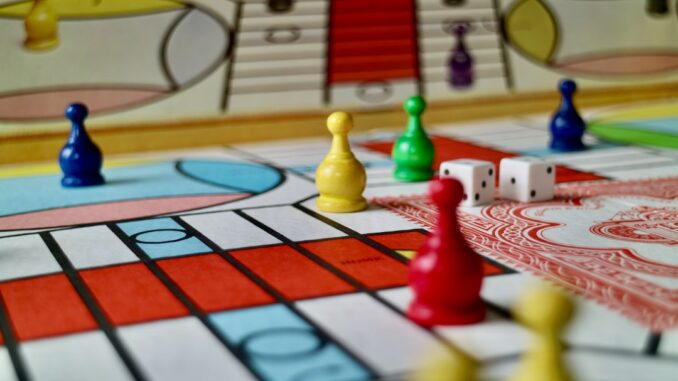
Giant Board Games: Old Favorites, Bigger Fun
Think about the classics you grew up with: Jenga, Connect Four, Chess. Now, picture them on a grand, almost whimsical scale. These aren’t just games; they’re sculptural, eye-catching attractions that immediately draw people in. They’re wonderful for sparking impromptu challenges and fostering some good-natured rivalry.
- Giant Jenga: The suspense as that tower sways, the collective gasp when it finally topples – it’s pure, unadulterated fun. You can easily rent these or, if you’re handy, make one from cut and sanded 2x4s.
- Oversized Connect Four: This one’s a crowd-pleaser, simple enough for toddlers to understand the concept, but still engaging for adults to strategize. It’s often available for rent alongside bouncy castles.
- Outdoor Chess/Checkers: Imagine a lovely afternoon, perhaps with a slight breeze, contemplating your next move on a grand chessboard. It brings a touch of sophistication and quiet concentration to the lively event. You can often find mats with oversized pieces that are perfect for a lawn.
Pro Tip: Create a small ‘game zone’ with a few of these. Add some comfortable seating nearby, maybe a cooler with drinks, and you’ve got a fantastic little hangout spot for all ages.
2. Live Performances: A Dash of Magic and Storytelling
There’s something inherently captivating about a live performance. It’s not just about watching; it’s about sharing a moment of collective wonder or laughter. These acts can serve as a focal point for your event, drawing everyone together for a shared experience.
Magicians: The Architects of Astonishment
Hiring a professional magician isn’t just about entertainment; it’s about injecting pure, unadulterated wonder into your gathering. A skilled illusionist doesn’t just perform tricks; they craft an experience, leaving both children and adults scratching their heads in delightful bewilderment. I remember hiring a local magician for my nephew’s birthday once, and he didn’t just pull a rabbit out of a hat; he made cards disappear from kids’ hands and reappear in his shoe! The gasps, the laughter, it was utterly priceless.
- Choosing the Right Magician: Look for someone with experience performing for mixed age groups. A good family magician knows how to engage the little ones with visual gags and silly patter while still wowing the adults with sleight of hand and mentalism. They should be able to work a room, not just a stage.
- Interactive Elements: The best magicians aren’t just performers; they’re facilitators of fun. They’ll often involve audience members, especially kids, in their acts. This makes the experience even more personal and memorable, creating those ‘remember when the magician pulled that coin from your ear?’ moments.
- Beyond the Hat Trick: Modern magicians offer a huge range of illusions, from close-up card magic that happens right at your table to larger stage illusions. Discuss with them what kind of show would best suit your venue and audience. They can perform a dedicated show or even wander through your event, performing ‘strolling magic’ which is fantastic for keeping the energy up during downtime.
Puppet Shows: Weaving Tales for Tiny Imaginations
A puppet show is a delightful, often overlooked, gem, especially for the younger demographic. It’s a fantastic way to capture children’s imaginations, transport them to new worlds, and often deliver a subtle moral or lesson without them even realizing it. The vibrant characters and engaging storytelling are absolutely mesmerizing.
- Selecting Your Show: Consider a theme that ties into your event. Is it a fairy tale adventure? An outer space escapade? A silly monster mash? Many puppet troupes offer a range of stories and can even customize a performance. You might even find local high school drama clubs or community theaters that have puppet programs, which could be a more budget-friendly option.
- DIY Puppet Theater: For a more personal, hands-on approach, why not create your own? A simple cardboard box can become a stage, and socks, paper bags, or even cut-out characters on sticks can become your cast. Encourage older kids to write a short script and perform for the younger ones. It fosters creativity, public speaking, and storytelling skills – all while being incredibly entertaining. My niece and nephew once put on a very chaotic, yet utterly endearing, show about a dragon who lost his spark, using old stuffed animals as puppets. It was a highlight of the family picnic!
3. Creative Stations: Unleashing Inner Artists and Makers
Sometimes, the best entertainment is the one where you get to make something. Creative stations offer a wonderful outlet for self-expression, provide a calmer counterpoint to more boisterous activities, and leave guests with a tangible keepsake from your event.
The Ever-Popular Craft Station
Setting up a craft station is like opening a little studio of possibilities. It’s a wonderful way for kids, and even some adults, to express their creativity, work with their hands, and produce something unique. Plus, they get to take their creations home, a lovely memento of the day.
- Activity Ideas for All Ages:
- Bracelet Making: Friendship bracelets with embroidery floss, bead bracelets with elastic string, or even paracord bracelets are always a hit. Provide a variety of colors and charms.
- Painting: Small canvases, rocks, or even pre-cut wooden shapes. Watercolor sets are less messy than acrylics for younger kids. Consider a collaborative mural where everyone adds a piece to a larger canvas.
- Themed Decorations: If you have a theme, tie the crafts into it. For a pirate party, make eye patches or decorate ‘treasure chests.’ For a garden party, decorate small terracotta pots or create paper flowers.
- Tie-Dye Station: This one requires a bit more setup for mess management, but it’s incredibly fun and yields vibrant results. Provide plain white t-shirts, bandanas, or socks, and a range of dye colors. Just be sure to have plenty of gloves and a dedicated rinsing area!
- Setting Up for Success:
- Protection: Lay down old tablecloths, newspaper, or disposable plastic sheets. Messes will happen, and that’s part of the fun!
- Organization: Keep supplies clearly labeled and organized in bins or trays. Little containers for beads, markers, glue sticks, and scissors make a huge difference.
- Inspiration: Have a few finished examples or idea cards to spark creativity, especially for those who might feel a bit stumped at first. A small sign saying ‘Let Your Imagination Bloom!’ can also help set the mood.
Face Painting: Instant Transformations and Grinning Faces
Face painting is a timeless favorite, a surefire way to bring smiles and excitement to any family event. There’s something utterly magical about watching a child’s face transform into a fierce tiger, a sparkling fairy, or their favorite superhero. It’s not just a painting; it’s a temporary identity.
- Professional vs. DIY:
- Hiring a Professional: For larger events or if you want truly intricate, high-quality designs, hiring a professional face painter is often worth the investment. They bring their own supplies, work quickly, and can manage a line efficiently. Look at their portfolio to ensure their style matches your expectations. They’ll often have a ‘menu’ of popular designs, which makes things easier.
- DIY Approach: For smaller, more intimate gatherings, you can absolutely do it yourself. Purchase a good quality, hypoallergenic face paint kit (always check for non-toxic and skin-safe labels!). Start with simple designs like flowers, rainbows, or basic animal noses and whiskers. There are tons of online tutorials, and honestly, kids aren’t usually looking for perfection; they’re looking for fun. Have a mirror handy so they can see their transformation!
- Safety First: Always use FDA-approved, cosmetic-grade face paints. Avoid applying paint too close to eyes or on broken skin. Have a separate sponge or brush for each child to maintain hygiene, or at least sanitize them thoroughly between uses. A ‘patch test’ on the arm is a good idea for anyone with sensitive skin.
4. Food and Drink Stations: Culinary Creativity for Everyone
Food isn’t just sustenance at an event; it’s an experience. Interactive food stations elevate the culinary aspect, turning eating into an activity. They cater to diverse tastes, empower guests to customize their meals, and, let’s be honest, they’re just plain fun to build yourself. This really adds a personal, memorable touch to the whole dining experience.
Interactive Food Stations: A Feast of Customization
Forget the traditional buffet line; embrace the build-your-own concept. It’s perfect for varying palates and dietary needs, and it gives everyone a sense of ownership over their meal or treat.
- Build-Your-Own Pizza Bar: This is a fantastic option, especially for a casual event. Provide pre-made mini pizza bases (pita bread or English muffins work well for individual servings). Then, lay out bowls of sauce, shredded cheese, and a variety of toppings: pepperoni, cooked sausage, chopped peppers, onions, mushrooms, pineapple (for the adventurous!), olives. Have a toaster oven or a couple of portable pizza ovens ready. Kids absolutely adore making their own pizzas.
- Cupcake Decorating Station: Sweet and simple! Bake a batch of plain cupcakes (vanilla and chocolate are good staples). Offer different colors of frosting, sprinkles, mini chocolate chips, gummy bears, and small candies. Provide small spatulas or butter knives for spreading frosting. It’s a riot of color and creativity, and the delicious reward is immediate.
- The Ultimate Candy Bar: This is pure indulgence. Arrange an assortment of candies in clear jars or bowls: chocolates, gummy candies, lollipops, sour worms, M&Ms, jelly beans. Provide small scoops and treat bags for guests to fill. It’s visually stunning and incredibly tempting. Just make sure to label any common allergens, like nuts, if you can.
- Taco/Burrito Bar: A savory sensation! Lay out seasoned ground beef or shredded chicken, refried beans, hard and soft taco shells, rice, shredded lettuce, diced tomatoes, salsa, guacamole, sour cream, and jalapeños. It’s vibrant, flavorful, and incredibly satisfying.
- Ice Cream Sundae Bar: Another classic that never disappoints. Two or three flavors of ice cream, a variety of sauces (chocolate, caramel, strawberry), whipped cream, cherries, and a generous array of toppings – nuts, sprinkles, cookie crumbles, gummy candies. Who doesn’t love building their perfect sundae?
Key to Success: Ensure clear labeling for all ingredients, especially for any common allergens. Provide plenty of serving utensils, napkins, and a system for flow so guests aren’t bottlenecking. And consider offering a couple of healthy options too, for balance, you know?
5. Outdoor Activities: Embracing the Great Outdoors
When the weather is cooperating, taking the fun outside is always a winning strategy. Outdoor activities harness natural energy, encourage physical activity, and often provide that much-needed space for kids to just be kids. Plus, there’s something so invigorating about fresh air and sunshine, isn’t there?
Bouncy Castles: Unleashing Boundless Energy
A bouncy castle isn’t just an inflatable; it’s a vortex of pure, unadulterated joy for children. The sheer delight of bouncing, tumbling, and laughing in a safe, contained environment is unparalleled. They’re a classic for a reason – they guarantee smiles and tire out even the most energetic little ones, which, let’s be honest, is a win for the adults too!
- Choosing and Renting: Bouncy castles come in an incredible variety of sizes and themes: castles, obstacle courses, slides, even combination units. When renting, always ask about safety certifications, setup and takedown procedures, and supervision requirements. Ensure the rental company is reputable and fully insured. You want peace of mind, after all.
- Safety First, Always: Designate an adult supervisor (or several, if it’s a large unit) to ensure kids are following rules (no shoes, no sharp objects, separate bounce times for different age groups). Make sure the castle is securely anchored and away from overhead power lines or sharp objects. A little common sense goes a long way here.
- Alternative Bouncers: If a full-blown bouncy castle isn’t feasible, consider smaller inflatable games like ring toss or inflatable dartboards. Or even a simple trampoline with a safety net if your venue allows.
Sports Games: Getting Everyone in the Game
Organizing some low-key sports games is a brilliant way to encourage physical activity, promote friendly competition, and get kids and adults interacting. It’s about participation, not necessarily winning, although a little competitive spirit never hurt anyone, right?
- Game Ideas for Diverse Groups:
- Football (Soccer): A classic. Set up two makeshift goals (cones, jackets, anything!) and let everyone kick the ball around. Keep teams fluid and switch players often to keep it fun and inclusive.
- Volleyball: If you have a net (or can string one up), volleyball is a fantastic team sport. For younger kids or less athletic participants, consider ‘beach ball volleyball’ – it’s slower, softer, and much less intimidating.
- Sack Races: Hilariously simple and always a hit. Just need some burlap sacks (or sturdy pillowcases) and a start/finish line. Laughter is guaranteed as people hop and tumble.
- Frisbee Golf/Ultimate Frisbee: For a more organized approach, set up a frisbee golf course with designated ‘holes’ (e.g., hit that tree, land near the bench). Ultimate Frisbee is also a great team sport that’s easy to learn.
- Water Balloon Toss/Fight: On a hot day, nothing beats a good old-fashioned water balloon fight. Just ensure you have clear boundaries and everyone knows the ‘rules of engagement.’ It’s messy, but oh-so-refreshing!
- Making it Inclusive: Focus on participation over skill. Form mixed-age teams. Don’t keep score too seriously. The goal is fun, movement, and interaction. Offer different levels of engagement – some might just want to toss a ball around, others might want a full-on game. And remember, the person who falls over gracefully often gets the biggest cheer!
6. Family Game Tournament: The Ultimate Showdown of Skills and Strategy
This is where things get really exciting, a chance to elevate simple board games into a grand, multi-round championship. A family game tournament isn’t just about playing games; it’s about creating a narrative, fostering anticipation, and, quite frankly, a little good-natured family rivalry. It’s an epic quest for bragging rights and maybe, just maybe, a shiny (or silly) trophy.
Crafting Your Tournament Bracket
-
Game Selection is Key: Choose a mix of games that truly cater to all ages and skill levels. You want to ensure everyone has a chance to shine, or at least participate meaningfully. Think about different categories:
- Strategy Games: Monopoly (maybe a timed version to avoid endless debates!), Ticket to Ride, Catan.
- Word Games: Scrabble, Bananagrams, Codenames.
- Party Games: Pictionary, Charades, Telestrations, Exploding Kittens.
- Quick-Fire Games: Uno, Sushi Go!, Dobble/Spot It! These are great for rapid-fire rounds.
- Physical Games: (If indoors) Twister, or even minute-to-win-it challenges.
-
Tournament Structure:
- Round Robin: Every team/individual plays every other team/individual in each chosen game. This maximizes participation.
- Bracket Style: Think March Madness. Winners advance, losers… well, they can enjoy the snacks. This can be more competitive and fast-paced.
- Points System: Assign points for winning (or even participating well) in each game. Tally them up at the end for an overall champion. This is often the most inclusive method.
-
The All-Important Leaderboard: This isn’t just a piece of paper; it’s a living document of glory! A large whiteboard or even a poster board works perfectly. Update it after each round. The visible progress and rankings fuel excitement and keep everyone invested. You might even hear some playful trash talk, which just adds to the atmosphere!
-
Prizes and Recognition: While bragging rights are a powerful motivator, a tangible reward adds a nice touch. These don’t have to be expensive. Think:
- A funny ‘Golden Spatula’ award for the kitchen-themed game.
- Custom-made ‘Champion of Charades’ medals.
- A gift basket of favorite snacks or a family movie night kit.
- A silly hat they have to wear until the next family gathering.
Themed Game Nights: Adding an Extra Layer of Fun
To really elevate the experience, consider integrating themes into your game nights. This adds a wonderful layer of immersion and creativity.
- Retro Game Night: Dust off those old classics! Think Candyland, Chutes and Ladders, Guess Who?, or even some vintage video games if you have an old console. Encourage guests to dress in retro attire. Play some 80s or 90s music. It’s a fantastic nostalgia trip for the adults and a fun history lesson for the kids.
- DIY Game Night: This is brilliant for sparking creativity. Each family member (or small team) is tasked with creating their own game for everyone else to play. They design the rules, the board (if applicable), and even the pieces. You’d be amazed at the ingenious, and often hilarious, creations that come out of this. We once had a game called ‘The Quest for the Missing Sock’ – an elaborate, multi-room adventure that was utterly bonkers and brilliant.
- Mystery Dinner Game Night: Combine a game tournament with a themed dinner where a ‘mystery’ needs to be solved throughout the evening. Role-playing elements interwoven with classic games can be incredibly engaging.
The laughter and sheer excitement generated by a well-planned game tournament are infectious. These moments aren’t just about winning; they’re about sharing concentrated fun, problem-solving together, and creating stories that will be retold for years to come. What better way to foster those family bonds, really?
7. DIY Scavenger Hunt: Adventures in Your Own Backyard (and Beyond)
Taking the scavenger hunt concept and localizing it makes for an incredibly accessible and budget-friendly activity. This is about transforming familiar surroundings into a landscape of discovery, proving you don’t need exotic locations for a grand adventure. It’s an excellent way to get everyone out and about, paying closer attention to the world around them.
Crafting Your Local Quest
-
Identify Your ‘Play Zone’: Your neighborhood, a local park, even a specific trail can be your canvas. Consider the safety of the area and the distance kids will be covering. For instance, a walkable loop around a few blocks is perfect, or a contained botanical garden. If you live in a city, those free museums and expansive public parks are absolute goldmines for this kind of activity.
-
Brainstorm ‘Finds’: This is where you get creative. The key is a mix of easy-to-spot items and things that require a bit more observation. Think about:
- Nature Elements: ‘A bluebird’s feather,’ ‘a leaf with five points,’ ‘a perfectly smooth white stone,’ ‘a specific type of flower’ (e.g., ‘a purple petunia’).
- Man-Made Objects: ‘A red mailbox,’ ‘a house with a green door,’ ‘a welcome mat with an animal on it,’ ‘a bike with a basket.’
- Sounds/Senses: ‘Listen for a dog barking twice,’ ‘find something that smells like pine,’ ‘feel something rough and smooth.’ (This adds another sensory dimension.)
- Specific Landmarks: ‘The bench near the big oak tree,’ ‘the fountain in the park square.’
-
Create Your List/Clues: You can make a simple checklist for younger kids (e.g., ‘Find 5 blue things,’ ‘Find 3 different kinds of leaves’). For older kids, turn it into a photo scavenger hunt (take a picture of X) or even a riddle-based quest where solving a riddle leads them to the next item or location. ‘I have branches but no leaves, a steady gaze, but never grieves. What am I?’ (A statue!).
-
Involve Older Kids: This is a fantastic opportunity for leadership and collaboration. Let your older kids help design the hunt for the younger ones. They can brainstorm ideas, write clues, and even act as ‘guides.’ It gives them responsibility and a chance to shine, and honestly, they often come up with the most imaginative challenges.
-
Proofread and Test: Before the big launch, walk through your scavenger hunt yourself. Are the clues clear? Are the items still there? Is it too long or too short? Adjust as needed. There’s nothing worse than a clue that’s impossible to solve.
Bonus Tip: Give everyone a small bag or container to collect their ‘treasures’ if appropriate. And maybe a small magnifying glass for really close inspection of nature items. It adds to the explorer vibe.
8. Theme Nights: Injecting Excitement into Routine Evenings
Theme nights, as suggested by Brosseau, are brilliant for breaking the monotony and transforming a regular evening into an event. The beauty is their flexibility: indoors or out, elaborate or simple, they’re all about creating shared experiences and anticipation. It’s a wonderful way to foster creativity and allow different family members to take the lead.
Orchestrating Your Themed Evenings
-
The Rotating Planner: Institute a system where a different family member gets to pick the theme each week (or month). This gives everyone a sense of ownership and ensures variety. Imagine the delightful chaos when your youngest picks ‘dinosaur night,’ or your teenager insists on a ‘k-pop and kimchi’ evening!
-
Choosing Your Theme: The possibilities are endless, really. Start broad and narrow it down.
- Movie/Book Based: ‘Harry Potter Night’ (Butterbeer and wizard robes!), ‘Star Wars Saga,’ ‘Mystery at the Library.’
- Cultural/Country Based: ‘Italian Night’ (homemade pasta, a little geography lesson), ‘Mexican Fiesta’ (tacos, mariachi music), ‘Japanese Evening’ (sushi, origami).
- Decade Specific: ’80s Rewind’ (neon clothes, classic arcade games), ‘Roaring Twenties.’
- Color Theme: ‘All Red Everything’ (food, clothes, decorations).
- Fantasy Worlds: ‘Fairy Tale Feast,’ ‘Under the Sea Adventure.’
-
The Culinary Connection: The meal is often the cornerstone of a theme night. Plan dishes that fit the theme. For Italian night, you’re making pizza or spaghetti. For a ‘beach party’ theme, maybe fish tacos or some tropical fruit salad. Involving everyone in the meal prep, even if it’s just chopping veggies or setting the themed table, makes it more collaborative.
-
Entertainment to Match: This is where you tie everything together. If it’s a movie theme, obviously watch the movie. For a country theme, play music from that region, learn a few simple phrases, or look up fun facts. For a decade theme, play relevant music, dress up, or watch a documentary. You can even plan a craft or a game that aligns with the theme. For example, ‘Egyptian Night’ could involve making paper pyramids or decorating ‘sarcophagi’ (empty cereal boxes).
-
Ambiance and Decor: Don’t underestimate the power of simple decorations. A few themed tablecloths, some DIY banners, or even just colored lighting can transform a space. For a ‘camping’ theme, set up blankets on the floor, dim the lights, and tell stories by flashlight. It doesn’t have to be elaborate to be effective, it’s about the feeling.
These theme nights aren’t just one-off events; they become cherished family traditions. They teach kids about planning, budgeting, and compromise, all while creating buckets of laughter and unforgettable memories. I still vividly recall my brother’s ‘Willy Wonka Night,’ where we tried to recreate the ‘fizzy lifting drinks’ – spoiler, it didn’t quite work, but the effort was spectacular.
9. Outdoor Movie Night: Cinema Under the Stars
There’s an undeniable magic to watching a movie outdoors on a warm evening. The gentle breeze, the soft glow of the screen against the darkening sky, the shared experience of snuggling under blankets – it’s an iconic summer pastime. This isn’t just a movie screening; it’s an event, an experience that feels wonderfully nostalgic and fresh all at once.
Setting the Scene for Your Starlit Cinema
-
Location, Location, Location: A flat, open space is ideal. Your backyard, a local park (with permission!), or even a large driveway can work. Ensure it’s away from major light pollution if possible, for optimal viewing. Think about where the sun sets so you can avoid glare during the early evening.
-
The Essential Gear:
- Screen: You can rent inflatable screens, which are surprisingly easy to set up and look great. Alternatively, a large white sheet stretched tautly across a frame or hung on a wall can work wonders. Just make sure it’s wrinkle-free for the best picture quality.
- Projector: An outdoor-rated projector with good lumen output (brightness) is crucial, especially if you plan to start viewing before it’s pitch black. You can rent these or, if you’re a movie buff, invest in one. Most modern projectors have HDMI inputs, so you can connect your laptop, streaming device, or Blu-ray player.
- Sound System: Don’t rely on the projector’s tiny speaker! Connect external speakers for clear, robust audio. A portable Bluetooth speaker with good bass can make a huge difference, ensuring everyone can hear the dialogue and music without straining.
- Power Source: You’ll need outdoor-rated extension cords and possibly a power strip to power your projector, speakers, and any ambient lighting. Safety first with electricals outdoors!
-
Movie Selection: This is paramount. Choose a genuinely family-friendly movie that appeals to a wide age range. Classics like ‘E.T.,’ ‘The Princess Bride,’ ‘Toy Story,’ or newer animated hits are usually safe bets. Have a backup in mind in case of technical glitches or a sudden shift in audience mood.
-
Creating the Ultimate Cozy Vibe:
- Seating: Encourage families to bring their own blankets, picnic mats, camping chairs, and pillows. Scatter a few extra cushions or beanbags for comfort. The more relaxed, the better.
- Snack Station: Popcorn is non-negotiable! But also consider a candy bar, small bags of chips, fruit slices, and cold drinks. Maybe even a hot chocolate station if it’s a cooler evening.
- Ambient Lighting: String some fairy lights around the viewing area or use solar-powered garden lights. This adds a magical touch and helps people navigate without tripping once the main lights are off. Citronella candles can also serve a dual purpose – light and bug deterrence!
- Bug Defense: Don’t forget bug spray! A few strategically placed citronella torches or candles can help keep the critters at bay, which really makes a difference when you’re settling in for two hours under the stars.
-
Backup Plan: What if it rains? Or the wind picks up? Have an indoor contingency. Maybe you shift to the living room with the projector, or pivot to board games. Being prepared saves a lot of disappointment.
10. Art and Craft Studio: Cultivating Shared Creativity
Establishing an ‘art and craft studio’ for your event isn’t just about providing materials; it’s about creating an atmosphere where families can truly immerse themselves in creative expression together. It’s a space for quiet concentration, collaborative projects, and the pure joy of making something with your own hands. This idea fosters not only artistic skills but also communication and shared purpose, making it a powerful bonding experience.
Designing Your Family Art Hub
-
Define Your Workshops/Stations: Instead of just a free-for-all, consider offering a couple of structured activities alongside open-ended creative play. This guides participants without stifling their imagination.
- Painting Workshop: Provide small canvases, acrylic paints (or watercolors for less mess), brushes, and perhaps an inspiring image or technique to try. Think ‘paint-and-sip’ but family-friendly. ‘Today we’re painting landscapes!’ or ‘Let’s try pointillism!’
- Pottery/Clay Station: Air-dry clay is fantastic for this. It doesn’t require a kiln and can be painted once dry. Provide simple tools, and maybe some examples of small bowls, animal figures, or decorative tiles they can create.
- DIY Craft Corner: This is where you bring in more varied supplies for open-ended crafting. Think about:
- Recycled Art: Empty toilet paper rolls, cardboard boxes, plastic bottles, fabric scraps, bottle caps. Challenge families to create sculptures or useful items from ‘junk.’
- Nature Crafts: Pinecones, leaves, twigs, smooth stones. Glue guns (supervised, of course!), glitter, paints, and string can transform these into beautiful decorations or keepsakes.
- Greeting Card Making: Cardstock, markers, stamps, stickers, glitter glue, stencils. Everyone loves receiving a handmade card, and it encourages thoughtful communication.
- Jewelry Making: Beads, wire, clasps, pliers, string. This is popular with older kids and adults.
-
Materials are Your Palette: Stock a wide array of supplies, but keep them organized. Think about providing:
- Basics: Paper (various sizes/colors), pencils, erasers, scissors, glue sticks, liquid glue.
- Coloring Tools: Crayons, colored pencils, markers, pastels.
- Paints: Washable tempera, watercolors, acrylics.
- Textural Elements: Feathers, glitter, pipe cleaners, pom-poms, googly eyes, fabric scraps, yarn.
- Protective Gear: Old shirts or aprons for everyone, and plenty of newspaper or plastic sheeting for tables.
-
The ‘Studio’ Environment:
- Dedicated Space: If possible, designate a specific area as the ‘Art Studio.’ This helps set the mood and keep materials contained.
- Good Lighting: Natural light is ideal, but ensure the space is well-lit. Creativity thrives in brightness.
- Display Area: Have a ‘gallery wall’ or a clothesline with clothespins where artists can proudly display their finished works. This validates their efforts and inspires others.
- Inspiration Station: Provide art books, picture cards, or printouts of famous artworks to spark ideas. Sometimes a little visual prompt is all it takes to get the creative juices flowing.
- Clean-up Station: Essential! Buckets of soapy water, paper towels, and wipes for hands and brushes. Make clean-up part of the process, a good habit to instill.
-
Benefits Beyond the Art: An art studio encourages fine motor skill development, problem-solving, and patience. It also provides a wonderful low-pressure environment for communication. Parents and kids working side-by-side, sharing ideas, and collaborating on a piece can be incredibly rewarding. It’s not just about the final product; it’s about the process and the shared experience of creation. And trust me, those handmade items? They become some of the most cherished possessions, imbued with the memories of the day.
Wrapping It Up: Creating Lasting Impressions
See? It’s not as daunting as it initially seems. By weaving together a selection of these activities, you’re not just filling time; you’re orchestrating an experience. You’re giving your family, your friends, and your loved ones the gift of shared laughter, discovery, and connection. Remember, the real magic lies in tailoring these ideas to your family’s unique quirks, interests, and preferences. Don’t be afraid to mix and match, to put your own spin on things, or even invent entirely new traditions.
The goal, after all, isn’t perfection. It’s about presence, about those fleeting moments of genuine joy that knit us closer together. So, roll up your sleeves, embrace the planning process, and get ready to create some truly unforgettable memories. Happy planning, my friend; I’m certain it’s going to be absolutely fantastic!
The article suggests theme nights can be tailored to family interests. Could incorporating an element of surprise, like a randomly selected theme revealed only on the day, further enhance the sense of excitement and anticipation?
That’s a fantastic idea! The suspense of a surprise theme night would definitely amplify the fun. Perhaps a ‘theme generator’ wheel could be spun to decide. It would add another layer of spontaneity and laughter! Thanks for the suggestion.
Editor: ElegantHome.News
Thank you to our Sponsor Elegancia Homes
Scavenger hunts sound fun, but what if the “treasure” was something really outrageous, like a signed photo of a celebrity who’s famous for *not* signing autographs? Now *that’s* a hunt I’d join!
That’s hilarious! I love the idea of raising the stakes like that. It definitely takes the excitement to another level. Perhaps a ‘most outrageous treasure’ competition could be added to the scavenger hunt rules!
Editor: ElegantHome.News
Thank you to our Sponsor Elegancia Homes
The idea of a rotating planner for theme nights is excellent! To extend the fun, consider having each family member present their chosen theme as a creative reveal, setting the stage for a memorable experience.
That’s a brilliant suggestion! A creative reveal would definitely build anticipation and make each theme night even more special. Perhaps a mini-presentation, a short skit, or even just a themed invitation could kick things off. The possibilities are endless! Thanks for adding to the idea!
Editor: ElegantHome.News
Thank you to our Sponsor Elegancia Homes
Regarding the family game tournament, what methods might encourage participation from those who are less competitively inclined, ensuring the focus remains on enjoyment rather than solely on winning?
That’s a great point! Perhaps emphasizing team play and collaboration, rather than individual scores, could shift the focus. We could also introduce silly handicaps or bonus points for creative answers. The goal is enjoyment and to foster family connections. It’s all about creating a playful atmosphere!
Editor: ElegantHome.News
Thank you to our Sponsor Elegancia Homes
The DIY game night concept is particularly appealing. What are some creative constraints one could impose to spark even more imaginative game designs? For example, limiting materials or requiring incorporation of a specific skill.
That’s an awesome question! Building on the material constraint idea, what about a specific theme that ties into the materials? A ‘Nature Game’ using only found items or a ‘Cardboard Challenge’ where everything comes from recycled boxes? I think a theme can really get those creative juices flowing and give the game a unique identity. What are some skill constraints you would consider?
Editor: ElegantHome.News
Thank you to our Sponsor Elegancia Homes
Regarding scavenger hunts, could incorporating local history or folklore into the clues add an educational element alongside the fun of discovery? What resources would be helpful for researching such local content?
That’s a fantastic suggestion! Integrating local history into scavenger hunts definitely elevates the experience. Using resources like historical societies, local libraries, and even interviewing long-time residents can unearth fascinating folklore to weave into the clues! It turns the game into a learning adventure.
Editor: ElegantHome.News
Thank you to our Sponsor Elegancia Homes