

Designing Your Orangery: A Gateway to Greater Well-being Through Natural Light
Imagine this for a moment: it’s a bit of a grey morning, maybe even a little chilly outside, but you step into your orangery. Suddenly, the world brightens. Sun’s rays, even those filtered through the clouds, stream through expansive windows and the glorious roof lantern above, casting a wonderfully soft glow across the entire space. It wraps you in a warmth that’s more than just physical. This isn’t just a pretty picture, no, it’s a tangible, daily invitation to improved mood, heightened energy, and overall health. Natural light, truly, it has such a profound impact on our entire well-being, and by thoughtfully designing your orangery to really harness every drop of it, you aren’t just building an extension; you’re crafting a sanctuary, a place that nurtures both body and mind, a personal haven you might not have known you were missing.
Now, anyone who’s spent a gloomy winter day stuck indoors knows that feeling, right? That subtle drag, a bit of listlessness. It’s no coincidence. We’re wired for light, our bodies and minds crave it, it’s pretty essential for us to function optimally, you know? And an orangery, designed intelligently, can be your secret weapon against the modern malady of being perpetually cooped up. It’s more than just an aesthetic choice, too, trust me on this one. It’s an investment in your daily happiness and long-term health, a really smart one.
The Profound Health Benefits of Natural Light: More Than Just a Feeling
Exposure to the good stuff, natural light, offers a whole host of advantages that stretch far beyond just making a room look nice. These are benefits rooted in our biology, deeply connected to how we thrive, and honestly, they’re something we often take for granted until we consciously seek them out. Let’s delve into what making light a priority in your orangery can truly mean for you.
Boosting Mood & Energy: The Serotonin Connection
Ever notice how a sunny day just seems to lift your spirits, almost immediately? That’s not just your imagination playing tricks on you. When sunlight hits your skin and, importantly, your eyes, it kicks off a chain reaction in your brain, specifically triggering the release of serotonin. We affectionately call serotonin the ‘happy hormone’ for a very good reason. It plays a pivotal role in regulating mood, promoting feelings of calm and focus, and it even helps reduce anxiety. Think about it, a bright, sun-drenched space naturally feels more inviting, more optimistic. Conversely, prolonged exposure to dim or artificial lighting can actually suppress serotonin production, sometimes leading to feelings of sadness or even symptoms of Seasonal Affective Disorder (SAD) during those long, dark winter months. An orangery, therefore, becomes your personal antidote, a pocket of perpetual sunshine that keeps those serotonin levels happily humming along, even when the weather outside is doing its best impression of a perpetual grey smudge. And with that boost in mood often comes a lovely surge in energy, a natural vibrancy that artificial light just can’t quite replicate. You’ll find yourself feeling more alert, more engaged, ready to tackle the day, all thanks to a little help from the sun. (victoriousinteriors.com)
Regulating Sleep Cycles: The Circadian Rhythm Reset
Here’s where it gets really interesting for anyone chasing that elusive, truly restorative night’s sleep. Our bodies operate on a finely tuned internal clock, known as the circadian rhythm. This rhythm dictates our sleep-wake cycle, among many other bodily functions. What primarily calibrates this internal clock? You guessed it, natural light. Exposure to bright light, especially in the morning, signals to your brain that it’s daytime, suppressing the production of melatonin—the hormone that makes you feel sleepy. As evening approaches and natural light diminishes, melatonin production naturally increases, preparing your body for sleep. If you’re spending your days in poorly lit environments, this delicate balance gets thrown off. Your body struggles to differentiate between day and night, making it harder to fall asleep, and often, harder to stay asleep. Spending time in a light-filled orangery throughout the day, particularly early in the morning, helps to robustly set your internal clock. It tells your body, ‘Hey, it’s daytime, be awake and alert!’ Consequently, when evening rolls around, your body is much more primed to say, ‘Okay, time to wind down,’ leading to better sleep patterns and a deeply improved quality of rest. Who doesn’t want that, really? (hallmarkglazedextensions.co.uk)
Boosting Vitamin D Production: The Sunshine Vitamin
Let’s talk about Vitamin D. It’s often called the ‘sunshine vitamin’ because our skin produces it when exposed to ultraviolet B (UVB) rays from sunlight. And it’s incredibly vital for so much more than just strong bones, though it’s absolutely crucial for calcium absorption and bone health, preventing conditions like osteoporosis. Vitamin D also plays a significant role in modulating your immune system, helping your body fight off infections, and it’s even linked to mood regulation, with deficiencies often associated with depressive symptoms. In an age where many of us work indoors and spend less time outside, Vitamin D deficiency is surprisingly common. An orangery offers a brilliant solution. It allows you to soak up those essential UVB rays in comfort, without having to venture out into the elements. Just 10-15 minutes of direct sunlight exposure, a few times a week, can make a meaningful difference to your Vitamin D levels. Think of your orangery as your personal, luxurious vitamin supplement dispenser. (worldhealth.net)
Beyond the Big Three: Other Notable Benefits
But the benefits don’t stop there. Natural light also significantly reduces eye strain, which is a common complaint in offices lit solely by artificial means. It improves focus and productivity, making an orangery a fantastic place for a home office or a creative studio. Studies have even suggested that exposure to natural light can speed up recovery times in hospital patients, underscoring its restorative power. It’s clear then, that maximizing natural light isn’t a frivolous design choice; it’s a fundamental element of a truly healthy living environment.
Designing Your Orangery to Maximize Natural Light: A Step-by-Step Guide
Now that we’re all convinced of the ‘why,’ let’s get down to the ‘how.’ Transforming your orangery into that bright, health-promoting haven takes a bit of thought, sure, but the good news is there are plenty of design strategies at your disposal. You don’t need to be an architect, you just need a clear vision and a commitment to openness.
1. Incorporate a Roof Lantern: The Crown Jewel of Light
If there’s one design element that instantly screams ‘orangery’ and perfectly captures the essence of light maximization, it’s the roof lantern. This isn’t just a fancy skylight; it’s a central architectural feature, often elevated, that floods the entire space with glorious overhead light. Imagine sunlight pouring in from above, creating dynamic patterns as it shifts throughout the day – it’s truly breathtaking. A well-placed roof lantern becomes a natural focal point, drawing the eye upwards and creating a sense of grandeur and airiness that solid ceilings simply can’t match. You’ll want to position it strategically, perhaps above a central feature like a grand dining table where family gathers, a cozy seating area for reading, or even a statement island in an orangery kitchen extension. This not only enhances the room’s ambiance but literally bathes your activities in natural brilliance. When choosing a lantern, consider its size relative to your orangery, its frame material (aluminium or timber are popular for strength and aesthetics), and importantly, its thermal performance with high-efficiency glazing. Modern roof lanterns often come with self-cleaning glass and even automated ventilation systems, allowing you to easily manage temperature and airflow with the touch of a button. It’s a real game-changer. (culturesouthwest.org.uk)
2. Opt for Expansive Windows and Glass Doors: Seamless Connection
An orangery, by its very nature, celebrates glass, and you should too. This means installing the largest windows and glass doors you possibly can. We’re talking about expansive panes that almost entirely blur the lines between indoors and out, inviting the garden right into your living space. Bi-fold doors are a fantastic choice here, as they concertina back almost entirely, creating a truly seamless connection to your outdoor area on warmer days. Sliding doors offer vast uninterrupted glass panels, perfect for showcasing a stunning view. French doors provide a classic, elegant touch. The key, regardless of the type, is to maximize the glass area while minimizing obstructions. This is where slimline frames really shine. They’re designed to be as unobtrusive as possible, reducing the amount of frame material that blocks sunlight and views. Think about the framing material itself: aluminium offers sleek, contemporary lines and excellent strength, while timber provides a warmer, more traditional aesthetic. Also, don’t skimp on glazing quality; low-emissivity (low-E) glass helps reflect heat in summer and retain it in winter, while self-cleaning coatings can drastically reduce maintenance. It’s all about making sure every bit of daylight can stream in effortlessly. (culturesouthwest.org.uk)
3. Embrace Light, Reflective Colors: A Canvas for Light
Your walls, ceilings, and even your floor are more than just structural elements; they’re canvases for light. To really amplify the natural brightness in your orangery, you’ve got to choose pale hues. We’re talking whites, off-whites, creams, soft greys, and even very light pastels. These colors don’t absorb light; instead, they bounce it around the room, making the whole space feel larger and airier. But it’s not just about the color, it’s about the finish, too. Matte paints absorb more light, while a satin or even a subtle gloss finish on walls or ceilings will actively reflect light, almost shimmering slightly. Consider using a slightly higher sheen paint on the ceiling to create an illusion of greater height and to really throw that overhead light back down into the room. For flooring, think about polished concrete, light-colored large format tiles, or pale wood or laminate. These surfaces, with their inherent reflectivity, work in harmony with your walls to amplify the light. Even furniture choices can play a part; opt for lighter fabrics and finishes on your sofas, chairs, and tables to avoid creating dark, light-absorbing masses in the room. I once had a client who was so worried her orangery would feel sterile with too much white, but once we introduced some vibrant, reflective accent pieces, the whole space just sang. (culturesouthwest.org.uk)
4. Select Appropriate Window Treatments: Privacy Without Compromise
Window treatments in an orangery are a delicate balance. You want privacy and perhaps some sun protection, but never at the expense of natural light. This isn’t the place for heavy, opulent drapes that soak up light and make a space feel closed off. Instead, lean into options that allow light to filter through beautifully. Sheer curtains are a wonderful choice, offering a soft diffusion of light while still providing a gentle veil of privacy and a touch of elegance. Lightweight roller blinds or Venetian blinds, in a light color, are also excellent. They give you precise control over light and privacy – you can raise them entirely, tilt the slats to direct light, or lower them for full privacy. The key is choosing fabrics and materials that are translucent or at least highly reflective. Consider smart blinds that can be programmed to open and close with the sun’s movement or at specific times, offering effortless light management. The goal is to maximize the flow of daylight while still retaining the flexibility to adapt to your needs throughout the day, ensuring your orangery always feels open, inviting, and never, ever enclosed. (culturesouthwest.org.uk)
5. Strategic Furniture Placement: Unimpeded Flow of Light and Energy
How you arrange your furniture profoundly impacts the perception of light and space. The absolute golden rule here is to avoid blocking your precious windows and doors. Imagine the sunlight fighting its way in, only to be stopped by the back of an oversized sofa – what a waste! Instead, arrange your furniture to create an open, airy feel, allowing light to flow freely across the room. Pull seating areas away from the walls, perhaps floating a sofa in the center of the room, or positioning it at an angle. Make sure pathways are clear and unobstructed, guiding the eye (and the light) through the space. Position your primary seating areas – that comfy armchair, a chaise lounge, or your main dining table – directly near the windows. This way, you and your guests can truly bask in the natural light, enjoy the outdoor views, and feel more connected to the garden. Also, consider the scale of your furniture; bulky pieces can make a room feel cramped and heavy, while lighter, perhaps even leggy, furniture allows more visibility and light to pass underneath. Multi-functional pieces, like ottomans with storage or nesting tables, can also help maintain an uncluttered, open feel. (outlandishblog.com)
6. Incorporate Reflective Surfaces: The Magic of Illusion
This is where you can really play with light and create some visual trickery. Mirrors are your absolute best friend in a light-hungry space. A large, well-placed mirror opposite a window or glass door won’t just reflect the light; it will essentially double the effect of the sunlight entering the room, making the space feel significantly brighter and, often, much larger than it actually is. It’s like adding another window, but without the construction hassle! But don’t stop at mirrors. Think about metallic finishes on your decor. A polished chrome light fixture, a brass coffee table, silver decorative accents, or even high-gloss lacquer furniture can catch and bounce light in fascinating ways, adding a subtle sparkle and depth to the room. Glass-topped tables or clear acrylic chairs also contribute to this effect, allowing light to pass through them rather than blocking it, maintaining that open, ethereal feel. The trick is to use these reflective elements judiciously, ensuring they enhance the existing light rather than create distracting glare. (palmers-bespoke-orangeries.co.uk)
7. Add Indoor Plants: Bringing the Outside In
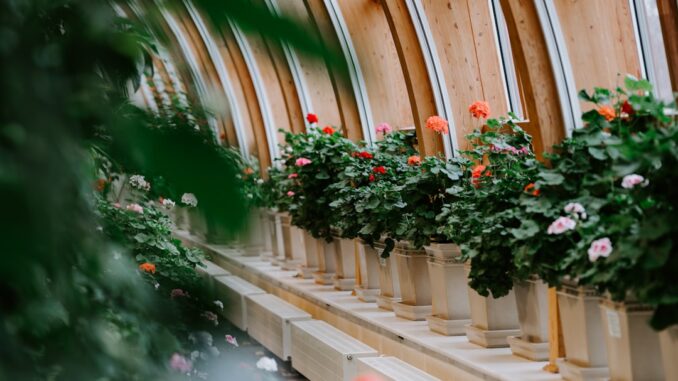
Nature’s touch is always a welcome addition, and in an orangery, indoor plants serve a dual purpose. They connect the interior seamlessly with your garden, blurring that boundary even further, and they introduce a calming, organic element that enhances overall well-being. But beyond aesthetics, healthy plants thrive in bright conditions, and placing them near windows helps them flourish, in turn making your space feel more vibrant and alive. Choose plants known to thrive in bright, indirect light – think Fiddle Leaf Figs, Monsteras, Bird of Paradise, or various types of palms. Not only do they look fantastic, but many indoor plants also help purify the air, adding another layer to the health benefits of your orangery. Just be mindful of scale; ensure your plants complement the space rather than overwhelming it or, crucially, blocking precious light from reaching other parts of the room. A beautiful specimen plant can become a living sculpture, an anchor point, but a jungle of plants in front of the windows might be counterproductive. (glasshousearchitecture.co.uk)
8. Ensure Proper Ventilation: Fresh Air is Key
While maximizing light, we can’t forget about air quality and comfort. A well-designed orangery needs proper ventilation to maintain a comfortable temperature and healthy environment, especially on sunny days when heat can build up quickly. Operable skylights, or those clever roof vents often integrated into roof lanterns, are invaluable here. They allow warm air, which rises, to escape, drawing cooler air in through open windows or doors below. This creates a natural airflow, a cross-ventilation effect, that keeps the space feeling fresh and prevents it from becoming stifling. Consider installing automated ventilation systems, especially in roof lanterns, which can be linked to temperature sensors or rain sensors. This way, your orangery can regulate its own climate, opening to vent excess heat on a hot day and closing automatically if it starts to rain. Good air circulation prevents stagnant air, reduces humidity, and ensures the space remains as enjoyable and healthy as it is bright. It really is a detail you won’t want to overlook. (rkcconstruction.com)
Beyond the Basics: Advanced Light-Maximizing Considerations
Designing an orangery that’s truly brilliant takes more than just following a checklist. It involves understanding how light behaves and making smart, informed decisions that integrate various elements. Here are a few deeper considerations that can elevate your orangery from bright to truly luminous.
Understanding Orientation: The Sun’s Daily Journey
The direction your orangery faces is perhaps one of the most fundamental design considerations, influencing everything from glazing choices to shading strategies. Each orientation brings its own unique set of benefits and challenges:
- South-Facing: Oh, the holy grail for many! South-facing orangeries typically receive the most consistent, direct sunlight throughout the day, especially during winter. This means maximum warmth and brightness. However, it also means managing potential overheating and glare in summer. High-performance glazing with solar control coatings becomes crucial here, as do external shading solutions.
- North-Facing: Often seen as a challenge, a north-facing orangery receives beautiful, soft, indirect light, which is incredibly consistent and perfect for artists or home offices where glare is a concern. The trade-off? Less direct solar gain, so superior insulation and perhaps underfloor heating are important considerations for winter comfort.
- East-Facing: An east-facing orangery bathes in glorious morning sun, making it an idyllic spot for breakfast or a serene start to your day. The light is bright and energizing, but as the day progresses, the space will cool down. Perfect for avoiding afternoon glare.
- West-Facing: These spaces catch the afternoon and evening sun, delivering those spectacular golden hour glows. However, western exposure can also mean intense heat build-up and glare in the late afternoon, requiring robust shading solutions. I’ve seen some absolutely stunning sunsets from west-facing orangeries, but without proper planning, they can get really warm.
Understanding your orientation allows you to tailor your design choices – from glass specifications to window placement – to best harness the sun’s natural movement throughout the day and seasons.
Strategic Shading and Overhangs: Taming the Sun’s Intensity
While we crave natural light, too much of a good thing can lead to glare and overheating. This is where intelligent shading comes into play. External shading solutions, such as retractable awnings, pergolas with climbing plants, or even strategically planted deciduous trees (which provide shade in summer but allow sun through in winter), are often more effective at managing heat gain than internal blinds, as they block the sun’s rays before they even hit the glass. Fixed overhangs as part of the orangery’s roof design can also provide year-round solar protection. For instance, a wider perimeter beam around your roof lantern can offer a degree of self-shading. Internally, as discussed, lightweight blinds and sheer curtains offer flexible control over light levels and privacy, allowing you to diffuse intense sunlight without plunging the room into darkness.
The Role of Artificial Lighting: Complementing, Not Competing
Even in the brightest orangery, natural light eventually fades. This is when your artificial lighting scheme steps in, but it should always complement, not compete with, the natural light you’ve worked so hard to capture. Think in layers: ambient lighting (recessed spotlights, ceiling pendants) provides general illumination; task lighting (reading lamps, under-cabinet lights in a kitchen area) illuminates specific activities; and accent lighting (uplighters, picture lights) highlights architectural features or artwork, adding depth and drama. Use warm-toned LEDs to mimic the cozy glow of evening sunlight, and consider smart lighting systems that allow you to adjust brightness and color temperature, creating different moods throughout the evening. It’s about maintaining that inviting atmosphere long after the sun has set, ensuring your orangery remains a functional and beautiful space around the clock.
Thermal Performance: Comfort All Year Round
All that glass means you need to be acutely aware of thermal performance. This isn’t just about maximizing light; it’s about making sure your orangery is a comfortable place to be, regardless of the weather outside. High-specification glazing, such as double or even triple-glazed units filled with inert gases like argon, are essential. These units dramatically improve insulation, keeping the heat in during winter and out during summer. Insulated frames, often made from thermally broken aluminium or engineered timber, also play a critical role in preventing heat loss. And while a light-filled orangery often gets a boost from passive solar gain, you’ll still likely want a discreet, efficient heating system, like underfloor heating, to ensure consistent warmth during the colder months. Conversely, effective ventilation and perhaps even air conditioning might be necessary to combat summer heatwaves. It’s about designing a space that lives up to its promise of comfort and light, year-round.
Maintaining Your Light-Filled Orangery: Keeping the Glow Alive
Building your dream orangery is only half the battle. To ensure it remains that bright, inviting sanctuary we’ve envisioned, a little regular upkeep is absolutely essential. Think of it as nurturing your investment, protecting that beautiful glow you’ve worked so hard to create.
Regularly Clean Windows and Glass Surfaces: The Clarity is Key
This one might seem obvious, but it’s probably the most critical. Dirt, dust, pollen, and even bird droppings accumulate on glass surfaces and can significantly diminish the amount of natural light entering your orangery. Schedule regular cleaning of all windows, glass doors, and especially that magnificent roof lantern. For easily accessible glass, a simple squeegee, mild detergent, and warm water will do wonders. For higher sections or the roof, it’s often safer and more effective to hire professional window cleaners who have the right equipment and expertise. Many modern roof lanterns come with self-cleaning glass coatings, which are fantastic, but even these benefit from an occasional rinse or light clean to maintain optimal performance. Make it a routine, perhaps quarterly, and you’ll be amazed at the difference it makes; the light truly feels crisper, cleaner, more abundant.
Maintain Window Treatments: Functionality and Appearance
Your chosen blinds or sheer curtains aren’t just decorative; they’re functional tools for light management and privacy. Keep them clean and in good working order. Dust blinds regularly and spot-clean curtains as needed. If you have roller or Venetian blinds, periodically check their mechanisms to ensure they operate smoothly and don’t get stuck, preventing you from fully opening them when you want maximum light. Over time, fabric window treatments can absorb dust and even odors, so a gentle wash or professional cleaning might be necessary to keep them looking fresh and allowing light to filter through optimally.
Check for Exterior Obstructions: Prune for Light
Step outside and take a good look at your orangery’s surroundings periodically. Are there any trees or shrubs that have grown significantly, casting unwanted shadows or physically blocking light from entering? Is a new extension on a neighbouring property now shading your roof lantern? Overgrown branches, especially from deciduous trees in summer, can dramatically reduce the amount of light that reaches your glass. A little strategic pruning of garden foliage can make a huge difference, ensuring your orangery remains bathed in the fullest possible light. This proactive approach ensures you maintain that unbroken connection with the outdoors and keep your space as bright as possible, year-round. It’s a small task that pays dividends in daily enjoyment.
Seasonal Adaptations: Adjusting to the Light
The sun’s path changes with the seasons, and so too should your approach to managing light in your orangery. In winter, you’ll want to maximize every bit of available sunlight, opening blinds fully and ensuring nothing obstructs the view. In summer, especially in south or west-facing orangeries, you might need to utilize shading more frequently during peak sun hours to prevent overheating and glare. This might mean lowering blinds partially or deploying external awnings. It’s about being responsive to the environment and adjusting your space to optimize comfort and light, maintaining that perfect balance throughout the year.
By thoughtfully designing your orangery right from the start and committing to a little ongoing maintenance, you aren’t just creating an extra room; you’re cultivating a vibrant, light-filled environment that actively supports your mood, health, and overall sense of well-being. It’s more than just a home extension; it’s a dedicated space for living better, a true investment in yourself and your family. And honestly, isn’t that what a home should truly be about? A place that elevates your everyday experience, making even the mundane feel a little more magnificent. So, go on, let the light in!
References
- victoriousinteriors.com – How Natural Light Impacts Mood and Well-being
- hallmarkglazedextensions.co.uk – Benefits of a Light-Filled Conservatory
- worldhealth.net – 5 Health Benefits of Natural Light in Your Home
- culturesouthwest.org.uk – The Art of Light: How to Maximise Natural Light in Your Orangery
- outlandishblog.com – Maximizing Natural Light: Design Tips
- palmers-bespoke-orangeries.co.uk – How to Brighten Your Dark Room
- glasshousearchitecture.co.uk – Orangery Interior Design Ideas: Creating a Stylish and Comfortable Space
- rkcconstruction.com – Maximizing Natural Light in Your Sunroom Design Tips
Be the first to comment