

Unlocking Potential: Transforming Your Small Orangery into a Dynamic Living Space
Ah, the orangery. That delightful architectural extension, originally conceived for cultivating citrus trees in colder climates, now often finds itself as a versatile, sun-drenched addition to our homes. But what if yours is on the smaller side? Don’t despair, because a compact orangery isn’t a limitation; it’s an opportunity. It’s an intimate canvas, actually, just waiting for your creative strokes to transform it into something truly special. We’re not just talking about adding a plant or two, oh no. We’re diving deep into making that space sing, making it a functional, stylish, and utterly indispensable part of your life.
Transforming a small orangery requires a bit of imagination, yes, and some savvy design choices, but the payoff? Immense. You can significantly enhance your home’s appeal, adding not just square footage, but a distinct personality, a dedicated zone for whatever you most need. Think of it, a bright, inviting space that offers a little slice of tranquility or a hub of activity. It’s all about maximising every precious inch, making smart decisions about furniture, lighting, and, well, purpose. Let’s explore some truly inspired ideas to make the absolute most of your cozy orangery, turning it into a cherished corner you won’t want to leave.
Bring light and luxury to your life with a uniquely designed orangery by the craftsmen at Elegancia.homes.
1. Crafting Your Ultimate Cozy Reading Nook: A Sanctuary of Stories
There’s something uniquely magical about a dedicated reading nook, isn’t there? The very idea conjures images of quiet afternoons, a warm drink, and the absorbing embrace of a good book. Your small orangery, bathed in natural light, is practically begging to become just such a sanctuary. Imagine curling up, the sun warming your face through the glass, completely lost in a tale. It’s a retreat, a quiet escape from the hustle and bustle of everyday life, all without ever leaving your home.
To create this idyllic space, you’ll need the right ingredients. Start with the centerpiece: a comfortable armchair. But don’t just grab any old chair. Think about what truly invites you to sink in. Perhaps a plush, velvet-upholstered wingback chair, offering a sense of enclosure and warmth, or maybe a swivel armchair, allowing you to easily shift your gaze from your book to the garden view outside. A good ottoman or a footrest is non-negotiable, letting you truly put your feet up and relax. You want to feel utterly supported, you really do.
Next, consider textiles. A sumptuously soft rug underfoot, perhaps a sheepskin for ultimate coziness, or a natural jute for a more earthy, textured feel, defines the space and adds warmth. Layer on some throws – chunky knit blankets for rustic charm, a cashmere blend for sheer luxury, or a faux fur for that hygge vibe. Don’t skimp on cushions; a mix of sizes, textures, and patterns can elevate the comfort factor immensely. Think oversized linen cushions or decorative velvet ones that just beg you to lean back. These elements aren’t just decorative; they’re integral to creating that irresistible, ‘come hither’ feeling.
Lighting is another crucial component. While the natural daylight is glorious, you’ll need task lighting for when the sun dips below the horizon. A stylish floor lamp with an adjustable arm is perfect for directing light right onto your pages. Perhaps a pair of elegant wall sconces for softer, ambient illumination, maybe even on a dimmer switch, sets a lovely evening mood. And why not string some delicate fairy lights around a window frame? They add a gentle, whimsical glow that’s just enchanting. I’m a huge fan of fairy lights, they make any space feel a bit more magical, don’t you think?
Finally, the accessories. A small side table or a garden stool is essential for holding your cup of tea or coffee, a tasty snack, or your reading glasses. Don’t forget a compact bookshelf, either wall-mounted or a slim standing unit, to keep your current reads and a few favorites close at hand. A scented candle or a diffuser with calming essential oils, like lavender or sandalwood, can further enhance the atmosphere, engaging yet another sense. One time, I had a particularly stressful week, and just an hour spent in my little sun-drenched nook, a cup of chamomile tea in hand, a good historical novel open, and the scent of vanilla filling the air, it totally recharged me. It’s more than just a place to sit; it’s a mental reset button.
2. Cultivating Green Dreams: Transforming into an Indoor Greenhouse Paradise
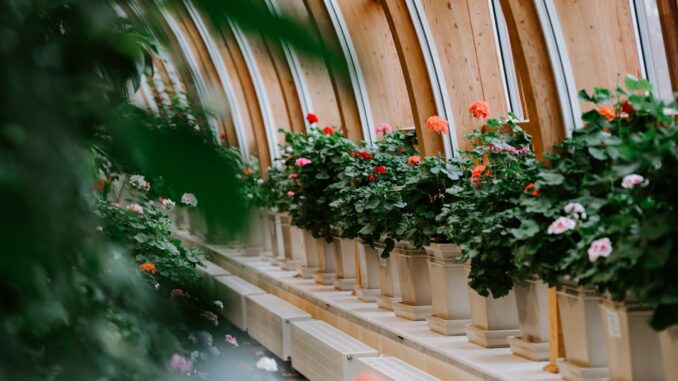
Embracing the traditional roots of orangeries truly brings them to life, especially if you’re a plant enthusiast. Originally designed to protect delicate citrus trees and exotic plants from harsh European winters, your small orangery is perfectly poised to become a luscious indoor greenhouse, a vibrant, breathing sanctuary. Imagine stepping into a mini-jungle, surrounded by verdant foliage, the air feeling fresh and alive. It’s a truly invigorating experience, and you can create it, even in a compact space.
Start by thinking about the types of plants that will thrive in your specific orangery environment. Citrus plants, naturally, are a fantastic nod to tradition; their glossy leaves and fragrant blossoms are a joy. But don’t stop there. Consider ferns for their delicate, intricate fronds and love for humidity, or perhaps vibrant orchids if you’re up for a bit of a challenge. Succulents and cacti can add sculptural interest with minimal fuss, especially if your orangery gets intense, direct sun. Trailing plants, like Pothos or Philodendrons, are excellent for adding vertical interest and softening hard lines.
Temperature and humidity control become paramount in an indoor greenhouse. Orangeries, with their abundant glazing, can experience significant temperature swings. During colder months, ensure adequate heating to protect your tropical beauties. In summer, good ventilation is key to prevent overheating and stale air; consider ceiling fans or automated vents. For humidity-loving plants, a small humidifier can make a world of difference, or simply group plants together, which creates a microclimate, and place trays of pebbles and water beneath their pots. It’s a little trick, but it really works, I’ve found.
Potting isn’t just about functionality; it’s about aesthetics too. Choose decorative pots that complement your overall style – terracotta for a classic look, sleek ceramic for modern flair, or even colorful glazed pots to add pops of personality. Self-watering pots or smart irrigation systems can be a godsend, especially if you travel or have a busy schedule. This ensures your green companions stay hydrated without constant oversight.
To truly maximize space, vertical gardening solutions are your best friends. Think multi-tiered plant stands that allow you to display numerous plants in a small footprint. Wall-mounted planters or living walls, even small modular ones, turn empty vertical surfaces into lush displays. Hanging baskets, suspended from the ceiling or sturdy window frames, create an ethereal, floating garden effect, keeping plants off the floor and out of the way. I remember once I had an orangery that was just tiny, but with a couple of carefully chosen vertical shelves and some trailing ivy, it felt like a secret garden. Amazing, really.
Finally, establish a care routine. Regular watering, of course, but also consider feeding your plants with appropriate fertilizers. Keep an eye out for pests and address them promptly with organic solutions. Don’t forget to rotate your plants periodically so all sides get adequate light, and gently dust their leaves so they can photosynthesize efficiently. The sensory experience is incredible too; the earthy smell of damp soil, the fresh, oxygenated air, perhaps the subtle scent of citrus blossoms – it’s a truly immersive, calming environment that connects you directly with nature. It’s definitely a commitment, but the reward, well, it’s a living piece of art that continuously evolves and brings immense joy.
3. Creating a Charming Compact Dining Nook: More Than Just Meals
Who says a small orangery can’t be a fantastic spot for dining? Far from it! Even a more compact space can beautifully host a cozy dining setup, transforming it into an ideal spot for everything from lively family breakfasts and sun-drenched brunches to romantic dinners and elegant afternoon teas. It’s about smart choices, you see, and making every inch count to create an intimate, memorable experience.
The key often lies in your table choice. A round pedestal table is frequently the champion of small spaces because it lacks cumbersome legs at the corners, allowing for more seating flexibility and smoother movement around it. A square table can also work well if it’s placed against a wall, but a pedestal design generally feels less bulky. Consider materials: a glass top can make the space feel more open and airy, while a solid wood table brings warmth and character. Drop-leaf or extendable tables are absolute game-changers, allowing you to expand the surface when needed and reclaim floor space when not. That flexibility is incredibly valuable, especially in a smaller room.
For chairs, think smart and stylish. Folding or stackable chairs are excellent for versatility; they can be tucked away when not in use, freeing up valuable floor space. Look for designs that are lightweight yet sturdy, perhaps bistro-style chairs for a Parisian café vibe, or clear acrylic chairs that visually disappear, adding a modern touch without heavy bulk. Another brilliant solution, especially if you’re frequently hosting more than two, is banquette seating built into a wall. This provides a cozy, space-saving option that often includes hidden storage underneath, combining comfort with clever functionality.
Lighting plays a significant role in setting the mood for dining. A single, elegant pendant light hung low over the table can create a focal point and an intimate glow. Supplement this with soft, ambient lighting from wall sconces or even strategically placed battery-operated candles for evening dinners. A dimmer switch is essential, allowing you to adjust the brightness from a vibrant breakfast setting to a warm, romantic dinner ambiance. You want to create that perfect atmosphere, don’t you?
Don’t forget the tableware and decor. Keep it minimal but elegant. Simple, well-chosen place settings, a small vase with fresh flowers or a potted herb, and perhaps a lovely linen runner can elevate the dining experience. For instance, I recall a friend, Anna, who turned her tiny orangery into a breakfast nook. She used a small marble-topped table and two simple bentwood chairs, but the fresh croissant and coffee scent, coupled with a tiny vase of daffodils, made it feel like a five-star hotel experience every morning. It’s about the details, really, the little things that make it special.
This isn’t just for eating, by the way. This compact dining area can double as a wonderful spot for card games, putting together a puzzle, or simply enjoying a cup of tea while gazing out at your garden. It’s truly a multi-functional hub that brings a touch of everyday elegance to your home.
4. Elevating Evenings: Transforming into an Elegant Entertaining Space
Even if your orangery is on the smaller side, it possesses an inherent charm that makes it an ideal candidate for an elegant entertaining space. Far from being too cramped, its intimate scale can foster wonderful conversations and create a truly memorable atmosphere for evening gatherings. We’re talking about intimate wine nights, sophisticated cocktail hours, or small, delightful dinner parties with close friends. The trick is to design it with intentionality, focusing on ambiance and flow.
Lighting is absolutely paramount here. Go beyond just stringing up fairy lights – though they certainly add a touch of whimsy! Think about a layered lighting scheme. Dimmers on overhead lights, perhaps recessed spotlights or a statement chandelier (if your ceiling height allows), give you complete control over the mood. Floor lamps with soft, diffused light can warm up corners, while wall sconces add an architectural elegance. Don’t underestimate the power of candles – votives, pillar candles, or elegant candlesticks – they cast a beautiful, flickering glow that instantly elevates any gathering. When I’m setting up for a small get-together, I always make sure to have at least three different light sources, on dimmers, it makes all the difference.
Next, consider your beverage station. A small, stylish bar cart is practically a must-have. Choose one that’s not just functional but also a statement piece – perhaps mirrored, brass, or a sleek mid-century modern design. Stock it thoughtfully: a selection of spirits, wines, artisanal mixers, elegant glassware, and essential bar tools. If a bar cart feels too large, a floating shelf or a slim console table can serve the same purpose, allowing you to artfully display your bottles and glasses. This creates a clear focal point for drinks, making guests feel welcome to help themselves.
Seating needs to be flexible and comfortable. You might not fit a large sofa, but a couple of comfortable armchairs, perhaps a small loveseat, and an array of stylish poufs or floor cushions can provide ample, versatile seating. These can be easily moved around to encourage different conversation groupings. Nesting tables are brilliant; they offer surfaces for drinks and nibbles, then tuck away neatly when not in use. The goal is to maximize seating without creating clutter, ensuring people can mingle easily without feeling like they’re navigating an obstacle course.
Think about the overall ambiance. Curate a playlist of background music that suits the mood – jazz, lounge, or gentle indie. A subtle, sophisticated scent from a diffuser or a carefully chosen candle can also enhance the sensory experience. Make sure the temperature is comfortable; orangeries can get chilly in winter or too warm in summer, so good climate control is key for guest comfort. You don’t want anyone shivering or sweating, now do you?
Finally, for food, keep it simple and elegant. Small plates, charcuterie boards, or easy-to-manage canapés are perfect for mingling. Presentation matters; beautiful serving dishes and elegant platters elevate even the simplest fare. I once hosted a champagne and dessert evening in my small orangery. We had mini cheesecakes and macarons artfully arranged, soft jazz playing, and the whole space lit by candles and dimmed fairy lights. Everyone said it felt incredibly chic and intimate, even though it was just a few of us. It just goes to show, you don’t need a huge ballroom to create a truly memorable gathering. It’s about intention and atmosphere, pure and simple.
5. Designing Your Dream Micro Home-Office: Focus and Fresh Air
The shift to remote work has completely transformed how we view our home spaces, hasn’t it? And for those seeking a dedicated, inspiring spot, a small orangery can be an absolute revelation for a home office. Imagine working surrounded by abundant natural daylight, with the calming backdrop of your garden just outside. It’s a formula for enhanced focus, creativity, and significantly reduced stress compared to, say, a cramped spare bedroom. This isn’t just about sticking a desk in a corner; it’s about crafting a space that truly supports productivity and well-being.
Your choice of desk is crucial for a micro office. Opt for a slim writing desk, perhaps one with a floating design that attaches directly to the wall, or a chic console table. This minimizes the footprint while providing a dedicated workspace. Consider materials like glass, which can make the space feel more open, or light-colored wood for a Scandinavian, minimalist vibe. Ensure the desk is at a comfortable height for ergonomic working; your forearms should be parallel to the floor when typing.
Ergonomics extends beyond the desk. A supportive office chair, even if it’s a compact design, is vital for long-term comfort and health. Look for features like adjustable height, lumbar support, and armrests. If you can’t fit a full-sized office chair, a well-cushioned dining chair or a stylish task chair can work in a pinch, just be mindful of your posture. Your eyes should be level with the top third of your monitor, so a monitor stand might be necessary to prevent neck strain.
Storage needs to be smart and non-intrusive. Floating shelves are perfect for keeping books, files, and decorative items off your desk surface, maintaining a clean, clutter-free look. Consider slim, wall-mounted drawer units or elegant desk organizers to keep pens, papers, and other essentials tidy. Beautiful storage boxes can hide away unsightly clutter, blending seamlessly with your decor. The mantra here is ‘a place for everything, and everything in its place,’ especially in a small area.
Lighting is a huge advantage in an orangery. Maximize that glorious natural light. Position your desk to avoid glare on your screen – often facing a window is best, or with the window to your side. However, you’ll still need good task lighting for cloudy days or evening work. A stylish desk lamp provides direct illumination, reducing eye strain. Think about blinds or smart curtains that can diffuse harsh sunlight or offer privacy when needed. I once had an office in a sunroom, and the natural light was a game-changer for my energy levels; I felt so much more alert and creative, genuinely.
Finally, personalize the space without overcrowding it. A small plant on your desk can boost mood and air quality. Inspiring artwork or a corkboard for ideas can keep your creativity flowing. Cable management is a must; unsightly wires can quickly undermine the calm aesthetic. Use cable clips, ties, and discreet charging stations to keep all your tech tidy. This isn’t just an office; it’s a personal haven where work feels less like a chore and more like an inspiring pursuit, thanks to that glorious garden view just beyond your screen.
6. Unleashing Fun: The Family Game or Play Area Transformation
Sometimes, what a home truly needs is a dedicated space for pure, unadulterated fun, and your small orangery can easily become that vibrant hub. Transforming it into a family game or play area is a brilliant way to infuse your home with joy, creating a haven for board games, puzzles, arts and crafts, or even just general imaginative play. It becomes that go-to spot where laughter echoes and memories are made, a lovely thought, don’t you think?
When designing this space, consider the primary users. If it’s for toddlers and young children, safety is paramount: think soft rugs, rounded furniture corners, and secure anything that could tip over. For older kids and teens, perhaps a more sophisticated game table or a dedicated spot for console gaming might be appropriate. And for adult game nights? Focus on comfortable seating and surfaces for drinks and snacks.
Storage solutions are absolutely critical to keep this space functional and tidy. Compact storage, such as toy benches with lift-up lids, modular shelving units with colorful bins, or even wall-mounted cubbies, can keep everything accessible yet neatly organized. Labeling bins with pictures for younger children or clear text for older ones helps enormously with tidying up. Ottomans with hidden storage are another fantastic dual-purpose item, offering both seating and a place to stash games or craft supplies. I mean, who wants to trip over LEGO bricks, right? No one, that’s who.
For flooring, choose something durable and easy to clean. A large, washable rug can define the play zone, add comfort for sitting on the floor, and protect the orangery’s original flooring. Foam play mats can be great for younger kids, providing a soft landing for tumbles and spills.
Think about the activities you want to facilitate. A small table and chairs are perfect for board games, puzzles, or drawing. A comfortable bean bag or floor cushions invite kids (or adults!) to sprawl out with a book or a tablet. If space allows, a mini foosball table or a compact air hockey game can add a real ‘wow’ factor. For creative types, set up a dedicated art station with paper, crayons, and paints, using roll-out paper on a wall for mural drawing. The abundant natural light in an orangery is perfect for creative endeavors, minimizing eye strain.
Don’t forget the little touches that make it special. A small whiteboard or chalkboard for scribbling messages or keeping score. Maybe a cozy reading nook within the play area, complete with soft blankets and pillows. I remember my niece absolutely loved her ‘story chair’ in our orangery; it was just a comfy armchair with a pile of picture books next to it, but it was her special spot. This space isn’t just about containing clutter; it’s about fostering creativity, interaction, and joyful family time, an investment in fun, if you ask me.
7. The Art of Adaptability: Crafting a Flexible Multi-Use Hub
In many homes, especially those with smaller footprints, versatility isn’t just a bonus; it’s an absolute necessity. Your compact orangery, with its bright aspect and connection to the outdoors, is an ideal candidate for a truly flexible, multi-use area. This concept is about smart design, where the space can effortlessly transform from one function to another, adapting to your family’s needs throughout the day, or even within an hour. It’s about getting the most bang for your buck, square footage-wise, which is always a good thing.
The cornerstone of a flexible multi-use space is smart furniture choices. We’re talking about pieces that do double (or even triple) duty. Benches with built-in storage are fantastic; they provide seating while discreetly stashing away blankets, games, or office supplies. A fold-down table, perhaps mounted on the wall, can serve as a dining surface, a craft station, or a temporary desk, then disappear when not needed. Nesting tables are brilliant for offering flexible surface areas that can be pulled out for drinks or snacks and then neatly tucked away. Think about modular shelving units that can be reconfigured or expanded as your needs change.
Zoning can help delineate different functions, even in a small space. A stylish rug can define a ‘lounge’ area, while a small screen or a tall plant can subtly separate a ‘work’ zone from a ‘play’ zone. Lighting also plays a role; a bright overhead light for focused tasks, and softer, warmer lamps for relaxation. These visual cues, though subtle, help mentally transition between activities without needing to physically rearrange everything. It’s really quite clever.
Decluttering strategies are absolutely essential for a multi-use area to function effectively. If a space needs to transition from a vibrant play area to a serene dining spot, everything that belongs to the ‘play’ function needs a designated, easily accessible storage spot. Invest in attractive baskets, bins, and storage ottomans. The cleaner and more organized the space, the easier it is to switch its purpose. As my grandmother used to say, ‘A tidy room is a tidy mind,’ and that’s never truer than in a multi-functional space!
Consider how technology can support this flexibility. A smart TV mounted on a swivel bracket can be watched from different angles, serving as entertainment for lounging or as a screen for presentations if the space becomes a temporary meeting room. Discreet charging stations for devices can be integrated into furniture or walls, always ready for use. I’ve known people who use their orangery for morning yoga, then quickly convert it for an afternoon of intense remote work, and finally, for an evening cocktail hour with friends. It’s an incredible testament to the power of thoughtful design, don’t you agree? This functional versatility isn’t just convenient; it ensures your orangery remains a vibrant, well-used space that adapts to the rhythm of your life, making the most of every precious moment, and every square foot.
8. Seamless Living: Embracing Indoor-Outdoor Flow
One of the most appealing characteristics of an orangery is its inherent connection to the garden, but a truly stellar design takes this a step further, blurring the lines between indoor and outdoor living. When you design your orangery to literally open up to your garden or patio, you’re not just adding a room; you’re creating an expansive, fluid living environment. It’s about achieving that glorious sense of continuous space, especially on those beautiful sunny days, which can dramatically enhance both the functionality and the perceived size of your home.
The choice of doors is paramount here. Bifold doors are arguably the champions of this seamless transition, as they fold back completely, creating a wide, unobstructed opening that genuinely merges the interior with the exterior. Sliding doors, particularly large format ones, also offer fantastic views and a good degree of openness. French doors, while more traditional, can still create a charming, direct connection to the garden. Think about the aesthetic you’re aiming for and the extent of openness you desire. It really makes a massive difference, the feeling of space it creates.
To truly enhance the feeling of continuity, consider matching your flooring both inside and outside. Using the same type of tile, flagstone, or even composite decking materials can visually extend the orangery directly into your garden or patio area. This creates an optical illusion of a much larger space, a brilliant trick for smaller orangeries. If exact matching isn’t feasible, choose materials with similar tones or textures to create a harmonious visual link.
Exterior landscaping directly outside the orangery should be an extension of its interior style. Plant beds leading right up to the doors, carefully chosen potted plants that echo those inside, or even a small patio space with outdoor furniture that complements your orangery’s interior decor. This thoughtful integration enhances the overall aesthetic and reinforces that blurred boundary. Imagine stepping directly from your cozy reading nook onto a sun-drenched patio without any perceived barrier.
Don’t forget about outdoor furniture that can handle the elements but still looks stylish enough to feel like an extension of your indoor living. Weather-resistant sofas, comfortable armchairs, and coffee tables made from wicker, treated wood, or metal can create an inviting outdoor lounge area that flows beautifully from your orangery. And when the weather takes a turn, simply pull them away, and you’ve still got a lovely, contained indoor space.
Lighting for transitions is also key. Path lights leading from the orangery into the garden, or subtle uplighting on exterior plants, can extend the usable space well into the evening. This means your indoor-outdoor haven isn’t just for daytime; it becomes a magical evening retreat too. I remember hosting a summer dinner party where we had the bifold doors wide open, and the dining table actually straddled the indoor-outdoor threshold. The fairy lights in the orangery blended seamlessly with string lights in the garden, and it felt like we were dining in one enormous, beautiful space. It was truly unforgettable, and it was all thanks to that deliberate indoor-outdoor flow.
9. Serenity in Sound: Incorporating a Water Feature
There’s a reason why the gentle ripple of a stream or the soft murmur of ocean waves is so incredibly soothing, isn’t there? It’s nature’s lullaby. Bringing that tranquility indoors, particularly into your small orangery, can transform the space from merely pleasant to profoundly peaceful. Adding a small water feature is a surprisingly impactful way to introduce a touch of nature, create a wonderfully serene ambiance, and engage another one of your senses. It’s a sensory delight, honestly.
When we talk about indoor water features, you have a few delightful options. For a compact orangery, a table-top fountain is a fantastic choice; it’s discreet, easy to maintain, and can be placed on a side table or a low shelf. Freestanding fountains, while slightly larger, can act as a lovely focal point if you have a bit more floor space. There are even wall-mounted options, which save floor space entirely and create an elegant, contemporary look. Choose a design that complements your orangery’s style, whether it’s a sleek ceramic piece, a rustic stone design, or something more contemporary with integrated lighting.
The benefits extend beyond just visual appeal. The soft sound of trickling water can mask unwanted ambient noise, creating a calmer environment. It also naturally increases the humidity in the air, which can be beneficial for both your plants (if you have them) and your own well-being, especially during dry winter months. From a Feng Shui perspective, water elements are believed to bring calm, prosperity, and positive energy into a space. It just makes you feel good, really, listening to that gentle murmur.
Placement is key to maximizing impact and ensuring safety. Position your water feature where its sound can be best appreciated – perhaps near your reading nook or dining area. Ensure it’s on a stable, level surface and away from any electrical outlets where splashing could be an issue. If it’s a floor-standing unit, ensure there’s enough space around it so it doesn’t feel cramped. You want it to be a soothing presence, not a tripping hazard!
Maintenance is generally straightforward. You’ll need to keep the reservoir topped up with distilled water to prevent mineral buildup and clean it periodically to prevent algae growth. Most indoor fountains come with small pumps that require occasional cleaning too. It’s a small effort for a big reward, believe me. And if your water feature includes integrated lighting, it can create a beautiful visual effect in the evenings, highlighting the movement of the water and casting interesting shadows.
Consider the sound itself. Some fountains offer a gentle, almost imperceptible trickle, perfect for background tranquility. Others might have a more pronounced splash or gurgle. Listen to different styles before you buy, if possible, to find the sound that resonates best with you. I recall visiting a client’s small orangery once, and they had a tiny, almost hidden tabletop fountain near their armchair. The soft sound of the water, coupled with the warmth of the sun, made it an instantly calming spot. It wasn’t just decorative; it was a genuine source of peace. It just proves how those little details can utterly transform a room.
10. The Art of Contrast: Blending Vintage with Modern for Unique Style
Creating a truly captivating space often means daring to mix things up a bit. While a purely modern or purely vintage aesthetic can be stunning, there’s a certain magic that happens when you skillfully blend elements from both worlds. This approach, marrying vintage furniture with modern elements, is particularly effective in a small orangery. It creates a unique style that feels both timeless and current, adding character, warmth, and an engaging visual narrative that a single style often can’t achieve. It prevents a room from feeling too sterile or too stuffy, which is always a good goal.
Start with a key vintage statement piece. This could be a beautiful antique wooden table, a richly upholstered armchair with classic lines, a charming old dresser, or even an ornate gilded mirror. This piece acts as an anchor, bringing history and personality into the room. It’s often best to choose one significant item rather than several, to avoid overwhelming a small space. For instance, a beautifully carved antique console table can serve as a stunning focal point without being overly bulky.
Then, introduce modern elements to provide contrast and freshness. Pair that antique table with sleek, contemporary dining chairs made of metal, clear acrylic, or minimalist wood designs. Add contemporary lighting – perhaps a sculptural floor lamp or a geometric pendant light – to juxtapose against the older pieces. Modern artwork, clean-lined plant pots, or minimalist vases can further bridge the gap between old and new.
Think about mixing textures and materials. Polished dark wood from a vintage piece can look fantastic against industrial metal accents or soft, modern linens. Velvet upholstery on an old armchair can be balanced by a crisp, modern rug made of jute or sisal. The contrast adds depth and visual interest, making the space feel more sophisticated and thoughtfully curated. This isn’t just throwing things together; it’s a careful dance between different eras and aesthetics.
Consider your color palette. Often, a neutral base (creams, greys, whites) works beautifully to allow the contrasting furniture styles to shine. You can then introduce pops of color through modern accessories, cushions, or a vibrant piece of contemporary art. This helps to create a cohesive look despite the disparate origins of your furniture.
Sourcing vintage pieces can be an adventure in itself! Explore antique shops, flea markets, online marketplaces, or even family heirlooms. Sometimes, a piece just needs a little love – a fresh coat of paint, new upholstery, or a good polish – to bring it back to life and integrate it perfectly into your modern setting. I once found an incredible art deco drinks cabinet at a local market, slightly battered but full of character. I cleaned it up, added some modern glassware, and it became the absolute star of my orangery, perfectly complementing the sleek, minimalist sofa. It just goes to show, a bit of vision can take you a long way.
This blend of vintage and modern doesn’t just create a unique aesthetic; it creates a space that feels lived-in, layered, and utterly inviting. It tells a story, combining the charm of the past with the clean lines of the present, resulting in a harmonious and truly captivating orangery that reflects your individual style and personality. It’s a fantastic way to ensure your small space truly stands out and feels uniquely you.
Conclusion: Your Small Orangery, Limitless Potential
So there you have it. Your small orangery, far from being a design challenge, is actually a treasure trove of potential. It’s a space that, with a bit of thoughtful design and a dash of creativity, can be transformed into anything you need it to be: a calming sanctuary, a vibrant green haven, an intimate dining spot, or a buzzing hub of activity. The key, as we’ve explored, lies in smart furniture choices, clever lighting, intentional decor, and embracing its inherent connection to the outdoors. Don’t let its size dictate its impact; instead, let it inspire ingenuity.
By carefully considering purpose, flow, and personal style, you can craft a versatile and inviting space that not only enhances your home’s charm and functionality but also brings you immense daily joy. Imagine the quiet mornings, the sun-drenched afternoons, the cozy evenings you’ll spend there. It’s more than just an extension; it’s an experience waiting to unfold. Now go forth, get inspired, and make that small orangery truly shine. I’m excited for you to see what you can achieve!
References
- Premier Windows. (n.d.). Popular Ways to Use Your Small Orangery. Retrieved from https://www.premierwindows.uk.com/news/popular-ways-to-use-your-small-orangery
- Garden.eco. (n.d.). Small Orangeries Ideas. Retrieved from https://www.garden.eco/small-orangeries-ideas
Be the first to comment