
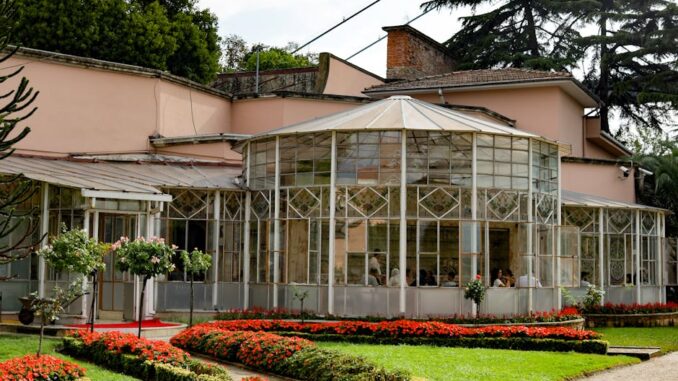

Designing Your Dream Orangery: A Comprehensive Step-by-Step Guide to Seamless Home Expansion
Ever caught yourself dreaming of a bright, sun-drenched space that effortlessly blurs the lines between your indoor sanctuary and the vibrant outdoors? An orangery extension can be that transformative element for your home, injecting both functionality and a serious dose of aesthetic appeal. It’s more than just an extension; it’s an opportunity to reimagine how you live, how you entertain, and how you simply be. This isn’t just about adding square footage, you’re crafting an experience, a new heart for your home. This guide will walk you through the essential initial steps, making sure you embark on creating an orangery that truly complements your lifestyle, your home’s character, and yes, even your garden’s unique charm. From sparking that initial vision to finessing the final design, following these stages will set you firmly on the path to a truly successful and rewarding project.
1. Defining Your Vision and Purpose: The Bedrock of Your Orangery Dream
Before you even think about blueprints or materials, let’s hit pause and really delve into why you want an orangery. What’s its grand purpose? Will it be that sunlit dining area you’ve always coveted, perfect for Sunday brunches with the family, or perhaps a tranquil reading nook, a quiet escape bathed in natural light? Maybe you’re envisioning a vibrant playroom for the kids, a versatile home office that inspires creativity, or even a zen-like yoga studio where you can stretch and breathe, surrounded by your garden’s beauty. Understanding this core intended function, its very soul, will quite literally guide every single decision you make moving forward, from its size and overall layout right down to the specific materials you choose and even the type of flooring you lay.
For instance, I remember when my wife and I decided on an orangery for our place, oh, it feels like ages ago now. We’d always talked about a space that could be a cozy retreat during those grey, colder months, somewhere to curl up with a mug of tea and a good book, yet also a bright, airy expanse where we could fling open the doors and truly enjoy the garden as soon as the weather turned warm. This clarity, this singular vision, became our North Star. It helped us make informed, confident choices throughout the entire process, preventing analysis paralysis and keeping us focused on the end goal. What’s your North Star going to be?
Think about the long game too. While it might be a playroom now, could it transition into a teenage hangout space, or even a sophisticated home bar in ten years’ time? Planning for adaptability can save you headaches and costs down the line. A soundproofed office needs different glazing than a sunroom for plants. A gym might demand robust, easily cleaned flooring, while a formal dining area might call for something more elegant and understated. It’s all in the details, and the purpose dictates them.
2. Navigating the Regulatory Landscape: Planning Permission and Building Regulations
Okay, let’s talk about the nitty-gritty, the stuff that often feels a bit bureaucratic but is absolutely non-negotiable: planning permission and building regulations. Depending on where you live in the UK, and the specific characteristics of your property, you might indeed need planning permission for your orangery. The good news is, a lot of orangery extensions can often be built under what’s known as ‘permitted development rights’ (PD). This means you don’t need a full planning application, which is a definite time and stress saver.
However, there are crucial conditions and limitations to PD that you simply can’t ignore. For example, if your home sits within a conservation area, is a listed building, or if your proposed extension will exceed certain size limits (which vary, but typically involve projections beyond the original rear wall, height restrictions, and proximity to boundaries), you’ll almost certainly need formal approval. Similarly, if you’re planning an extension at the front of your house, permitted development generally won’t apply. Imagine the horror of investing time and money, only to find out you’ve got to tear it all down because you skipped this vital step. It’s truly crucial to consult with your local authority’s planning department or, even better, engage a professional architect or a reputable orangery specialist right from the outset. They’ll know the ins and outs, ensuring full compliance with all the local and national regulations. This isn’t just about avoiding fines; it’s about guaranteeing the structural integrity and safety of your new space.
Understanding Permitted Development vs. Planning Permission
Permitted development rights are a fantastic asset for homeowners, allowing certain types of extensions without a full planning application. But, and it’s a big ‘but’, these rights come with strings attached. For an orangery, common conditions include:
- Size Limits: Typically, a single-storey extension can’t extend beyond the rear wall of the original house by more than 3 metres for a semi-detached or terraced house, or 4 metres for a detached house. There are also specific rules about height, including the maximum height of the eaves and the overall height of the extension.
- Boundary Proximity: Extensions often can’t be closer than 7 metres to the rear boundary if they’re over a certain height, and there are rules about how close you can build to side boundaries.
- Materials: PD usually requires that materials used for the exterior of the extension are similar in appearance to those of the existing house.
- Designated Land: If your property is on ‘designated land’ (like a National Park, Area of Outstanding Natural Beauty, or a conservation area), PD rights are often more restricted or don’t apply at all.
If your project falls outside these parameters, or if your property has had its PD rights removed (sometimes the case with newer developments), you’ll need to submit a full planning application. This involves detailed drawings, site plans, and often a ‘Design and Access Statement’. It’s a more involved process, but a skilled professional will manage this, acting as your advocate with the council.
The Importance of Building Regulations
Separate from planning permission, building regulations are a set of standards for the design and construction of buildings, ensuring health, safety, welfare, convenience, and sustainability. These are about how your orangery is built, regardless of whether you needed planning permission. They cover everything from structural stability and fire safety to energy efficiency, ventilation, and access. You will need Building Control approval for your orangery. This typically involves:
- Structural Calculations: Ensuring the foundations and roof can support the structure.
- Insulation Standards: Making sure the walls, roof, and glazing meet thermal efficiency requirements to keep your orangery warm in winter and cool in summer.
- Ventilation: Proper airflow to prevent condensation and ensure fresh air.
- Glazing Safety: Specific requirements for safety glass in certain areas.
- Electrics and Plumbing: Ensuring all installations meet current safety standards.
Your chosen contractor or architect will submit plans to your local authority’s Building Control department, who will then inspect the work at various stages of construction. Skipping these steps isn’t just illegal, it’s dangerous, potentially compromising the safety and integrity of your home, and could cause significant issues when you eventually try to sell the property. No one wants that kind of stress!
3. Setting a Realistic Budget: Your Financial Roadmap
Let’s be frank, building an orangery is an investment, and like any significant investment, it demands a clear, realistic budget. Establishing this early on is absolutely essential; it’s your financial roadmap that will steer every subsequent decision. The cost of an orangery, you see, isn’t a one-size-fits-all figure. It can swing wildly depending on a multitude of factors, from its sheer size and the complexity of the design, to the specific materials you choose, and all those wonderful additional features like underfloor heating, integrated smart technology, or bespoke glazing. Having a solid budget in mind helps you make choices that align perfectly with your financial plans, avoiding painful surprises down the line.
Consider these key cost drivers:
- Size and Complexity: A larger orangery with a complex, multi-faceted roof design or one that integrates into a challenging part of your home will naturally cost more than a simpler, smaller addition. Does it require extensive groundwork due to uneven terrain or poor soil conditions? That’ll add to the foundational costs.
- Materials: This is a big one. Opting for high-performance aluminium frames with triple glazing and a bespoke timber lantern roof will sit at a different price point than uPVC frames with standard double glazing. Similarly, natural stone flooring will be a different beast compared to laminate or even high-quality tiles.
- Glazing Performance: Beyond just double or triple glazing, think about coatings. Low-E glass, self-cleaning glass, solar control glass – these advanced options offer superior performance but come with a higher price tag. They’re often worth the investment for long-term comfort and energy savings, though.
- Internal Finishes: Flooring choices, bespoke joinery, integrated lighting schemes, high-spec electrical fittings, advanced heating and cooling systems – all these contribute significantly to the final cost.
- Professional Fees: Don’t forget the costs for architects, structural engineers, planning consultants, and project management if you’re not using a full-service provider. These professionals are invaluable, ensuring quality and compliance.
- Groundwork and Foundations: The condition of your site can have a huge impact. Are extensive excavations needed? What about drainage? Poor ground conditions might necessitate deeper, more complex foundations like piled foundations, which are far more expensive than standard strip foundations.
- Utilities and Connections: Integrating new electrical points, plumbing for a sink or WC, or extending your central heating system will involve additional costs.
- Contingency Fund: This is perhaps the most crucial often-overlooked budget item. Always, and I mean always, allocate at least 10-15% of your total budget as a contingency. Unexpected issues can arise during construction – a hidden drain, a patch of unstable ground, or even a sudden increase in material costs. A contingency fund acts as a financial safety net, preventing stress and project delays.
Once you’ve got a ballpark figure, start gathering detailed quotes from several reputable companies. Don’t just compare the bottom line; scrutinize what each quote includes. Is VAT included? Are planning fees covered? What about waste removal? A comprehensive quote provides peace of mind. While an orangery is an expense, it’s also a proven way to add significant value to your property and drastically improve your quality of life. Think of it as investing in your home and your happiness.
4. Designing Your Orangery and Selecting Materials: Crafting the Perfect Space
This is where your vision truly starts to take tangible shape. A well-designed orangery isn’t just tacked onto your home; it should feel like an organic extension, one that breathes with your existing architecture. It’s about blending the new with the old in a way that feels utterly seamless, yet still allows for its own distinct character. The choices here are vast, so let’s break them down.
Architectural Style Integration: Blending Old with New
Your orangery should speak the same architectural language as your home, or at least a complementary dialect. Is your house a charming Victorian terrace, a stately Georgian abode, a sleek modern new-build, or something in between? For older properties, you might lean towards classic designs, matching brickwork, and traditional window styles. Perhaps elegant timber frames with intricate glazing bars would echo the original character beautifully. For a contemporary home, crisp aluminium frames, expansive bi-fold doors, and a minimalist aesthetic might be the perfect fit. Sometimes, a striking contrast can work too – a bold, modern orangery on a traditional house can create an exciting visual dialogue, but this requires a very skilled hand to ensure it looks intentional and not out of place.
Window and Door Choices: Your Gateway to the Garden
These are the ‘eyes’ and ‘mouth’ of your orangery, dictating light, ventilation, and how you interact with your garden. You’ll want glazed elevations that often include a thoughtful combination of fixed windows, standard casement doors, elegant French doors, or expansive bi-fold doors. Each material has its own personality and practical benefits:
- uPVC: Often the most budget-friendly option, uPVC is incredibly low-maintenance, requiring little more than an occasional wipe down. It’s energy-efficient and comes in various colours, though some purists find its aesthetic less ‘premium’ than timber or aluminium. It’s a workhorse material, reliable and robust.
- Timber: For that classic, warm, and utterly authentic look, timber is unparalleled. It offers excellent natural insulation and can be painted or stained to virtually any colour, allowing for a truly bespoke finish. Hardwood options like oak or meranti are incredibly durable, though timber does require more maintenance over its lifespan to keep it looking its best. The natural grain and feel are simply beautiful.
- Aluminium: If you’re chasing a sleek, contemporary aesthetic, aluminium is your go-to. Its inherent strength allows for much slimmer frames and larger panes of glass, maximizing light and views. It’s incredibly durable, low-maintenance, and resistant to warping or corrosion. While often at the higher end of the price scale, its modern appeal and longevity are a huge draw.
Door types also dramatically influence the space:
- French Doors: Timeless and elegant, offering a classic opening.
- Bi-fold Doors: The ultimate in blurring indoor-outdoor lines. They fold back completely, creating a massive opening that truly connects your orangery to the garden. Imagine summer evenings with the entire wall open – glorious!
- Sliding Patio Doors: A great space-saving alternative to bi-folds, where the panels slide neatly behind one another.
Glazing Options: Beyond Just Glass
This isn’t just about putting glass in a frame; it’s about optimizing performance, comfort, and security. Double glazing remains the most popular choice for its excellent balance of insulation, noise reduction, and energy efficiency. But why stop there? For enhanced thermal performance, especially in colder climates or for a truly all-year-round usable space, triple glazing is a fantastic upgrade, though it comes with added weight and cost. Look for features like:
- Low-E (Low-Emissivity) Coatings: These microscopic, transparent coatings on the glass surface reflect heat back into the room during winter, and reflect solar heat away in summer, making your orangery more comfortable and energy-efficient.
- Argon Gas Filling: Filling the gap between panes with inert gases like argon (instead of air) significantly improves thermal insulation.
- Self-Cleaning Glass: Treated with a special coating that reacts with UV light to break down organic dirt, which then washes away with rain. It’s a convenience you’ll truly appreciate, especially on hard-to-reach roof glazing.
- Solar Control Glass: Designed to reduce heat gain from the sun, preventing your orangery from becoming an oven on hot days, while still allowing plenty of natural light.
- Security Glazing: Laminated or toughened glass offers enhanced security and safety, resisting breakage or shattering into dangerous shards.
- Integrated Blinds: If you’re looking for added convenience, a sleek, modern finish, and ultimate privacy control, consider blinds that are sealed within the double-glazed units. They stay clean, protected, and are often motorized for effortless operation. It’s a touch of luxury that genuinely makes a difference.
Brickwork, Render, and Cladding: The Exterior’s Character
Carefully selected brickwork can often be matched to your existing structure, creating a seamless, almost ‘always-been-there’ aesthetic. It’s an art, matching brick age, texture, and mortar colour. Alternatively, consider using renders or painted finishes to complement or subtly contrast, adding a unique modern touch while maintaining harmony with the overall design. Smooth, contemporary render against a traditional brick home can be visually stunning. You could also explore timber cladding or composite options for a different texture and feel, especially if you’re aiming for a more garden-room aesthetic. The exterior finish sets the tone for the entire structure.
Electrical Features: Powering Your Lifestyle
Don’t underestimate the importance of thoughtful electrical planning. This goes far beyond just a few plug sockets. You want to maximize both functionality and ambiance. Think about ambient lighting – perhaps recessed spotlights in the internal pelmet, elegant wall sconces, or even statement pendant lights. Consider task lighting for reading nooks or workspaces. Dimmer switches are a must for creating different moods. And what about integrating smart home features? Automated blinds, intelligent heating controls, or even a built-in sound system can elevate your orangery from a simple room to a sophisticated, responsive living space. Don’t forget outdoor sockets for garden lights or tools, and USB charging points in convenient locations. Plan for today’s needs and tomorrow’s tech.
Heating Options: Year-Round Comfort
To truly enjoy your orangery throughout the year, effective heating is paramount. No one wants a beautiful space that’s unusable for half the year! Your options are varied:
- Electric Radiators: These offer independent temperature control, great for supplemental heating or if you want to keep the orangery at a different temperature than the rest of the house. Modern electric radiators are sleek and efficient.
- Connecting to Central Heating: For a fully integrated solution, extending your existing central heating system into the orangery is often the most cost-effective and comfortable option, ensuring a consistent temperature with the rest of your home. You could opt for traditional radiators, or more discreet designer radiators.
- Underfloor Heating (UFH): This is a truly luxurious choice, providing incredibly even, gentle heat that radiates up from the floor. Wet UFH systems are incredibly efficient when connected to your central heating, while electric UFH mats are easier to install for smaller areas. It frees up wall space and offers unparalleled comfort, especially on bare feet.
- Air Conditioning/Heat Pumps: For ultimate year-round climate control, a modern air-source heat pump system can both heat in winter and cool in summer, ensuring your orangery is always the perfect temperature, whatever the weather throws at it.
Window and Door Colours: Personalizing Your Palette
The colour palette is your chance to really stamp your personality on the orangery. Choose from a wide range of colours and finishes to perfectly complement your home’s existing style. Whether you prefer classic white for a crisp, clean look, traditional wood tones for warmth, or a sleek, contemporary aesthetic with bold modern shades like anthracite grey or even deep greens, there’s an option to suit every taste. Remember, the internal and external colours don’t have to be identical; you might opt for a darker exterior to match window frames, but a lighter interior to enhance the feeling of space and light.
The All-Important Orangery Roof Design
Perhaps the most defining feature of an orangery is its roof. Unlike a conservatory’s fully glazed roof, an orangery typically features a solid, insulated perimeter roof (the ‘pelmet’ or ‘deck’) with a large, often central, glazed lantern roof. This design offers the best of both worlds: the robust insulation and architectural feel of a traditional extension, coupled with the incredible natural light that pours in from above.
- Lantern Roof: This spectacular feature is the jewel in the orangery’s crown. It can be square, rectangular, or even octagonal, designed to draw light deep into the space and often into the adjoining room. Modern lantern roofs are incredibly thermally efficient, with advanced glazing options and slimline frames to maximize views of the sky. They also offer excellent ventilation options, often with automatic openers and rain sensors.
- Flat Roof Sections: The solid perimeter flat roof provides excellent insulation and is often finished with modern, durable materials like EPDM rubber or GRP (Glass Reinforced Plastic). This area allows for the installation of recessed spotlights, discreet downpipes, and creates a sense of architectural permanence.
- Internal Pelmet: This internal fascia board, running around the perimeter of the orangery beneath the flat roof, is often where you can integrate lighting, hide blinds, or simply add architectural interest. It gives the orangery that distinctive ‘room-like’ feel, rather than a purely glass structure.
Flooring: Foundation for Functionality and Style
The flooring choice in an orangery needs careful thought, balancing aesthetics with practicality and thermal performance. Because orangeries bridge indoor and outdoor, the floor is subject to more temperature fluctuations and potentially more foot traffic from the garden. Considerations include:
- Porcelain or Ceramic Tiles: Incredibly durable, easy to clean, and excellent at conducting heat if you opt for underfloor heating. They come in a vast array of styles, colours, and textures, from wood-effect to polished concrete lookalikes.
- Natural Stone (Travertine, Limestone, Slate): Offers a luxurious, timeless aesthetic. It’s incredibly hard-wearing and looks stunning, but requires sealing and can be more prone to staining if not properly maintained. Also, it’s a good conductor for UFH but can feel cold without it.
- Engineered Wood: More stable than solid wood, making it better suited for areas with temperature and humidity fluctuations. It provides warmth and character, but might require rugs in high-traffic areas if you’re concerned about scratches.
- Luxury Vinyl Tiles (LVT): A fantastic, versatile option that mimics natural materials like wood or stone very realistically. LVT is waterproof, highly durable, easy to clean, and comfortable underfoot. It’s also relatively easy to install and a good choice for UFH.
Your flooring choice should be durable enough for its intended use, complement your overall design aesthetic, and work well with your chosen heating system. Don’t overlook it, it’s a huge surface area and contributes significantly to the orangery’s feel.
5. Collaborating with Experienced Professionals: Your Project’s Guiding Hands
Choosing the right company for your orangery project isn’t just important; it’s absolutely crucial. This isn’t a DIY job, not unless you’re a qualified builder with a penchant for structural engineering and an encyclopedic knowledge of planning law! A skilled team of experienced designers and builders will ensure your extension is constructed to the highest standards, from that very first, tentative consultation right through to the final lick of paint. They’re not just constructing a building; they’re bringing your vision to life, mitigating risks, and ensuring everything is compliant and aesthetically pleasing.
What should you look for? Beyond mere price, consider:
- Reputation and Experience: How long have they been in business? Do they specialize in orangeries specifically? Look for companies with a proven track record, a portfolio of diverse projects, and glowing testimonials. Ask for references and don’t be shy about visiting completed projects if possible.
- Expertise in Design and Planning: A truly professional company will have in-house designers or close relationships with architects who understand the nuances of orangery design and, crucially, the local planning policies and building regulations.
- Certifications and Accreditations: Are they members of reputable industry bodies? Look for certifications like FENSA or CERTASS for window and door installations, or the Guild of Master Craftsmen. These signify adherence to high standards and offer consumer protection.
- Comprehensive Service: Do they manage the entire process, from initial design and planning applications to construction, plumbing, electrics, and finishing touches? A single point of contact simplifies things enormously, saving you time and stress.
- Insurance and Warranties: Ensure they hold adequate public liability and employer’s liability insurance. What guarantees do they offer on their work and materials? A long-term structural warranty is a definite sign of confidence in their craftsmanship.
- Communication: How responsive are they? Do they listen to your ideas and concerns? Clear, consistent communication is vital for a smooth project. You’ll be working closely with these people for a while, so a good rapport is essential.
Remember, the cheapest quote isn’t always the best value. Investing in a highly reputable and experienced team often means a smoother process, higher quality build, fewer headaches, and a more durable, beautiful end product that truly stands the test of time.
6. Securing Permissions and Finalizing Plans: Dotting the I’s and Crossing the T’s
Once you’ve chosen your dream team, the next significant hurdle is to obtain all necessary permissions and then finalize the precise plans for your orangery. If planning permission is indeed required – which your chosen professionals will have determined in the early stages – a reputable company will handle this entire application process from start to finish. They’ll prepare and submit all the required architectural drawings, site plans, elevations, and design and access statements to your local authority, ensuring everything is meticulously completed and submitted correctly and, importantly, on time. Believe me, trying to navigate the complexities of planning applications on your own can be a labyrinthine nightmare.
Beyond planning, remember the building regulations we discussed earlier? Your team will also prepare and submit detailed construction drawings and specifications to Building Control, ensuring all structural, thermal, and safety requirements are met. This often involves detailed calculations from a structural engineer. This two-pronged approach ensures both external approval (planning) and internal compliance (building regulations) are secured.
Once all permissions are in hand, the real magic of finalization begins. This phase involves a detailed review of every aspect of the project with your chosen professionals. This is your last chance to tweak anything before construction starts. You’ll go over the precise material schedules, confirm all measurements, verify the exact placement of windows, doors, electrical sockets, and lighting, and agree on the final payment schedule. This meticulous attention to detail at this stage prevents costly misunderstandings and changes once work has begun. It’s about setting stone, knowing precisely what you’re getting, and when, and how much it’ll cost. No surprises, please!
7. Site Preparation and Construction Kick-Off: Watching Your Vision Rise
With all permissions secured and your meticulously refined designs finalized, the really exciting part can begin: construction. This phase is typically a carefully orchestrated sequence of events, and a skilled project manager from your chosen team will oversee every stage, ensuring a seamless and, dare we say, stress-free experience. Seeing your orangery literally rise from the ground is incredibly satisfying!
Here’s a breakdown of what you can expect:
- Site Survey and Preparation: Before any digging, a thorough site survey confirms ground conditions, existing utility lines, and access routes. The site is then prepared, which might involve clearing existing structures, ensuring safe access for machinery and materials, and setting up protective measures for your garden and home.
- Groundwork and Foundations: This is where the orangery truly takes root. Excavations are carried out for the foundations, which could be anything from traditional strip foundations to more complex piled foundations, depending on your soil type and ground stability. Drainage systems are installed to manage rainwater effectively.
- Base and Wall Construction: Once the foundations are ready, the orangery’s solid base is constructed, often incorporating insulation and damp-proof membranes. The dwarf walls or full-height walls are then built using your chosen brickwork, render, or cladding. This is when the shape of your new space really starts to emerge from the earth.
- Structural Elements: Steel beams and lintels are typically installed to support the solid roof sections and the lantern roof structure. These provide essential structural integrity and ensure the longevity of your extension.
- Roof Installation: The flat roof sections are built, insulated, and waterproofed using durable materials like EPDM or GRP. Then, the stunning orangery lantern roof structure is carefully erected and glazed, letting in that glorious overhead light. Watching the crane lift the large glass panels into place is always a dramatic sight!
- Window and Door Installation: Your chosen frames and glazing units are meticulously fitted, sealed, and secured. This is a critical stage for weatherproofing and security.
- First Fix Electrics and Plumbing: All necessary wiring for lighting, sockets, and smart home tech, as well as any plumbing for radiators or sinks, is installed within the walls and ceiling before they’re sealed up.
- Plastering and Screeding: Once the first fix is complete, the internal walls and ceiling are plastered to a smooth finish, ready for painting. If you’re having underfloor heating or certain types of flooring, a floor screed will be laid.
- Second Fix Electrics and Plumbing: This involves installing the visible electrical fittings – light switches, plug sockets, light fixtures, and any plumbing fixtures like radiators or taps.
- Internal Finishes: The final touches begin – painting, decorating, and preparing the space for your chosen flooring. This is where your orangery starts to look like a truly finished room, ready for you to enjoy.
Throughout construction, expect regular communication from your project manager. They’ll keep you informed of progress, handle any unexpected challenges (because let’s be honest, building projects rarely go exactly to plan!), and coordinate all the different tradespeople. It’s their job to make sure the process is as smooth and efficient as possible, minimizing disruption to your daily life.
8. Adding the Finishing Touches: Personalizing Your New Haven
Once the main structure is complete, the final, deeply satisfying stage begins: personalizing your orangery. This is where you infuse the space with your own unique style and make it truly your own, a haven designed specifically for you. It’s about taking a beautifully built shell and turning it into a living, breathing part of your home.
- Flooring Installation: With the screed cured, your chosen flooring is laid – whether it’s elegant porcelain tiles, warm engineered wood, or practical luxury vinyl. This dramatically transforms the feel of the room, grounding the design.
- Lighting Design Refinement: Beyond the electrical points, consider the actual light fixtures. Are you going for soft, ambient up-lighting, sleek spotlights, or a dramatic pendant over a dining area? Layered lighting creates mood and functionality.
- Window Dressings and Blinds: Electric lantern blinds, perhaps integrated within the sealed units, are a fantastic way to manage sunlight, reduce glare, and enhance privacy, all at the touch of a button. For side windows, consider stylish roller blinds, Roman blinds, or even curtains that complement your interior décor. These aren’t just practical; they’re key design elements.
- Furnishing and Décor: Choose furniture that not only suits your orangery’s purpose but also stands up to the natural light and potential temperature fluctuations. Think about comfortable seating for a reading nook, a robust dining table for family meals, or resilient pieces for a playroom. Incorporate natural elements like potted plants and small trees to echo the connection to your garden. Mirrors can expand the sense of space and reflect light beautifully, while carefully chosen artwork can add splashes of colour and personality. Don’t forget soft furnishings – throws, cushions, and rugs can add warmth, texture, and absorb sound.
- Smart Home Integration: If you’ve planned for smart features, now’s the time to fully integrate them. Link your automated blinds, lighting, heating, and even sound systems to a central control or your smart home hub for seamless operation. Imagine dimming the lights, closing the blinds, and setting the perfect temperature all from your phone, without even leaving the sofa.
- Landscaping Integration: Consider how your orangery flows into the garden. Paving choices for a patio immediately outside, carefully positioned planters, or even subtle lighting in the garden can create a cohesive look, truly linking the two spaces.
Your expert team can certainly advise on the best finishing touches to suit your lifestyle, ensuring that every element contributes to the overall comfort, functionality, and stunning aesthetics of your new space. Embarking on the journey to build an orangery is both exciting and incredibly rewarding, providing not just an additional room, but an entirely new way to experience your home and garden. By diligently following these steps, you won’t just create a structure; you’ll craft a bespoke sanctuary that enhances your enjoyment of your garden, adds immeasurable value to your daily life, and truly elevates the beauty and charm of your home for years and years to come. What an amazing transformation, eh? You’re going to absolutely love it.
Be the first to comment