

Crafting Your Orangery Sanctuary: A Deep Dive into Design for Well-being
Remember when an orangery was just, well, for oranges? Back in the day, these elegant structures were primarily about cultivating citrus and other delicate plants, sheltering them from harsh European winters. Fast forward to today, and the modern orangery has truly blossomed, evolving into a sophisticated, incredibly versatile extension of our homes. It’s no longer just a fancy greenhouse; it’s a profound bridge between the comfort of indoor living and the refreshing embrace of the natural world, offering a unique environment perfectly poised to elevate your sense of well-being.
Think about it: a space bathed in natural light, connected to your garden, yet offering the solid, comforting feel of a traditional extension. It’s a genuine opportunity to carve out a personal haven, a place where you can recharge, create, or simply be. But making an orangery truly feel like an integrated, vital part of your home – a place that nourishes your soul – that requires a thoughtful approach, a bit of intentional design. Let’s explore how you can transform your orangery into a true sanctuary.
1. Harness the Sun’s Embrace: Maximizing Natural Light and Airflow
One of the most compelling reasons we’re drawn to orangeries is their inherent ability to capture light. That expansive glass, the signature lantern roof, it’s all designed to flood the space with glorious natural light. And trust me, that’s not just pretty; it’s profoundly beneficial for your mood, cognitive function, and even your sleep cycles. Our bodies crave daylight, it helps regulate our circadian rhythms, boosts Vitamin D synthesis, and honestly, who doesn’t feel a little lighter, a little more optimistic, when bathed in sunshine?
To truly harness this, the first rule of thumb is simple: keep those windows and doors unobstructed. Resist the urge to clutter the sills with too many heavy objects that block precious light. Consider the orientation of your orangery during the design phase; a south-facing aspect will be warmest and brightest, but might also demand more robust solar control, while an east-facing one catches that beautiful morning light, perfect for breakfast or an energising start to the day. Keeping the glass sparkling clean also makes an incredible difference, you’d be surprised how much grime can mute the light over time. A professional clean every few months, or even a quick wipe-down yourself, really pays off.
Now, while we adore the sun, sometimes it can be a bit too enthusiastic. Peak sun hours can bring glare, making it hard to read, work, or even just relax comfortably. This is where clever glare control comes into play. Adjustable blinds or shades are indispensable. You’ve got options here, too: sleek roller blinds, elegant Roman blinds, or even smart glass technology that tints at the touch of a button or automatically with light sensors. Externally, thoughtful landscaping, like strategically placed deciduous trees or even a carefully designed pergola with climbing plants, can offer natural shade in summer and let the sun through in winter. It’s all about creating a dynamic environment that adapts to your needs and the sun’s journey throughout the day.
Breathing Easy: Optimizing Airflow for a Fresh Environment
Beyond light, fresh air is absolutely crucial for comfort and well-being. A stuffy, stagnant orangery, no matter how beautiful, just won’t feel right. Good airflow isn’t just about cooling; it’s about continuously refreshing the air, expelling stale air, and inviting in the oxygen-rich goodness from outside. It makes a huge difference to how you feel in the space, doesn’t it?
So, how do we get that breezy feel? It starts with the design itself. Strategic placement of opening windows and roof vents is key. Think about cross-ventilation: having openings on opposite sides of the room encourages air to flow through. Automated roof vents, often thermostatically controlled, are a brilliant investment; they’ll open themselves when the temperature rises, even when you’re out, ensuring the space never overheats. I remember one client who, after experiencing a particularly sweltering summer in their newly built orangery, promptly retrofitted smart vents – it completely changed their experience of the space, turning it from an occasional haven into a year-round favourite. Ceiling fans can also be a stylish and effective way to circulate air, creating a gentle, cooling breeze without the harshness of air conditioning.
Consider integrating smart home technology for climate control. Sensors can monitor air quality, humidity, and temperature, automatically adjusting ventilation and even shading to maintain optimal conditions. It’s about building an intelligent environment that works with you, making your orangery a truly comfortable place to be, no matter the season or time of day.
2. Cultivating Calm: Integrating Indoor Plants
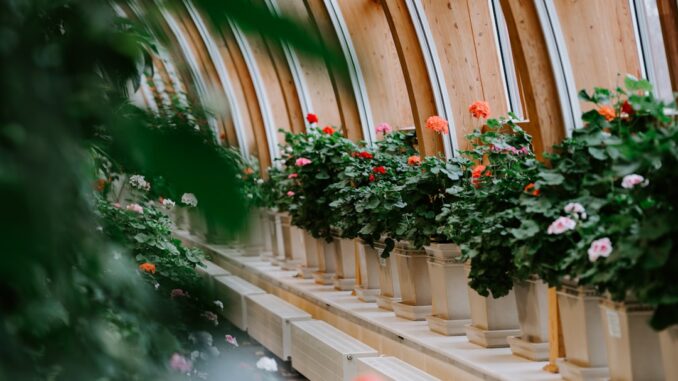
Bringing greenery into your orangery isn’t just about aesthetics, though it certainly makes the space look incredibly inviting. It’s a deliberate, powerful step towards enhancing your well-being. Think of it as inviting nature’s quiet magic indoors. Plants are incredible living things; they purify the air, improve humidity, and, perhaps most importantly, they connect us to the natural world – a phenomenon known as biophilia, which literally means ‘love of life’. This connection has been shown to reduce stress, improve focus, and even speed up recovery times. Who wouldn’t want that?
When choosing your green companions, consider the specific light conditions of your orangery. Does it get full, direct sun all day, or is there more partial shade? For sun-drenched spots, succulents and cacti are fantastic, requiring minimal fuss and offering unique architectural forms. Mediterranean herbs like rosemary and lavender will also thrive, filling the air with their wonderful scents. If you have a slightly shadier corner, a peace lily with its elegant white blooms, or a lush, trailing Pothos, would be perfect. And why not go bold? A small potted olive tree or a vibrant citrus plant – a nod to the orangery’s original purpose – can become a stunning focal point, bringing a touch of the Mediterranean to your home.
More Than Just Green: Creating a Living Landscape
Don’t limit yourself to just a few potted plants on the floor. Think vertically! Hanging planters can add another dimension of greenery, especially beautiful with trailing plants like String of Pearls or ferns. Consider a living wall or a series of shelves dedicated to displaying a curated collection of plants. This not only maximises your plant count without sacrificing floor space but also creates a breathtaking visual impact, turning a wall into a vibrant tapestry of life. Imagine a quiet morning, sipping your coffee, surrounded by vibrant greens, the gentle rustle of leaves, maybe even the subtle scent of blooming jasmine – it’s genuinely transformative.
Plant care needn’t be daunting. A consistent watering schedule (checking the soil moisture is key), occasional feeding during growing seasons, and ensuring proper drainage (never let pots sit in standing water) will keep most plants happy. Remember, different plants have different needs, so a little research goes a long way. I once tried to grow an avocado tree from a pit in my orangery. It was a slow process, a bit fussy with humidity, but watching those first true leaves unfurl was incredibly rewarding. That small effort created such a deep sense of connection to nature, even in a small way.
3. Sanctuary of Comfort: Crafting an Ergonomic and Inviting Space
An orangery, while beautiful, only truly comes alive when it’s utterly comfortable and perfectly suited to your lifestyle. This isn’t just about filling it with furniture; it’s about intentional design that encourages relaxation, productivity, or whatever activity brings you joy in this unique space. So, let’s talk about creating that haven of comfort, shall we?
Start with seating. This is paramount. Think deep, plush sofas where you can curl up with a book, or elegant armchairs upholstered in tactile fabrics that invite you to sink in. Consider a chaise lounge positioned to catch the morning sun, ideal for a lazy Sunday or an afternoon nap. Fabric choices are important too; go for something durable and fade-resistant given the abundant light, but also soft and inviting. Linen blends, performance velvets, or even outdoor-grade fabrics that feel luxurious can be excellent choices. Adding layers of comfort with soft throws and an abundance of cushions in varying textures and colours will instantly elevate the coziness factor.
Don’t underestimate the power of a good rug. It grounds the space visually, adds warmth underfoot (especially in cooler months), and helps with acoustics, softening any echoes from all that glass. A large, natural fibre rug – maybe a chunky wool or a soft jute – can define an area, making it feel like a cohesive ‘room within a room’.
The Productive Retreat: Your Orangery as a Home Office
Many of us have discovered the joys (and sometimes challenges!) of working from home. An orangery, with its abundant natural light and peaceful connection to the outdoors, is actually an ideal location for a home office. But comfort here means ergonomics. An adjustable standing desk allows you to vary your posture throughout the day, which is crucial for preventing stiffness and fatigue. Pair it with an ergonomic chair that provides excellent lumbar support and adjustability. Position your desk to maximise natural light without causing glare on your screen. Smart cable management is also a must – nobody wants a tangled mess detracting from the calm atmosphere.
But what if you need the space to be flexible? Perhaps it’s a home office by day and a dining area by night, or a yoga studio for part of the week. This is where clever, modular furniture shines. Extendable dining tables, ottomans that double as storage, or even a sleek console table that can serve as a minimalist workspace when needed. The beauty of an orangery is its adaptability; with a bit of planning, it can seamlessly transition between different functions without feeling cluttered or compromised. A friend of mine transformed her orangery from a plant paradise into a vibrant family hub, with a large, comfortable corner sofa that could be rearranged for movie nights or host game sessions, and a clever drop-leaf table that appeared only for board games. It just worked.
Finally, think about lighting beyond just the sun. While daylight is king, good artificial lighting is essential for evenings or overcast days. A mix of ambient lighting (recessed spotlights or a beautiful pendant), task lighting (a focused desk lamp or a reading lamp next to an armchair), and accent lighting (uplighters highlighting a plant, or strip lighting along shelving) will create a warm, inviting glow and ensure the space is functional and atmospheric after dark.
4. Seamless Flow: Establishing a Deep Connection with the Outdoors
The orangery, by its very definition, acts as a sophisticated threshold between your indoor sanctuary and the external world. Its design ethos fundamentally revolves around blurring the lines, making your garden feel like an extension of your home and vice-versa. This isn’t just a design trend; it’s about enhancing your living experience, promoting a sense of openness, and fostering that coveted al-fresco lifestyle.
The most impactful way to achieve this seamless connection is through your choice of doors. Wide-opening bifold doors are incredibly popular, and for good reason. They can fold back almost entirely, creating an uninterrupted opening that genuinely merges your orangery with your patio or garden. Imagine throwing them open on a warm summer evening, the scent of night-blooming jasmine wafting in, the gentle hum of conversation moving effortlessly between inside and out. It’s truly magical. Sliding patio doors, especially those with multiple panels that stack neatly to one side, offer a similar effect, perhaps with a slightly more minimalist aesthetic. Even elegant French doors, if space allows for a wider opening, can provide a beautiful, classic gateway to your garden. Crucially, try to ensure a flush threshold, meaning the floor level inside the orangery is almost identical to the patio outside. This removes any tripping hazard and visually strengthens that continuous flow.
Beyond the Doors: Landscaping as an Extension of Your Interior
But the connection shouldn’t stop at the doors. Think about how your immediate outdoor area complements the orangery. If you have a patio, choose materials that either harmonise with or subtly contrast your orangery’s interior flooring. Large format porcelain tiles, for example, can be used both inside and out, creating a truly unified appearance. Consider planting scheme continuity: extend the style of your indoor plants or the colours of your orangery’s decor into the adjacent garden beds. A water feature positioned just outside a large window can bring soothing sounds into the space, even when the doors are closed. Similarly, strategic outdoor lighting can extend the visual ‘room’ of your orangery into the garden after dusk, illuminating key features and transforming your outdoor space into an inviting panorama.
This deliberate integration means your garden isn’t just ‘outside’ anymore; it becomes an active, visual component of your living space. Picture yourself enjoying a quiet morning coffee, the doors open, the soft breeze rustling through the leaves, birdsong providing the soundtrack. It’s about enhancing those moments, making everyday life feel a little more connected, a little more expansive. Isn’t that the dream, really? To feel like you’re already immersed in nature, even from the comfort of your own home.
5. Inner Peace: Incorporating Mindful Practices
Given its inherent qualities – the abundant natural light, the calming views of nature, and often a quiet separation from the main hustle and bustle of the house – an orangery is simply an ideal spot to cultivate mindfulness and prioritize your well-being. It almost begs you to slow down, doesn’t it? It’s a dedicated space where you can genuinely disconnect from digital distractions and reconnect with yourself. This isn’t about grand gestures; it’s about subtle additions that transform the space into your personal haven for peace.
Start with the basics. A soft yoga mat unrolled on the warm floor, perhaps a few plush meditation cushions in calming colours, these signal to your brain that this is a space for quiet introspection. But you can go further. Think about engaging all your senses. An essential oil diffuser gently dispersing scents like lavender, sandalwood, or frankincense can immediately alter the atmosphere, promoting relaxation or mental clarity. The soft scent of jasmine or rosemary, mingling with the fresh garden air, creates an incredibly serene environment. What about sound? While birdsong from the garden is wonderful, a small, unobtrusive speaker playing gentle instrumental music, guided meditations, or even natural soundscapes like ocean waves or rainfall can deepen the sense of calm. The idea is to create an environment free from jarring stimuli, a place where your mind can truly settle.
Your Personal Wellness Retreat
This space is perfect for more than just formal meditation. It could be your dedicated journaling spot, a place where you capture your thoughts and feelings without interruption. Or perhaps it becomes your personal stretching zone, a place to gently ease into your body each morning or unwind after a long day. The natural light is particularly beneficial for these practices, as it helps to regulate your internal clock and can boost mood. Imagine the gentle warmth of the sun on your skin as you move through a sun salutation, or the soft glow illuminating your journal as you reflect on your day. It’s about creating a ritual around self-care, and the orangery provides the perfect backdrop.
To really make this area work, keep it clutter-free. Visual simplicity supports mental clarity. Choose storage solutions that are elegant and discreet, tucking away any items that don’t directly contribute to the mindful purpose of the space. Perhaps a small, low-lying shelf for a few treasured books, or a beautiful ceramic bowl for holding crystals or smooth river stones. This minimalist approach allows the natural elements – the light, the plants, the garden view – to take centre stage, enhancing the overall sense of tranquility. I’ve found that even just five minutes of quiet contemplation in my own orangery, away from the buzz of everyday life, can completely reset my perspective and lower my stress levels. It’s truly a secret weapon for mental well-being.
6. Your Signature Space: Personalizing the Orangery
An orangery, no matter how beautifully constructed, truly comes alive when it reflects you. It’s your opportunity to infuse the space with your unique personality, your passions, and your memories. Without this personal touch, it risks feeling like a showroom, rather than a cherished part of your home. Personalization isn’t about extravagance; it’s about making the space feel authentically yours, inviting you in with every detail.
Start with the visual story you want to tell. Art is a powerful medium here. Consider pieces that resonate with the orangery’s connection to nature – perhaps landscapes, botanical prints, or abstract art inspired by natural forms. Given the abundant light, choose artwork that won’t fade quickly, or select pieces specifically designed for sunnier environments. Positioning is key, too; a statement piece on a solid wall can draw the eye, while smaller, curated collections can add intrigue. Don’t be afraid to mix and match; a modern abstract alongside a vintage botanical engraving can create wonderful depth and character.
Then there are the textiles. These are fantastic for adding warmth, texture, and pops of colour. Beyond just throws and cushions, think about curtains or blinds (even if primarily for light control). Sheer linen drapes can soften the light beautifully while adding a touch of romance, or perhaps a bolder geometric pattern on roller blinds if your style leans more contemporary. The feel of a soft wool throw over an armchair, a chunky knitted cushion – these sensory details make the space incredibly inviting.
Curating Your Collection: Details That Speak to You
Decorative items are where your story really shines. Display books that inspire you, not just for show, but truly your favourites. A collection of sculptural pieces, maybe handmade ceramics or objects collected from travels, can add layers of interest. Perhaps you have cherished family photos in elegant frames, or a collection of small plants in unique, artisan pots. These aren’t just ‘stuff’; they’re conversation starters, memory triggers, and reflections of who you are. The trick, however, is to curate, not accumulate. The line between personalized and cluttered can be thin, especially in a light-filled space. Choose items that truly spark joy or hold significance, and arrange them thoughtfully, allowing each piece room to breathe.
Even your chosen colour palette contributes to the personal narrative. Do you lean towards serene neutrals that let the garden views take centre stage? Or perhaps vibrant blues and greens that echo the natural world outside? Maybe you prefer warm, earthy tones that create a cozy, cocoon-like feel. Whatever your preference, ensure it complements the natural light and the architectural style of your orangery, creating a harmonious and uplifting environment. A friend of mine has an orangery filled with vibrant, mismatched vintage finds, each telling a story from a different antique market, and it’s utterly charming, reflecting her adventurous spirit perfectly. It just goes to show, your orangery isn’t just a room; it’s a canvas for your life.
7. A Haven for All Seasons: Ensuring Year-Round Comfort
One of the defining advantages of an orangery, what truly elevates it beyond a traditional conservatory, is its inherent ability to provide comfort through every season. We’re not talking about a space that’s sweltering in summer and frigid in winter; a well-designed orangery is a versatile extension you can genuinely enjoy all year round, a testament to thoughtful construction and clever engineering.
This year-round usability stems from its unique structural composition. Unlike a conservatory, which is predominantly glass, an orangery integrates more substantial elements: a solid, insulated base, perimeter brickwork walls, and robust columns. This solid construction provides superior insulation and thermal mass, meaning it absorbs and slowly releases heat, helping to regulate internal temperatures. The roof lantern, a signature feature, is also meticulously designed with advanced glazing and often incorporates thermal breaks within its framework to prevent heat transfer. It’s this blend of solid structure and extensive glazing that creates such a comfortable, usable space.
The Science of Comfort: Glazing, Insulation, and Climate Control
Let’s delve into the technology that makes this magic happen. Modern orangery glazing is worlds apart from older conservatory glass. We’re talking low-emissivity (low-E) glass, which has a microscopic coating that reflects heat back into the room in winter, and solar control glass, which helps to reflect excessive solar energy away in summer. Many options also feature argon-filled double or even triple glazing, enhancing insulation even further. The frames themselves play a crucial role; high-quality uPVC, aluminium with thermal breaks, or engineered timber frames all offer excellent thermal performance, preventing heat loss in cooler months and keeping excessive heat out during warmer periods.
But year-round comfort isn’t just about insulation; it’s about active climate control. For those chilly winter evenings, underfloor heating, whether an electric mat system or a wet system connected to your central heating, is a luxurious and incredibly efficient way to warm the space. It provides gentle, even heat from the ground up, avoiding cold spots. Alternatively, stylish radiators, chosen to complement your interior design, can provide ample warmth. During the warmer months, the strategic ventilation we discussed earlier (cross-ventilation, automated roof vents) is paramount. However, for truly scorching days, an integrated air conditioning unit, or a modern air source heat pump (which can both heat and cool), might be a wise investment, ensuring your orangery remains a cool, tranquil refuge when the mercury soars. These systems can often be discreetly installed, maintaining the aesthetic integrity of your space.
Smart home integration for climate control is also a game-changer. Imagine your orangery’s heating or cooling system, ventilation, and even blinds automatically adjusting based on internal and external temperatures, humidity levels, and time of day. This intelligent approach ensures optimal comfort and energy efficiency without you having to lift a finger. I’ve heard countless stories of people initially worried about their orangery becoming a ‘hot box’ or a ‘fridge’, only to be utterly delighted by how comfortable it remains, even during extreme weather. It’s not just a seasonal space; it’s an integral, cherished part of your home, always ready to welcome you.
By thoughtfully designing your orangery with these elements – truly embracing natural light, integrating greenery, prioritising comfort, seamlessly connecting with the garden, fostering mindful practices, injecting your unique personality, and ensuring year-round usability – you won’t just be adding an extension to your home. You’ll be crafting a transformative space. A sanctuary that not only elevates your home’s aesthetic appeal but profoundly enhances your health, happiness, and overall well-being. Embrace its potential; it’s waiting to become your favourite place.
Be the first to comment