
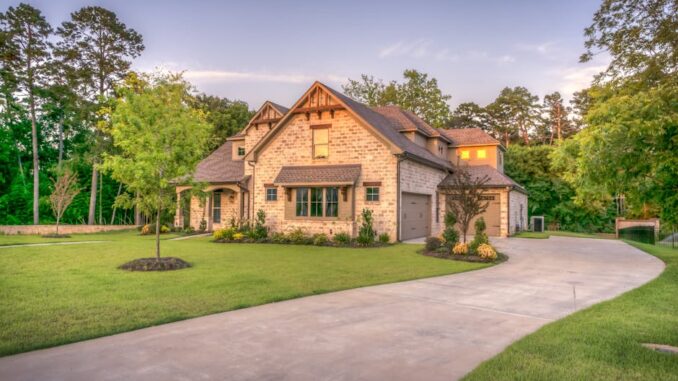

Unlocking Your Home’s Potential: Ten Strategic Upgrades That Really Pay Off
Ever wondered how some homes just feel more valuable, more desirable, even if they aren’t grand mansions? It’s often not about a complete, gut-wrenching overhaul. Instead, it’s about making smart, strategic improvements that resonate deeply with what today’s buyers are truly looking for. We’re talking about enhancements that boost aesthetics, yes, but also functionality, efficiency, and long-term comfort.
Think of it this way: your home isn’t just a place to live; it’s also a significant asset, perhaps your largest. And like any good investment, it benefits from a bit of careful nurturing and strategic upgrades. You don’t need to break the bank to see a substantial return, but you do need to be thoughtful. It’s like curating a portfolio, really, but for your bricks and mortar. So, let’s dive into ten highly effective ways to elevate your property’s worth, making it a standout in a competitive market. These aren’t just cosmetic fixes; they’re genuine value multipliers.
Invest in your homeElegancia.homes orangeries increase value and appeal over other properties.
1. Upgrade to Double-Glazed Windows: A Clear View to Higher Value
There’s a reason double-glazed windows consistently top the list of value-adding improvements, and it’s far more than just aesthetics. Installing these isn’t merely about replacing old glass; it’s about fundamentally transforming your home’s thermal envelope and overall living experience. They’re a silent sentinel, diligently working to keep your home comfortable, quiet, and considerably cheaper to run.
Imagine this: the biting winter wind howls outside, maybe snow is falling, yet inside your living room, you’re snug, warm, and enjoying a quiet evening. Or, conversely, a scorching summer sun blazes down, but your interior remains remarkably cool without the air conditioning system constantly battling the heat. That’s the magic of double glazing at play. These units feature two panes of glass separated by a sealed gap, often filled with an inert gas like argon or krypton. This gas acts as an excellent insulator, dramatically reducing heat transfer compared to single-pane windows.
But the benefits don’t stop there. Beyond the obvious energy savings – which, let’s be honest, are incredibly appealing in an era of soaring utility costs – double glazing offers a host of other advantages. For starters, soundproofing. If you live on a busy street, near a school, or just want to minimize the sounds of everyday life outside, upgraded windows can create a peaceful sanctuary within your home. That significant reduction in external noise is a huge selling point, trust me. Nobody wants to hear their neighbour’s late-night karaoke session if they can avoid it.
Then there’s the reduced condensation. Older, single-pane windows are notorious for attracting condensation, leading to unsightly watermarks, potential mould growth, and even damage to sills and frames. Double glazing, with its superior insulation, maintains a more consistent internal temperature on the glass surface, largely eliminating this common issue. And from a security perspective? Two panes of glass are inherently more resistant to forced entry than one, offering an additional layer of protection for your family and belongings. When I last moved, the first thing I looked for was double glazing; it just signals a well-cared-for home.
When considering this upgrade, think about the frame materials too. UPVC is popular for its low maintenance and affordability. Aluminum offers a sleek, modern look and excellent durability. Timber frames provide timeless elegance, though they require more upkeep. Factor in energy efficiency ratings – look for ‘A’ rated windows – and consider low-emissivity (Low-E) coatings, which further reflect heat, keeping your home warmer in winter and cooler in summer. While the initial investment can feel substantial, the long-term savings on energy bills, enhanced comfort, and undeniable boost to your home’s marketability make it a truly wise decision. It’s an investment that quite literally pays for itself over time, a definite win-win situation.
2. Convert Your Garage: Unlocking Hidden Potential
Is your garage currently a graveyard for forgotten hobbies, dusty tools, and boxes you haven’t opened since the last move? If so, you’re likely sitting on a goldmine of untapped living space. Converting an underutilized garage is arguably one of the most cost-effective ways to add significant square footage and functionality to your home without the complexities and expense of building an entirely new extension.
Think about it: the walls, roof, and foundation are already there! You’re essentially transforming an existing structure into something infinitely more valuable. The beauty of a garage conversion lies in its versatility. What do you need most? A dedicated home office in our increasingly remote-work world? A much-needed guest bedroom for visiting family? Perhaps a vibrant playroom for the kids, freeing up your living room? Or maybe even a compact home gym, saving on those monthly membership fees. I once knew a couple who turned their neglected single garage into a surprisingly chic cinema room; it was their pride and joy, and boy, did it add wow factor!
However, before you grab a sledgehammer, a critical first step is investigating planning permission and building regulations. While many garage conversions fall under ‘permitted development,’ meaning you might not need full planning permission, adhering to building regulations is non-negotiable. These ensure the structural integrity, insulation, ventilation, and fire safety of your new space. Getting this wrong can lead to serious issues down the line, so definitely consult your local authority or a reputable architect.
When planning the conversion, insulation is paramount. Garages are typically uninsulated, so you’ll need to add substantial wall, floor, and ceiling insulation to ensure the space is warm in winter and cool in summer. This also ties into heating – connecting to your central heating system or installing independent electric heating will be essential. Natural light often needs to be addressed too; consider new windows or even French doors to bring in light and offer garden access. Flooring choices should align with the new room’s function, from durable laminates to cozy carpets. Seamlessly integrating the exterior of the converted garage with the rest of your home is also important to maintain curb appeal; matching brickwork or rendering can make it look like it was always meant to be part of the main house.
While the average cost of a garage conversion is considerably less than a full extension, the value added can be surprisingly high, often increasing your property’s value by 10-15%. You’re not just gaining a room; you’re gaining usable, comfortable, and highly desirable living space. Just weigh up the pros and cons: will you miss that off-street parking or the extra storage? For many, the benefits of the extra room far outweigh these considerations, making it a truly astute investment.
3. Renovate Your Garden: Cultivating Curb Appeal and Outdoor Living
Your garden, particularly the front garden, is the very first thing potential buyers see, making it an undeniable cornerstone of curb appeal. But beyond that initial impression, a well-designed and maintained outdoor space significantly extends your home’s livable area, offering serene retreats, vibrant entertaining zones, and practical family spaces. It’s not just dirt and plants; it’s an ‘outdoor room’ waiting to be defined.
Start with the basics: neat lawns, well-trimmed hedges, and weed-free flowerbeds are non-negotiable. Even these simple acts of maintenance demonstrate pride of ownership. However, to truly elevate your garden’s value, you need to think beyond the basics. Consider creating defined zones. A paved patio or a beautifully decked area immediately suggests an inviting space for al fresco dining, morning coffees, or evening relaxation. These hardscaped areas add structure and functionality, making the garden feel like an extension of the indoor living space.
Incorporating thoughtful planting is key. Instead of just a random assortment of flowers, consider plants that offer year-round interest – evergreen shrubs for winter structure, spring bulbs for early colour, perennials for summer blooms, and trees with autumnal foliage. Choose plants appropriate for your climate and soil type; nobody wants a garden that constantly looks like it’s struggling. Low-maintenance options, like hardy shrubs and groundcovers, are particularly appealing to busy professionals who want beauty without endless upkeep.
Lighting can dramatically transform an outdoor space after dusk. Strategically placed uplights for trees, path lights for safety, and fairy lights for ambience can create a magical, welcoming atmosphere. Think about privacy too: well-placed trellises with climbing plants, carefully chosen fences, or even a small hedgerow can create intimate pockets within your garden without feeling enclosed. A water feature, no matter how small, can introduce a soothing auditory element, masking urban noises and adding a touch of tranquility.
Perhaps you’re not a keen gardener yourself? That’s totally fine. Engaging a professional landscaper can transform a tired, uninspired space into an inviting oasis that perfectly complements your home’s interior. They can offer insights into layout, plant selection, and materials that you might not have considered. While often seen as a discretionary expense, a beautifully renovated garden can add significant perceived value and, crucially, make your home feel immediately more appealing and ready to enjoy from the moment someone steps through the gate. It’s about selling a lifestyle, not just a property, after all.
4. Install Solar Panels: Harnessing Sunshine for Savings and Sustainability
In a world increasingly conscious of climate change and energy costs, installing solar panels isn’t just an environmentally sound decision; it’s also a financially savvy one that significantly boosts your home’s appeal and value. Homes equipped with renewable energy sources are no longer a niche market; they’re a growing preference for a broad spectrum of buyers who prioritize sustainability and long-term savings.
Going solar means harnessing the sun’s abundant energy to power your home, drastically reducing reliance on the grid and, consequently, slashing your electricity bills. Think about the feeling of knowing you’re generating your own clean power, day in and day out. It’s quite empowering, isn’t it? The initial investment, while notable, often comes with government incentives or schemes, and the payback period has become much more attractive over recent years due to advancements in technology and rising electricity prices. You’re essentially pre-paying for decades of electricity at today’s rates, often locking in substantial savings.
When considering solar, you’ll encounter different types of panels. Monocrystalline panels are generally the most efficient, though often pricier. Polycrystalline panels are a good middle ground, offering decent efficiency at a lower cost. Thin-film panels are less common for residential use but can be more flexible. Crucially, look at the efficiency rating of the panels – a higher percentage means more electricity generated per square foot, which is vital if your roof space is limited.
Beyond just generating power, consider integrating a battery storage system. This allows you to store excess electricity generated during sunny periods and use it at night or during cloudy days, maximizing your self-sufficiency and further reducing reliance on grid power. This feature is a huge draw for potential buyers, offering energy independence and resilience. Think about it: during a power outage, your home could remain powered if you have sufficient battery backup, a real game-changer.
Of course, roof suitability is key. Your roof needs to be structurally sound, have sufficient unshaded area, and ideally face south or southwest for optimal sun exposure. A reputable solar installer will conduct a thorough site survey to assess these factors and provide a detailed proposal, outlining projected energy generation, savings, and the return on your investment. While some homeowners might initially have concerns about the aesthetics of panels on their roof, modern designs are increasingly sleek and less obtrusive. Moreover, the undeniable environmental benefits and long-term financial gains often outweigh any minor visual considerations, making solar panels a forward-thinking and highly valuable addition to your home.
5. Enhance Your Home’s Exterior: The Art of the First Impression
They say you never get a second chance to make a first impression, and nowhere is that more true than with your home’s exterior. This isn’t just about superficial beauty; it’s about signaling care, quality, and a welcoming atmosphere before a potential buyer even steps through the front door. The exterior essentially tells a story about the home within, and you want that story to be compelling and inviting.
Let’s break down the elements that contribute to that all-important curb appeal, piece by meticulously chosen piece. A fresh coat of paint, for instance, can work wonders. Choosing the right colour can modernize a dated façade or enhance a traditional one. Lighter, neutral tones tend to appeal to a broader audience, making your home feel brighter and more spacious. But don’t just slap paint on; proper preparation – cleaning, scraping, priming – is crucial for a durable, professional finish. Similarly, if your siding is looking tired or damaged, upgrading it to a durable material like fibre cement or modern vinyl can dramatically improve both appearance and insulation.
The roof, often overlooked until there’s a problem, plays a massive role both aesthetically and functionally. A clean, well-maintained roof or, better yet, a new one, immediately conveys a sense of security and a lack of imminent repair costs – a huge relief for buyers. Consider its lifespan and material; slate offers timeless elegance, while modern asphalt shingles provide cost-effective durability.
Your front door is the focal point, the grand entrance. A fresh coat of paint in an appealing colour, polished hardware, or even a brand-new, modern door can make a significant statement. Think about its material – solid wood for classic charm, fibreglass for low maintenance and efficiency, or steel for security. Next, outdoor lighting. Beyond mere functionality, well-placed lighting can create a warm, inviting glow. Pathway lights guide visitors safely, accent lighting highlights architectural features or beautiful landscaping, and security lighting offers peace of mind. It’s about creating an atmosphere as the sun sets.
Don’t forget the driveway. Cracks, potholes, or an overgrown edge can detract significantly. Repairing or resurfacing with attractive materials like permeable pavers, asphalt, or gravel can make a huge difference. Small, thoughtful touches also count: a new, stylish mailbox, modern house numbers, clean gutters, and vibrant potted plants near the entrance. These aren’t monumental tasks, but collectively, they weave a narrative of a home that’s been cherished and cared for, creating an immediate, positive emotional connection with anyone approaching your property. It’s an investment in attraction, truly.
6. Modernize the Kitchen: The Heart of the Home, Reimagined
There’s a reason why real estate agents often say ‘kitchens sell homes.’ It’s not just a cliché; it’s a fundamental truth. The kitchen isn’t merely a place to cook; it’s the undisputed heart of the home, a multi-functional hub where families gather, entertain, and live their daily lives. A modern, functional, and aesthetically pleasing kitchen can be a major selling point, often offering one of the best returns on investment for home improvements.
So, what does ‘modernizing’ really mean here? It doesn’t necessarily demand a full-scale demolition. Sometimes, carefully chosen updates can have a transformative effect. Let’s start with appliances. Upgrading to energy-efficient, stainless steel appliances immediately elevates the kitchen’s perceived value and functionality. Integrated appliances, where refrigerators or dishwashers are hidden behind cabinet panels, offer a sleek, seamless look that many buyers adore. Smart appliances, which can be controlled remotely, are also increasingly appealing to tech-savvy individuals.
Countertops are another key player. Replacing tired, chipped laminate with something more contemporary like quartz, granite, or even solid wood butcher block can dramatically change the room’s character. Quartz, in particular, is a favourite for its durability, non-porous surface (hello, easy cleaning!), and wide range of colours and patterns. Then there’s the backsplash. This relatively small, often overlooked area can introduce a pop of colour, texture, or pattern. Modern subway tiles, intricate mosaics, or elegant slab backsplashes can tie the whole design together and protect walls from splashes.
Cabinets are usually the largest visual element. If your existing cabinets are structurally sound but look dated, consider a refresh rather than a full replacement. Refacing them with new doors and drawer fronts, or even just painting them a fresh, modern colour and swapping out the hardware (handles, pulls) can make them look brand new for a fraction of the cost. If a full replacement is needed, think about intelligent storage solutions like pull-out pantries, soft-close drawers, and clever corner units that maximize every inch of space.
Lighting should also be thoughtfully considered. A mix of task lighting (under-cabinet lights), ambient lighting (recessed lights, ceiling fixtures), and accent lighting (pendants over an island) creates a warm, functional, and inviting atmosphere. And don’t underestimate the power of decluttering and a deep clean! A pristine, well-organized kitchen, even with older elements, always looks more appealing. A well-designed kitchen isn’t just about looking good; it’s about making daily life easier and more enjoyable, and that’s something every buyer appreciates.
7. Refresh the Bathroom: Creating a Spa-Like Sanctuary
Just like the kitchen, bathrooms are crucial selling points. Buyers aren’t just looking for functionality; they’re seeking a clean, modern, and perhaps even a spa-like retreat. A refreshed bathroom can signal comfort and cleanliness, making a powerful positive impression. It’s often where people start and end their day, so its condition really matters.
Again, a full renovation isn’t always necessary. Sometimes, a few strategic updates can work wonders. Let’s talk tiles. If your tiles are structurally sound but the grout is discoloured or cracked, a simple re-grouting job can make the entire room feel fresh and clean. If your tiles are truly dated, consider large-format modern tiles for a sleek, minimalist look that also means fewer grout lines to clean! For a quick, impactful change, focus on updating fixtures. Swapping out an old, leaky faucet for a stylish, water-efficient model, or upgrading to a rainfall showerhead, instantly modernizes the space and enhances the showering experience. Chrome, brushed nickel, or matte black are popular finishes that can instantly elevate the room’s aesthetic.
Vanity units are another focal point. An old, chipped sink and an inadequate vanity can drag down the whole room. Replacing it with a contemporary vanity, perhaps with integrated storage, not only looks better but also adds much-needed functionality. Floating vanities are particularly popular for their minimalist look and the illusion of more space. Mirrors also play a huge role in bathroom design. A large, well-lit mirror can make a small bathroom feel much bigger. Consider a backlit mirror or one with integrated demister pads for a touch of luxury. And let’s not forget lighting in general; a bright, well-lit bathroom feels more inviting and makes it easier to get ready. Dimmers can add a lovely touch for evening relaxation.
Ventilation is key for preventing mould and damp, so ensure your extractor fan is efficient and working correctly. If space allows, a walk-in shower with a sleek glass enclosure is often preferred by modern buyers over a traditional shower-over-bath setup, though a well-maintained bath can still be a draw for families. Finally, simple touches like fresh paint, fluffy new towels, and a few well-chosen accessories can complete the look, transforming a purely functional space into a serene, inviting sanctuary. It’s all about making the space feel clean, contemporary, and a little bit indulgent.
8. Improve Energy Efficiency: Sustainable Savings, Enduring Value
Beyond just double-glazing, a comprehensive approach to energy efficiency is a non-negotiable in today’s market. Buyers aren’t just looking for lower utility bills; they’re often seeking a ‘greener’ footprint and a home that’s comfortable year-round without excessive costs. It’s an investment that pays you back in savings, while also appealing to a vast and growing segment of the market. Who wouldn’t want a cheaper, cozier home, right?
Insulation is your first line of defence against heat loss and gain. While upgrading windows helps, proper insulation in your attic, walls, and even floors can dramatically reduce energy consumption. Think of your home as a giant thermos; you want to keep the warmth in during winter and out during summer. Attic insulation, for example, is often one of the most cost-effective upgrades, with significant returns. Different materials like fibreglass, mineral wool, or spray foam have varying R-values (thermal resistance) and costs, so it’s worth researching what’s best for your home’s construction.
Next, let’s talk about smart technology. A smart thermostat, like a Nest or Hive, learns your habits, adjusts temperatures automatically, and can be controlled remotely via your smartphone. This means you’re only heating or cooling your home when you need to, optimizing energy use and minimizing waste. It’s not just a fancy gadget; it’s a practical tool for significant savings and enhanced comfort. Pair this with energy-efficient appliances – look for the Energy Star rating – and you’re building a truly efficient ecosystem within your home. Every appliance from your refrigerator to your washing machine has an energy consumption rating; opting for higher-rated models reduces ongoing costs.
Don’t forget the small things that add up. LED lighting consumes significantly less energy than traditional incandescent or even CFL bulbs, and they last for years. Draft-proofing around doors and windows, sealing gaps in skirting boards, and ensuring your hot water tank is insulated are all relatively inexpensive fixes that can prevent heat escape. Consider upgrading to a more efficient hot water system, perhaps a tankless water heater that only heats water on demand, or even a heat pump water heater for even greater savings. A professional home energy audit can pinpoint exactly where your home is losing energy, providing a tailored roadmap for improvements. These upgrades aren’t just about saving money; they’re about future-proofing your home and making it undeniably more attractive to environmentally conscious buyers, which, let’s be honest, is practically everyone these days.
9. Add a Conservatory: Bringing the Outdoors In
Imagine a bright, airy space bathed in natural light, offering panoramic views of your garden, a perfect spot for morning coffee or a relaxed evening. That’s the allure of a conservatory, and when done right, it’s not just an aesthetic enhancement; it’s a genuine expansion of your living space that adds significant value and appeal to your home. It blurs the lines between indoor and outdoor living, making your home feel more expansive and connected to nature.
While often conflated, it’s worth understanding the difference between a conservatory, an orangery, and a full extension. A conservatory typically has more than 50% of its wall area glazed and more than 75% of its roof glazed. An orangery has less glazing in the walls and a solid, often flat, roof with a glazed lantern. A full extension is a fully integrated room. For adding significant value, a well-built conservatory often hits a sweet spot, offering additional square footage without the full structural complexity of an extension. Planning permission usually applies, so check local regulations early on.
There’s a style for every home, from the classic elegance of a Victorian conservatory with its ornate ridge detailing and multi-faceted design, to the simpler, clean lines of an Edwardian or Lean-to style. The choice of materials also matters: UPVC is a popular, low-maintenance option; aluminum offers a contemporary, slim-frame look; and timber provides a timeless, traditional aesthetic, though it requires more upkeep. Crucially, glazing technology has come a long way. Modern conservatories often feature solar-control glass, which reflects excessive heat in summer, and low-emissivity (Low-E) glass for insulation in winter, ensuring the space is truly usable year-round. Self-cleaning glass is also a fantastic innovation, minimizing the chore of roof cleaning.
To make a conservatory truly functional, consider heating and cooling. Underfloor heating is a popular choice, providing consistent warmth without taking up wall space. Efficient ventilation, perhaps through roof vents or integrated ceiling fans, helps manage summer temperatures. Blinds or intelligent glazing can also mitigate solar gain. A well-designed conservatory becomes a versatile bonus room – a bright dining area, a tranquil lounge, a sun-drenched home office, or a vibrant playroom. It’s about adding a flexible, light-filled space that enhances daily living and, consequently, commands a higher price tag. The feeling of being ‘outside-in’ is a powerful selling point, creating a unique and desirable feature that many buyers simply fall in love with.
10. Maintain and Repair: The Unsung Hero of Home Value
We’ve talked a lot about exciting upgrades and renovations, but let’s not overlook the silent, often unglamorous, hero of home value: consistent maintenance and timely repairs. While adding a new kitchen or conservatory grabs attention, failing to address underlying issues can rapidly erode your property’s worth, sending red flags waving to any prospective buyer. Think of it as protecting your existing investment before seeking a return on new ones.
Regular maintenance isn’t just about aesthetics; it’s about preserving the structural integrity and functionality of your home. A leaky roof, damp patches, cracks in the foundation, or a dodgy electrical system aren’t just inconvenient; they’re deal-breakers. Buyers are acutely aware of potential hidden costs, and visible signs of neglect will often lead them to either walk away or demand significant price reductions. Who wants to buy someone else’s problems, after all?
So, what does this proactive maintenance look like? It means having a schedule. Annually, check your roof for loose or damaged tiles, clear gutters and downspouts to prevent water damage, inspect exterior paintwork for peeling, and service your boiler or HVAC system. Periodically, check plumbing for leaks, test smoke and carbon monoxide detectors, and ensure electrical outlets are safe. Don’t let minor issues fester; that small leak can quickly become a major structural problem, and a flickering light can indicate a deeper electrical fault.
Beyond structural and functional elements, consider the general upkeep that shows a home has been loved. Freshly painted walls, clean carpets, tidy skirting boards, and sparkling windows all contribute to a feeling of care and attention. If you’re planning to sell, decluttering is paramount; buyers need to visualize their lives in the space, not yours. A professional deep clean, even if you’re not upgrading anything else, can make a huge difference in how a home presents.
Maintaining good records of repairs and servicing is also incredibly valuable. Being able to show a buyer that the boiler was serviced annually, the roof was last inspected two years ago, or that a reputable electrician handled recent wiring work provides immense peace of mind and builds trust. It signals that you’ve been a responsible homeowner. Essentially, a well-maintained home isn’t just more comfortable to live in; it’s a smoother, less stressful sale, often commanding a higher price and selling more quickly. It’s the bedrock upon which all other value-adding improvements truly shine.
The Smart Path to Property Appreciation
There you have it: ten powerful, strategic ways to boost your home’s value without necessarily needing a complete property facelift. From the quiet efficiency of double-glazed windows to the transformative power of a garden revamp, each improvement offers a unique blend of enhanced living comfort, reduced running costs, and undeniable market appeal. It’s not about doing everything at once, but rather about making informed, strategic choices that align with your budget and offer the best potential return on investment.
Remember, your home is more than just a place to hang your hat; it’s a dynamic asset. Treating it as such, by investing wisely and proactively, ensures it continues to grow in value and desirability. So, take a step back, assess your property’s potential, and start planning those strategic enhancements. You’ll not only enjoy your home more in the interim, but you’ll also be positioning it for a truly impressive return when the time comes to sell. Happy improving!
References
- RAC: How to add value to your home, 10 ideas (rac.co.uk)
Be the first to comment