
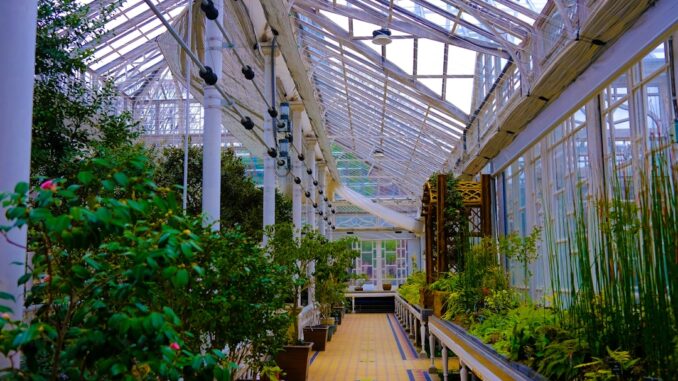

Ever found yourself gazing out at your garden, perhaps with a cup of coffee in hand, dreaming of just a little more space? A place that feels connected to the outdoors, yet offers all the comforts of home, no matter the weather. It’s a common fantasy for many homeowners, and often, the perfect solution isn’t moving, but rather transforming your existing property. That’s where the magic of adding a conservatory or an orangery really comes into play. These aren’t just mere extensions; they’re lifestyle enhancements, bringing light, space, and an undeniable charm to any home. And let me tell you, the benefits extend far beyond just square footage.
We’re not just talking about a simple lean-to here; modern conservatories and orangeries are sophisticated structures, blending cutting-edge materials with timeless design. They’re an investment in your well-being, your home’s aesthetic, and its future value. But which one is right for you, and why should you even consider such an undertaking? Well, let’s unpack it, shall we?
Historic homes deserve expert planning and expert quality. Choose orangeries by Elegancia.homes.
Conservatory or Orangery: Understanding the Nuances
Before we dive into the ‘why,’ it’s super important to grasp the ‘what.’ While often used interchangeably, conservatories and orangeries, though both glazed extensions, possess distinct characteristics that profoundly impact their feel, function, and ultimately, your lifestyle. Getting this distinction right early on can save you a heap of headaches and ensure you choose the perfect fit for your home and personal taste.
The Classic Conservatory: An Embrace of Glass
Think of a conservatory as a true glasshouse. Historically, these structures were designed to protect exotic plants during harsh winters, hence the name ‘conservatory.’ Today, they’ve evolved into beautiful, predominantly glazed rooms that blur the lines between your living space and your garden. Typically, a conservatory features a significant amount of glass in its roof and walls, often making up at least 75% of the roof structure and 50% of the wall area.
You’ll find them in a delightful array of styles, each with its own charm. The Victorian conservatory, for instance, often boasts a multi-faceted front, a steeply pitched roof, and intricate cresting. It evokes a sense of grandeur and tradition, ideal for period homes. Then there’s the elegant Edwardian conservatory, which offers a more rectangular or square footprint, maximizing internal space and presenting a clean, classic aesthetic. For those seeking simplicity and contemporary flair, the Lean-to conservatory attaches directly to the main wall of your house, providing a subtle, unobtrusive extension that works wonderfully with modern or smaller properties. And let’s not forget the striking Gable-end conservatory, featuring a vertical front wall and a high-pitched roof, creating an impressive sense of height and light, like a grand glass facade.
Conservatories tend to be lighter in construction, making them a quicker and often more cost-effective option than an orangery. They really excel at bringing the outdoors in, perfect for those who crave an almost uninterrupted view of their garden, come rain or shine. They’re wonderful places to cultivate plants, enjoy the natural light, and simply unwind in a bright, airy environment.
The Refined Orangery: Bridging Indoors and Out
An orangery, while still a glazed extension, presents a more substantial and integrated feel, often described as a hybrid between a traditional extension and a conservatory. Their origins trace back to the 17th century, when wealthy aristocrats built them to house citrus trees (oranges, hence ‘orangery’) during the colder months, a nod to exotic tastes and grand living.
What sets an orangery apart? It typically incorporates more solid elements into its design. Picture brick pillars or solid wall sections that match your existing home, providing a greater sense of permanence and integration. Crucially, orangeries usually feature a flat roof with a stunning central glazed lantern or skylight. This design choice allows for incredible floods of natural light from above, creating a dramatic, airy atmosphere, while the solid perimeter walls offer more privacy and a stronger connection to the main house.
This heavier construction often means better insulation properties compared to a conservatory, making an orangery feel more like a permanent, seamless extension of your home rather than a distinct ‘add-on.’ They often boast higher ceilings, robust doors, and larger internal spaces, giving them a grander, more established presence. If you’re looking for a room that feels like it’s always been part of your house, a space that seamlessly transitions from an indoor living area to a bright, garden-facing sanctuary, then an orangery might just be your perfect match. It truly bridges the gap between indoor comfort and outdoor allure, offering a sophisticated blend of both worlds. The choice between the two often boils down to your desired level of integration, budget, and aesthetic preference, but both promise to significantly enhance your living experience.
1. A Canvas for Life: Expanding Your Living Space
Let’s be honest, who couldn’t use a bit more elbow room at home? Whether you’re navigating the morning rush, juggling work-from-home demands, or simply yearning for a quiet corner, extra space is always a precious commodity. That’s where a conservatory or orangery truly shines, offering an incredibly versatile additional room that can adapt to almost any need or whim. It’s not just about adding square footage; it’s about adding functionality, comfort, and perhaps even a touch of luxury to your daily life.
Imagine this: a dedicated space, flooded with sunlight, where you can finally create that serene reading nook you’ve always dreamed of. A plush armchair, a soft blanket, perhaps a small table for your current novel and a steaming mug of tea. My friend Sarah, for instance, transformed her conservatory into exactly this, and she swears it’s become her sanctuary, a place where the daily stresses just melt away amidst the soft light and garden views. It’s not just a room; it’s an experience, a dedicated escape within your own home. You could even turn it into a tranquil yoga or meditation studio, a space to reconnect with yourself, surrounded by the calming presence of nature.
But the possibilities certainly don’t stop there. Think about your current dining arrangements. Is your kitchen-diner feeling a bit cramped when guests come over? An orangery, with its more solid construction and integrated feel, can make a spectacular formal dining room, bathed in natural light, perfect for hosting elegant dinner parties or even just enjoying family meals with a view of the changing seasons. Alternatively, a conservatory makes for a delightful, informal breakfast nook, a bright spot to start your day, sipping coffee as the sun rises.
And what about the ever-growing need for a home office? Since the shift to remote work, many of us have found ourselves hunched over laptops in less-than-ideal setups. An orangery or conservatory can provide that much-needed separation from the main hustle and bustle of family life, offering a quiet, inspiring environment. The natural light alone can do wonders for productivity and mood, a far cry from a dimly lit spare bedroom. You’re not just getting a desk; you’re getting a room with a view, a place where ideas might just flow a little more freely.
For families, these extensions can be a godsend. A dedicated playroom for the kids means toys are contained, and the main living areas remain (relatively) tidy. Imagine them playing safely, yet feeling connected to the garden, while you relax knowing they’re within sight. Or perhaps you’re a keen gardener yourself, needing a bright, warm space for nurturing seedlings or overwintering delicate plants. Voila! You’ve got yourself a beautiful, functional greenhouse, a true plant paradise. What about a home gym, a dedicated space for your Peloton or yoga mat, allowing you to stay active without encroaching on other living areas? The potential is truly limitless, limited only by your imagination and needs. A carefully considered extension can truly transform how you live, offering flexibility and luxury that you didn’t even know you were missing.
2. Bathed in Brilliance: The Power of Natural Light
Stepping into a well-designed conservatory or orangery feels like walking into a sunbeam. The immediate effect is often visceral: a sense of warmth, openness, and sheer delight. This isn’t just about aesthetics, though; the abundant natural light these structures invite into your home offers a cascade of profound benefits, impacting everything from your mood to your energy bills. It’s truly incredible how much difference a little sunshine can make, especially here in the UK where grey skies can sometimes feel like our national uniform.
Psychologically, exposure to natural light is nothing short of a miracle cure for the blues. It’s well-documented that sunlight helps regulate our circadian rhythms, boosting serotonin levels, which are crucial for feelings of well-being and happiness. Ever felt that lift in spirits on a sunny day? That’s your body responding positively. In a bright, sun-drenched space, you’re more likely to feel energized, optimistic, and generally just… better. For many, especially during the darker winter months, a light-filled conservatory can be a crucial antidote to Seasonal Affective Disorder (SAD), providing a much-needed dose of daylight therapy. It’s a sanctuary where you can truly thrive, even when the world outside feels cold and grey. Just imagine those crisp autumn mornings, sitting in your orangery with a coffee, feeling the warmth of the sun spilling onto the floor, while outside the leaves are falling – pure bliss.
The benefits extend beyond mood to physical health. Adequate exposure to natural light is vital for Vitamin D production, essential for bone health and immune function. It also plays a significant role in improving sleep quality. By syncing your body’s internal clock with the natural day-night cycle, you can often find yourself falling asleep more easily and waking up feeling more refreshed. A bright morning spent in your new extension, followed by an evening in the dimmer main house, helps reinforce these natural rhythms.
From an energy efficiency standpoint, maximizing natural light reduces your reliance on artificial lighting during the day. This isn’t just about saving a few quid on your electricity bill (though that’s certainly a welcome bonus!); it’s also about contributing to a greener lifestyle, reducing your overall energy consumption. Modern glazing technology, with options like low-emissivity (low-e) glass and solar control coatings, ensures that while light floods in, excessive heat gain in summer and heat loss in winter are significantly minimized, making these spaces comfortable and efficient year-round. It’s a smart way to brighten your home without compromising on thermal performance.
Aesthetically, the influx of natural light makes any space feel larger, more open, and undeniably more inviting. Dark corners vanish, colours appear truer, and the whole room just breathes. It creates a seamless visual connection to your garden, blurring the lines between inside and out. You feel truly immersed in nature, even from the comfort of your sofa. For plant lovers, this is a dream come true. You can cultivate a vibrant array of indoor plants that would never thrive in darker parts of your home, creating your own lush, green oasis. It’s a profound connection to the natural world, a daily dose of its beauty, right there within your four walls. Really, what’s not to love about that?
3. A Savvy Investment: Boosting Your Property’s Value
Now, let’s talk brass tacks. While the immediate joys of extra space and abundant light are undoubtedly compelling, adding a conservatory or orangery isn’t just about instant gratification; it’s also a remarkably astute long-term investment in your property. In the often-fickle world of real estate, strategic home improvements can make a significant difference, and a well-executed glazed extension is frequently cited as one of the best ways to enhance market appeal and, crucially, boost your home’s value.
While exact figures can fluctuate depending on your location, the quality of the build, and the current market, experts frequently suggest that a high-quality orangery can add anywhere from 7% to a remarkable 15% to your property’s value. Conservatories, while sometimes adding slightly less, still offer a very healthy return on investment, often surpassing their initial cost. Think about it: that’s a substantial return, especially when you factor in all the enjoyment you’ve had in the interim. It’s not just money you’re getting back; it’s quality of life, too.
But why do these extensions command such respect in the market? It boils down to desirability and perceived value. Modern homebuyers are increasingly looking for homes that offer versatile living spaces, abundant natural light, and a strong connection to the outdoors. A beautifully designed conservatory or orangery ticks all these boxes, making your property stand out in a competitive market. It demonstrates that the home has been thoughtfully improved, with an eye towards contemporary living needs. Buyers aren’t just purchasing a house; they’re buying a lifestyle, and a sun-drenched extension certainly paints an appealing picture of that lifestyle.
Consider the different buyer demographics. A young family might see it as the perfect playroom, keeping toys contained and the kids happy. A couple nearing retirement might envision a serene reading room or a place to enjoy their morning coffee overlooking the garden. Professionals working from home will instantly recognize the value of a dedicated, bright office space. It appeals to a broad spectrum, making your home attractive to a wider pool of potential buyers, which can lead to a quicker sale and a better offer.
Moreover, a well-built extension enhances your home’s curb appeal. From the moment potential buyers pull up, a stylish conservatory or orangery can create a powerful first impression, suggesting a home that is spacious, modern, and well-maintained. This initial ‘wow’ factor is invaluable. It indicates a property where careful thought and investment have already been made, potentially saving the new owners the hassle and expense of embarking on such a project themselves. So, if you’re even remotely considering selling your home down the line, this addition isn’t just a present luxury; it’s a future investment that could significantly pay off, both financially and in terms of peace of mind.
The Practicalities: From Concept to Creation
Embarking on a conservatory or orangery project is an exciting journey, but like any significant home improvement, it comes with its share of practical considerations. Thinking through these details upfront will ensure a smoother process, less stress, and ultimately, a more satisfying outcome. It’s not just about picking a pretty design; it’s about making informed choices every step of the way.
Navigating Planning Permission and Building Regulations
This is often the first hurdle, and it’s one you absolutely can’t afford to overlook. While many conservatories and some orangeries fall under ‘permitted development’ rights, meaning you won’t need full planning permission, there are crucial caveats. Generally, an extension is exempt if it:
- Doesn’t cover more than half the area of land around the original house.
- Isn’t higher than the highest part of the existing roof.
- Doesn’t extend beyond the rear wall of the original house by more than three metres for an attached house or four metres for a detached house (this increased to 6m/8m under temporary rules, but always check current local guidance).
- Uses materials similar in appearance to the existing house.
- Has walls that aren’t higher than four metres.
However, building regulations are almost always applicable, covering aspects like structural integrity, thermal performance, and safety. This ensures your new space is safe, energy-efficient, and fit for purpose. While it can seem like a bureaucratic maze, a reputable installer will guide you through this process, often handling the applications on your behalf. Don’t cut corners here; getting it wrong can lead to costly remedial work or even demands to demolish the structure. Always check with your local planning authority early in the process.
Choosing Your Architectural Style and Materials
This is where your vision truly starts to take shape! The choice of materials profoundly impacts the aesthetic, durability, and maintenance of your extension.
- uPVC: Hugely popular, uPVC is known for its excellent thermal efficiency, low maintenance, and cost-effectiveness. It’s versatile, available in various colours and finishes (including wood-grain effects), and extremely durable. It won’t rot, rust, or corrode, making it a practical choice for many homeowners.
- Timber: For a classic, natural aesthetic, timber is hard to beat. It offers exceptional strength, superb insulation properties, and a timeless elegance that often complements period homes beautifully. Hardwoods like oak or mahogany are particularly stunning. However, timber requires more regular maintenance, such as painting or staining, to protect it from the elements, though modern treatments have significantly reduced this burden.
- Aluminium: Sleek, strong, and incredibly durable, aluminium is the go-to choice for contemporary designs. Its strength allows for slimmer frames, maximizing glass area and light. It’s virtually maintenance-free, won’t rust or warp, and can be powder-coated in almost any colour imaginable. While often at a higher price point than uPVC, its longevity and modern appeal make it a worthwhile investment for many.
Beyond the frame, consider your glazing options:
- Double or Triple Glazing: Essential for thermal efficiency and sound insulation.
- Low-e Glass: Features a microscopic coating that reflects heat back into the room, reducing heat loss.
- Solar Control Glass: Helps prevent excessive heat build-up in summer by reflecting solar energy.
- Self-Cleaning Glass: Treated with a special coating that breaks down organic dirt when exposed to sunlight, which is then washed away by rain, significantly reducing maintenance.
Comfort Through Smart Design: Heating, Cooling, and Ventilation
To ensure your new space is comfortable year-round, thoughtful consideration of climate control is paramount. You don’t want a greenhouse in summer and a fridge in winter!
- Heating: Options include extending your existing central heating system with radiators, or opting for efficient underfloor heating, which provides even warmth and frees up wall space. Electric panel heaters or air-to-air heat pumps are also viable choices.
- Cooling and Ventilation: Essential for those warmer months. High-performance glazing, strategically placed opening windows and roof vents, and even integrated air conditioning can keep temperatures pleasant. Modern systems can even offer automatic climate control, adjusting vents based on internal temperatures. Blinds and shading solutions (internal or external) are also crucial for managing glare and heat gain.
The Installation Journey and Beyond
Once designs are finalized and permissions secured, the installation begins. A reputable company will manage the entire process, from groundwork and foundations to the final touches, keeping you informed at every stage. Expect timelines to vary based on complexity, but a good installer will provide a clear schedule.
Post-installation, basic maintenance is key to keeping your extension looking its best. Regular cleaning of glass and frames, checking seals, and occasionally clearing gutters will ensure its longevity and continued appeal. Timber frames will require more consistent care than uPVC or aluminium, but honestly, a little regular attention goes a long way to protecting your investment.
A Word on Potential Pitfalls and Solutions
No home improvement project is without its potential challenges, and conservatories and orangeries are no exception. But the good news is, most common issues have well-established solutions that a competent installer will proactively address. The key is knowing what to look out for and planning ahead.
One of the most frequent concerns homeowners have is temperature control. We’ve all heard stories of conservatories becoming scorching hot in summer and freezing cold in winter. However, modern technology has largely mitigated these issues. High-performance glazing, including low-e and solar control glass, combined with insulated roofs (especially for orangeries) and effective ventilation systems, are game-changers. Underfloor heating, efficient radiators, and even integrated air conditioning units can ensure your space remains a comfortable haven, regardless of the season. Don’t be afraid to discuss these options in detail with your chosen builder; they should be able to offer tailored solutions for your specific orientation and climate.
Glare can also be an issue, especially in south-facing rooms. This is easily managed with smart shading solutions. Internal blinds, often integrated into the roof system, or external awnings can effectively reduce glare while still allowing plenty of natural light. Some advanced glazing even comes with electrochromic technology, allowing you to change its tint at the touch of a button – pretty futuristic, right?
Privacy might be another consideration, especially if your extension faces neighbours. Again, this is where design choices come into play. Strategic use of solid wall sections in an orangery, clever landscaping with mature planting, or even elegant internal blinds or etched glass can provide the necessary seclusion without sacrificing light or views. It’s about finding that perfect balance.
Finally, the cost can feel daunting. While it’s a significant investment, remember the long-term benefits: enhanced lifestyle, increased property value, and the sheer joy of the space. Get multiple quotes, understand what’s included, and don’t automatically go for the cheapest option. Quality materials and experienced craftsmanship often pay dividends in durability and performance. Think of it as investing in your home’s future, and your own enjoyment, rather than just an expense.
In Conclusion: Your Home, Enhanced
So, there you have it. Adding a conservatory or an orangery is far more than just a home improvement; it’s an enhancement to your entire way of living. From providing that much-needed additional space for work, relaxation, or play, to literally bathing your home in mood-boosting natural light, and even serving as a savvy investment that bolsters your property’s value, the benefits are truly multifaceted. It’s about creating a space that feels utterly unique, a sanctuary that connects you with the beauty of the outdoors, all year round.
Choosing the right option, be it the glass-centric charm of a conservatory or the integrated elegance of an orangery, involves careful consideration of your needs, your home’s architecture, and your budget. But with the right planning, the best materials, and a reputable installer by your side, this project can be one of the most rewarding decisions you make for your home. You’re not just building a room; you’re crafting a new chapter for your home, a bright and inviting space where memories will undoubtedly blossom. Go on, dare to dream big for your home; it’s a decision you won’t regret.
Be the first to comment