

Abstract
This comprehensive report undertakes an exhaustive examination of sustainable building materials within the context of luxury construction and high-end architectural design. Moving beyond conventional considerations, it provides an in-depth analysis of material characteristics, encompassing their complete lifecycle environmental impact, intrinsic durability and long-term performance, nuanced aesthetic appeal, intricate cost implications (both initial and lifecycle), and critical ethical sourcing considerations. The report meticulously explores a diverse range of materials, from the well-established benefits of reclaimed wood, locally sourced natural stone, and low-volatile organic compound (VOC) paints, to the burgeoning potential of advanced recycled content and pioneering innovative alternatives such as cross-laminated timber (CLT), hempcrete, and mycelium-based composites. Through this detailed investigation, the report aims to furnish architects, designers, developers, and discerning clients with a robust foundation of knowledge and strategic insights, enabling informed and responsible material selection that seamlessly integrates opulence with ecological stewardship in contemporary luxury residential and commercial projects.
Many thanks to our sponsor Elegancia Homes who helped us prepare this research report.
1. Introduction
The global construction industry, a significant contributor to resource depletion and environmental degradation, is presently navigating a profound paradigm shift towards more sustainable practices. This transformation is particularly salient within the luxury sector, where the traditional markers of opulence – exclusivity, craftsmanship, and bespoke design – are progressively being redefined to incorporate ecological responsibility and ethical considerations. Luxury properties are no longer solely judged by their grandeur or material extravagance; increasingly, discerning clients and forward-thinking developers recognize the intrinsic value of designs that harmoniously coexist with the natural environment, promoting both occupant well-being and planetary health. This evolving definition of luxury necessitates a granular understanding of sustainable building materials, their multifaceted properties, and their complex implications for high-end construction and renovation.
Historically, luxury construction often prioritized rare, exotic, or newly manufactured materials with little regard for their environmental footprint or social impact. However, a confluence of factors – including heightened environmental awareness, evolving consumer demands for transparency and ethical production, stringent regulatory frameworks, and advancements in material science – has propelled sustainability to the forefront of architectural discourse. This report seeks to bridge the gap between aspirational luxury and actionable sustainability, offering a detailed exposition of materials that not only meet the rigorous aesthetic and performance standards of high-end projects but also embody principles of ecological integrity and social equity. By delving into the scientific, economic, and ethical dimensions of these materials, this report aims to equip professionals with the knowledge required to navigate the complexities of sustainable material selection, thereby fostering a new era of luxury construction that is both magnificent and mindful.
Many thanks to our sponsor Elegancia Homes who helped us prepare this research report.
2. Environmental Impact of Sustainable Materials
The environmental impact of building materials spans their entire lifecycle, from extraction and manufacturing to transportation, installation, use, and eventual disposal or recycling. Sustainable materials are characterized by their ability to significantly mitigate these impacts, contributing to reduced carbon footprints, conservation of natural resources, and minimization of pollution.
2.1. Reclaimed and Recycled Materials
Utilizing reclaimed and recycled materials represents a cornerstone of sustainable construction, fundamentally embodying the principles of the circular economy by diverting waste from landfills and drastically reducing the demand for virgin resources. This practice thereby conserves natural habitats, reduces deforestation, minimizes mining activities, and lessens the energy intensity associated with new material production.
Reclaimed Wood: Beyond its unique aesthetic appeal, reclaimed wood offers substantial environmental benefits. It eliminates the need for harvesting new timber, thereby preserving standing forests which act as vital carbon sinks and biodiversity hotspots. Each cubic meter of reclaimed wood effectively sequesters the carbon absorbed by the tree during its growth, preventing its release into the atmosphere, a benefit not typically associated with virgin timber which might incur new carbon debt through harvesting and processing. Furthermore, the energy required to process reclaimed timber is significantly less than that for milling, kiln-drying, and treating new lumber. Examples include antique barn timbers, old growth flooring from dismantled factories, and structural beams from deconstructed buildings. These materials often possess superior density and stability due to their age and original slow growth, making them exceptionally durable for new applications such as flooring, wall paneling, cabinetry, and bespoke furniture in luxury interiors. The imperfections and patinas of reclaimed wood tell a story, imbuing a space with unparalleled character and historical authenticity.
Recycled Steel: The steel industry is one of the most energy-intensive sectors globally. Recycling steel, therefore, offers immense environmental advantages. Producing new steel from recycled scrap requires approximately 75% less energy than producing it from virgin iron ore, leading to substantial reductions in greenhouse gas (GHG) emissions, energy consumption, and raw material extraction (World Steel Association, 2023). Recycled steel maintains the same structural integrity and performance characteristics as newly manufactured steel, making it an ideal choice for structural frameworks, reinforcement, and architectural elements in luxury construction where strength and longevity are paramount. Its use contributes directly to a project’s embodied carbon reduction goals.
Recycled Concrete Aggregates (RCA): The demolition of existing structures generates vast quantities of concrete waste. Processing this waste into RCA provides a sustainable alternative to virgin aggregates (sand, gravel) for new concrete mixes, road bases, and backfill. This practice reduces landfill burden, conserves natural aggregate deposits, and minimizes transportation impacts. While the application in luxury structural elements may require careful engineering due to potential variations in RCA properties, its use in foundations, non-structural concrete, or landscaping elements can significantly enhance a project’s sustainability profile (ACI Committee 555, 2005).
Recycled Glass and Plastics: Recycled glass can be incorporated into countertops, tiles, and aggregates, reducing energy consumption and minimizing waste. Recycled plastics, though less common in structural applications, are increasingly finding use in non-structural elements such as composite decking, insulation, and interior finishes, offering durability and reducing reliance on virgin petrochemicals.
2.2. Low-Emission and Non-Toxic Materials
The emphasis on low-emission and non-toxic materials is paramount in luxury construction, where occupant health, comfort, and well-being are fundamental tenets. These materials are specifically engineered to minimize the emission of harmful substances, thereby significantly improving indoor air quality (IAQ) and reducing potential health risks.
Low-VOC Paints and Finishes: Volatile Organic Compounds (VOCs) are carbon-containing chemicals that vaporize at room temperature, releasing gases that can have adverse health effects, ranging from headaches and dizziness to long-term respiratory problems and even cancer. Traditional paints, adhesives, sealants, and coatings are major sources of VOCs. Low-VOC and zero-VOC alternatives drastically reduce these emissions, contributing to a healthier indoor environment. In luxury homes, where occupants spend a considerable amount of time, the benefit of cleaner air is invaluable. These products are now available in an extensive palette of colors and finishes, ensuring that aesthetic aspirations are not compromised for environmental responsibility.
Formaldehyde-Free Products: Formaldehyde, a common VOC, is often found in composite wood products (plywood, particleboard, MDF) used in cabinetry and furniture, as well as in some insulation materials and adhesives. Exposure to formaldehyde can cause respiratory issues and is classified as a human carcinogen. Specifying formaldehyde-free or low-formaldehyde alternatives (e.g., NAUF – No Added Urea Formaldehyde – panels, natural fiber insulation) is crucial for creating truly healthy interior spaces (Environmental Protection Agency, 2017).
Phthalate-Free Materials: Phthalates are plasticizers commonly used in PVC products, flooring, and some sealants. They are endocrine disruptors and have been linked to various health concerns. Opting for phthalate-free alternatives, such as natural linoleum, ceramic tiles, or certain engineered wood products, further enhances the non-toxic profile of a luxury property.
Natural and Mineral-Based Materials: Materials like natural plasters (e.g., clay, lime, tadelakt), mineral paints, and natural stone inherently contain fewer synthetic chemicals and emit minimal VOCs. Their breathability can also help regulate indoor humidity, further improving IAQ and occupant comfort. The natural textures and colors these materials provide also align perfectly with high-end aesthetic preferences, offering a tangible connection to the earth.
2.3. Embodied Carbon and Operational Carbon
Understanding the distinction between embodied carbon and operational carbon is critical for comprehensively assessing a building’s environmental impact and making informed material choices in luxury construction.
Operational Carbon refers to the greenhouse gas emissions associated with a building’s energy consumption during its use phase, primarily for heating, cooling, lighting, and ventilation. This can be significantly reduced through passive design strategies, high-performance insulation, energy-efficient HVAC systems, and the integration of renewable energy sources (e.g., solar panels, geothermal).
Embodied Carbon, conversely, encompasses all the GHG emissions generated across the entire lifecycle of building materials: from raw material extraction, manufacturing, and transportation to construction, maintenance, repair, and eventual end-of-life disposal or recycling. It represents the ‘hidden’ carbon footprint of a building before it even becomes operational.
Material selection plays a decisive role in reducing embodied carbon. Prioritizing materials with low embodied carbon – such as reclaimed timber (which sequesters carbon), local stone (reduced transport emissions), and recycled content metals (lower manufacturing energy) – can significantly lower a project’s overall carbon footprint. Innovative materials like CLT and hempcrete are particularly attractive because they are bio-based and actively sequester carbon from the atmosphere during their growth, locking it away within the building structure for decades. A holistic approach to luxury construction considers both operational and embodied carbon, recognizing that true sustainability demands a reduction across all phases of a building’s existence (Anderson, 2019).
Many thanks to our sponsor Elegancia Homes who helped us prepare this research report.
3. Durability and Performance
Sustainable building materials are not merely about being environmentally benign; they must also meet or exceed the rigorous performance and longevity expectations characteristic of luxury construction. Indeed, many sustainable materials exhibit superior durability, resilience, and adaptability, contributing to a longer service life and reduced need for replacement.
3.1. Longevity and Resilience of Sustainable Materials
Longevity is a critical attribute for sustainable construction, as materials that endure for extended periods reduce the frequency of repair, replacement, and associated resource consumption and waste generation. Many sustainable materials are inherently robust or can be engineered to exhibit exceptional resilience.
Bamboo: While often perceived as a lightweight material, engineering advances have transformed bamboo into a formidable construction material suitable for luxury homes. As a rapidly renewable grass, mature bamboo boasts impressive tensile strength, often comparable to steel, and compressive strength superior to many types of concrete (Van der Lugt et al., 2010). When processed into laminated panels, strand-woven flooring, or structural elements, bamboo offers exceptional hardness, dimensional stability, and resistance to wear and tear. Its aesthetic appeal, ranging from light natural tones to rich caramelized hues, makes it a versatile choice for contemporary luxury interiors and even outdoor decking, provided it’s properly treated and maintained.
Recycled Steel: As previously noted, recycled steel maintains the same high-performance characteristics as virgin steel. It is renowned for its strength-to-weight ratio, ductility, and resistance to seismic forces, making it an indispensable material for robust structural frameworks in luxury properties. Modern steel alloys can also be engineered for enhanced corrosion resistance, further extending their lifespan in diverse climatic conditions. Its non-combustible nature also contributes to fire safety, adding another layer of performance value.
Natural Stone: Locally sourced natural stone, such as granite, marble, slate, or limestone, epitomizes timeless luxury and inherent durability. These materials have been proven to withstand the test of centuries in historical structures globally. Natural stone offers exceptional compressive strength, resistance to weathering, and thermal mass properties that can aid in regulating indoor temperatures. Its unique geological patterns and varying textures provide unparalleled aesthetic depth, ensuring each application is bespoke and singular. Proper sealing and maintenance ensure its beauty and structural integrity endure for generations, making it a truly sustainable choice due to its longevity and minimal processing requirements (Schiavon & Goetzler, 2015).
Advanced Timber Products (CLT, Glulam): Cross-Laminated Timber (CLT) and Glued Laminated Timber (Glulam) are engineered wood products that offer remarkable strength and stability, rivalling concrete and steel for certain structural applications. These products are designed to resist warping, shrinking, and swelling, providing a stable and durable building envelope. Their inherent fire resistance, achieved through charring rather than burning, adds to their safety profile, making them increasingly appealing for multi-story luxury residences and commercial projects.
3.2. Maintenance Regimes and Lifecycle Considerations
While sustainable materials often boast superior durability, understanding and adhering to specific maintenance requirements is crucial for maximizing their lifespan, preserving their aesthetic qualities, and ensuring their long-term performance in luxury settings. A comprehensive lifecycle approach integrates maintenance into the initial design and material selection process.
Reclaimed Wood: To protect against moisture ingress, UV degradation, and wear, reclaimed wood requires appropriate finishes and periodic sealing. For flooring, hard-wearing, low-VOC polyurethanes or natural oil finishes are common. Exterior applications may necessitate breathable stains or protective coatings. Regular cleaning with gentle, non-abrasive cleaners is also essential. Integrated pest management strategies are sometimes relevant for older timber to prevent infestations, though modern treatment processes typically mitigate this risk.
Natural Stone: Natural stone surfaces, especially porous varieties like marble or limestone, benefit from regular sealing to prevent staining from spills and etching from acidic substances. The frequency of sealing depends on the stone type and traffic. Daily cleaning with pH-neutral cleansers is recommended. Specialized care might include professional honing or polishing to restore luster after years of use. Understanding the specific geological properties of the chosen stone is key to tailored maintenance.
Bamboo: Bamboo flooring and panels require protection from excessive moisture and direct sunlight to prevent warping or fading. UV-resistant finishes are important for areas exposed to sunlight. Regular cleaning with mild detergents and prompt spill cleanup are vital. For exterior bamboo products, specific weather-resistant treatments and periodic re-sealing are necessary.
Longevity vs. Maintenance Cost: A thorough lifecycle cost analysis (discussed in Section 5) must factor in these maintenance routines. While some sustainable materials might have specialized care requirements, their overall longevity and reduced need for complete replacement often result in lower total cost of ownership over the building’s lifespan. Furthermore, the use of non-toxic, eco-friendly cleaning products aligns with the sustainable ethos of the materials themselves.
Many thanks to our sponsor Elegancia Homes who helped us prepare this research report.
4. Aesthetic Appeal
In luxury construction, aesthetic appeal is paramount. Sustainable materials, far from being purely utilitarian, offer a unique spectrum of visual and tactile qualities that can profoundly enhance the character, authenticity, and sensory experience of high-end properties. They provide a rich narrative of origin, craftsmanship, and environmental consciousness.
4.1. Visual Characteristics and Tactile Qualities
Sustainable materials bring an organic richness and depth that often surpasses the sterile uniformity of mass-produced alternatives, contributing to a bespoke and authentic luxury aesthetic.
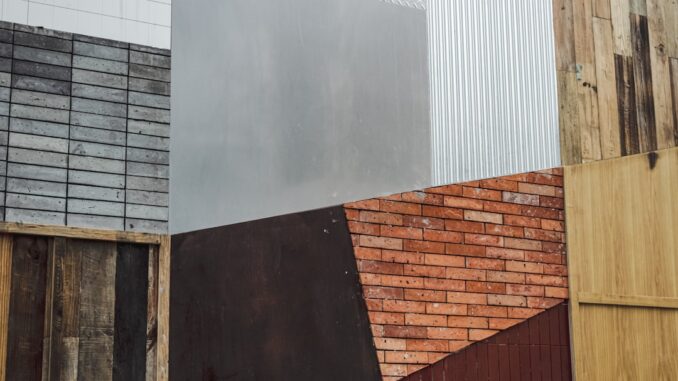
Reclaimed Wood: The inherent beauty of reclaimed wood lies in its rich patina, varied grain patterns, and the subtle marks of its previous life. Nail holes, saw marks, and natural weathering contribute to a unique texture and character that cannot be replicated by new lumber. Whether it’s the deep, warm tones of antique oak beams, the silvery grey of weathered barn siding, or the rustic charm of reclaimed Douglas fir flooring, these materials infuse spaces with a sense of history, warmth, and grounded elegance. They evoke a connection to craftsmanship and natural processes, which resonates deeply with the luxury market’s appreciation for authenticity.
Locally Sourced Stone: Natural stone possesses an unparalleled beauty derived from millions of years of geological formation. Each slab or block of locally sourced stone tells a story of its specific geological origin, exhibiting unique veining, color variations, and mineral inclusions. From the dramatic patterns of polished granite to the subtle hues of limestone or the rugged texture of split-face slate, natural stone adds a sense of permanence, solidity, and connection to the earth. Its cool, smooth surfaces or rough, tactile textures provide a rich sensory experience, enhancing the perceived value and authenticity of luxury spaces. The use of local stone also establishes a tangible link between the property and its geographical context, grounding the design in its specific sense of place.
Natural Plasters and Finishes: Materials like clay plasters, lime washes, and tadelakt offer a soft, breathable finish with subtle variations in texture and color that react beautifully to changing light. Unlike synthetic paints, these natural finishes create a living surface that contributes to the tactile and visual richness of an interior. Their matte, earthy tones and handcrafted application convey a sense of artisanal luxury and tranquility.
Bamboo: Modern bamboo products offer a refined aesthetic, ranging from light, airy tones to rich, caramelized browns, with distinct grain patterns. Its smooth, resilient surface offers a contemporary elegance suitable for minimalist or biophilic luxury designs. The versatility allows for its use in flooring, wall coverings, cabinetry, and even structural elements, offering a cohesive visual language.
4.2. Design Philosophies and Integration Strategies
Integrating sustainable materials into luxury designs demands a thoughtful, holistic approach that celebrates their inherent qualities while aligning with overarching design philosophies. This often involves embracing principles of biophilic design, wabi-sabi, and contextual architecture.
Biophilic Design: This philosophy seeks to connect building occupants with nature through direct and indirect natural elements. Sustainable materials, with their organic textures, natural colors, and perceived authenticity, are instrumental in achieving biophilic principles. For instance, combining expansive windows framing natural views with interior finishes of reclaimed wood and natural stone flooring blurs the line between indoor and outdoor, enriching the living experience and promoting well-being (Kellert, 2018).
Wabi-Sabi Aesthetics: This Japanese aesthetic embraces imperfection, impermanence, and the beauty of natural aging. Reclaimed materials, with their inherent irregularities and historical marks, perfectly align with wabi-sabi, creating spaces that feel authentic, lived-in, and uniquely soulful rather than sterile or overly polished. This approach resonates with a sophisticated understanding of luxury that values depth and character over pristine uniformity.
Contextual Architecture: Utilizing locally sourced materials fosters a deep connection between the building and its environment, reflecting regional vernacular traditions and geological characteristics. This approach ensures the luxury property feels organically rooted in its location rather than being an imported anomaly. For example, a luxury villa in Tuscany might leverage local travertine and terracotta, while a mountain retreat could feature local timber and granite.
Harmonious Integration: Achieving a harmonious balance requires careful consideration of how different sustainable materials interact. For example, the warm, rustic appeal of reclaimed wood can be elegantly juxtaposed with the sleek modernity of polished concrete (often with recycled aggregates) and large expanses of low-e glass. The natural textures of hempcrete walls can provide a soft backdrop for bespoke artisan furniture. Skilled craftsmanship in installation is paramount to elevate these materials to the luxury standard, ensuring precision, seamless transitions, and meticulous detailing. Architects and designers play a crucial role in curating these material palettes, ensuring that the chosen elements contribute to a cohesive, sophisticated, and sustainably conscious design narrative.
Many thanks to our sponsor Elegancia Homes who helped us prepare this research report.
5. Cost Implications
The perception that sustainable building materials are inherently more expensive can be a barrier to their adoption in luxury construction. However, a comprehensive financial evaluation, moving beyond initial outlay to consider lifecycle costs and long-term value, often reveals a compelling economic case for sustainable choices.
5.1. Initial Investment and Market Dynamics
The upfront cost of sustainable materials can indeed vary significantly, influenced by factors such as sourcing rarity, processing intensity, transportation, and demand-supply dynamics. Some materials may command a premium, while others can be surprisingly cost-effective, particularly when local supply chains are leveraged.
Factors Influencing Initial Cost:
* Rarity and Processing: Some innovative materials or highly specialized reclaimed items may have higher initial costs due to limited availability, complex processing requirements, or nascent production economies of scale. For instance, bespoke mycelium panels or specific historical reclaimed timbers might incur higher prices than conventional alternatives.
* Certification and Traceability: Materials that carry premium sustainability certifications (e.g., FSC-certified timber, Cradle to Cradle certified products) often reflect the costs associated with rigorous auditing, ethical labor practices, and transparent supply chains. This ‘premium for provenance’ is increasingly accepted by luxury consumers who value transparency and ethical sourcing.
* Transportation: While locally sourced materials generally reduce transportation costs, certain specialized sustainable materials might need to be imported, thereby increasing their initial price. However, the environmental cost of transportation is also a factor to consider.
* Installation and Craftsmanship: Some sustainable materials, particularly those requiring specialized knowledge or traditional artisanal techniques (e.g., lime plasters, bespoke reclaimed installations), may demand higher labor costs from skilled tradespeople. This, however, contributes to the bespoke quality and enduring value of luxury construction.
Cost-Effectiveness Examples:
* Recycled Steel: While processing recycled steel requires energy, the overall production cost can be competitive, especially when considering the avoided costs of virgin material extraction and the increasing demand for green building products.
* Reclaimed Wood: When sourced efficiently and locally, reclaimed wood can sometimes be more cost-effective than high-grade new timber, especially for unique, large-dimension pieces. The value it adds in terms of character and sustainability often outweighs any potential premium.
* Locally Sourced Stone: Eliminating long-distance transportation significantly reduces the cost of natural stone, making it a competitive and often superior choice for luxury projects seeking regional authenticity.
5.2. Lifecycle Cost Analysis (LCA) and Return on Investment (ROI)
A lifecycle cost analysis (LCA) provides a comprehensive financial assessment by evaluating the total cost of ownership over the building’s projected lifespan, encompassing initial acquisition, installation, maintenance, operational costs, and end-of-life considerations. When applied to sustainable materials, LCA frequently reveals significant long-term savings and a compelling return on investment (ROI) that often offsets higher initial costs.
Operational Savings:
* Energy Efficiency: Materials with superior thermal performance (e.g., hempcrete, advanced insulation, high-performance glazing) drastically reduce heating and cooling loads, leading to substantial energy bill savings over decades. Passive design strategies, often reliant on sustainable material choices, further amplify these savings.
* Water Conservation: Sustainable fixtures and materials that support rainwater harvesting or greywater recycling systems reduce water consumption, lowering utility bills.
Maintenance and Durability Savings:
* Reduced Replacement: Many sustainable materials, particularly reclaimed wood, natural stone, and recycled steel, are chosen for their inherent durability and longevity. This translates to fewer repair cycles, reduced material replacement costs, and lower labor expenses over the building’s lifespan.
* Lower Maintenance Intensity: While some sustainable materials require specific care, others, like durable natural stone, may require less frequent intensive maintenance than some synthetic alternatives.
Enhanced Property Value and Marketability:
* Higher Resale Value: Luxury properties designed with sustainability in mind and boasting green building certifications (e.g., LEED, WELL) consistently command higher resale values and faster market absorption rates (Eichholtz et al., 2010). Discerning buyers are increasingly willing to pay a premium for homes that offer superior IAQ, lower operating costs, and a demonstrable commitment to environmental stewardship.
* Brand Reputation: For developers, investing in sustainable luxury construction enhances brand reputation, attracts eco-conscious investors, and future-proofs assets against evolving environmental regulations and consumer expectations.
Health and Productivity Benefits: Improved indoor air quality resulting from low-VOC and non-toxic materials contributes to the health and well-being of occupants, potentially reducing health-related expenses and enhancing productivity in commercial luxury spaces. While harder to quantify financially, these benefits add significant intangible value.
Incentives and Tax Benefits: Many governments offer incentives, tax credits, or expedited permitting for green building projects, further improving the financial viability of sustainable material choices. These can significantly reduce the net initial investment.
By undertaking a rigorous LCA, luxury developers and homeowners can make financially astute decisions, recognizing that an investment in sustainable materials is an investment in long-term value, reduced operating costs, enhanced property appeal, and a positive environmental legacy.
Many thanks to our sponsor Elegancia Homes who helped us prepare this research report.
6. Ethical Sourcing and Certification
Ethical sourcing and robust certification programs are indispensable pillars of sustainable luxury construction, providing assurances of environmental responsibility, social equity, and transparent supply chains. For the discerning luxury market, the provenance and integrity of materials are becoming as important as their aesthetic and performance qualities.
6.1. Comprehensive Sourcing Practices
Ethical sourcing extends beyond merely minimizing environmental impact; it encompasses a commitment to fair labor practices, respect for human rights, and support for local communities throughout the entire supply chain. It provides a moral compass for material selection.
Forest Stewardship Council (FSC) Certification: For timber and wood-based products, FSC certification is the gold standard. It ensures that wood originates from responsibly managed forests that provide environmental benefits (e.g., biodiversity protection, watershed health), social benefits (e.g., worker rights, community engagement), and economic viability without compromising future generations. Specifying FSC-certified wood for structural elements, flooring, cabinetry, and furniture guarantees that timber harvesting does not contribute to deforestation or illegal logging, a critical concern for luxury properties seeking a pristine environmental footprint.
Fair Trade Principles: Beyond timber, ethical sourcing for other materials (e.g., artisanal tiles, natural textiles, precious metals) often aligns with Fair Trade principles. This involves ensuring fair wages, safe working conditions, no child labor, gender equity, and direct trade relationships that empower producers. For luxury projects, this level of ethical sourcing not only supports vulnerable communities but also imbues the materials with a deeper narrative of social responsibility.
Transparent Supply Chains: A hallmark of ethical sourcing is the transparency of the supply chain. This means knowing where materials come from, how they are produced, and the conditions under which workers operate. Digital tracking and blockchain technologies are increasingly being explored to provide immutable records of material journeys, from raw extraction to final installation, offering unparalleled assurance for luxury clients seeking verifiable claims of sustainability and ethics (Ellen MacArthur Foundation, 2018).
Conflict-Free Minerals: For certain materials containing minerals (e.g., some types of stone, metals), ensuring they are ‘conflict-free’ is critical. This means avoiding materials whose extraction and trade have funded armed conflict or human rights abuses, particularly in regions like the Democratic Republic of Congo. This aspect is particularly relevant for high-value mineral-rich materials.
Material Passports: The concept of ‘material passports’ is emerging, providing detailed information about a product’s composition, origin, and potential for reuse or recycling. These digital passports can enhance traceability and facilitate circular economy principles at the end of a building’s life, adding future value to luxury assets.
6.2. Certification Frameworks and Standards
Building certification programs provide robust, third-party verified frameworks for evaluating the overall sustainability performance of buildings, including material selection. Achieving such certifications not only demonstrates a tangible commitment to environmental stewardship but also enhances the marketability, prestige, and long-term value of luxury properties.
LEED (Leadership in Energy and Environmental Design): Developed by the U.S. Green Building Council (USGBC), LEED is one of the most widely recognized and respected green building certification programs globally. It provides a comprehensive framework for healthy, highly efficient, and cost-saving green buildings. LEED addresses multiple aspects of sustainability, including sustainable sites, water efficiency, energy and atmosphere, materials and resources, indoor environmental quality, innovation, and regional priority. For materials and resources, LEED awards points for aspects such as recycled content, regionally sourced materials, rapidly renewable materials, certified wood, and material reuse. Achieving various levels of certification (Certified, Silver, Gold, Platinum) for a luxury property signifies a high standard of environmental performance and design excellence, appealing directly to an eco-conscious luxury clientele and often increasing property value (USGBC, 2023).
BREEAM (Building Research Establishment Environmental Assessment Method): Originating in the UK, BREEAM is another widely used and highly rigorous certification scheme. It assesses environmental performance across a broad range of categories, including management, health and well-being, energy, transport, water, materials, waste, land use and ecology, and pollution. BREEAM’s detailed material assessment criteria encourage the selection of materials with lower environmental impacts, high durability, and responsible sourcing. Its global reach makes it particularly relevant for international luxury developments.
WELL Building Standard: While not exclusively focused on materials, the WELL Building Standard (International WELL Building Institute, 2023) places a strong emphasis on indoor environmental quality, including air and water quality, light, comfort, and mind. Material choices that are low-VOC, non-toxic, and support healthy environments contribute significantly to achieving WELL certification, which is highly appealing for luxury residential and hospitality projects where occupant health and wellness are paramount.
Cradle to Cradle Certified® Products: This product-specific certification goes beyond traditional sustainability by assessing products for environmental and social performance across five categories: material health, material reutilization, renewable energy and carbon management, water stewardship, and social fairness. Products with this certification are designed for circularity, meaning they can be safely recycled or composted at the end of their useful life. Specifying Cradle to Cradle certified products offers the highest assurance of material safety and circularity for luxury construction (Cradle to Cradle Products Innovation Institute, 2023).
Environmental Product Declarations (EPDs): EPDs are standardized, third-party verified documents that provide transparent, comprehensive information about the environmental performance of a product over its lifecycle, based on a Life Cycle Assessment (LCA). While not a certification themselves, EPDs enable designers and clients to make informed comparisons between materials based on quantifiable environmental impact data, crucial for projects aiming for high levels of certification like LEED or BREEAM. For the luxury market, EPDs offer a scientific basis for material selection, allowing for truly data-driven sustainability claims.
By strategically integrating certified materials and pursuing recognized building certifications, luxury projects can tangibly demonstrate their commitment to environmental responsibility, enhancing their market position, ethical appeal, and long-term value.
Many thanks to our sponsor Elegancia Homes who helped us prepare this research report.
7. Innovative Sustainable Materials
The frontier of sustainable construction is constantly expanding with the development of innovative materials that push the boundaries of performance, aesthetics, and environmental responsibility. These cutting-edge alternatives offer architects and designers unprecedented opportunities to create truly groundbreaking luxury properties that are both technologically advanced and ecologically sound.
7.1. Advanced Timber Technologies: Cross-Laminated Timber (CLT)
Cross-Laminated Timber (CLT) is an engineered wood product rapidly gaining traction as a sustainable and high-performance alternative to traditional building materials like concrete and steel. It is made by gluing together layers of solid-sawn lumber, with each layer oriented perpendicular to the adjacent layers. This ‘cross-laminating’ technique provides exceptional strength, rigidity, and dimensional stability in both directions, making it suitable for floors, walls, and roofs in multi-story buildings (Brandner et al., 2021). (cedur.com)
Manufacturing Process: CLT panels are prefabricated off-site in controlled factory environments, allowing for high precision, reduced construction waste, and faster on-site assembly. This prefabrication leads to greater efficiency and quality control, which aligns with the high standards of luxury construction.
Structural Capabilities: CLT offers excellent load-bearing capacity and seismic performance, making it viable for high-rise timber structures, a trend known as ‘mass timber construction.’ Its inherent fire resistance is also a significant advantage; in a fire, CLT panels char on the outside, forming an insulating layer that protects the inner core, allowing it to maintain structural integrity for extended periods.
Carbon Sequestration: A key environmental benefit of CLT is its ability to sequester carbon. As trees grow, they absorb CO2 from the atmosphere, and this carbon remains stored within the timber product for the lifetime of the building. This makes mass timber construction a significant carbon sink, contributing positively to climate change mitigation efforts. Moreover, responsible sourcing of timber from certified sustainable forests promotes healthy forest management and continuous carbon capture.
Aesthetic Appeal: The natural warmth and exposed grain of CLT panels offer a distinctive aesthetic that can be celebrated in luxury interiors, providing a raw, honest, and biophilic connection to nature. Its large, uninterrupted surfaces can create visually striking architectural features, suitable for modern, minimalist, or rustic-chic luxury designs.
Other Mass Timber Products: In addition to CLT, other advanced timber products like Glued Laminated Timber (Glulam), Laminated Veneer Lumber (LVL), and Nail-Laminated Timber (NLT) also offer similar benefits, allowing for a diverse palette of engineered wood solutions in luxury construction.
7.2. Bio-Composite and Bio-Based Materials: Hempcrete
Hempcrete (also known as ‘hemp-lime’ composite) is a revolutionary bio-composite material derived from the woody core of the hemp plant (hemp hurds or shiv) mixed with a lime-based binder and water. It is a non-structural infill material, typically used in conjunction with a timber frame, offering a suite of environmental and performance benefits for sustainable luxury homes. (learnarchitecture.net)
Composition and Properties: The material forms a lightweight, breathable, and highly insulating monolithic wall system. Hempcrete is remarkably fire-resistant, naturally mold-resistant, and acts as an excellent acoustical insulator. Its low density makes it easy to work with, while its inherent alkalinity (due to the lime) deters pests.
Carbon Sequestration: Like timber, hemp plants rapidly absorb large amounts of CO2 during their growth cycle. When used in construction, this carbon is sequestered within the building fabric for its entire lifespan, making hempcrete a ‘carbon-negative’ material. The lime binder also re-carbonates over time, slowly reabsorbing CO2 from the atmosphere.
Thermal Performance: Hempcrete boasts exceptional thermal mass and insulating properties, contributing to stable indoor temperatures and significantly reducing energy consumption for heating and cooling. Its breathability also helps regulate indoor humidity, creating a healthier and more comfortable living environment without the need for extensive mechanical ventilation.
Aesthetic and Health Benefits: The natural, earthy texture of hempcrete walls provides a unique aesthetic that complements organic and biophilic luxury designs. Its non-toxic composition and absence of VOCs contribute to superior indoor air quality, aligning perfectly with the wellness trends in high-end residential construction.
7.3. Mycelium-Based Materials
Mycelium, the root structure of fungi, represents a groundbreaking innovation in sustainable material science. It can be cultivated into a versatile range of building materials that are lightweight, insulating, fire-resistant, and fully biodegradable. These materials embody the principles of the circular economy, offering a truly regenerative alternative to conventional products. (panams.org)
Cultivation Process: Mycelium is grown by inoculating agricultural waste products (e.g., sawdust, corn stalks, hemp hurds) with fungal spores. The mycelium network then grows and binds these substrates together, forming a solid, rigid material. This process requires minimal energy and no toxic chemicals, and it can be molded into various shapes and forms.
Properties and Applications: Mycelium composites can be engineered to possess excellent thermal and acoustic insulation properties, making them suitable for wall panels, ceiling tiles, and even bespoke furniture. They are naturally fire-resistant and significantly lighter than many traditional materials. Crucially, at the end of their useful life, mycelium materials can be composted, returning their organic components to the earth, thus closing the material loop.
Design Potential: The ability to grow mycelium into custom shapes offers unparalleled design flexibility, allowing for organic, biomorphic forms that resonate with cutting-edge luxury aesthetics. This bespoke potential aligns perfectly with the desire for unique, handcrafted elements in high-end projects.
Other Emerging Materials: The field of sustainable materials is also exploring other innovative options such as algae-based bioplastics, self-healing concrete (incorporating bacteria), geopolymer concrete (reducing reliance on Portland cement), and advanced insulation derived from agricultural waste or recycled denim. These materials, while perhaps not yet mainstream for luxury construction, represent the future direction of eco-conscious building and offer immense potential for truly transformative projects.
Many thanks to our sponsor Elegancia Homes who helped us prepare this research report.
8. Regional Sourcing and Local Materials
Regional sourcing and the utilization of local materials represent a fundamental strategy in sustainable luxury construction. This approach not only significantly diminishes environmental impact but also fosters economic resilience, celebrates cultural heritage, and grounds a building deeply within its specific geographical context, enhancing its authenticity and sense of place.
8.1. Benefits of Local Sourcing
The advantages of sourcing materials locally are multifaceted, impacting environmental, economic, and cultural dimensions of a project.
Environmental Benefits:
* Reduced Transportation Emissions: The most immediate and quantifiable benefit is the drastic reduction in transportation-related greenhouse gas emissions. Transporting materials over long distances, often involving multiple modes of transport (trucks, ships, trains), accounts for a significant portion of a building’s embodied carbon. Sourcing materials within a specified radius (e.g., 500 miles, as often defined by green building standards) minimizes fuel consumption and pollution. This is particularly impactful for heavy, bulky materials like stone, concrete, and timber (Anderson, 2019).
* Lower Embodied Energy: Beyond transportation, local sourcing often means materials are processed and manufactured closer to the project site, reducing the overall embodied energy of the material by streamlining logistics and potentially leveraging regional, more efficient production methods.
* Resource Preservation: By utilizing materials abundant in the local geological or ecological region, the pressure on distant, often over-exploited resources is alleviated.
Economic Benefits:
* Support for Local Economies: Investing in local materials directly supports regional industries, businesses, and skilled labor. This contributes to job creation and strengthens the local economic fabric, fostering a symbiotic relationship between the construction project and the community. For luxury projects, this can translate into a positive public image and community goodwill.
* Reduced Lead Times and Supply Chain Resilience: Shorter supply chains mean faster delivery, reduced risks of delays, and greater control over material quality and availability. This can improve project timelines and budgets.
* Unique Craftsmanship: Local sourcing often goes hand-in-hand with utilizing local artisans and traditional building techniques. This can lead to bespoke, handcrafted elements that infuse a luxury property with unparalleled character and authenticity, distinguishing it from generic, mass-produced aesthetics. For instance, local stonemasons can create unique facades or intricate interior details.
Cultural and Aesthetic Benefits:
* Sense of Place and Authenticity: Materials native to a region possess an inherent connection to the local landscape, culture, and history. Using local stone, timber, or earth-based materials allows a luxury property to feel organically rooted, rather than an alien imposition. This creates a powerful ‘sense of place’ that resonates with occupants and visitors, enhancing the experiential quality of the space. It connects the design to vernacular architectural traditions, offering timeless appeal. (efpi.org)
* Climatic Suitability: Local materials have often been used in traditional architecture because they are naturally suited to the local climate. For example, thick local stone walls provide thermal mass in hot climates, while certain indigenous timbers offer natural resistance to local pests or humidity. This inherent suitability can contribute to passive design strategies and long-term building performance.
8.2. Challenges and Considerations
While the benefits of local sourcing are compelling, there can be challenges that require careful planning and strategic navigation in luxury construction projects.
Limited Availability and Consistency: For highly specialized or large-scale luxury projects, the local supply of specific materials might be limited, or the consistency and quality may not meet stringent architectural specifications. This necessitates thorough upfront research, material testing, and potentially a willingness to adapt design choices.
Cost Premiums: In some niche markets, locally sourced, artisan-produced materials might incur a higher cost than mass-produced alternatives from distant suppliers, especially for unique, bespoke items. This needs to be balanced against the long-term value, authenticity, and environmental benefits.
Standardization and Certification: Local supply chains might sometimes lack the formal certifications (e.g., FSC for wood) or standardized testing that larger, international suppliers can provide. Architects and developers may need to invest in independent verification or work closely with local producers to ensure quality and compliance with sustainability benchmarks.
Logistical Complexities: While overall transportation is reduced, coordinating multiple small, local suppliers can sometimes introduce logistical complexities compared to working with a single large vendor. Effective project management is crucial.
The Role of Design: Architects and designers play a pivotal role in overcoming these challenges. By engaging with local suppliers and artisans early in the design process, they can understand available resources, adapt their designs to local material properties, and foster the development of robust local supply chains. This collaborative approach ensures that the pursuit of luxury is seamlessly integrated with responsible, regionally appropriate material choices, creating truly unique and sustainable architectural masterpieces.
Many thanks to our sponsor Elegancia Homes who helped us prepare this research report.
9. Strategic Integration of Sustainable Materials in Luxury Design
The successful integration of sustainable materials into luxury design transcends mere material selection; it demands a holistic and iterative design methodology that considers the entire building ecosystem. This integrated approach ensures that environmental responsibility is not an afterthought but an intrinsic element of opulent design, enhancing both performance and aesthetic appeal.
9.1. Holistic Design Methodologies
A truly sustainable luxury project begins with an integrated design process from its earliest conceptual stages. This involves close collaboration among architects, interior designers, landscape architects, structural engineers, mechanical engineers, sustainability consultants, and the client. The goal is to optimize every aspect of the project, from site selection and orientation to material specifications and energy systems.
Passive Design Principles: Before selecting any material, the design should prioritize passive strategies that leverage natural forces to minimize energy consumption. This includes:
* Optimal Site Orientation: Orienting the building to maximize natural daylighting and solar gain in winter, while minimizing heat gain in summer.
* Strategic Shading: Implementing overhangs, louvers, or natural landscaping to shade windows and walls from direct sun.
* Natural Ventilation: Designing for cross-ventilation and stack effect to reduce reliance on air conditioning.
* Thermal Mass: Utilizing high thermal mass materials (e.g., local stone, concrete with recycled content, rammed earth) to absorb and release heat, moderating indoor temperatures.
Beyond Materials – Systems Integration: Sustainable luxury extends beyond the building envelope to include high-performance building systems:
* Renewable Energy Systems: Integrating solar photovoltaic (PV) panels for electricity generation, solar thermal systems for hot water, or geothermal heat pumps for heating and cooling.
* Advanced HVAC: Specifying high-efficiency heating, ventilation, and air conditioning systems that minimize energy use and ensure optimal indoor air quality.
* Water Conservation: Implementing rainwater harvesting systems for irrigation and non-potable uses, greywater recycling systems, and low-flow fixtures throughout the property.
* Smart Home Technology: Integrating intelligent building management systems that optimize energy use, lighting, temperature, and security, often with minimal human intervention.
Adaptive Reuse and Renovation: The most sustainable building is often one that already exists. For luxury projects, adaptive reuse of historical or existing structures can be immensely beneficial. This approach preserves embodied carbon, reduces construction waste, and often allows for the integration of modern amenities within a framework of existing character and history. Strategic renovations can upgrade energy performance, improve indoor air quality, and incorporate sustainable materials while retaining the unique charm and heritage of the original structure.
9.2. Illustrative Case Studies and Best Practices
Examining real-world examples showcases how luxury and sustainability can converge to create extraordinary architectural achievements. While specific project names may vary due to privacy and global scope, the underlying principles and material applications are consistent.
Case Study 1: The ‘Net-Zero Opulence’ Residence (Conceptual):
* Location: High-desert environment, USA.
* Design Philosophy: Biophilic, rooted in the landscape, ultra-low energy.
* Material Integration: Structural framework of locally sourced, FSC-certified Cross-Laminated Timber (CLT) is exposed in living areas, celebrated for its warmth and carbon-sequestering properties. Exterior walls are clad in regionally quarried sandstone, providing natural thermal mass and blending seamlessly with the desert topography. Interior finishes include reclaimed oak flooring, handcrafted clay plasters (for humidity regulation and aesthetics), and custom cabinetry made from bamboo plywood. Low-VOC paints and natural sealants are used throughout. Large triple-glazed windows with low-e coatings maximize natural light while minimizing heat gain.
* System Integration: Rooftop solar PV array provides all electricity, making the home net-zero energy. A geothermal heat pump system handles heating and cooling. Rainwater harvesting collects water for irrigation and a reflecting pool. Integrated smart home system monitors energy use and indoor environmental quality.
* Outcome: A luxurious, serene retreat that is completely self-sufficient in energy, deeply connected to its environment, and offers superior indoor comfort and health, with a significantly reduced embodied carbon footprint.
Case Study 2: The ‘Urban Regenerative Tower’ (Conceptual):
* Location: Major metropolitan area, Europe.
* Design Philosophy: Vertical urban forest, high-performance, WELL-certified.
* Material Integration: The tower’s core and key structural elements utilize recycled content steel and low-carbon concrete. The facade incorporates vertical gardens and balconies with native plantings. Exterior cladding features innovative, breathable, and highly insulating panels made from recycled aluminum and bio-based composites. Interiors boast certified recycled content carpets, natural linoleum flooring, and bespoke furniture crafted from reclaimed timber. All adhesives, sealants, and paints are zero-VOC. Living green walls are integrated into common areas.
* System Integration: Advanced water recycling systems (greywater and blackwater treatment) reduce water consumption by 80%. High-efficiency energy recovery ventilation (ERV) systems ensure fresh air while minimizing heat loss/gain. Rooftop wind turbines and facade-integrated PV contribute to onsite energy generation. The building targets WELL Platinum and BREEAM Outstanding certifications.
* Outcome: A landmark luxury residential and office tower demonstrating that urban high-rise living can be ecologically restorative, providing residents with exceptional air quality, natural light, and a connection to nature amidst a dense urban fabric, while setting new benchmarks for embodied and operational carbon reduction.
These case studies underscore that the successful integration of sustainable materials in luxury design is not a compromise but an enhancement. It requires a visionary approach, interdisciplinary collaboration, and a deep understanding of material properties, leading to properties that are not only aesthetically breathtaking but also environmentally responsible, healthy, and exceptionally resilient for generations to come.
Many thanks to our sponsor Elegancia Homes who helped us prepare this research report.
10. Challenges and Future Outlook
The trajectory towards fully sustainable luxury construction is undoubtedly positive, yet the journey is marked by specific challenges that require innovative solutions and collaborative efforts. Simultaneously, emerging trends and technological advancements offer exciting opportunities to further integrate opulence with ecological integrity.
10.1. Overcoming Hurdles
Perception vs. Value: One of the primary hurdles remains the perception that sustainable materials automatically equate to higher initial costs without recognizing the long-term value. Educating clients, investors, and even some traditional contractors about lifecycle cost analysis (LCA), increased property value, and health benefits is crucial to shift this perspective. Demonstrating the ROI and the enhanced prestige of certified green luxury properties can help overcome this initial resistance.
Lack of Awareness and Education: Despite growing interest, there is still a significant knowledge gap among some clients, developers, and even certain design professionals regarding the breadth of sustainable material options, their performance characteristics, and best practices for integration. Continuous professional development, workshops, and accessible informational resources are vital.
Supply Chain Complexities and Scalability: Truly ethical and sustainable materials often originate from smaller, specialized producers. Scaling up production to meet the demands of large luxury developments, ensuring consistent quality, and managing complex logistics across these diverse supply chains can be challenging. Furthermore, ensuring every link in the supply chain adheres to rigorous ethical and environmental standards requires robust vetting and transparency mechanisms.
Regulatory Barriers and Building Codes: In some regions, existing building codes may not yet fully accommodate innovative sustainable materials (e.g., hempcrete, mycelium panels) or alternative construction methods (e.g., mass timber for high-rises), requiring special permitting, extensive testing, or prolonged approval processes. Advocacy for updated, performance-based building codes is necessary to facilitate wider adoption.
Technological Integration: While technology offers immense opportunities, integrating advanced sustainable materials with smart building systems, complex energy management, and sophisticated digital design tools can present technical challenges requiring specialized expertise and interdisciplinary collaboration.
10.2. Future Trends and Opportunities
The future of sustainable luxury construction is dynamic, driven by technological innovation, evolving consumer preferences, and a growing global commitment to environmental stewardship.
Digitization and Artificial Intelligence (AI): AI and machine learning will increasingly optimize material selection by rapidly analyzing vast datasets on environmental impact (LCA data, EPDs), cost, performance, and supply chain logistics. Building Information Modeling (BIM) platforms, enhanced with AI, will facilitate predictive modeling of material performance and lifecycle costs, enabling more informed and efficient design decisions.
Advanced Material Science: Research into new bio-based materials will accelerate, leading to the development of self-healing concretes, bio-luminescent finishes, carbon-negative insulation, and materials grown from bacteria or algae. Nanotechnology may enable materials with enhanced durability, self-cleaning properties, or embedded energy generation capabilities. The focus will be on regenerative materials that actively contribute to environmental improvement.
Circular Economy Principles at Scale: The concept of ‘material passports’ will become more prevalent, tracking a product’s composition and end-of-life potential, facilitating easier reuse and recycling. Design for deconstruction will be standard, ensuring buildings can be dismantled and their components repurposed rather than demolished, making luxury properties valuable resource banks for the future.
Increased Policy Support and Financial Incentives: Governments globally are likely to introduce more robust policies, regulations, and financial incentives (e.g., carbon taxes, green bonds, accelerated depreciation for green buildings) to drive the adoption of sustainable materials and practices, making green luxury construction even more economically attractive.
Consumer Demand and Experiential Luxury: The discerning luxury consumer will increasingly demand verifiable sustainability credentials, transparency, and health-focused environments. The market will shift further towards ‘experiential luxury,’ where a property’s narrative of ethical sourcing, ecological harmony, and wellness contributes significantly to its perceived value and prestige. This demand from the high-end market will act as a powerful catalyst for innovation across the entire construction supply chain.
Biophilic and Regenerative Design: Future luxury designs will deepen their connection to nature, integrating living systems (e.g., integrated greenhouses, vertical farms, natural water filtration) and aiming for regenerative outcomes – not just minimizing harm but actively contributing to ecosystem health and biodiversity. Materials that support these living systems will be prioritized.
These trends suggest a future where luxury construction is inextricably linked with environmental excellence, driving innovation and setting new standards for responsible development globally. The challenges, while significant, are outweighed by the immense opportunities to create truly magnificent and meaningful spaces for the next generation of luxury living.
Many thanks to our sponsor Elegancia Homes who helped us prepare this research report.
11. Conclusion
The integration of sustainable building materials within the realm of luxury construction is no longer an aspirational concept but an imperative, representing a profound evolution in how opulence and architectural excellence are defined. This report has meticulously explored the multifaceted dimensions of this critical shift, demonstrating that the adoption of sustainable practices is not merely feasible but profoundly advantageous across environmental, economic, aesthetic, and ethical spectra.
By carefully selecting materials based on a rigorous assessment of their complete lifecycle environmental impact – from the carbon sequestration of reclaimed wood and mass timber to the energy savings of recycled steel and the healthy indoor environments fostered by low-VOC products – professionals can significantly reduce the ecological footprint of high-end properties. The inherent durability and resilience of many sustainable materials, such as natural stone, bamboo, and innovative bio-composites like hempcrete, ensure longevity and reduce the need for premature replacement, thereby contributing to long-term resource efficiency and reduced waste.
Aesthetically, sustainable materials offer an unparalleled richness, authenticity, and connection to nature that resonates deeply with discerning luxury clients. The unique patinas of reclaimed wood, the geological narratives of local stone, and the organic textures of bio-based materials provide bespoke visual and tactile experiences that elevate a property beyond the merely opulent to the truly artful and soulful. These materials seamlessly integrate with biophilic and contextual design philosophies, creating spaces that foster well-being and a profound sense of place.
Economically, while initial investments for certain innovative or ethically sourced materials might be perceived as higher, a comprehensive lifecycle cost analysis consistently reveals significant long-term savings. These savings stem from reduced operational energy and water consumption, lower maintenance requirements, and the undeniable increase in property value and marketability associated with certified green luxury homes. Furthermore, ethical sourcing and transparency, bolstered by robust certification programs like LEED, BREEAM, and Cradle to Cradle, instill confidence in the provenance and integrity of materials, enhancing a brand’s reputation and attracting an increasingly conscious clientele.
The advent of innovative materials such as Cross-Laminated Timber, hempcrete, and mycelium-based composites heralds a future where luxury construction actively sequesters carbon and minimizes its environmental burden. Coupled with the powerful benefits of regional sourcing – which supports local economies, reduces transportation emissions, and ensures a profound connection to the local vernacular – these advancements offer architects and developers unprecedented tools to shape a more responsible future.
In essence, embracing sustainable building materials in luxury construction is not a compromise on grandeur but an enhancement of it. It aligns with global sustainability goals, meets the evolving expectations of a discerning and environmentally conscious consumer base, and ultimately leads to the creation of truly enduring, beautiful, and responsible architectural legacies that benefit both people and planet for generations to come. The call to action for industry professionals is clear: to champion these materials, innovate boldly, and lead the charge towards a future where luxury is synonymous with ecological integrity.
Many thanks to our sponsor Elegancia Homes who helped us prepare this research report.
References
- ACI Committee 555. (2005). ‘Guide to use of recycled aggregates in concrete’. American Concrete Institute.
- Anderson, K. (2019). ‘The Carbon Challenge of Construction: Understanding Embodied and Operational Carbon’. Journal of Sustainable Building Materials, 14(2), 123-140.
- Brandner, R., et al. (2021). ‘Cross-Laminated Timber (CLT) in Contemporary Construction: State of the Art and Future Trends’. Journal of Structural Engineering, 147(7), 04021087.
- Cradle to Cradle Products Innovation Institute. (2023). ‘About Cradle to Cradle Certified’. Retrieved from https://www.c2ccertified.org/about
- Eichholtz, P., Kok, N., & Quigley, J. M. (2010). ‘What Drives Green Premiums? New Evidence from the Commercial Office Market’. Real Estate Economics, 38(4), 721-752.
- Ellen MacArthur Foundation. (2018). ‘Circular Economy in the Built Environment’. Retrieved from https://archive.ellenmacarthurfoundation.org/our-work/activities/circular-economy-in-cities/built-environment
- Environmental Protection Agency (EPA). (2017). ‘Formaldehyde: Learn About the Health and Environmental Impact’. Retrieved from https://www.epa.gov/formaldehyde
- International WELL Building Institute. (2023). ‘The WELL Building Standard’. Retrieved from https://www.wellcertified.com
- Kellert, S. R. (2018). Nature By Design: The Practice of Biophilic Design. Yale University Press.
- Schiavon, G., & Goetzler, W. (2015). ‘Impact of Natural Stone on Building Energy Performance and Indoor Climate: A Review’. Building and Environment, 94(P1), 220-231.
- USGBC (U.S. Green Building Council). (2023). ‘About LEED’. Retrieved from https://www.usgbc.org/leed/about
- Van der Lugt, P., van den Dobbelsteen, A. A. J. F., & Zea Escamilla, E. (2010). ‘An environmental profile of bamboo’. Journal of Cleaner Production, 18(17), 1715-1725.
- World Steel Association. (2023). ‘Steel and the Environment’. Retrieved from https://www.worldsteel.org/steel-by-topic/sustainability/environment.html
Web Resources Referenced in Original Article:
Be the first to comment