
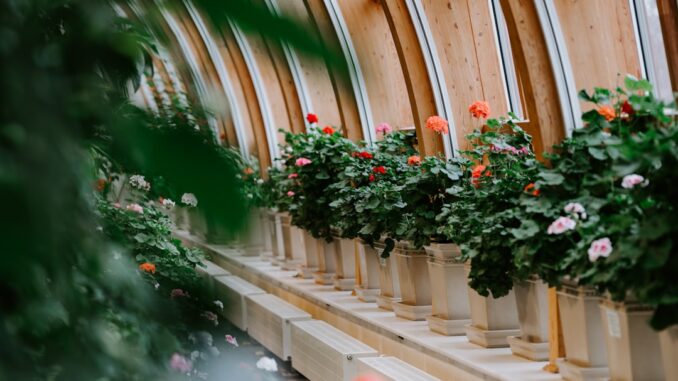

Crafting Your Wellness Sanctuary: The Power of an Orangery
Ever found yourself gazing out the window on a dreary afternoon, wishing for a space that felt more? A place where the lines between indoors and out gently blur, inviting natural light and a sense of calm into your everyday life? Well, that’s precisely where an orangery shines. Far more than just an extension, an orangery is a truly unique architectural feature, elegantly combining the structural integrity and solidity of a traditional home addition with the breathtaking openness and light-filled expanse of a conservatory. It’s an evolution, really, from its 17th-century origins when these magnificent structures were designed to protect delicate citrus trees, those valuable symbols of wealth and exotic taste, through Europe’s colder months. Today, however, orangeries have transformed, evolving into highly adaptable, multifunctional spaces that can significantly, and quite beautifully, enhance your overall well-being. And honestly, who couldn’t use a little more well-being in their lives?
They’re not just about aesthetics, though a well-designed orangery is undeniably stunning. What we’re really talking about here is creating a dedicated haven, a kind of personal wellness retreat right within your own home. Imagine the possibilities, a space bathed in natural light, infused with fresh air, and imbued with a serene atmosphere. It’s a powerful tool for modern living, connecting us back to nature, something many of us often lose touch with in our busy, often screen-dominated worlds. So, let’s explore how you can design, build, and utilize an orangery to become your ultimate wellness sanctuary, a place that nurtures both body and soul.
Unpacking the Orangery’s Heritage: More Than Just a Pretty Face
Before we dive into the nitty-gritty of design for wellness, it’s worth taking a moment to appreciate the orangery’s rich lineage. These structures, particularly prominent in aristocratic European estates, weren’t merely greenhouses. Oh no, they were grand statements, often designed by renowned architects and featuring intricate masonry, elegant fenestration, and sometimes even heating systems, quite advanced for their time. Kings and queens, nobles and gentry, used them to cultivate exotic fruits like oranges, lemons, and pomegranates, showcasing their wealth and mastery over nature. Picture the scene: a sprawling country estate, and there, nestled perfectly, a magnificent building with tall, arched windows, its interior a riot of fragrant citrus trees even as snow fell outside. It must’ve been quite the sight, a real spectacle of human ingenuity and luxury.
Over the centuries, as gardening techniques evolved and central heating became commonplace, the need for a dedicated citrus house dwindled. But the architectural form, that beautiful blend of solid wall and expansive glass, proved too enduring to disappear. Builders and homeowners began to recognize the inherent advantages of this design. It offered more thermal stability than a pure glass conservatory, thanks to its solid walls and often brick pillars, making it a comfortable year-round space. Plus, the often flat roof with a central glass lantern or atrium brought in an incredible amount of light without making the entire structure feel overwhelmingly glassy. This evolution means today’s orangeries are far more versatile, able to be seamlessly integrated into almost any home, offering a sophisticated and practical space for contemporary living, not just for sheltering fruit.
Designing Your Orangery for Optimal Wellness
When you’re planning your orangery, especially with wellness as the guiding star, it’s paramount to consider elements that truly maximize natural light, enhance air quality, and create an inherently calming vibe. We’re not just talking about throwing up a structure; we’re talking about crafting an environment that actively supports your health.
The Allure of Natural Light: A Mood-Boosting Marvel
First up, let’s talk light. It’s not just about seeing; it’s about feeling. Maximizing natural light is perhaps the single most impactful design decision you’ll make. Opt for large, expansive windows, ideally floor-to-ceiling where possible, and absolutely, unequivocally, a central glass lantern roof. This combination isn’t just aesthetically pleasing, oh no, it’s a powerful tool for well-being. That flood of sunlight, particularly the kind that pours in from above, does wonders for boosting mood and energy levels. It plays a crucial role in regulating our circadian rhythms, helping us feel more awake during the day and sleep better at night. Think about it: a dreary, dimly lit room makes you feel sluggish, right? Conversely, a space awash in warm, natural light feels invigorating, inspiring. It’s almost like a natural antidepressant, genuinely. We’re getting that much-needed Vitamin D, too, without even trying.
Consider the orientation of your orangery. A south-facing aspect will offer the most direct sunlight throughout the day, which is fantastic for warmth and light, but it might require clever shading solutions in summer to prevent overheating. East-facing provides lovely morning light, perfect for starting your day with energy, whilst west-facing offers beautiful, often dramatic, afternoon and evening light. North-facing orangeries will have a softer, more consistent light, ideal for an artist’s studio or reading nook where glare is a concern. Don’t overlook the importance of high-performance glazing either; low-emissivity (low-e) glass helps retain heat in winter and reflect it in summer, keeping the space comfortable year-round. You might even want self-cleaning glass, because let’s be honest, who enjoys climbing up there to scrub the roof?
Breathing Easy: Enhancing Air Quality and Embracing Biophilia
Next, air quality. It’s often an unseen factor, but it’s hugely important for our health. Incorporating plants, and I mean really incorporating them, isn’t just about decoration; it’s a strategic move to purify the air and create an incredibly calming, natural environment. Plants are natural air filters, absorbing carbon dioxide and releasing oxygen, and some species are remarkably effective at removing common indoor pollutants like formaldehyde and benzene. For instance, a few spider plants, peace lilies, or snake plants can quite literally clean the air you breathe, reducing stress and boosting overall vitality. Imagine practicing yoga surrounded by vibrant greenery, the air feeling crisp and clean. It’s truly transformative.
Beyond just potted plants, think about integrating biophilic design principles more broadly. This approach seeks to connect building occupants more closely to nature. This means not just bringing plants inside, but also incorporating natural patterns, shapes, and textures into the design. Maybe a living wall, if you’re feeling ambitious? Or even just ensuring you have expansive, unobstructed views of your garden. The very act of looking at greenery, of hearing the gentle rustle of leaves or birdsong from just beyond the glass, has been scientifically proven to reduce stress, lower blood pressure, and improve cognitive function. It’s incredible, the subtle power of nature.
To really nail air quality, you’ll need excellent ventilation. This goes beyond just opening a window when it’s warm, though that’s always a good start. Consider installing discreet ceiling fans that circulate air efficiently, or even automated roof vents that can open and close based on temperature or humidity sensors. For a more advanced approach, a heat recovery ventilation (HRV) system can continuously replace stale indoor air with fresh filtered outdoor air, recovering heat in winter to maintain comfort and energy efficiency. It’s an investment, sure, but the return in terms of fresh, clean air is immeasurable.
Crafting a Multi-Purpose Wellness Haven
One of the greatest strengths of an orangery is its incredible flexibility. It’s not a one-trick pony; it’s a chameleon, ready to adapt to your evolving wellness needs. This space can genuinely serve as a dedicated area for an astonishing variety of health-enhancing activities. Think about what truly rejuvenates you, what brings you peace, or sparks your energy, because an orangery can be all of those things.
The Serene Sanctuary: Yoga, Meditation, and Mindfulness
Picture this: a gentle morning sunbeam stretching across warm wooden floors, the quiet hum of your chosen playlist, and nothing but the rustle of leaves outside your glass walls. Doesn’t that sound like the perfect setting for a yoga or meditation session? Transforming your orangery into a dedicated retreat for these practices provides an unparalleled sense of peace and detachment from the main hustle and bustle of the house. You’ll want to choose a flooring material that’s comfortable, maybe engineered wood or even a plush, natural fiber rug for softness underfoot. Storage for mats, blocks, and bolsters can be cleverly integrated into built-in benches or low-profile cabinets, keeping the space clutter-free and serene. Soft, dimmable lighting options, perhaps even smart lighting that can change color temperature, will allow you to create different moods – bright and invigorating for a dynamic flow, or warm and soft for deep meditation. Just imagine those moments of stillness, connecting with your breath, while being enveloped by natural light and the gentle embrace of your garden. It’s a genuine slice of heaven right at home, an escape without ever leaving your property.
The Energizing Zone: Home Gym and Active Living
On the other hand, perhaps your path to wellness involves getting your heart rate up and muscles moving. An orangery makes an absolutely brilliant home gym. The abundant natural light immediately makes it feel more inviting and less like a drab basement gym, which let’s be honest, often struggles to motivate us. Good ventilation, which we’ve already discussed, becomes even more critical here to keep the air fresh during intense workouts. Durable, easy-to-clean flooring, like rubber matting or a sturdy laminate, will protect your subfloor and withstand heavy equipment. You can install a wall-mounted TV for workout videos without it dominating the space, and mirrors, strategically placed, can not only help with form but also enhance the sense of space and light. I remember a client, a busy executive, who converted his orangery into a Peloton studio. He told me it completely changed his routine; suddenly, his morning rides felt less like a chore and more like a joyful connection to the outdoors. The flexibility of an orangery allows you to tailor the space precisely to your specific health goals, whether it’s powering through HIIT or finding your zen.
A Creative Hub and Productive Workspace
But the utility doesn’t stop there. Imagine the orangery as your creative studio. The consistent, soft natural light, especially from a north-facing aspect, is ideal for painting, drawing, or even intricate craftwork, where true color representation is key and harsh shadows are a nuisance. Or what about a home office? I’ve found that working in a light-filled space dramatically boosts my focus and creativity. Just be mindful of screen glare, perhaps investing in smart blinds or positioning your desk thoughtfully. The psychological lift of being ‘connected’ to the outdoors, even while working, is immense. It transforms the mundane task of emails into something a little more inspiring. It becomes a place where ideas flow freely, unimpeded by the stuffiness of a traditional indoor office.
Weaving in Nature: Materials and Sensory Details
Integrating natural materials into your orangery’s design isn’t just an aesthetic choice; it’s a deeply rooted psychological one. This conscious decision further enhances its health benefits, drawing on our innate human connection to the natural world. This biophilic approach is incredibly powerful for fostering a sense of calm and well-being.
The Warmth of Wood, the Grounding of Stone
Think about wooden flooring and furniture. The grain of oak, the rich hue of walnut, or the soft tone of maple immediately creates a warm, inviting atmosphere, doesn’t it? Wood is a tactile material; it feels good underfoot, and its subtle imperfections tell a story. It’s also a surprisingly effective insulator, helping with temperature regulation. Beyond just aesthetics, studies have shown that exposure to natural materials, particularly wood, can actually reduce stress and promote relaxation. It’s a gentle reminder of the natural world, even when you’re indoors. Perhaps an exposed timber frame for the roof lantern, highlighting the craftsmanship and adding architectural character. Or imagine chunky, rustic wooden beams juxtaposed with sleek, modern glass – a beautiful conversation between old and new.
Don’t stop at wood. Incorporate other natural elements too. Perhaps a feature wall clad in natural stone, or exposed brickwork that matches your home’s exterior, bringing a sense of continuity and solidity. These materials offer a grounding presence, adding texture and depth. Even natural fibers in your soft furnishings – linen curtains, wool rugs, cotton cushions – contribute to the overall tactile experience, making the space feel more authentic and lived-in. They breathe, too, unlike synthetic fabrics, contributing to a healthier indoor environment.
The Soothing Symphony of Water
And then there’s water. Incorporating a small, elegant water feature – perhaps a tabletop fountain or a subtle wall-mounted one – adds a truly unique sensory dimension. The gentle, rhythmic sound of trickling water is universally soothing; it’s a natural white noise that can mask distracting sounds from outside and promote a profound sense of tranquility. I once visited an orangery where a small stream, just a foot wide, gently flowed along one side, disappearing under the floorboards at each end. It was utterly captivating, transforming the whole space into an oasis. Beyond the sound, water features can also subtly increase humidity, which can be beneficial for both your well-being and the health of any indoor plants, particularly in drier climates. It’s a small detail, maybe, but its impact on the ambiance is profound.
Maintaining a Healthy and Harmonious Environment
Even the most beautifully designed orangery won’t live up to its wellness potential if it’s not maintained properly. To ensure your orangery remains a truly healthy, comfortable, and invigorating space, you absolutely must pay close attention to ventilation and temperature control. These aren’t just technical details; they’re fundamental to your comfort and health.
The Breath of Fresh Air: Superior Ventilation
Proper ventilation, as mentioned, is paramount. Without it, you risk the buildup of indoor pollutants, allergens, and even mold, especially in a space that’s often exposed to humidity from plants or condensation. This is crucial for respiratory health and overall air quality. Beyond simple cross-ventilation from opening opposing windows – which is always a good start – consider more sophisticated solutions. Trickle vents, built into window frames, provide continuous, background airflow without significant heat loss. Automatic roof vents, linked to sensors, can open independently when the temperature or humidity reaches a certain level, creating an excellent chimney effect that draws stale air upwards and out. For the ultimate in air quality, exploring a mechanical ventilation system, such as a heat recovery ventilation (HRV) unit, is a smart move. These systems constantly exchange indoor air with fresh outdoor air, filtering out pollutants and allergens, all while recovering up to 90% of the heat from the outgoing air. It’s a sophisticated way to ensure a constant supply of clean, fresh air without wasting energy, and trust me, your lungs will thank you for it.
The Goldilocks Zone: Perfect Temperature Control
Temperature control is equally critical. An orangery should be comfortable year-round, not an oven in summer and a fridge in winter. This requires a multi-pronged approach. High-performance glazing, with good U-values (measuring heat loss) and G-values (measuring solar gain), is your first line of defense. Underfloor heating is often an ideal solution for orangeries; it provides a consistent, gentle warmth that rises evenly throughout the space, without bulky radiators cluttering your beautiful views. For summer months, discreet air conditioning units can be integrated, or you might rely on effective cross-ventilation and ceiling fans to keep things cool. Smart thermostats, programmable and often controllable via your smartphone, allow you to manage the climate efficiently, saving energy and ensuring the space is always just right when you want to use it. Think about thermal blinds or curtains too; they can provide an extra layer of insulation in winter and block intense sun in summer, giving you total control over the environment. Achieving that ‘just right’ temperature ensures you’ll actually want to spend time in your orangery, regardless of the weather outside.
An Orangery as a Hub for Social Well-being
While we’ve focused heavily on individual wellness, let’s not overlook the orangery’s incredible potential as a social hub. Humans are, after all, fundamentally social creatures, and fostering connections with family and friends is absolutely vital for our mental and emotional health. An orangery, with its inviting atmosphere and connection to nature, is uniquely positioned to facilitate these crucial interactions.
Imagine hosting a leisurely Sunday brunch, the morning sun streaming in, illuminating lively conversations and the scent of freshly brewed coffee. Or perhaps an evening gathering, the garden lights twinkling just beyond the glass, creating a magical backdrop for shared meals, laughter, and storytelling. The orangery’s open plan often lends itself beautifully to entertaining, allowing guests to mingle freely between the indoor space and the garden. You can configure furniture to encourage intimate conversations or larger group interactions. Flexible seating, like benches with hidden storage or modular sofas, can adapt to different social occasions, from a cozy family movie night to a vibrant dinner party.
My sister, for instance, recently added an orangery, and it’s become the gravitational center of her home. Her kids practically live in it, drawing and playing games, while she can relax with a book nearby, still feeling connected to them. And when friends come over, everyone naturally gravitates there. It’s amazing how a space can subtly nudge people into spending more quality time together, isn’t it? These regular social interactions, whether they’re casual chats over coffee or more formal celebratory meals, genuinely strengthen relationships, enhance our sense of community, and provide a vital support network. In a world where loneliness is an increasingly recognized health concern, having a welcoming space that encourages connection is more valuable than ever. It provides that sense of belonging and support that we all inherently crave, making your home not just a place to live, but a place to truly connect.
The Deeper Dimensions: Emotional and Spiritual Nurturing
Beyond the tangible benefits of light, air, and social interaction, an orangery can touch deeper aspects of our well-being – our emotional and even spiritual selves. It can become a true sanctuary, a place for introspection, mindfulness, and a profound connection to the rhythm of life.
Consider it your personal retreat, a space where you can gently disconnect from the digital noise and reconnect with yourself. The calming ambiance, the natural light, the subtle scents from plants, the soft sounds of nature – these elements combine to create an environment conducive to quiet reflection. Perhaps it’s where you journal, where you practice gratitude, or simply sit with a cup of tea and observe the changing seasons outside. You might find yourself more attuned to the nuances of light throughout the day, the shifting colors of the sky, or the gentle patter of rain against the glass roof. This awareness of the natural world, a kind of mindful observation, can be incredibly grounding and stress-reducing.
It offers a unique vantage point to experience the passage of time, the subtle shifts from spring’s fresh greens to autumn’s fiery hues, the quiet dormancy of winter. There’s a certain luxury in being able to witness these cycles from the comfort and warmth of your own home. For some, this connection to nature, and the space it provides for quiet contemplation, even borders on the spiritual. It’s a place where you can find clarity, recharge your emotional batteries, and feel a deeper sense of peace and belonging within the larger tapestry of the world. It’s an investment in your inner landscape, not just your property value.
Practicalities and Planning Your Orangery Project
So, you’re convinced. An orangery sounds like just the ticket for a wellness boost. But what about the practical side of making it a reality? Building an orangery is a significant undertaking, one that requires careful planning and attention to detail.
Firstly, planning permission. It’s crucial to check local regulations and whether your project falls under permitted development rights or requires full planning approval. This can vary greatly depending on the size, location, and specific design of your proposed orangery, so it’s always best to consult with a reputable architect or builder early on. They’ll help navigate the bureaucratic maze, ensuring everything is compliant.
Next, budgeting. Orangeries are an investment, and quality craftsmanship combined with high-performance materials will command a certain price. Don’t skimp here; remember, you’re investing in your well-being and the longevity of your home. Factor in costs for foundations, structural elements, glazing, roofing (including that beautiful lantern), flooring, heating/cooling systems, electrical work, and of course, those vital finishing touches like lighting and landscaping. Get detailed quotes from several reputable companies to understand the scope and cost thoroughly.
Choosing the right builder or designer is perhaps the most critical step. Look for specialists who have extensive experience specifically with orangeries. Ask to see their portfolio, speak to previous clients, and ensure they understand your vision for a wellness-focused space. A good designer won’t just draw plans; they’ll offer insights into material choices, orientation, and even interior design suggestions that align with your health and well-being goals. They’ll consider aspects like sustainable materials, energy efficiency, and how the orangery integrates seamlessly with your existing home’s aesthetic. A true professional listens intently to your needs and translates them into a functional, beautiful, and wellness-enhancing reality.
Finally, think about the long-term value. While the immediate benefits to your quality of life are immeasurable, an orangery also significantly enhances your property’s value and desirability. It adds usable square footage, boosts curb appeal, and provides a unique selling point. It’s not just a space; it’s an asset that appreciates both financially and personally.
Conclusion: Your Orangery, Your Wellness Journey
Incorporating an orangery into your home offers truly myriad opportunities to elevate your physical and mental well-being. By thoughtfully designing a space that puts natural light, exceptional air quality, and year-round comfort at its absolute core, you create an environment that doesn’t just support a healthy lifestyle but actively encourages it. Whether you envision it as a peaceful sanctuary for daily meditation, an energizing home gym, a vibrant social hub for family and friends, or simply a tranquil spot to connect with nature, an orangery is far more than just bricks and glass. It’s an intentional space, a cherished part of your home that can profoundly contribute to your overall health and happiness, year after year. It’s an investment in yourself, an elegant bridge between the indoors and the beautiful world just beyond your door. And truly, what could be more valuable than that?
References
- What Is an Orangery? | Benefits & Design Ideas Explained
- What Are the Key Features of an Orangery?
- The Ultimate Guide to Modern Orangery Design
- 10 Stunning Orangery Designs to Transform Your Home in 2025
- Orangeries – Oak Leaf Conservatories
- Orangery (Royal Garden of Prague Castle)
Be the first to comment