
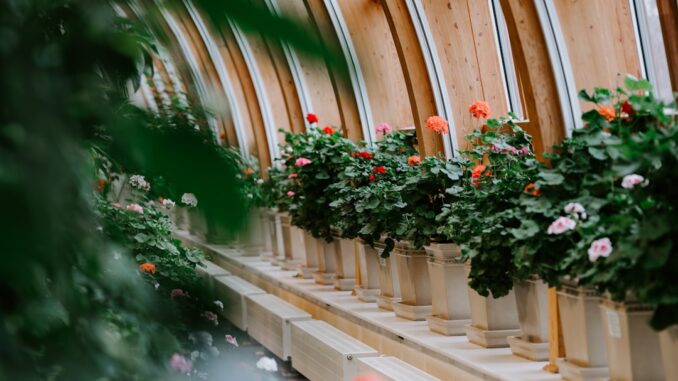

Navigating the Waters: A Comprehensive Guide to Planning Permissions for Orangeries and Conservatories
Imagine stepping into a bright, airy space, sunlight streaming in, the vibrant greens of your garden just beyond a wall of glass. That’s the dream of adding an orangery or conservatory to your home, isn’t it? These structures aren’t just extensions; they’re bridges between your indoor comfort and the natural beauty of your outdoor space, truly transforming how you live and interact with your property. But before you get swept away by visions of sun-drenched breakfasts or cozy evening reads, there’s a crucial first step: understanding the labyrinth of planning permissions and building regulations. It’s a journey, for sure, but with the right map, we can navigate it together.
The Allure of Extra Space: Why Consider an Orangery or Conservatory?
Before we dive into the nitty-gritty of regulations, let’s just appreciate for a moment what these additions bring to the table. An orangery, with its more substantial brickwork, elegant flat roof perimeter, and often a central roof lantern, offers a sense of permanence and grandeur. It feels less like an add-on and more like an integrated, sophisticated room. A conservatory, on the other hand, typically boasts a higher proportion of glass, including a fully glazed roof, creating an almost immersive outdoor experience, albeit with the comforts of indoors. Both promise abundant natural light and a seamless connection to your garden, enriching your home life immensely.
Historically, orangeries began as elaborate structures for growing citrus trees in colder climates, a luxury for the wealthy. Today, they’ve evolved into versatile living spaces, a far cry from their original purpose, yet still retaining that touch of elegance. And frankly, who couldn’t use a little more space, especially when it’s drenched in natural light?
Demystifying Permitted Development Rights: Your First Port of Call
Good news often comes with a caveat, doesn’t it? Well, the good news is that constructing many orangeries and conservatories can fall under ‘permitted development rights’ (PDRs). This means, in an ideal world, you won’t need to go through the often lengthy process of applying for full planning permission from your local authority. Think of PDRs as a set of pre-approved conditions that, if met, allow you to get on with your project without jumping through quite so many hoops. But here’s the caveat: if you meet them all. It’s not a free pass, just a streamlined one.
But what exactly does ‘permitted development’ entail? It’s not just a blanket term; there’s a detailed checklist you’ve got to tick off, and missing even one item can derail your PDR status. Let’s break down the most common, and often most overlooked, conditions:
Defining ‘Original House’ and Extension Proximity
First, you need to understand what ‘original house’ actually means. This isn’t necessarily how your house looks now. For planning purposes, ‘original house’ refers to the dwelling as it stood on 1 July 1948, or as it was first built if that’s later. Any extensions made since then count towards your permitted development allowance. This is a common pitfall; I’ve seen countless homeowners get caught out because they forgot a previous owner added a small porch or an outbuilding, unknowingly using up a chunk of their allowance.
Also, your proposed extension must not extend beyond the principal elevation (the front, usually facing the road) or the side elevation if it faces a highway. In plain English, you generally can’t build your orangery or conservatory towards the front of your house under PDRs. That’s usually a no-go zone.
Size and Height Restrictions: The Nitty-Gritty Details
Now, let’s talk numbers, because these are critical. Get these wrong, and you’re definitely looking at a full planning application.
-
Overall Footprint: Your extension – including any previous extensions, sheds, or outbuildings built since the ‘original house’ benchmark – must not exceed 50% of the total area of land around the original house. This means the total footprint of all additions, not just your new orangery. It’s a significant figure, and sometimes people forget that old shed at the back counts!
-
Maximum Height: The highest point of your extension can’t surpass 4 meters. Sounds simple, right? But the roof lantern on an orangery, while beautiful, can sometimes nudge this limit, so accurate measurements are absolutely crucial.
-
Eaves Height Near Boundaries: If your extension is within 2 meters of any boundary of your property, the maximum eaves height (where the roof meets the wall) needs to be less than 3 meters. This is often to prevent overshadowing or impacting neighbours, and it’s a rule that can really dictate the overall design of your new space.
Projection from the Rear Wall: How Far Can You Go?
This is another big one, especially for rear extensions like orangeries and conservatories. The limits depend on your property type:
- For detached houses, your extension must not extend beyond the rear wall of the original house by more than 8 meters.
- For semi-detached or terraced houses, this limit is reduced to 6 meters.
If you’re planning a particularly deep orangery, these figures can feel quite restrictive. It’s important to remember these limits, though, because pushing just a few extra feet could push you into requiring full planning permission.
Materials and Design: Keeping Up Appearances
While PDRs are largely about size, there’s also an expectation that the materials used for your new extension will be ‘similar in appearance’ to those of the existing house. This doesn’t mean an exact match, but you can’t, for example, build a bright blue orangery onto a traditional red-brick Victorian home and expect it to fly under the PDR radar. Local authorities generally look for a harmonious aesthetic, so keep that in mind when choosing your finishes.
Other PDR Exclusions and Considerations
It’s worth noting a few other common exclusions. Generally, verandas, balconies, or raised platforms are not permitted under PDR. Nor are extensions that are more than one storey high. Furthermore, if your proposed extension takes up more than half the width of the original house for a side extension, that’s usually out of bounds for PDR. And if you’re on designated land – think National Parks, Areas of Outstanding Natural Beauty (AONBs), Conservation Areas, or World Heritage Sites – your permitted development rights are often significantly more restricted, if not entirely removed. Always check with your local council.
Even when you think you meet all the PDR criteria, it’s often a good idea to apply for a ‘Lawful Development Certificate’ (LDC). This isn’t planning permission, but it’s a formal confirmation from your local council that your proposed build does fall under permitted development. It can be incredibly helpful when you eventually come to sell your house, as it provides peace of mind for future buyers. Trust me, avoiding future headaches is always worth the upfront effort.
When Full Planning Permission Becomes Your Path
So, you’ve checked the PDR list, perhaps even consulted with a local architect or planning expert, and it turns out your dream orangery or conservatory doesn’t quite fit. Don’t despair! This just means you’ll be embarking on the full planning permission journey, which, while more involved, gives you greater flexibility in design and scale. Here are the common scenarios where you’ll definitely need that formal approval:
Listed Buildings and Conservation Areas: A Special Category
Properties with historical significance, known as Listed Buildings, or homes located within Conservation Areas, face much stricter regulations. And for good reason, too. These protections are in place to preserve the unique character and heritage of our built environment. Trying to add a modern glass structure to a centuries-old listed cottage or within a carefully preserved Georgian street requires a delicate touch and official consent.
If your property falls into one of these categories, you’ll almost certainly need full planning permission. For Listed Buildings, you’ll also need ‘Listed Building Consent,’ which is a separate but often concurrent application. The local planning authority will scrutinize your proposals meticulously, looking at aspects like the design’s harmony with the existing structure, the materials chosen, and the potential impact on the building’s historical integrity. They might ask for detailed architectural drawings, heritage statements, and even impact assessments. My friend, Mark, once tried to get an orangery approved for his grade II listed Victorian rectory. The planners were incredibly specific, right down to the exact colour of the mortar and the profile of the roof lantern. It wasn’t easy, but the result was stunning, truly sympathetic to the original house.
The Enigmatic Article 4 Directions
This is where things can get a bit tricky and often catch people off guard. An ‘Article 4 Direction’ is a special planning control issued by a local planning authority. Essentially, it removes specified permitted development rights for a particular area or property. Why would they do this? Usually, it’s to protect areas of special architectural or historic interest, or to maintain the unique character of a neighbourhood where individual additions, even minor ones, could collectively undermine the area’s appeal.
So, even if your proposed orangery would normally fall under PDR, an Article 4 Direction might mean you suddenly need full planning permission. How do you find out if you’re affected? The best way is to check your local council’s planning portal or give them a direct call. It’s a crucial early check that can save you a lot of time and potential heartache later on.
Exceeding Permitted Development Limits: When Bigger Means Better (with Permission)
This is perhaps the most straightforward reason for needing full planning permission. If your proposed orangery or conservatory simply exceeds any of the size, height, or location restrictions we discussed for permitted development – whether it’s too tall, too wide, too deep, or occupies too much of your garden – then a full planning application is your only route. Don’t try to squeeze it into PDR limits if it clearly doesn’t fit; that’s a recipe for enforcement action down the line, and believe me, you don’t want to go there.
Other Scenarios Requiring Full Planning Permission
It’s not just the big three. There are other situations where you’ll almost certainly need planning permission:
- Flats and Maisonettes: Permitted development rights generally don’t apply to flats or maisonettes, so any external alteration, including an orangery or conservatory, would require full planning permission.
- Houses Converted from Flats: Similarly, properties that were once flats and have been converted back into a single dwelling may have their PDRs restricted or removed.
- Designated Land: We touched on this, but properties in National Parks, AONBs, Conservation Areas, or World Heritage Sites often have stricter rules or reduced PDRs. Always verify with your local council.
- Impact on Neighbours: While not a direct planning permission trigger, if your extension significantly impacts your neighbours – say, causing a severe loss of light, overshadowing their garden excessively, or overlooking their private spaces – the planning department will consider these factors carefully during a full application process. Good neighbourly relations are priceless here; a friendly chat before you submit can often preempt objections.
The Planning Permission Process: A Step-by-Step Walkthrough
So, you’ve established you need full planning permission. What now? It’s not as daunting as it sounds if you approach it systematically.
Step 1: Pre-Application Advice – Your Secret Weapon
Before you even fill out a form, seriously consider engaging with your local planning authority for pre-application advice. Most councils offer this service, usually for a fee. You submit your preliminary plans, and they’ll give you an informal but often invaluable opinion on your chances of success, highlight potential issues, and suggest modifications. It’s a chance to iron out kinks before you commit to a full application, saving you time and money in the long run. I’ve seen this advice completely transform a problematic proposal into an approvable one.
Step 2: Preparing Your Application – The Paperwork Marathon
This is where the detail comes in. Your application will typically require:
- Application Form: Usually submitted online via the Planning Portal.
- Site Location Plan: Showing your property and its surroundings.
- Block Plan: A more detailed map showing your property boundaries, the proposed extension, and distances to boundaries.
- Existing and Proposed Plans: Detailed architectural drawings (floor plans, elevations, sections) of your house as it is now and how it will look with the orangery.
- Design and Access Statement: Explaining the design principles, how it fits with the local area, and how it will be accessed. This is your chance to ‘sell’ your vision to the planners.
- Ownership Certificate: Confirming you own the land or have notified other owners.
- Application Fee: This can vary, so check your council’s website.
It’s often wise to enlist the help of an architect or a planning consultant at this stage. They speak the language of planners and know exactly what documentation is required, ensuring your application is robust and complete. A well-presented application is half the battle won.
Step 3: Submission and Consultation – The Waiting Game
Once submitted, the council will validate your application. Then begins the consultation phase. Your neighbours will be notified, giving them an opportunity to comment or object. Statutory consultees, such as the highways authority or environmental agencies, might also be consulted, depending on your proposal. This process typically takes around 8 weeks for minor applications, though it can stretch to 13 weeks or more for larger, more complex projects. It’s a period that can feel like an eternity, but patience really is a virtue here.
Step 4: Decision Time – Approval, Conditions, or Refusal
Finally, a decision! If approved, it often comes with conditions – for example, specific materials to be used, landscaping requirements, or limits on construction hours. These are legally binding, so read them carefully. If refused, the council must provide reasons. You then have the option to amend your plans and resubmit, or if you believe the decision was unfair, you can appeal to the Planning Inspectorate. Appeals are a whole different ballgame, however, and it’s definitely something you’d want professional advice on.
Building Regulations Approval: Beyond Planning
Alright, so you’ve got your planning permission (or confirmed you don’t need it via PDRs). Brilliant! But don’t pop the champagne just yet. There’s another crucial layer of legislation to peel back: Building Regulations. These are entirely separate from planning permission and, regardless of whether you needed planning, you’ll almost certainly need building regulations approval for an orangery or conservatory.
Think of planning permission as dealing with ‘what you can build’ – its impact on the local area, its size, and its appearance. Building Regulations, on the other hand, focus on ‘how you build it’ – ensuring the construction meets essential safety, structural integrity, and performance standards. They’re there to protect you and future occupants, ensuring your new space is safe, warm, and structurally sound. Trying to bypass them is a colossal mistake; it can lead to hefty fines, remedial work, and significant problems when you try to sell your home.
Key Areas Covered by Building Regulations
Building Regulations are comprehensive, covering a broad spectrum of construction aspects. Here are some of the main points your orangery or conservatory will be assessed against:
- Structural Stability (Part A): This is fundamental. Foundations must be adequate, the roof structure sound, and the walls capable of bearing the load. No one wants a wobbly extension.
- Fire Safety (Part B): Crucial for safety. This covers aspects like safe escape routes, the fire resistance of materials, and fire spread prevention. Your orangery shouldn’t create a fire trap or hinder escape from other parts of your home.
- Resistance to Moisture (Part C): Ensuring your extension is watertight and damp-proof. Nobody enjoys a damp, mouldy space.
- Conservation of Fuel and Power (Part L): This is a huge one, especially with today’s focus on energy efficiency. Your orangery will need to meet stringent standards for insulation in walls and floors, and crucially, for the thermal performance (U-values) of its glazing and roof. This ensures it’s a comfortable space year-round, not a freezer in winter and an oven in summer.
- Ventilation (Part F): Adequate ventilation prevents condensation and ensures good air quality.
- Drainage and Waste Disposal (Part H): Proper systems for rainwater run-off and, if applicable, foul water.
- Access to and Use of Buildings (Part M): This relates to accessibility, ensuring, for instance, that doors are wide enough for wheelchair access if required, and thresholds aren’t overly prohibitive.
- Electrical Safety (Part P): Any electrical work must be carried out by a qualified electrician and meet safety standards.
The Building Regulations Process: Full Plans or Building Notice?
There are generally two routes to getting building control approval:
- Full Plans Application: This is the most common and often recommended route, particularly for more complex projects like orangeries. You submit detailed architectural drawings and specifications to your local authority building control department (or an approved independent inspector) before work starts. They’ll check the plans for compliance and issue an approval notice. This gives you, and your builder, clear guidance and confidence that the design meets all the requirements before a single brick is laid.
- Building Notice: This is a simpler, less detailed application suitable for very minor works. You notify the council shortly before starting work, and they carry out inspections during the build. However, the onus is entirely on you to ensure compliance, and if things aren’t right, you might have to rectify them at your own cost. For something as substantial as an orangery, a Full Plans Application is almost always the safer bet.
Regardless of the route, building control inspectors will visit your site at various key stages of construction – typically at foundation level, damp proof course, roof structure, and finally upon completion. Once they’re satisfied everything meets the regulations, they’ll issue a Completion Certificate. Keep this certificate safe; you’ll definitely need it when you sell your property.
Consequences of Non-Compliance
Ignoring Building Regulations is a serious gamble. Local authorities can issue enforcement notices, requiring you to modify or even demolish non-compliant work. You could also face legal action and significant fines. More commonly, though, the problem arises when you try to sell your house. Without a Completion Certificate, solicitors will flag it, leading to delays, demands for indemnity insurance, or even a reduction in your property’s value. It’s simply not worth the risk.
Orangery vs. Conservatory: A Design and Regulatory Distinction
While often grouped together, it’s helpful to understand the nuances between an orangery and a conservatory, both in design and how planning might view them.
Conservatories are typically defined by having at least 50% of their side wall area and 75% of their roof area glazed. They’re often considered lightweight structures, primarily designed for light and views, sometimes unheated or heated only intermittently. Their construction often leans towards pre-fabricated elements, giving them a distinct aesthetic.
Orangeries, on the other hand, are more substantial. They usually feature more brick or stone construction, with a flat roof perimeter and a large glazed lantern or several smaller ones. The glazing typically accounts for less than 50% of the wall area and less than 75% of the roof area. This construction often means better thermal performance and a greater sense of permanence, blurring the lines between an extension and a traditional conservatory.
From a planning perspective under PDRs, both are often treated similarly if they meet the dimensional and other criteria. However, when applying for full planning permission, the more robust, integrated design of an orangery might be viewed more favourably in certain architectural contexts, particularly in conservation areas, due to its ability to blend more seamlessly with existing brickwork. It’s an interesting distinction, and one that often guides homeowners towards the orangery if they seek a truly ‘extended room’ feel rather than a pure glass box.
Enhancing Your Home & Garden with an Orangery: The Rewards of Diligence
After all that talk of regulations, let’s circle back to the ‘why.’ Because, truly, the rewards of a well-planned and properly built orangery are immense. It’s not just about square footage; it’s about quality of life.
Abundant Natural Light: Bathed in Brilliance
The combination of solid walls and expansive glazing, especially with that signature roof lantern, allows natural light to flood an orangery space like few other rooms can. This isn’t just about brightness; it’s about the psychological benefits of natural light – boosting mood, energy, and even productivity. Imagine starting your day with coffee, basking in soft morning light, watching the garden awaken. It truly connects you with the outdoors, even when you’re comfortably inside.
Versatile Living Space: Adapting to Your Life
Unlike a traditional conservatory that might sometimes feel too hot or too cold, a modern orangery, with its superior insulation and solid construction, offers genuine versatility. It can be whatever you need it to be. A serene dining area for entertaining? Absolutely. A vibrant playroom where the kids can spread out? Perfect. A quiet home office with inspiring garden views? Ideal for those remote working days. I know a couple who turned theirs into an art studio; the light was simply unbeatable. That adaptability makes it an incredibly valuable addition to any home.
Seamless Indoor-Outdoor Connection: Breaking Down Walls
With contemporary features like bi-fold doors, sliding patio doors, or elegant French doors, an orangery truly blurs the lines between your home and your garden. You can throw open the entire wall on a sunny day, creating one vast, continuous space for entertaining or simply enjoying the breeze. Even on cooler days, the panoramic views keep you connected to your outdoor oasis, allowing you to appreciate your garden regardless of the weather. It’s a literal breath of fresh air for your living space.
All-Season Usability: Comfort Year-Round
Gone are the days when conservatories were unusable for large chunks of the year. Modern orangeries are designed with energy efficiency at their core. Advanced glazing technology, insulated roofing, and effective heating and ventilation systems mean they’re comfortable throughout the seasons. Underfloor heating makes those winter mornings delightful, while smart glass and well-placed ventilation keep things cool in the summer. This means you’re investing in a space you can genuinely use and enjoy all year long, not just seasonally.
Increased Property Value and Aesthetic Appeal
Beyond the personal enjoyment, a well-designed and properly constructed orangery can significantly enhance your property’s value and curb appeal. It adds a touch of architectural elegance and sophistication that sets your home apart. A beautiful orangery isn’t just an extension; it’s a statement piece, a testament to thoughtful design and quality craftsmanship. It’s a smart investment, offering both immediate lifestyle benefits and long-term financial returns.
Navigating the Journey: Practical Tips for a Smooth Project
So, you’ve absorbed the rules, envisioned the outcome, and feel ready to embark on this exciting project. Here are a few final, actionable tips to make your journey as smooth as possible:
- Start Early: Planning and research should begin long before you even think about breaking ground. Give yourself plenty of time to understand the regulations, gather quotes, and get designs drawn up.
- Consult Professionals: Don’t go it alone. Engage reputable architects, planning consultants, and experienced builders who specialize in orangeries. Their expertise is invaluable in navigating the complexities and ensuring a high-quality outcome.
- Detailed Plans Are Your Friend: The more comprehensive and accurate your plans, the smoother the approval process will be, whether for planning permission or building regulations. Ambiguity leads to delays.
- Budget Beyond Construction: Remember to factor in not just the build cost, but also fees for architects, planning applications, building control, and a contingency fund for unforeseen circumstances. Things rarely go exactly to plan.
- Check Your Deeds: Before anything, review your property deeds for any restrictive covenants that might limit extensions or alterations. This is surprisingly common and can stop a project dead in its tracks.
- The Party Wall Act: If your orangery is being built on or near a boundary, you might fall under the Party Wall Act. This requires you to formally notify your neighbours, and potentially appoint a party wall surveyor. It’s another layer of regulation to be aware of, so consult a specialist early if this applies.
- Talk to Your Neighbours: Even if not legally required, a friendly conversation with your neighbours about your plans can preempt objections and foster goodwill. A little communication goes a long way.
Conclusion: Your Dream Space Awaits
Adding an orangery or conservatory to your home is a fantastic way to enhance your living space, flood your home with natural light, and forge a deeper connection with your garden. It’s an investment in both your property and your lifestyle, promising years of enjoyment. While the journey through planning permissions and building regulations can seem complex, it’s an absolutely essential part of the process. By approaching it with diligence, seeking professional advice, and understanding each step, you can ensure your project is not only compliant but also creates a beautiful, functional, and cherished addition to your home. So, go on, start dreaming, but make sure you’re doing it with all the right information at your fingertips. Your perfect sun-drenched space is within reach.
Be the first to comment