
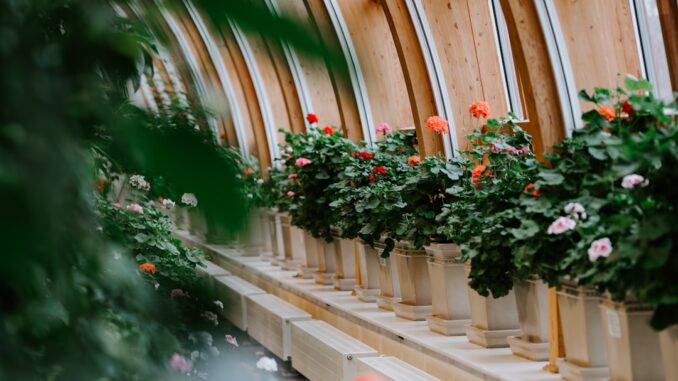

Bringing the Outside In: Crafting Your Dream Orangery for Year-Round Garden Enjoyment
Ever dreamt of a space where the lush greenery of your garden seamlessly merges with the comfort of your home? A place where you can sip your morning coffee while feeling utterly immersed in nature, even when the rain lashes against the panes? An orangery extension isn’t just an addition; it’s a transformative vision that literally builds a bridge between your indoor sanctuary and the captivating outdoors. It offers a versatile, light-filled area that utterly changes how you interact with your garden, making it an accessible joy regardless of the weather outside. Let’s delve into how an orangery can redefine your living space, giving you unparalleled, year-round access to the beauty of your garden.
The Art of Seamless Indoor-Outdoor Living
Think of an orangery as a sophisticated conduit, a beautifully designed link connecting your home’s interior with the vibrant world of your garden. It’s about creating a harmonious flow, gently inviting nature right inside. Imagine grand, floor-to-ceiling windows or sleek bi-fold doors that can, with a simple push, melt away, opening your entire space to the garden. These features offer more than just panoramic views; they promise effortless access, allowing you to drift between inside and out as if there were no barrier at all.
Your perfect retreat awaitsdiscover how an orangery can change your home and your life by Elegancia.homes.
This deliberate design choice doesn’t just flood your interiors with an astonishing amount of natural light, it actually lets you savour your garden’s ever-changing beauty regardless of what the weather decides to do. Picture a bright, crisp winter morning, frost glistening on the lawn, and you’re inside, warm and cosy, watching it all unfold through expansive glass. Or maybe it’s a balmy summer evening; those bi-fold doors are tucked away, and the sweet scent of honeysuckle drifts in, mingling with the aroma of your evening meal. It’s an experience, truly, that you just can’t get with a traditional extension.
I remember a client, Mark, who lives just outside Manchester. He’d always dreamt of a space like this. His old conservatory was too hot in summer and too cold in winter, making it largely unusable. After we completed his orangery, he told me, ‘It’s like having a permanent holiday home, right in my garden.’ Now, his family hosts dinner parties with the doors wide open during summer, letting the evening breeze carry the laughter and the aroma of grilled food. Come winter, that same space transforms into a snug retreat, where they watch snowflakes tumble, perfectly insulated and warm inside, feeling utterly connected to the quiet, frosted landscape. It’s about maximising every moment, isn’t it?
More Than Just Light: The Benefits of Natural Illumination
It’s not just about aesthetics either; the sheer volume of natural light an orangery introduces is a game-changer for well-being. Studies consistently show that exposure to natural light boosts mood, improves productivity, and even aids in better sleep. For those of us spending more time working from home, transforming an orangery into a home office provides an inspiring environment that’s far removed from a gloomy spare room. It’s like bringing the calming presence of the outdoors into your daily grind, reducing eye strain and simply making the workday a little bit brighter, literally. And let’s not forget the potential energy savings; with so much natural light pouring in, you’ll find yourself reaching for the light switch far less often during daylight hours.
Designing Your Orangery: A Masterclass in Integration
Now, when you embark on the exciting journey of planning your orangery, it’s crucial to think beyond just adding a room. You’re actually crafting an integral part of your home, something that needs to complement your existing architecture and garden design. The goal is seamless integration, making it feel like it was always meant to be there, not an afterthought tacked on. This takes careful consideration of materials, style, and orientation.
Harmonising with Your Home’s Aesthetic
Choosing the right style is paramount. Is your home a classic Victorian villa, a charming Edwardian semi, or a sleek, contemporary new build? Orangeries, though historically grand, can be tailored to fit almost any architectural style. For traditional homes, you might lean towards classic designs featuring ornate pilasters, deep cornices, and perhaps a more decorative lantern roof. These details echo the elegance of period properties, creating a sympathetic addition that truly enhances the home’s character. On the other hand, a modern home might call for a minimalist aesthetic with clean lines, expansive frameless glass, and perhaps an almost flat roof with flush-fitted skylights. The material palette matters too; responsibly sourced timber can offer warmth and a traditional feel, while aluminium provides a contemporary, low-maintenance solution with slender sightlines, maximising glass area. uPVC remains a popular, cost-effective choice, though advancements in design mean it can now replicate timber or aluminium aesthetics surprisingly well.
Colours, oh the colours! They play an enormous role in this integration. Think about blending the orangery’s exterior finish with your existing brickwork or render. A popular approach is to choose a subtle colour that either matches existing window frames or acts as a neutral backdrop to your garden’s vibrant hues – think sophisticated greys, calming greens, or classic creams. Inside, the design can either extend the interior decor of the adjoining room for a continuous feel or establish its own distinct personality, perhaps leaning into a more botanical or outdoor-inspired theme. This is where your personal flair truly shines through.
The All-Important Roof: Lanterns, Skylights, and Beyond
One of the defining features of an orangery is its distinctive roof structure, often incorporating a significant flat roof section with a central, raised lantern or multiple skylights. This is where an orangery truly differentiates itself from a conservatory, which typically has a fully glazed, pitched roof. The solid roof element of an orangery offers superior insulation and helps regulate temperature more effectively, creating a room that feels more like an extension of your home rather than a separate, glass box. The lantern roof, for instance, isn’t just an architectural flourish; it’s a brilliant way to draw light deep into the centre of the room and even into the adjoining internal spaces. Imagine a shaft of sunlight, bright and invigorating, illuminating your living area even on a partially cloudy day.
But the options don’t stop there. Modern designs often incorporate large, flush-fitted skylights or even retractable roof systems. These retractable options, sometimes seen in high-end projects, allow you to literally open your roof to the sky on glorious days, bringing the experience of al fresco living to an entirely new level, whilst providing instant shelter when those inevitable British showers decide to make an appearance. It’s truly the best of both worlds, isn’t it? (windor.co.uk)
Embracing Sustainable Design Principles
In today’s world, sustainable design isn’t just a buzzword; it’s a vital consideration for any new build or extension. For your orangery, this translates into making smart, environmentally conscious choices that benefit both the planet and your wallet. Top of the list? Energy-efficient glazing. Opting for triple glazing, rather than standard double glazing, significantly improves insulation, drastically reducing heat loss in winter and preventing excessive heat gain in summer. Look for glass with low U-values – the lower the U-value, the better its insulating properties. Argon gas infills between panes, along with low-emissivity (low-E) coatings, further enhance thermal performance by reflecting heat back into the room and keeping unwanted solar radiation out. (fleethomesconstruction.com)
Beyond the glass, consider the environmental impact of your chosen materials. Responsibly sourced timber, certified by organisations like FSC (Forest Stewardship Council), ensures that the wood comes from sustainably managed forests. Recycled materials, where feasible, can also contribute to a greener build. Even the choice of heating system makes a difference; underfloor heating, powered by an air source heat pump, for example, offers an efficient and eco-friendly way to keep your orangery comfortable year-round. It’s all about thinking holistically about the impact of your choices.
Maximising Your Garden Views: A Living Canvas
To truly unlock the potential of your orangery, you’ve got to be strategic about how you frame your garden. This isn’t just about sticking big windows on a wall; it’s about curating a living picture that changes with the seasons, a dynamic artwork unique to your home. First, consider the orientation. Where does the sun rise and set? Which parts of your garden catch the best light throughout the day? Placing your orangery to face south can maximise sunlight, though you’ll need to consider shading solutions to prevent overheating. An east-facing orangery will capture the gentle morning light, perfect for breakfast, while a west-facing one bathes in the warm glow of the setting sun.
Large windows and bi-fold doors are the obvious heroes here, but think about the details. Consider where you’ll place furniture inside the orangery; ensure that no major elements obstruct your prime views. Outside, strategic planting can enhance the visual appeal. Frame particular vistas with taller shrubs or ornamental trees, creating layers of interest. Perhaps a well-placed water feature outside can add both visual and auditory serenity. Some designers even use interior design elements like an open-tread staircase or a minimalist fireplace to anchor the eye, drawing it towards the outdoor vista rather than distracting from it.
Also, connecting your orangery to your garden through continuous hardscaping – perhaps a matching patio or decking area that flows directly from the orangery doors – further blurs that indoor-outdoor line. It’s a subtle yet powerful trick that makes the garden feel like an extension of your living space. And for those truly sunny days, as I mentioned, those retractable roof systems offer an unparalleled experience, allowing you to enjoy open skies and fresh air at will. It truly transforms the space from ‘room with a view’ to ‘room in the view’.
Creating a Multi-Functional Masterpiece
One of the most compelling aspects of an orangery is its incredible versatility. This isn’t just a pretty room; it’s a dynamic, adaptable space that can serve a myriad of purposes, evolving with your family’s needs over time. It makes it a truly invaluable addition to any home.
A Space for Every Occasion
- The Dining Haven: Imagine hosting a dinner party where the backdrop is your beautifully lit garden. An orangery makes for an exquisite dining area, perfect for everything from casual family meals bathed in natural light to elegant soirées where you can literally open up to the evening air. The connection to nature elevates every meal.
- The Tranquil Lounge: Need a quiet spot to unwind with a book or enjoy a peaceful cup of tea? An orangery transforms into a serene lounge, offering a calming retreat. It’s ideal for setting up a cosy reading nook, perhaps with a comfortable armchair and a small table for your favourite brew. The natural light and garden views create an inherently relaxing atmosphere.
- The Inspiring Home Office: As more of us embrace remote work, the need for a dedicated, inspiring workspace has never been greater. An orangery provides just that – a bright, airy home office that feels worlds away from the usual cramped study. The influx of natural light has proven benefits for concentration and productivity, making it a much more pleasant place to tackle your to-do list.
- The Vibrant Playroom: For families with young children, an orangery can be a fantastic playroom. It’s a safe, bright space where kids can play freely, feeling connected to the outdoors without actually being exposed to the elements. You get to keep an eye on them while they enjoy their own sunlit domain.
- The Creative Studio: Are you an artist, a crafter, or someone who loves hobbies that require good light? An orangery makes for an ideal art studio or hobby room. The consistent, abundant natural light is invaluable for colour work, and the inspiring views can only fuel creativity.
- The Seamless Kitchen Extension: Perhaps one of the most popular uses, integrating an orangery into a kitchen extension creates a truly stunning open-plan living space. It often becomes the heart of the home – a combined kitchen, dining, and living area that flows effortlessly into the garden, perfect for modern family life and entertaining.
The beauty is that you can tailor this space precisely to your family’s unique needs, knowing it will always offer those uninterrupted views of your garden. It’s an investment in lifestyle, really.
Embracing Year-Round Enjoyment
What truly sets an orangery apart, particularly from older conservatory designs, is its ability to be a genuinely comfortable and usable space throughout all four seasons. With careful planning and the right specifications, it transforms from a fair-weather room into a year-round haven, come rain or shine, frost or heatwave.
The Essentials: Insulation, Heating, and Ventilation
To achieve this continuous comfort, proper insulation and heating are non-negotiable. As discussed, high-performance glazing, like triple glazing with low-E coatings and argon gas, is foundational. But the insulation extends beyond the glass. The solid roof sections of an orangery typically incorporate robust insulation, often superior to a fully glazed conservatory roof, drastically reducing heat loss. The walls, too, built like a traditional extension, are fully insulated. For the floor, underfloor heating is a popular choice; it offers incredibly efficient and even warmth, without taking up valuable wall space, and creates a luxurious feel underfoot. Alternatively, modern, efficient radiators, perhaps even stylish vertical designs, can provide ample heat. For summer months, an integrated air conditioning unit can provide cooling, or you might opt for a more subtle approach with strategically placed ceiling fans and excellent natural cross-ventilation, where windows and doors are positioned to create a natural airflow. Modern smart home systems can even automate these elements, opening vents or activating cooling when temperatures reach a certain threshold, making comfort effortless.
Managing the Elements: Shading and Glare Control
While natural light is a major draw, too much can lead to glare and overheating, especially in south-facing orangeries. This is where intelligent shading solutions come into play. Integrated blinds within the glass units offer a sleek, dust-free solution. External awnings or pergolas can provide effective shade to the exterior, keeping the sun’s rays from even reaching the glass. Internally, a variety of blinds – from Venetian to roller, or even specialist conservatory blinds – can give you precise control over light and privacy. Some advanced glazing options even include smart glass that can tint automatically in response to sunlight or be controlled via an app, offering unparalleled glare and heat control.
When properly insulated, heated, and ventilated, your orangery truly becomes a warm, inviting haven during the colder months. You can curl up with a blanket, watch the winter landscape unfold, perhaps even glimpse a robin hopping on a frosted branch, all without feeling the biting chill. And in warmer weather, it remains a cool, comfortable retreat, allowing you to stay connected to your garden’s vibrant life, away from the midday sun or those pesky summer bugs. It genuinely adapts to your lifestyle and the changing seasons, ensuring lasting enjoyment every single day.
Conclusion
So, there you have it. Integrating an orangery into your home is so much more than just adding square footage; it’s about fundamentally enhancing your connection to your garden, creating a space that effortlessly adapts to your lifestyle, and truly celebrates the ever-changing beauty of the seasons. Through thoughtful design, smart material choices, and a keen eye on sustainability, you can craft a harmonious indoor-outdoor living experience that brings unparalleled enjoyment for many, many years to come. Isn’t it time you considered building your own gateway to nature?
References
Orangeries: not just for oranges anymore, eh? Though I bet a lemon tree would feel right at home, basking in all that glorious light. Any recommendations for the best citrus companions for such a stylish space?
That’s a great point! A lemon tree would definitely thrive. For citrus companions, consider Calamondin oranges – they’re compact and produce beautiful fruit. Kumquats are also a good choice, offering a unique flavour and visual appeal. They all love the bright, consistent environment of an orangery!
Editor: ElegantHome.News
Thank you to our Sponsor Elegancia Homes