
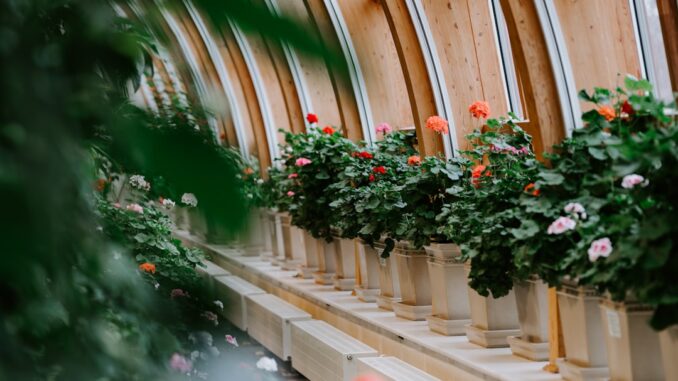

Is an Orangery Right For Your Home? A Deep Dive into the Pros and Cons
Thinking about enhancing your living space? Adding an orangery could be the transformative project you’re looking for, truly blurring the lines between indoors and out. Traditionally, these elegant structures were purpose-built to shelter delicate citrus trees, giving them a warm, sunny haven during the colder, harsher months. But today, they’ve evolved into incredibly versatile, multi-functional spaces, ready to be tailored precisely to your family’s unique needs, blending historical charm with modern functionality.
It’s not just another room; it’s an experience. Imagine a bright, airy space where you can unwind, entertain, or simply enjoy your garden view year-round, bathed in beautiful natural light. Sounds idyllic, doesn’t it? Yet, like any significant home improvement, there’s a good deal to consider. Let’s really dig into what an orangery brings to the table, both the exciting advantages and the practical considerations.
Boost your home’s value with a luxurious and stylish orangeryfrom Elegancia.homes.
Unpacking the Allure: The Advantages of an Orangery
An orangery offers a compelling blend of benefits, elevating both your lifestyle and the value of your property. We’re talking about more than just square footage; we’re talking about a fundamental shift in how you interact with your home and garden.
1. A Deluge of Natural Light
If you’re anything like me, you crave natural light, especially during those grey winter days. Orangeries, with their distinctive design, excel at maximizing sunlight, creating an environment that feels inherently uplifting and incredibly bright. Think large, expansive windows and, critically, that signature glazed roof lantern which acts like a giant skylight, funneling sunshine directly into the heart of your new space. This design isn’t just aesthetically pleasing; it actually enhances the overall ambiance of your entire home, making adjacent rooms feel brighter and more open.
This isn’t the all-glass exposure you might find in a traditional conservatory, where the sun can sometimes feel overwhelming. Instead, an orangery provides a more structured, diffused light, thanks to its solid roof perimeter around the lantern. It creates a warm, inviting glow, perfect for reading a book, enjoying a morning coffee, or simply appreciating the beauty of natural illumination. Plus, think about the potential energy savings; on many days, you simply won’t need to flick on a light switch until much later.
2. Seamless Indoor-Outdoor Integration
One of the most powerful benefits of an orangery is its ability to act as a graceful bridge between your interior living areas and the natural beauty of your garden. It isn’t merely an ‘add-on’; it’s designed to foster a harmonious, almost uninterrupted connection with the outdoors. Imagine large bi-fold or French doors opening wide, inviting the scent of blooming flowers and the gentle sounds of your garden right into your home. This integration can make your entire property feel much more expansive, drawing the eye outwards and truly connecting you with nature, even when you’re technically still inside.
I remember a friend, Sarah, who installed an orangery last year. She mentioned how much she loved her new ritual: stepping out into her orangery with a cup of tea, even on a chilly autumn morning, and feeling utterly connected to her garden as the frost melted on the leaves. It’s that kind of daily, almost magical, connection that truly makes a difference. You’re not just looking at your garden; you’re almost in it, experiencing it, regardless of the weather. And with consistent flooring between the orangery and a patio, you truly blur those boundaries, making the garden feel like an extension of your living room.
3. Year-Round Usability: A Room for All Seasons
Unlike older conservatories that often become sweltering in summer and chilly in winter, modern orangeries are built for consistent comfort. Their robust, solid construction and superior insulation – found in the walls, floor, and especially the advanced glazing – mean they maintain far more stable temperatures throughout the year. We’re talking about high-performance glass with excellent U-values and well-insulated solid roof sections. This meticulous attention to thermal efficiency makes them genuinely comfortable spaces to use in all seasons, come rain or shine, snow or heatwave.
Think about it: a cozy winter haven where you can enjoy the crisp outdoors from the warmth of your sofa, or a breezy summer dining spot, perfectly shaded by your roof lantern. It could become a vibrant playroom for the kids, a peaceful home office bathed in natural light, or even a chic dining area for entertaining. The versatility is genuinely impressive, transforming an often-underused garden view into a constantly accessible part of your daily life. No more ‘too hot to sit in’ or ‘too cold to use’ complaints; this is a truly functional extension for every month of the year.
4. A Significant Boost to Property Value
Adding an orangery isn’t just about improving your current living experience; it’s also a smart investment in your property’s future. Quality home improvements almost always enhance market appeal, and an orangery is a prime example. Some estimates suggest an increase of up to 15% in your home’s value, which, let’s be honest, is a substantial return. Its aesthetic appeal alone is a major draw, adding a touch of elegance and sophistication that many buyers actively seek.
Moreover, it adds genuinely functional living space, which is a huge selling point. It’s not just another room, but a desirable, multi-purpose area that can serve a myriad of uses, making a property stand out from the competition. As my friend who works in real estate often says, ‘Buyers aren’t just looking for houses; they’re looking for lifestyles.’ An orangery offers an aspirational lifestyle, contributing significantly to a home’s curb appeal and overall desirability, especially if it’s well-designed and constructed to a high standard. Always remember, the better the quality, the higher the perceived value, and ultimately, the better your potential ROI.
5. Versatile Design Options for Every Taste
One of the truly exciting aspects of an orangery project is the sheer scope for customization. This isn’t a one-size-fits-all solution. You can tailor an orangery to either seamlessly complement your home’s existing architectural style – perhaps a classic timber design to match a period property – or you can opt for something bolder, creating a contemporary statement with sleek aluminium and minimalist lines. The choice of materials, from traditional hardwood and robust uPVC to modern aluminium, offers a vast palette.
Beyond materials, consider the design elements: the style of the roof lantern, the types of doors (bi-fold, French, sliding), the interior finishes, and even the integration of smart lighting and heating systems. The beauty lies in creating a space that isn’t just an addition but a true reflection of your personal taste and how you intend to use the room. Whether you envision a grand dining area, a light-filled artist’s studio, a tranquil reading nook, or a vibrant kitchen extension, the design possibilities are virtually endless, allowing you to craft a truly unique and personal sanctuary.
Navigating the Challenges: The Disadvantages of an Orangery
While the benefits are compelling, it’s equally important to approach such a significant undertaking with open eyes. There are practical hurdles and financial commitments you’ll need to consider carefully.
1. The Higher Initial Cost: An Investment, Not a Bargain
Let’s not sugarcoat it: orangeries typically represent a more substantial investment compared to a standard conservatory, and often even a traditional brick extension, though the lines can blur. The cost isn’t just about the glass and frame; it encompasses a complex array of factors. Think about the extensive groundwork and foundations required for solid walls, the specialized construction of a robust flat roof with a glazed lantern, the quality of materials (bespoke timber is usually more expensive than uPVC), high-performance glazing, sophisticated heating and electrical installations, and of course, the skilled labour involved in bringing such a detailed structure to life.
While the aesthetic and functional returns are significant, it’s crucial to have a clear, realistic budget from the outset. Don’t just factor in the structure itself; remember the interior finishes, flooring, lighting, and any necessary landscaping around the new build. It’s a premium product, and the price reflects its quality, durability, and year-round usability. Consider exploring financing options or phased payments with your chosen builder, but always go in knowing that this isn’t a project where you’ll be looking for the cheapest quote, but rather the best value for a long-term investment.
2. Planning Permissions and Building Regulations: The Red Tape
This is where things can get a little bureaucratic, but it’s absolutely vital to get it right. Depending on your location and the specifics of your proposed orangery, you’ll almost certainly need to navigate local planning permissions and adhere to stringent building regulations. Ignoring these can lead to costly mistakes, or even the dreaded scenario of having to dismantle your beautiful new structure. No one wants that, right?
Permitted Development Rights might allow for certain extensions without a full planning application, but there are strict criteria regarding size, height, proximity to boundaries, and material matching. These rules can be particularly complex if your property is in a conservation area, an Area of Outstanding Natural Beauty, or if it’s a listed building, where restrictions are much tighter. Building Regulations, on the other hand, focus on the technical aspects: structural integrity, insulation, ventilation, electrical safety, energy efficiency, and fire safety. You’ll need to demonstrate compliance, usually through detailed plans and inspections by a building control officer. Always consult with your chosen builder or architect early on; they should be well-versed in local requirements and able to guide you through the application process smoothly. It’s a hassle, yes, but a necessary one for peace of mind and legal compliance.
3. Potential Disruption During Construction: A Test of Patience
Let’s be honest, any significant building work on your home comes with its fair share of disruption, and an orangery is no exception. We’re talking about weeks, potentially months, of construction activity. Expect noise from machinery, dust that seems to get everywhere despite best efforts, and restricted access to certain parts of your garden and perhaps even your home. There might be temporary interruptions to utilities as new connections are made, and your daily routine will undoubtedly be affected. It’s not always glamorous living through a build.
I recall a friend who described his kitchen-diner orangery build as ‘camping indoors’ for a few weeks, with a temporary cooking setup in his utility room. While his finished orangery is stunning, the journey there required considerable patience! It’s important to have a clear communication channel with your builders, establish realistic timelines, and discuss strategies to minimize inconvenience, such as phasing the work or setting up temporary barriers. Planning for this period of inconvenience – maybe even planning a mini-break – can help mitigate the stress. Ultimately, the temporary disruption is a small price to pay for the long-term enjoyment, but it’s certainly a factor to mentally prepare for.
4. A Different Quality of Light Compared to Conservatories
This isn’t necessarily a ‘disadvantage’ in the negative sense, but it’s a crucial design characteristic to understand. While orangeries absolutely flood a space with natural light, they typically feature more solid wall sections and a solid roof perimeter around their glazed lantern compared to the almost entirely glass construction of a traditional conservatory. This means that, fundamentally, an orangery won’t transmit as much overall light as a conservatory with its expansive glass walls and roof.
The light in an orangery is often more diffused, creating a slightly cozier, more ‘room-like’ atmosphere rather than the sometimes intense, sun-drenched feel of a full glass structure. For some, this is precisely the desired effect – a more integrated extension that feels like a natural part of the main house. For others who dream of an absolutely maximalist sun trap, a conservatory might be more aligned with their vision. It’s a nuanced point of difference, impacting interior lighting choices, the types of plants that might thrive, and the overall mood of the space. So, it’s less about ‘less light’ and more about ‘different light quality.’
5. Ongoing Maintenance Requirements: Keeping it Pristine
Once your beautiful orangery is complete, the journey isn’t quite over. Like any significant addition to your home, it will require ongoing maintenance to keep it looking its best and performing efficiently for years to come. The level of maintenance largely depends on the materials you choose. For instance, a timber-framed orangery, while incredibly beautiful and characterful, will likely demand more attention. This includes regular cleaning, periodic painting or staining to protect the wood from the elements, and vigilant checks for any signs of rot or pest infestation.
Conversely, uPVC and aluminium frames are generally much lower maintenance, primarily requiring routine cleaning with soap and water to keep them sparkling. Regardless of frame material, you’ll need to regularly clean the glazing – both windows and the roof lantern – to maximize light transmission and prevent build-up. It’s also wise to periodically check seals for any signs of wear or leaks, and to keep gutters clear to ensure efficient water drainage. Thinking of your orangery as an integral part of your home means dedicating a little time to its upkeep. It’s not a ‘set it and forget it’ addition; it’s an investment that thrives with a little care and attention.
Diving Deeper: Key Considerations Before You Build
Beyond the primary pros and cons, there are several practical and design-related elements that warrant a closer look. Making informed decisions here will greatly influence the success and enjoyment of your orangery.
Understanding the Orangery’s Identity: Not Just Another Room
It’s helpful to clarify what an orangery is and how it differs from its cousins: the conservatory and the traditional extension. This distinction often gets blurred, but knowing the nuances will help you make the right choice for your home.
- Conservatory: Typically features a significantly higher proportion of glazing in its walls and roof, often being 75% or more glass. They’re lighter structures, often built on a dwarf wall, and while modern ones are much better insulated, they tend to have less thermal mass than an orangery or extension.
- Orangery: This is the middle ground. It features more substantial brick or stone pillars, a solid flat roof perimeter, and then the defining glazed roof lantern. While it has large windows, it’s less glass-dominant than a conservatory, giving it a more ‘room-like’ feel. The solid sections provide better insulation and a greater sense of permanence, making it feel more integrated with your home’s main structure.
- Traditional Extension: Fully integrated, with a solid roof, typically seamless internal finishes, and often designed to blend entirely with the existing house. Extensions often involve more substantial structural alterations to the main dwelling.
An orangery, then, offers the best of both worlds: abundant light from above and through large windows, combined with the thermal performance and structural robustness that makes it feel like a truly integral and comfortable room, rather than a glass box.
Design & Technical Specifics: Getting It Right
Once you’ve decided an orangery is for you, a myriad of specific choices will shape its final form and function. Don’t rush these decisions.
- Orientation is Everything: Consider the sun’s path throughout the day and year. A south-facing orangery will receive the most direct sun, great for warmth but potentially needing more shading in summer. North-facing will offer consistent, softer light, ideal for artists but might need more heating. East or west will get morning or afternoon sun, respectively. Understanding this helps you plan for heating, cooling, and potential glare control.
- Foundations and Structure: This isn’t just a shed; it’s a serious structure. Good foundations are crucial, adapted to your soil type and existing property. The connection to your main house needs careful planning to ensure structural integrity and weatherproofing. Your builder will assess everything from ground conditions to existing drainage.
- Heating and Ventilation: To truly ensure year-round comfort, plan your heating solution. Underfloor heating is a popular choice, providing consistent warmth without visible radiators. Alternatively, stylish radiators or even air conditioning can be integrated. Good ventilation, through openable windows, roof vents, or even mechanical systems, is essential to prevent overheating in summer and manage humidity.
- Electricals and Lighting: Think about more than just a single ceiling light. Plan for multiple power sockets for lamps, devices, and maybe even a TV. Consider mood lighting, spotlights, or even smart home integration for controlling light levels and temperature from your phone. Don’t forget external lighting for evening ambiance in the garden.
- Flooring Choices: Your flooring needs to be durable, aesthetically pleasing, and compatible with any underfloor heating. Tiles, engineered wood, or high-quality vinyl are popular choices, offering robustness and ease of cleaning. Consider how the flooring transitions from your existing home and to the garden.
- Shading Solutions: Even with clever glazing, direct sun can sometimes be intense. Blinds, either integrated into the glazing or external, offer privacy and crucial sun control, preventing excessive heat gain and protecting furniture from UV damage. Automated blinds can be a real luxury.
Choosing Your Partners: The Right Builder Makes All the Difference
Embarking on an orangery project requires entrusting your home to skilled professionals. Choosing the right builder or supplier is paramount to a successful outcome.
- Reputation and Experience: Look for companies with a strong track record specifically in orangery construction. Ask for testimonials, check online reviews, and, if possible, visit completed projects to see their work first-hand. Experience with similar styles to your home is a big plus.
- Accreditations and Warranties: Ensure they are properly accredited (e.g., FENSA or CERTASS for window and door installation, relevant building trade bodies). A comprehensive warranty on both the structure and the installation provides peace of mind. What happens if there’s a problem a year or two down the line?
- Communication is Key: From initial consultation to project completion, clear and consistent communication is vital. You want a builder who listens to your vision, provides regular updates, and promptly addresses any concerns you might have. A good project manager can make the whole process feel much smoother.
- Detailed Quotes: Demand a comprehensive, itemized quote that clearly breaks down all costs, from materials and labour to site preparation and waste removal. This transparency helps prevent unexpected expenses down the line.
The Final Word: Is an Orangery Your Next Home Masterpiece?
So, there you have it: a deep dive into the fascinating world of orangeries. Incorporating one into your home can truly unlock a new dimension of living, offering unparalleled natural light, a seamless connection to your garden, and a versatile, comfortable space for every season. The potential for enhancing your home’s value and curb appeal is also undeniable, making it a sound long-term investment.
However, it’s clear that this isn’t a decision to take lightly. The higher initial costs, the maze of planning permissions and building regulations, and the inevitable disruption during construction are all significant factors that demand careful consideration. You’ll also need to weigh the nuanced difference in light quality compared to a full conservatory and be prepared for the ongoing maintenance that will keep your new space looking its best.
Ultimately, the question of whether an orangery aligns with your home’s needs and your personal lifestyle preferences is deeply personal. But by thoroughly researching, consulting with experienced professionals, and carefully evaluating all these factors, you can make an informed decision. With the right planning and execution, your orangery won’t just be an addition; it’ll be a cherished, sun-drenched heart of your home, bringing joy and light for years to come. What kind of memories will you create in yours?
An orangery – the perfect place to cultivate prize-winning citrus and dramatically misjudge how much watering they need! But hey, at least you’d have a bright, airy space to contemplate your horticultural failures. Seriously though, the design options sound amazing!
Haha, I love your take on the citrus cultivation! You’re right, the bright space would definitely soften the blow of any horticultural mishaps. The design options really are endless; it’s exciting to think how each orangery can become such a personal space! What design style would you lean towards?
Editor: ElegantHome.News
Thank you to our Sponsor Elegancia Homes