
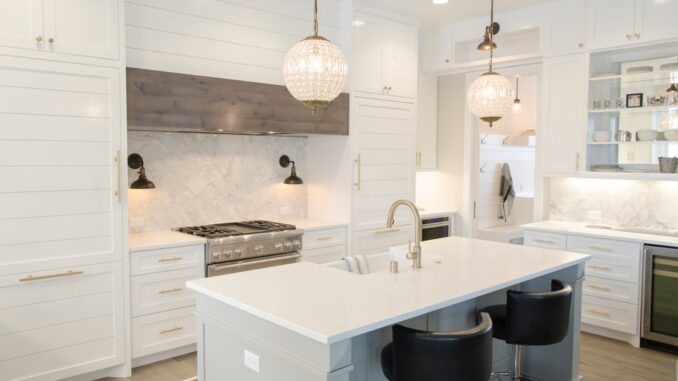

Unlocking Light and Lifestyle: Your Ultimate Guide to a Kitchen Orangery Extension
Imagine this for a moment: you step into your kitchen, and it’s not just a functional space, it’s an experience. Morning light streams in, golden and warm, spilling over your countertops as you brew that first coffee of the day. The gentle rustle of leaves from your garden plays a soft symphony through wide-open doors, blurring the lines between indoors and out. You’re not just cooking, you’re living in a vibrant, light-filled hub that feels utterly connected to nature. This isn’t some far-off dream, you know, it’s the tangible reality of a well-designed kitchen orangery extension.
For years, kitchens have been the heart of the home, but often they’ve been tucked away, a bit dark, a bit disconnected. An orangery changes that entirely. By seamlessly integrating one into your culinary space, you don’t just add square footage; you infuse it with an invigorating sense of openness, light, and unparalleled connection to your surroundings. It’s a move that doesn’t just enhance your daily cooking and dining, it genuinely elevates your entire home life and, trust me, adds significant value to your property. So, let’s explore how to make this vision a stunning reality.
Unpacking the Orangery: More Than Just Glass Walls
Before we dive deep into design specifics, it’s helpful to clarify what an orangery actually is, because, frankly, it’s often confused with a conservatory or a traditional extension. And while they share some DNA, the orangery stands in a league of its own, a truly beautiful blend of architectural styles.
Historically, orangeries emerged in the 17th century as grand, solid structures designed to house citrus trees and other exotic plants during colder months. They were status symbols, architectural statements, built with brick or stone pillars, large windows, and a distinctive flat roof featuring a central glazed ‘lantern’ or skylight. Think of it as a sophisticated, light-filled room rather than a fully glazed greenhouse.
What truly sets it apart from a conservatory is this blend of solid construction and extensive glazing. Conservatories, typically, are mostly glass, from floor to roof, often with a pitched roof. They can sometimes struggle with temperature regulation, becoming too hot in summer or too cold in winter. A traditional extension, on the other hand, is a solid, brick-and-mortar addition, often feeling more enclosed and less connected to the outdoors.
An orangery, then, strikes a perfect balance. It features substantial brick or stone pillars, giving it a feeling of permanence and structural integrity, similar to an extension. Yet, its expansive windows and, critically, that signature roof lantern, flood the interior with natural light, creating a bright, airy ambience reminiscent of a conservatory. This unique composition makes it exceptionally well-suited for a kitchen, providing insulation, robustness, and that sought-after visual drama all at once. It’s essentially a bright, warm, permanent room, not just an add-on space.
Crafting Your Culinary Oasis: Designing the Kitchen Orangery
When you’re dreaming up your new kitchen orangery, design is where the magic really happens. It’s about blending form and function to create a space that not only looks incredible but also works perfectly for your lifestyle. Every decision, from the flow to the finish, shapes the daily experience. Let’s dig into some key elements.
Embracing the Open-Plan Vision
Modern living, it’s all about connection, isn’t it? An open-plan layout within your kitchen orangery completely embraces this philosophy, turning what might have been a segregated kitchen into the undeniable social hub of your home. Imagine cooking dinner while chatting with family lounging nearby, or keeping an eye on the kids doing homework at the dining table. This seamless flow fosters a sense of togetherness, removing those stuffy, old-fashioned barriers between rooms.
Think about zoning within this generous space. You’ll definitely have your primary cooking zone, perhaps a beautifully appointed island taking centre stage, a natural gathering spot. Then, extending from that, consider a spacious dining area that effortlessly transitions into a more relaxed lounge zone, perhaps with comfy armchairs or a sofa overlooking the garden. This way, the space is versatile; it adapts to an intimate weeknight meal, a bustling family breakfast, or a lively dinner party with ease. It’s about creating fluidity, letting activities flow naturally from one area to another without feeling cramped or disjointed. A well-designed open plan really maximizes the feeling of space, even if the footprint isn’t enormous, because your eye travels further and the light just bounces everywhere, you know?
The Luminous Crown: Roof Lanterns
Now, for one of the orangery’s most defining and spectacular features: the roof lantern. This isn’t just a skylight; it’s a dramatic, architectural statement that truly elevates the entire space. It’s the central jewel in your orangery’s crown, drawing the eye upwards and flooding the kitchen below with an incredible amount of natural light.
Roof lanterns come in various forms. You might opt for a traditional pyramid-shaped lantern, creating a classic, elegant focal point. Alternatively, contemporary flat-glass lanterns offer a sleek, minimalist aesthetic, almost disappearing into the roofline while still delivering abundant light. Materials also vary; aluminium frames are popular for their slim profiles and durability, timber offers a warm, natural look, and uPVC is a more budget-friendly option. Whichever you choose, the benefits are clear: a remarkable influx of natural light that changes throughout the day, enhanced ventilation, and a breathtaking visual drama, especially at night when you can gaze up at the stars from your kitchen. Plus, the extra height a lantern provides makes the entire room feel so much grander and more expansive, it’s just amazing.
Seamless Transitions: Bi-Fold and Sliding Doors
To truly blur those lines between your indoor culinary haven and your lush outdoor sanctuary, bi-fold or sliding doors are absolutely essential. They’re more than just an entry point; they’re a transformative element, allowing you to open up an entire wall to your garden, inviting fresh air, natural sounds, and those glorious garden views right into your kitchen.
Bi-fold doors stack neatly to one side when open, creating a wonderfully wide aperture. Sliding doors, conversely, glide past each other, offering vast expanses of uninterrupted glass even when closed, which some people prefer for the cleaner sightlines. When deciding, consider the materials: slim-framed aluminium is popular for its modern aesthetic and strength, allowing for larger glass panes. Timber offers a warm, traditional feel, while uPVC is a cost-effective choice. It’s also crucial to think about the threshold. A flush threshold ensures a truly seamless transition, eliminating trip hazards and making that indoor-outdoor flow feel utterly effortless. Furthermore, don’t overlook thermal efficiency and security; modern systems offer multi-point locking and excellent insulation, keeping your home safe and warm. Being able to throw open the doors on a sunny day, letting that breeze waft through while you’re prepping a meal, well, that’s just priceless, isn’t it?
Palette and Personality: Interior Design Themes
Once the structure is in place, the interior design truly brings your kitchen orangery to life, giving it personality and flair. The initial article mentions a monochrome palette, and it’s an excellent choice if you’re aiming for a contemporary yet timeless look, providing a striking and sophisticated environment. Black and white offers clean lines, sharp contrasts, and a wonderfully versatile backdrop that you can always inject pops of colour into with accessories or plants.
But don’t feel limited! Perhaps a natural, earthy palette with warm woods, muted greens, and stone textures would better complement your home’s existing aesthetic or your personal style. Or maybe you’re drawn to industrial chic, with exposed brick, metal accents, and concrete finishes. The key is to select colours and materials that feel cohesive and comfortable. Think about your worktops: sleek quartz, durable granite, or perhaps a rustic timber. For flooring, porcelain tiles are incredibly practical and come in endless styles, LVT (Luxury Vinyl Tile) offers warmth and resilience, or polished concrete for that modern, minimalist vibe. And lighting? Don’t just rely on the natural light, brilliant as it is. A layered lighting scheme – task lighting over prep areas, ambient lighting for overall illumination, and accent lighting to highlight features – will ensure your orangery is functional and inviting at any time of day, creating real warmth as the evening draws in.
Harmonizing with Home: Architectural Integration
It’s absolutely essential that your new orangery doesn’t look like an afterthought, tacked onto your existing home. The goal is seamless integration, making it appear as though it’s always been there. This requires careful consideration of the existing architectural style of your property. If you have a period home, say Victorian or Georgian, you’ll likely want to echo some of those classic lines and materials. This might mean matching the brickwork, selecting window frames that complement your existing ones, or even incorporating specific mouldings. For a more contemporary house, sleek lines, large expanses of glass, and modern materials like aluminium or render would be more appropriate.
Consider the exterior finishes for the solid sections of your orangery. Will it be rendered, painted, clad in timber, or perfectly matched brick? The roofline, too, should feel like a natural extension, not a jarring addition. An experienced designer can help you navigate these choices, ensuring that your orangery enhances your home’s curb appeal rather than detracting from it. It’s about respecting the integrity of the original structure while bringing something fresh and exciting to the table.
The Abundant Rewards: Benefits of a Kitchen Orangery
Beyond the sheer aesthetic appeal, integrating an orangery into your kitchen brings a cascade of tangible benefits, impacting everything from your daily mood to your property’s long-term value. It’s a choice that pays dividends in numerous ways, truly. Let’s delve into these advantages.
A Flood of Natural Light
This is perhaps the most immediate and impactful benefit. The extensive glazing of an orangery, especially with that magnificent roof lantern, floods your kitchen with an incredible amount of natural light. Gone are the days of feeling enclosed or needing to flick on a light switch at midday. This isn’t just about saving on your electricity bill either; the psychological impact of natural light is profound. It’s known to boost mood, enhance productivity, and regulate our circadian rhythms, helping us sleep better. Imagine prepping food in a space where colours just pop, where shadows dance playfully, and where you feel intrinsically connected to the outside world, no matter the weather. It creates an uplifting, energising atmosphere that artificial lighting just can’t replicate. It just makes you feel good, honestly.
Nature’s Embrace: Indoor-Outdoor Living
An orangery truly blurs the lines between your indoor and outdoor spaces, fostering a genuine connection with nature. Those bi-fold or sliding doors aren’t just for show; they offer direct, unobstructed access to your garden, creating a wonderfully fluid environment. Picture hosting a summer barbecue where guests can effortlessly drift between the kitchen and the patio, or enjoying breakfast with the sounds of birdsong and the scent of blooming flowers wafting through. This isn’t merely about views; it’s about a sensory experience. It means you can literally bring nature inside, perhaps with strategically placed indoor plants that thrive in the abundant light, further enhancing that feeling of an outdoor extension. It’s living with the seasons, feeling that connection every single day.
An Investment That Grows: Property Value Enhancement
Let’s talk numbers for a moment, because while personal enjoyment is paramount, the financial upside of an orangery is pretty compelling. Adding an orangery can significantly increase your property’s value, with some estimates suggesting an uplift of up to 11%. Think about that – it’s a worthwhile investment that offers both immediate enjoyment and substantial long-term financial benefits. Why such a boost? Well, modern buyers are increasingly looking for homes that offer light, space, energy efficiency, and a seamless connection to the outdoors. An orangery ticks all these boxes, providing highly desirable extra square footage that functions as a versatile, year-round living area. It’s a premium addition that sets your property apart in the market, often providing that undeniable ‘wow’ factor that really captures a potential buyer’s imagination during a viewing. It’s often more cost-effective than a full-blown traditional extension, too, offering a fantastic return on investment.
Comfort Through Efficiency: Energy Performance
Concerns about energy efficiency are completely valid, especially with large glazed areas. But modern orangeries are a far cry from their draughty, single-glazed ancestors. They’re meticulously designed with advanced, energy-efficient materials and insulation to ensure comfortable temperatures year-round, potentially leading to noticeable reductions in your energy bills. This includes high-performance glazing, such as low-emissivity (low-e) glass, often filled with inert gases like argon between panes for enhanced insulation. The solid sections of the walls and roof are also highly insulated, preventing heat loss in winter and excessive heat gain in summer.
Furthermore, incorporating smart climate control, underfloor heating, or even discreet air conditioning can ensure your orangery remains a comfortable oasis whatever the season. The careful design and material choices mean you get all the benefits of light and space without the discomfort or high running costs. It’s a sustainable choice that combines luxury with practicality, a testament to modern building science, frankly. And who doesn’t love lower bills?
Unleashing Versatility: A Multi-Functional Hub
While we’re focusing on the kitchen, the beauty of an orangery is its inherent versatility. Yes, it revolutionizes your cooking and dining experience, making it a dream for entertaining. But this bright, open space can effortlessly transform to meet a myriad of other needs. It might become a sun-drenched family room, a vibrant children’s play area, or a quiet reading nook bathed in natural light. For those working from home, it could even serve as an inspiring home office with panoramic views, much more inviting than a spare bedroom. Its adaptable nature means it can evolve with your family’s changing requirements over the years, ensuring it remains a valuable and frequently used part of your home, not just a one-trick pony. It’s truly a flexible extension of your lifestyle.
Navigating the Journey: Practical Considerations for Your Orangery Project
Embarking on an orangery project is an exciting venture, but like any significant home improvement, it comes with practical considerations that you simply must address. Thinking through these aspects upfront will ensure a smoother, less stressful journey from concept to completion. Trust me, a little planning goes a very long way here.
The Planning Permission Puzzle
One of the first questions on anyone’s mind, and quite rightly, is planning permission. The good news is that many orangeries, particularly those that adhere to certain size and design criteria, can fall under ‘Permitted Development Rights’ (PDR) and may not require full planning permission. However, and this is a big however, it’s absolutely crucial not to assume. PDR has strict rules regarding height, proximity to boundaries, proportion of glass to solid elements, and the volume of extension relative to the original house.
You will need planning permission if your home is in a conservation area, an Area of Outstanding Natural Beauty, a National Park, or if it’s a listed building. Permission is also required if your proposed orangery exceeds specific dimensions, alters the roofline significantly, or extends beyond certain points of the original dwelling. It’s always, always best practice to check with your local planning authority early in the design phase. They can provide clarity on local regulations and specific restrictions that might apply to your property. And remember the Party Wall Act if your extension is close to a neighbour’s boundary; you’ll need to serve them notice. Getting this wrong can cause real headaches, so don’t cut corners.
Budgeting for Brilliance: Understanding Costs
Orangeries, as mentioned, can be a more cost-effective option than a full traditional extension, offering a high return on investment. But it’s essential to establish a clear and realistic budget from the outset, encompassing all associated costs, not just the visible ones. Think beyond the shell of the structure. Your budget needs to account for design fees (architects, structural engineers), site preparation and foundations, the orangery structure itself (materials, glazing, roof lantern), internal finishes (flooring, painting, plastering), plumbing and electrical work, heating solutions, and any necessary landscaping to integrate the new space with your garden. Don’t forget building control fees and, critically, a contingency fund, typically 10-15% of the total, for unforeseen expenses. It’s a significant investment, so getting multiple, detailed quotes from reputable builders is vital, ensuring you’re comparing apples with apples and understand exactly what’s included. A little upfront due diligence here will save you so much grief, and money, in the long run.
The Power of Partnership: Professional Expertise
This isn’t a DIY job, folks. Engaging experienced professionals for the design and construction of your orangery isn’t just a recommendation; it’s a necessity. This team typically includes an architect or specialist orangery designer, a structural engineer, and a reputable builder or orangery installation company. Their expertise ensures quality workmanship, structural integrity, adherence to all building regulations, and a finish that truly matches your vision.
Look for professionals with a proven track record specifically in orangery construction. Check their portfolios, read client testimonials, and ask for references. Ensure they’re properly accredited, insured, and offer guarantees for their work. A good project manager, whether internal to the building firm or an independent consultant, can also be invaluable in coordinating the various trades and keeping the project on track and within budget. This isn’t just building a room; it’s crafting a sophisticated, precision-engineered living space, so invest in the right talent.
Setting the Clock: Realistic Timelines
Any substantial home improvement project takes time, and an orangery is no exception. It’s important to set realistic expectations for the timeline, from initial design concepts to final completion. The design and planning phase alone can take several weeks, or even months, especially if planning permission is required. Once approved, the actual construction work involves various stages: site preparation, laying foundations, erecting the solid structure, installing the glazing and roof lantern, followed by the internal fit-out (electrical, plumbing, plastering, flooring, decorating). Weather conditions can also impact progress, particularly during groundwork or roof installation. A typical orangery project might take anywhere from 12 to 20 weeks on site, after the design and planning stages are complete. Your chosen professionals should provide a detailed project schedule, helping you understand each phase and what to expect.
Keeping it Pristine: Ongoing Maintenance
Once your beautiful orangery is complete, a little ongoing maintenance will ensure it remains a pristine and functional space for years to come. The most obvious task will be cleaning the extensive glass surfaces, both internally and externally. This can be quite a job, especially for the roof lantern, so consider professional window cleaners for those hard-to-reach areas. Regularly check the seals around your windows and doors for any signs of wear or degradation, as these are crucial for energy efficiency and preventing leaks. Ensure drainage channels are clear of debris, particularly around the base of your doors and the roof lantern. For timber-framed orangeries, periodic repainting or re-sealing might be necessary to protect the wood from the elements. A bit of regular attention will keep your orangery looking its best and performing optimally, protecting your investment for the long haul.
Conclusion: Your Bright New Beginning
So, there you have it. Incorporating an orangery into your kitchen isn’t merely an extension; it’s a profound transformation. It’s about taking a functional room and elevating it into a bright, inviting, and truly dynamic living space that breathes with the rhythm of your home and the natural world beyond. You’re not just adding a few extra square feet; you’re investing in an unparalleled connection with the outdoors, a flood of mood-enhancing natural light, and a valuable asset that will significantly enhance your home’s appeal and market value.
By carefully considering the design elements, from the luminous roof lantern to the seamless bi-fold doors, understanding the myriad benefits, and diligently addressing the practical considerations, you can confidently create a kitchen orangery that serves not just as a functional space, but as a beautiful, year-round haven. It’s a decision that promises a brighter, more connected, and undoubtedly more joyful way of living. What are you waiting for, to start sketching out that dream kitchen?
Be the first to comment