
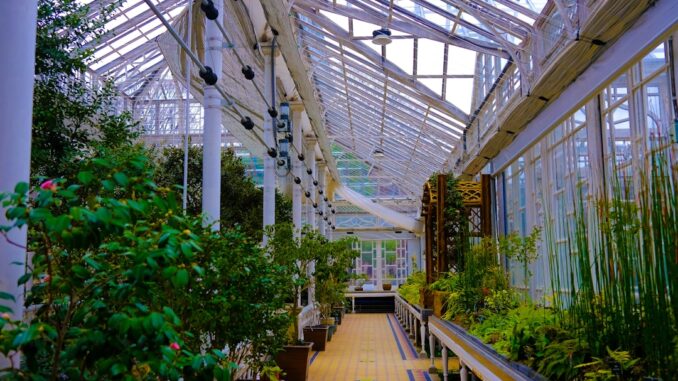

Orangery vs. Conservatory: Unlocking Your Home’s Potential with the Perfect Extension
Ever dreamt of that perfect extra space, flooded with natural light, where you can sip your morning coffee, host friends, or simply unwind with a good book? It’s a common aspiration, isn’t it? Adding an extension to your home can be one of the most transformative decisions you make, fundamentally changing how you live and interact with your environment. But when you start exploring the options, you quickly realize it isn’t just a matter of ‘adding a room.’ Two popular contenders often emerge: the elegant orangery and the bright, airy conservatory. Each brings its own unique charm, a distinct set of advantages, and yes, a few considerations. Navigating their differences is key to making a truly informed choice, one that perfectly aligns with your lifestyle, your home’s character, and your long-term vision.
It’s not just about square footage, you see, it’s about crafting an experience. It’s about designing a space that feels like it was always meant to be there, not just an afterthought. So, let’s unpack these two fantastic options, dissecting their origins, their design philosophies, and how they might fit into your home’s story.
Your perfect retreat awaitsdiscover how an orangery can change your home and your life by Elegancia.homes.
The Orangery: A Blend of History and Modernity
Let’s start with the orangery, a structure with a rather grand and fascinating past. It’s certainly more than just a fancy conservatory, quite a bit more in fact. Think of it as a sophisticated hybrid, a masterful fusion of a traditional brick extension and a glazed conservatory. The orangery offers a truly unique architectural statement, one that often feels deeply integrated with the main dwelling.
A Glimpse into the Past: The Orangery’s Origins
The concept of the orangery actually dates back to the 17th century, originating in Italy during the Renaissance. Wealthy aristocrats, fascinated by exotic citrus fruits like oranges and lemons, needed a sheltered, warm environment to protect these delicate trees during the harsh European winters. These early orangeries were substantial structures, often grand affairs with solid walls, large windows, and robust roofs, designed not just for horticulture but also as elegant spaces for entertaining. They were status symbols, a testament to wealth and a global outlook, demonstrating mastery over nature and an appreciation for far-flung produce. Over time, their purpose evolved, moving beyond mere fruit protection to become coveted living spaces themselves, blending indoor comfort with a connection to the garden.
Defining Features: What Makes an Orangery an Orangery?
So, what are we actually talking about when we say ‘orangery’ today? Well, the modern orangery retains much of its historical DNA but with contemporary adaptations for everyday living. Here’s what typically defines it:
-
Solid Base & Brick Piers: Unlike the predominantly glass structure of a conservatory, an orangery features a substantial brick or stone base. Often, this base extends upwards to form solid piers or columns that support the roof structure. This integration with traditional building materials is what gives an orangery that wonderfully substantial, ‘room-like’ feel.
-
Flat Roof with a Central Glazed Lantern: This is perhaps the most iconic feature. Most orangeries boast a flat roof perimeter, often with an internal plaster pelmet, encircling a stunning central glazed lantern. This lantern isn’t just decorative; it’s a brilliant engineering solution, drawing ample natural light deep into the room, creating an incredibly bright yet well-sheltered space. It provides that beautiful overhead light without the full exposure of a fully glazed roof.
-
Large Windows & Doors: While they have more solid elements than a conservatory, orangeries still feature generous glazing. Think tall, elegant windows and expansive bifold or sliding doors that can be thrown open to seamlessly connect with the garden on a beautiful day.
Construction, Materials, and Design Flexibility
Orangeries are built to last, much like a traditional extension, which accounts for some of their higher cost. They typically involve robust foundations, proper damp-proofing, and high-quality insulation. Material choices abound, allowing for extensive customization:
- Brick or Stone: For the solid sections, matching your existing home’s brickwork or stone is often paramount, ensuring that cohesive, integrated look.
- Timber: Hardwood frames (like oak or sapele) offer timeless elegance and excellent thermal performance, albeit with higher maintenance.
- Aluminium: Sleek, strong, and low-maintenance, aluminium frames allow for narrower sightlines and larger glass panels, perfect for contemporary designs.
- uPVC: A more budget-friendly option, uPVC is durable, thermally efficient, and requires minimal maintenance, available in a variety of colours and finishes.
One of the orangery’s greatest strengths lies in its design flexibility. Whether your home is a period property crying out for sympathetic restoration or a modern marvel seeking a minimalist extension, an orangery can be tailored. You can opt for a classic Victorian or Edwardian style, complete with ornate detailing, or a sleek, contemporary design with clean lines and expansive glass. The ability to integrate the orangery’s materials and architectural details with your existing home is what makes it feel so genuinely part of the original structure.
The Orangery’s Interior: A True Extension of Living Space
Step inside an orangery, and you immediately notice the difference. The solid elements, the robust roof, and the central lantern create an atmosphere that feels inherently more like a conventional room. It’s an incredibly versatile space that can genuinely expand your home’s functionality:
- Kitchen Extension: Imagine a bright, spacious kitchen-diner, with the orangery acting as a glorious dining area, perfect for family meals or entertaining. The lantern floods the space with natural light, making cooking a joy.
- Luxurious Lounge: A comfortable, inviting living room, perhaps with a feature fireplace, where you can relax year-round. The combination of solid walls and abundant light creates a cosy yet airy feel.
- Home Office or Library: The superior insulation and reduced glare from the flat roof perimeter make an orangery an ideal environment for a focused workspace or a tranquil reading nook.
- Formal Dining Room: For those who love to host, an orangery can provide an elegant setting for dinner parties, combining architectural grandeur with a connection to the garden.
The Upsides of an Orangery:
- Superior Thermal Efficiency: That solid base and flat roof significantly improve insulation compared to a conservatory. This means more consistent temperatures, reducing heating bills in winter and keeping it cooler in summer.
- Enhanced Privacy: With more solid walls, an orangery naturally offers greater privacy from neighbours, and more wall space for furniture placement and artwork.
- Seamless Integration: When designed correctly, an orangery often looks like it was always part of the house, blending beautifully with your home’s existing architecture.
- Increased Property Value: Due to its solid construction and year-round usability, an orangery is often seen as adding more genuine ‘living space’ square footage, which can command a higher return on investment.
- Versatility: Its room-like feel makes it suitable for a wider range of uses, from kitchens to offices, without feeling like a ‘glass box.’
Potential Downsides:
- Higher Cost: All that bespoke design, robust construction, and quality materials inevitably mean a higher upfront investment compared to a typical conservatory.
- Longer Build Time: More complex construction translates to a longer installation period, meaning more disruption during the build.
- Less Overall Glazing: If your primary desire is an almost uninterrupted panoramic view and maximum light from every angle, an orangery’s solid elements might feel a little restrictive.
The Conservatory: Bringing the Outdoors In
Now, let’s turn our attention to the conservatory, the traditional choice for those yearning for a light-filled space that truly embraces the garden. If you’re looking to create an almost seamless transition between your indoor and outdoor worlds, this might just be your perfect match.
A History of Light and Leisure
The conservatory’s lineage is also rich, though perhaps a little less ‘fruitful’ in its later stages. Evolving from much simpler glasshouses used for plant cultivation in the 18th century, conservatories truly blossomed during the Victorian era. The Victorians, with their passion for exotic plants and elaborate architecture, transformed them into magnificent glazed structures, attached to homes, serving as extensions for leisure, entertaining, and displaying prized botanical collections. Imagine ladies taking tea amidst ferns and palms, sheltered from the elements but bathed in sunlight. These structures were engineering marvels of their time, showcasing new possibilities in glass and metalwork, and paving the way for the diverse range of styles we see today.
Defining Features: The Essence of a Conservatory
A conservatory’s identity is intrinsically linked to its extensive use of glass. It’s about maximizing light and views, a true sunroom in every sense of the word:
-
Predominantly Glazed Walls: This is the hallmark. Conservatories feature walls that are almost entirely made of glass, often with slim frames to minimize visual obstructions.
-
Fully or Mostly Glazed Roof: The roof is typically either entirely glass or largely glazed, allowing sunlight to stream in from above, creating that bright, airy, immersive feeling.
-
Lighter Construction: Generally, conservatories are built with lighter frames (uPVC, aluminium, or timber) and less extensive brickwork than an orangery, focusing on open sightlines.
Construction, Materials, and Style Variety
Modern conservatories have come a long way from their Victorian ancestors, particularly in terms of thermal performance, but their core purpose remains the same. The focus is on lightweight yet strong framing and advanced glazing technology.
- uPVC: Still the most popular choice due to its affordability, durability, and low maintenance. Available in a vast array of finishes and colours, it offers excellent thermal properties with modern designs.
- Aluminium: Increasingly popular for its strength, allowing for very slim frames and larger glass panes, creating a contemporary, minimalist aesthetic.
- Timber: For those seeking a more traditional or classic look, timber (like oak or redwood) provides natural beauty and excellent insulation, though it requires more regular maintenance.
Conservatories come in a dazzling array of styles, each offering a slightly different aesthetic and functional benefit:
- Victorian: Characterized by a multi-faceted bay front and a steeply pitched roof, often with ornate cresting, it’s a classic choice for period homes.
- Edwardian: A simpler, more rectangular or square footprint with a high, sloping roof, maximizing internal space and offering clean lines.
- Lean-to: The simplest and most cost-effective option, with a single-sloping roof that ‘leans’ against the main house, ideal for smaller spaces or bungalows.
- Gable: Featuring a vertical front rather than a sloping one, like the end of a house, which creates a grand, spacious feel with a high ceiling.
- P-shape/T-shape: These are larger, combination conservatories that blend elements of different styles, offering distinct ‘zones’ within the single extension.
The Conservatory’s Interior: Your Sunny Retreat
Entering a conservatory is like stepping into a sun-drenched haven. The sheer volume of natural light is invigorating, and the panoramic views make you feel truly connected to your garden. It’s an almost immersive experience, especially on a bright day.
- Sunroom/Breakfast Nook: Perfect for casual dining, enjoying morning coffee, or simply soaking up the warmth, it’s a delightful spot to start your day.
- Casual Lounge: A relaxed space for reading, pursuing hobbies, or simply watching the seasons change outside. It’s a wonderful spot to gather, feeling light and open.
- Plant Haven: If you have a green thumb, a conservatory is an ideal environment for nurturing houseplants, especially those that thrive on abundant light.
- Children’s Play Area: A bright, contained space where kids can play, even on cooler or rainy days, with plenty of natural light.
The Upsides of a Conservatory:
- Maximized Natural Light: No other extension floods your home with light quite like a conservatory. If brightness is your priority, this is it.
- Panoramic Views: Enjoy uninterrupted vistas of your garden and beyond, truly bringing the outdoors in, creating a serene and expansive atmosphere.
- Generally Lower Cost: Conservatories are typically more affordable to build than orangeries, making them a popular choice for those on a tighter budget.
- Quicker Installation: The construction process is usually less complex and therefore quicker, meaning less disruption to your daily life.
- Strong Connection to the Garden: The extensive glazing creates a strong visual and often physical link to your outdoor space, perfect for gardeners or those who love alfresco living.
Potential Downsides:
- Temperature Fluctuations: This is the big one. While modern glazing has improved significantly, conservatories can still become very hot in summer due to solar gain and quite cold in winter due to heat loss. This often necessitates additional heating or cooling solutions, like air conditioning or blinds.
- Less Privacy: All that glass means less privacy. You might find yourself investing in blinds, curtains, or strategic landscaping to shield yourself from prying eyes.
- Less ‘Room-like’ Feel: For some, the all-glass structure feels less like a conventional room and more like an outdoor shelter. This can sometimes impact how integrated it feels with the rest of the house, though this is really a matter of personal preference.
- Potential for Glare & Fading: Direct sunlight can cause glare, making screens difficult to view, and can also lead to furniture and fabrics fading over time.
The Great Divide: A Head-to-Head Comparison for Your Home
Now that we’ve explored each option individually, let’s lay them side-by-side to really highlight the crucial differences. This isn’t just about architectural nuances, it’s about understanding how each structure will impact your daily life and your home’s character.
Architectural Integration & Aesthetics
Orangery: This is where the orangery truly shines. Its solid brick or stone base, often echoing your home’s existing materials, along with its integrated flat roof, allows it to blend almost seamlessly. It feels like a thoughtfully designed extension, an organic part of the original building. Think of it as a significant architectural addition that enhances the overall silhouette and style of your home. I remember a client, Sarah, who lived in a beautiful Victorian terraced house. She desperately wanted more space for a larger kitchen, but absolutely insisted that any addition look like it had always been there, an authentic part of the house’s history. An orangery, designed with matching brickwork and period-appropriate windows, was the perfect fit. It truly elevated the property’s grandeur.
Conservatory: A conservatory, by its very nature, tends to stand out as a distinct, lighter addition. Its predominantly glazed structure creates a visual break from the main building, though this isn’t necessarily a negative. For many, this contrast is precisely what they’re looking for – a sparkling, jewel-like space that offers a delightful counterpoint to the more solid main house. It’s often chosen for its ability to ‘disappear’ into the garden, becoming a transparent bridge between indoors and out. Mark, on the other hand, lived in a more modern home and simply wanted a bright, sunny spot to read and enjoy his garden, a true sun trap. He didn’t want it to look like another ‘room’ but rather a transparent cocoon, so a conservatory fit his vision perfectly.
Thermal Performance & Year-Round Comfort
Orangery: Thanks to its greater proportion of solid walls and the insulated flat roof perimeter, an orangery offers significantly better thermal performance. The brickwork acts as a thermal mass, helping to regulate internal temperatures, keeping it warmer in winter and cooler in summer. The central glazed lantern, while admitting light, typically accounts for a smaller percentage of the overall roof area compared to a conservatory. This means less heat loss and gain, making it a genuinely comfortable, usable space all year round without excessive heating or cooling. Many orangeries also benefit from underfloor heating, further enhancing that cosy, consistent warmth.
Conservatory: This is often the primary concern with conservatories. While modern glazing technology has made huge strides – think low-emissivity (low-E) glass, self-cleaning glass, and solar-control coatings – the sheer volume of glass means they are inherently more susceptible to temperature fluctuations. A south-facing conservatory can become uncomfortably hot in summer, feeling like a greenhouse. Conversely, in winter, despite efficient heating, they can lose heat more rapidly. Effective heating, ventilation, and shading (such as smart blinds or even air conditioning) become absolutely crucial for year-round comfort. It really is worth investing in the best possible glass you can afford for a conservatory; it’ll pay dividends in comfort and energy bills, trust me on that one.
Light & Views
Orangery: You’ll still get an abundance of natural light, primarily through the central roof lantern and the large windows. The light tends to be a bit more controlled, softer, and less prone to intense glare due to the solid roof perimeter. While you get excellent views through the windows, the solid sections provide crucial wall space, which is brilliant for positioning furniture, hanging art, or installing a TV. It feels bright, but with a sense of enclosure and structure.
Conservatory: If your goal is absolutely maximum, uninterrupted light and panoramic views, a conservatory is the undisputed champion. The extensive glazing, particularly the fully glazed roof, allows light to pour in from every angle, creating an incredibly bright, almost outdoor sensation. You get those sweeping, immersive views of your garden, making you feel completely immersed in your surroundings. It’s about bringing the outside in as much as possible.
Cost Implications & Return on Investment
Orangery: Generally, orangeries carry a higher upfront cost. The more complex construction, the need for robust foundations, the extensive brickwork or bespoke timber elements, and the sophisticated roof lantern all contribute to a larger initial investment. However, this investment often translates into greater long-term value. Because an orangery is perceived as a more substantial, permanent, and usable ‘room,’ it can add more significant value to your property. It’s often considered an extension of the main living space, thus directly increasing your property’s valuable square footage in the eyes of potential buyers. Isn’t it always about balancing initial outlay with lasting value, after all?
Conservatory: Typically, conservatories are the more budget-friendly option, with quicker installation times and less complex construction. This makes them an attractive choice for those looking to add space and light without a massive financial outlay. While they do add value, it might not be as high as a well-built orangery, as some buyers may still perceive them as secondary, less integrated spaces. When considering costs, don’t just look at the initial quote. Factor in potential ongoing heating/cooling expenses, and think about the quality of materials. A cheaper conservatory with poor glazing could end up costing you more in energy bills and discomfort in the long run.
Planning & Regulations: Navigating the Maze
This is a critical area, and one where professional advice is paramount. You don’t want to fall foul of the council, believe me, that’s a headache no one needs. Both orangeries and conservatories often fall under ‘permitted development rights,’ meaning you might not need full planning permission. However, this is subject to strict conditions:
- Size and Height Limits: There are restrictions on how far an extension can project from the original dwelling, its height, and its proximity to boundaries. For example, a single-storey rear extension on an attached house might be limited to 3 metres, while a detached house could be 4 metres.
- Percentage of Glass: For conservatories, there are often rules about the percentage of external wall area and roof area that must be glazed for it to be considered ‘permitted development’ rather than a full extension.
- Non-Habitable Space: Historically, conservatories often had to be separated from the main house by an external-quality door and without permanent heating to qualify for permitted development, implying they weren’t truly ‘habitable’ year-round rooms. Orangeries, by virtue of their more substantial construction, sometimes blur these lines, and may require closer scrutiny.
- Building Regulations: Regardless of planning permission, both structures must comply with Building Regulations. This covers critical aspects like foundations, structural integrity, electrical safety, drainage, ventilation, and crucially, energy efficiency (insulation values for glass and solid elements). This is not optional; these regulations ensure your extension is safe, sound, and fit for purpose. You’ll need to work with a reputable builder who can ensure compliance or even secure Building Control approval directly.
The Golden Rule: Always, always, always check with your local planning authority or consult an architect or planning professional before you start. Rules can vary locally, and it’s far better to be safe than sorry. There’s nothing worse than building something only to be told you have to take it down.
Privacy Considerations
Orangery: The greater proportion of solid walls provides inherent privacy, allowing you to position furniture and use the space without feeling constantly exposed to neighbours or passers-by. You have more control over sightlines.
Conservatory: With extensive glazing, privacy can be a significant concern. You’ll likely need to invest in good quality blinds or curtains, or consider strategic landscaping (tall hedges, trees) to create a sense of seclusion. It’s something to factor into your overall design and budget.
Choosing Your Ideal Space: A Step-by-Step Decision Guide
Deciding between an orangery and a conservatory isn’t a simple coin toss; it’s a journey of discovery about what truly matters for your home and your lifestyle. Here’s a structured approach to help you navigate this important decision:
Step 1: Define Your Purpose – What Will You Do Here?
This is paramount. Seriously, ask yourself: What is the primary function of this new space? Is it a:
- Year-round dining room or kitchen extension? An orangery, with its consistent temperatures and integrated feel, might be better suited.
- Cosy, all-seasons lounge? Again, the thermal efficiency of an orangery often wins out.
- Home office or dedicated study? The reduced glare and better insulation of an orangery are huge advantages.
- Bright, sunny breakfast nook or casual sunroom? A conservatory’s expansive light and garden connection might be perfect.
- A haven for plants and gardening? A conservatory provides the ideal conditions for sun-loving flora.
- An informal play area for kids? A conservatory’s bright, open space could be fantastic.
Pinpointing the main use will immediately start to clarify which option leans more towards your practical needs.
Step 2: Assess Your Home’s Architecture & Aesthetic
Take a long, hard look at your existing house. Seriously, walk around it, take photos, observe its lines, materials, and overall character.
- Does your home lend itself to seamless integration? If you have a period property or a very traditional house, an orangery, carefully designed with matching brickwork and complementary windows, will often blend more sympathetically.
- Are you looking for a distinct, lighter addition? For more contemporary homes, or if you actively want a contrast, a modern conservatory can look striking.
- Consider materials: Will uPVC, aluminium, or timber best complement your existing windows and doors? Thinking about colours and finishes too; sometimes a bold, contrasting colour can make a statement, but often matching is the way to go for harmony.
Step 3: Evaluate Your Budget – Realistically, What Can You Spend?
Beyond the initial quotes, think about the bigger financial picture.
- Upfront Cost: Be clear about your maximum budget. Orangeries are generally a higher investment. Get multiple, detailed quotes from reputable firms for both options.
- Running Costs: Factor in potential heating and cooling expenses. A cheaper conservatory might save you money on the build but cost more in energy bills over its lifetime.
- Value Added: Consider the long-term return on investment. If adding significant property value is a key driver, the orangery might offer a better outcome.
- Hidden Costs: Don’t forget about site preparation, landscaping changes, electrical work, flooring, and furnishing. These can add up quickly!
Step 4: Consider Your Site & Orientation
Where will this new space be located in relation to your garden and the sun?
- Sunlight Exposure: A south-facing extension will get maximum sun. This is wonderful for a conservatory in winter but could lead to overheating in summer. A north-facing one will be cooler but might feel too dark for a conservatory without careful design. An orangery’s solid roof can help mitigate excessive solar gain.
- Neighbouring Properties: How close are your neighbours? How much privacy do you need? This will directly influence how much glazing you might want on certain sides.
- Garden Integration: How will the new structure interact with your garden? Do you want a direct walk-out onto a patio, or a more elevated view?
Step 5: Think Long-Term Comfort & Usability
This is about future-proofing your decision.
- Year-round usability: Do you need a space that’s genuinely comfortable 365 days a year, regardless of the weather? If so, the superior thermal performance of an orangery is likely crucial.
- Seasonal Use: Are you happy for the space to be primarily a summer room or a spring/autumn retreat, accepting that it might need significant heating/cooling in extreme weather? If so, a conservatory could fit.
- Maintenance: Think about how much time you want to spend cleaning glass or repainting timber frames. Low-maintenance options are popular for a reason.
Step 6: Consult the Experts
Seriously, this is perhaps the most important step. Once you have a clearer idea of your preferences, bring in the professionals.
- Architects/Designers: They can help you visualize the space, navigate planning regulations, and ensure the design truly complements your home.
- Reputable Builders/Installers: Look for companies with extensive experience in both orangeries and conservatories. Ask for references, view previous work, and don’t be afraid to ask tough questions. They’ve seen it all, trust me, and their insights are gold.
- Planning Consultants: If you’re unsure about the planning permission intricacies, a specialist can provide invaluable advice.
Beyond the Build: Maximizing Your New Space
Once the construction dust settles, the real fun begins: making your new orangery or conservatory a true haven. This isn’t just an empty box; it’s an extension of your personality and your home’s warmth.
Furnishing & Decor
- Orangery: Treat it like any other room in your house. Choose comfortable, substantial furniture that invites relaxation. Don’t be afraid of rugs to define zones, and consider built-in cabinetry or shelving to enhance that integrated feel. The solid walls give you plenty of opportunity for artwork or accent lighting.
- Conservatory: Opt for furniture that can withstand more direct sunlight, or use lighter, more informal pieces. Rattan, wicker, or even modern weather-resistant outdoor furniture can work beautifully, blurring the lines between indoors and outdoors. Light fabrics and plants will enhance that airy, garden room vibe.
Lighting for Atmosphere
Even with all that natural light, evening lighting is crucial.
- Orangery: Recessed spotlights in the flat roof perimeter, pendant lights over a dining table, or wall sconces can create a sophisticated ambience. The central lantern can also be lit beautifully from within.
- Conservatory: Consider uplighters to illuminate the roof, fairy lights for a magical touch, or floor lamps to create pools of soft light. Track lighting can be very versatile here, too.
Landscaping Integration
Your new extension shouldn’t just plonk itself down in the garden; it should interact with it.
- Patios & Pathways: Design a seamless transition from your orangery or conservatory onto a patio or pathway, encouraging indoor-outdoor flow.
- Strategic Planting: Use planting to soften the edges of the structure, create privacy where needed, or simply enhance the views from within. Imagine fragrant climbers framing a conservatory entrance or lush foliage visible through an orangery’s windows.
Maintenance: What to Expect
- Both: Regular cleaning of glass panels is essential to maintain brightness and clear views. This might involve specialist cleaning services, especially for higher roofs.
- Orangery: Maintenance will be similar to your main house, depending on the materials used. Brickwork is low maintenance, while timber will require occasional treatment or painting.
- Conservatory: uPVC frames are very low maintenance, simply needing a wipe down. Timber frames will require more upkeep. Ensuring seals remain intact is key for thermal performance.
Concluding Thoughts: Your Perfect Space Awaits
So, there you have it, a deep dive into the wonderful worlds of orangeries and conservatories. There’s no single ‘best’ choice here, and anyone who tells you differently probably isn’t giving you the full picture. The ultimate decision really boils down to your specific needs, your unique vision, and the particular characteristics of your home and garden. Whether you lean towards the substantial, integrated elegance of an orangery or the light-filled, immersive charm of a conservatory, both offer incredible potential to enhance your living space and enrich your daily life.
Take your time. Do your research. And most importantly, engage with professionals who can help translate your dreams into a beautiful, functional reality. Ultimately, either choice, when done right, brings a wonderful new dimension to your home life, connecting you more intimately with the outdoors and providing a space you’ll cherish for years to come. Happy building!
Be the first to comment