

Unlocking Your Garden’s Potential: A Comprehensive Guide to Orangery Planning Permissions and Beyond
Imagine stepping into a space where the boundaries between your home and garden blur, creating a harmonious flow that invites relaxation, creativity, and sheer enjoyment. Picture yourself on a crisp autumn morning, cradling a warm mug, the rain gently tapping on the glass roof above as you watch your garden transform with the seasons. That’s the magic an orangery can weave into your life, becoming far more than just another room; it’s a bridge, a sanctuary, a statement.
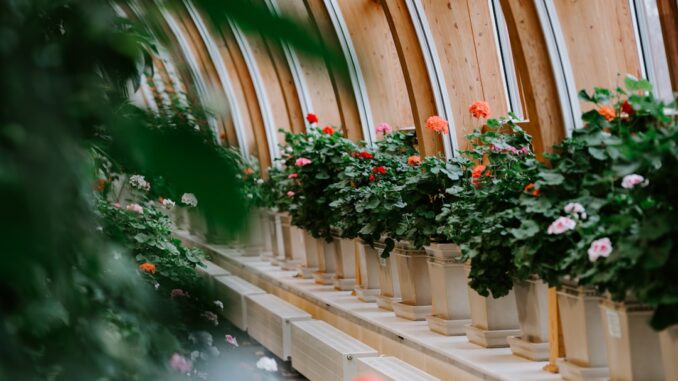
An orangery, truly, is a fascinating architectural marvel. It sits at a unique intersection, blending the expansive glasswork of a traditional conservatory with the robust, integrated structure of a home extension. Think of it as a sophisticated, light-filled living area, often featuring a solid roof structure with a prominent roof lantern or skylight, and more brickwork or stone than its conservatory cousins. Historically, these elegant structures housed delicate citrus trees in grand European estates during colder months. Today, they’ve evolved into bespoke, luxurious additions that effortlessly extend your living space, inviting the outdoors in, yet providing all the comfort and security of your main home.
Bring light and luxury to your life with a uniquely designed orangery by the craftsmen at Elegancia.homes.
But before you start envisioning vibrant botanical displays or that perfect reading nook bathed in golden light, there’s a crucial, often complex, hurdle to navigate: planning permissions. It’s a foundational step, and honestly, one you can’t afford to skip if you want your dream orangery to become a reality without any unwelcome headaches down the line.
Navigating the Permitting Labyrinth: Understanding US Planning Permissions for Orangeries
In the United States, the journey through planning permissions for an orangery isn’t a one-size-fits-all map; it’s more like a collection of regional atlases, each with its own specific legend. Unlike some countries where national guidelines provide a fairly clear framework, the U.S. operates on a deeply localized system. This means what applies in one state, even one county or municipality, might be entirely different just a short drive away. It’s a localized tapestry of regulations, and understanding this fundamental reality is your first step.
Why this localized approach, you ask? Well, our governmental structure plays a huge part. While federal agencies handle certain environmental regulations or interstate commerce, things like land use, zoning, and building codes are predominantly managed at the state, county, and municipal levels. This decentralized control allows local communities to shape their unique character, respond to specific environmental concerns, and manage growth according to their residents’ desires. It’s why urban planning in a densely packed city like New York looks vastly different from a sprawling suburban area in Arizona, or a historic coastal town in New England.
So, when you’re considering an orangery, you’re not just thinking about its size and style; you’re stepping into a dialogue with your local planning department, a dialogue that’s shaped by a variety of regulatory layers:
- Zoning Ordinances: These are the bedrock. They dictate how land can be used (residential, commercial, industrial), and within residential zones, they specify everything from building setbacks (how far a structure must be from property lines), to maximum building height, lot coverage (the percentage of your lot that can be covered by structures), and even aesthetic guidelines in some areas.
- Building Codes: These focus on safety and structural integrity. They cover everything from electrical wiring and plumbing to foundation requirements, window specifications, and energy efficiency standards. Your orangery, despite its glass elements, must meet these stringent requirements to ensure it’s safe and habitable.
- Historic District Overlays: If your property is within a designated historic district, prepare for an extra layer of scrutiny. These districts aim to preserve architectural character, and any exterior alteration, like adding an orangery, often requires approval from a Historic Preservation Committee. They’ll scrutinize materials, design, and how the addition integrates with the existing historic structure.
- Environmental Regulations: Depending on your location, you might face regulations concerning stormwater management, tree preservation, or proximity to wetlands. Adding a large impervious surface like an orangery could trigger requirements for drainage plans or the replacement of removed trees.
- Specific Area Plans: Some neighborhoods or developments have their own unique plans or guidelines that sit on top of the general zoning codes. These might include design review processes for all new construction or additions, ensuring a consistent aesthetic.
Consider the contrast: in California’s Los Angeles County, known for its rigorous environmental and seismic considerations, adding an orangery might involve detailed structural engineering reports, energy efficiency calculations, and a comprehensive review by the Department of Building and Safety. Setbacks could be strict, and if you’re near a hillside, geological surveys might even be required. On the other hand, in a more rural Texas county, outside a major metropolitan area, the regulations might be significantly less complex, perhaps only requiring a basic building permit if the structure doesn’t exceed certain size thresholds or significantly alter the property’s footprint. It’s truly a spectrum.
Your Action Plan: Determining If You Need Planning Permission
This might sound like a lot, but don’t let it overwhelm you. Instead, view it as a clear roadmap. Think of it as a multi-stage process, a detective hunt where you gather clues and consult the experts. Here’s a more detailed breakdown of the steps you’ll want to take:
-
Consult Your Local Planning Department (Early and Often!):
This is your absolute first port of call, and honestly, it’s non-negotiable. Don’t rely on anecdotes from friends or vague internet searches; go straight to the source. You’ll usually find them under your city, town, or county government’s website, often called the ‘Planning Department,’ ‘Zoning Office,’ or ‘Permit Services.’- What to Ask: Be specific. Inquire about zoning designations for your property, setback requirements for rear and side yards, maximum allowable height for accessory structures or additions, and any impervious surface limits. Ask if your proposed orangery falls under any ‘permitted development’ exemptions—though for a structure of this scale, it’s unlikely to be entirely exempt, you never know, and it’s always worth checking. Do you need a conditional use permit? Is there an architectural review board involved?
- Leverage Their Resources: Many departments have excellent online portals where you can look up your property’s zoning, review maps, and even access zoning ordinances directly. Don’t be shy; schedule a pre-application meeting if possible. A brief chat with a planning officer can clarify much of the initial confusion and potentially save you weeks or even months of wasted effort.
-
Review Property Deeds, Covenants, and Homeowners’ Association (HOA) Rules:
This step is surprisingly often overlooked, yet it can be a significant roadblock. Even if the city says ‘yes,’ other entities might say ‘no.’- Deed Restrictions/Covenants: These are legally binding conditions attached to your property’s deed, established by a previous owner or developer. They can dictate everything from the type of fencing you can install, to the color you can paint your house, and yes, even the size and type of additions you can build. Your lawyer or title company usually has access to these, or they might be filed with your county’s recorder’s office.
- HOA Bylaws: If you live in a planned community, condominium, or certain subdivisions, you’re likely part of a Homeowners’ Association. HOAs often have their own comprehensive set of rules and architectural review committees. These rules can be incredibly detailed, specifying everything from materials and aesthetic conformity to construction timelines and even approved contractors. Getting HOA approval is a separate, vital step that must happen concurrently with, or even before, your municipal permit application.
-
Assess the Scope of Your Project with Precision:
The devil, as they say, is in the details, and with an orangery, the more detailed your understanding, the smoother the process. Your project’s characteristics directly influence the level of scrutiny it will receive.- Size Matters: How many square feet will the orangery add? Does it push your total building footprint beyond your lot coverage limits? Larger structures almost always require more comprehensive review.
- Height Considerations: What’s the height of the proposed orangery, particularly its roof lantern, relative to your existing home and your neighbors’ properties? Will it overshadow a neighbor’s yard, impact their light, or block a treasured view? These are common sources of neighbor disputes and planning objections.
- Location, Location, Location: Is it close to property lines? Does it infringe on any easements (rights-of-way for utilities)? What about existing trees, especially mature ones? Many municipalities have tree protection ordinances. A land survey, conducted by a licensed surveyor, will become your best friend here, accurately delineating your property boundaries, existing structures, and relevant features.
- Visual Impact & Materials: How will the orangery look from the street, from your neighbor’s window, from the garden? Will its design and materials be harmonious with your existing home and the neighborhood’s character? This is where architectural review boards often step in, ensuring aesthetic cohesion. A poorly conceived design, or one that clashes starkly, can definitely raise red flags.
-
Engage a Professional Team:
While it might seem like an added expense upfront, engaging experienced professionals is arguably the single best investment you can make. They speak the language of permits and plans, which believe me, can be a blessing.- Architects or Specialist Designers: These folks are invaluable. They can translate your vision into detailed, code-compliant drawings. They understand structural requirements, material specifications, and crucially, how to design an orangery that not only looks stunning but also meets all local regulations. A good architect can even anticipate potential planning hurdles and design around them proactively.
- Structural Engineers: Given the combination of solid elements and extensive glazing, an orangery requires precise structural calculations to ensure stability and safety, especially concerning roof loads (think snow in colder climates) and wind resistance. Your architect will often work hand-in-hand with an engineer.
- General Contractors Familiar with Local Codes: A contractor who has experience building in your specific municipality will be well-versed in local building codes, inspection processes, and common pitfalls. They can streamline the construction phase and ensure compliance throughout.
- Land Surveyors: As mentioned, a survey is critical for accurate site plans, showing property lines, existing structures, and proposed additions. It’s the foundational map for your entire project.
- Planning Consultants: For particularly complex projects or those in sensitive areas (like historic districts), a planning consultant specializes in navigating the bureaucratic maze, liaising with planning departments, and advocating on your behalf. They can be worth their weight in gold.
The Planning Application Journey: A Deeper Dive Into the Process
So, you’ve done your homework, you’ve consulted the experts, and you’re ready to submit. What does the typical planning application process actually look like in the US? It’s often a methodical, sometimes lengthy, sequence of steps.
- Pre-Application Consultation (Highly Recommended): Before formally submitting, many jurisdictions offer the opportunity for a preliminary meeting with a planning officer. You bring your initial sketches and ideas, and they provide early feedback, identifying potential issues or suggesting modifications before you invest heavily in detailed plans. This can save immense time and money down the road.
- Preparing Detailed Plans and Documents: This is where your architect and other professionals shine. You’ll need a comprehensive package that typically includes:
- Site Plan: An overhead view showing your property boundaries, existing structures, the proposed orangery, setbacks, and sometimes landscaping details.
- Floor Plans: Detailed layouts of the orangery, showing dimensions, doors, windows, and how it connects to your existing home.
- Elevations: Views of all sides of the proposed orangery, illustrating its height, materials, and architectural details.
- Sections: Cross-sectional views showing structural elements, roof construction, and floor levels.
- Materials Schedule: A list of all exterior materials (type of glass, brick, roofing, finishes), often with samples or product specifications.
- Supporting Statements: Sometimes required, these explain the project’s rationale, how it complies with zoning, and addresses any specific concerns.
- Engineering Reports: Structural calculations, energy efficiency reports, or perhaps even geological surveys.
- Submitting the Application and Fees: Once all documents are prepared, you formally submit your application, usually with a non-refundable fee. This can often be done online through municipal portals now, which is a big improvement for efficiency, though sometimes a physical submission is still required.
- Public Notification and Comment Period: This is a key democratic step. Neighbors within a certain radius of your property will often be notified of your application, and a public notice might be posted on your property. They usually have a set period (e.g., 14-30 days) to review the plans and submit comments or objections. This is why good neighbor relations and, ideally, proactively discussing your plans with those directly impacted, can be incredibly beneficial.
- Review by Planning Officers: Your application then undergoes a thorough review by planning officers who assess it against all relevant zoning codes, building codes, and other regulations. They might request additional information, clarifications, or minor modifications.
- Potential for Committee Hearings: If your project is significant, complex, or if there are objections, it might go before a planning board or zoning board of appeals for a public hearing. Here, you, your architect, and potentially your neighbors, will present arguments for or against the project. This can be a tense but vital part of the process.
- Decision: The planning authority will then issue a decision: approval, approval with conditions (meaning you must meet certain requirements, like changing a material or adjusting a setback), or refusal. If it’s a refusal, they’ll provide reasons.
- Appeals Process: If your application is refused, or if you disagree with the conditions, you typically have the right to appeal the decision, often to a higher-level board or through the courts. This can be a protracted and expensive process, which is why getting it right the first time is so crucial.
It’s not a sprint; it’s a marathon. Timelines vary wildly, from a few weeks for a very straightforward project to several months, or even a year, for complex ones. Patience, persistence, and a good team are your best allies.
More Than Just Space: The Multifaceted Benefits of an Orangery
Beyond the planning permissions, an orangery truly offers a wealth of advantages that can profoundly enhance your daily living and the overall value of your property. It’s an investment in lifestyle, aesthetics, and often, quite literally, sunshine.
-
Increased, Versatile Living Space: An orangery isn’t just a square footage increase; it’s an expansion of possibilities. Picture a light-filled dining area where family meals feel like al fresco feasts, even in winter. Or imagine a vibrant home office, where the natural light boosts productivity and creativity, and a glance up offers soothing garden views instead of a blank wall. Perhaps it becomes an art studio, a serene yoga space, a music room, or simply an additional lounge, perfect for entertaining or quiet contemplation. The solid elements allow for proper insulation and wall space for furniture, art, and integrated systems, making it a true extension of your home’s functionality.
-
Abundant Natural Light: This is perhaps the most immediate and impactful benefit. With its expansive glazing and signature roof lantern, an orangery floods your home with glorious natural light, chasing away shadows and creating an inherently bright, welcoming atmosphere. This isn’t just about aesthetics; natural light has proven psychological benefits, boosting mood, reducing stress, and enhancing cognitive function. It helps regulate your circadian rhythm, meaning better sleep and more energized days. On a gloomy day, that influx of light can be a real game-changer for your well-being. Modern glazing technology also allows for smart glass or tinting options to manage glare and heat gain during peak sun hours, ensuring comfort all year round.
-
Seamless Indoor-Outdoor Connection: This is where the magic truly happens. Features like elegant bifold, sliding, or French doors can fully open up the space, effectively dissolving the barrier between your interior and the garden. Imagine hosting a summer barbecue where guests effortlessly flow from the kitchen through the orangery and out onto the patio. Even on less favorable weather days, you can still feel intimately connected to your garden, watching the birds, enjoying the greenery, or simply basking in the fresh air from within the comfort of a sheltered, climate-controlled environment. Low thresholds and consistent flooring materials (perhaps a beautiful stone or porcelain tile) further enhance this seamless transition, truly bringing the garden in.
-
Exceptional Energy Efficiency: Forget the old notion of conservatories being too hot in summer and too cold in winter. Modern orangeries are engineered for year-round comfort and energy efficiency. They achieve this through several sophisticated elements:
- Advanced Glazing: This includes low-emissivity (Low-E) coatings that reflect heat, argon or krypton gas-filled double or triple glazing for superior insulation, and specialized solar control glass to reduce heat gain in summer.
- Insulated Frames: High-performance timber, aluminum, or uPVC frames incorporate thermal breaks to minimize heat transfer.
- Solid Roof Structure: The combination of a solid, insulated roof with a roof lantern offers much better thermal performance than a fully glazed roof, retaining heat in winter and reflecting solar gain in summer.
- Smart Ventilation: Integrated ventilation systems and strategically placed opening windows/vents allow for efficient airflow, helping to regulate temperature naturally.
- Underfloor Heating: Often incorporated, it provides an even, comfortable warmth throughout the space without visible radiators.
These technologies work together to regulate temperature effectively, reducing reliance on your home’s main HVAC system and, as a result, lowering your energy bills.
-
Significant Increase in Property Value: A well-designed, high-quality orangery can add substantial value to your property, making it a compelling investment. Real estate agents often point to such additions as key differentiators in a competitive market. It’s not uncommon for a thoughtfully constructed orangery to add 5-10% to a home’s market value, sometimes even more for exceptional designs that truly enhance the property’s unique appeal. It offers increased square footage, yes, but also a lifestyle upgrade, a unique architectural feature, and undeniable curb appeal that attracts potential buyers, making your home stand out from the crowd.
Real-Life Inspiration: A Tale of Transformation
Let’s look at Maria and David, living in a charming, but somewhat compact, 1950s ranch house in Chapel Hill, North Carolina. They adored their lush, mature garden, but felt disconnected from it, especially during the humid summers and chilly winters. They dreamt of a bright, versatile space where they could entertain, grow their beloved orchids, and simply relax.
Their initial vision was straightforward: ‘just add a glass room.’ But after consulting a local architect specializing in historic home additions (their ranch, while not officially historic, had a distinct mid-century character they wanted to preserve), they realized an orangery was the perfect fit. The architect guided them through Chapel Hill’s stringent zoning for additions, particularly concerning setbacks and maintaining neighborhood character. They initially faced a minor hiccup with the aesthetic review board, who questioned the proposed size of the roof lantern in relation to the main house’s roofline. It was a stressful moment, a classic ‘will-they-or-won’t-they’ scenario.
However, working closely with their architect, they slightly adjusted the lantern’s proportions and presented detailed renderings that showed how the orangery would beautifully complement, rather than detract from, the existing structure. They also proactively spoke with their immediate neighbors, sharing plans and addressing any privacy concerns upfront. This open communication proved invaluable.
Six months later, after securing all approvals, their orangery was complete. It transformed their dining area, extending it into a light-drenched sunroom that felt both grand and intimately connected to the garden. Maria now hosts bridge club there, and David’s orchids thrive in the consistent light. They often joke that they ‘live’ in the orangery now. When they recently had their property appraised for a refinance, the appraiser noted the orangery as a significant value enhancer, praising its quality and seamless integration. It really highlights how thoughtful planning, even with a few bumps along the road, can truly pay off.
Crafting Your Sanctuary: Designing Your Dream Orangery
Once you’ve navigated the permitting maze (or at least gotten a solid handle on it), the really fun part begins: designing your orangery! This is where your personality and lifestyle truly take center stage.
-
Architectural Styles: Orangeries aren’t confined to one look. You can opt for a grand, traditional design echoing their historical roots, perhaps with classical columns and intricate detailing. Or, you might lean towards a sleek, contemporary aesthetic with minimalist lines, expansive frameless glass, and industrial-chic materials. The key is to ensure it harmonizes with your existing home’s architecture, whether it’s a Victorian mansion, a modern minimalist cube, or a rustic farmhouse.
-
Material Choices: The materials you choose significantly impact both aesthetics and performance.
- Timber (Wood): Offers timeless elegance, natural insulation, and can be stained or painted. Hardwoods like oak are durable but require more maintenance.
- Aluminum: Known for its strength, slim sightlines, and low maintenance. It’s a popular choice for contemporary designs due to its sleek profile.
- uPVC: A cost-effective and low-maintenance option, available in various colors and finishes, though it might lack the premium feel of timber or aluminum.
- Brickwork/Stone: Often used for the solid base walls of the orangery, providing a robust, integrated feel and excellent insulation. Matching existing brickwork is crucial for a seamless look.
-
Roof Options: The roof lantern is the orangery’s crowning glory, typically sitting atop a solid, insulated flat roof. The design of this lantern is pivotal:
- Pitched Roof Lanterns: The most common, offering dramatic height and light. They can be square, rectangular, or even octagonal.
- Flat Rooflights/Skylights: For a more contemporary, minimalist look, recessed flat rooflights can provide ample light without the vertical presence of a traditional lantern.
The choice affects internal light, thermal performance, and exterior aesthetics.
-
Interior Finishes & Features: Don’t forget the inside! This is where comfort and functionality meet beauty.
- Flooring: Opt for durable, moisture-resistant options like natural stone (limestone, slate), porcelain tiles, or engineered wood. Underfloor heating is a popular, luxurious addition.
- Lighting: Beyond natural light, consider ambient lighting (recessed spotlights, pendant lights), task lighting, and accent lighting to highlight architectural features or plants.
- Heating/Cooling: Integrate efficient heating (underfloor, slimline radiators, air conditioning) and ventilation for year-round comfort.
- Window Treatments: While you want light, sometimes you need privacy or glare control. Blinds or intelligent glass that can tint on demand are excellent solutions.
- Decor: Furnish the space to match its intended use – be it a cozy reading nook, an elegant dining room, or a vibrant plant sanctuary. Integrate lush indoor plants to further blur the line with the garden.
-
Seamless Integration: The best orangeries don’t look like an afterthought; they appear as if they were always meant to be part of the original house. This involves matching rooflines, exterior materials, window styles, and even internal finishes to create a cohesive, natural extension of your home’s character.
The Final Word: Your Orangery, Your Legacy
Adding an orangery to your home is more than a construction project; it’s an opportunity to redefine your living space, deepen your connection with nature, and significantly enhance your lifestyle. It’s a journey that demands careful planning, a bit of persistence, and a willingness to engage with the intricate dance of local regulations. But let me tell you, the reward? It’s immeasurable. That feeling of waking up in a sun-drenched space, having your morning coffee surrounded by greenery, or hosting friends in an elegant room that flows effortlessly into your garden—that’s what makes all the research, all the paperwork, absolutely worth it.
So, arm yourself with knowledge, gather your team of professionals, and approach the planning process with confidence. Your dream orangery isn’t just a beautiful addition; it’s a bright, airy space that connects you with your garden, elevates your daily life, and builds a lasting legacy for your home. You’ve got this.
Be the first to comment