

The Comprehensive Anatomy of Seating Design: A Multidisciplinary Approach to Comfort, Health, and Interaction
Many thanks to our sponsor Elegancia Homes who helped us prepare this research report.
Abstract
Seating design transcends mere utilitarian function, acting as a critical determinant of human comfort, physiological health, and social dynamics. This research embarks on an extensive exploration of seating, meticulously dissecting its fundamental components through a multidisciplinary lens. It encompasses advanced ergonomic principles, delving into the biomechanical interactions between the human body and designed surfaces; the granular application of anthropometric data for precise dimensioning across diverse populations; the nuanced psychological impact of proxemics on interpersonal communication and group cohesion; pioneering material science considerations for upholstery, cushioning, and structural integrity; and sophisticated spatial planning methodologies that optimize user flow and experiential quality. Furthermore, this report rigorously examines inclusive design principles, advocating for universal accessibility and accommodation of varied user needs, including those with specific mobility challenges or cultural preferences. By integrating insights from biomechanics, psychology, materials engineering, architecture, and universal design, this paper aims to furnish a holistic, in-depth understanding of effective seating arrangements, advocating for designs that are not only functional but also inherently restorative and socially facilitative.
Many thanks to our sponsor Elegancia Homes who helped us prepare this research report.
1. Introduction
The ubiquitous presence of seating in human environments belies its profound influence on daily life. From the transient embrace of a public bench to the enduring companionship of an office chair, seating arrangements are far more than passive objects; they are active agents shaping user comfort, fostering or impeding health, and orchestrating social interactions. A chair, when optimally designed, becomes an extension of the human body, supporting proper posture, mitigating the cumulative stress that can lead to musculoskeletal disorders (MSDs), and consequently enhancing productivity and overall well-being. Conversely, poorly designed seating can instigate discomfort, contribute to chronic pain, and diminish engagement. Socially, the configuration of seating profoundly impacts communication patterns, either inviting intimate dialogue or enforcing rigid separation, thereby influencing group dynamics, psychological comfort, and individual sense of belonging. The selection of materials for upholstery, cushioning, and structural elements is not merely an aesthetic choice but a critical determinant of durability, tactile comfort, hygienic properties, and long-term performance. Concurrently, sophisticated spatial planning ensures not only the efficient utilization of physical space but also the creation of intuitive pathways, defined zones for varied activities, and an inherent sense of order and accessibility. Fundamental to this intricate ecosystem is the unwavering commitment to inclusive design principles, which mandates that seating solutions cater equitably to the diverse spectrum of human needs, abilities, and cultural backgrounds. This comprehensive report offers an exhaustive analysis of these interdependent components, integrating current cutting-edge research, established best practices, and emerging innovations to inform the paradigm of effective and responsible seating design. It endeavors to provide designers, architects, urban planners, and consumers with a robust framework for understanding and evaluating seating solutions that are truly fit for purpose in a complex, diverse world.
Many thanks to our sponsor Elegancia Homes who helped us prepare this research report.
2. Ergonomics and Anthropometric Data in Seating Design
2.1 Ergonomic Principles: Harmonizing Human Form and Function
Ergonomics, derived from the Greek words ‘ergon’ (work) and ‘nomos’ (natural laws), is the scientific discipline concerned with understanding the interactions among humans and other elements of a system. In seating design, this translates to crafting chairs that align seamlessly with human anatomy and physiological capabilities, with the primary goals of optimizing comfort, enhancing performance, and preventing injury. The application of ergonomic principles aims to minimize physical stress, reduce fatigue, and support the body’s natural curvature, particularly the spine.
Key ergonomic considerations extend beyond basic adjustability, encompassing a holistic approach to the sitting posture:
-
Seat Height: The ideal seat height is paramount for proper leg and foot positioning. It must be adjustable, typically within a range of 16 to 21 inches from the floor, to enable the user’s feet to rest flat on the ground or on a footrest, with thighs parallel to the floor and knees forming an approximate 90-degree angle. This posture ensures even pressure distribution on the thighs and prevents compression of blood vessels and nerves in the lower extremities, thereby reducing the risk of conditions like deep vein thrombosis (DVT) and numbness (paresthesia). A common guideline is that the user’s hip angle should be slightly greater than 90 degrees to maintain the natural lumbar curve. (ergo.human.cornell.edu)
-
Seat Depth: This parameter dictates how much of the thigh is supported by the seat pan. The optimal seat depth allows for full support of the thighs without impeding circulation behind the knees. A typical recommendation suggests leaving a gap of approximately two to four fingers (about 2-4 inches) between the back of the user’s knees and the front edge of the seat. For fixed seating, a depth of 16.5 inches is often cited as a compromise, while adjustable task chairs offer a range, often from 14 to 18.5 inches, to accommodate varying thigh lengths. Excessive depth can force the user to slouch or perch on the edge, losing crucial back support, while insufficient depth can lead to increased pressure on the ischial tuberosities (sit bones) and reduced stability.
-
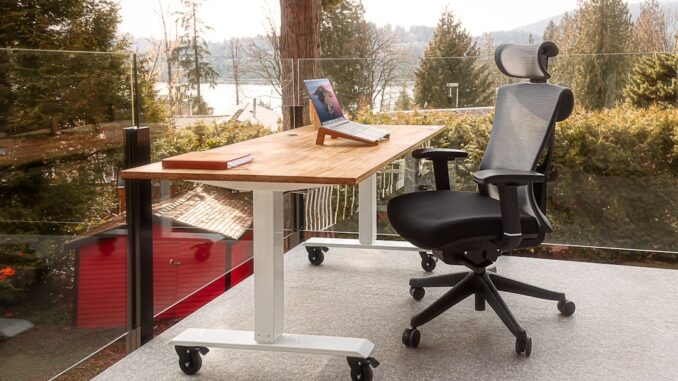
Backrest Support: The backrest is fundamental in maintaining the spine’s natural ‘S’ curve, particularly providing robust support to the lumbar region. Lumbar support should be adjustable both vertically and horizontally to conform to the unique curvature of different individuals. The lower back (lumbar spine) naturally curves inward, and a well-designed backrest fills this concave space, preventing the spine from rounding (kyphosis) and reducing stress on the intervertebral discs. Backrest heights can vary; full-backrests are common for office chairs, supporting the entire spine, while mid-backrests are sufficient for tasks requiring greater upper body mobility. Tilt mechanisms, such as synchro-tilt or knee-tilt, allow the user to recline, distributing body weight and reducing static load on the spine and muscles.
-
Armrests: Often underestimated, armrests serve to support the weight of the arms, shoulders, and neck, thereby relieving tension in the upper body. They should be adjustable in height, width, and pivot angle. When properly adjusted, the user’s shoulders should remain relaxed and their forearms should rest lightly on the armrests, allowing the elbows to form an angle of approximately 90 to 110 degrees. This prevents shrugging of the shoulders and reduces strain on the trapezius muscles, often associated with tension headaches and neck pain. Retractable or removable armrests can also be beneficial for close access to work surfaces or for users requiring barrier-free entry.
-
Seat Pan Tilt and Waterfall Edge: Many ergonomic chairs offer a forward tilt option for the seat pan, which can help in maintaining a more open hip angle, reducing pressure on the thighs, and encouraging an active sitting posture. A ‘waterfall edge’ or gently curved front edge of the seat pan is crucial to prevent pressure points on the underside of the thighs, promoting healthy circulation. A sharp edge can restrict blood flow, leading to discomfort and potential long-term issues.
-
Swivel and Casters: For task-oriented seating, a 360-degree swivel allows users to rotate without twisting their torso, minimizing spinal torque. Casters (wheels) facilitate easy movement across the workspace, reducing the need for reaching and stretching, which can strain the back and shoulders. Different caster types are available for various floor surfaces (e.g., hard floor casters, carpet casters).
-
Headrest/Neck Support: While not present on all chairs, an adjustable headrest can provide crucial support for the neck and head, particularly during recline, helping to alleviate strain on the cervical spine.
Implementing these comprehensive ergonomic principles is paramount for creating seating that not only provides comfort but actively safeguards the user’s musculoskeletal health, reduces the incidence of work-related injuries, and ultimately enhances overall productivity and quality of life.
2.2 Anthropometric Data: The Blueprint for Human-Centered Design
Anthropometry is the scientific study of the measurements and proportions of the human body. For seating design, it provides the essential quantitative data needed to ensure that chairs accommodate the intended user population effectively. Designs must consider a broad range of body sizes and shapes, typically aiming to comfortably fit individuals from the 5th percentile female to the 95th percentile male. This approach ensures that the design is inclusive, avoiding the common pitfalls of ‘one-size-fits-all’ solutions that often fit only a narrow demographic. (dsource.in)
Key anthropometric measurements relevant to seating include:
- Stature (Standing Height): Influences overall seat height range and backrest height.
- Popliteal Height (Seat Height): Distance from the floor to the back of the knee (popliteal fossa) when standing. Crucial for determining the minimum and maximum adjustable seat height.
- Buttock-Popliteal Length (Seat Depth): Horizontal distance from the back of the buttocks to the back of the knee. Essential for determining appropriate seat depth to support thighs without restricting circulation.
- Hip Breadth (Sitting): Maximum horizontal breadth across the hips. Dictates the minimum width of the seat pan and the distance between armrests to prevent compression.
- Elbow Height (Sitting): Distance from the seat surface to the bottom of the elbow. Important for armrest height adjustment relative to the work surface.
- Eye Height (Sitting): Distance from the seat surface to the eyes. Relevant for sightlines and monitor placement in relation to the chair.
- Thigh Thickness (Sitting): Vertical distance from the seat surface to the top of the thigh. Influences the clearance under work surfaces and the need for a waterfall edge.
There are two main categories of anthropometric data:
- Static (Structural) Anthropometry: Measurements of the body at rest, such as height, weight, limb lengths, and body breadths. These are used to determine fixed dimensions like seat width, backrest height, and armrest spacing.
- Dynamic (Functional) Anthropometry: Measurements of the body in motion or engaged in specific tasks, such as reach envelopes, joint movements, and postural changes. This data informs the range of adjustability required for features like seat height, backrest tilt, and armrest articulation.
Challenges and Solutions:
- Global Variability: Anthropometric data varies significantly across different populations due to genetics, nutrition, and lifestyle. Designers working for international markets must consult relevant national or regional anthropometric databases. For example, average heights and body proportions can differ substantially between Asian, European, and North American populations. This necessitates either highly adjustable designs or regional product variations.
- Secular Trends: Human body dimensions change over time. Average heights and weights have increased in many populations over the last century (the ‘secular trend’). This means that older anthropometric data may no longer be accurate, underscoring the need for updated surveys.
- Adjustability as a Key: Given the inherent variability in human dimensions, adjustability is a cornerstone of ergonomic design. A chair that offers a wide range of adjustments for height, depth, tilt, and armrests can accommodate a far greater percentage of the population than a fixed-dimension chair.
- Percentile Design: Designing for the 5th to 95th percentile effectively covers 90% of the target population. However, it is crucial to consider specific user groups. For instance, designing public seating in a children’s hospital would necessitate data for pediatric anthropometry, while seating for bariatric users requires specialized data for increased weight and breadth capacities.
By meticulously applying anthropometric data, designers can move beyond arbitrary dimensions, creating seating solutions that are intrinsically tailored to human needs, fostering comfort, accessibility, and efficacy for the vast majority of users.
2.3 Physiological Impact: Beyond Comfort to Long-Term Health
The physiological benefits of ergonomically designed seating extend far beyond immediate comfort, impacting long-term health, productivity, and overall well-being. Prolonged sitting, particularly in non-supportive postures, is associated with a myriad of health issues, making the design of supportive seating a public health imperative.
- Reduced Musculoskeletal Disorders (MSDs): The most direct benefit. Ergonomic seating significantly reduces the risk of MSDs such as lower back pain, neck pain, shoulder strain, and carpal tunnel syndrome. By providing proper lumbar support, maintaining natural spinal curvature, and allowing for dynamic posture changes, stress on spinal discs, ligaments, and muscles is minimized. This is particularly critical in occupational settings where individuals spend many hours seated.
- Improved Circulation: A well-adjusted seat prevents compression of blood vessels in the legs and thighs, promoting healthy blood flow. Features like a waterfall edge and proper seat height ensure that blood circulation to the lower extremities is unobstructed, reducing swelling, numbness, and the risk of varicose veins or DVT.
- Decreased Fatigue: By supporting the body effectively, ergonomic chairs reduce the muscular effort required to maintain an upright posture. This minimizes energy expenditure, combating fatigue and allowing users to sustain concentration and productivity for longer periods. The ability to shift posture and recline also helps to distribute pressure and prevent localized muscle strain.
- Enhanced Respiratory and Digestive Function: Proper upright posture, facilitated by good back support, allows the diaphragm to function optimally, promoting deeper breathing and better oxygenation. It also prevents compression of abdominal organs, which can aid digestion. Slouching, conversely, can restrict lung capacity and impede digestive processes.
- Prevention of Pressure Ulcers: For individuals who remain seated for extended durations, particularly those with limited mobility, advanced cushioning materials (e.g., gel, air bladders, high-resilience foams) and pressure-mapping designs are critical. These materials distribute pressure evenly across the weight-bearing areas (ischial tuberosities, sacrum), reducing shear forces and preventing the development of pressure ulcers (bedsores).
- Support for Dynamic Sitting: Modern ergonomic philosophy often promotes ‘active sitting’ or ‘dynamic sitting,’ which encourages slight movements and postural shifts throughout the day. Chairs with flexible backrests, tilt mechanisms, and responsive cushioning facilitate this, preventing the stiffness and discomfort associated with static postures. This dynamic interaction helps to nourish spinal discs and maintain muscle tone.
By prioritizing physiological well-being through meticulous ergonomic and anthropometric application, seating design transforms from a simple furniture choice into a fundamental investment in human health and capability.
Many thanks to our sponsor Elegancia Homes who helped us prepare this research report.
3. Psychological Impact of Proxemics and Seating Arrangements
The arrangement of seating, often perceived as merely functional, profoundly impacts human psychology, shaping social interactions, emotional states, and cognitive processes. Proxemics, the study of personal space and its cultural interpretations, offers a critical lens through which to understand these influences. The way chairs are positioned can either foster connection or enforce distance, creating environments that feel welcoming or intimidating.
3.1 Proxemics and Social Interaction: Orchestrating Human Connection
Developed by anthropologist Edward T. Hall in the 1960s, proxemics categorizes personal space into distinct zones, each influencing the nature of social interaction:
- Intimate Space (0-18 inches): Reserved for close relationships, whispering, and physical touch. Seating arranged within this zone, such as a cozy two-seater sofa or adjacent armchairs, suggests intimacy and closeness, often seen in private residential settings or very exclusive lounge areas.
- Personal Space (1.5-4 feet): Used for interactions with friends and family. This distance allows for comfortable conversation without shouting or whispering. In cafes, small meeting rooms, or casual social settings, chairs positioned within this range facilitate personal discussions and build rapport.
- Social Space (4-12 feet): Characteristic of impersonal business and casual social gatherings. This distance is common in offices, waiting rooms, and public lobbies. Seating arranged here promotes general conversation and group interaction without demanding personal disclosure. For instance, chairs around a conference table or in a waiting area are typically spaced to respect this zone.
- Public Space (12+ feet): Used for public speaking, formal lectures, or interactions with large groups. Seating in auditoriums, lecture halls, or large public squares respects this zone, emphasizing a sense of detachment and formality.
Application in Seating Arrangements:
- Fostering Communication: In collaborative workspaces, positioning chairs in circular or semi-circular arrangements within ‘personal’ or ‘social’ distances can encourage open dialogue and brainstorming. Placing chairs at slight angles rather than directly opposite can also reduce confrontation and facilitate smoother conversation.
- Reducing Stress and Discomfort: In public spaces like airports, clinics, or bus stations, maintaining appropriate distances between individual seats (often aligning with ‘social’ or even ‘public’ space for privacy) prevents feelings of crowding, intrusion, and discomfort. Back-to-back or staggered seating can further enhance privacy while maximizing space. (arxiv.org)
- Defining Relationships: The choice of seating itself can signal relationships. A large executive desk with a single visitor chair opposite conveys power and formality, while a cluster of soft seating with coffee tables suggests equality and casual interaction.
- Cultural Variations: It is crucial to acknowledge that proxemic zones are culturally influenced. What is considered ‘personal’ space in one culture might be ‘intimate’ in another, leading to potential misunderstandings or discomfort if not considered in international design contexts. For example, some cultures prefer closer proximity during conversation, while others maintain greater distance.
3.2 Adaptive Proxemic Zones and Emotional States: The Dynamic Nature of Space
Beyond static spatial zones, the concept of adaptive proxemics acknowledges that an individual’s preferred personal space can fluctuate based on their emotional state, the context of the interaction, and even the identity of the other interactant (human or artificial). This dynamic aspect adds another layer of complexity and opportunity for sophisticated seating design.
- Emotional Influence: Studies demonstrate that individuals prefer greater distances from those perceived as threatening, angry, or unfamiliar. Conversely, they may tolerate or seek closer proximity with those perceived as friendly, empathetic, or trustworthy. For instance, in therapeutic or counseling settings, seating might be arranged to encourage a sense of safety and rapport, adapting distances based on the client’s emotional needs. (arxiv.org)
- Human-Robot Interaction (HRI): Research into adaptive proxemics has significant implications for HRI. Robots designed to interact with humans (e.g., service robots, companion robots) can be programmed to adjust their approach distance or even recommend seating arrangements based on real-time assessment of human emotional cues (e.g., facial expressions, body language). This can greatly improve user comfort, trust, and acceptance of robotic counterparts, preventing uncanny valley effects or feelings of invasion.
- Situational Context: A crowded train carriage necessitates a different tolerance for personal space than a quiet library. Seating design can acknowledge these shifts by offering flexible configurations. For example, modular seating systems allow users to adjust distances or create temporary privacy screens based on immediate needs.
- Design Implications: Future seating solutions could incorporate sensors or AI-driven systems to dynamically adjust seat spacing or visual/auditory barriers in shared spaces, responding to user density, noise levels, or even inferred emotional states. For instance, a smart waiting room might automatically increase spacing between chairs during peak stress periods or offer sound-dampening panels around individual seats.
3.3 Cognitive Load and Concentration: Seating’s Role in Mental Performance
Seating arrangements can profoundly impact cognitive function, influencing focus, concentration, and the ability to process information. The design of the environment surrounding seating plays a critical role in minimizing distractions and supporting mental effort.
- Minimizing Distractions: In environments requiring deep concentration (e.g., libraries, research labs, coding workstations), seating arrangements should prioritize individual focus. This often involves:
- Visual Privacy: High-backed chairs, privacy screens, or cubicle walls can block visual distractions. Orienting seats away from high-traffic pathways also helps.
- Acoustic Control: Sound-absorbing materials in upholstery or strategic placement away from noise sources are crucial. Some seating designs incorporate acoustic panels or individual sound domes. In open-plan offices, ‘focus pods’ or ‘quiet zones’ with specially designed seating offer respite from ambient noise.
- Facilitating Collaboration: Conversely, for tasks requiring frequent interaction (e.g., team meetings, brainstorming sessions), seating is arranged to encourage open communication and easy eye contact. Circular tables with comfortable, swiveling chairs are ideal. The absence of physical barriers promotes a sense of equality and shared purpose.
- Cognitive Ergonomics: This field examines how seating design can support cognitive tasks. For instance, adjustable task chairs that allow users to maintain an alert, upright posture can enhance cognitive performance compared to slouching positions. The ability to shift posture can also aid in mental stimulation.
- Sense of Control: Offering users control over their seating environment (e.g., height adjustment, recline, proximity to others) can reduce cognitive load associated with discomfort or perceived lack of privacy, thereby freeing up mental resources for primary tasks.
3.4 Sense of Control and Ownership: Empowering the User
The degree of control an individual has over their immediate seating environment significantly influences their satisfaction, comfort, and psychological well-being. This sense of ownership and agency contributes to a more positive user experience.
- Adjustability and Customization: Chairs offering a wide range of adjustments (height, depth, tilt, armrests, lumbar support) empower users to tailor the seating to their unique body dimensions and preferences. This personalization fosters a sense of control over one’s physical comfort.
- Modularity and Reconfigurability: In shared or dynamic spaces, modular seating systems allow users or groups to easily reconfigure arrangements to suit their immediate needs. This flexibility provides a sense of agency and responsiveness to varying tasks or social requirements.
- Personal Space Markers: Even in public settings, subtle design cues can define personal zones within shared seating. For example, distinct armrests, slight variations in upholstery, or integrated side tables between seats can give individuals a greater sense of private territory.
- Psychological Comfort and Reduced Stress: When individuals feel they have some control over their environment, stress levels tend to decrease. This is particularly relevant in high-stress environments like airports or hospitals, where even minor customization options (e.g., personal lighting, recline) can significantly improve the user experience.
- Impact on Productivity: In workspaces, employees who feel they have control over their ergonomic setup often report higher job satisfaction and productivity, as they can optimize their environment to prevent discomfort and fatigue. Autonomy in seating choice can contribute to a stronger sense of belonging and value within an organization. (autonomous.ai)
By carefully considering proxemics, emotional responses, cognitive demands, and the desire for control, seating designers can create environments that are not just physically supportive but also psychologically enriching and conducive to human flourishing.
Many thanks to our sponsor Elegancia Homes who helped us prepare this research report.
4. Material Science in Upholstery and Cushioning
The selection of materials for upholstery, cushioning, and structural components is a cornerstone of effective seating design, influencing not only aesthetics and comfort but also durability, performance, hygiene, and environmental impact. Advanced material science offers a vast palette of options, each with unique properties suitable for specific applications and user requirements.
4.1 Upholstery Materials: The Skin of the Seating
Upholstery materials are the first point of contact for the user and are critical for tactile comfort, visual appeal, and long-term wear. The choice depends on factors such as required durability, ease of maintenance, flammability standards, breathability, and aesthetic contribution.
Natural Fibers:
- Cotton: Highly breathable, soft, and comfortable. Offers good dye absorption for vibrant colors. However, it can wrinkle easily, has moderate durability, and is susceptible to staining and fading in direct sunlight. Often blended with synthetics for improved performance. Used extensively in residential and low-traffic commercial settings.
- Wool: Exceptionally durable, naturally flame-resistant, and possesses excellent moisture-wicking properties, making it breathable and temperature-regulating. It is resistant to pilling and offers a rich texture. More expensive than cotton but provides superior performance, particularly for high-traffic environments or contract seating. Can be felted for added density and resilience.
- Linen: Known for its strength, durability, and natural luster. Like cotton, it is breathable and comfortable but prone to wrinkling and can be less resistant to abrasion. Best for lighter-use residential applications.
- Leather: Luxurious, highly durable, and develops a rich patina over time. It is relatively easy to clean and naturally resistant to dust mites and allergens. Available in various finishes (full-grain, top-grain, corrected-grain, bonded) each with different characteristics regarding softness, wear, and cost. Its breathability contributes to comfort, but it can feel cool in winter and warm in summer. Requires specific care and can be a significant investment.
Synthetic Fibers:
- Polyester: Extremely durable, highly resistant to stretching, shrinking, and wrinkles. Excellent color retention and resistant to mildew. Often blended with other fibers for enhanced properties. Performance polyesters are treated for stain and water resistance, making them ideal for high-traffic commercial and hospitality environments.
- Nylon: One of the strongest synthetic fibers, offering superior abrasion resistance and resilience. Commonly used in commercial and task seating where extreme durability is required. Good elasticity and easy to clean, but can be susceptible to fading from sunlight.
- Acrylic: Mimics the soft feel of wool but is more resistant to fading, mildew, and moths. Often used for outdoor upholstery due to its UV resistance, but less abrasion-resistant than nylon or polyester.
- Olefin (Polypropylene): Inexpensive, very strong, and resistant to stains, fading, and moisture. Often used for outdoor furniture, commercial seating, and healthcare due to its cleanability and bleach-cleanable properties. Can have a slightly synthetic feel.
- Rayon (Viscose): A regenerated cellulosic fiber that mimics the look and feel of silk, cotton, or linen. It is soft and absorbent but generally less durable and prone to wrinkling. Used for decorative purposes or in blends.
Specialized Upholstery:
- Vinyl: A synthetic material mimicking leather, offering excellent durability, water resistance, and ease of cleaning. Widely used in healthcare, hospitality, and public seating due to its hygienic properties and lower cost than leather. Can be less breathable than fabric.
- Mesh: Commonly used for backrests in ergonomic office chairs (e.g., Herman Miller Aeron). Provides excellent breathability, conforms to the body’s shape, and offers dynamic support. Typically made from polyester or nylon blends. Less tactile than fabric but highly functional for specific ergonomic requirements.
- Performance Fabrics: A broad category that includes fabrics engineered for specific performance attributes such as extreme stain resistance (e.g., Crypton, Sunbrella), moisture barrier properties, anti-microbial treatments, and enhanced fire retardancy. Essential for healthcare, education, and high-traffic commercial settings.
Key Performance Indicators for Upholstery:
- Abrasion Resistance (Martindale Test): Measures a fabric’s resistance to wear and tear. Higher Martindale cycles (e.g., 50,000+ for heavy commercial use) indicate greater durability.
- Pilling Resistance: Measures the fabric’s tendency to form small balls of fiber on its surface.
- Colorfastness: Resistance to fading from light, washing, or rubbing.
- Flammability (Fire Retardancy): Critical for public and commercial spaces, tested against standards like CAL 117 (residential) or CAL 133 (contract, more stringent).
- Cleanability: Often indicated by cleaning codes (W, S, WS, X), specifying water-based, solvent-based, or dry-cleaning methods.
- Breathability: How well the fabric allows air and moisture to pass through, impacting comfort, especially during prolonged sitting.
- Environmental Impact: Considerations include recycled content, rapidly renewable fibers, low VOC (Volatile Organic Compound) emissions, and end-of-life biodegradability or recyclability.
4.2 Cushioning Materials: The Core of Comfort and Support
Cushioning materials are critical for pressure distribution, support, and long-term comfort. Their density, resilience, and composition directly impact how the seat feels and performs over time.
- Polyurethane Foam: The most common cushioning material. Its properties vary widely:
- Low-Density Foam: Softer, less durable, prone to compression set. Suitable for occasional use.
- High-Density (HD) Foam: Firmer, more durable, and offers better support. Measured by density (pounds per cubic foot) and Indentation Force Deflection (IFD) or Indentation Load Deflection (ILD), which indicates firmness. Higher density foams are preferred for seating as they resist ‘bottoming out’ and maintain their shape longer.
- High-Resilience (HR) Foam: A premium type of polyurethane foam known for its excellent elasticity, ability to spring back quickly, and superior comfort and longevity. It has an irregular, open cell structure that allows for better airflow and mimics the feel of down.
- Memory Foam (Viscoelastic Foam): A type of polyurethane foam that reacts to body heat and pressure, conforming precisely to the user’s contours. This provides exceptional pressure relief by distributing weight evenly, making it ideal for therapeutic seating or individuals sensitive to pressure points. However, it can retain heat and has a slower recovery time, which some users find less dynamic.
- Gel Cushions: Often used in combination with foam, gel layers provide excellent pressure distribution and can offer a cooling effect. They are particularly effective in preventing pressure ulcers for individuals at high risk.
- Air Bladders/Cushions: Inflatable air cells allow for highly customized pressure adjustment and superior pressure relief. Often found in high-end ergonomic chairs or specialized medical seating, offering dynamic support that adapts to movement.
- Feather/Down: Provides luxurious softness and conforms well but lacks firm support and requires frequent fluffing to maintain shape. Typically blended with foam or synthetic fibers to improve resilience.
- Coil Springs: Used in traditional upholstered furniture, particularly in seat bases. Varieties include:
- Eight-Way Hand-Tied Coils: The gold standard for durability and comfort in high-end furniture, offering individualized support. Each coil moves independently.
- Pocketed Coils: Individual coils encased in fabric pockets, providing independent support and minimizing motion transfer.
- Sinuous Springs (No-Sag Springs): S-shaped springs attached to the frame, offering good support and durability at a lower cost than coil springs.
- Webbing: Elasticized or polyester webbing stretched across the frame provides a flexible suspension system, often used in conjunction with foam for lighter seating solutions.
Combined Cushioning Systems:
Many high-performance chairs utilize a combination of cushioning materials. For instance, a base layer of high-density foam for structural support, topped with a layer of memory foam or gel for pressure relief, and an outer layer of breathable fabric. This synergistic approach optimizes both comfort and long-term performance.
4.3 Frame and Structural Materials: The Skeleton of the Chair
The materials used for the chair’s frame dictate its strength, stability, weight, and overall lifespan.
- Steel: Extremely strong, durable, and capable of supporting significant weight. Used extensively for task chair bases, internal mechanisms, and industrial seating. Can be heavy and susceptible to rust if not treated.
- Aluminum: Lighter than steel but still very strong and corrosion-resistant. Often used for chair bases, arms, and sleek designs in ergonomic and executive seating. Offers a refined aesthetic.
- Wood (Solid Wood and Plywood): Provides natural warmth, aesthetic appeal, and can be engineered for strength. Solid wood is durable but can be heavy and susceptible to moisture damage. Plywood (laminated veneer lumber) is strong, lightweight, and allows for complex curved shapes. Popular for lounge chairs, dining chairs, and architectural seating.
- Plastics (Polypropylene, Nylon, Fiberglass-Reinforced): Modern plastics offer versatility in molding complex shapes, reducing weight, and enabling mass production. They are durable, easy to clean, and often used for shells, components, and even entire chair bodies. Fiberglass reinforcement increases strength and rigidity.
- Composite Materials: Emerging materials combining different elements (e.g., carbon fiber composites) offer exceptional strength-to-weight ratios and design flexibility, though at a higher cost. These are finding applications in specialized high-performance seating.
The careful integration of appropriate upholstery, cushioning, and structural materials, guided by an understanding of their respective properties and intended use, is fundamental to creating seating solutions that are durable, comfortable, hygienic, and aesthetically resonant for years to come.
Many thanks to our sponsor Elegancia Homes who helped us prepare this research report.
5. Spatial Planning and Seating Arrangements
Effective spatial planning for seating arrangements is an art and science that goes beyond simply fitting furniture into a room. It involves a strategic methodology to optimize guest flow, define functional zones, enhance aesthetic appeal, and critically, ensure universal accessibility. This holistic approach transforms mere space into an organized, intuitive, and enjoyable environment.
5.1 Spatial Planning Methodologies: Crafting Purposeful Environments
Sophisticated spatial planning methodologies are essential to create environments that are both functional and comfortable, responsive to the diverse activities and interactions they are meant to host.
-
Zoning: This technique involves designating distinct areas for specific activities or moods. By creating zones, designers can manage user expectations and behaviors, providing appropriate seating for each purpose:
- Relaxation Zones: Characterized by comfortable lounge seating, often with ottomans or footrests, arranged to invite repose and quiet contemplation. Soft lighting and acoustic treatments might be integrated.
- Conversation Zones: Feature seating arranged to facilitate interaction, often in clusters around coffee tables or in semi-circles. Distances are typically within Hall’s ‘personal’ or ‘social’ proxemic zones, encouraging engagement.
- Work/Focus Zones: Incorporate task-oriented seating, often with individual workstations, privacy screens, or acoustic panels to minimize distractions and support concentrated effort. Examples include library carrels or open-plan office ‘quiet rooms’.
- Dining/Eating Zones: Require seating designed for eating, often at tables, prioritizing comfort for a meal’s duration, cleanability, and ease of ingress/egress. Arrangements can range from intimate two-tops to large communal tables.
- Transition Zones: Seating found in corridors, waiting areas, or lobbies, designed for temporary use and often acting as visual cues for navigation.
-
Flow Analysis (Circulation Paths): This involves studying predicted movement patterns within a space to ensure that seating arrangements do not impede natural traffic flow. Seating should be positioned to guide users efficiently and safely from one area to another. This includes:
- Clear Pathways: Maintaining sufficient clear space around and between seating clusters for unimpeded pedestrian movement, including pathways wide enough for wheelchairs and strollers.
- Strategic Placement: Placing seating where it naturally intersects with desired destinations, such as near windows for views, or strategically located to offer a pause point along a long corridor.
- Congestion Prevention: Identifying potential bottlenecks where seating might cause crowding and adjusting layouts accordingly. For example, avoiding placing too much seating directly in front of exits or entrances.
-
Accessibility Considerations (Universal Design Principles): Beyond mere compliance with regulations, genuine accessibility ensures that all users, regardless of ability, can approach, occupy, and use seating comfortably and independently. Key aspects include:
- Clear Floor Space: Providing adequate maneuvering space around seating for wheelchair users, typically a minimum of 30×48 inches (76×122 cm) clear floor space in front or to the side of a seat.
- Accessible Seating Options: Offering a variety of seating types, including seats with sturdy armrests for support when standing, and seating at various heights. Some areas should have spaces specifically designated for wheelchair users to pull up to a table or alongside a group.
- Visual and Tactile Cues: Ensuring clear signage, contrasting colors, and tactile indicators where appropriate to help individuals with visual impairments navigate and locate seating.
- Aisle Widths: Maintaining minimum aisle widths between rows of seating or between furniture pieces, as dictated by local building codes (e.g., ADA guidelines in the US), to accommodate wheelchair users and emergency egress.
-
Sightlines and Views: Seating should be arranged to optimize views, whether it’s a presentation screen, a natural landscape, or an architectural feature. Poor sightlines can lead to discomfort and disengagement. In theaters or auditoriums, tiered seating is employed to ensure clear views for all.
-
Acoustics Integration: Seating placement can profoundly impact a space’s acoustics. Soft upholstered furniture absorbs sound, reducing reverberation and creating a quieter environment, especially in open-plan offices or large public lobbies. Conversely, in performance spaces, seating is carefully designed to reflect sound towards the audience.
-
Flexibility and Modularity: Modern spatial planning often prioritizes flexible and modular seating systems that can be easily reconfigured. This adaptability allows spaces to evolve with changing needs, from dynamic co-working spaces to multi-functional event venues. Examples include movable partitions, reconfigurable seating units, and stackable chairs.
-
Lighting Integration: The strategic placement of seating should consider both natural and artificial lighting. Seating for reading or detailed work requires direct, task-appropriate lighting, while lounge seating might benefit from softer, ambient illumination. Avoid glare on screens or direct sun exposure that could cause discomfort.
By diligently implementing these spatial planning methodologies, designers can create environments that are not only aesthetically pleasing but also highly functional, intuitive, and welcoming to a diverse user base, thereby enriching the human experience within the built environment.
5.2 Inclusive Design Principles: Seating for Everyone
Inclusive design, often synonymous with Universal Design, is an approach that ensures products and environments are usable by all people, to the greatest extent possible, without the need for adaptation or specialized design. For seating, this means moving beyond compliance with minimum accessibility standards to proactively design for the widest possible range of human ability, size, and cultural background. The seven principles of Universal Design, formulated by North Carolina State University, provide a robust framework:
- Equitable Use: The design is useful and marketable to people with diverse abilities. For seating, this means offering a range of seating options that are equally effective for a person using a wheelchair, a tall person, a pregnant person, or a small child. This could involve benches with varied back heights, integrated armrests for support, or adjacent spaces for mobility devices.
- Flexibility in Use: The design accommodates a wide range of individual preferences and abilities. This principle is directly addressed through adjustable features in chairs (height, depth, recline, armrests) and modular seating systems that allow users to customize their immediate environment.
- Simple and Intuitive Use: The design is easy to understand, regardless of the user’s experience, knowledge, language skills, or current concentration level. For seating, this implies clear, intuitive controls for adjustments, or a self-evident function for fixed seating. Visual cues can guide use.
- Perceptible Information: The design communicates necessary information effectively to the user, regardless of ambient conditions or the user’s sensory abilities. This might involve contrasting colors for edges and controls, tactile indicators, or auditory signals for adjustable features, aiding users with visual impairments.
- Tolerance for Error: The design minimizes hazards and the adverse consequences of accidental or unintended actions. This could include stable chair bases to prevent tipping, rounded edges to reduce injury risk, and robust construction to withstand unintended heavy use.
- Low Physical Effort: The design can be used efficiently and comfortably with a minimum of fatigue. Features like smooth-gliding casters, easy-to-reach adjustment levers, and appropriate seat firmness contribute to this. Eliminating the need for strenuous lifting or pushing of chairs also falls under this principle.
- Size and Space for Approach and Use: Appropriate size and space are provided for approach, reach, manipulation, and use, regardless of the user’s body size, posture, or mobility. This mandates adequate clear floor space around seating, sufficient seat width, appropriate armrest heights, and accessible table heights when seating is paired with surfaces.
Specific Considerations for Inclusive Seating:
- Bariatric Seating: Designing for individuals with higher body mass requires chairs with increased weight capacities, wider seats, reinforced frames, and sturdy, supportive armrests. These chairs must also maintain aesthetic integration with other furniture.
- Elderly Users: Seating should offer firm support, slightly higher seat heights for easier standing, sturdy armrests for leverage, and fabrics that are easy to clean and comfortable. Rocking chairs or recliners can offer comfort and gentle movement.
- Children: Requires smaller scale, durable, and easily cleanable materials. Designs should be safe, with no sharp edges or pinch points. Adjustable chairs or a range of sizes are ideal for different age groups.
- Sensory Sensitivities: Some individuals (e.g., those with autism spectrum disorder) may be sensitive to certain textures, sounds, or visual stimuli. Offering a variety of seating materials, quiet zones, or visually calming colors can address these needs.
- Cultural Factors: Seating preferences can vary culturally. For example, some cultures may prefer lower seating or floor seating, while others may value highly formal seating arrangements. Designs for international markets or multicultural environments should be sensitive to these nuances.
- Temporary Seating Needs: Considering needs such as pregnant individuals who require extra lumbar support or individuals recovering from injury who may need specific postural aids. Offering a variety of seating types within a space can address these transient requirements.
By embedding inclusive design principles at every stage of the design process, seating can become truly universal, serving as a catalyst for social equity and enhancing the dignity and autonomy of all users. This commitment fosters environments where every individual feels welcomed, comfortable, and fully capable.
Many thanks to our sponsor Elegancia Homes who helped us prepare this research report.
6. Future Trends and Innovations in Seating Design
The field of seating design is continually evolving, driven by technological advancements, a deeper understanding of human needs, and increasing environmental consciousness. Emerging trends point towards a future where seating is not merely a static object but an intelligent, adaptive, and sustainable component of our built environment.
6.1 Smart Seating: The Intelligent Interface
The integration of technology is transforming seating into active participants in user well-being and productivity.
- Integrated Sensors for Posture Monitoring: Future chairs will incorporate pressure sensors and accelerometers to monitor a user’s posture in real-time. These sensors can detect prolonged static postures, slouching, or uneven weight distribution, providing haptic feedback (gentle vibrations) or visual alerts (via companion apps) to encourage postural correction and movement. This moves beyond passive ergonomics to active, personalized guidance.
- Pressure Mapping and Redistribution: Advanced pressure-mapping technology, often used in medical-grade seating, is becoming more prevalent in mainstream ergonomic chairs. These systems dynamically adjust cushioning and support elements (e.g., air bladders, responsive foams) to optimize pressure distribution, preventing pressure points and enhancing circulation, particularly crucial for individuals with extended sitting durations.
- Health Tracking Integration: Smart chairs could integrate with personal health devices (wearables) to track biometric data such as heart rate, respiratory patterns, and skin temperature. This data could inform personalized comfort settings or provide early warnings for potential health issues related to prolonged sitting.
- Climate Control and Environmental Adaptation: Imagine a chair that can actively heat or cool its surface based on individual preference or ambient temperature, using thermoelectric elements or active ventilation. Some concepts even include personalized air purification systems integrated into the seat.
- Automated Adjustments: Instead of manual levers, future chairs could use AI and actuators to automatically adjust seat height, depth, lumbar support, and recline based on user biometrics, task requirements, or even biometric feedback from posture sensors. Users could simply sit down, and the chair would self-calibrate.
6.2 Sustainable Design: Towards a Circular Economy
Environmental responsibility is becoming a paramount concern in all aspects of design, and seating is no exception. The focus is shifting towards a circular economy model, emphasizing resource efficiency and reduced ecological footprint.
- Recycled and Upcycled Materials: Increased use of post-consumer and post-industrial recycled plastics, metals, and fabrics. For example, ocean plastic waste being transformed into chair components or upholstery. Upcycling discarded materials into new, higher-value seating components.
- Biodegradable and Bio-Based Materials: Exploration of natural fibers (hemp, flax, bamboo), mycelium (fungal composite materials), bioplastics derived from plant starches, and natural rubber latex for cushioning. These materials offer reduced environmental impact at end-of-life.
- Cradle-to-Cradle Design: A design philosophy where products are designed for continuous cycles, either as biological nutrients (compostable) or technical nutrients (recyclable without loss of quality). This involves designing chairs with easily separable components made from single-material streams.
- Modular Construction for Repair and Replacement: Designing chairs with modular components that can be easily disassembled, repaired, or replaced, extending product lifespan and reducing waste. This also allows for material recovery at end-of-life.
- Reduced Embodied Energy and Local Sourcing: Minimizing the energy consumed in the production and transportation of materials and components. Prioritizing local manufacturing and supply chains reduces carbon footprint.
- Low VOC Emissions: Ensuring that materials, adhesives, and finishes used in seating contribute minimally to indoor air pollution, promoting healthier indoor environments.
6.3 Biometric Integration and Personalized Adaptation
Moving beyond general adjustability, the future of seating will involve a more profound, real-time response to individual physiological needs.
- Real-Time Biometric Feedback: Chairs could integrate non-invasive biometric sensors to measure skin conductivity (stress levels), subtle heart rate variability, or even muscle activity. This data could then inform dynamic adjustments to seating parameters, providing optimal support during periods of stress or relaxation.
- Predictive Ergonomics: Leveraging machine learning, chairs could learn a user’s typical postural habits, discomfort patterns, and preferences over time. This allows the chair to anticipate needs and make subtle adjustments even before the user consciously perceives discomfort.
- Adaptive Materials: Development of ‘smart’ materials that can change their properties (e.g., stiffness, breathability, shape) in response to electrical signals, temperature, or pressure. Imagine a cushion that dynamically stiffens or softens based on real-time pressure mapping.
- Seamless User Profiles: User ergonomic profiles could be stored in the cloud, allowing individuals to ‘log in’ to any compatible chair (e.g., in a co-working space, hotel, or public library) and have it automatically adjust to their personalized settings.
6.4 AI and Generative Design: Optimizing Form and Function
Artificial intelligence and generative design tools are poised to revolutionize the design process itself.
- Optimized Form Generation: AI algorithms can process vast amounts of anthropometric data, ergonomic principles, and material properties to generate novel seating forms that are biomechanically optimized for comfort and support, potentially discovering shapes beyond conventional human intuition.
- Layout Optimization: AI can analyze spatial constraints, user flow patterns, noise levels, and proxemic preferences to generate optimal seating layouts for complex environments, maximizing capacity, accessibility, and interaction potential.
- Rapid Prototyping and Simulation: Coupled with generative design, advanced simulation tools can rapidly evaluate the ergonomic performance, material stress, and comfort levels of proposed designs before physical prototyping, accelerating the design cycle.
These future trends highlight a trajectory where seating becomes increasingly intelligent, sustainable, and intimately integrated with the human experience, offering unprecedented levels of personalized comfort, health support, and environmental responsibility.
Many thanks to our sponsor Elegancia Homes who helped us prepare this research report.
7. Conclusion
Effective seating design is unequivocally a complex, multidisciplinary endeavor, demanding a sophisticated interplay of scientific principles and human-centered considerations. It is a harmonious fusion of rigorous ergonomic principles, precise anthropometric data, profound psychological insights, advanced material science, strategic spatial planning, and an unwavering commitment to inclusive design. By meticulously integrating these diverse yet interdependent elements, designers possess the capacity to transcend the mere creation of functional objects, instead crafting seating arrangements that actively promote not only profound physical comfort and sustained health but also foster positive social interactions, enhance cognitive performance, and contribute meaningfully to overall human flourishing. The journey of seating design is perpetual, characterized by continuous evolution. Ongoing research, coupled with an agile responsiveness to evolving user feedback, shifting demographic needs, and emerging technological innovations, remains absolutely essential to refine, innovate, and ultimately elevate seating designs, ensuring they consistently meet the dynamic and diverse requirements of global populations. As we venture into an era of smart technologies and heightened environmental consciousness, the future of seating promises even more personalized, adaptive, and sustainable solutions, reinforcing its pivotal role in shaping our built environment and enriching the human experience within it.
Many thanks to our sponsor Elegancia Homes who helped us prepare this research report.
References
- Autonomous AI. (n.d.). Autonomous Chair Ergonomics. Retrieved from https://www.autonomous.ai/research/autonomous-chair-ergonomics
- Cornell University Ergonomics Web. (n.d.). Sitting. Retrieved from https://ergo.human.cornell.edu/DEA3250Flipbook/DEA3250notes/sitting.html
- Dsource. (n.d.). Ergonomics and Anthropometric Measurements. Retrieved from https://www.dsource.in/case-study/exploration-natural-fibers-and-resins/ergonomics-and-anthropometric-measurements
- Hall, E. T. (1966). The Hidden Dimension. Anchor Books.
- Jeong, H., Oh, J., & Kim, M. (2024). Emotion-aware Proxemics for Human-Robot Interaction in Shared Physical Space. arXiv preprint arXiv:2401.17663. Retrieved from https://arxiv.org/abs/2401.17663
- Kim, J., & Yoon, J. (2025). Modeling and Analysis of Proxemic Zones for Optimal Seating Arrangements in Public Spaces. arXiv preprint arXiv:2502.07441. Retrieved from https://arxiv.org/abs/2502.07441
- North Carolina State University. (n.d.). The Principles of Universal Design. Retrieved from https://projects.ncsu.edu/design/cud/about_ud/udprinciples.asp
- University of Wisconsin-River Falls. (n.d.). Office Ergonomics. Retrieved from https://www.uwrf.edu/RiskManagement/OfficeErgonomics.cfm
Be the first to comment