
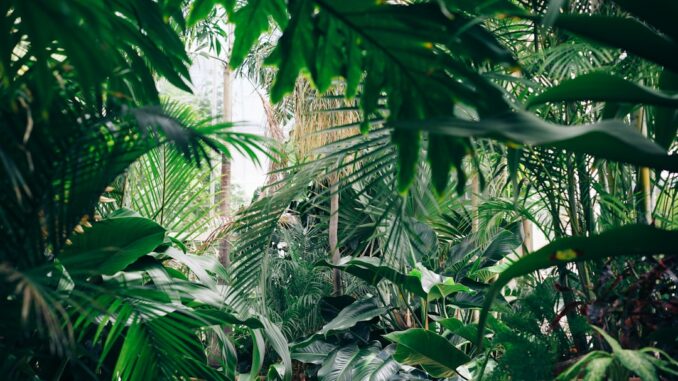

An orangery isn’t just an extension of your home; it’s a sanctuary where nature and architecture blend seamlessly. Choosing the right plants can elevate this space, creating a vibrant and inviting atmosphere. Let’s explore some top plant choices that thrive in orangeries.
Citrus Trees: A Classic Choice
Citrus trees, such as lemons, oranges, and limes, have long been associated with orangeries. Their glossy evergreen leaves and fragrant blossoms not only add visual appeal but also fill the air with a delightful scent. Dwarf varieties are particularly suitable for orangeries, offering the charm of full-sized trees without overwhelming the space. (nu-scene.com)
Tropical Touches: Palms and Exotics
To infuse a tropical vibe, consider adding palms like the Areca Palm (Dypsis lutescens) and Kentia Palm (Howea forsteriana). These plants thrive in bright, indirect light, making them perfect for orangeries. Their feathery fronds and graceful appearance can transform your space into a lush retreat. (nu-scene.com)
Boost your home’s value with a luxurious and stylish orangeryfrom Elegancia.homes.
Climbers and Vines: Vertical Interest
Incorporating climbing plants can add vertical interest and a touch of elegance. Bougainvillea, with its vibrant bracts, and Passiflora, known for its exotic flowers, are excellent choices. These climbers can be trained along trellises or allowed to cascade, creating a dynamic visual effect. (valegardenhouses.co.uk)
Succulents and Air Plants: Low-Maintenance Options
For those seeking low-maintenance greenery, succulents like Aloe Vera and Echeveria are ideal. These plants require minimal watering and can tolerate dry conditions, making them perfect for orangeries. Their unique shapes and colors add visual interest without demanding much care. (nu-scene.com)
Foliage Plants: Lush and Leafy
Foliage plants such as ferns, ivy, and spider plants can thrive in the humid environment of an orangery. Their lush green leaves add a sense of tranquility and freshness. Additionally, they can help purify the air, contributing to a healthier indoor environment. (nu-scene.com)
Flowering Plants: Seasonal Blooms
To add a splash of color, consider flowering plants like hibiscus and jasmine. These plants can bloom profusely, offering vibrant colors and pleasant fragrances. Their seasonal blooms can keep your orangery looking fresh and inviting throughout the year. (valegardenhouses.co.uk)
Herbs: Aromatic and Practical
Growing herbs like basil, mint, and rosemary in your orangery can be both practical and aromatic. They thrive in the sunny conditions of an orangery and can be harvested for culinary use. Their pleasant scents can also enhance the overall ambiance of the space.
Tips for Plant Care in Orangeries
-
Light: Most plants prefer bright, indirect light. Ensure your orangery provides ample sunlight, but be mindful of intense midday rays that can scorch leaves.
-
Temperature: Maintain a consistent temperature, avoiding sudden fluctuations. While many plants can tolerate a range of temperatures, sudden changes can stress them.
-
Watering: Overwatering is a common mistake. Allow the soil to dry out between waterings, and ensure pots have good drainage to prevent root rot.
-
Humidity: Some plants, especially tropical varieties, thrive in higher humidity. Consider using humidity trays or misting plants to maintain optimal conditions.
By thoughtfully selecting and caring for these plants, you can create an orangery that serves as a year-round haven, blending the beauty of nature with the comfort of home.
Given the fluctuating temperature considerations, how might automated climate control systems, integrating shading, ventilation, and irrigation, further optimize orangery environments for a wider variety of plant species?
That’s a fantastic point! Automated systems could really open up possibilities for more delicate species. Imagine precisely controlled shading and humidity – we could cultivate so many more varieties. Has anyone experimented with particular control systems they’d recommend for this?
Editor: ElegantHome.News
Thank you to our Sponsor Elegancia Homes
The mention of herbs is a great addition! Beyond their practical use, incorporating edible flowers like nasturtiums or pansies could add a unique visual and culinary element to the orangery environment.
Great point! Edible flowers like nasturtiums aren’t just beautiful; they bring a peppery kick to salads. Pansies, with their delicate flavor, are lovely crystallized or in desserts. I wonder what other unique culinary experiences could be cultivated in an orangery?
Editor: ElegantHome.News
Thank you to our Sponsor Elegancia Homes
Succulents ARE ideal – especially for those of us who sometimes forget watering day! But what about carnivorous plants? Pitcher plants would add a certain… je ne sais quoi… and solve any pesky fly problems at the same time!
That’s such a fun and interesting idea! Carnivorous plants would definitely add a unique touch to the orangery. Beyond pitcher plants, sundews or Venus flytraps could create a fascinating focal point and contribute to natural pest control. Thanks for the innovative suggestion!
Editor: ElegantHome.News
Thank you to our Sponsor Elegancia Homes
The point about herbs is particularly appealing. Could companion planting be incorporated within the orangery environment, perhaps using basil to deter pests from other more delicate plants?
That’s a great idea! Companion planting would be fantastic. Beyond basil, marigolds are also known for their pest-deterrent qualities and could add a lovely pop of color. What other companion plant pairings do you think would thrive in an orangery?
Editor: ElegantHome.News
Thank you to our Sponsor Elegancia Homes
Citrus trees *and* tropical palms? Sounds dreamy! But if we’re aiming for maximum sanctuary vibes, shouldn’t we consider the soundscape too? Anyone tried adding a small water feature to their orangery to amplify the relaxation?
Great point about the soundscape! A water feature would definitely amplify the relaxation. Beyond the gentle sounds, the added humidity would also benefit many of the plants we’ve discussed. Has anyone found that certain water features work better than others in an orangery setting?
Editor: ElegantHome.News
Thank you to our Sponsor Elegancia Homes
Succulents are great, but let’s be honest, who *doesn’t* forget watering day sometimes? Maybe we should just embrace it and fill the whole place with cacti. Instant desert chic, and practically zero maintenance!
Haha, love the “desert chic” vision! Cacti are definitely masters of low-maintenance living. Thinking about it, a collection of sculptural cacti would make a striking statement in an orangery, especially with the contrast of the architecture. What varieties do you think would look best?
Editor: ElegantHome.News
Thank you to our Sponsor Elegancia Homes
Regarding palms and exotics, how might incorporating strategically placed mirrors enhance the sense of depth and perceived abundance of foliage within the orangery setting?
That’s a brilliant point about using mirrors! It’s amazing how strategically placed reflections can transform a space. I wonder if anyone has experimented with different mirror finishes – perhaps antique or tinted mirrors could add even more character and warmth alongside the palms and exotics.
Editor: ElegantHome.News
Thank you to our Sponsor Elegancia Homes
The suggestion of climbers and vines to add vertical interest is inspiring. Could espalier techniques be used to train fruit trees or other ornamentals against the walls, further maximizing space and adding a unique design element to the orangery?
That’s a wonderful idea! Espalier techniques would not only maximize space but also create a stunning living art piece. Imagine the interplay of form and foliage – definitely something to consider for a bespoke orangery design. What other design elements can be used to create a unique design element for the orangery?
Editor: ElegantHome.News
Thank you to our Sponsor Elegancia Homes
The idea of herbs is a lovely touch. Mint and rosemary are great, but have you considered more unusual choices? Saffron crocus, for example, could provide both beauty and a valuable spice.
That’s such an interesting suggestion! Saffron crocus would be a showstopper. Thinking beyond that, what about galangal or cardamom? They could add unique flavors to cooking and have a lovely aroma too!
Editor: ElegantHome.News
Thank you to our Sponsor Elegancia Homes
Regarding citrus trees, what considerations should be made for the specific microclimate within an orangery to ensure optimal fruit production and prevent common citrus diseases?
That’s an excellent question! The microclimate is key. Focusing on air circulation to prevent fungal diseases is crucial. Also consider the varying light intensities within the orangery to optimize placement for different citrus varieties. Have you experimented with specific ventilation strategies for this?
Editor: ElegantHome.News
Thank you to our Sponsor Elegancia Homes
Succulents sound easy enough, but what about carnivorous plants IN the succulent pots? Would a tiny Venus flytrap solve those pesky fruit fly problems around the citrus? Asking for a friend… who may be slightly botanically bloodthirsty.