
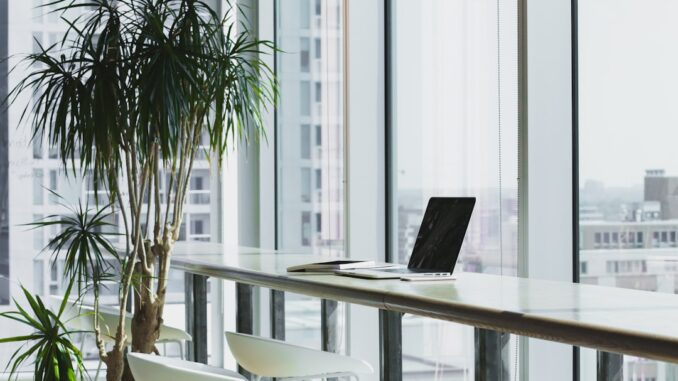

From Conservatory to Command Center: Crafting Your Ultimate Home Office Sanctuary
It’s no secret, isn’t it? The way we work has undergone a seismic shift, especially over the last few years. Remote and hybrid models are now firmly embedded in our professional landscapes, transforming not just corporate policies but also our homes. More and more, we’re looking at our living spaces not just as places to unwind, but as zones that need to accommodate serious professional endeavor. And right at the top of the list for many, particularly those with a bit of extra square footage, is the inspiring idea of transforming an orangery or conservatory into a vibrant, highly productive home office. It’s an opportunity to blend the best of both worlds: nature’s embrace and dedicated workspace.
Think about it for a moment. Instead of a cramped spare room or a kitchen table vying for attention with breakfast crumbs, imagine a light-filled haven. A place where the gentle rustle of leaves outside replaces the drone of a refrigerator, and natural light bathes your workspace. It’s not just a dream; it’s entirely achievable, and I’m going to walk you through exactly how to make it happen, step by insightful step. We’ll explore everything from harnessing the sun’s power to ensuring year-round comfort, making sure your new office isn’t just functional, but genuinely inspiring.
Transform your home into a masterpiece with an expertly designed orangery by Elegancia.homes.
The Cornerstone of Productivity: Harnessing Natural Light
When we talk about ideal workspaces, natural light consistently comes up as a non-negotiable, doesn’t it? And for good reason. It’s a powerful, often underestimated, tool in our productivity arsenal. Natural light isn’t just about ‘seeing better’; it profoundly impacts our mood, our energy levels, and our ability to focus. This makes an orangery or conservatory, with its generous glazing, an absolutely prime candidate for a home office. You’re already halfway there, basking in nature’s glow before you’ve even moved a single piece of furniture.
Placing your desk strategically is key here. Get it as close to a window as makes sense, but not so close that you’re constantly battling glare. Maximizing direct access to sunlight throughout the day can significantly reduce eye strain, which many of us battle staring at screens, and cultivates a far more positive, upbeat work atmosphere. I’ve found that simply having a view of the garden, even on a rainy day, makes a huge difference to my mental well-being when I’m deep in project work. It gives your eyes somewhere to rest, somewhere to wander momentarily, without completely pulling you away from your task.
But relying solely on the sun, as glorious as it is, can present its own challenges. What about those blistering summer afternoons when the sun is relentlessly beaming down? Or the dreary winter mornings that still demand proper illumination? This is where intelligent planning comes in.
Beyond Brightness: Understanding Light Quality
It’s not just about ‘light’ but the quality of that light. Our bodies operate on circadian rhythms, influenced heavily by natural light cycles. Exposure to bright, natural light in the morning helps us wake up, feel more alert, and sets a positive tone for the day. Conversely, too much artificial blue light late in the day can disrupt sleep. An orangery or conservatory naturally aligns with these rhythms, giving you that vital connection to the outside world, to the passing of the day from dawn to dusk.
However, direct, unfiltered sunlight can also be a double-edged sword. It can cause harsh glare on your computer screen, making it difficult to read and causing fatigue. Furthermore, intense UV rays can prematurely age your furniture and even affect electronics over time. So, while we want to embrace the light, we also need to tame it, shaping it to serve our productivity, not hinder it.
Strategic Lighting Solutions for Every Hour
To manage this dynamic natural light, adjustable blinds or shades are an absolute must-have. Think roller blinds for minimalist appeal, Venetian blinds for precise light control, or even vertical blinds for larger glass expanses. Smart blinds, connected to your home automation, are even better, allowing you to schedule their opening and closing, or control them with a simple voice command or app. They’re a game-changer for managing brightness during those peak sun hours, preventing your office from turning into a greenhouse or a blinding glare-trap.
Complementing your natural light setup with thoughtful artificial lighting is equally crucial. A good quality desk lamp, for instance, isn’t just for late-night work. It provides crucial task lighting, reducing shadows and ensuring balanced illumination even during the day, especially if you’re working on intricate details or physical documents. Look for lamps with adjustable brightness and color temperature controls. Warm white (around 2700K-3000K) is great for comfort and relaxation, while a cooler white (4000K-5000K) can help with focus and alertness, mimicking natural daylight. You might also consider some ambient lighting, perhaps a stylish floor lamp in a corner, to soften the overall light and prevent harsh contrasts when the sun sets. These layers of light really make the space feel adaptable and welcoming, whatever the time of day.
Crafting Your Command Center: Ergonomics and Comfort
Here’s where many of us often cut corners, and it’s a decision we usually regret. Since you’re likely to be spending a good chunk of your waking hours in this space, prioritizing comfort and ergonomics isn’t a luxury; it’s an investment in your health and sustained productivity. A poorly set up workstation can lead to aches, pains, and ultimately, a significant drop in focus. Trust me, I once spent six months working from a kitchen stool, and my chiropractor became my new best friend! You definitely don’t want to go down that road.
The Science of Sitting (and Standing)
Start with the chair. This isn’t just a seat; it’s the foundation of your ergonomic setup. Invest in an ergonomic chair that truly supports good posture. What should you look for? Adjustable lumbar support is paramount, hugging the natural curve of your lower back. Armrests that adjust in height and pivot can help prevent shoulder and neck strain, allowing your arms to rest comfortably at a 90-degree angle to your desk. Seat depth adjustment means you can ensure there’s a two-finger gap between the edge of the seat and the back of your knees, preventing circulation issues. And of course, a good quality chair will have height adjustment, allowing your feet to be flat on the floor or a footrest, with your hips slightly higher than your knees. It sounds like a lot, but these details truly matter.
Next, the desk. Choose one that fits the space without overwhelming it, considering both its footprint and its visual weight. For smaller orangeries or conservatories, a compact or even foldable desk could be a genius solution, allowing you to reclaim the space for other uses when work is done. If your budget allows, a height-adjustable standing desk is a game-changer. Switching between sitting and standing throughout the day can boost circulation, reduce back pain, and even improve mental clarity. My current desk allows me to do this, and honestly, a quick 30-minute stand-up session in the afternoon often pulls me out of that post-lunch slump quicker than a cup of coffee.
Then there are the peripherals. Your monitor should be at arm’s length, with the top of the screen at or slightly below eye level. Use a monitor arm if needed. A separate keyboard and mouse are far more ergonomic than a laptop’s built-in options. Consider a mechanical keyboard or an ergonomic mouse designed to reduce wrist strain. These little details accumulate, creating a comfortable environment where you can work for extended periods without discomfort.
Decluttering the Digital and Physical Workspace
Now, let’s talk about the visual noise that can accumulate around our desks: cables. They’re a necessary evil, aren’t they? But they don’t have to be a tangled mess. Cable management is crucial for a clean, professional, and distraction-free setup. Think cord clips, cable ties, spiral wraps, or even a small power strip tucked neatly into a cable management box. Grommets in your desk allow cables to drop down discretely. Under-desk cable trays are brilliant for keeping everything out of sight. A tidy workspace often translates to a tidy mind, which is invaluable when you’re trying to concentrate on complex tasks.
A Breath of Fresh Air: Integrating Biophilia and Greenery
One of the absolute joys, the real selling points if you ask me, of working in an orangery or conservatory is that profound, immediate connection to nature. You’re almost in it, aren’t you? And you’d be missing a trick if you didn’t lean into that. Integrating indoor plants isn’t just about making the space look pretty, it’s about harnessing the power of biophilic design – that innate human tendency to connect with nature. It’s a scientific fact that plants can reduce stress, improve air quality, and even boost cognitive function. Who couldn’t use a little more of that during their workday?
Choosing Your Green Companions
Adding a few well-chosen indoor plants can instantly bring life, texture, and a splash of vibrant color into your office. Peace lilies are fantastic for air purification and thrive in indirect light, making them perfect for corners. Succulents are wonderfully low-maintenance, ideal for busy professionals who might occasionally forget to water, and add a minimalist, sculptural touch. For a bolder statement, consider a small potted tree like a Fiddle Leaf Fig (if you’re brave enough to tackle its diva tendencies) or a Rubber Plant, which offers lush, dark green foliage. Even a small herb garden on your windowsill, like rosemary or mint, can provide lovely aromas and a fresh snipping for your tea or lunch.
When selecting plants, think about the light conditions in your orangery or conservatory. Some areas might get intense direct sun, while others might be shadier. Choose plants that will thrive in their specific spots. You’ll likely find that many sun-loving varieties, like cacti or certain palms, absolutely flourish here. But be mindful of sudden temperature fluctuations, too; most tropical plants won’t appreciate a frosty night if your glazing isn’t top-notch.
Cultivating Calm: The Biophilic Advantage
Beyond the aesthetic, plants work wonders for our well-being. They absorb carbon dioxide and release oxygen, improving the air quality in your enclosed space. Some, like the snake plant or spider plant, are particularly adept at filtering out common indoor toxins. The act of caring for a plant, even if it’s just a quick water or a wipe of dusty leaves, can provide a mindful break during your workday, a micro-reset that helps clear your head. There’s something undeniably calming about being surrounded by living things, a gentle reminder of the world outside the screen. It just makes the whole atmosphere feel more inviting, less sterile, and altogether more conducive to focused, yet relaxed, work.
Mastering the Elements: Year-Round Comfort and Protection
Now, let’s get down to the brass tacks of comfort, because let’s face it, an orangery or conservatory can be notoriously temperamental when it comes to temperature. You’re dealing with a large expanse of glass, which can lead to rapid heating in summer and chilling in winter. Ensuring year-round comfort is absolutely critical if this space is going to be a productive home office, not just a seasonal hotbox or ice cube. You don’t want to be constantly battling the elements, trying to type with numb fingers or a sweaty brow. That’s just a recipe for distraction and inefficiency.
Taming the Thermals: Heating and Cooling Strategies
The foundation for year-round comfort begins with excellent insulation. Modern orangeries and conservatories are far more advanced than their predecessors, often incorporating high-performance glazing and insulated frames. If you’re building new, prioritize low-emissivity (low-E) glass, which reflects heat in summer and retains it in winter. For existing structures, consider upgrading your glazing or adding internal insulation to solid sections of the roof or walls. This upfront investment will pay dividends in energy savings and comfort.
For heating, you’ve got several excellent options. Underfloor heating provides a wonderfully even warmth and frees up wall space, though it’s best installed during construction. Modern, energy-efficient radiators designed for conservatories can work well, or you might consider infrared panel heaters, which heat objects and people directly rather than the air, making them very efficient in these often draughty spaces. Air conditioning units, particularly modern split systems or air-source heat pumps, are fantastic as they provide both heating and cooling from a single unit, offering ultimate flexibility. A good quality ceiling fan can also make a huge difference in circulating air and providing a cooling breeze during warmer months, which is often overlooked but surprisingly effective. Remember, a comfortable ambient temperature is key to staying focused and avoiding lethargy.
Ventilation is another crucial piece of the puzzle. Stale air can quickly lead to drowsiness. Make sure you have options for cross-ventilation, whether it’s opening windows on opposing sides or installing automatic roof vents that can detect temperature changes and open themselves. Some smart systems even integrate with weather forecasts, ensuring they close before a downpour. A little airflow makes a world of difference to comfort and air quality.
Shielding Your Sanctuary: Sun Protection for Longevity
Beyond temperature regulation, direct sunlight can be surprisingly damaging. Those powerful UV rays don’t just feel hot; they can relentlessly fade and degrade your valuable office furniture, upholstery, and even electronic equipment over time. A solar control glass roof is arguably one of the most effective solutions, specifically engineered to reduce the amount of solar radiation that enters the conservatory, thereby helping to regulate internal temperatures throughout the year. It also acts as a built-in filter, preventing those intense UV rays from wreaking havoc on your belongings, keeping your desk, chair, and any decorative items looking newer for longer.
For existing structures or as an additional layer of protection, blinds and curtains remain excellent choices. Thermal blinds can offer an extra insulating layer in winter and reflect heat in summer. Blackout blinds are fantastic for eliminating glare and providing privacy, while sheer blinds or curtains can diffuse harsh light, offering a softer, more ambient glow without sacrificing all the natural light. You might even consider applying a specialized UV protection film to your existing glass panels. It’s a less invasive option than replacing entire panes and can still offer significant benefits in terms of UV filtration and temperature moderation. Think of it as sunscreen for your office, protecting your investment and ensuring your workspace remains a pleasant environment for years to come.
Embracing Flexibility: The Multi-Purpose Conservatory Office
For many of us, our homes aren’t sprawling mansions; space is a precious commodity. That’s why the idea of a single-purpose office, particularly in a potentially larger space like an orangery or conservatory, might feel a bit extravagant or simply impractical. But fear not! You absolutely don’t have to sacrifice the versatility of this beautiful room. In fact, one of the most brilliant aspects of using an orangery or conservatory as a home office is its inherent adaptability. The trick is to maintain a multi-purpose mindset from the get-go, designing for duality. You can, with a bit of clever planning, have your productive workspace during the week and transform it into a delightful dining area, a cozy reading nook, or an entertainment hub for the weekends. It’s all about smart choices and a dash of discipline.
Designing for Duality: Smart Furniture Choices
The cornerstone of a multi-purpose space is adaptable furniture. Think beyond the traditional bulky office desk. How about a beautiful dining table that doubles as your primary workspace? During the day, it’s a spacious area for your laptop, monitor, and documents. Come evening, with a quick tidy-up, it’s ready for family dinner or hosting friends. This kind of flexibility is not only practical but also aesthetically pleasing, maintaining the room’s original charm. Similarly, modular desks, fold-away tables, or even a sleek console table that expands can offer a fantastic work surface without permanently dominating the room.
Storage is your secret weapon here. Rather than heavy, fixed cabinets, opt for mobile solutions. Rolling carts, ottoman storage, or beautiful wicker baskets can hold office supplies, files, or even peripherals, and then be easily tucked away or repurposed. Floating shelves are brilliant because they keep items off the floor, visually expanding the space while providing accessible storage. The key is to make things easy to put away when they’re not needed. It’s less about having less stuff, and more about having smart places for that stuff.
Another approach is the ‘zone’ concept. Even in a relatively open space, you can subtly define different functional areas. A rug under your ‘desk’ area might visually separate it from a more relaxed seating arrangement in another part of the room. A tall plant or a screen can also act as a soft divider, providing a psychological shift between work and leisure activities without building physical walls. This helps manage the mental transition, too, which brings me to my next point.
The Art of the Daily Transition
For a multi-purpose space to truly work, you need to cultivate a routine of transition. At the end of your workday, make it a habit to clear away your equipment. Put your laptop in its bag, slide your keyboard into a drawer, perhaps even roll your desk chair into a corner. It’s a small ritual, but a powerful one. It signals to your brain that the workday is officially over, allowing you to fully ‘switch off’ and enjoy the conservatory for its other intended uses. I’ve found that if I leave my work stuff out, even if I’m not actively working, my brain remains in ‘work mode,’ and I can’t properly relax. Clearing the decks literally and figuratively helps create that crucial separation between professional duties and personal downtime.
This deliberate act of tidying doesn’t just benefit your mental state; it physically transforms the space. Your home office seamlessly reverts to a sun-drenched lounge, a vibrant dining room, or a serene reading nook, ready for whatever the evening or weekend holds. This balance isn’t just about productivity; it’s about fostering genuine enjoyment in your living environment, making your conservatory truly work for you, all week long.
The Finishing Touches: Personalization and Practicalities
We’ve covered the big stuff, the core functionality and comfort, but it’s often the small, thoughtful details that truly elevate a space from merely functional to genuinely inspiring. Your home office in an orangery or conservatory is an extension of your professional self, yes, but it’s also deeply personal. Injecting personality and addressing those subtle practicalities can make all the difference in creating a space you genuinely love spending time in.
Muffling the Muddle: Acoustic Considerations
One often-overlooked aspect of these glass-heavy structures is acoustics. All those hard surfaces – glass, tiled floors, brickwork – can mean sound bounces around a lot, creating echoes or making phone calls challenging, especially if you’re surrounded by family members or outdoor noise. Consider adding elements that absorb sound. Soft furnishings are your friend here: a thick rug can dramatically reduce echo, as can upholstered chairs or an acoustic panel subtly integrated into the design. Even a collection of plants, especially those with larger leaves, can help dampen sound. Curtains or blinds, beyond their light-control function, also contribute significantly to sound absorption. These small additions can make the space feel much calmer and more professional, allowing you to concentrate without constant auditory distractions.
Infusing Your Persona: Décor and Details
Now for the fun part: making it yours! Don’t shy away from incorporating decorative elements that bring you joy and reflect your style. A piece of art on a solid wall, perhaps a framed print that resonates with you, can add character. Think about the color palette; calm, muted tones often work well in light-filled spaces, but a pop of a vibrant accent color through cushions or accessories can add energy. Personal touches, like framed photos of loved ones, a meaningful trinket from a trip, or a beautiful ceramic mug for your coffee, prevent the space from feeling generic. These are the elements that remind you why you work hard, making the office a place that nourishes your spirit as well as your ambition.
Powering Your Productivity: Tech Integration
Finally, don’t forget the practicalities of modern tech. Ensure you have ample power outlets where you need them, perhaps even considering a discreet floor outlet if your desk is central. Good Wi-Fi signal strength is non-negotiable; if your orangery is at the far end of your house, you might need a Wi-Fi extender or mesh system to ensure a seamless connection for those video calls and urgent downloads. Think about smart home integration too; controlling your lighting, blinds, or even heating with a simple voice command or through an app can add a layer of effortless convenience that enhances your workflow. After all, what’s a modern office without a bit of tech wizardry?
Conclusion
Transforming your orangery or conservatory into a dedicated home office is more than just a logistical solution for remote work; it’s an opportunity to craft a workspace that is uniquely yours, a sanctuary of focus and inspiration. By thoughtfully considering factors like natural light, ergonomic comfort, biophilic design, year-round climate control, and smart multi-purpose functionality, you’re not just creating an office; you’re building an environment where productivity flourishes and well-being is prioritized.
It takes a bit of planning, sure, but the payoff is immense. Imagine starting each day bathed in natural light, surrounded by greenery, with everything you need right at your fingertips. It’s a space that supports your professional goals while simultaneously enriching your home life. So, go on, take that leap. Reimagine that glass room. Turn it into the ultimate command center, a place where you don’t just work, but where you truly thrive. You’ll wonder why you didn’t do it sooner.
Be the first to comment