

Smart Moves: Boosting Your Home’s Value Without Breaking the Bank
Let’s be real, we all want our homes to be worth more. Whether you’re planning to sell in a year or just thinking about future equity, understanding how to increase your property’s value is a savvy move. And you know what? It doesn’t always demand a bottomless budget or a full-scale HGTV renovation. Nope, sometimes the smartest plays are the strategic ones, focusing on improvements that genuinely resonate with potential buyers and offer a solid return on your investment.
Think about it: Every dollar you pour into your home should ideally come back to you, perhaps even with a little interest, when it’s time to sell. This guide isn’t about gutting your entire living space; it’s about smart, actionable steps that enhance both the appeal and functionality of your property. We’re talking about focused upgrades, the kind that make a real difference, without necessarily turning your life upside down. Because, let’s face it, nobody wants to invest in a project only to realize they’ve just spent a fortune for zero financial gain. Here are ten highly effective ways to seriously boost your home’s value, backed by real-world ROI potential, and all with a thoughtful approach.
Increase the value of your property
1. Minor Kitchen Remodel: The Heart of the Home’s Value
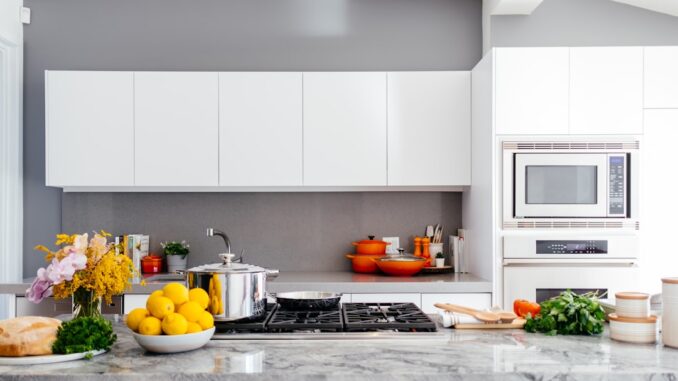
The kitchen, it’s pretty much the undisputed monarch of the home, isn’t it? It’s where memories are made, meals are shared, and honestly, it’s often the very first room a buyer truly scrutinizes. A full-blown kitchen overhaul can be astronomically expensive, easily running into tens of thousands, but a minor remodel? Ah, now we’re talking smart money. You can breathe fresh life into this crucial space without needing to knock down walls or remortgage the house.
So, what does a ‘minor’ kitchen remodel actually involve? We’re focusing on cosmetic, impactful changes. Think about refacing those tired old cabinets instead of replacing them entirely. This involves keeping the existing cabinet boxes and simply updating the doors, drawer fronts, and hardware. It’s a huge cost saver, and the visual transformation is astonishing. Next up, new countertops. Laminate options have come a long way, looking incredibly chic and modern for a fraction of the cost of granite or quartz, though a mid-range quartz can also offer fantastic bang for your buck. Swapping out the faucet for a sleek, contemporary model and installing an attractive, simple backsplash – subway tile remains a timeless winner, by the way – can truly elevate the whole room. Don’t forget a fresh coat of paint in a neutral, appealing tone, too; it works wonders. These sorts of updates aren’t just about aesthetics, they signal to a buyer that the home is well-maintained and ready for modern living, delivering an average return on investment (ROI) of around 70%. My friend, Sarah, she did this exact thing last year before selling. Her kitchen felt so much brighter and more current; a buyer walked in, loved it, and made an offer within hours. It was genuinely a game-changer.
2. Garage Door Replacement: Curb Appeal Powerhouse
If you want to talk about maximum impact for relatively minimal effort, the garage door replacement often tops the list. You might not think much about your garage door until it starts looking a bit tired, dented, or just plain old. But consider this: for many homes, the garage door constitutes a significant portion of the front facade. It’s a massive visual element, and updating it dramatically impacts your home’s curb appeal, that all-important first impression that sets the tone for potential buyers.
Beyond just looks, a new garage door offers practical benefits, too. Modern doors come with much better insulation, which can mean real savings on your energy bills, especially if your garage is attached to your home. They also offer improved security features. When choosing a new door, think about the style of your home. A sleek, modern steel door works wonders on a contemporary property, while a carriage-house style might better suit a more traditional home. Colors matter too; often, matching it to your trim or a subtle contrasting shade can tie the whole exterior together beautifully. This isn’t just a simple swap; it’s an aesthetic and functional upgrade that screams ‘well-cared-for home’ from the street. The ROI for this particular project is, frankly, astounding, averaging around 94.5%. That’s right, almost every dollar you spend here, you’re likely to get back. I once saw a house that sat on the market for weeks, neglected. The owner finally replaced the ancient, dented garage door with a sharp, insulated one, and honestly, the house sold within days. It was a complete transformation.
3. Deck Addition: Expanding Your Living Space Outdoors
In our increasingly busy lives, the desire for comfortable, functional outdoor living spaces has never been stronger. Adding a deck or patio isn’t just about having a nice spot for your BBQ; it effectively extends your home’s usable living area, offering a seamless transition from indoors to out. This extra ‘room’ becomes a fantastic selling point, a place where families can gather, entertain guests, or simply relax on a sunny afternoon.
When you’re planning a deck, several factors come into play. Size and shape are obviously important, ensuring it complements your home’s scale and design, not overwhelms it. Materials, however, are where you’ll see significant differences in both upfront cost and long-term maintenance. Pressure-treated lumber is a classic, budget-friendly choice, but it does require regular sealing and staining. Composite decking, on the other hand, while a higher initial investment, offers fantastic durability and minimal maintenance – a huge draw for busy homeowners and potential buyers alike. Don’t forget the details: stylish railings, built-in seating, and even integrated lighting can elevate a simple deck into a true outdoor oasis. A well-designed deck, thoughtfully integrated into your home’s landscape, truly adds perceived value, and according to Remodeling Magazine’s Cost vs. Value report, a deck addition can provide an ROI of about 70%. Think of it as adding a whole new dimension to your property’s appeal, especially for those who love to host or just enjoy the fresh air. I recall a client who had a small dining area, and adding a simple deck off the kitchen made the entire space feel expansive, providing a new entertaining zone that buyers absolutely loved.
4. Roof Replacement: The Unsung Hero of Home Value
Alright, let’s talk about something that isn’t exactly glamorous, but is absolutely critical: your roof. While replacing your roof might not give you the immediate ‘wow’ factor of a new kitchen, it’s perhaps one of the most fundamental investments you can make to protect and preserve your home’s value. Think about it, the roof is your home’s primary shield against the elements – rain, snow, sun, wind. A failing or visibly old roof isn’t just an eyesore; it’s a giant red flag for potential buyers, suggesting deferred maintenance and potentially costly problems lurking beneath the surface.
When considering a roof replacement, you’ll generally look at asphalt shingles as the most common and cost-effective option, but metal, tile, or slate roofs offer enhanced durability and aesthetics for those with a larger budget. Crucially, a full ‘tear-off’ (removing the old roof completely) is almost always preferable to simply ‘overlaying’ new shingles over existing ones, as it allows for proper inspection of the roof deck and ensures a longer-lasting job. Beyond just the shingles, proper underlayment, flashing, and ventilation are paramount for preventing leaks and extending the roof’s lifespan. This isn’t just about curb appeal; it’s about structural integrity and peace of mind. While the average ROI might hover around 60%, it’s less about a direct ‘boost’ and more about preventing a significant loss of value. A house with a good, solid roof is perceived as a sound investment, whereas one with a leaky, aging roof becomes a liability that buyers will factor heavily into their offers – or simply walk away from. My parents once bought a house and didn’t realize the roof was on its last legs until the first heavy rain. It was a huge, unexpected expense right after moving in, a lesson I certainly learned from. Good roofs sell, bad ones scare people away.
5. Entry Door Replacement: Your Home’s First Handshake
Just like the garage door, your front entry door plays an enormous role in establishing that critical first impression. It’s the literal gateway to your home, a silent greeter that sets the tone for what lies within. A new, stylish entry door isn’t merely about aesthetics, however. It’s a trifecta of benefits: enhanced curb appeal, improved security, and better energy efficiency.
Think about the impact a tired, faded, or even slightly damaged front door has. It makes the entire entryway feel unwelcoming. Conversely, a gleaming, well-chosen door immediately conveys a sense of warmth, quality, and care. When selecting a new door, you’ve got a few main material options. Steel doors are incredibly secure and offer excellent insulation. Fiberglass doors are wonderfully low-maintenance, can be stained to mimic real wood, and are also energy-efficient. Traditional wood doors provide classic beauty, though they do require a bit more upkeep. Consider features like decorative glass inserts (if privacy isn’t a major concern) or attractive sidelights to truly elevate the entrance. Don’t forget about the hardware – a new, high-quality handle set can make an immense difference to the overall look and feel. This simple upgrade speaks volumes about the home’s condition and the owner’s attention to detail. Plus, it’s tangible security and can actually shave a bit off those heating and cooling bills. Averaging around 70% ROI, it’s a solid investment that literally opens the door to higher value. You know, I once walked into a house where the inside wasn’t even that spectacular, but a gorgeous, solid wood door, freshly painted, made me think ‘quality’ from the very start.
6. Attic Insulation: The Invisible ROI Champion
Now, this particular improvement might not be as visually exciting as a new kitchen backsplash or a shiny new front door, but let me tell you, attic insulation is an absolute powerhouse when it comes to ROI. It’s the unsung hero, the quiet achiever that works tirelessly behind the scenes to keep your home comfortable and your energy bills in check. And for buyers? Lower utility costs are a massive, tangible benefit that really gets their attention, even if they can’t see the insulation itself.
If your home is older, there’s a good chance its attic insulation is either inadequate or completely outdated. Upgrading it can make a dramatic difference. Essentially, you’re creating a much better thermal barrier between your living space and the uncontrolled temperatures of your attic. This means less heat escaping in the winter and less heat penetrating in the summer. We’re talking about real, measurable savings on heating and cooling costs year-round. Options typically include blown-in cellulose or fiberglass batts, and it’s not just about adding more material; it’s also crucial to ensure proper air sealing before insulating. Sealing up gaps and cracks prevents conditioned air from leaking out and unconditioned air from sneaking in. This combination of air sealing and increased R-value (the measure of thermal resistance) makes a huge impact. What’s truly incredible is the return on investment here: attic insulation averages over 100% ROI. Yes, you read that right. It often pays for itself, and then some, through energy savings over time, plus the added appeal it brings to a buyer looking for an energy-efficient home. My uncle lived in an old house where his heating bill in winter was astronomical. When he finally bit the bullet and upgraded his attic insulation, he literally cut his heating costs in half. That’s a huge, concrete selling point that speaks volumes to a smart buyer.
7. Minor Bathroom Remodel: Refreshing Your Personal Oasis
Just like kitchens, bathrooms hold significant sway over a buyer’s perception of a home. They’re intensely personal spaces, and nobody wants a bathroom that feels grimy, dated, or neglected. The good news? You don’t need to embark on an expensive, weeks-long, full-scale gut job to make a huge positive impact. A minor bathroom remodel focuses on smart, cosmetic upgrades that deliver a fresh, clean, and appealing look without the hefty price tag.
So, what’s on the menu for a minor bathroom refresh? Start with a fresh coat of paint in a light, neutral color – it instantly brightens and modernizes the space. Next, consider replacing an old, chipped, or stained vanity with a new one that offers clean lines and good storage. Pair it with a new, updated faucet and a stylish mirror, perhaps a frameless one for a contemporary feel, or one with an interesting frame if it suits the home’s aesthetic. Improving the lighting is also key; bright, clear light makes a bathroom feel much more inviting and functional. If your tiles are in decent shape but the grout is discolored, a professional grout cleaning or even re-grouting can make old tiles look brand new. And, of course, a new toilet is always a smart, hygienic upgrade. The trick here is to avoid moving plumbing or changing the layout, which quickly escalates costs. Focus on surfaces and fixtures. These sorts of updates convey cleanliness, modernity, and attention to detail. While the average ROI is around 60%, it’s a critical investment to prevent your home from feeling dated and for appealing to that crucial ‘move-in ready’ buyer. I remember seeing a fixer-upper once where the kitchen was surprisingly decent but the main bathroom felt like stepping back into the 1970s. A simple paint job, new vanity, and some modern hardware would have completely transformed it, and probably sold the house much faster.
8. Stone Veneer: A Touch of Exterior Sophistication
Want to give your home a sophisticated facelift that truly makes it stand out from the crowd? Adding stone veneer to your home’s exterior can do just that. It’s a strategic upgrade that introduces texture, character, and a definite touch of luxury, significantly enhancing curb appeal and the perceived value of your property. Think of it as adding a bespoke suit jacket to your home’s facade.
This isn’t about covering your entire house in stone, which would be prohibitively expensive and often visually overwhelming. Instead, the magic lies in strategic, partial application. Imagine a beautiful stone veneer accenting the base of your home, framing the entryway, or adorning your front porch pillars. Even a modest application can dramatically elevate the home’s aesthetic. You typically have two main choices: manufactured stone veneer, which is lighter, often more cost-effective, and comes in a vast array of colors and styles, or natural stone veneer, which offers unparalleled authenticity and durability at a higher price point. Whichever you choose, ensure the color and style complement your existing exterior materials – you want harmony, not a clash. This project provides a substantial visual upgrade that makes a home feel more substantial, more ‘custom,’ and decidedly more upscale. With an average ROI of around 90%, it’s one of those projects that truly transforms the exterior without requiring a massive structural overhaul. My neighbor added just a touch of manufactured stone veneer around the base of their porch pillars, and honestly, it changed the whole feel of the house from ‘nice’ to ‘wow’. It really made an impression.
9. Siding Replacement: A Full Exterior Refresh
If your home’s exterior is looking tired, faded, or even damaged, a full siding replacement can be an absolute game-changer. This isn’t just about making your house look prettier (though it certainly does that!); it’s about robust protection against the elements, improved energy efficiency, and a complete aesthetic overhaul that significantly boosts your home’s curb appeal and longevity.
Think of old, cracking siding. It doesn’t just look bad; it can let moisture penetrate, leading to bigger, more expensive problems down the line. New siding, on the other hand, acts as a fresh, durable skin for your home. You’ll find a range of materials, each with its own pros and cons. Vinyl siding is incredibly popular for its low maintenance and affordability. Fiber cement siding, like James Hardie, offers superior durability, fire resistance, and can be painted any color you like, providing a more premium look. Wood siding offers classic charm but requires more regular maintenance. Beyond the material itself, a siding replacement often includes adding a house wrap and insulation board underneath, further enhancing your home’s thermal performance and contributing to lower utility bills. Choosing a modern color and style that complements your home’s architecture and the neighborhood’s aesthetic can dramatically update its overall appearance. This is a substantial investment, similar in scale to a roof replacement, but its impact on both functionality and visual appeal is immense. Averaging around 75% ROI, it’s a project that reassures buyers about the home’s structural integrity and provides a visually stunning update. I once helped a client whose siding was faded and cracked, truly an eyesore. After replacing it with modern, low-maintenance fiber cement, the house looked like it had been lifted straight from a magazine. It was a complete transformation, inside and out.
10. Window Replacement: Clear Views, Clear Savings
Old, drafty windows are more than just an aesthetic issue; they’re a constant drain on your energy bills, a source of uncomfortable drafts, and a significant contributor to outside noise pollution. Replacing those outdated windows with new, energy-efficient models is one of those practical upgrades that offers a multitude of benefits, immediately enhancing comfort, reducing costs, and significantly adding value to your home.
Modern windows are engineered marvels compared to their predecessors. They typically feature double or even triple panes of glass, often with inert gas fills (like argon) between the panes and low-emissivity (Low-E) coatings. All these technologies work together to create a superior thermal barrier, keeping heat in during the winter and out during the summer. The result? A more comfortable home environment and noticeable savings on your heating and cooling costs. Beyond efficiency, new windows also dramatically improve sound insulation, creating a quieter, more peaceful interior. Aesthetically, new windows can instantly update a home’s exterior and interior, offering clean lines and clearer views. You can choose from materials like vinyl (durable, low maintenance), wood (classic, excellent insulation), or fiberglass (strong, stable, paintable), and a variety of styles to match your home’s design. While it’s a larger investment, especially if you’re replacing all the windows in your home, the benefits are long-lasting and highly appealing to buyers. Averaging around 70% ROI, it’s an investment that pays dividends in both comfort and resale value. Living in an older home myself, I truly know the difference new windows make. My drafty old sashes used to let in so much cold air. After replacing them, the house felt instantly warmer, and the street noise practically vanished. It wasn’t just about the savings, it was about living comfortably, and that’s a huge selling point.
The Smart Investor’s Approach
So there you have it, ten incredibly effective ways to boost your home’s value without necessarily diving into a full-scale renovation. Each of these projects offers a strong return on investment, making them smart choices for any homeowner looking to enhance their property’s appeal and financial standing. It’s not about spending the most; it’s about spending smart, identifying those key areas that resonate most with potential buyers and contribute to the long-term health and efficiency of your home. Prioritizing projects with high ROIs ensures that your investments truly yield the best possible returns, safeguarding your equity and making your home a more attractive prospect when that ‘For Sale’ sign eventually goes up. After all, your home is likely your biggest asset, and treating it like a strategic investment, well, that’s just good business, isn’t it? Go forth and add value!
Be the first to comment