
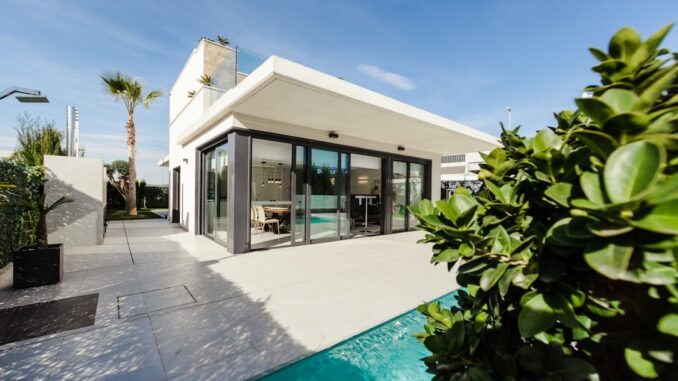

Preparing your home for sale is a bit like setting the stage for a grand performance, isn’t it? Every detail counts, and when it comes to capturing buyers’ hearts – and their offers – the architectural design choices you’ve made, or plan to make, play an absolutely pivotal role. It’s not just about slapping on a fresh coat of paint; we’re talking about strategic upgrades that don’t just beautify a space but fundamentally enhance its functionality and perceived value. You really want to make your property irresistible, compelling prospective buyers to envision their future there.
1. Open-Concept Layouts: Engineering an Inviting Flow
Walk into almost any new build or recently renovated home today, and what’s the first thing you often notice? That glorious, expansive open-concept layout. It’s no accident, believe me. Modern buyers, especially those in the 30-something demographic looking to start or grow a family, simply adore spaces that connect effortlessly. Gone are the days of rigidly defined, compartmentalized rooms where the cook felt isolated from the family gathering. Instead, we crave seamless transitions, a continuous flow between the kitchen, dining, and living areas that makes a home feel so much larger, more welcoming, and genuinely sociable.
Your vision, we build and you enjoyElegancia.homes handles every step in conservatory creation.
Think about it: removing a non-structural wall – and always, always consult with a structural engineer first, please, because you don’t want to bring the house down – can utterly transform how a space feels. It’s not just about square footage, though that helps; it’s about the psychological impact of openness. Natural light, which we’ll discuss in a moment, can now stream uninterrupted across rooms, chasing away dark corners and making everything feel brighter and airier. Imagine hosting a dinner party where you can chop vegetables in the kitchen and still be part of the lively conversation happening in the living room. Or watching your kids play while you’re prepping a meal. It creates an undeniable sense of connectivity, a hub for family life that many buyers are actively seeking.
Of course, an open concept isn’t without its nuances. You might worry about defining zones or managing noise. That’s where clever design comes in. Thoughtful furniture arrangement, strategically placed rugs, even a partial wall or a stylish screen, can help delineate areas without sacrificing that prized open feel. You’re essentially creating distinct ‘rooms’ within a larger space, giving buyers the best of both worlds. My friend Sarah, for instance, opened up her kitchen to the living room, and it completely changed her entertaining game. She swears it’s why her house sold so quickly and for top dollar, her real estate agent told her ‘people just felt at home’. It allows people to feel comfortable, you know?
2. Maximizing Natural Light: Illuminating Every Corner
Ah, natural light. It’s truly one of a home’s most powerful assets, isn’t it? It has this incredible ability to elevate a space, making it feel more expansive, more vibrant, and undeniably more welcoming. A well-lit room just feels good. There’s a certain warmth and energy that artificial light, however sophisticated, simply can’t quite replicate. And buyers, well, they notice it immediately.
So, how do we flood those interiors with glorious sunshine? It starts with strategy. Think about the orientation of your home and how the sun moves throughout the day. Strategically placing new windows or enlarging existing ones can make a profound difference. Consider large picture windows that frame a beautiful view, or perhaps a series of casement windows that allow for excellent cross-ventilation. Don’t forget skylights, either! They’re fantastic for bringing overhead light into interior rooms, stairwells, or even bathrooms that lack exterior walls. You can even explore solar tubes, which are surprisingly effective at channeling daylight into smaller, harder-to-reach areas without the structural complexities of a full skylight.
Beyond just windows, incorporating glass doors is another brilliant move. French doors that open onto a patio, or a large sliding glass door leading to a deck, blur the lines between indoors and out, creating a harmonious flow that’s incredibly appealing. It’s like extending your living space directly into your garden. I once saw a home where the owner replaced a solid wall with bifold glass doors that opened completely to their backyard. It was stunning. On a beautiful day, the entire back of the house just vanished, connecting the kitchen and dining area directly to an outdoor living space. That’s the kind of wow-factor that leaves a lasting impression. Not only does maximizing natural light enhance ambiance and mood, but it also reduces the need for artificial lighting during the day, which is a subtle nod to energy efficiency – a win-win in anyone’s book.
3. Sustainable Design Choices: Good for the Planet, Great for Your Wallet
In today’s market, ‘eco-conscious’ isn’t just a buzzword; it’s a genuine driver for many buyers. Incorporating sustainable design elements not only aligns with environmental values but also offers tangible benefits that directly translate into long-term savings. And let’s be honest, who doesn’t love saving money on utility bills? These upgrades speak volumes to informed buyers, often signaling a thoughtfully maintained and future-proof home.
-
Energy-Efficient Windows: This is probably one of the most impactful upgrades. We’re talking about high-performance windows with low-emissivity (low-e) coatings, often double or even triple-glazed, that significantly reduce heat transfer. In winter, they keep the warmth in; in summer, they keep the heat out. Look for good U-values and R-values – lower U-values mean better insulation. This isn’t just about comfort; it’s about seeing a noticeable drop in heating and cooling costs.
-
Enhanced Insulation and Air Sealing: It might not be the most glamorous upgrade, but boy, is it effective. Properly insulating your attic, walls, and even floors with modern materials like spray foam, rigid board, or high-quality batt insulation prevents significant energy loss. Couple this with meticulous air sealing – tackling those tiny cracks and gaps where air leaks out – and you’ve got a home that’s a true thermal envelope. It feels more comfortable year-round, and the HVAC system doesn’t have to work nearly as hard.
-
Solar Panel Installation: While a larger investment upfront, solar panels offer substantial long-term benefits. They drastically reduce or even eliminate your electricity bills and can often qualify for local incentives or tax credits, effectively lowering the payback period. Buyers are increasingly savvy about the ROI on solar, seeing it as an investment in energy independence and a reduced carbon footprint. Plus, showing off a low or even negative utility bill during an open house? That’s a powerful selling point.
But it doesn’t stop there. Consider other sustainable elements: rainwater harvesting systems for garden irrigation, greywater recycling for non-potable uses, low-VOC (volatile organic compound) paints for better indoor air quality, and even flooring made from recycled or rapidly renewable materials like bamboo. The strong Energy Performance Certificate (EPC) rating that these upgrades help achieve is becoming a crucial piece of information for buyers, often attracting more serious and environmentally aware prospects. It’s a clear indication that you’ve invested not just in aesthetics, but in the intelligent, long-term performance of the home.
4. The Power of Curb Appeal: Beyond the First Glance
You know that old saying, ‘You never get a second chance to make a first impression?’ Nowhere is that truer than in real estate. Curb appeal isn’t just a nice-to-have; it’s a non-negotiable component of a successful home sale. The moment potential buyers pull up to your property, their minds start making judgments. A beautifully maintained exterior whispers tales of a well-cared-for interior, inviting them to explore further. A neglected one? Well, it sends entirely the wrong message, doesn’t it?
So, let’s talk strategy for that all-important exterior. Landscaping is your best friend here. It doesn’t have to be a sprawling garden masterpiece, but neat, well-maintained planting beds with mature trees, a splash of colorful, seasonal flowers, and a neatly manicured lawn make a world of difference. Define your pathways with attractive pavers or gravel, and ensure they’re free of cracks and debris. Outdoor lighting can dramatically enhance evening appeal, highlighting architectural features and creating a welcoming glow. Perhaps a strategically placed bench or a charming bird bath? These small touches can add enormous character.
Beyond the greenery, consider the architectural enhancements that truly pop. A fresh coat of exterior paint in a contemporary, appealing color palette can work wonders, instantly updating the entire facade. Pay particular attention to the front door – it’s literally the gateway to your home. A vibrant, welcoming color, perhaps a classic navy or a sophisticated charcoal, coupled with new, polished hardware, can make a stunning statement. Don’t forget your garage door, either. It often accounts for a significant portion of your home’s front view, so an upgrade here – perhaps to a carriage-style door or one with more modern appeal – can have a surprisingly big impact. Even small things, like a new mailbox, updated house numbers, or charming exterior light fixtures, contribute to that polished, ‘ready for its close-up’ look. It’s all about making buyers feel like they’re arriving at a place they could truly call home, a place that’s been loved and meticulously cared for.
5. Integrating Smart Home Technology: Modern Convenience at Your Fingertips
In our increasingly connected world, smart home technology has moved from a futuristic novelty to an expected convenience. For many buyers, especially younger generations, a home isn’t just bricks and mortar; it’s a living space that seamlessly integrates with their digital lives. Installing smart features isn’t just about showing off; it’s about offering genuine convenience, enhanced security, and often, improved energy efficiency. These upgrades help your property stand out in a crowded market, signaling a forward-thinking, modern living experience.
Think about the categories where smart tech truly shines. Climate control is a big one. Smart thermostats like Nest or Ecobee learn your habits, optimize energy usage, and allow for remote control, meaning you can adjust the temperature before you even arrive home. Pretty neat, right? Then there’s smart lighting. Imagine being able to control every light in your home from your phone, setting moods with dimmers, or even programming lights to turn on and off automatically for security when you’re away. It’s not just convenient, it’s a bit magical.
Security is another area where smart tech truly earns its keep. Video doorbells let you see and speak to visitors remotely, smart locks offer keyless entry and guest access control, and integrated security camera systems provide peace of mind. For the tech-savvy buyer, these features aren’t just gadgets; they’re essential tools for modern living. Beyond these, you could consider smart home hubs that tie everything together, automated blinds, or even smart appliances. The key is to demonstrate how these systems simplify daily life and add value. It’s about future-proofing the home and appealing to buyers who appreciate both innovation and efficiency. They want a home that works for them, and smart tech delivers exactly that.
6. Boosting Functionality with Strategic Additions: More Space, More Value
Sometimes, the best way to add value isn’t just to polish what’s there, but to literally create more usable space. Functional additions, when thoughtfully conceived and expertly executed, can significantly increase your home’s square footage and appeal to a broader range of buyers – especially families or those needing dedicated spaces for remote work, hobbies, or guests. But remember, any significant addition requires careful planning, architectural drawings, and adherence to local building codes. You wouldn’t want to invest heavily only to find out you’re facing compliance issues, would you?
-
Finished Basement: This is often one of the highest ROI additions. An unfinished basement is essentially wasted potential. Transforming it into a warm, inviting living area can add an extra bedroom, a cozy media room, a home office, a gym, or even an in-law suite. Critical considerations here include ensuring proper waterproofing – no one wants a damp basement – and installing egress windows if you’re adding bedrooms, which are essential for safety and code compliance. A well-designed basement often feels like a completely separate floor, nearly doubling your usable living space.
-
Attic Conversion: Another excellent way to tap into unused potential. If your attic has sufficient headroom and structural integrity, converting it into a bedroom, a quiet study, or a creative studio can be a fantastic value-add. This usually involves adding proper insulation, flooring, and often dormers to bring in natural light and expand the usable area. The challenge here is often stair access – ensuring it’s safe and meets code – but the payoff in terms of unique, private space can be substantial.
-
Additional Bathrooms: I can’t stress this enough: more bathrooms almost always equal more value, especially for larger families. Adding even a half-bath (toilet and sink) can be a godsend, particularly on a main living level. A full bathroom, especially an en-suite master bath, significantly enhances comfort and luxury. This involves plumbing considerations, of course, but the convenience and privacy offered by an extra bathroom are huge selling points. My sister recently added a small powder room on her main floor, and it was a revelation for entertaining; no more guests trooping upstairs!
-
Dedicated Home Office: With the rise of remote work, a dedicated home office has become a highly coveted feature. If you can create a distinct, quiet space – perhaps by converting a spare room, a corner of a basement, or even a cleverly designed nook – it will resonate strongly with many buyers. It speaks to both practicality and the evolving needs of modern life. These kinds of additions aren’t just about adding square footage; they’re about enhancing lifestyle and making the home more adaptable to diverse needs, making it far more attractive to a wider audience.
7. Elevating Interiors with Architectural Details: The Art of Subtle Luxury
Sometimes, it’s the subtle touches, the sophisticated nuances, that elevate a home from merely nice to truly exceptional. Architectural details might not be the flashiest upgrades, but they impart character, depth, and a bespoke feel that can significantly enhance a property’s perceived value. These are the elements that make buyers pause, appreciating the craftsmanship and thoughtfulness that went into the design. They tell a story of quality.
Consider classic trim work, for instance. Crown molding, a perennial favorite, adds a touch of elegance where walls meet ceilings, instantly making a room feel more finished and refined. But don’t just stick to the thin, builder-grade stuff; opting for wider, more substantial molding can create a sense of grandeur. Similarly, wainscoting – whether it’s traditional raised paneling or simpler beadboard – adds texture and visual interest to walls, especially in dining rooms, entryways, or even powder rooms. And while you’re at it, think about your baseboards. Taller, more substantial baseboards can make ceilings appear higher and give rooms a more luxurious feel.
Beyond just trim, there are ceiling treatments. A coffered ceiling, with its grid of sunken panels, creates incredible architectural drama and a sense of opulence. A tray ceiling, with its recessed center portion, can add height and define a space, perhaps in a master bedroom or dining area. These aren’t just decorative; they draw the eye upward, making rooms feel more expansive. And what about built-ins? Custom bookcases flanking a fireplace, a charming window seat with integrated storage, or bespoke cabinetry in a mudroom or living area—these not only add functional storage but also convey a sense of custom craftsmanship that’s incredibly desirable. I remember seeing a home where the homeowner had a custom built-in bar, complete with a wine fridge, in a corner of their living room. It was such a clever use of space and added such a sophisticated touch. These kinds of details, often overlooked in basic renovations, truly distinguish a property and communicate a higher level of finish, making potential buyers feel they’re stepping into something special.
8. Exterior Enhancements: Elevating the Facade Beyond Curb Appeal
While curb appeal sets the stage, true exterior enhancements delve deeper, focusing on the structural and material components that form your home’s outer shell. These upgrades not only dramatically improve aesthetics but also offer practical benefits like durability, energy efficiency, and reduced maintenance, all of which are highly appealing to discerning buyers. A well-maintained and stylish exterior isn’t just pretty; it signals quality and careful stewardship of the entire property.
Let’s start at the top: the roof. It’s often out of sight, out of mind, until it isn’t. An aging, worn-out roof can be a huge red flag for buyers, suggesting imminent costly repairs. Investing in a new roof – perhaps with high-quality asphalt shingles, durable metal, or even attractive tile – provides immense peace of mind. It’s also an opportunity to improve insulation and energy efficiency, depending on the materials chosen. A clean, well-maintained roof literally protects your investment and visually completes the home’s look.
Next, consider your siding. Your home’s skin, so to speak. Outdated or damaged siding can seriously detract from its charm. Upgrading to modern materials like fiber cement (which is incredibly durable and low-maintenance), natural stone veneer for an accent wall, or even new high-quality vinyl siding can transform the entire look of your home. These materials offer improved insulation and often come with extended warranties, which are great selling points. And don’t forget the windows and doors; while we touched on natural light, from an exterior perspective, new, energy-efficient windows and a stylish front door are critical. They enhance curb appeal, boost energy performance, and improve security. A new garage door, too, is often overlooked but can dramatically update your home’s facade. Given its size, it contributes significantly to the overall aesthetic.
Finally, think about adding or upgrading outdoor living spaces. A beautifully designed deck, a cozy front porch, or a functional patio can significantly extend your home’s usable footprint. Materials like composite decking for low maintenance or attractive pavers for a patio add lasting value and create inviting spaces for relaxation and entertaining. Ensuring architectural consistency with these additions is key; you want them to look like they belong, not like an afterthought. These enhancements aren’t just superficial; they’re investments in your home’s structural integrity, beauty, and long-term appeal, reassuring buyers that they’re getting a solid, well-cared-for asset.
9. The Psychology of a Neutral Palette: Your Home as a Blank Canvas
When preparing a home for sale, one of the simplest yet most impactful changes you can make is also one of the most cost-effective: painting with a neutral color palette. It might sound a bit boring, perhaps, but trust me, there’s a profound psychological reason why this works wonders. You’re not just painting walls; you’re creating a ‘blank canvas,’ inviting potential buyers to envision their lives, their furniture, and their style within the space. And that, my friend, is incredibly powerful.
Bright, bold, or highly personal colors might reflect your unique taste, but they can be incredibly off-putting to a broad audience. What you see as charming, a buyer might see as an immediate re-painting project – and that often translates to a mental deduction from their offer. Neutral tones – think warm whites, soft grays, greiges (that lovely mix of gray and beige), or even very light beiges – achieve several vital things. First, they make spaces feel larger, airier, and more cohesive. Second, they appeal to the widest possible demographic. They’re universally pleasing and non-committal, allowing buyers to project their own preferences without feeling overwhelmed by yours. A fresh coat of paint in these tones literally brightens a room, making it feel cleaner and more updated. I’ve seen houses that languished on the market suddenly sell after nothing more than a strategic repaint to a neutral greige. It’s astounding what a psychological shift it creates.
Professional painting is key here. Smooth, consistent finishes free of drips or uneven lines speak volumes about the care taken in the home. While the walls are neutral, you can still introduce character through decor – perhaps a vibrant throw pillow, an interesting piece of art, or a colorful rug. This shows buyers how they could personalize the space while still maintaining that welcoming, versatile backdrop. It’s about presenting a polished, inviting, and utterly adaptable environment that says, ‘Welcome, your story starts here.’ And that, my friends, is a narrative that sells.
10. Investing in Quality Materials: Durability Meets Elegance
Beneath the surface of stunning design and thoughtful layouts, the true value of a home often lies in the quality of its materials. This isn’t just about aesthetics; it’s about durability, longevity, and the subtle message these choices send to potential buyers. Investing in high-quality materials for key elements like flooring, countertops, and cabinetry demonstrates a commitment to craftsmanship and a concern for the home’s long-term integrity. Discerning buyers notice this, and it significantly enhances both perceived value and actual resale value.
Let’s break it down by area:
-
Flooring: This is where quality truly shines. While wall-to-wall carpet has its place, particularly in bedrooms, buyers often prefer hard surfaces in main living areas. Hardwood floors, whether solid or engineered, are a timeless choice that adds immense value. They’re durable, easy to clean, and universally appealing. If hardwood isn’t in the budget, consider high-quality luxury vinyl plank (LVP), which offers excellent durability, water resistance, and convincing wood-look aesthetics. For bathrooms and kitchens, classic ceramic or porcelain tile, installed properly, provides a durable and attractive solution.
-
Countertops: The kitchen and bathrooms are critical areas, and countertops play a huge role. Granite and quartz remain incredibly popular choices, offering both beauty and resilience. Quartz, in particular, is a favorite for its low maintenance and vast array of styles. While marble is stunning, its susceptibility to staining often makes it less practical for everyday family life, and buyers might factor that into their decision. Solid surface options also provide a seamless, easy-to-clean alternative. The goal is a surface that looks great, feels substantial, and will stand the test of time.
-
Cabinetry: In the kitchen and bathrooms, cabinetry is both a functional necessity and a major design statement. While custom cabinetry offers the ultimate in bespoke design, high-quality semi-custom cabinets can achieve a similar look and feel at a more accessible price point. Look for solid wood construction, durable finishes, and features like soft-close drawers and doors, which speak to attention to detail and a higher quality product. Good hardware – attractive knobs and pulls – also plays a surprisingly large role in the overall perceived quality.
-
Fixtures: Don’t underestimate the impact of plumbing and lighting fixtures. Upgrading to contemporary, high-quality faucets, showerheads, and lighting fixtures (pendants, recessed lighting, sconces) can dramatically update the look and feel of a room without breaking the bank. These elements are frequently touched and seen, so their quality is readily apparent. It’s about providing a tactile sense of luxury and ensuring that these everyday components are built to last.
By thoughtfully implementing these architectural and design choices, you’re not just renovating; you’re investing strategically in your home’s future. The goal is to craft a space that is not only highly functional and aesthetically pleasing but also speaks volumes about its enduring value, ensuring a successful sale and a fantastic return on your efforts. Remember, you’re not just selling a house, you’re selling a lifestyle, a dream, and a quality future. It’s quite the undertaking, but seeing those offers roll in makes every bit of effort truly worth it.
References
- e-architect.com
- londonbay.com
- homeworlddesign.com
- eahomedesign.com
- homedecorbliss.com
- tresshomes.com
- homesandgardens.com
Sustainable design *and* saving money? Does this mean I can finally justify that ridiculously expensive rainwater showerhead by claiming it’s an investment? Asking for myself, not a friend.
Haha, I love your thinking! Absolutely, frame it as an investment! Think of the long-term water bill savings, and the feel-good factor of being eco-conscious. Plus, a luxurious shower *is* an investment in your well-being, right? Let me know if it works!
Editor: ElegantHome.News
Thank you to our Sponsor Elegancia Homes
Considering the increasing demand for dedicated home offices, have you seen specific design elements that make these spaces particularly appealing to prospective buyers? For instance, does built-in storage or enhanced soundproofing have a noticeable impact?
That’s a fantastic point! Yes, absolutely! Built-in storage is a huge win for home offices; it helps keep things organized and clutter-free. Enhanced soundproofing is also becoming increasingly desirable, especially with more people working from home and needing quiet spaces for calls and concentration. Thanks for bringing this up!
Editor: ElegantHome.News
Thank you to our Sponsor Elegancia Homes
The discussion on open-concept layouts raises interesting questions about balancing sociability with the need for personal space. How do these designs cater to multi-generational households or individuals requiring dedicated quiet areas for work or study?
That’s a great point! Considering multi-generational living, designated zones become even more crucial within the open layout. Think about incorporating flexible dividers or multi-functional furniture that can easily transform a space from social to private. Clever storage solutions also help maintain a sense of order and calm.
Editor: ElegantHome.News
Thank you to our Sponsor Elegancia Homes
The emphasis on open-concept layouts is interesting, especially the psychological impact of openness. How does this trend translate in cultures where privacy and clearly defined spaces are more valued? Are there design adaptations that bridge these differing preferences?
That’s a thought-provoking question! It’s true, open concepts aren’t universally embraced. I’ve seen designers use strategic elements like sliding screens, layered lighting, and distinct material palettes to create a sense of separation within open spaces, catering to different cultural preferences. This allows for flexibility and a blend of both openness and privacy. The idea is to create adaptable spaces, so it can be both a sociable and private space!
Editor: ElegantHome.News
Thank you to our Sponsor Elegancia Homes
Strategic upgrades, eh? So, you’re saying replacing my gnome collection with solar panels is a good move? I’m intrigued by the idea of “architectural design choices”. Does that include finally figuring out where the builder hid the light switches? Because THAT would boost functionality!
Haha! Strategic upgrades indeed! While solar panels might be a *slightly* bigger investment than gnomes, finding those hidden light switches is definitely a functionality win! Imagine the showings – “And here, miraculously, IS the light switch!” instant offer!
Editor: ElegantHome.News
Thank you to our Sponsor Elegancia Homes
The emphasis on neutral palettes is spot on. How might you balance that broad appeal with opportunities to showcase unique architectural details through accent colors or textures? Perhaps highlighting a fireplace or window trim could add character without overwhelming potential buyers.
That’s a great question! Accenting architectural details with textures, like a shiplap wall around the fireplace, or using slightly bolder colors in smaller, well-defined areas can add personality without overwhelming. The idea is to draw attention to the home’s unique features in a way that feels intentional and stylish. What are your favorite ways to add a pop of color?
Editor: ElegantHome.News
Thank you to our Sponsor Elegancia Homes
Sustainable design AND rainwater harvesting? Finally, an excuse to wear my wellies in the shower! Though, I wonder, does that count as *greywater* recycling if I’m using organic shampoo? Inquiring minds want to know!
Haha! Love the image of wellies in the shower! As for the greywater question, that’s a great point! Organic shampoo definitely adds a sustainable twist. Perhaps a scientist can weigh in? I’m sure we can find the answer!
Editor: ElegantHome.News
Thank you to our Sponsor Elegancia Homes
The roof is a critical structural element often overlooked. What are some innovative roofing materials or designs gaining traction, particularly concerning durability and aesthetic appeal? Are green roofs becoming more mainstream in residential settings?
Great question! I’ve been seeing a rise in the popularity of solar tile roofing, blending energy efficiency with sleek design. Green roofs are also gaining traction, offering not only environmental benefits but also unique aesthetic value. While still somewhat niche in residential settings, awareness is growing!
Editor: ElegantHome.News
Thank you to our Sponsor Elegancia Homes
Grand performance indeed! All this talk of architectural choices… suddenly I’m wondering if my cat’s scratching post clashes with the feng shui. Maybe THAT’S why my offers are slow! Time to strategically relocate Mr. Whiskers’ real estate.
Haha! I love your thinking! Mr. Whiskers might be the key to unlocking those offers! Perhaps a scratching post consultation is in order? Staging for pets… now there’s a niche! I bet a well-placed cat tree could subtly highlight the natural light. Let me know what happens!
Editor: ElegantHome.News
Thank you to our Sponsor Elegancia Homes
Regarding smart home technology, beyond convenience and security, have you observed increased buyer interest in systems that actively contribute to energy conservation and monitor resource consumption? Are prospective buyers more inclined to invest in homes that offer real-time data on energy usage, promoting conscious living?
That’s a great extension to the topic! Absolutely, the demand for energy-efficient smart tech is growing fast. Buyers appreciate systems that provide real-time data on energy consumption, making them more conscious of their usage and reducing their carbon footprint. Thanks for highlighting this!
Editor: ElegantHome.News
Thank you to our Sponsor Elegancia Homes
Given the increasing interest in smart home technology, have you seen specific features, beyond climate control and security, that significantly sway buyer decisions, such as advanced water leak detection or automated plant watering systems?
That’s a fantastic question! Beyond the usual, I’m seeing a growing interest in smart home features that focus on well-being. Air quality monitors and circadian lighting systems that mimic natural daylight are becoming increasingly popular, signaling a shift towards homes that actively promote health. What features do you think will be next?
Editor: ElegantHome.News
Thank you to our Sponsor Elegancia Homes
The point about rainwater harvesting is fascinating! Have you observed regional differences in its adoption? Regulations and water scarcity likely play a significant role in driving interest and implementation across different areas.