
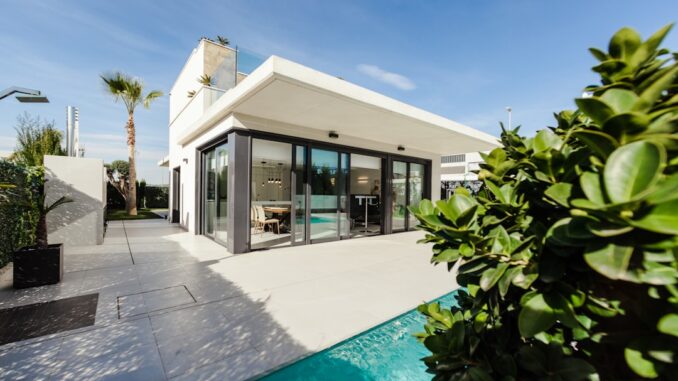

Unlock Your Home’s Hidden Potential: A Strategic Guide to Boosting Property Value
Ever wonder how some homes just pop on the market, fetching top dollar and flying off the virtual shelves? It often isn’t about gutting the entire place, tearing down every wall, or spending a fortune on a complete overhaul. Instead, it’s a lot like investing in a high-yield stock: you identify the key areas that offer the best return, then you focus your energy and resources there. By making smart, strategic improvements, you can dramatically enhance your home’s appeal, functionality, and ultimately, its market value. Think of it as a professional upgrade for your most significant asset, not just a facelift.
Now, don’t get me wrong, a full renovation can be incredibly rewarding, but it’s not always necessary, especially if you’re looking to sell in the near future. We’re talking about hitting those sweet spots, those areas that resonate most deeply with potential buyers and give you the biggest bang for your buck. From the moment someone drives up to your curb to the instant they imagine themselves cooking in your kitchen, every detail contributes to that crucial ‘wow’ factor. Let’s dive into the practical, actionable steps you can take to make your home not just look better, but truly perform better in the real estate market.
Increase the value of your property
1. The Kitchen: The Undisputed Heartbeat of Your Home
If there’s one room that consistently takes center stage in a buyer’s mind, it’s the kitchen. This isn’t just where meals are prepared; it’s the social hub, the homework station, the coffee-and-chat spot. Updating this space isn’t merely an improvement, it’s an investment in lifestyle, and boy, does it pay off. We’ve seen well-executed kitchen remodels recoup a significant portion of their cost – often up to 71% upon resale, according to sources like mtb.com. That’s a pretty compelling argument, isn’t it?
So, where should you focus your culinary renovation efforts?
Cabinetry: More Than Just Storage
Your cabinets set the tone for the entire kitchen. Are they dated, chipped, or just not quite right? You don’t always need to rip everything out. Sometimes, a simpler approach can work wonders.
- Refacing vs. Replacing: If your cabinet boxes are structurally sound, refacing them with new doors and drawer fronts in a modern style can be incredibly cost-effective. Imagine swapping out those old, ornate oak doors for sleek, minimalist shaker or even flat-panel designs. Suddenly, the whole room feels refreshed, contemporary, and oh-so-inviting. If you do opt for entirely new cabinets, consider popular choices like Shaker-style for timeless appeal, or contemporary flat-panel designs for a more modern edge. Durable materials are key, and don’t forget the hardware – a small change, but new pulls and knobs can instantly elevate the look.
- Smart Storage Solutions: Buyers are always looking for clever ways to keep things organized. Think about adding pull-out pantry shelves, soft-close drawers, or even a hidden spice rack. These thoughtful touches make a kitchen feel truly functional and well-designed.
Countertops: The Functional Art Piece
This is where functionality meets aesthetics, where you prepare food and where many conversations unfold. Upgrading your countertops is one of those highly visible changes that leaves a lasting impression.
- Granite and Quartz: The Reigning Champs: These materials remain incredibly popular for good reason. Granite offers unique natural patterns and exceptional durability, a true statement piece. Quartz, on the other hand, provides a consistent, non-porous surface that’s easy to clean and highly resistant to stains, making it a dream for busy families. Both offer a luxurious feel and serious staying power. I’m a bit partial to quartz for its low maintenance, if I’m honest, but you can’t go wrong with either.
- Beyond the Basics: Don’t forget other appealing options. Butcher block can add warmth and a farmhouse charm, while concrete offers a striking industrial aesthetic. Whichever material you choose, ensure it complements your cabinet style and overall kitchen design.
Appliance Updates: The Shiny New Toys
Outdated appliances can drag down an otherwise beautiful kitchen. Buyers often scrutinize these, looking for efficiency and modern conveniences.
- Energy Efficiency is Key: Look for ENERGY STAR® certified appliances. Not only do they save money on utility bills, but they also appeal strongly to eco-conscious buyers. Think about a quiet dishwasher, an induction cooktop for faster, more precise cooking, or a smart refrigerator that can create shopping lists.
- Sleek and Integrated: Stainless steel remains a classic, but integrated appliances that blend seamlessly with your cabinetry are gaining traction, creating a streamlined, high-end look. This is where you can really make a kitchen feel custom-built and truly special.
When planning your kitchen remodel, consider not just the individual elements, but how they all work together. A cohesive, well-lit kitchen with a functional layout truly sings, and that’s what buyers remember. My friend, Mark, once updated his 90s kitchen with just new cabinet doors, quartz countertops, and a suite of stainless-steel appliances. He skipped the full demo, saved a bundle, and still saw his home sell for 15% over asking! It was quite a testament to strategic choices.
2. Bathroom Bliss: Your Personal Spa Retreat
Just like the kitchen, bathrooms are high-traffic, highly scrutinized areas. People want a clean, modern, and inviting space to start and end their day. A bathroom renovation is another surefire way to boost appeal, with mid-range remodels often recouping around 59% of their cost, according to mtb.com. A calm, well-designed bathroom can feel like a mini-retreat, and who doesn’t want that?
Here’s how to transform your bathroom from functional to fabulous:
Modern Fixtures: A Touch of Elegance
Small changes can have a huge impact here. Outdated, leaky, or calcified fixtures instantly age a bathroom.
- Sleek Faucets and Showerheads: Replace old hardware with sleek, contemporary designs in brushed nickel, matte black, or polished chrome. Consider a rain showerhead for a luxurious feel, or dual-head showers for ultimate comfort. Low-flow options are also great for water conservation, which buyers definitely appreciate.
- Vanities and Toilets: A modern floating vanity can make a small bathroom feel larger and more open. If space allows, a double vanity is a huge selling point for couples. And let’s not forget the toilet! Replacing an old, inefficient model with a modern, low-flush, comfort-height toilet is a surprisingly impactful upgrade for both aesthetics and water savings.
Tile Work: The Foundation of Style
Cracked, dingy, or just plain boring tiles can really detract from a bathroom’s appeal. Fresh tiling is a major game-changer.
- Flooring: Large format tiles in neutral tones (think greys, whites, or subtle beiges) create a seamless, expansive look. Porcelain is incredibly durable and water-resistant, making it perfect for bathroom floors. Don’t be afraid to consider radiant heating beneath the tiles for that ultimate spa-like warmth on chilly mornings—a luxury that really sticks with potential buyers.
- Shower Surrounds and Backsplashes: Subway tile remains a timeless and versatile choice for shower walls. You can introduce a subtle mosaic accent strip or consider larger, less-busy tiles for a clean, modern aesthetic. Always use appropriate grout sealers to keep things looking pristine.
Lighting: The Mood Setter
Poor lighting can make even the cleanest bathroom feel drab and cramped. Proper lighting, conversely, makes it feel spacious, clean, and inviting. It’s truly amazing what a difference it makes.
- Layered Lighting: You’ll want a mix: bright overhead lighting for general illumination, vanity lighting (sconces or strip lights) for task-specific needs like makeup application, and perhaps a dimmer switch to create a relaxing ambiance for a bath. Recessed lighting in the shower itself is a sophisticated touch.
- Natural Light: If you have a window, ensure it’s clean and unobstructed. Consider privacy film or stylish blinds that still allow light in.
One time, I helped a friend stage her house, and the bathroom was just… okay. We swapped out the ancient gold fixtures for matte black, re-grouted the existing (decent) tile, added a new mirror, and some sleek LED vanity lights. The transformation was instant and impressive, costing a fraction of a full re-tile, yet giving that fresh, clean feel buyers crave.
3. Mastering the First Impression: Elevate Your Curb Appeal
They say you never get a second chance to make a first impression, and nowhere is this more true than with your home’s exterior. Potential buyers often form an opinion the moment they pull up to the curb, sometimes even before they step out of their car. A neglected exterior screams ‘neglected interior,’ even if that’s not the case. Basic exterior improvements can lead to a healthy 7-14% increase in sale price, as Opendoor.com suggests. That’s a return you can’t ignore!
Here’s how to make your home shout ‘welcome home!’ from the street:
Landscaping: Your Home’s Natural Frame
It’s not just about green grass, though that certainly helps! Thoughtful landscaping creates an inviting atmosphere and shows pride of ownership.
- Well-Maintained Lawn and Gardens: Keep the grass neatly mown, edged, and free of weeds. Healthy, green grass is paramount. For garden beds, choose low-maintenance, native plants that thrive in your climate. Add a fresh layer of dark mulch for a crisp, finished look – it suppresses weeds and makes everything look tidier. Consider flowering plants for a pop of color, especially near the entryway.
- Pathways and Lighting: Ensure pathways are clear, safe, and well-defined. Power wash dirty driveways and walkways. Add subtle pathway lighting to highlight features and improve nighttime safety. Solar-powered options are easy to install and cost-effective.
- Tree and Shrub Pruning: Trim overgrown bushes and trees that might obscure your home’s façade or block natural light. You want a clear view of the house, not a jungle.
Exterior Paint: A Fresh Face
A new coat of paint is one of the most transformative and cost-effective exterior updates. It literally gives your house a fresh face.
- Neutral Tones are Your Friend: While you might love that bold chartreuse, potential buyers generally prefer neutral, widely appealing colors. Think classic whites, soft greys, warm beiges, or muted blues. These create a clean canvas that allows buyers to envision their own style. Don’t forget the trim! A contrasting, crisp white or a darker accent can make the house ‘pop.’
- Power Washing First: Before any paint goes on, power wash the entire exterior. You’d be amazed at how much dirt, grime, and mildew accumulates, which can often be enough to make a significant difference on its own.
Entryway Upgrades: The Welcome Committee
Your front door is the focal point of your home’s exterior – it’s literally the gateway.
- A New Front Door: If your door is old, faded, or damaged, replacing it can make a dramatic statement. A modern steel or fiberglass door with a few glass panels can add both style and security. Choosing a contrasting color for the door itself (e.g., a vibrant blue or deep red against a neutral house) can create a lovely focal point without being overwhelming. Make sure it swings freely and looks substantial.
- Updated Hardware: A new, substantial door handle set, a modern house number, and a polished doorbell can instantly elevate the entryway. It’s those little details, you know?
- Porch Perfection: If you have a porch, make it inviting. A fresh welcome mat, a couple of potted plants, and perhaps a clean, comfortable chair can make it feel like an extension of the living space. Ensure any existing lighting fixtures are clean, working, and stylish.
I once helped a client who had a perfectly good house inside, but the exterior was just sad. We spent a weekend mowing, weeding, planting a few shrubs, power washing, and painting the front door a cheerful teal. They called it ‘the most impactful weekend project ever,’ and the feedback from realtors confirmed it. People were stopping to look!
4. Expanding Your Horizons: Adding Usable Living Space
In a world where square footage often directly correlates with value, cleverly expanding your home’s usable area is a powerful strategy. It’s about more than just adding rooms; it’s about providing versatility and solving common buyer needs, like that elusive home office or a dedicated play area. These additions can see impressive returns, with some sources, like Opendoor.com, suggesting up to 86% of their cost recouped.
Let’s explore the potential beneath your feet and above your head.
Basement Finishing: Unlocking a Hidden Level
Many homes have an unfinished basement just waiting to be transformed into valuable living space. This isn’t just a storage area; it’s a blank canvas.
- Beyond Storage: Imagine a cozy family room perfect for movie nights, a dedicated home office away from the main hubbub, a spacious guest bedroom, or even a home gym. Adding a bathroom in the basement can significantly increase its functionality and appeal. Before you do anything, ensure your basement is dry and properly waterproofed, though. No one wants a damp dungeon, trust me.
- Key Considerations: Proper insulation, adequate lighting (including egress windows if you’re adding a bedroom for safety and light), and effective ventilation are crucial. Don’t forget about ceiling height – you want it to feel like a natural extension of the home, not a cramped afterthought.
- Permitting: Always, always check local building codes and obtain the necessary permits. This isn’t just about legality; it ensures safety and structural integrity, which will be vital for future resale.
Attic Conversion: Reaching New Heights
Similar to basements, attics often sit unused, offering significant potential for conversion into a bright, airy living area.
- A Room with a View: Imagine transforming that dusty attic into a serene primary suite, a vibrant artist’s studio, or a quiet study. The sloped ceilings can add charm, and dormer windows can flood the space with natural light, making it feel incredibly spacious and unique.
- Structural and Access Challenges: This often requires more structural work than a basement conversion, particularly for floor reinforcement and proper stair access. You’ll need to ensure the ceiling height is adequate and that insulation is top-notch to regulate temperatures, as attics can get quite hot or cold. Thinking about how a proper staircase integrates into the existing floorplan is key; you don’t want a ladder to your dream room.
- Maximizing Light: Dormer windows are fantastic for bringing in light and creating head height. Skylights are another excellent option, offering a flood of natural light and a connection to the sky.
Adding living space is generally a higher-investment project, but it directly increases your home’s square footage, which is a key metric for appraisal and resale value. I know a couple who turned their unused attic into a stunning home office and guest suite. It required a significant outlay, but it allowed them to stay in their beloved neighborhood rather than moving to a larger, more expensive house. When they did eventually sell, that extra space was undoubtedly a major selling point, making the home feel much more versatile and expansive.
5. The Future is Now: Embracing Energy-Efficient Upgrades
In today’s market, buyers aren’t just looking for beauty; they’re looking for intelligence. Energy-efficient features are no longer just ‘nice-to-haves,’ they’re increasingly desirable ‘must-haves.’ They speak to a buyer’s desire for lower utility bills, reduced environmental impact, and a more comfortable living environment. These aren’t just upgrades; they’re investments in sustainability and ongoing savings, appealing directly to that practical side of a buyer’s brain.
Here’s how to make your home a paragon of efficiency:
Energy-Efficient Windows: Your Home’s Eyes
Old, drafty windows are literally throwing money out the window. Upgrading them is a smart move that improves insulation and reduces energy consumption.
- Double or Triple-Pane: These windows create an insulating barrier that significantly reduces heat transfer. Look for low-emissivity (Low-E) coatings, which reflect heat, keeping your home cooler in summer and warmer in winter. Argon gas fills between panes further enhance insulation.
- Proper Installation: Even the best windows won’t perform if improperly installed. Ensure they’re sealed tightly to prevent drafts. This upgrade isn’t just about saving money; it improves comfort by eliminating cold spots and reducing outside noise.
Smart Thermostats: Intelligent Climate Control
These aren’t your grandpa’s click-and-set thermostats. Smart thermostats bring a new level of convenience and energy savings.
- Learning and Remote Control: Devices like Nest or Ecobee learn your habits and adjust temperatures automatically, optimizing energy usage. You can control them from your smartphone, adjusting the temperature while you’re commuting home or away on vacation. Some even offer zoning capabilities, allowing you to heat or cool different areas of your home independently, preventing waste.
- Integration: Many smart thermostats integrate seamlessly with other smart home systems, offering a unified control experience. This appeals to tech-savvy buyers who appreciate a connected home ecosystem.
Beyond the Obvious: Other Efficiency Boosts
Don’t stop at windows and thermostats. There are many other areas where you can make your home more efficient.
- Insulation Upgrade: A well-insulated attic is surprisingly effective. Adding blown-in insulation to reach recommended R-values can dramatically reduce heating and cooling costs. Don’t forget walls and crawl spaces too.
- High-Efficiency HVAC: If your furnace or air conditioner is old, replacing it with a high-efficiency model or even a heat pump can offer substantial savings. These systems are quieter and deliver more consistent temperatures.
- LED Lighting: Swap out all incandescent bulbs for LEDs. They use a fraction of the energy, last significantly longer, and provide excellent light quality. It’s a simple, cost-effective upgrade that pays for itself quickly.
I remember my sister-in-law updated all her windows and switched to a smart thermostat. Her utility bills dropped by almost 30%, which was a tangible saving she could talk about when she eventually sold the house. Buyers love hearing about those real-world cost benefits, it makes the decision feel even smarter for them.
Navigating Larger Efficiency Projects
If you’re considering more significant energy upgrades, like a full HVAC replacement or extensive insulation, it’s worth investigating potential government incentives, tax credits, or local utility company rebates. These programs can significantly offset the upfront costs, making these long-term investments even more attractive. Always get a professional energy audit first though, that’ll pinpoint exactly where your home is losing the most energy.
6. The Allure of Al Fresco: Creating Outdoor Living Spaces
In an increasingly connected, often indoor-centric world, the desire for beautiful, functional outdoor living spaces has skyrocketed. People want to enjoy their backyards as an extension of their homes, a place to entertain, relax, or simply breathe in some fresh air. Expanding your outdoor area isn’t just about adding square footage; it’s about enhancing lifestyle, and that’s a huge selling point. These features can offer a solid return on investment, sometimes up to 80%, as noted by property.com.
Let’s turn your backyard into an oasis.
Decks and Patios: Your Outdoor Stage
These are the foundational elements of any great outdoor living space, providing a defined area for furniture and activities.
- Material Matters: For decks, consider natural wood (like cedar or redwood) for classic charm, or low-maintenance composite materials that resist rot and fading. Patios offer even more versatility with materials like pavers, natural stone, or stamped concrete, allowing for diverse patterns and colors. Think about how the material complements your home’s exterior and your landscaping.
- Design and Functionality: A multi-level deck can add visual interest and define different zones (dining, lounging). Consider adding built-in seating, which saves space and creates a cohesive look. A pergola or a retractable awning can provide much-needed shade on sunny days, making the space usable for longer periods.
Outdoor Kitchens: Culinary Adventures Under the Sky
For those who love to entertain or simply enjoy cooking outside, an outdoor kitchen is the ultimate luxury, transforming a simple barbecue into a gourmet experience. This is a real differentiator for homes.
- Beyond the Grill: While a high-quality grill is central, think about adding a sink, a mini-refrigerator for beverages, and ample counter space for food prep. Using weather-resistant materials like stainless steel and durable stone for countertops is crucial. Some elaborate setups even include pizza ovens or smokers, taking outdoor dining to another level.
- Placement and Utilities: Consider proximity to your indoor kitchen for ease of use. You’ll need access to water, gas, and electricity, so professional installation is a must. Proper lighting for nighttime cooking is also essential.
Fire Pits and Features: Gathering Around the Glow
Nothing creates a cozy, inviting atmosphere quite like a fire feature. It’s a natural gathering point, perfect for cool evenings.
- Fire Pits: Portable options are great for flexibility, while built-in stone or brick fire pits offer a more permanent, architectural look. Consider gas-powered fire pits for convenience (no chopping wood!), or traditional wood-burning for that authentic campfire aroma. Safety, of course, is paramount, so ensure adequate clearance from structures and overhanging branches.
- Water Features: For a sense of tranquility, a subtle water feature – a small fountain or a pondless waterfall – can add a soothing auditory element to your outdoor space. The gentle trickle of water can be incredibly relaxing.
I’ve seen firsthand how a well-designed patio with a fire pit transformed a previously unused backyard into the most popular spot in the house. My friend, Sarah, invested in a composite deck with built-in benches and some elegant string lights. Her house instantly felt larger and more appealing, like it had an extra room perfect for hosting. That emotional connection buyers feel with a great outdoor space? It’s priceless.
7. The Smart Home Advantage: Integrating Modern Technology
We live in an era where convenience, connectivity, and control are highly prized. Modern buyers, especially those in the 30-45 age bracket (which is a massive segment of the market right now), appreciate homes that seamlessly integrate technology to simplify daily life and enhance security. Smart home features aren’t just gadgets; they’re about future-proofing your home and offering a sophisticated living experience. Homes equipped with smart technology often sell faster and at higher prices, as aspirepavers.com points out.
Let’s talk about turning your home into a truly intelligent space.
Smart Lighting: Setting the Scene
Beyond just turning lights on and off, smart lighting offers unparalleled control and ambiance.
- Customization and Convenience: Imagine controlling all your lights from your smartphone, setting schedules, or even changing colors to suit your mood. Smart bulbs (like Philips Hue or LIFX) can be dimmed, color-tuned, and grouped into ‘scenes’ for different activities. Think ‘movie night’ or ‘dinner party’ settings. Integrating them with motion sensors in hallways or closets adds another layer of hands-free convenience.
- Voice Control: The ability to control lights with a simple voice command through an Amazon Echo or Google Home device is incredibly appealing. It truly feels futuristic.
Security Systems: Peace of Mind, Digitally Enhanced
Home security is a perennial concern for buyers. Smart security systems offer advanced features that go far beyond traditional alarms.
- Remote Monitoring and Smart Locks: Systems with smart doorbells (Ring, Arlo) allow you to see and speak to visitors remotely, even when you’re not home. Smart cameras provide constant surveillance, and smart locks enable keyless entry, temporary access codes for guests, and remote locking/unlocking. The peace of mind these provide is immense.
- Integration: Look for systems that integrate with other smart home devices. For example, your lights could automatically turn on if a motion sensor is triggered, or the thermostat could adjust if a door is left open. This interconnectedness is what truly defines a ‘smart’ home.
Beyond Security and Lighting: A Connected Ecosystem
- Smart Thermostats: (Revisited) As discussed earlier, these are foundational. Their ability to learn your habits, adjust to external weather, and be controlled remotely is incredibly valuable.
- Smart Appliances: While a full suite can be pricey, even one or two smart appliances (like a Wi-Fi-enabled oven you can preheat on your commute or a smart washing machine that alerts you when the cycle is done) can showcase your home’s modern edge.
- Garage Door Openers: Smart garage door openers allow you to open or close your garage from anywhere, receive alerts if it’s left open, and even enable secure package delivery inside your garage. This one is often overlooked but surprisingly useful.
The real magic of smart home features isn’t just about individual gadgets; it’s about how they all communicate to create a seamless, intuitive living experience. I’ve known several people who made a point to install a few key smart devices before listing their homes, and they consistently reported positive feedback from prospective buyers, especially younger ones. It makes a home feel current and ready for the future, you know?
Thinking About Integration and Compatibility
When adding smart home tech, consider compatibility. Aim for devices that work well together, ideally within a common ecosystem like Apple HomeKit, Google Home, or Amazon Alexa. This prevents a jumbled collection of disparate apps and makes the system much more user-friendly, which buyers will appreciate.
8. The Power of the Brush: A Fresh Coat of Paint
If you’re looking for the absolute biggest bang for your buck, the single most cost-effective transformation you can make, it’s a fresh coat of paint. Seriously, this isn’t just a suggestion; it’s a golden rule. It has the power to instantly refresh, brighten, and modernize a space, making it feel clean and inviting. Some sources, like digiorgiinc.com, even suggest it can yield an astonishing 112% return on investment. How often do you see those kinds of numbers?
Here’s why painting is your secret weapon and how to wield it effectively:
Neutral Colors: Your Canvas for Buyers
This is perhaps the most critical aspect of painting for resale. While you might adore your vibrant accent wall, buyers need to envision their life in your home, not yours.
- A Blank Slate: Stick to neutral color palettes—think warm whites, soft greys, gentle beiges, or very light greiges (a blend of grey and beige). These colors make rooms feel larger, brighter, and provide a versatile backdrop for any furniture style or decor. They allow buyers to project their own taste onto the space without being distracted or put off by strong personal choices.
- Consistency: Try to maintain a consistent color scheme throughout interconnected rooms. This creates a flow and makes the entire home feel cohesive and intentional. You can introduce very subtle variations in tone, but avoid stark contrasts between main living areas.
The Importance of Preparation: It’s Not Just About the Color
Applying paint effectively isn’t just about slapping it on the walls. Proper prep work is half the battle, ensuring a professional, long-lasting finish.
- Clean and Smooth Surfaces: Before picking up a brush, clean your walls thoroughly to remove dirt, grease, and dust. Repair any holes or cracks, sand them smooth, and then prime any patched areas. A smooth, clean surface is essential for paint adhesion and an even finish.
- The Right Tools: Invest in good quality brushes, rollers, and painter’s tape. Don’t skimp here; cheap tools can lead to streaks, uneven coverage, and a messy job. You wouldn’t use dull knives to prepare a gourmet meal, would you?
Finishes and Types: More Than Just ‘Paint’
The sheen of your paint matters, and different areas of your home call for different finishes.
- Flat/Matte: Great for living rooms and bedrooms, as it hides imperfections and provides a soft, non-reflective look. However, it’s less durable and harder to clean.
- Eggshell/Satin: These are versatile and popular choices for most rooms. They offer a slight sheen, making them more durable and easier to clean than flat paint, while still maintaining a subtle elegance.
- Semi-Gloss/Gloss: Ideal for high-traffic areas and surfaces that need frequent cleaning, like kitchens, bathrooms, trim, and doors. Their higher sheen makes them very durable and washable.
Painting is a relatively inexpensive DIY project that can yield incredible returns. I helped my cousin paint his entire condo before he put it on the market. It had been ten years since the last coat, and the walls showed every bump and scrape. After a weekend of painting in a lovely greige, the place felt brand new. The real estate agent couldn’t stop raving about how ‘move-in ready’ it felt. It’s a small effort for a huge visual upgrade.
9. Stepping Up Your Game: Flooring Updates
Think about it: every step a potential buyer takes through your home, they’re interacting with your flooring. Outdated, worn, or mismatched flooring can drastically detract from your home’s perceived value, pulling down the overall aesthetic of every room. Conversely, beautiful, consistent, and well-maintained flooring creates an immediate sense of quality and cleanliness. Upgrading flooring can provide an excellent return, with some projects recouping up to 102% of their cost, according to digiorgiinc.com. That’s a return you can quite literally walk all over!
Let’s explore your options for a solid foundation.
Hardwood Floors: Timeless Elegance and Durability
Hardwood remains a top contender for a reason. It’s beautiful, durable, and highly sought after.
- Solid vs. Engineered: Solid hardwood offers unparalleled longevity and can be refinished multiple times, making it a true generational investment. Engineered hardwood is more versatile, as it’s less susceptible to moisture changes and can be installed in basements where solid hardwood isn’t recommended. Both offer the warm, natural look buyers love. Stick to classic oak or maple for broad appeal, or consider lighter, wider planks for a modern farmhouse feel.
- Refinishing: If you already have hardwood floors but they’re scuffed and tired, consider refinishing them. It’s often less expensive than replacement and brings them back to life with a beautiful new finish. Sanding and re-staining can dramatically change the look of a room.
Tile: The Practical and Stylish Choice
Perfect for high-moisture areas and spaces that demand durability, tile offers immense design flexibility.
- Porcelain and Ceramic: These are your go-to options for kitchens, bathrooms, and entryways. Porcelain is incredibly dense, water-resistant, and durable, making it ideal for high-traffic areas. Ceramic is also durable and comes in a wider range of styles and colors. Consider larger format tiles for a modern, seamless look, and neutral tones that won’t quickly go out of style. Radiant heating beneath tiles in bathrooms is a luxurious touch that truly makes a difference.
- Grout Maintenance: Don’t forget the grout! Dirty or cracked grout can ruin the look of even the most expensive tiles. Re-grouting or applying a grout sealer can make old tiles look new again.
Luxury Vinyl Plank (LVP) and Laminate: Modern and Versatile Alternatives
These materials have come a long way, offering incredibly realistic wood and stone looks at a more accessible price point.
- LVP/LVT: Luxury Vinyl Plank (LVP) and Luxury Vinyl Tile (LVT) are waterproof, incredibly durable, and come in a vast array of styles that mimic natural wood or stone convincingly. They’re a fantastic choice for kitchens, bathrooms, basements, and homes with pets or children. Their click-and-lock installation often makes them a good DIY option, too.
- Laminate: While not waterproof, modern laminate flooring offers excellent scratch resistance and realistic visuals. It’s a great choice for living areas and bedrooms where you want the look of hardwood without the higher cost.
And what about carpet, you ask? While hardwood and hard-surface flooring are generally preferred throughout main living areas, a fresh, clean, neutral-colored carpet can still be appealing in bedrooms, especially for adding warmth and sound dampening. Just make sure it’s spotless and stain-free.
I vividly recall a house I walked through where the original 1970s shag carpet still graced the bedrooms. It was… memorable, but not in a good way. The owners wisely replaced it with a soft, neutral-toned berber carpet before selling, and it instantly made those rooms feel clean and updated, not like a time capsule. It completely changed the perceived value.
Ensuring a Solid Subfloor
No matter what flooring you choose, the condition of your subfloor is paramount. A level, stable subfloor prevents creaks, unevenness, and premature wear of your new flooring. It’s often an unseen element, but absolutely critical for the longevity and quality of your investment.
10. The Garage Door: Your Home’s Automotive Smile
Often underestimated, the garage door plays a surprisingly significant role in your home’s curb appeal and overall perceived value. Think about it: for most homes, it takes up a substantial portion of the front façade. A tired, dented, or outdated garage door can make an otherwise charming home look neglected. Conversely, a new, stylish garage door can dramatically enhance curb appeal, security, and even energy efficiency. This upgrade consistently offers one of the highest returns on investment, often recouping nearly 100% or more of its cost. It’s practically a no-brainer!
Here’s why your garage door deserves your attention:
Aesthetics: A Major Curb Appeal Contributor
This isn’t just a functional entryway for your car; it’s a prominent design element.
- Match Your Home’s Style: Choose a garage door style that complements your home’s architecture. For traditional homes, a carriage-house style with decorative hardware can add charm. For modern homes, sleek aluminum and glass panels create a striking contemporary look. Steel doors are incredibly versatile and durable, offering a wide range of colors and textures. Picking the right style elevates the entire exterior.
- Color Matters: Just like your front door, the color of your garage door can make a big difference. Often, matching it to your home’s trim color or choosing a complementary neutral shade works best. A well-chosen color can make the garage door blend in or stand out in a visually appealing way.
Functionality and Security: Beyond Just Looks
A new garage door isn’t just about pretty looks; it’s about improved performance and peace of mind.
- Modern Openers: Upgrade to a quiet, chain-drive or belt-drive opener, especially if your garage is beneath living spaces. Many new openers come with smart features, allowing you to control and monitor the door from your smartphone, receive alerts if it’s left open, and even integrate with smart home security systems. A battery backup is also a fantastic feature during power outages.
- Enhanced Security: Older garage doors can be a weak point in home security. New doors come with stronger materials and more robust locking mechanisms, providing better protection for your vehicles and belongings. Integrating smart locks into your garage access is also a clever move.
- Insulation: Many newer garage doors offer insulation, which is a game-changer if your garage is attached to your home. An insulated garage door helps maintain a more stable temperature in the garage, which in turn reduces heat transfer into your living space, saving on energy bills. It makes the garage a more comfortable space for projects, too.
I remember my neighbor had this old, dinged-up aluminum garage door that looked like it had survived a minor war. It honestly detracted from an otherwise lovely house. He replaced it with a sleek, insulated steel door in a modern carriage-house style, and it instantly brought the whole front of the house to life. It looked like a completely different property, just from that single change. The visual impact alone was stunning, and it definitely helped when he eventually sold.
The Final Word: Investing Smart, Not Just Spending Big
As we’ve explored, boosting your home’s value isn’t necessarily about a complete overhaul. It’s about being strategic, understanding what buyers truly value, and focusing your efforts on those high-impact areas. By thoughtfully addressing your kitchen and bathrooms, enhancing curb appeal, adding usable living space, embracing energy efficiency, creating inviting outdoor areas, integrating smart technology, refreshing with paint, upgrading flooring, and even replacing that often-overlooked garage door, you’re not just spending money. You’re making calculated investments.
These improvements don’t just increase your home’s monetary value; they enhance its livability, functionality, and overall desirability. You’re creating a home that not only appeals to a broader range of potential buyers but also one that you can enjoy more while you’re still living there. So, roll up your sleeves, pick a starting point, and watch your home transform into the valuable asset it truly deserves to be. It’s a journey, but a deeply rewarding one, wouldn’t you say?
Be the first to comment