

Crafting Your Wellness Retreat: A Deep Dive into Orangery Design and Costs
Imagine stepping into a sun-drenched haven, the soft warmth of natural light enveloping you as you sip your morning coffee. Outside, your garden unfolds, a vibrant tapestry of greens and blooms, yet you’re perfectly comfortable indoors, sheltered from the elements. This isn’t just a fantasy, it’s the everyday reality an orangery can offer. More than a mere extension, an orangery is truly a sanctuary, a bespoke space designed to uplift your mood, connect you with nature, and undeniably enhance your overall well-being. It’s an investment in your lifestyle, a dedicated spot for relaxation, creative pursuits, or even a serene home office, and honestly, who doesn’t need a little more serenity these days?
But before you dive headfirst into envisioning those panoramic views or picking out the perfect potted olive tree, it’s absolutely critical to get a handle on the practicalities. We’re talking about understanding the real costs involved and, just as importantly, how to design this splendid addition to truly maximize its health benefits. It’s about finding that sweet spot where ambition meets budget and wellness takes center stage.
Unpacking the Investment: What an Orangery Really Costs
Let’s be candid, an orangery isn’t a small undertaking. It’s a significant project, and like any major home improvement, its price tag isn’t fixed; it dances around a number of variables. We’re talking size, the specific materials you choose, the complexity of your desired design, and yes, even your geographic location plays a big role. In the United States, for a professionally installed structure that shares many characteristics with a conservatory, you’re generally looking at anywhere from $200 to $500 per square foot, a pretty wide range, don’t you think? (homeadvisor.com)
To put that into perspective, if you’re dreaming of, say, a 200-square-foot orangery – which is a decent, versatile size – your budget could start at $40,000 and easily climb up to $100,000, or even higher, depending on the choices you ultimately make. (buildsandbuys.com) And that’s just the structure itself. We haven’t even touched on the interior finishes, the heating, or those gorgeous new plants yet, have we? It’s easy to see how quickly the figures can escalate.
It’s worth noting that these figures often represent a ‘shell’ or a basic finish. A truly bespoke, high-spec orangery with all the bells and whistles – custom glazing, integrated smart climate control, premium flooring, and high-end finishes – can easily push the cost per square foot well beyond that upper estimate. Think of it like buying a car; a basic model gets you from A to B, but a luxury model, well, that’s a whole different experience, and price point. What’s more, an orangery isn’t just an expense; it’s an investment that can significantly boost your property’s value, offering a strong return on investment (ROI) because it adds desirable, functional living space and major curb appeal. Prospective buyers love light-filled rooms, they really do.
Decoding the Cost Equation: Key Factors Influencing Your Orangery’s Price Tag
To truly grasp where your money goes, let’s break down the individual elements that dictate an orangery’s cost. This isn’t just about the obvious, it’s also about the hidden complexities.
Size, Design, and Architectural Flair
Naturally, larger orangeries demand more materials and labor, making them pricier. But size is just one piece of the puzzle. The design complexity is perhaps an even bigger influencer. A simple ‘lean-to’ style, which essentially extends from an existing wall with a single-pitched roof, will certainly be on the more affordable end. It’s straightforward, efficient, and lets in plenty of light, ideal for smaller budgets or spaces.
On the other hand, if you’re leaning towards something more elaborate, say, a Victorian-style orangery with its intricate detailing, multi-faceted roof, and perhaps even some stained glass elements, your costs will jump significantly. Or consider an Edwardian design, famed for its classical lines and bold, rectangular shape, often incorporating a striking pitched roof. Then there are the bespoke options: the P-shaped or T-shaped designs that blend a lean-to with a Victorian or Edwardian section, creating distinct zones within the space, which are wonderfully versatile, but also more complex to construct. A contemporary orangery might feature sleek lines, minimal frames, and expansive glass panels, demanding precision engineering and often higher-grade materials. The roof lantern, that central glazed section that floods the space with light, can also vary wildly in cost based on its size, shape, and material (timber, aluminum, uPVC).
Beyond the visible structure, we’re talking about the foundations. This is often an unseen but substantial cost. Is your ground stable? Will it require extensive excavation, specialized piling, or a deep trench foundation? What about site accessibility? If a crane is needed to lift heavy glass panels or roof sections over your existing home, that’s another line item. These aren’t just minor details, these factors truly add up, influencing everything from the initial quote to the final bill.
Material Matters: From Frames to Glazing
The materials you select for your orangery’s frame and glazing are pivotal, impacting not only the aesthetic but also durability, thermal performance, and, of course, the price. It’s a balance, finding the right mix for your home and lifestyle.
-
uPVC: Undoubtedly the most budget-friendly option, uPVC (unplasticized polyvinyl chloride) is a popular choice for its cost-effectiveness and low maintenance requirements. You won’t need to paint it, and a simple wipe-down keeps it looking fresh. However, it can sometimes feel less premium, and while color options have expanded beyond basic white, they’re still not as vast as other materials. It’s a practical choice, often delivering good thermal efficiency.
-
Timber/Hardwood: For those who crave natural beauty, warmth, and a truly luxurious feel, timber, especially hardwoods like oak, cedar, or mahogany, is unparalleled. It offers excellent insulation properties and can be stained or painted in virtually any color imaginable. The downsides? It’s significantly more expensive than uPVC and demands regular maintenance, such as re-varnishing or painting every few years, to protect it from the elements. But for sheer elegance and a classic aesthetic, it’s hard to beat.
-
Aluminum: If you’re after a sleek, modern look with incredibly slim sightlines that maximize glass area, aluminum is your material. It’s exceptionally strong, lightweight, and incredibly durable, resisting corrosion and requiring minimal maintenance. Its inherent strength allows for larger, unobstructed glass panes, creating a truly expansive feel. While more expensive than uPVC, it often falls below the cost of premium hardwoods. It’s thermally broken to prevent heat transfer, though without good quality glazing, it can still feel a bit colder than timber.
-
Glazing Technology: This is where things get truly interesting and where you can significantly impact your orangery’s comfort and energy efficiency. Double glazing is standard, but you might consider triple glazing for superior insulation and noise reduction. Low-emissivity (low-E) glass has a special coating that reflects heat back into the room in winter and out of the room in summer, dramatically improving thermal performance. Self-cleaning glass, while a bit of a misnomer, features a coating that uses sunlight and rain to break down dirt, making maintenance easier. Solar control glass is fantastic for south-facing orangeries, reducing glare and preventing overheating. All these advancements come with varying price points, yet they truly make a difference in year-round usability.
-
Roofing Options: Your orangery’s roof is another critical decision. A traditional fully glazed roof lantern, framed in timber or aluminum, will allow maximum light to pour in. Alternatively, a solid, tiled, or slated roof with a smaller, strategically placed roof lantern provides better insulation and shade, creating a more ‘room-like’ feel while still offering that characteristic orangery glow. Each choice brings distinct aesthetic, functional, and cost implications.
Geographical Nuances: Location, Location, Location
It’s not just about the local housing market, is it? The cost of labor and materials can fluctuate quite a bit depending on where you live. Urban areas, with their higher demand, increased overheads, and potentially more complex logistics, often see elevated costs. Transportation expenses for materials can be higher in remote locations. Plus, some regions have stricter building codes or unique environmental considerations that might necessitate specific materials or construction techniques, adding to the overall expense. For instance, building in a hurricane-prone area will require different specifications for wind resistance than in a more temperate zone, and those specifications cost money.
Those ‘Hidden’ Costs You Can’t Forget
Beyond the main structure, there’s a myriad of other expenses that can quickly inflate your budget if you haven’t accounted for them. Neglecting these can lead to nasty surprises down the line:
-
Site Preparation: Before anything can be built, the site needs to be ready. This might involve demolition of existing structures, extensive excavation, tree removal, or significant landscaping work. Don’t underestimate this initial phase, it’s messy and important.
-
Specialized Foundations: As mentioned, if your soil conditions are tricky – think clay, peat, or even bedrock – you might need specialized, deeper, or reinforced foundations, which are definitely not cheap.
-
Heating and Cooling Systems: An orangery needs to be comfortable year-round. This means considering underfloor heating, sleek wall-mounted radiators, or integrating a dedicated HVAC system. For cooling, you might need ceiling fans, discreet mini-split air conditioning units, or even smart ventilation systems. These aren’t optional if you want a truly usable space.
-
Electrical Work: Lighting is crucial for ambiance and functionality. You’ll need power outlets, perhaps recessed lighting, feature lighting for plants, or even smart home integration for automated blinds or climate control.
-
Flooring: The choice of flooring, whether it’s elegant natural stone tiles, engineered wood, or a high-quality luxury vinyl tile, will significantly impact the look, feel, and cost of your interior. Think about durability and suitability for a sun-drenched space.
-
Blinds and Shading: Essential for managing sun glare, heat gain, and privacy. Custom-fitted blinds, integrated into the roof lantern or side windows, can be quite an expense, but they are absolutely worth it for comfort and energy efficiency.
-
Finishing Touches: Painting, plastering, interior trim, and all the decorative elements that make the space truly yours. These aren’t included in the structural cost.
-
Professional Fees: Don’t forget the experts! Architects for custom designs, structural engineers to ensure safety and compliance, and planning consultants if your project is particularly complex or sits within a conservation area. These professionals provide invaluable expertise.
-
Permits and Inspections: Building permits are mandatory, and you’ll need various inspections throughout the construction process. These fees are non-negotiable and vary by locality.
Designing Your Orangery for Optimal Well-being: A Holistic Approach
An orangery shouldn’t just be beautiful; it really should function as a haven for your physical and mental health. By intentionally designing the space, you can create an environment that actively promotes relaxation, reduces stress, and uplifts your spirit. It’s about more than just adding square footage; it’s about adding quality to your life, wouldn’t you agree?
Bathed in Light: Maximizing Natural Illumination
Perhaps the most significant benefit of an orangery is its unparalleled access to natural light. To truly harness this, incorporate expansive windows and, critically, a large glazed roof lantern. This design allows sunlight to flood the space from multiple angles, reaching deep into the room. Natural light isn’t just aesthetically pleasing; it’s a powerful mood booster, helping regulate your circadian rhythm, which in turn improves sleep quality and energy levels. It also stimulates Vitamin D production, essential for bone health and immune function. (eliments.co.uk)
Consider the orientation of your orangery. A south-facing addition will receive the most sunlight throughout the day, which is wonderful for warmth and brightness but might require more sophisticated shading solutions to prevent overheating. North-facing orangeries offer softer, more consistent light, ideal for art studios or offices, but might need more robust heating. East-facing catches the gentle morning sun, perfect for breakfast nooks, while west-facing basks in the beautiful, golden afternoon and evening light. Thinking about this early on can make a world of difference.
Bring the Outside In: The Power of Indoor Plants
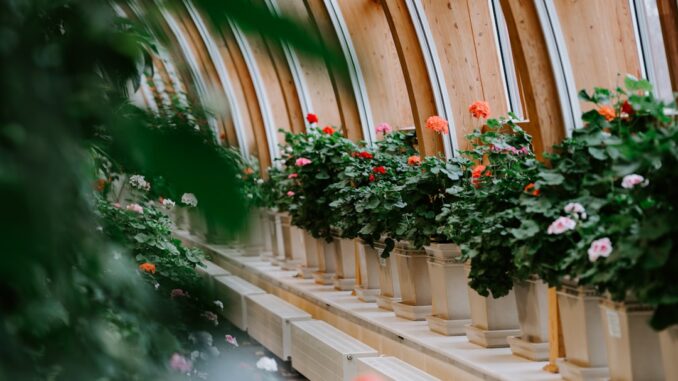
Introducing greenery isn’t just about decoration; it’s a fundamental principle of biophilic design – our innate human connection to nature. Indoor plants do wonders for air quality, absorbing toxins and releasing oxygen. They also visually soften the space, reduce stress, and can even lower noise levels. Choose low-maintenance plants that thrive in bright, indirect light, like the ever-popular snake plant, elegant peace lilies, robust ZZ plants, or trailing pothos. These are pretty forgiving, which is great if you’re not a seasoned gardener.
For a truly immersive feel, consider a living wall or a collection of hanging plants. Imagine a small lemon tree or an olive sapling, bringing a touch of the Mediterranean right into your home. The sight and scent of living plants can be incredibly therapeutic, a quiet reminder of the natural world just outside your walls. It’s a simple, yet profound, way to elevate the sensory experience of the space.
Breathing Easy: Optimizing Ventilation
Good air quality is paramount for well-being. Ensuring proper airflow prevents stuffiness, reduces humidity, and circulates fresh air. Install operable windows on multiple sides of the orangery to allow for cross-ventilation, letting breezes flow through. Roof vents, particularly those integrated into a roof lantern, are fantastic for allowing hot, stale air to escape upwards, creating a natural chimney effect. You might even consider automated vents that open and close based on temperature or humidity sensors, that’s pretty smart, isn’t it?
Ceiling fans are a simple yet effective solution for both cooling and maintaining air circulation. If you’re really committed to air quality, a small, discreet air purifier can work wonders, especially if you have allergies or live in a highly polluted area. There’s nothing worse than a beautiful space that feels stale, so get that fresh air moving!
The Perfect Climate: Intelligent Temperature Control
For an orangery to be a true year-round sanctuary, maintaining a comfortable temperature is non-negotiable. No one wants to shiver in winter or swelter in summer. Underfloor heating provides a wonderfully even, luxurious warmth that rises gently through the room, perfect for chilly mornings. Alternatively, slimline radiators or radiant heating panels can be integrated discreetly. For cooling, aside from good ventilation, a well-chosen mini-split air conditioning unit can keep things comfortable during heatwaves. Better yet, consider an air-source heat pump, which can provide both heating and cooling efficiently.
Crucially, invest in high-performance glazing and well-insulated frames. These are your first line of defense against temperature extremes. Good thermal efficiency, measured by U-values, reduces heat loss in winter and heat gain in summer. The goal is that ‘Goldilocks zone’ – not too hot, not too cold – where you can truly relax and unwind, enhancing both your physical comfort and sleep quality.
Zones of Zen: Crafting Functional Spaces
Think beyond just a single purpose. Designate distinct areas within your orangery to support various wellness activities. Having dedicated zones helps create mental separation and encourages focus. A corner might become a serene yoga or meditation nook, complete with a soft mat and perhaps a small, calming water feature. Another area could house a comfy armchair and a well-stocked bookshelf, inviting you to unwind with a good book. It’s a space that encourages mindfulness and can truly reduce stress levels.
Perhaps you envision a sun-drenched home office, where natural light boosts productivity and creativity, far from the distractions of the main house. Or maybe it’s a space for artistic pursuits – painting, pottery, or crafting – where inspiration flows freely. Even a small dining area, bathed in sunlight, can transform everyday meals into a more special, ‘al fresco’ experience, fostering connection and enjoyment. Consider ergonomic, comfortable furniture that supports these activities, ensuring your body is as relaxed as your mind.
The Symphony of Stillness: Acoustics and Sound
This is often an overlooked aspect, but for a true sanctuary, sound matters. High-quality double or triple glazing will significantly reduce external noise, whether it’s traffic, neighbors, or even heavy rain. Internally, think about how sound reverberates. Soft furnishings like rugs, curtains, and even those lovely indoor plants can absorb sound, creating a calmer, more intimate atmosphere. A small, self-contained water feature can add a soothing ambient sound, gently masking other minor noises and enhancing tranquility. It’s about curating a soundscape that contributes to peace, not distraction.
The Psychology of Color: Setting the Mood
Colors have a profound impact on our mood and perception of a space. In an orangery, with its abundant natural light, you have a fantastic canvas. Soft greens and blues can evoke feelings of calm, nature, and spaciousness, perfect for a relaxing retreat. Warm neutrals like creams, soft greys, or even muted terracotta can create a cozy, inviting atmosphere. Brighter accents, like pops of yellow or orange, can inject energy and cheerfulness without overwhelming the natural light. Choose a palette that resonates with your wellness goals for the space.
Nurturing Your Sanctuary: Essential Orangery Maintenance Tips
Like any cherished space, your orangery will thrive with a bit of regular care and attention. Keeping it in top condition not only preserves its beauty but also ensures it continues to be that healthy, inviting haven you designed it to be. Neglecting these basics can lead to bigger problems and costly repairs down the road, and nobody wants that, do they?
-
Regular Cleaning, Inside and Out: This is probably the most frequent task. Glass panels, both on the roof lantern and the side windows, should be cleaned at least monthly – more often if you live in a dusty area or near trees. Use a non-abrasive cleaner and a soft cloth or squeegee to avoid scratches, ensuring maximum light transmission and crystal-clear views. (tonyhowardbuildingservices.co.uk) Don’t forget the frames themselves. uPVC frames usually just need a wipe with soapy water. Aluminum frames benefit from a gentle wash. Timber frames should be cleaned with care, avoiding harsh chemicals that could damage the finish.
-
TLC for Timber Elements: If your orangery features beautiful wooden frames or decorative elements, they’ll need a little more love. Every two to three years, inspect them for signs of wear, fading, or minor damage. Re-treat them with a protective varnish, paint, or stain to guard against moisture, UV rays, and general weathering. (tonyhowardbuildingservices.co.uk) Catching any rot or pest infestations early is key to preventing extensive repairs. A little preventative care goes a long way here, it really does.
-
Seasonal Checks: Prepping for All Weathers: Make it a habit to perform a thorough inspection twice a year, ideally in spring and autumn. Look closely at all seals and gaskets around glass panels and frames – these are crucial for preventing drafts and leaks. Check drainage systems, including gutters and downspouts, to ensure they’re clear of debris and functioning correctly. Inspect all hardware: hinges, locks, and handles should be operating smoothly. Address any minor issues promptly before they escalate. For instance, a small leak can become a big headache if ignored.
-
Gutter and Drainage System Vigilance: Leaves, twigs, and general detritus can quickly clog orangery gutters, especially those surrounding a roof lantern. Clogged gutters can lead to water pooling, potential leaks, and even damage to foundations. Regular clearing, perhaps quarterly or after heavy storms, is essential. Also, ensure that any external drainage around the base of the orangery is clear and directing water away from the structure.
-
Pest Patrol: The warmth and plant life inside an orangery can occasionally attract insects or spiders. A routine clean often deters them, but keep an eye out for any persistent visitors. For indoor plants, consistent care and inspection help keep common houseplant pests at bay. You want your sanctuary to be a haven for you, not for creepy crawlies.
-
HVAC and Electrical System Servicing: If you have integrated heating and cooling systems, schedule annual professional servicing to ensure they’re running efficiently and safely. Likewise, if you have complex electrical setups, a periodic check by a qualified electrician can provide peace of mind. Safety first, always.
A Final Thought: Your Orangery, Your Lifestyle Upgrade
Building an orangery, as you can see, is much more than just a home improvement project; it’s a deliberate investment in your daily life, your comfort, and your overall well-being. By diligently understanding the various costs involved and thoughtfully designing a space that prioritizes health and tranquility, you’re not just adding a room; you’re creating a bespoke sanctuary. This unique space offers both undeniable aesthetic appeal and profound functional benefits, enriching every aspect of your home experience.
The real magic lies in the planning. Choose your materials wisely, work with experienced professionals, and, most importantly, design a space that truly resonates with your deepest wellness goals. It’s about envisioning how you’ll use this space, how it will feel to be in it, and how it will contribute to a more mindful, light-filled way of living. And frankly, in a world that often feels relentlessly fast-paced, creating a personal haven where you can slow down, connect, and simply be, well, that’s priceless.
References
- HomeAdvisor. (2025). How Much Does It Cost to Install a Conservatory in 2025? (homeadvisor.com)
- Builds and Buys. (2025). Conservatory Addition Cost Guide. (buildsandbuys.com)
- MyBuilder. (2025). Orangery Cost: A Quick Guide to Your Project. (mybuilder.com)
- Eliments. (2025). Top 10 Advantages of Installing an Orangery. (eliments.co.uk)
- Tony Howard Building Services. (2025). Essential Maintenance Tips For Orangeries. (tonyhowardbuildingservices.co.uk)
Be the first to comment