
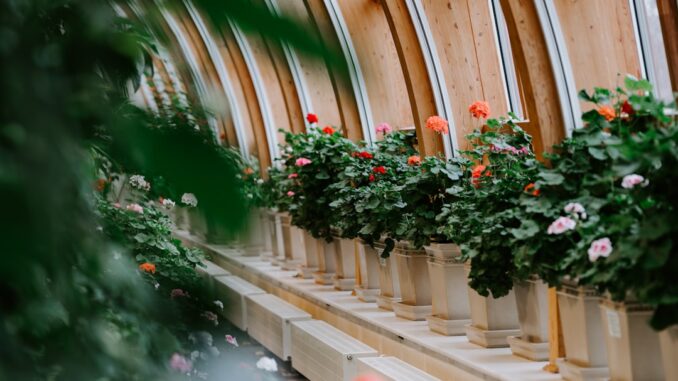

Elevating Your Home: The Definitive Guide to Designing and Investing in an Orangery
Imagine stepping into a space where the lush vibrancy of your garden effortlessly merges with the refined comfort of your home. It’s a place where the sun drenches every corner, yet you’re perfectly sheltered from the elements. This isn’t just a fantasy, it’s the everyday reality an orangery offers—a sophisticated extension that doesn’t just add square footage, but fundamentally transforms your living experience and your connection to the outdoors.
Historically, orangeries were elegant structures built to house delicate citrus trees during colder months, hence the name. They were symbols of status and a testament to a homeowner’s refined taste. Fast forward to today, and while we might not all be cultivating exotic fruit, the essence remains: to create a bright, airy, and truly distinctive space that invites relaxation, enjoyment, and a seamless blend of indoor and outdoor living. It’s more than just an addition; it’s a lifestyle upgrade, isn’t it?
The Irresistible Allure of an Orangery: More Than Just Glass and Brick
What precisely gives an orangery its magnetic appeal? It’s a masterful blend of architectural elegance and functional brilliance. Unlike a traditional conservatory, which typically features more glass in its structure, particularly in the roof, an orangery combines extensive glazing—often large, dramatic panels—with a robust, solid roof structure, frequently incorporating a stunning roof lantern or atrium. This design choice is key.
Think about it: that solid roof provides superior thermal performance, keeping the space warmer in winter and cooler in summer, far more consistently than older conservatory designs. And because of the partial solid walls, often built from brick or stone, it feels more like an integrated room of your house, not just an add-on. The natural light, oh the natural light! It floods in, creating an uplifting atmosphere that can genuinely boost your mood, especially on those grey, drizzly days when the world outside seems a bit muted. You’re connected to the garden, watching the rain lash against the windows, perhaps even seeing the wind howl through the trees, all while nestled in comforting warmth.
I remember a client, Sarah, who wanted to transform a rather dismal, underutilized patch of her backyard. She envisioned a vibrant dining area, a place for family gatherings and dinner parties that felt special. We designed an orangery for her, integrating it beautifully with her existing kitchen. Now, she tells me, every meal feels like a celebration. Her children do their homework there, bathed in natural light, and evenings often end with a glass of wine, gazing out at her illuminated garden. It’s not just a room; it’s the heart of their home, completely revitalized.
Year-Round Enjoyment and Unrivalled Versatility
One of the orangery’s most compelling features is its ability to offer truly year-round enjoyment. In spring, it becomes a serene spot to watch your garden burst into life, vibrant greens emerging from slumber. Summer means open doors, gentle breezes, and effortless indoor-outdoor flow for entertaining. Autumn’s rich tapestry of colours is best appreciated from a cozy corner, a warm drink in hand, while winter transforms it into a luminous sanctuary, a warm haven where you can still feel connected to the stark beauty of a frosty landscape.
But the real magic lies in its adaptability. What could your orangery be? The possibilities are wonderfully vast:
- A Grand Dining Room: Perfect for lavish dinner parties or intimate family meals, all with a garden backdrop.
- A Light-Filled Living Space: Imagine a second lounge, perhaps a quiet reading nook bathed in sun, or a lively family room where everyone can spread out.
- A Productive Home Office: Say goodbye to dark, cramped studies. An orangery office is inspiring, invigorating, and a delightful place to focus.
- An Integrated Kitchen Extension: Many people opt to extend their kitchen into an orangery, creating a vast, open-plan kitchen-diner-living space that’s simply breathtaking.
- A Tranquil Yoga Studio or Home Gym: Get your zen on or sweat it out surrounded by natural beauty, a truly refreshing change from a typical basement gym.
- A Playroom for the Kids: Give the little ones a dedicated, bright space for their toys and games, keeping the rest of your home clutter-free.
Its inherent versatility makes it a smart investment, capable of evolving with your family’s changing needs over the years. That’s what smart home design is all about, isn’t it?
Designing Your Dream Orangery: A Holistic Approach
Planning your orangery involves more than just picking a size and a material. It’s about vision, integration, and meticulous detail. You’re creating something enduring, something that needs to feel like it’s always been there, enhancing rather than just attaching to your existing home and garden.
Step 1: Vision, Integration, and Site Assessment
Before you even think about materials, really sit with your vision. How do you want to feel in this space? What’s its primary purpose? Think about how the orangery will flow from your existing home. Will it extend naturally from a kitchen, a living room, or perhaps a hallway? The integration needs to be seamless, both aesthetically and functionally.
Also, consider your site: where does the sun hit throughout the day? A south-facing orangery will receive ample light, perhaps needing more solar control glazing or ventilation. North-facing will be cooler but offers consistent, diffused light, perfect for an art studio. What are your garden’s best features? You’ll want to frame those views. And don’t forget the practicalities, like access for construction or existing drainage systems. These details matter immensely.
Step 2: Navigating Planning Permission and Regulations
Ah, the paperwork! This isn’t the most glamorous part, but it’s absolutely crucial. While some smaller orangeries might fall under ‘permitted development’ rights, meaning you won’t need full planning permission, it’s never a given. Factors like size, height, proximity to boundaries, and whether your property is in a conservation area or listed building status will all influence the requirements.
Always, and I mean always, check with your local planning authority before you start. It’s far better to invest a little time upfront than face costly demolition orders or fines down the line. A reputable builder or architect will guide you through this, but ultimately, it’s your responsibility as the homeowner to ensure compliance. Building Regulations, which cover structural integrity, thermal performance, and safety, will almost certainly apply, irrespective of planning permission.
Step 3: Material Matters: Crafting Your Orangery’s Character
The materials you choose profoundly impact both the aesthetics and the long-term durability of your orangery. It’s a balance between budget, desired look, and maintenance.
uPVC: The Practical & Popular Choice
- Pros: uPVC is incredibly popular for a reason. It’s typically the most cost-effective option, offers excellent thermal efficiency (especially with modern multi-chambered profiles), and requires very little maintenance—just an occasional wipe down. It’s resistant to rot, rust, and corrosion, and comes in a wide array of colours, not just white, allowing for decent customisation. You’ll find it lasts for decades without much fuss.
- Cons: While technology has come a long way, some still find uPVC lacks the natural charm or premium feel of timber or aluminium. It can sometimes appear chunky, and for period properties, it might not always blend seamlessly with the existing architecture.
Timber: Classic Elegance and Natural Beauty
- Pros: For timeless elegance, timber is hard to beat. It offers a warm, natural aesthetic that often complements traditional homes beautifully, significantly enhancing property value. Hardwoods like oak, utile, or mahogany are incredibly durable and offer fantastic natural insulation. Softwoods like redwood are more budget-friendly but still beautiful. Timber allows for bespoke designs, intricate detailing, and can be painted or stained to virtually any colour, letting you achieve a truly unique look.
- Cons: The main drawbacks are cost—timber is generally more expensive than uPVC or aluminium—and maintenance. It requires regular painting, staining, or oiling to protect it from the elements, prevent warping, and keep it looking its best. Neglect this, and you’ll regret it. But if you’re prepared for the upkeep, the payoff is immense.
Aluminium: Sleek, Strong, and Contemporary
- Pros: If you’re after a modern, minimalist aesthetic, aluminium is your go-to. Its inherent strength allows for incredibly slim sightlines, meaning more glass and less frame, maximizing your views and natural light. It’s incredibly durable, low maintenance (like uPVC, it won’t rot or rust), and can be powder-coated in almost any RAL colour. Thermal break technology has also vastly improved its insulating properties, making it a viable and efficient choice.
- Cons: Aluminium can be more expensive than uPVC, though often competitive with timber. Some might find its aesthetic a little too ‘industrial’ for very traditional homes, though it can create a striking contrast if done well. Without good thermal breaks, it can be a conductor of heat and cold.
Step 4: The Crucial Role of Glazing
This isn’t just ‘glass’; it’s a high-performance component. Modern glazing technology is astounding, offering so much more than basic double-paned units. Consider:
- Low-Emissivity (Low-E) Glass: This has a microscopic coating that reflects heat, keeping warmth inside during winter and excessive heat out during summer, drastically improving thermal efficiency.
- Solar Control Glass: Specifically designed to reduce solar heat gain, preventing your orangery from becoming an oven on hot, sunny days. It’s a lifesaver in south-facing extensions.
- Self-Cleaning Glass: A clever coating uses UV light and rain to break down and wash away dirt, making maintenance a breeze. Honestly, it’s a game-changer.
- Triple Glazing: Offers superior thermal and acoustic insulation, though it comes at a higher cost and weight.
Investing in high-quality glazing is one area where you absolutely shouldn’t skimp. It impacts comfort, energy bills, and overall enjoyment.
Step 5: Roof Design and Foundation
The roof is a defining feature of an orangery. A solid roof, often with a large central lantern, creates a more ‘room-like’ feel and offers excellent insulation, allowing for integrated lighting. The roof lantern itself is a magnificent feature, drawing light deep into the space and offering a dramatic architectural statement. Think about automated vents within the lantern for effortless temperature control.
Underneath it all, the foundation is literally what supports your entire investment. A proper, robust foundation is non-negotiable, tailored to your ground conditions. You don’t want any nasty surprises with subsidence later on. Similarly, your flooring choice needs careful consideration for both aesthetics and practicality. Porcelain tiles with underfloor heating are incredibly popular, offering durability, style, and consistent warmth—a truly luxurious touch on a cold morning.
Cost Considerations: Beyond the Initial Price Tag
Understanding the financial landscape is paramount for any major home improvement. An orangery is an investment, and like any investment, its cost is influenced by numerous factors. The estimates you see are just starting points; your specific vision will define the final figure.
Breaking Down the Budget: What Influences the Price?
- Size and Complexity of Design: This is probably the biggest driver. A small, simple square orangery will naturally be less expensive than a large, multi-faceted design with intricate roof details or unusual angles. More glass, more brickwork, more bespoke features equals higher costs.
- Materials Chosen: As discussed, uPVC is generally the most economical, followed by aluminium, and then timber. The specific type of timber (e.g., softwood vs. hardwood) also makes a difference. Don’t forget the finish; a unique paint colour might cost more than standard white.
- Glazing Specification: Standard double glazing is one thing, but upgrading to high-performance low-E, solar control, or self-cleaning triple glazing will significantly increase the cost per square meter of glass. It’s worth it for the long-term benefits, though.
- Foundation and Groundworks: If your site has tricky ground conditions, requires extensive excavation, or has poor drainage, the cost of laying a solid foundation can escalate. Difficult access for machinery also adds to labour costs.
- Roof Design: A standard uPVC-framed roof lantern will be less costly than a large, bespoke timber or aluminium lantern. The overall roof structure (solid vs. primarily glass) also plays a part.
- Internal Finishes and Fit-Out: This includes flooring (tiles, engineered wood), heating (underfloor heating is an upfront cost but a long-term benefit), electrical work (sockets, lighting, external power), plastering, painting, and any integrated bespoke furniture or storage. This can easily add thousands.
- Professional Fees: Don’t forget architect fees (if you use one), structural engineer reports, and planning application fees. These are necessary expenses for a smooth project.
- Geographic Location: Labour costs and material availability can vary significantly across different regions, impacting the overall price.
- Site Accessibility: If your builders can’t easily get materials and equipment to the construction area, it will take more time and effort, driving up labour costs.
General Orangery Cost Estimates (for guidance only):
- Small Orangery (e.g., 10×12 feet / 3×3.6 meters): You’re likely looking in the range of $25,000 – $40,000. This would typically be a simpler design, possibly uPVC or basic aluminium, with standard double glazing and minimal internal finishes.
- Medium Orangery (e.g., 12×16 feet / 3.6×4.8 meters): For this size, expect to budget approximately $40,000 – $65,000. Here, you’ll have more flexibility with materials, better glazing options, and some nicer internal finishes.
- Large Orangery (e.g., 16×20 feet / 4.8×6 meters and up): Projects of this scale, especially with high-end materials like hardwood timber, advanced glazing, bespoke roof lanterns, and comprehensive internal fit-outs, can range from $65,000 – $100,000+. Some truly luxurious, custom-designed orangeries can easily exceed this, particularly if you’re integrating a high-spec kitchen.
These figures are, of course, estimates. Always obtain detailed, itemized quotes from several reputable local contractors. Don’t just compare the bottom line; compare what’s included in that bottom line. A slightly higher quote might include superior glazing or a better foundation, which is an investment, not an added expense, ultimately.
Maximizing Your Orangery Investment: A Return on Lifestyle and Value
An orangery isn’t merely an expense; it’s a strategic investment in both your property’s value and, more importantly, your quality of life. The financial uplift is certainly attractive, but the daily pleasure it brings? That’s truly priceless.
Boosting Property Value: A Tangible Asset
A well-designed, high-quality orangery can significantly increase your property’s market value, often by as much as 7 to 11 percent, as studies suggest (eliments.co.uk). Think about it: you’re adding desirable, functional square footage that’s bathed in natural light, beautifully connecting the home to the garden. It’s a compelling feature for prospective buyers, making your home stand out in a competitive market. It’s not just an extra room; it’s a designer room, a feature that many homebuyers actively seek out.
When I’m valuing homes, an orangery that’s thoughtfully integrated and finished to a high standard consistently adds significant appeal. It speaks of luxury, comfort, and an intelligent use of space. Conversely, a poorly designed or constructed extension, unfortunately, can actually detract from value, so quality here is non-negotiable.
The Lifestyle Dividend: An Intangible Return
Beyond the bricks and mortar, the real return on investment lies in the enhanced lifestyle it offers. Imagine starting your day with a morning coffee, watching the dew glisten on the grass, feeling the gentle warmth of the rising sun. Picture hosting friends for a lively dinner party, the evening light softly filtering through the lantern roof, the garden illuminated outside creating a magical ambiance. Envision your children happily playing, their laughter echoing in a bright, dedicated space, keeping the main living areas serene.
It’s about creating moments, isn’t it? It’s about more space to breathe, more light to live by, and a constant, gentle reminder of the beauty of nature just beyond your glass walls. An orangery truly adapts to your needs, providing a tranquil retreat, a vibrant entertainment hub, or a productive workspace—whatever your lifestyle demands. That feeling of spaciousness and connection is something you simply can’t put a price on.
Energy Efficiency and Longevity: Smart Choices Pay Off
Modern orangeries, particularly those built with advanced glazing and well-insulated solid roof sections, are far more energy-efficient than their older conservatory cousins. They can significantly contribute to your home’s overall thermal performance, potentially even reducing heating bills by creating a ‘buffer’ zone between your main living areas and the outside. This isn’t just about saving money; it’s about comfort and contributing to a more sustainable home.
Furthermore, choosing durable, high-quality materials and ensuring expert craftsmanship means your investment will stand the test of time. A well-built orangery will require less maintenance and repair over the decades, protecting your initial outlay and continuing to deliver value and enjoyment for many, many years to come. It’s about building something to last, something genuinely cherished.
The Journey: From Spark of an Idea to Stunning Reality
Embarking on an orangery project is an exciting journey, and knowing the typical steps can help demystify the process and ensure you’re prepared for what’s ahead.
Step 1: Envisioning Your Space & Initial Research
This is where the dream takes shape. Spend time thinking about your needs, your desires, and how an orangery will integrate into your life. Gather inspiration from magazines, online galleries, or even local show homes. What styles do you like? What specific functions do you need? What’s your initial budget range? This early vision is crucial for communicating with professionals later on.
Step 2: Professional Consultation & Feasibility
Once you have a clearer idea, it’s time to bring in the experts. Consult with a few reputable orangery specialists or architects. They can advise on feasibility, potential designs, material options, and, importantly, guide you through the planning permission and building regulation requirements specific to your property and location. This is also where you’ll start getting rough estimates to refine your budget.
Step 3: Detailed Design & Planning Applications
With a chosen designer/builder, you’ll move into detailed design. This involves architectural drawings, material specifications, and often 3D renderings so you can truly visualise the finished space. Once you’re happy, these plans will form the basis of your planning application (if required) and building regulation submissions. Be patient; this stage can take several weeks or even months, but getting it right here prevents costly errors later.
Step 4: Obtaining Quotes & Contractor Selection
Armed with your approved plans, solicit detailed, itemized quotes from at least three different, reputable contractors. Look for transparency, clarity, and a comprehensive breakdown of costs. Don’t just pick the cheapest option; consider their experience, client testimonials, insurance, and communication style. Ask for references and check out their previous work. A good relationship with your builder is invaluable.
Step 5: Contract & Project Management
Once you’ve selected your contractor, a formal contract outlining all aspects of the project—scope of work, materials, timeline, payment schedule, warranties, and dispute resolution—is essential. Understand payment milestones. During construction, maintaining open lines of communication with your project manager or site foreman is key. Regular site visits (when safe to do so) can help you stay informed and address any issues promptly.
Step 6: Construction Phase – The Transformation Begins!
This is the exciting part! You’ll see your vision come to life. The typical sequence involves:
- Site Preparation & Groundworks: Clearing, excavation, laying the foundation and base.
- Dwarf Walls & Main Structure: Building the brick or stone dwarf walls, then erecting the frames for windows and doors.
- Roof Installation: This is often a significant milestone, putting the solid roof and lantern in place.
- Glazing: Installing the glass units into the frames.
- First Fix Electrics & Plumbing: Running cables for sockets, lights, and any heating or water connections.
- Plastering & Internal Finishes: Creating smooth walls and ceilings.
Step 7: Final Fit-Out, Snagging & Handover
Once the main structure is complete, the internal finishes like flooring, final electrical fixtures, and painting will happen. Before final payment, undertake a ‘snagging list’—a detailed inspection to identify any minor defects or incomplete work that needs rectifying. Once you’re satisfied, the project is officially handed over, usually with relevant certificates for building regulations, electrical work, and guarantees for materials and workmanship.
Step 8: Enjoyment & Ongoing Maintenance
The best step of all! It’s time to furnish, decorate, and simply live in your stunning new space. Remember to follow your contractor’s advice on ongoing maintenance for your chosen materials to ensure your orangery remains beautiful and functional for decades to come.
Conclusion
Incorporating an orangery into your home isn’t merely an expansion; it’s a transformative decision that truly bridges the gap between indoor comfort and outdoor beauty. It’s about creating a space drenched in natural light, versatile enough for any purpose, and designed to enhance your daily life. From the careful consideration of design elements and material choices to understanding the true scope of costs and the tangible benefits to your property’s value, every step in this journey contributes to a remarkable outcome. So, why not embrace the light, connect with your garden, and create a truly exceptional extension that you’ll cherish for years? It’s an investment in both your home and your happiness, a decision I’m confident you won’t regret.
Be the first to comment