

Smart Renovations: Boosting Your Home’s Value with Strategic Upgrades
Thinking about sprucing up your place? Renovating your home isn’t just about giving it a fresh coat of paint or a snazzy new kitchen, you know; it’s genuinely a strategic move to pump up your property’s value. Whether you’re planning to list it on the market sooner rather than later, or simply crave an enhanced, more enjoyable living space for yourself and your family, certain upgrades consistently offer impressive, sometimes surprising, returns on investment. It’s like planting seeds for future financial gain while you also get to enjoy the blooms today.
Now, anyone who’s ever tackled a home project, big or small, knows it can feel like a bit of a rollercoaster. There are the dizzying highs of seeing your vision come to life, and then, of course, the occasional stomach-dropping lows when a hidden problem pops up. But with the right strategy, these investments really can pay off. So, let’s dive in and explore the top 10 renovations that can truly elevate your home’s worth, transforming it from ‘nice enough’ to ‘absolutely desirable.’
Invest in your homeElegancia.homes orangeries increase value and appeal over other properties.
A Word on ROI: It’s Not Just a Number
Before we jump into the specifics, let’s chat about Return on Investment, or ROI. You’ll see percentages thrown around, like ‘recoups 90% of its cost,’ and while these are fantastic benchmarks, they’re not a crystal ball. ROI can fluctuate pretty significantly based on a few key factors: your geographic location, current market conditions, the quality of materials and workmanship you choose, and even the overall aesthetic appeal of your specific neighborhood. A high-end kitchen in a modest area, for instance, might not fetch the same percentage return as it would in a luxury market. It’s crucial to understand your local market and avoid over-improving for your area. You want to align your upgrades with what buyers in your specific locale expect and are willing to pay for. Always good to do your homework here, maybe even chat with a local real estate agent before you start swinging that hammer.
Balancing Appeal and Investment
Ultimately, a renovation should strike a balance. You want it to appeal broadly to potential buyers, but also reflect a certain quality and thoughtful design. Sometimes, a series of smaller, more focused upgrades can yield a better overall return than one massive, disruptive project. Think of it as a symphony; all the instruments need to play in harmony to create beautiful music, rather than just one blaring trumpet. Let’s explore how to create that harmony.
The Top 10 Value-Boosting Renovations
1. Kitchen Remodel: The Heart of the Home, Reimagined
Ah, the kitchen. It isn’t just a place to cook anymore; it’s the undisputed social hub, the nerve center of family life, and often, the first place prospective buyers scrutinize. When you walk into a home, doesn’t your eye just naturally drift to the kitchen? A tired, outdated kitchen can frankly kill a deal quicker than you can say ‘granite countertops,’ while a sparkling, functional one can seal it with a flourish. This is where investing really pays dividends.
We often hear about kitchen remodels recouping a high percentage of their cost, sometimes up to 96.1% for a minor overhaul, according to sources like topremodelingconstruction.com. But what does ‘minor’ truly entail? We’re talking about smart, impactful changes like updating cabinet fronts or repainting existing ones, swapping out old laminate countertops for something fresh like quartz or a durable solid surface, and definitely upgrading to energy-efficient appliances. Think about it: sleek stainless steel models not only look fantastic, but they also promise lower utility bills, a huge selling point for today’s eco-conscious buyer. Don’t forget about modern lighting fixtures either; they can dramatically brighten and update the entire space, creating an inviting glow.
On the other hand, a ‘major’ kitchen remodel might involve reconfiguring the layout, knocking down a wall to create an open-concept living area, or installing custom cabinetry. These projects are more expensive and disruptive, but if your existing layout is truly dysfunctional, or if your home’s value justifies the higher investment, they can still offer excellent returns. Just remember, don’t overcapitalize for your neighborhood. If everyone else has basic laminate, a $100,000 gourmet kitchen might not be the wisest move.
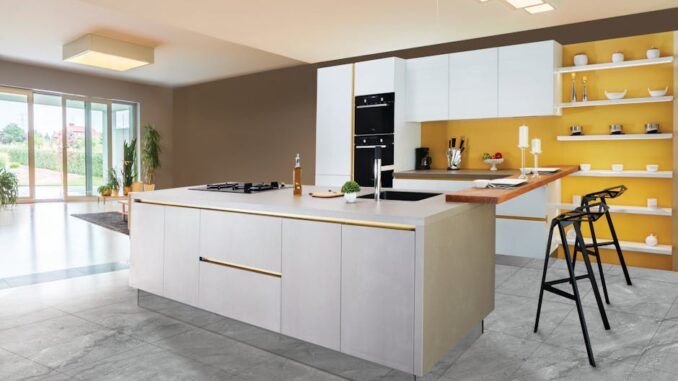
Consider current trends too. Open-concept kitchens that flow seamlessly into dining and living areas are still incredibly popular. Large islands with seating have become almost a prerequisite for modern family life, offering extra prep space, casual dining, and a natural gathering spot. People also love smart storage solutions – pull-out pantries, deep drawers for pots and pans, even hidden charging stations for devices. My friend Sarah, for instance, recently redid her kitchen. She spent a good chunk of change, sure, but focused on timeless finishes and maximizing storage. When they decided to move a year later, the real estate agent practically gave tours using her kitchen as the main selling point. It really does make a difference.
2. Bathroom Upgrades: Small Spaces, Big Impact
After the kitchen, bathrooms are arguably the next most important spaces in a home. They’re private sanctuaries, essential for daily routines, and buyers really do notice their condition. A dated, dingy bathroom just screams ‘more work for me!’ to a potential buyer, whereas a clean, modern one feels like a luxurious escape. Even small spaces can make a huge statement here, which is why midrange bathroom renovations can recoup around 70% of the investment, as noted by renowow.ca.
What kind of upgrades are we talking about? Focus on the refresh. Installing water-efficient fixtures, for starters, is a win-win: you save on water bills, and it appeals to environmentally aware buyers. Modern vanities, perhaps with double sinks if space allows, offer both style and functionality. Think about sleek, clean lines. And lighting? It’s transformative. Go for layered lighting – a good overhead fixture, perhaps some task lighting around the mirror, maybe even a dimmer switch for creating a spa-like ambiance. Swapping out an old, yellowing shower curtain for a clean glass enclosure can instantly make a bathroom feel larger and more upscale. As for tiling, classic subway tiles are still a fantastic, affordable option, or consider larger format tiles for a more contemporary look. Don’t forget about practical elements like recessed niches in the shower for shampoo and soap; it’s a small detail, but it speaks volumes about thoughtful design.
3. Energy-Efficient Windows: Comfort and Savings That Go Beyond the Obvious
Here’s an upgrade that pays you back in multiple ways, a true unsung hero of home improvement. Replacing old, drafty windows with energy-efficient models isn’t just about curb appeal (though new windows certainly do spruce up a home’s exterior, no question), it’s also about tangible comfort and serious savings. topremodelingconstruction.com suggests you can recoup around 67.1% of their cost, and honestly, that feels a bit conservative when you factor in the long-term benefits.
Firstly, new windows slash your energy bills. We’re talking potentially significant reductions, sometimes up to 15% or more, because they dramatically improve your home’s insulation. No more feeling that icy whisper near the couch in winter, or battling sweltering heat radiating from old panes in summer. Secondly, they enhance indoor comfort by eliminating those annoying drafts and maintaining more consistent temperatures throughout the house. But it gets better: modern windows often feature advanced glass technology like Low-E coatings and Argon gas fills between panes, which further block harmful UV rays and improve thermal performance. Plus, there’s the noise reduction factor – a real blessing if you live on a busy street. Imagine the blissful quiet!
When considering materials, you’ve got choices: vinyl is popular for its low maintenance and affordability, wood offers classic aesthetics but requires more upkeep, and fiberglass provides excellent durability and energy efficiency. Each has its pros and cons, so it’s worth weighing what fits your budget and home style. Just be sure to invest in professional installation; even the best windows won’t perform optimally if they’re not sealed correctly.
4. Outdoor Living Spaces: Extend Your Living Area, Naturally
In today’s world, where so many of us spend hours glued to screens and confined indoors, the allure of an inviting outdoor living space is stronger than ever. It’s not just about having a yard; it’s about seamlessly extending your home’s footprint into nature, creating an extra ‘room’ for relaxation, entertaining, and simply breathing. Adding a deck or patio can see you recover a healthy 65-80% of its cost, according to ashevillehomeremodel.com, and in many markets, I’d argue that number feels conservative because the demand is so high.
Imagine: a beautiful spot for morning coffee, an al fresco dining area, or a cozy nook for an evening glass of wine. Buyers absolutely love this vision. The key is thoughtful design. Will it be a wooden deck, offering warmth and classic appeal, or a low-maintenance composite deck that shrugs off weather? Perhaps a stone patio, rugged and timeless, perfect for a fire pit? Consider incorporating built-in seating, which defines the space and saves on furniture. Thoughtful lighting, whether strung bistro lights or integrated deck lighting, creates a magical ambiance after sunset. Even small additions, like a well-placed pergola for shade or strategic planters, can elevate the entire experience. This isn’t just about adding square footage; it’s about adding lifestyle.
5. Smart Home Technology: The Future is Now, and It’s Convenient
We live in an era where technology isn’t just for our phones; it’s seamlessly integrating into our homes, making daily life easier, safer, and more efficient. Incorporating smart home features can dramatically increase your home’s appeal, especially to tech-savvy younger buyers who’ll see it as a non-negotiable convenience, as noted by ashevillehomeremodel.com. It’s less about a single gadget and more about creating an interconnected ecosystem.
Think about the foundational elements: a programmable smart thermostat (like Nest or Ecobee) that learns your habits and optimizes heating and cooling, saving energy without you lifting a finger. Smart lighting systems (Philips Hue, for instance) allow you to control brightness and color with your voice or phone, even when you’re not home, adding a layer of security and convenience. Then there are smart security systems with cameras and motion sensors, smart locks that let you grant access remotely, and even smart garage door openers. These aren’t just cool party tricks; they offer genuine peace of mind, improved energy efficiency, and unparalleled convenience.
When planning, consider compatibility. Do your chosen devices work together? Do they integrate with a central hub or voice assistant like Alexa or Google Home? A coherent system is much more impressive than a hodgepodge of disconnected gadgets. Plus, many buyers appreciate the forward-thinking aspect, knowing their home is already equipped for the digital age.
6. Finished Basement or Attic: Unlock Hidden Potential (and Square Footage)
Many homes have these vast, untapped reservoirs of space: the dark, dusty basement or the often-ignored attic. Converting these unused areas into functional, livable square footage is often one of the smartest investments you can make, potentially recovering 65-75% of their cost, according to topremodelingconstruction.com. Why? Because you’re adding valuable square footage without the expense or hassle of building an entirely new addition.
Think about the possibilities. A finished basement could transform into a cozy family room, a dedicated home office (a huge plus in our hybrid work world!), an extra bedroom for guests, a home gym, or even a sophisticated media room. For attics, provided there’s enough head height and structural integrity, you could create a charming guest suite, a serene artist’s studio, or a playful children’s playroom.
However, these aren’t simple weekend DIY projects. Basements need careful attention to waterproofing, proper insulation, and, critically, egress windows for safety and natural light if you’re adding bedrooms. Attics require structural evaluation, insulation, and safe, accessible staircases. You’ll also need to consider extending HVAC, electrical, and plumbing. Permitting is absolutely non-negotiable for these types of structural and usability changes. Make sure you work with experienced professionals who understand building codes. Done right, however, it’s like magic; you’ve essentially expanded your home’s footprint and functionality, making it immensely more appealing.
7. Hardwood Flooring: The Undeniable Appeal of Timeless Elegance
There’s just something about hardwood floors, isn’t there? They exude a classic warmth, a sense of quality, and an enduring style that transcends fleeting trends. It’s no wonder that installing or refinishing hardwood floors can recover up to 95% of their cost, as ashevillehomeremodel.com points out. They’re consistently a top preference for buyers, and for very good reason.
Beyond their undeniable aesthetic appeal, hardwood floors are incredibly durable, especially if you opt for quality species like oak, maple, or hickory. They’re also remarkably easy to maintain – a quick sweep or vacuum, and perhaps a damp mop, is usually all it takes. For allergy sufferers, they’re a godsend, as they don’t trap dust mites, pet dander, or other allergens like carpets do. Plus, they literally last for decades and can be refinished multiple times, giving them an incredibly long lifespan.
Should you refinish existing hardwood or install new? If your existing floors are in good structural condition but just look tired and scratched, refinishing is often a more cost-effective and environmentally friendly option. However, if they’re severely damaged, have major gaps, or you want a different species or width, new installation might be the way to go. Either way, the transformation is usually dramatic. I remember walking into a home that felt heavy and dated with wall-to-wall carpet. When they pulled it up and revealed gorgeous original hardwoods beneath, then refinished them, the whole place instantly felt lighter, brighter, and much more modern. It was truly astonishing, a true value add.
8. Fresh Interior Paint: The Cost-Effective Makeover That Works Wonders
If there’s one renovation that offers arguably the biggest ‘bang for your buck’ with minimal effort (relatively speaking!), it’s a fresh coat of interior paint. It’s amazing how this simple, affordable update can literally transform a space, making it feel cleaner, brighter, and more contemporary. A fresh coat of neutral paint can yield a return on investment of 60-100%, sometimes even more, depending on your current paint job, according to bellaconceptsllc.com.
Why neutral? Because it appeals to the broadest possible audience. Think soft greys, warm off-whites, and subtle beiges. These colors create a clean canvas, allowing potential buyers to easily envision their own furniture and style within the space. Bold, highly personal colors, while lovely for your taste, can be polarizing for others and often signal ‘more work’ to buyers who might not share your preference. You want them to feel like they can move right in, effortlessly.
The key to a great paint job isn’t just the color; it’s the preparation. Take the time to clean the walls thoroughly, patch any holes or cracks, and use a good primer, especially if you’re going from a dark color to a light one. Don’t forget the trim and ceilings either; crisp white trim makes everything else pop. While painting can be a DIY project, if you’re short on time or patience, or if your home has high ceilings, hiring a professional ensures a flawless, crisp finish that truly elevates the perceived value of your home. It’s the ultimate refresh button.
9. Front Door Replacement: First Impressions That Really Last
They say you never get a second chance to make a first impression, and for your home, that first impression starts right at the front door. This seemingly small detail can actually have a profound impact on a buyer’s initial perception of your entire property. Replacing your front door with a high-quality, energy-efficient model can recover an impressive up to 90% of its cost, as stated by ashevillehomeremodel.com. That’s a serious return for an entry point!
Beyond the immediate curb appeal boost – because let’s be honest, a tired, peeling door just looks neglected – a new front door offers significant functional advantages. Modern doors provide much better insulation than older models, helping to keep your home warmer in winter and cooler in summer, which translates to energy savings. They also come with enhanced security features, giving you and future homeowners greater peace of mind. You have a few material options: steel doors are known for their durability and security, fiberglass offers excellent energy efficiency and can mimic the look of wood without the maintenance, and wood doors provide timeless beauty and warmth but require more upkeep.
Consider the style of your home and choose a door that complements its architecture. Don’t forget the hardware either! A stylish new handle set and deadbolt can complete the updated look. When a buyer steps up to your house, you want them to feel welcomed, secure, and ready to see more. A beautiful, well-maintained front door sends exactly that message.
10. Aging-in-Place Modifications: Future-Proofing Your Home for Broader Appeal
This might not be the flashiest renovation, but it’s one that speaks volumes about thoughtfulness and long-term value. Incorporating ‘aging-in-place’ features isn’t just for seniors; it expands your potential buyer pool significantly, making your home accessible and comfortable for people of all ages and abilities. It’s about future-proofing your home, making it adaptable for whatever life throws your way, and ashevillehomeremodel.com wisely highlights its importance.
What are we talking about here? Simple, yet impactful, design choices. Think zero-threshold showers, meaning no lip or curb to step over, creating an easy, seamless entry and exit. Wider doorways (ideally 36 inches) allow for easier navigation, whether it’s for moving furniture, using a stroller, or accommodating a wheelchair. Lever-style door handles and faucet controls are much easier to operate than traditional knobs, especially for those with limited dexterity. Even subtly reinforcing bathroom walls before tiling allows for the easy installation of grab bars later, should they ever be needed, without a major renovation.
These modifications aren’t about making your home look clinical; they can be incredibly stylish and blend seamlessly into modern design. For instance, many contemporary walk-in showers with linear drains are naturally zero-threshold. By integrating these thoughtful features, you’re not just appealing to an older demographic; you’re also catering to young families who appreciate accessibility, anyone recovering from an injury, or simply buyers who are thinking ahead and want a home that can truly grow with them. It shows foresight and care, qualities any buyer would appreciate.
Beyond the Hammer: Strategic Planning for Your Renovation Journey
Okay, so we’ve covered the ‘what,’ but the ‘how’ is just as crucial. Embarking on a renovation project, even a minor one, requires careful planning and a clear strategy. Rushing into things often leads to costly mistakes, unexpected delays, and a whole lot of stress you just don’t need. Here’s a quick rundown of essential steps to ensure your renovation journey is as smooth and successful as possible.
Do Your Homework: Research is Your Best Friend
Before you even think about buying materials or hiring contractors, dive deep into research. Understand what styles and finishes are popular in your local market. Look at comparable homes that have recently sold in your area and note what renovations they featured. Are open-concept kitchens the norm? Do all the bathrooms have double vanities? This will help you tailor your upgrades to truly resonate with local buyer expectations, preventing you from over-improving or under-delivering for your market segment.
Budget Like a Pro: Expect the Unexpected
Create a detailed budget, and then, add at least a 10-15% contingency fund. Seriously, do it. In renovation, the ‘unexpected’ is practically a guarantee. You might uncover old plumbing issues, electrical quirks, or structural surprises once you start opening up walls. Having that buffer prevents financial panic and keeps your project moving forward without uncomfortable pauses. Itemize everything: materials, labor, permits, even debris removal. Be realistic about costs.
Hire the Right People: Quality Matters
Unless you’re a seasoned DIYer with all the necessary skills, hiring qualified professionals is non-negotiable for most of these value-boosting renovations. Get multiple quotes, check references diligently, and verify licenses and insurance. Don’t just go for the cheapest bid; sometimes, a slightly higher price means better quality workmanship, clearer communication, and a smoother process. A poorly executed renovation can actually decrease your home’s value, which is precisely what we’re trying to avoid!
Permitting and Regulations: Don’t Skip This Step
Many significant renovations, especially those involving structural changes, plumbing, or electrical work, require permits from your local municipality. Attempting to bypass the permitting process can lead to fines, forced demolition, and huge headaches when it comes time to sell your home. Future buyers will want to see that all work was done to code. A reputable contractor will guide you through this process, but it’s ultimately your responsibility as the homeowner to ensure everything is above board.
Timeline Management: Patience is a Virtue
Renovations rarely stick to their initial timelines. Build in some flexibility and be prepared for potential delays. Supply chain issues, weather, inspection schedules, and unforeseen complications can all add days or weeks to a project. Clear communication with your contractor about expectations and progress updates will help manage your stress levels.
Final Thoughts: Investing in Your Future (and Your Happiness)
Ultimately, strategically investing in these renovations isn’t just about the numbers on a spreadsheet; it’s about creating a home that you and future owners will truly love. It’s that blend of personal enjoyment and financial wisdom, ensuring that every dollar you spend is working hard for you. By choosing upgrades that align with your budget, enhance functionality, and appeal to the preferences of potential buyers in your area, you’re not just renovating a house; you’re building a more valuable future. And really, what’s better than that? Happy renovating!
Be the first to comment