

Orangery vs. Conservatory: Unlocking Your Home’s True Value
When you’re dreaming of expanding your living space, or perhaps just boosting your property’s appeal and market value, the question often boils down to a classic dilemma: orangery or conservatory? Both promise a flood of natural light and precious extra square footage, but they’re fundamentally different beasts, each bringing its own unique blend of charm, utility, and, crucially, financial impact. It’s not just about adding a room; it’s about making a smart investment, don’t you think?
For a long time, I’ve seen homeowners grapple with this choice, weighing aesthetics against practicality, and of course, budget. And it’s true, while both additions invariably enhance a home, one often pulls ahead in the value stakes. So, let’s pull back the curtain and really dig into what distinguishes these two popular extensions, helping you make a truly informed decision.
The Foundational Differences: More Than Just Glass and Brick
Historic homes deserve expert planning and expert quality. Choose orangeries by Elegancia.homes.
To truly understand the value proposition of an orangery versus a conservatory, we first need to grasp their core architectural identities. They might look similar at a glance, both sporting plenty of glass, but their construction, heritage, and resulting feel are worlds apart. It’s like comparing a sturdy, bespoke suit to a beautifully tailored summer dress – both are elegant, but designed for entirely different purposes and impacts.
Deconstructing the Orangery: A Solid Investment with Elegant Flair
Imagine an extension that feels less like an add-on and more like an integral part of your home, always intended to be there. That’s an orangery. Its roots trace back to the 17th century, when wealthy Europeans used these grand structures to cultivate citrus trees, hence the name. Fast forward to today, and while we’re not typically growing oranges anymore, the architectural principles remain.
An orangery boasts a more substantial, ‘room-like’ construction. You’ll typically find solid brick pillars, often matching your existing home’s masonry, giving it a robust, permanent feel. These pillars aren’t just decorative; they provide significant thermal mass, helping to regulate the internal temperature. Large, expansive windows fill the gaps between these pillars, flooding the space with light without making it feel like a goldfish bowl. But the real signature of an orangery, its crowning glory perhaps, is its flat roof with a stunning central roof lantern. This isn’t just a skylight; it’s a structural element, often glazed, that draws natural light deep into the room and creates a wonderful sense of height and drama. This lantern acts as a chimney for heat in summer and a brilliant light source year-round.
What truly sets an orangery apart, in my opinion, is how seamlessly it integrates with the main house. It uses more conventional building materials and techniques, giving it better insulation properties than a traditional conservatory. You step into an orangery and it feels like an actual room, with solid walls that make hanging art, placing furniture, or installing proper heating much more straightforward. It truly feels like a natural extension of your home’s existing footprint, not an appendage. This isn’t just an aesthetic point, mind you, it has huge implications for usability and, naturally, for how much value it injects into your property.
Deconstructing the Conservatory: The Classic Light Catcher
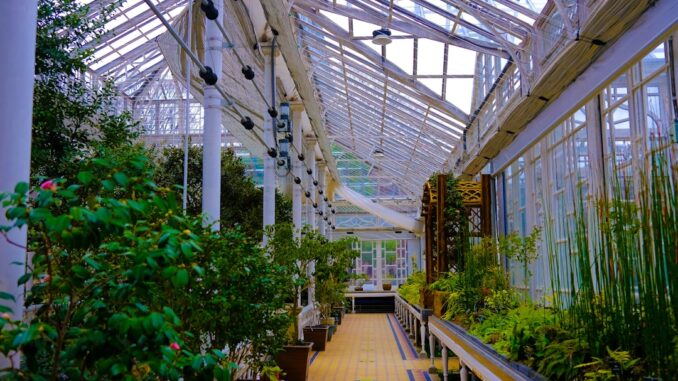
Now, let’s turn our attention to the conservatory. Historically, these were less about cultivating exotic fruits and more about enjoying the garden from indoors, extending the living space with minimal fuss. And that remains largely true today. A conservatory is, by definition, predominantly glazed. We’re talking walls, and often the entire roof, made of glass or polycarbonate. The aim? To maximise light, offer panoramic views of your garden, and create a bright, airy space that feels intimately connected to the outdoors.
Conservatories come in a dazzling array of styles – think classic Victorian with its ornate cresting and finials, the simpler, elegant Edwardian, the versatile lean-to, or the grand gable-ended. Each offers a different aesthetic, but the common thread is that dominance of glass. Construction typically involves a dwarf wall or full-height glass panels set within frames of uPVC, aluminum, or timber. The roof, too, is generally glazed, letting the sunshine stream in from above.
Because they rely heavily on glazing, conservatories offer an immediate, impactful way to add space and light. They’re often quicker to build and generally less complex in terms of foundational requirements compared to an orangery. You’re creating a bright, often sun-drenched haven, a place to enjoy your garden views even on a rainy day. However, that reliance on glass also brings its own set of challenges, particularly concerning temperature regulation, which we’ll delve into shortly. It’s a trade-off, isn’t it? Lots of light, but maybe a bit too much heat or cold at times.
Deciphering the Dollar Signs: A Deeper Look at Investment
Nobody builds an extension without thinking about the cost. It’s a significant financial outlay, and naturally, you want to ensure you’re getting the best bang for your buck, both initially and in terms of long-term property value. The investment required for an orangery versus a conservatory can vary quite dramatically, influencing not only your upfront expenditure but also the eventual return on investment.
Orangery Costs: The Price of Bespoke Quality and Integration
Let’s be upfront: an orangery typically demands a higher initial investment. Why? Because you’re essentially building a very high-spec, well-integrated room. The solid construction, often involving extensive brickwork that needs to match or complement your existing property, requires more skilled labor and a longer build time. Foundations will usually be more substantial, mirroring those of your main house, to support the heavier structure.
Costs can range quite widely, from say, $50,000 for a modest, well-specified orangery to well over $100,000 for a larger, bespoke design using premium materials like hardwood frames, advanced glazing, and intricate roof lantern details. Consider the following cost drivers:
- Materials: Higher quality timber or aluminum frames, sophisticated glazing (e.g., self-cleaning, low-emissivity glass), and the brickwork itself. These aren’t cheap materials.
- Labor: More specialized trades are often involved, from bricklayers to carpenters for bespoke roof lantern structures. It’s a more complex build.
- Foundations: Deeper, more robust foundations are typically required to support the weight of the solid walls and roof structure, which is a major cost.
- Integration: The effort to seamlessly blend the new structure with the old, ensuring matching finishes, roof lines, and drainage, can add to the complexity and therefore the cost.
- Internal Finishes: Often, homeowners invest in higher-end heating (like underfloor heating), flooring, lighting, and decorative elements to match the luxurious feel of an orangery. This isn’t just a shell; it’s a finished room.
It’s a significant investment, no doubt about it. But remember, this higher initial outlay often translates into a stronger return down the line.
Conservatory Costs: The Spectrum from Budget-Friendly to Bespoke Luxury
Conservatories generally offer a more accessible entry point in terms of cost. Their predominantly glazed construction, often utilizing pre-fabricated frames, means quicker installation and typically less intensive foundational work. Prices can start as low as $25,000 for a smaller, standard uPVC lean-to conservatory. However, it’s crucial to understand that the conservatory market also has a luxury segment, with large, bespoke timber or aluminum structures nearing orangery prices.
Factors influencing conservatory costs include:
- Frame Material: uPVC is the most affordable, followed by aluminum (stronger, slimmer sightlines, more color options), and then timber (often the most expensive, requiring more maintenance but offering superior aesthetics and insulation).
- Size and Style: A simple lean-to will be far cheaper than a large, multi-faceted Victorian or Gable-ended design.
- Glazing: Standard double glazing is common, but upgrading to high-performance, low-emissivity glass or smart glass (which tints automatically) will increase the price significantly. This is where you can make a huge difference to usability, though.
- Foundations: While generally simpler than orangeries, they still need proper foundations, and if your ground conditions are tricky, costs can escalate.
- Installation: Quicker, yes, but still requires skilled installers.
- Heating and Ventilation: While sometimes an afterthought, proper climate control in a conservatory is vital for year-round comfort and can add substantially to the overall project cost.
Hidden Costs & The ROI Mindset
Regardless of whether you choose an orangery or a conservatory, there are always those ‘hidden’ costs that can surprise you if you haven’t budgeted for them. These aren’t secrets; they’re just things often overlooked in the initial excitement. We’re talking about:
- Planning Permission and Building Regulations: While many extensions fall under ‘permitted development,’ larger or more complex projects, especially orangeries, might require full planning permission. Building regulations always apply, ensuring structural integrity, energy efficiency, and safety. Factor in application fees and potential architectural drawings.
- Groundworks: Sometimes, you hit unexpected issues like buried pipes, tree roots, or unstable ground, which means extra work and cost.
- Interior Finishes: Flooring, lighting, plastering, painting, blinds, heating solutions – these are all additional expenses that bring the space to life.
- Landscaping: The build process can disrupt your garden, so you might need to budget for remedial landscaping around the new extension.
- Utilities: Extending existing electrical circuits, plumbing for radiators, or even rerouting drainage can add to the bill.
When thinking about investment, it’s not just the initial spend, but the return on investment (ROI) that truly matters. An orangery, despite its higher upfront cost, often offers a more robust ROI because of its inherent qualities, which we’ll explore next. It’s a longer game, but usually a winning one.
The Value Equation: Which Delivers the Bigger Boost?
This is often the million-dollar question for homeowners: which option actually adds more monetary value to my property? While both extensions are generally seen as positive additions, increasing livable space and kerb appeal, they don’t contribute equally to your home’s valuation. It really comes down to how a potential buyer, and more importantly, a property appraiser, perceives the new space.
Orangeries: The King of Value Addition
When it comes to boosting your property’s value, orangeries frequently take the crown. Why? Because they are consistently perceived as a more substantial, permanent, and functional extension. An orangery effectively creates an additional ‘proper’ room – a comfortable, usable space that functions year-round, unlike many traditional conservatories. This ‘room-like’ quality is absolutely critical.
Property experts often estimate that a well-built, high-quality orangery can increase a home’s value by anywhere from 10-15%, sometimes even more for particularly exquisite designs or in desirable locations. Think about it: a prospective buyer walks into a beautifully designed orangery that feels like a dining room, a second living room, or a spacious home office, complete with proper heating and insulation. They see this as an inherent part of the house, adding significantly to the overall square footage and versatility.
Here’s why orangeries have the edge:
- Perceived as a ‘Real Room’: Appraisers and buyers tend to classify orangeries as part of the permanent living space, rather than a separate, semi-outdoor structure. This directly impacts the per-square-foot valuation of your home.
- Superior Thermal Performance: Because of the solid brickwork and insulated flat roof, orangeries maintain comfortable temperatures throughout the year. This means it’s a space that’s always ‘on,’ always usable, which is a huge selling point.
- Seamless Integration: When an orangery is designed to complement the existing architecture, it enhances the overall aesthetic appeal of the property, making it look larger and more luxurious.
- Architectural Appeal: The elegant design, often featuring classical proportions and a prominent roof lantern, adds a touch of sophistication and luxury that can differentiate your home in a competitive market.
- Versatility: An orangery can effortlessly become a formal dining room, a sun-drenched lounge, a home library, or a spacious kitchen extension. This adaptability makes it highly attractive to a wide range of buyers.
I once saw a property listing where the agents specifically highlighted the ‘stunning orangery extension’ as a key feature, not just ‘an extension.’ It immediately elevated the property’s status, drawing in buyers looking for that extra touch of class and functionality. It makes a significant difference to that all-important first impression, you know?
Conservatories: Adding Value, but with Nuance
Conservatories absolutely add value to a property; there’s no doubt about that. They bring light, connect the home to the garden, and provide additional living space. For many, a conservatory represents an affordable way to expand their home without major structural upheaval. Typically, a well-maintained conservatory can increase your home’s value by around 5-10%.
However, the value boost for a conservatory often comes with more caveats:
- Perception of Permanence: While modern conservatories are robust, older or poorly insulated ones can be perceived as less permanent structures, sometimes even seasonal spaces, rather than full-fledged rooms. This can affect how appraisers value them.
- Thermal Challenges: The Achilles’ heel of many conservatories is temperature regulation. If a conservatory is known to be too hot in summer and too cold in winter, its usability (and thus its perceived value) takes a hit. Buyers are savvier now; they’ll ask about heating, cooling, and glazing.
- Quality of Construction: The value addition is highly dependent on the quality of materials and workmanship. A cheap, flimsy uPVC conservatory built without proper foundations won’t add nearly as much value as a high-spec, modern aluminum or timber structure with advanced glazing.
- Integration: If a conservatory looks tacked on rather than thoughtfully integrated, it can detract from the overall aesthetic, potentially limiting its value contribution.
It’s not to say that a conservatory is a bad investment – far from it! For homeowners seeking a brighter, more expansive space with a strong connection to their garden, often on a more modest budget, a conservatory can be the perfect fit. Just ensure you’re investing in quality and considering those all-important thermal properties to maximize its appeal.
The Appraiser’s Lens: What Do They Really Look For?
When a valuer comes to assess your home, they aren’t just counting rooms. They’re looking at:
- Quality of Build: Is it well-constructed? Are the materials durable and high-spec? Is the finish professional?
- Integration: Does the extension look like it belongs with the house, or does it feel like an afterthought?
- Usability: Can the space be used comfortably year-round? Does it add genuine, functional living space, or is it a glorified greenhouse?
- Maintenance: Is it well-maintained? Are there signs of damp, leaks, or general wear and tear?
- Market Demand: What are buyers in your area looking for? Is an orangery more desirable than a conservatory, or vice versa?
Ultimately, anything that expands usable, comfortable living space in a high-quality, aesthetically pleasing way will add value. But an orangery often ticks more boxes for permanence and year-round usability, which are key drivers for a strong valuation.
Living Comfort: Year-Round Bliss or Seasonal Struggle?
Beyond the raw numbers of value, there’s the lived experience. How will this new space actually feel to inhabit? Will it be a sanctuary you can enjoy every day, or a space you retreat from during certain seasons? This is where the core differences in construction really come to the fore, significantly impacting year-round usability.
Orangery Climate Control: The Epitome of Comfort
Orangeries excel in providing a comfortable, stable internal environment, regardless of what the weather outside is doing. This is down to their more substantial construction. The solid brick pillars and walls offer significant thermal mass, which means they absorb heat during the day and slowly release it at night, helping to moderate temperature fluctuations. Couple this with an insulated flat roof and typically high-performance glazing, and you’ve got a recipe for year-round comfort.
In summer, while you’ll still get ample sunlight streaming through the large windows and roof lantern, the solid elements help prevent the oppressive ‘oven’ effect sometimes associated with all-glass structures. Effective ventilation, often built into the design, also plays a crucial role. In winter, the insulation and thermal mass work to retain heat, making it much easier and more cost-effective to warm the space with conventional radiators or underfloor heating. It truly becomes an extension of your primary living areas, a place where you can comfortably relax with a book even when the rain is lashing against the windows, or host a dinner party on a chilly evening. I’ve often seen them fitted with log burners or stylish, efficient radiators, making them utterly cosy in the colder months. This robust thermal performance is a massive factor in their higher value perception, because who doesn’t want a truly usable room?
Conservatory Climate Challenges: Turning a Niche into a Nook
Now, conservatories, especially older ones or those built without modern considerations, can indeed pose challenges when it comes to climate control. Their very nature – designed to maximize glass – means they are highly susceptible to external temperatures. In the height of summer, with the sun beating down, a poorly specified conservatory can quickly become a sweltering oven, making it virtually unusable during the hottest parts of the day. Conversely, as soon as the mercury drops in winter, that expanse of glass becomes a rapid conductor of cold, leaving the space chilly and expensive to heat, if it can even be heated effectively.
However, it’s really important to stress that modern advancements have significantly mitigated these issues. Today’s conservatories, particularly those using high-performance materials, can be far more comfortable:
- Advanced Glazing: Low-emissivity (low-e) glass, often with argon gas-filled cavities, dramatically improves thermal performance. It reflects heat in summer and retains it in winter. Solar control glass can further reduce heat gain.
- Smart Glass & Roof Systems: Some advanced roofs use smart glass that tints automatically in bright sunlight or lightweight, insulated solid panels that offer orangery-like thermal properties.
- Ventilation: Integrated roof vents, ample opening windows, and even automated ventilation systems are crucial for managing airflow and preventing overheating.
- Heating Solutions: Underfloor heating, efficient radiators, and even air conditioning units specifically designed for conservatories can transform them into truly year-round spaces. My friend Jenny had an old polycarbonate-roofed conservatory she hated, constantly freezing or boiling. But after upgrading the roof to an insulated, tiled one and adding underfloor heating, it’s become her favorite spot for morning coffee, even in January. It’s truly a different room now.
- Blinds and Shading: High-quality blinds, particularly pleated or cellular blinds, can provide excellent insulation and sun control, acting as an additional barrier against temperature extremes.
So, while a conservatory can be a seasonal struggle, it doesn’t have to be. The key lies in investing in modern technologies and thoughtful design, which, as we discussed, will add to the initial cost but drastically improve its usability and, consequently, its value proposition.
Aesthetics and Design Harmony: Blending Beauty with Function
How your new extension looks and how well it complements your existing home is more than just a matter of taste; it’s a critical factor in both personal enjoyment and market value. An extension should enhance, not detract from, your property’s overall aesthetic appeal. And here, orangeries and conservatories offer distinctly different vibes, allowing for unique design expressions.
Orangery Style: Classic Elegance and Robust Presence
An orangery inherently projects an image of classic elegance and robust architectural presence. With its solid brick base, substantial pillars, and a flat roof punctuated by a dramatic roof lantern, it often feels more like a carefully considered architectural extension than a simple add-on. This makes it particularly suited to:
- Period Properties: Orangeries can beautifully complement older homes – Victorian, Georgian, or Edwardian – where their traditional materials and proportions feel naturally at home, enhancing the existing character rather than jarring with it. You’re building something sympathetic to the original design.
- Seamless Blend: The extensive use of conventional building materials allows for a design that flows effortlessly from the main house. Matching brickwork, render, or even window styles creates a cohesive look that suggests the extension was always part of the plan.
- Interior Design Flexibility: The solid walls provide ample opportunities for interior decoration. You can hang artwork, install built-in shelving, or place furniture against solid surfaces, giving the space the feel of any other room in the house. This makes it much easier to integrate furniture, lighting fixtures, and decorative elements that truly express your personal style. Imagine a grand chandelier hanging from that roof lantern – it’s a real statement, isn’t it?
- Luxurious Feel: The interplay of solid elements with large glazed sections, combined with the grandeur of the roof lantern, often creates a sense of luxury and sophistication that’s hard to beat. It’s a space that feels special.
Conservatory Style: Light, Air, and the Outdoor Connection
Conservatories, by contrast, champion light, air, and an intimate connection to the garden. Their predominantly glazed structure is all about transparency, maximizing views, and inviting the outdoors in. They offer a diverse palette of styles, each creating a slightly different visual impact:
- Maximizing Views: The sheer amount of glass in a conservatory means you get uninterrupted panoramic views of your garden, making it the ideal choice if you want to feel truly immersed in your outdoor space, no matter the weather. It’s like having your own private viewing gallery for nature.
- Contemporary Flair: Modern conservatories, especially those with sleek aluminum frames and minimalist designs, can add a very contemporary and stylish edge to a home, particularly those with a modern architectural style. They can be incredibly chic.
- Diverse Architectural Styles: From the intricate details of a Victorian conservatory to the clean lines of an Edwardian or a minimalist lean-to, there’s a conservatory style to suit many homes. The choice of frame material (uPVC, aluminum, timber) also significantly impacts the aesthetic.
- ‘Indoor-Outdoor’ Feel: If your goal is to blur the lines between inside and out, a conservatory does this exceptionally well. You get the protection from the elements but feel like you’re almost in the garden itself. For those who love gardening, or simply enjoy watching the seasons change from a comfortable spot, it’s perfect.
- Botanical Interiors: Conservatories lend themselves beautifully to lush, botanical interior design schemes, creating a vibrant, airy space filled with plants and natural textures. It truly embraces that ‘garden room’ vibe.
Ultimately, the ‘best’ aesthetic is subjective, but ensuring your chosen extension harmonizes with your home’s existing style is paramount. A beautiful orangery on a contemporary minimalist home might look out of place, just as a sleek modern conservatory might clash with a quaint cottage. Consider your home’s personality, and choose an extension that genuinely enhances it.
Navigating the Practicalities: Planning, Regulations, and Builders
Before you get too carried away with visions of sun-drenched rooms, there are some very real, very important practical steps to navigate. Overlooking these can lead to significant delays, unexpected costs, or even legal issues down the line. It’s not the most glamorous part of the process, but it’s absolutely crucial for a smooth project.
Planning Permission and Building Regulations: The Red Tape Rundown
This is often where homeowners get a bit stuck, confused by the rules. The good news is that many smaller conservatories and orangeries can be built under what’s known as ‘Permitted Development Rights’ (PDRs). This means you don’t need to apply for full planning permission, provided certain criteria are met, such as:
- Size Limits: The extension can’t cover more than half the area of the original house. There are also specific limits on height and projection from the rear wall.
- Location: For example, single-storey rear extensions on a detached house can extend up to 8 meters from the original rear wall, and 6 meters for other house types, subject to neighbour consultation.
- Materials: Materials should be similar in appearance to the existing house.
- Height: The maximum height of the extension can’t exceed 4 meters.
However, it’s vital to check your specific circumstances. If your property is in a conservation area, an Area of Outstanding Natural Beauty, or if it’s a listed building, PDRs will be much more restricted, and you’ll almost certainly need full planning permission. Larger or more complex orangeries, particularly those that fundamentally alter the roofline or extend significantly, are also more likely to require planning permission.
Beyond planning permission, Building Regulations always apply. These are separate legal requirements ensuring your extension is structurally sound, safe, energy-efficient, and accessible. This means things like insulation values, glazing performance, electrical safety, and fire escapes must meet specific standards. Orangeries, being more akin to traditional extensions, usually have to meet the same stringent building regulations as any other habitable room. Conservatories, traditionally, had some exemptions if they were separated from the main house by external-quality doors and had independent heating, but regulations are increasingly tighter on their thermal performance.
My advice? Always consult your local planning authority or a reputable architect early in the process. A ‘lawful development certificate’ can confirm your project falls under PDRs, providing peace of mind. Better safe than sorry, wouldn’t you agree?
Choosing Your Builder: The Most Critical Decision
This is perhaps the most critical decision you’ll make in the entire process. A brilliant design can be ruined by poor execution, and a modest project can be elevated by skilled craftsmanship. Don’t rush this step. Here’s what to look for:
- Reputation and Experience: Seek out builders with a proven track record specifically in building orangeries or conservatories. Ask to see their portfolio. Have they built similar structures before? Online reviews and testimonials are a good starting point.
- References: Always, always ask for references from previous clients. Call them up and ask about their experience: communication, punctuality, quality of work, adherence to budget, and aftercare.
- Accreditation: Are they members of reputable trade bodies (e.g., FMB – Federation of Master Builders, or industry-specific associations)? This offers a layer of consumer protection and indicates adherence to certain standards.
- Detailed Quotes: Don’t just accept a single figure. Demand a fully itemized quote that breaks down costs for materials, labor, foundations, glazing, roofing, internal finishes, and any potential contingencies. This helps you compare ‘apples to apples’ between different builders.
- Insurance and Warranties: Ensure they have adequate public liability insurance. What kind of guarantees or warranties do they offer on their work and materials? This is your protection if things go wrong.
- Communication: A good builder will communicate clearly and proactively, keeping you informed of progress, potential issues, and timelines. Trust your gut feeling during initial consultations – if communication is difficult then, it’ll likely be worse during the build.
- Contracts: Insist on a comprehensive written contract outlining everything: scope of work, payment schedule, timelines, responsibilities, and dispute resolution. It’s your blueprint for the project.
Getting at least three detailed quotes is always a sensible approach. Remember, the cheapest quote isn’t always the best value in the long run. Skimping on your builder can lead to future headaches and additional costs.
Long-Term Maintenance: Keeping Your Investment Pristine
Finally, consider the long-term upkeep. While both require some maintenance, their different material compositions mean different needs:
- Orangeries: The brickwork will be relatively low maintenance, perhaps requiring occasional cleaning. Timber frames, if chosen, will need periodic repainting or re-staining. The roof lantern glass will need cleaning, but often modern glazing is self-cleaning or has coatings to reduce dirt adhesion.
- Conservatories: uPVC frames are very low maintenance, just needing regular cleaning. Aluminum frames are also durable and largely maintenance-free. Timber frames will require more upkeep (painting/staining). The extensive glass surfaces will need frequent cleaning to maintain clarity and brightness. Seals around glazing units should be checked periodically to prevent leaks or drafts.
Factor these ongoing commitments into your decision-making process. A well-maintained extension not only looks better but also retains its value more effectively.
Making Your Informed Decision: A Step-by-Step Guide
Okay, so we’ve delved deep into the nuances. Now, how do you translate all this information into a concrete decision that’s right for your home and your lifestyle? It’s not a one-size-fits-all answer, but by following a structured approach, you can confidently choose the best option. Think of it as a journey, not a leap.
Step 1: Define Your Primary Goal – What Do You Really Want?
Before you even look at brochures or talk to builders, ask yourself: what is the driving force behind this project? Is it primarily about:
- Maximizing Property Value? If so, an orangery, with its higher perceived value and year-round usability, might be your front-runner.
- Adding Light and a Connection to the Garden? Conservatories excel here, creating that indoor-outdoor feel.
- Creating a True Year-Round Living Space? An orangery often offers superior comfort without extensive climate control upgrades.
- Expanding Usable Square Footage on a Budget? A well-chosen conservatory can be a cost-effective solution.
- A Specific Function? Do you need a formal dining room, a home office, a cozy lounge, or a vibrant play area? The functionality you envision will guide your choice.
Be honest with yourself here. This foundational clarity will streamline all subsequent decisions.
Step 2: Assess Your Budget Realistically – Beyond the Initial Quote
We’ve touched on this, but it bears repeating: understand your total financial commitment. Get those detailed quotes, but then add a contingency buffer – usually 10-15% – for unforeseen circumstances. Consider:
- Initial Construction Costs: Materials, labor, foundations, roofing.
- Associated Fees: Planning permission, architectural drawings, structural engineer’s reports.
- Internal Finishes: Flooring, heating, lighting, plastering, painting, blinds, furniture.
- Landscaping: Remedial work to your garden post-construction.
- Long-Term Running Costs: Heating/cooling efficiency, maintenance.
Don’t just look at the headline price. A cheaper initial build might end up costing you more in energy bills or future repairs if quality is compromised.
Step 3: Consider Your Property’s Style and Plot – The Harmonious Fit
Walk around your home and garden with fresh eyes. What’s its architectural style? Is it traditional, modern, minimalist? Does your garden have specific features you want to highlight or work around?:
- Architectural Harmony: Will an orangery’s more solid structure blend seamlessly with your brickwork and roofline, or would a lighter, more glazed conservatory complement your home better? Sometimes, a jarring addition can actually detract from value.
- Garden Space: How much outdoor space do you have? A larger orangery might eat into valuable garden space more than a lean-to conservatory.
- Orientation: Does your chosen spot get direct sun all day? Or is it shaded? This heavily influences the need for solar control glass or enhanced insulation, particularly for conservatories.
This isn’t just about aesthetics; it’s about making a logical fit for your entire property.
Step 4: Think About How You’ll Use the Space – The Lifestyle Integration
Envision yourself living in that new space. What will you do there?:
- Dining Room: Do you need solid walls for cabinetry and sideboards, or is an airy, informal feel preferred?
- Lounge/Living Area: How much privacy do you need? Will you watch TV? An orangery’s more enclosed feel might be better for this.
- Home Office: Do you require specific heating/cooling, sound insulation, and solid wall space for screens and shelving? An orangery is often superior for this dedicated use.
- Playroom: Durability and ease of cleaning might be priorities.
Step 5: Research Local Regulations – The Permitted Development Puzzle
Before finalizing any plans, make that call to your local planning authority or check their website. Understand your Permitted Development Rights and whether your proposed extension will require full planning permission. It’s much easier to adjust plans early than to face enforcement action later. A competent builder or architect will guide you through this, but it’s wise to have your own understanding too.
Step 6: Seek Professional Advice – Leverage the Experts
Don’t try to go it alone. Engage professionals:
- Architect/Designer: Especially for orangeries, an architect can help create a truly bespoke design that maximizes space, light, and architectural harmony.
- Reputable Builders: Get those detailed quotes and check references, as discussed. They are key to making your vision a reality.
- Real Estate Agent: Before committing, you could even chat with a local real estate agent. Ask their opinion on which type of extension tends to add more value in your specific area and what buyers are currently looking for. Their insights can be incredibly valuable.
By systematically working through these steps, you won’t just be choosing between an orangery or a conservatory; you’ll be making a well-reasoned, strategic decision that truly enhances your home and your lifestyle.
Beyond the Numbers: The Lifestyle Dividend
While we’ve spent a lot of time dissecting costs and value addition, it’s crucial to remember that a home is more than just an asset; it’s where you live, make memories, and seek comfort. The ‘value’ an orangery or conservatory brings extends far beyond the monetary figures an appraiser might assign.
Think about those golden moments: sipping a morning coffee bathed in soft sunlight, even on a chilly autumn day; watching the kids play in a bright, safe space regardless of the weather; hosting friends for dinner with the garden as a stunning backdrop; or simply having a quiet sanctuary where you can unwind. These are the immeasurable dividends, the quality of life improvements that an intelligently designed extension can deliver.
An orangery, with its sturdy comfort, might become the hub of family life, offering that perfect blend of indoor luxury and outdoor connection. A conservatory, with its boundless light, could be your personal escape, a place to nurture plants or simply bask in the warmth. It really depends on what you prioritise for your everyday living.
Conclusion
So, which is it? The elegant, robust orangery or the light-filled, garden-connected conservatory? The clear answer, as you’ve probably gathered, is: it depends. While orangeries often have a slight edge in terms of pure monetary value addition due to their perceived permanence and year-round usability, modern conservatories, when thoughtfully designed and properly insulated, can also be fantastic investments and bring immense joy.
Your ultimate choice should be a harmonious blend of your budget, your property’s character, your functional needs, and your aesthetic preferences. Don’t let the pursuit of value overshadow your personal enjoyment. A well-executed extension, whether an orangery or a conservatory, will undoubtedly enrich your home and your life. Do your research, ask the right questions, and choose the space that truly sings to your soul and complements your beautiful home.
Be the first to comment