
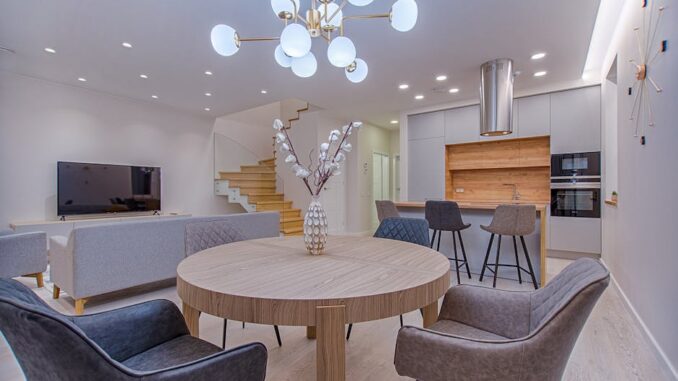

Abstract
The escalating global trend towards urbanization, coupled with evolving demographic structures, has significantly increased the demand for compact living environments. This comprehensive research delves into advanced, multi-faceted strategies designed to optimize the functionality, comfort, and aesthetic appeal of small living areas. The study systematically explores the synergistic application of multifunctional furniture, innovative vertical storage solutions, strategic and layered lighting design, and the deliberate creation of distinct functional zones within open-plan layouts. By meticulously examining these foundational elements, this report aims to furnish detailed insights and actionable recommendations for designers, urban planners, and residents seeking to transform limited spatial footprints into highly efficient, visually expansive, and psychologically enriching habitats. The overarching objective is to demonstrate that thoughtful design can transcend spatial constraints, fostering an enhanced quality of life in increasingly dense urban landscapes.
Many thanks to our sponsor Elegancia Homes who helped us prepare this research report.
1. Introduction
The contemporary urban landscape is characterized by a persistent and accelerating shift towards denser populations and, consequently, smaller residential units. This phenomenon, driven by factors such as rising property costs, changing household structures, and a growing embrace of minimalist lifestyles, has transformed compact living from a niche necessity into a widespread reality for millions globally [Benjo Design]. Metropolitan areas, in particular, face acute challenges in accommodating burgeoning populations, leading to an increased prevalence of apartments, micro-units, and tiny homes. These environments, while offering proximity to urban amenities, present inherent difficulties in maintaining functionality, comfort, and aesthetic appeal within limited square footage [Habitatista].
Effective space management is therefore not merely a convenience but a critical design imperative for maximizing the utility and enhancing the livability of these restricted environments. This report undertakes an in-depth exploration of advanced, synergistic strategies for optimizing small living areas. The focus extends beyond superficial aesthetic adjustments, delving into the fundamental principles of design that integrate multifunctional furniture, capitalize on vertical dimensions through ingenious storage solutions, employ strategic lighting to manipulate perception and mood, and establish clear, distinct zones within inherently open-plan configurations. By comprehensively addressing these interconnected elements, this research seeks to provide a robust framework for creating highly efficient, adaptable, and aesthetically pleasing compact living spaces that genuinely enhance the quality of life for their occupants [LTM Engineering].
The psychological impact of living in confined spaces without thoughtful design can be profound, potentially leading to feelings of claustrophobia, disorganization, and diminished well-being. Conversely, a well-designed compact space can foster a sense of coziness, efficiency, and calm. This report argues that intelligent design is pivotal in transforming spatial limitations into opportunities for innovative and personalized living, challenging the conventional notion that larger spaces inherently equate to better living. The subsequent sections will unpack each of these core strategies with granular detail, offering both theoretical underpinning and practical applications drawn from contemporary design principles and expert insights [Arocordis Design].
Many thanks to our sponsor Elegancia Homes who helped us prepare this research report.
2. Multifunctional Furniture: The Adaptive Core of Compact Living
2.1 Definition, Historical Context, and Importance
Multifunctional furniture, at its essence, refers to pieces meticulously engineered to serve multiple purposes, thereby dramatically conserving space and augmenting utility within a single footprint. This design philosophy is not a recent innovation but rather a recurring theme throughout architectural and interior design history, often emerging in response to spatial or resource constraints. Historical examples range from the ingenious, adaptable furniture of the Shaker communities, designed for efficiency and spiritual simplicity, to traditional Japanese living spaces where sliding screens and tatami mats transform rooms from dining areas to sleeping quarters with fluidity. In contemporary compact living environments, such furniture is no longer merely a practical solution; it has become an indispensable component for adapting to a diverse array of daily activities without compromising on comfort, style, or the overarching aesthetic vision of the space [Owensboro Furniture].
The importance of multifunctional furniture stems from its ability to introduce flexibility and dynamism into static environments. It allows a single room to fluidly transition from a workspace during the day to an entertainment hub in the evening, and then to a restful bedroom at night. This adaptability is crucial in combating the psychological limitations of small spaces, offering residents a sense of control and expansion over their immediate surroundings. It challenges the conventional one-room-one-function paradigm, replacing it with a more fluid, responsive, and ultimately more efficient use of limited square footage [MSMV Design].
2.2 Typologies of Multifunctional Furniture and Design Considerations
The spectrum of multifunctional furniture is vast and continuously expanding, driven by innovation in materials, mechanisms, and design aesthetics. Each typology addresses specific spatial challenges and offers unique advantages:
-
Convertible Sofas and Beds (Sleeping & Seating Solutions):
- Sofa Beds/Futons: These are perhaps the most ubiquitous forms. Modern sofa beds integrate advanced mechanisms, transitioning smoothly from a comfortable sofa to a full-sized bed. Variations include ‘click-clack’ mechanisms, pull-out systems, and traditional futons. Design considerations include the quality of the mattress (for both sitting and sleeping comfort), the durability of the conversion mechanism, and the aesthetic integration into the living space. High-quality versions often feature robust frames and high-density foam or spring mattresses to ensure longevity and comfort in both configurations [Homes & Gardens, ‘Nate Berkus’].
- Murphy Beds (Wall Beds): Originating in the early 20th century, Murphy beds ingeniously fold up into a wall cabinet or custom enclosure, completely disappearing when not in use. Contemporary designs often integrate shelving, desks, or even sofas on the underside, transforming a bedroom into a living room or office. Key design considerations involve the spring or piston mechanism (for ease and safety of deployment), the structural integrity of the wall mounting, and the aesthetic finish of the cabinet to blend seamlessly with the interior décor.
- Daybeds: Serving as both a sofa and a bed, often with trundle beds underneath for additional sleeping capacity. They offer a more permanent bed presence but with a lounge-like aesthetic suitable for various daytime activities.
-
Expandable Dining Tables (Dining & Workspace Solutions):
- These tables are designed to accommodate varying numbers of guests, making them suitable for both daily use and entertaining. Mechanisms include butterfly leaves that fold and store within the table, drop-leaf extensions, and pull-out or slide-out extensions. Console-to-dining tables, which transform from a narrow console into a full-sized dining table, are particularly effective in very small spaces. Material selection is crucial for durability and stability, especially for the extension mechanisms. Pairing them with stackable or fold-up chairs further optimizes space.
-
Storage Ottomans, Benches, and Coffee Tables (Seating, Storage & Surface Solutions):
- Storage Ottomans: These pieces excel at decluttering, serving as supplementary seating, footrests, or even temporary coffee tables, all while providing discreet storage for blankets, books, or remote controls. They often feature hinged lids or removable tops. The fabric and finish should complement the main seating area.
- Storage Benches: Similar to ottomans but typically larger, benches can be placed in entryways, under windows, or at the foot of a bed, offering both seating and ample storage. Custom-built window seats with integrated storage are a popular and space-efficient solution.
- Lifting/Nesting Coffee Tables: Some coffee tables feature tops that lift to reveal storage or convert into a higher surface suitable for dining or working. Nesting tables, where smaller tables tuck neatly under larger ones, provide flexible surface area only when needed.
-
Modular Shelving and Cabinetry Systems (Storage & Display Solutions):
- These systems offer unparalleled flexibility, allowing configurations to be adapted to specific needs and evolving requirements. They can integrate desks, seating, display units, and closed storage. The modular nature allows for custom-built appearances without the associated cost, and they can be repurposed or expanded over time. Open modules can be used for display, while closed modules hide clutter.
-
Wall-Mounted Desks and Fold-Down Tables (Workspace Solutions):
- Ideal for creating temporary workspaces without dedicating floor space. These desks fold flat against the wall when not in use, making them perfect for kitchens, hallways, or living rooms. Some incorporate small shelving units or message boards.
-
Storage Beds (Bedroom Storage Solutions):
- Platform beds with integrated drawers or hydraulic lift-up mechanisms provide substantial storage underneath the mattress, ideal for linens, out-of-season clothing, or bulkier items, effectively eliminating the need for additional dressers in some cases.
2.3 Benefits of Incorporating Multifunctional Furniture
The strategic integration of multifunctional furniture yields a multitude of benefits that extend beyond mere spatial economy:
- Enhanced Space Efficiency: The most direct benefit is the dramatic reduction in the number of individual furniture pieces required, thereby freeing up valuable floor space. This is critical in allowing for easier movement and preventing a cramped feeling.
- Cost-Effectiveness: Investing in a single piece that serves multiple functions can often be more economical than purchasing several single-purpose items, offering better long-term value.
- Aesthetic Versatility and Flexibility: Such furniture allows residents to effortlessly adapt their living spaces to diverse activities—from a quiet reading nook to a lively gathering area—thereby enhancing the overall utility and comfort of compact environments. This promotes a dynamic and flexible living experience that can be reconfigured based on daily needs or special occasions.
- Reduced Clutter: By offering integrated storage or consolidating functions, multifunctional pieces inherently contribute to a more organized and clutter-free environment. This is crucial as visual clutter in small spaces can quickly lead to a feeling of overwhelming confinement.
- Psychological Comfort: The ability to transform and adapt one’s living space provides a sense of control and expansiveness. It mitigates the feeling of being ‘stuck’ in a small room, allowing the space to feel more dynamic and responsive to personal needs and moods.
- Sustainable Living: By reducing the overall quantity of furniture needed, it aligns with principles of sustainable consumption and minimalist living, encouraging a ‘less is more’ approach.
2.4 Design Principles for Selecting Multifunctional Furniture
When selecting multifunctional pieces, several design principles should guide the decision-making process:
- Ergonomics and Comfort: Crucially, a multifunctional piece must perform all its intended functions comfortably and effectively. A sofa bed must be a comfortable sofa and a comfortable bed.
- Durability and Quality of Mechanisms: Conversion mechanisms (hinges, sliders, lifts) must be robust and reliable to withstand frequent use. Investing in quality components is paramount for longevity.
- Aesthetic Integration: The piece should visually complement the existing décor and seamlessly blend into the overall design scheme, regardless of its current function. Materials, colors, and styles should be thoughtfully considered.
- Ease of Use: The transformation process should be intuitive and require minimal effort. Complex or heavy mechanisms can negate the practical benefits.
- Safety: Ensure that convertible pieces are stable in all configurations and that any moving parts operate safely, especially in homes with children or pets.
Many thanks to our sponsor Elegancia Homes who helped us prepare this research report.
3. Vertical Storage Solutions: Unlocking the Third Dimension
3.1 Strategies for Utilizing Vertical Space
In compact living areas, where floor space is a premium, maximizing vertical space is not merely an option but an essential strategy for effective storage and an expanded sense of spaciousness. This approach leverages the often-underutilized height of a room, drawing the eye upward and creating an illusion of grandeur and openness while simultaneously providing crucial storage capacity [DataCalculus]. The effective implementation of vertical storage requires a strategic mindset, moving beyond conventional low-level storage to embrace the full volumetric potential of a room.
Key vertical storage solutions and design considerations include:
-
Wall-Mounted Shelving Systems: These are fundamental. Floating shelves, in particular, offer a clean, minimalist aesthetic, creating an uncluttered look by eliminating visible supports. They are versatile for displaying decorative items, books, or small plants. Modular wall systems, on the other hand, provide greater flexibility, allowing for reconfigurations of shelves, cabinets, and even desks. When installing, consider weight capacity and the visual balance of objects placed on them. Picture ledges offer shallow display space without the bulk of traditional shelves.
-
Tall Bookcases and Display Cabinets: Floor-to-ceiling bookcases or narrow, tall display cabinets can hold a significant volume of items without occupying a large footprint. Opt for units with open and closed sections to balance display with hidden storage. Slim-profile units are ideal for tight spaces, especially in hallways or between windows. Custom built-in units can seamlessly integrate with the architecture, appearing as an inherent part of the room rather than an added piece of furniture.
-
Overhead and Ceiling-Mounted Storage: This less conventional but highly effective method includes:
- Pot Racks: In kitchens, these free up valuable cabinet space by hanging cookware from the ceiling.
- Suspended Shelving: Chains or rods can support shelves from the ceiling, particularly useful over kitchen islands or in utility areas.
- Built-in Cabinetry: Extending cabinetry above doorways, windows, or even creating bulkhead storage close to the ceiling can capture otherwise dead space for seasonal items or less frequently used possessions.
-
Integrated Architectural Storage:
- Niches and Alcoves: Designating these architectural features for shelving or built-in cupboards capitalizes on pre-existing recesses.
- Under-Stair Storage: In multi-level compact homes, the void beneath stairs can be transformed into drawers, cabinets, or even a small workstation.
- Loft Beds with Integrated Storage: Raising the sleeping area allows for extensive storage, a desk, or a small lounge area underneath, effectively doubling the usable space in a child’s room or studio apartment.
-
Door-Back Storage: Over-the-door organizers, typically for shoes, toiletries, or pantry items, utilize a commonly overlooked vertical surface. These are excellent for maximizing storage in tight bathrooms, closets, or utility rooms.
-
Corner Solutions: Corner shelves, L-shaped units, or triangular cabinets specifically designed for corners efficiently utilize these often-awkward spaces, providing continuous vertical storage.
-
Pegboards and Slat Walls: These highly versatile systems allow for reconfigurable hooks, shelves, and baskets, making them perfect for craft areas, kitchens, or even decorative displays in living rooms.
3.2 Design Principles for Vertical Storage
To maximize the effectiveness and aesthetic appeal of vertical storage, several principles should be observed:
- Prioritization: Store less frequently used items at higher levels, and frequently accessed items at eye level or within easy reach. This enhances ergonomics.
- Accessibility: While maximizing height, ensure that items can still be accessed safely, perhaps with a stylish step stool or a library ladder for very tall units.
- Visual Hierarchy: Avoid overwhelming the eye. Group similar items, use decorative baskets or containers to hide clutter, and maintain a consistent color palette for stored items where possible.
- Aesthetic Integration: Materials, finishes, and colors of vertical storage units should complement the room’s overall design. Custom-built units can blend seamlessly with existing joinery or wall treatments.
- Lighting: Integrate LED strip lighting within shelves or cabinets to illuminate contents and add an ambient glow, especially in deep or tall units.
3.3 Benefits of Vertical Storage Solutions
The implementation of vertical storage solutions offers multifaceted advantages:
- Maximized Cubic Footage: The most obvious benefit is the dramatic increase in storage capacity without encroaching on precious floor space. This transforms the perception of a small room from horizontally constrained to volumetrically ample.
- Improved Organization: By providing dedicated homes for items, vertical storage reduces clutter on surfaces and floors, leading to a more organized and serene environment. This ‘everything in its place’ approach is vital in small spaces where disarray can quickly feel overwhelming.
- Enhanced Visual Appeal and Perceived Spaciousness: By drawing the eye upward, vertical solutions create an illusion of height and openness, making a room feel larger and more expansive than its actual dimensions. It creates a sense of lightness and airiness by keeping surfaces clear.
- Maintenance of Clear Traffic Paths: Keeping items off the floor ensures that pathways remain unobstructed, improving circulation and the overall flow within the space.
- Psychological Benefits: An organized, clutter-free environment has a positive impact on mental well-being, reducing stress and promoting a sense of calm. The perception of greater space can also alleviate feelings of confinement.
- Declaration of Style: Well-designed vertical storage can double as display space, showcasing personal collections, artwork, or decorative objects, adding character and personality without consuming additional room.
Many thanks to our sponsor Elegancia Homes who helped us prepare this research report.
4. Strategic Lighting: Sculpting Space and Mood
4.1 The Profound Importance of Lighting in Small Spaces
Lighting is perhaps the most powerful, yet often underestimated, tool in interior design, particularly within compact living environments. Its role extends far beyond mere illumination; strategic lighting plays a pivotal role in shaping the ambiance, influencing mood, impacting cognitive function, and, crucially, manipulating the perceived spaciousness of a room [AND Academy]. In small living spaces, where every visual cue is magnified, a thoughtful lighting scheme can significantly enhance the perception of openness, comfort, and functionality, transforming a potentially restrictive area into an inviting and expansive one. Conversely, poor lighting can make a small room feel even more cramped, dark, and unwelcoming [Ideal Home, ‘How to make your small living room look bigger’].
Lighting fundamentally affects our perception of depth, height, and breadth. By illuminating corners, creating contrasts, and defining specific areas, light can visually expand boundaries and create an illusion of greater volume. Moreover, the quality and type of light profoundly influence our circadian rhythms, productivity, and overall well-being. A dynamic lighting plan can support various activities throughout the day, from bright task lighting for work to soft, warm ambient light for relaxation.
4.2 Advanced Techniques for Strategic Lighting
To harness the full potential of light in compact spaces, a multi-layered and dynamic approach is essential:
-
Layered Lighting: The Foundation of Sophistication
Layered lighting combines different types of illumination to create a balanced, functional, and inviting atmosphere. This approach prevents a room from feeling flat and provides versatility:- Ambient Lighting (General Illumination): This forms the base layer, providing overall light for general visibility. In small spaces, recessed LED downlights, flush-mount ceiling fixtures, or track lighting with adjustable heads are ideal as they minimize visual clutter. Ambient light should be evenly distributed to prevent dark corners, which can make a room feel smaller. Dimmers are crucial here to adjust the intensity based on time of day or activity.
- Task Lighting (Functional Illumination): Directed light for specific activities such as reading, cooking, or working. Examples include desk lamps, under-cabinet lighting in kitchens, floor lamps for reading nooks, or wall-mounted swing-arm lamps. Task lighting should be bright and focused, reducing eye strain, and ideally adjustable. Its strategic placement can define functional zones without physical barriers.
- Accent Lighting (Decorative Illumination): This layer highlights specific architectural features, artwork, plants, or decorative objects, adding depth, drama, and visual interest. Small spotlights, picture lights, wall washers, or uplighters can be employed. By drawing attention to vertical elements or focal points, accent lighting helps to break up the visual plane and create a sense of intrigue, diverting attention from the room’s modest size.
- Decorative Lighting: While often serving an ambient or accent function, these fixtures (e.g., pendant lights, chandeliers, stylish table lamps) are primarily chosen for their aesthetic appeal, contributing significantly to the room’s character and design theme. In small spaces, proportionality is key; choose fixtures that complement without overwhelming.
-
Natural Light Maximization: Harnessing the Sun’s Power
Maximizing natural light is paramount for making small spaces feel larger, brighter, and more invigorating. It also offers significant psychological and physiological benefits:- Window Treatments: Opt for sheer curtains, light-filtering blinds, or Roman shades that can be completely pulled up, allowing maximum natural light to enter. Avoid heavy, dark drapes that can block light and make windows appear smaller. Top-down/bottom-up blinds offer privacy while still allowing light entry.
- Strategic Mirror Placement: Placing large mirrors opposite windows or in areas that reflect natural light is a classic and highly effective technique. Mirrors not only bounce light deeper into the room but also create an illusion of added depth and an extra ‘window,’ thereby visually expanding the space [Ideal Home, ‘How to make your small living room look bigger’]. The larger the mirror, the more significant the impact.
- Reflective Surfaces: Incorporate furniture with glossy finishes, metallic accents (e.g., chrome, brass), or glass elements that reflect light. Light-colored, polished floor tiles or light-toned wood flooring can also help to brighten a room by reflecting ambient and natural light.
- Openings and Pathways: Keep windows unobstructed and minimize furniture blocking direct light paths. Consider replacing solid doors with glass-paned options where privacy isn’t an issue, allowing light to flow between rooms.
-
Light Color Schemes: The Canvas of Expansion
The colors chosen for walls, ceilings, and even large furniture pieces profoundly impact how light behaves within a space and how large that space is perceived to be:- Light Hues: Opt for light and neutral hues on walls and ceilings such as off-whites, pale grays, pastels (e.g., light blues, soft greens, muted yellows). These colors reflect more light, making the space feel brighter, airier, and more expansive. Dark colors, while potentially cozy, tend to absorb light and can make a small room feel even more enclosed.
- Monochromatic or Analogous Palettes: Using a consistent color scheme or shades that are close on the color wheel creates a seamless visual flow, reducing harsh breaks that can segment a small space and make it feel choppy. This visual continuity aids in the perception of a larger, unified area.
- Ceiling Color: Painting ceilings a lighter shade than the walls (or a pure white) can make the room appear taller. If the walls are a light color, continuing that color onto the ceiling can create an ‘infinity’ effect, blurring the boundaries between wall and ceiling.
- Furniture and Upholstery: Light-colored, minimalist furniture and upholstery also contribute to an airy feel, absorbing less light and appearing less bulky than darker, heavier pieces.
-
Smart Lighting Systems: Dynamic Control and Efficiency
Modern technology offers further enhancement for strategic lighting:- Dimmers: Essential for all layers of lighting, allowing precise control over light intensity to adapt to various moods and activities, from bright working conditions to soft, intimate ambiance.
- Color-Changing LEDs (RGBW): While not solely for perceived space, these can dramatically alter the mood and character of a room, adding versatility. Warm white (2700K-3000K) is generally preferred for living spaces, while cooler whites (4000K+) are better for task-oriented areas.
- Automated Schedules and Sensors: Smart lighting systems can be programmed to adjust throughout the day, mimicking natural light patterns or responding to occupancy, optimizing energy use and convenience. Integration with smart home ecosystems allows for voice or app control.
4.3 Benefits of Strategic Lighting
Implementing strategic lighting techniques delivers transformative benefits for compact spaces:
- Enhanced Perception of Space: The primary benefit is making compact spaces appear and feel larger, brighter, and more open than their actual dimensions, directly combating feelings of confinement.
- Improved Mood and Well-being: Proper lighting positively impacts mood, reduces eye strain, supports healthy circadian rhythms, and creates a more pleasant living environment, contributing to overall mental and physical well-being.
- Increased Functionality and Adaptability: Layered lighting allows a single space to serve multiple functions, providing appropriate illumination for a range of activities throughout the day and night.
- Aesthetic Enhancement: Lighting can accentuate architectural details, artwork, and textures, adding depth, character, and sophistication to the interior design.
- Energy Efficiency: Modern LED lighting and smart systems, combined with maximized natural light, significantly reduce energy consumption.
- Creation of Inviting Atmospheres: Thoughtful lighting can establish a welcoming, cozy, or energetic ambiance, making the space more hospitable and comfortable for residents and guests alike.
Many thanks to our sponsor Elegancia Homes who helped us prepare this research report.
5. Creating Distinct Zones in Open-Plan Layouts: Defining Function and Flow
5.1 The Imperative of Zoning in Open-Plan Compact Spaces
Open-plan layouts have become a hallmark of modern compact living, offering perceived spaciousness and flexibility. However, without deliberate delineation, these seemingly expansive areas can quickly devolve into chaotic, undefined spaces that lack specific purpose and emotional coherence. In compact open-plan environments, delineating distinct functional areas, or ‘zoning,’ is not merely an aesthetic choice but a crucial strategic imperative for maintaining organization, enhancing usability, and supporting psychological well-being [Yolo Interiors]. Effective zoning ensures that each activity—be it relaxation, work, dining, or entertaining—has a dedicated, albeit permeable, space, thereby improving the overall flow, functionality, and perceived order of the area [Livingetc].
The psychological need for distinct areas stems from our inherent desire for organization, privacy, and a sense of ‘territory.’ Even in a small space, the ability to mentally (and sometimes visually) separate where one works from where one eats or rests can significantly reduce mental clutter and enhance focus for each activity. Zoning mitigates the feeling of living in a single, undifferentiated box, replacing it with a nuanced, multi-functional environment that caters to the diverse demands of daily life.
5.2 Techniques for Effective Zoning
Achieving effective zoning in open-plan compact layouts involves a combination of strategic furniture placement, visual cues, and subtle architectural interventions:
-
Furniture Arrangement: The Primary Delimiter
Furniture is the most straightforward and flexible tool for defining zones without erecting permanent walls.- Anchoring with Rugs: Large area rugs are powerful anchoring elements. A rug should be sized appropriately to encompass all the primary furniture pieces within a zone (e.g., a sofa, armchairs, and coffee table in a living area). It visually groups items, defining the boundaries of that particular functional space, and adds warmth and texture [Homes & Gardens, ‘Small living room layout ideas’].
- Floating Layouts: Instead of pushing all furniture against walls, ‘floating’ pieces in the middle of a room, especially a sofa, can create natural pathways and define the perimeter of a seating area. The back of a sofa can act as a subtle divider, establishing a ‘wall’ without physical obstruction.
- Back-to-Back or L-Shaped Configurations: Two sofas placed back-to-back can effectively separate a living area from a dining or study zone. An L-shaped sectional naturally creates a contained seating area. Placing a console table or low bookcase behind a sofa further emphasizes the division and provides additional surface or storage.
- Strategic Placement of Key Pieces: A dining table centrally positioned can clearly demarcate the dining zone. A desk against a wall or in a corner, perhaps with a low bookshelf beside it, carves out a workspace.
-
Use of Rugs: Soft Boundaries and Texture
Beyond anchoring, rugs offer distinct visual and tactile separation:- Visual Separation: Employing different area rugs for each zone, varying in color, pattern, or texture, instantly differentiates one area from another. This adds visual interest and defines the ‘footprint’ of each activity space.
- Warmth and Acoustics: Rugs add warmth and softness underfoot, enhancing comfort. They also absorb sound, which is particularly beneficial in open-plan spaces where sound can travel freely, improving acoustics within each zone.
- Defined Pathways: Strategically placed runners can guide traffic flow, implicitly defining walking paths between zones.
-
Color Schemes and Wall Treatments: Subtle Visual Cues
Color and surface treatments can subtly define zones without hard divisions:- Accent Walls: Painting one wall in a distinct color or applying wallpaper in a specific area (e.g., behind a dining table or within a reading nook) immediately defines that space as unique.
- Subtle Color Transitions: Using slightly different shades of the same color or analogous colors on walls to gently transition between zones. The shift is perceptible but not jarring, maintaining a sense of overall cohesion.
- Paneling or Wainscoting: Adding architectural detailing to a specific section of a wall can visually ‘frame’ a zone.
-
Screens and Dividers: Flexible and Semi-Permanent Separation
For a more pronounced, yet often flexible, division, screens and dividers are invaluable:- Movable Screens: Folding screens, shoji screens, or even large room dividers offer on-demand privacy and separation. They can be easily reconfigured or tucked away when an open layout is desired.
- Semi-Permanent Dividers: Open-back bookcases, slatted wood partitions, or minimalist glass panels provide visual separation while allowing light and a sense of connection to remain. Bookcases are particularly functional, offering storage from both sides.
- Curtains and Drapery: Floor-to-ceiling curtains on a track can create soft, flexible dividers that can be drawn for privacy or pulled back to open up the space. Velvet or heavy fabrics can also aid in sound dampening.
- Plants and Planters: Large, strategically placed indoor plants or a line of tall planters can create a natural, organic visual barrier, adding biophilic elements to the design.
-
Level Changes: Architectural Distinction
Where feasible, subtle changes in floor level can powerfully delineate zones:- Platforms or Raised Flooring: A slightly raised platform can define a sleeping area, a reading nook, or a home office within a larger room, creating a distinct ‘room within a room’ feel. This also offers opportunities for integrated under-floor storage.
-
Lighting Zones: Illumination as a Boundary
As discussed previously, different lighting schemes for different areas reinforce zoning:- Bright, focused task lighting for a work desk contrasts with softer, ambient lighting for a lounge area. Pendant lights over a dining table visually drop down to define that space, creating a more intimate atmosphere.
-
Architectural Features:
- Built-in shelving units that extend from a wall can effectively create a partial partition.
- Half-walls or pony walls offer a degree of separation while maintaining an open feel and often providing a surface for display or an electrical outlet.
5.3 Benefits of Creating Distinct Zones
The thoughtful implementation of zoning strategies yields significant advantages for compact living:
- Enhanced Functionality: Each activity gains a dedicated, optimized space, preventing the feeling of multi-tasking in a single, confused area. This improves the efficiency and enjoyment of each activity.
- Improved Organization and Reduced Visual Clutter: Clearly defined zones encourage tidiness and help prevent items from migrating across the entire space. Even in an open plan, a sense of order is maintained.
- Psychological Comfort and Sense of Order: Delineated areas provide a sense of structure and predictability, reducing cognitive load and creating a more calming environment. It gives residents a feeling of having distinct ‘rooms’ even within a single open space.
- Visual Interest and Depth: Zoning adds layers of visual complexity and depth to an open-plan layout, making it more interesting and dynamic than a uniform, undifferentiated space.
- Ability to Host Multiple Activities Concurrently: Different family members or guests can engage in separate activities (e.g., one person working, another watching TV) without significant interference.
- Improved Acoustics: While open plans can suffer from sound travel, certain zoning elements (e.g., curtains, rugs, well-placed furniture) can help absorb sound within their respective zones, improving acoustic comfort.
- Personalization: Zoning allows for different design treatments within each area, enabling a richer expression of personal style without overwhelming the entire space.
Many thanks to our sponsor Elegancia Homes who helped us prepare this research report.
6. Additional Considerations for Holistic Small Space Design
Beyond the core strategies discussed, several other elements are crucial for a truly optimized compact living environment. A holistic approach integrates these considerations to maximize both practicality and psychological comfort.
6.1 Scale, Proportion, and Flow
- Scale and Proportion: In small spaces, choosing furniture that is appropriately scaled is paramount. Oversized pieces can quickly overwhelm a room, making it feel cramped and unbalanced. Opt for slender profiles, exposed legs (which allow light to pass underneath), and modular units. Ensure that furniture allows for comfortable passage, adhering to recommended clearances for pathways (e.g., 30-36 inches for main thoroughfares) [The Management Pros].
- Traffic Paths and Circulation: Design the layout to ensure clear, unobstructed pathways. Furniture should guide, not impede, movement. Avoiding ‘dead ends’ and maintaining a natural flow between zones is essential for functionality and a sense of openness.
6.2 Color Psychology and Palettes
While light colors are generally recommended, a deeper understanding of color psychology can refine the palette:
* Monochromatic Schemes: Using variations of a single color creates a serene, cohesive, and expansive feel by blurring boundaries. Varying textures within a monochromatic scheme prevents it from becoming flat.
* Analogous Colors: Colors adjacent on the color wheel offer gentle transitions and harmony, maintaining a fluid visual experience.
* Strategic Pops of Color: While light neutrals dominate, carefully placed accents of vibrant color can add personality and create focal points without overwhelming the space. This draws the eye to specific elements, adding depth and breaking monotony.
6.3 Mirrors for Depth and Light
Mirrors are not merely decorative; they are powerful tools for spatial manipulation. Beyond reflecting natural light, strategically placed mirrors can:
* Create Illusions of Depth: A large mirror on a wall can simulate an additional room or window, visually extending the space. Placing mirrors in narrow hallways can make them appear wider.
* Amplify Design Elements: By reflecting an interesting piece of art, a plant, or a beautiful view, mirrors can double their visual impact and draw attention away from the room’s size.
* Bounce Artificial Light: Mirrors can also amplify artificial light sources, making a room feel brighter during evening hours.
6.4 Decluttering and Organization: The Foundation
No design strategy can overcome a cluttered environment. Decluttering is the fundamental first step in optimizing any small space:
* Minimalist Principles: Embrace a ‘less is more’ philosophy. Regularly purge unnecessary items. Each item should have a designated home.
* Hidden Storage: Prioritize storage that conceals items, such as closed cabinets, storage ottomans, or built-in units, to maintain a visually calm and uncluttered environment. Out-of-sight means out-of-mind, reducing visual noise.
* Vertical Organization: As previously discussed, utilizing vertical space for organization is key, freeing up precious surface area and floor space.
6.5 Biophilic Design Elements
Bringing elements of nature into a compact space can significantly enhance well-being and visual appeal:
* Indoor Plants: Plants add life, color, and improve air quality. Strategically placed tall, slender plants can also contribute to the perception of height, while smaller plants on shelves or windowsills bring freshness without consuming much space.
* Natural Materials: Incorporating wood, stone, cotton, linen, and wool can create a sense of calm and connection to the natural world, softening the potentially stark feel of modern compact living.
* Natural Light Integration: As discussed, maximizing natural light is a core biophilic principle, fostering a healthier and more invigorating indoor environment.
6.6 Personalization Without Overwhelm
Making a small space feel like home is crucial for psychological comfort, but this must be balanced with the risk of overwhelming the space:
* Curated Decor: Choose a few meaningful pieces of art, photographs, or collectibles rather than many. Quality over quantity is key.
* Consistent Aesthetic: Maintaining a consistent design style or color palette helps to unify the space and prevents it from feeling disjointed or chaotic.
* Texture: Incorporating various textures (e.g., velvet cushions, woven blankets, rough wood, smooth metal) adds depth and warmth without adding visual clutter, creating a rich sensory experience.
Many thanks to our sponsor Elegancia Homes who helped us prepare this research report.
7. Conclusion
Optimizing compact living spaces in an increasingly urbanized world demands a sophisticated, multifaceted approach that transcends simple decorative fixes. This research has meticulously detailed the synergistic integration of multifunctional furniture, innovative vertical storage solutions, strategic and layered lighting design, and the deliberate creation of distinct functional zones within open-plan layouts. By thoughtfully implementing these advanced strategies, designers and residents can transcend the inherent limitations of small square footage, crafting environments that are not only remarkably functional and aesthetically pleasing but also profoundly supportive of psychological well-being [Design2Build].
The overarching principle guiding these strategies is to maximize both the utility and the perceived spaciousness of every inch. Multifunctional furniture introduces unparalleled adaptability, allowing spaces to transform effortlessly. Vertical storage liberates floor space, drawing the eye upwards and enhancing volumetric perception. Strategic lighting sculpts the atmosphere, expands visual boundaries, and caters to diverse activities and moods. Finally, effective zoning imbues open-plan layouts with purpose, order, and a crucial sense of distinctness, enabling multiple activities to coexist harmoniously.
The future of compact living design lies in continued innovation in materials, smart technologies, and an ever-deeper understanding of human psychology in relation to space. As urban density increases, the demand for intelligent, adaptable, and beautiful small-space solutions will only grow. This report posits that through a diligent application of these integrated design principles, compact living environments can evolve into highly desirable, efficient, and enriching habitats, fundamentally enhancing the quality of life for residents in limited spaces and setting new benchmarks for sustainable urban living [DataCalculus]. The challenge of small spaces is, in essence, an invitation to ingenious design.
Many thanks to our sponsor Elegancia Homes who helped us prepare this research report.
References
- ‘A Guide To Interior Design For Small Living Rooms.’ AND Academy. (andacademy.com/resources/blog/interior-design/small-living-room-interior-design/)
- ’10 Design Tips to Maximize Small Space Design — Arocordis Design.’ Arocordis Design. (arocordisdesign.com/arocordis/2023/3/29/maximizing-small-space-design)
- ‘Design Techniques for Tiny Homes and Apartments.’ Benjo Design. (benjo.design/post/maximizing-small-spaces-design-techniques-for-tiny-homes-and-apartments)
- ‘Maximizing Small Spaces: Interior Design Insights.’ DataCalculus. (datacalculus.com/en/blog/interior-design/interior-design-stylist/maximizing-small-spaces-interior-design-insights)
- ‘Maximize Your Space – Top Interior Design Tips For Optimization.’ Design2Build. (d2bspaces.com/interior/maximize-space-top-interior-design-tips/)
- ’11 Ways to Design an Efficient Layout for Tiny Spaces That Maximize Every Inch.’ Habitatista. (habitatista.com/13274/designing-an-efficient-layout-for-tiny-spaces/)
- ‘Don’t let a small space stop you – 3 Parisian design lessons I’m stealing for my tiny apartment.’ Homes & Gardens. (homesandgardens.com/interior-design/parisian-design-lessons-for-small-apartments)
- ‘Nate Berkus’ simple seating hack just changed the way I arrange my space – it’s made my living room feel so much more exciting.’ Homes & Gardens. (homesandgardens.com/interior-design/nate-berkus-living-room-layout-tips)
- ‘Shea McGee has shared her 4 simple tips for creating her iconic look in a small space.’ Homes & Gardens. (homesandgardens.com/interior-design/shea-mcgee-on-creating-her-signature-style-in-a-small-space)
- ‘Small living room layout ideas – 10 essential design rules to follow for a considered and practical scheme.’ Homes & Gardens. (homesandgardens.com/interior-design/living-rooms/small-living-room-layout-ideas)
- ‘How to make your small living room look and feel bigger – these are the 20 tricks interior experts have been using for years.’ Ideal Home. (idealhome.co.uk/living-room/living-room-ideas/how-to-make-a-small-living-room-look-bigger-310651)
- ‘How to plan a small living room – 14 questions experts say you should consider to make the most of a tiny lounge.’ Ideal Home. (idealhome.co.uk/all-rooms/living-room/small-living-room-design-rules)
- ‘I’m a Spatial Planner, and I Used These 5 Tricks to Make This Apartment’s Living Room Layout a Million Times Better.’ Livingetc. (livingetc.com/advice/spatial-planner-tips-for-living-room-in-apartment)
- ‘Maximizing Functionality in Compact Houses: Design Tips for Small Spaces.’ LTM Engineering. (ltmengineering.co.za/post/maximizing-functionality-in-compact-houses-design-tips-for-small-spaces)
- ‘Space Planning: How to Optimize Every Inch of Your Home.’ MSMV Design. (msmvdesign.com/blog/space-planning)
- ‘How to Maximize Small Living Spaces: Furniture and Design Tips.’ Owensboro Furniture. (owensborofurniture.com/maximize-small-living-spaces-furniture-design-tips)
- ‘8 Essential Design Tips for Smaller Residential Spaces.’ The Management Pros. (themanagementpros.com/maximizing-space-8-design-tips-for-smaller-residential-units/)
- ‘Optimizing Your Living Space: Expert Principles of Room Layout Design.’ Yolo Interiors. (yolointeriors.com/optimizing-your-living-space-expert-principles-of-room-layout-design/)
The point about zoning is excellent. Considering the increasing work-from-home trend, designating a specific area, even a small one, solely for work can greatly improve focus and reduce distractions. Perhaps incorporating biophilic elements in the workspace could further enhance productivity.
Thanks for highlighting zoning! It’s so crucial in smaller spaces. The work-from-home angle is spot on. Incorporating biophilic elements like plants or natural light into that dedicated workspace can definitely boost focus and create a more positive environment. It is something we are researching in detail right now.
Editor: ElegantHome.News
Thank you to our Sponsor Elegancia Homes
Vertical storage? Genius! Forget climbing walls; we’re building storage mountains! Wonder if bespoke solutions will become the new status symbol, outdoing even that fancy coffee machine. Imagine judging guests on their shelving ingenuity instead of their art collection. The possibilities are sky-high!
That’s such a fun take on vertical storage! I love the idea of shelving ingenuity becoming a new status symbol. It really highlights how design can be both functional and a form of personal expression. Perhaps we’ll see more personalized, artistic approaches to maximizing space in the future.
Editor: ElegantHome.News
Thank you to our Sponsor Elegancia Homes
So, are we thinking that lighting is just interior design’s version of contouring? Clever highlighting and suddenly, everything looks bigger and better! I wonder if the same principles apply to outdoor spaces?
That’s a great analogy! Lighting as contouring – I love it! You’re right, the impact is similar. Extending that to outdoor spaces is a fascinating idea. Outdoor lighting can definitely enhance architectural features and create inviting areas. It’s worth exploring!
Editor: ElegantHome.News
Thank you to our Sponsor Elegancia Homes
The emphasis on psychological well-being is critical. Thoughtful design that considers cognitive impacts, like reducing mental clutter through zoning or enhancing calm through biophilic elements, significantly elevates compact living beyond mere space management.
Absolutely! It’s wonderful to see the conversation around psychological well-being taking center stage. Zoning, as you mentioned, goes beyond simply dividing space; it’s about creating mental clarity and promoting a sense of calm. The integration of biophilic elements offers a tactile connection with nature, which is a key ingredient for happy compact living. Let’s keep exploring these ideas!
Editor: ElegantHome.News
Thank you to our Sponsor Elegancia Homes
The study’s focus on the psychological impact of spatial design is particularly insightful. Considering the rise of remote work, how can design further adapt to blend professional and personal life within compact spaces, ensuring mental well-being and productivity?
Thank you for raising that important point! The blend of personal and professional life in compact spaces is a key challenge. Further research into flexible zoning solutions and the integration of calming design elements, specifically tailored for work-from-home setups, could be really beneficial for mental well-being and productivity.
Editor: ElegantHome.News
Thank you to our Sponsor Elegancia Homes
You’re absolutely right! The interplay between personal and professional spheres in today’s homes requires innovative solutions. Exploring how technology can enhance flexible zoning, perhaps with smart lighting or sound dampening, could offer exciting possibilities for improving both focus and relaxation. Let’s delve deeper!
Editor: ElegantHome.News
Thank you to our Sponsor Elegancia Homes
That’s a vital question! I agree that the psychological impact is key. We’re seeing some interesting solutions like adaptable furniture that transforms spaces and dedicated ‘work nooks’ with optimized lighting and biophilic design to promote focus and reduce stress. Let’s continue exploring these innovative solutions!
Editor: ElegantHome.News
Thank you to our Sponsor Elegancia Homes
The integration of modular shelving seems particularly promising. How can we design these systems to be not only adaptable in configuration but also in material and aesthetic, allowing them to evolve with the user’s changing needs and tastes over time?
That’s a great question! Thinking about modular shelving’s evolution, perhaps incorporating interchangeable facade panels of various materials (wood, metal, fabric) could let users quickly update the aesthetic. We could also explore designs that allow for easy swapping of internal components, like adding drawers or specialized storage elements as needs change.
Editor: ElegantHome.News
Thank you to our Sponsor Elegancia Homes
Given the importance of multifunctional furniture, how might designers balance cost-effectiveness with the durability and aesthetic appeal necessary for long-term use in compact living spaces? Are there innovative, sustainable materials that could address these competing needs?
That’s a really insightful question! Striking that balance is key. I think exploring bio-based resins or recycled composites might offer a good avenue. They could potentially deliver both durability and aesthetic flexibility without breaking the bank. It’s definitely an area ripe for innovation!
Editor: ElegantHome.News
Thank you to our Sponsor Elegancia Homes